REVIEW · PUNO
Puno: Uros and Taquile Islands Full-Day Tour with Lunch
Book on GetYourGuide →Operated by AREQUIPA EXPLORER Y ACTIVIDADES TURISTICAS · Bookable on GetYourGuide
Puno’s Lake Titicaca feels like a different planet. In one full day, you get the Uros floating islands up close, then head to Taquile for textile culture and a local lunch with panoramic views. If you’re hoping for lots of time on Uros, the schedule is a bit tight, and the water time can feel long.
You start with hotel pickup in central Puno, then move by speedboat between islands while a bilingual guide (Spanish and English) keeps things moving. I like that the tour includes the island tickets, the guide, speedboat transportation, and lunch—so you’re not juggling extra add-ons all day. One watch-out: this is not suitable for people with mobility impairments, and you’ll want sturdy clothing for boat rides.
In This Review
- Key things to know before you go
- Why Uros and Taquile work so well as a day trip
- Getting from Puno to the islands: transfers and speedboat rhythm
- The Uros floating islands: walking on totora and seeing daily adaptations
- The on-the-water pauses: use the breaks for comfort, not scrolling
- Taquile Island: textiles, village life, and the lunch factor
- What the guide actually changes (and why language matters)
- Lunch on Taquile: what you’re really paying for
- Price and value: does $34 feel fair?
- What to bring (and what to skip)
- Who this tour fits best (and who may want another option)
- Should you book this Puno Uros and Taquile full-day tour?
- FAQ
- How long is the Puno Uros and Taquile full-day tour?
- Where do you get picked up?
- Do you visit both Uros and Taquile islands in one day?
- Is lunch included?
- What languages is the tour guide?
- How do you travel between stops?
- What’s the total walking and island time like?
- Is the tour suitable for people with mobility impairments?
- What should I bring?
- What’s not allowed during the tour?
Key things to know before you go
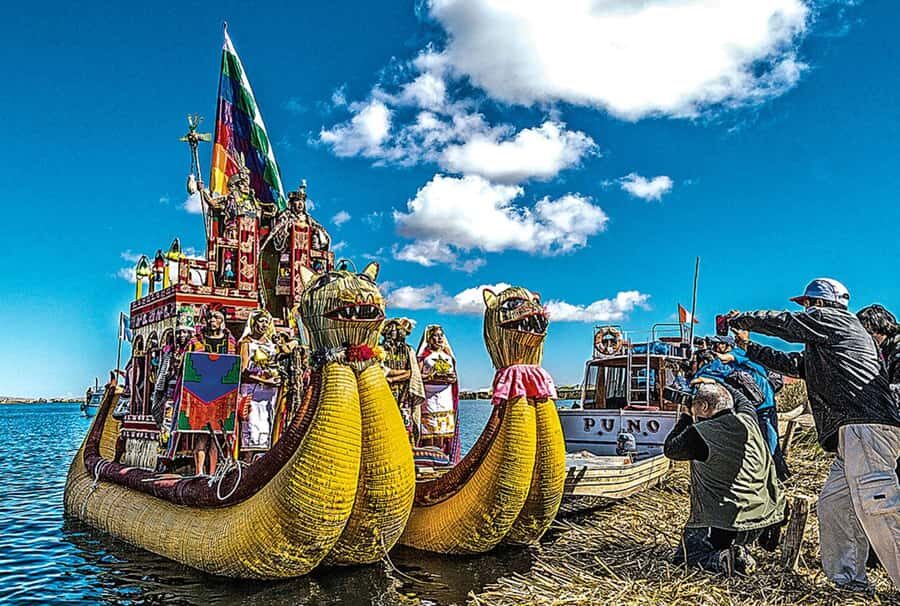
- Uros floating floors (totora): You’ll walk on the material that these communities have been using for generations.
- A real Taquile focus: Men’s textile traditions and village life are front and center on Taquile.
- Guided time plus free time: You get a guided tour and some breathing room on both islands.
- Lunch is included on Taquile: It’s prepared by locals, and there’s a vegetarian option.
- Multiple speedboat segments: Plan for travel time on the water; it’s part of the experience, not a quick add-on.
Why Uros and Taquile work so well as a day trip
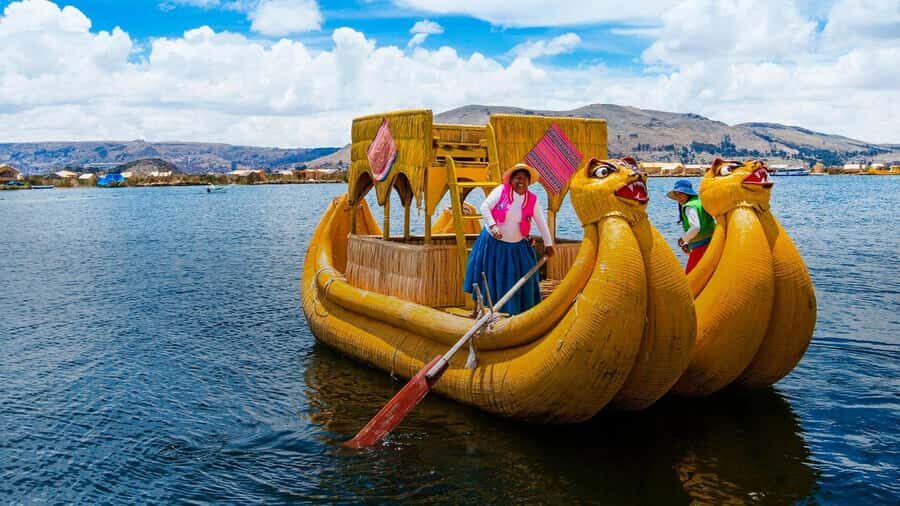
The big idea of this tour is simple: you pair a dramatic, living adaptation at Uros with a slower, culture-heavy visit on Taquile. That combination is what makes the day click, even when the timing feels brisk. Uros is all about seeing how people build and live on floating islands made with totora. Taquile shifts gears to how a community preserves identity through textiles, daily habits, and the colors you see everywhere.
What I like is that you don’t just take photos and move on. You get a guided visit and time to look around, talk (in whatever way works in a short stop), and watch crafts and traditions without the day turning into a nonstop checklist. Also, the included lunch on Taquile is a smart touch. It turns the stop from sightseeing into something more like sharing time.
A possible drawback is that Uros is famous for its visuals, so it can feel more tourist-facing than you expect. And because the day is built around seeing both islands, you don’t have the luxury of lingering for hours at Uros.
A few more Puno tours and experiences worth a look

Getting from Puno to the islands: transfers and speedboat rhythm
The day starts in Puno, with pickup from centrally located hotels near the main square area. The transfer portion is short, and then you head toward the water. From there, you’ll be on a speedboat for several segments with breaks along the way.
That boat rhythm matters for two reasons:
First, it shapes the day. You’ll spend more time on the water than you might imagine from reading about the islands alone. That’s great if you enjoy lake views and the sense of motion. It’s less great if you’re prone to feeling rushed or seasick.
Second, it affects how you’ll experience the stops. With the travel time baked in, Uros is about about 1.5 hours, and Taquile is about 2 hours with lunch and guided time. If you love one place more than the other, you’ll feel the trade-off.
If you get motion-sensitive, pack your comfort items early: water, sunscreen, and a hat. You’ll thank yourself later when you’re in full sun after a boat ride.
The Uros floating islands: walking on totora and seeing daily adaptations
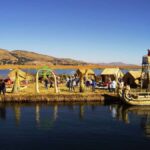
Uros is the part most people picture when they think of Lake Titicaca. The floating islands are handcrafted using totora, the lake plant that forms a kind of platform. When you arrive, you’ll typically get a photo stop first, then a guided tour, and then some time to explore at your own pace.
Walking on the floating floor is the standout moment here. It’s not just a photo opportunity—it’s a physical reminder that these islands aren’t staged sets. The materials and the floating structure change how you move and how you perceive the whole place. Even if you only spend a limited time here, you get a strong sense of what “living with the lake” actually means.
You’ll also hear about customs and crafts. This is where your expectations matter. Uros is living culture, but it’s also adapted to visitors who come for a quick look. That means you may see demonstrations, explanations, and parts of daily life presented in a way that makes sense for short visits.
One consideration to keep in mind: some people feel Uros can be rushed, especially if you expected a longer stay. The tour does provide guided time plus a window to wander, but you’re still on a full-day schedule designed to reach Taquile too.
The on-the-water pauses: use the breaks for comfort, not scrolling
Between the main stops, there are breaks and transfer moments. One of them is a scheduled break around the Lake Titicaca area before you continue onward. In practice, breaks like this are your chance to reset—use the bathroom if available, rehydrate, and shift from boat mode into walking mode.
This is also where I recommend you do the unglamorous stuff that makes the rest of the day nicer:
- Reapply sunscreen if you’re getting sunburn-prone.
- Drink water gradually, not all at once.
- Keep your camera accessible so you don’t miss quick view moments.
And if you’re traveling with a partner or friends, this is the time to agree on expectations for the day. Uros is first, Taquile second. If you’re hoping for a slow, linger-and-chat pace, you might find the day moves faster than you want.
Taquile Island: textiles, village life, and the lunch factor
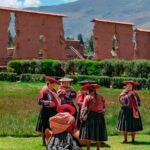
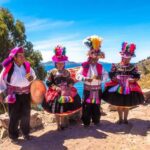
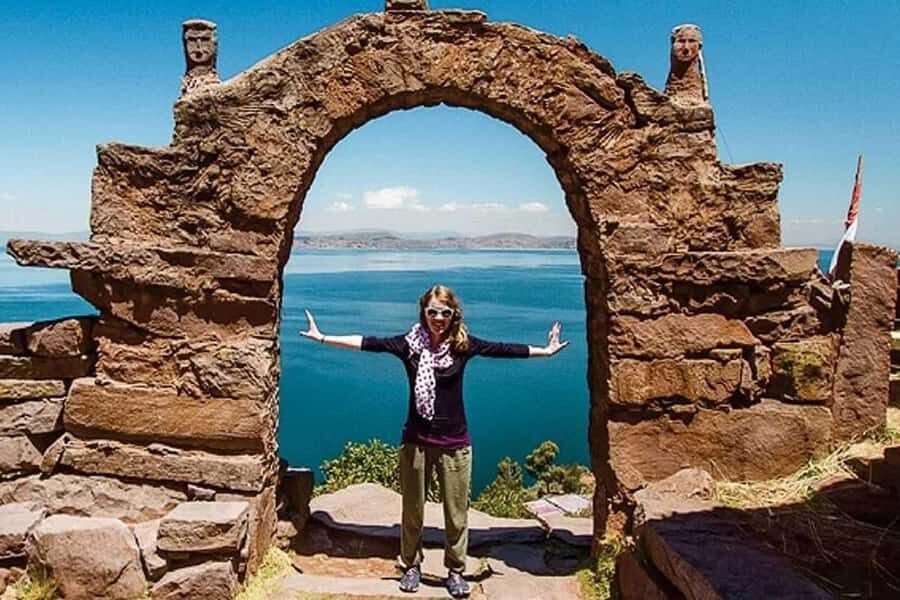
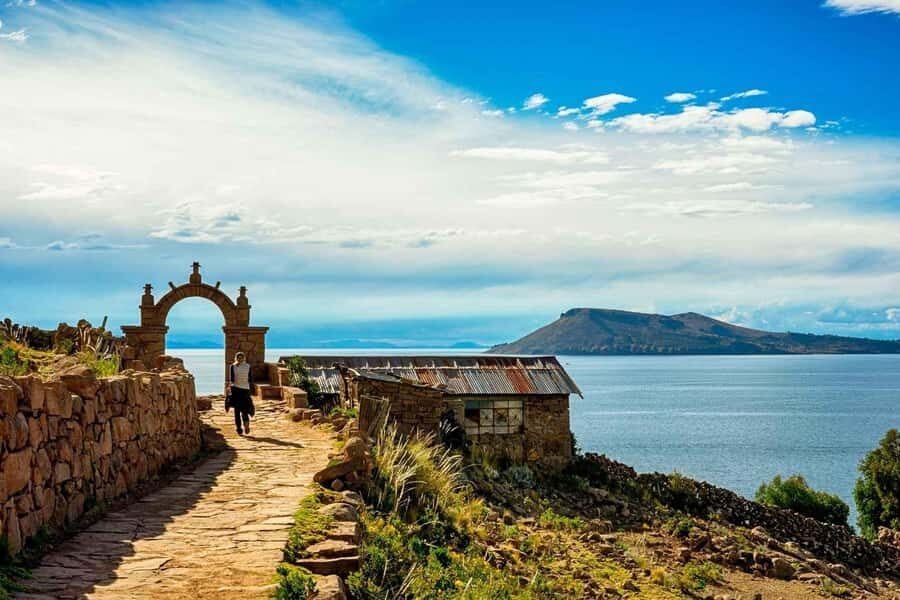
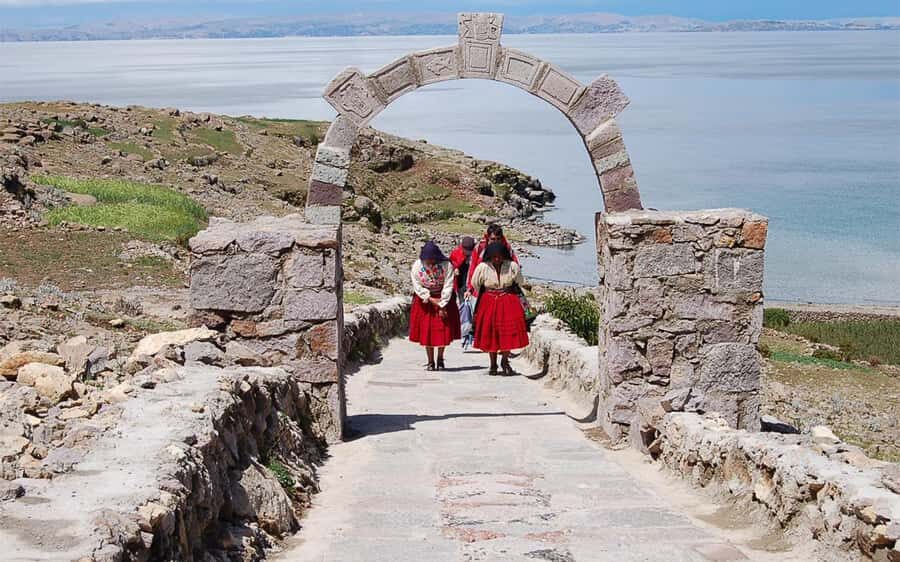
Taquile is where the tour feels more grounded. You’re not just seeing an interesting sight; you’re being guided through a community where textiles are a major piece of identity. The highlights you’ll notice are the men’s textile traditions and the way culture shows up in patterns, colors, and clothing.
A guided tour on Taquile helps you connect what you’re seeing to what it means. And since the stop includes lunch prepared by locals, the island feels like a place where people live, not a stage you visit and leave.
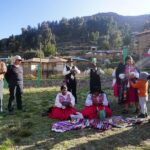
There’s also time built into the visit—so you’re not stuck only following the guide. You’ll have room to take in the panoramic views, pause, and watch village life as you go.
If you care about cultural craft more than postcard views, Taquile is usually the stronger half of the day. It tends to feel more meaningful because the focus isn’t just on what the place looks like—it’s on how people express history and community through textiles.
A few more Puno tours and experiences worth a look

What the guide actually changes (and why language matters)
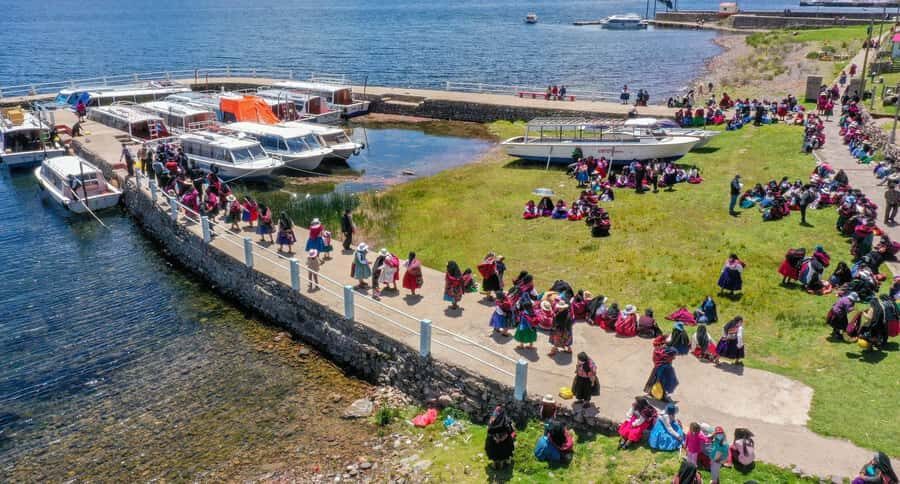
This is a bilingual tour with a live guide in Spanish and English. That matters more than you might think. On islands where traditions, customs, and craft meaning are part of the story, even a few extra details can turn a quick stop into something you’ll remember.
Some groups are guided by people like Giovani, who has been singled out for making the experience feel well organized and friendly. Even if your guide isn’t the same person, the format is consistent: guided explanations plus time to look around.
Here’s what you can do to get more out of the guide:
- Ask one question about textiles or how life works day to day.
- When you hear the terms the guide uses, repeat them back. It helps you catch details.
- If your group is small enough to ask follow-ups, don’t be shy—guides on these routes usually appreciate engaged questions.
Lunch on Taquile: what you’re really paying for
Lunch is included on Taquile, and there’s a vegetarian option available. That’s a big value point, because it removes one of the most annoying parts of island tours: finding food, managing timing, and paying extra just to keep your energy up.
The lunch being prepared by locals also changes the tone. Instead of eating in a generic tourist setting, you eat as part of the island stop. Add the panoramic setting, and lunch becomes more of a pause than a chore.
I’d suggest going into lunch time with a little patience. Island logistics and short visits mean meals are timed to the day. Plan to enjoy it, not rush through it.
Price and value: does $34 feel fair?
At $34 per person for an 8-hour day that includes island tickets, hotel-area transfers, speedboat transportation, a bilingual guide, and lunch, the value is solid—especially if you’d otherwise have to pay separately for boats, entry fees, and a meal.
What you are paying for is not just the islands as “attractions.” You’re paying for:
- Organized timing on the water
- Access to both Uros and Taquile in one day
- The guide’s explanation so you’re not guessing what you’re looking at
- Lunch handled for you, including a vegetarian option
The trade-off is that you’re not buying a long, slow experience. You’re buying a packed day. If your ideal pace is more like half-day wandering, this tour may feel a little compressed—particularly around Uros.
What to bring (and what to skip)
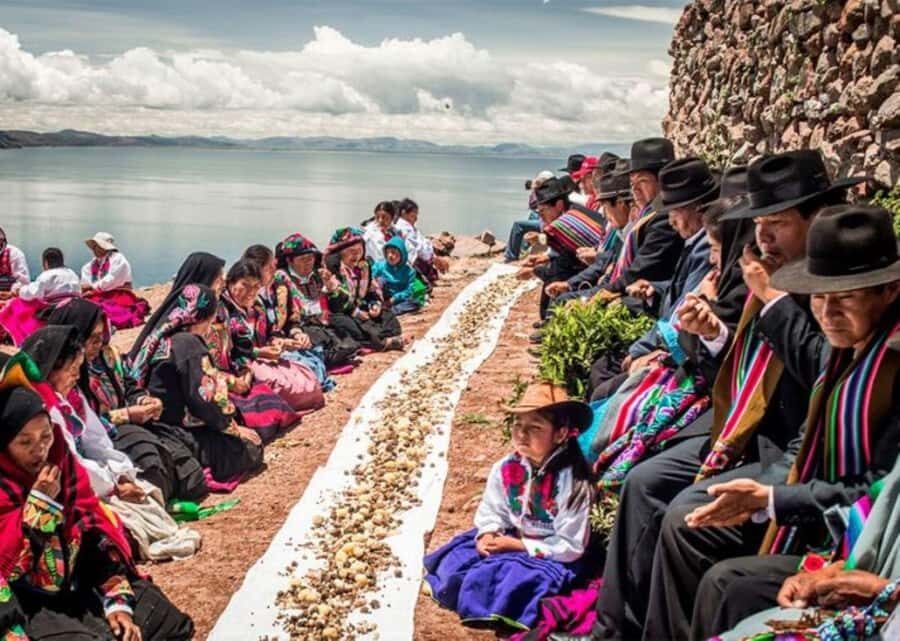
For an 8-hour day with boats and walking, keep it simple. Bring:
- Sun hat
- Camera
- Sunscreen
- Water
- Comfortable clothes
A couple of practical notes:
- The sun can be intense around the lake, especially after you’ve been out on the water.
- Wear comfortable, secure footwear for walking on uneven island surfaces.
- There’s a clear rule: no smoking.
Also, if you’re sensitive to motion or sun, pack what you need before you get on the boat. On a schedule like this, there’s limited time to solve problems later.
Who this tour fits best (and who may want another option)
This tour is a good match if you want a classic Lake Titicaca combo: floating islands first, then textiles and village culture on Taquile. It’s also ideal if you like having a guide because both stops are about meaning, not just views.
It’s less ideal if:
- You need long time at Uros.
- You get uncomfortable with multiple speedboat segments.
- You have mobility limitations. The tour is not suitable for people with mobility impairments.
If you’re comfortable with a structured full day, this is a practical way to see two of the region’s most important cultural stops without spending extra time planning.
Should you book this Puno Uros and Taquile full-day tour?
Book it if you want a value-packed day that includes transport, guidance in Spanish and English, island entry, and lunch—while still giving you time to walk, take photos, and absorb the culture behind both stops.
Skip or reconsider if your priority is a long, slow experience at Uros, or if you know you strongly dislike speedboat time. In those cases, you may prefer a more flexible option that lets you spend extra hours where you’re most interested.
FAQ
How long is the Puno Uros and Taquile full-day tour?
The duration is listed as 8 hours.
Where do you get picked up?
Pickup is from centrally located hotels in Puno, within about 500 meters from the main square. Pickup outside of the historic center is available for an additional fee.
Do you visit both Uros and Taquile islands in one day?
Yes. The tour visits the Uros Floating Islands and then Taquile Island, with guided time at both.
Is lunch included?
Yes. Lunch is included on Taquile Island, prepared by locals, and a vegetarian option is available.
What languages is the tour guide?
The live guide speaks Spanish and English.
How do you travel between stops?
You use speedboat transportation on Lake Titicaca, plus a short van transfer portion in Puno.
What’s the total walking and island time like?
You’ll have a guided tour and free time on Uros (about 1.5 hours) and a guided visit, lunch, and break time on Taquile (about 2 hours).
Is the tour suitable for people with mobility impairments?
No. It is not suitable for people with mobility impairments.
What should I bring?
Bring a sun hat, camera, sunscreen, water, and comfortable clothes.
What’s not allowed during the tour?
Smoking is not allowed.