REVIEW · CUSCO
4 Day Inca Trail To Machu Picchu – Private Service
Book on Viator →Operated by Valencia Travel Agency S.a.c. · Bookable on Viator
Dead Woman’s Pass is no joke. This private 4-day Inca Trail packs high-altitude passes, cloud-forest ruins, and a guided walk that ends at Machu Picchu. The big appeal is that you get undivided attention from a bilingual guide, so the trail feels personal instead of rushed.
I also like the way the trip handles the hard logistics for you. Camping gear is covered (4-man tents, foam mattresses), a cook works on-site for your meals, and porters carry the cooking and camp equipment—plus there’s support for your personal items up to 7 kg.
The main drawback to plan for is the physical effort. You start around 2,720 m and climb to Abra de Warrmihuañusca (Dead Woman’s Pass) at about 4,200 m, with steep sections and cold nights around 4–5°C depending on the month.
In This Review
- Key highlights to look for
- Why private guidance matters on this Inca Trail
- Price and logistics: what your $1,395 covers
- Day 1: Piscacucho check-in and the first cloud-forest climbs
- Day 2: Dead Woman’s Pass and Runkurakay on the way to camp
- Day 3: Phuyupatamarca, Intipata steps, and Wiñay Wayna
- Day 4: Sun Gate before sunrise and the walk into Machu Picchu
- Camp setup, meals, and altitude safety details
- Huayna Picchu permits: timing tradeoffs
- Should you book this private 4-day Inca Trail to Machu Picchu?
- FAQ
- What time does the trek start in Cusco?
- Is this a private tour or shared with other people?
- How do you get to and from Machu Picchu?
- Are meals included on the trek?
- What about camping gear and sleeping arrangements?
- Is Huayna Picchu included?
- What is the cancellation policy?
Key highlights to look for
- Private service, only your group: one guide and a small support team, with time to ask questions.
- Camp setup without carrying everything: tent, sleeping pad, and chef-led meals included.
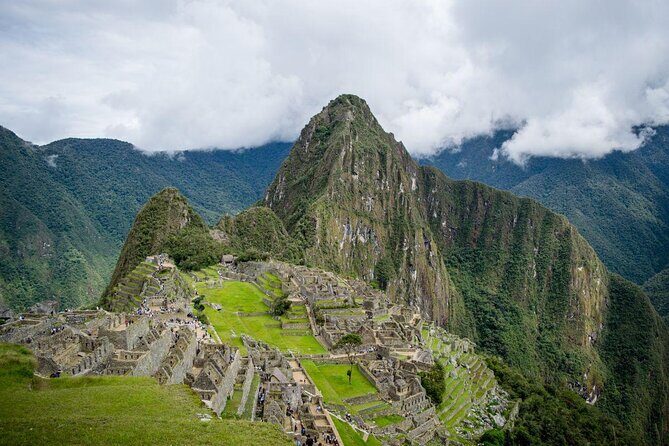
- Classic Inca sites along the way: Huillca Raccay, Patallacta, Phuyupatamarca, Intipata, Wiñay Wayna.
- Big altitude moments: Dead Woman’s Pass plus Runkurakay pass, then a fast push to Machu Picchu early.
- Machu Picchu at the right hour: Sun Gate before sunrise for that first view.
- Optional Huayna Picchu needs permits early: two time sessions can affect your day.
Why private guidance matters on this Inca Trail
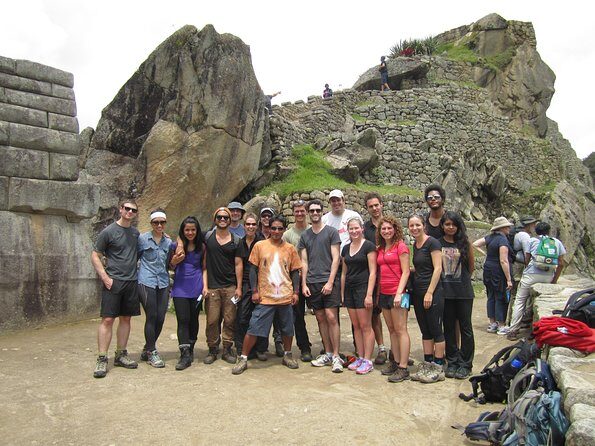
The Inca Trail rewards steady pacing and good timing. On a private service, you’re not stuck matching a random group’s speed or being shuttled along with no room for questions. With a professional bilingual guide (and an assistant guide when the group is large enough), you get more back-and-forth on what you’re seeing: Inca culture, sacred pilgrimage logic, and the why behind each stop.
This matters because the trail isn’t just scenery. You’ll be walking through places tied to Inca beliefs about mountains (apus), and the route itself is described as a sacred pilgrimage. When your guide has time to connect the dots, the ruins feel more than postcard backdrops.
Also, private doesn’t mean fancy for show. It means practical: you can stop when you need to breathe, ask about a pass or ruin, and keep your day organized—especially at the start of the trek and again when you’re moving toward Machu Picchu.
You can also read our reviews of more private tours in Cusco
Price and logistics: what your $1,395 covers
At $1,395 per person, you’re paying for much more than a hike. This price covers the core things that normally blow up the budget on mountain trips: guide service, camp infrastructure, most meals, and the transport chain that gets you to and from Machu Picchu.
Included logistics you’ll feel right away:
- Transport: bus to kilometer 82, then train back to Ollantaytambo, plus collection from the station on day 4.
- In-camp support: cook, dining tent with tables/chairs, porters for camp and cooking equipment.
- Sleep setup: 4-man tents (shared), plus foam sleeping mattress.
- Altitude safety gear: an oxygen bottle and a first aid kit.
- Personal carry limit: a personal porter carries up to 7 kg of your effects.
What’s not included (and why it matters): tips/gratuities, walking sticks, and some meals on specific days. If you’re strict about budgeting, note that not all meals are included, and Huayna Picchu is also extra because its entrance ticket is not included.
Day 1: Piscacucho check-in and the first cloud-forest climbs
Day 1 starts with structure. You meet at Hotel around 4:30 am, then you continue to Piscacucho for check-in. This is where you show passport and tickets at the control point. It’s also the moment to use restrooms and do the basics—sunscreen and insect repellent—before you’re deep on the trail. You’ll want to treat this part like a mini mission: once the hike starts, your options narrow.
From there, you begin the trek at about 2,720 m and cross the Vilcanota River (staying on the right side). Then the walking turns more steep and atmospheric as you move into cloud forest. You’ll spot views tied to places like Huillca Raccay and Patallacta, and you’ll also catch sight lines toward the Urubamba mountain range, plus the snow-capped peak W’akay Willca (known as Veronica) at about 5,860 m.
The day ends at Wayllabamba camp around 3,000 m after roughly 7 hours of trekking. Nights can be around 5°C depending on the month. That’s cold enough to matter, especially if you get damp or slow down. The upside: Day 1 sets your body rhythm without throwing you straight into the highest pass.
Day 2: Dead Woman’s Pass and Runkurakay on the way to camp
Day 2 is the day you remember. You’ll have breakfast cooked by the team, and the trek starts early (around 5:30 am) so you get daylight for the climb. Then comes a steep ascent described as part of the Inca pilgrimage route toward the mountains or apus.
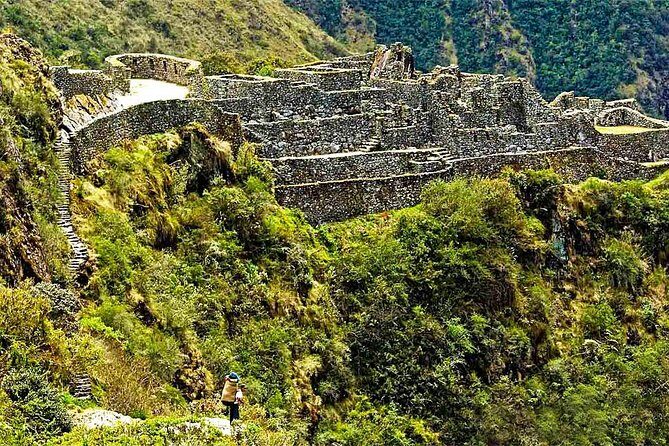
The big milestone is Abra de Warrmihuañusca, called Dead Woman’s Pass, at about 4,200 m. Plan to feel it in your lungs and legs. This is one of the places where going too fast punishes you later. A private setup helps here because your guide can help you keep a pace that fits your body, not someone else’s.
After you rest at the pass, you descend to lunch at Pacaymayu around 3,550 m. It’s not just a break. The route passes through rich cloud-forest plant life, including Polylepis trees that grow in this band. If you pay attention, you may spot hummingbirds and other birds too, which adds a little life to the climb-and-descend rhythm.
Then you tackle another steep push after lunch: about 2 hours to Runkurakay pass near 4,000 m. You reach the next campsite by around 5 pm, typically with overnight temps near 4°C. If Day 1 is about settling in, Day 2 is about earning the rest of the route.
Day 3: Phuyupatamarca, Intipata steps, and Wiñay Wayna
Day 3 is long enough to feel real, but it’s also where the trail starts to feel cinematic. The trek covers about 10 km and takes around 5 hours more or less. You’ll do a gentle climb first, then hit your major archaeological moment: Phuyupatamarca, meaning Town in the Clouds, at about 3,680 m. You’re at the third highest point on the route, so the views aren’t subtle.
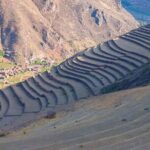
From there, you continue toward the area tied to the third pass and then move through cloud forest along around 3,000 steps to Intipata, an agricultural Inca site. This is the kind of walking that forces you to slow down and look. Terraces and agriculture details make more sense when you see how the Inca positioned farming on steep ground.
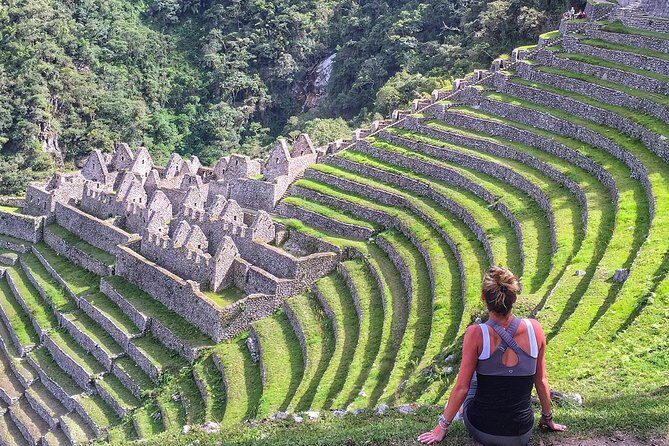
Later, you reach the third campsite: Wiñay Wayna around 2,680 m. You’ll arrive by lunchtime after walking about 4 to 5 hours. Nearby is the Wiñay Wayna Inca site, often described as Forever Young, and it’s considered a must-see close to finishing the trek. This is where fatigue starts to flip into satisfaction.
If you want one lesson for Day 3: save energy for the steps. They don’t look scary on a map, but in the body, they add up.
A few more Cusco tours and experiences worth a look

Day 4: Sun Gate before sunrise and the walk into Machu Picchu
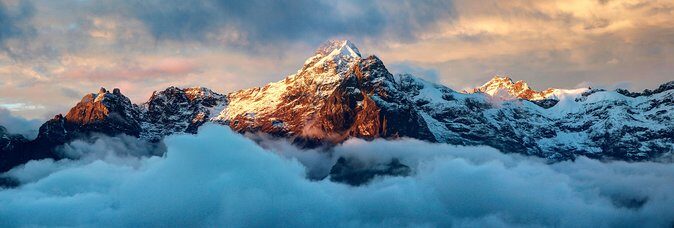
Day 4 is short on paper but high impact. You wake early, have breakfast, and then head out for about 5 km (around 2 hours). The key timing goal is reaching Intipunku (Sun Gate) at about 2,730 m before sunrise.
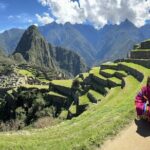
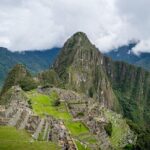
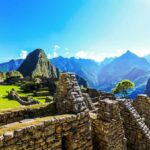
That pre-dawn push is why the Inca Trail still feels like the Inca Trail. You’re not just walking to a destination. You’re lining up for the first view. Once you get there, you’ll get your first big look at Machu Picchu at about 2,400 m.
From there, you’ll spend time at Machu Picchu itself. The admission ticket is described as included here, and your guide will help you connect what you’re seeing to Inca design and sacred geography. (Huayna Picchu is different—its entrance ticket is not included, and it has permit time windows, which I cover below.)
After Machu Picchu, you’ll take the bus down to Aguas Calientes. Then the route continues with the train back to Ollantaytambo, and you’re collected from the station on day 4. The itinerary is built so you finish the day with transportation handled, which is a big deal after four days of physical effort.
Camp setup, meals, and altitude safety details
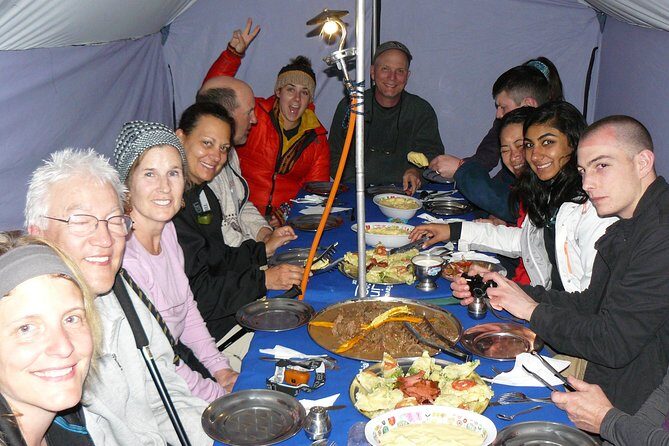
This trip is set up as a full trekking package, not a “good luck with the rest” situation. You’ll eat meals cooked on-site, and the schedule includes 3 breakfasts, 3 lunches, and 3 dinners. Water is provided for drinking but you’re told to bring water for the first morning, then they provide previously boiled drinking water afterward.
Sleep is basic but far better than “roughing it” in the wrong way. You get 4-man tents (you’ll share depending on your group setup) and foam sleeping mattresses. This won’t feel like a hotel, but it does help you wake up with energy instead of lying awake thinking about every rock under your back.
The support team is a major part of the value. Porters carry cooking and camping equipment, and there’s also a personal porter carrying up to 7 kg of your personal effects. Your job is mainly your day pack and your own pacing.
Altitude safety is also spelled out. An oxygen bottle is included, plus a first aid kit. That’s not a guarantee against altitude problems, but it’s a real comfort when you’re dealing with high passes like Dead Woman’s Pass at around 4,200 m.
One more practical note: since walking sticks are not included, consider bringing your own if you know they help your knees. The trail includes steep climbs and stairs-like sections, especially on Day 3.
Huayna Picchu permits: timing tradeoffs
If you’re thinking about Huayna Picchu, you need to plan early. Its entrance ticket is not included. The permits come in two time sessions: 7am–8am or 10am–11am.
Here’s the key tradeoff: if you get the 7am session, you may have to miss the Machu Picchu guided tour. Since the day is already built around catching Sun Gate before sunrise, don’t treat Huayna Picchu as an optional add-on you can decide at the last minute. Line up the timing so your “must-see” list doesn’t end up competing with itself.
Also, because permits are limited, assume you’ll need to act fast once you book.
Should you book this private 4-day Inca Trail to Machu Picchu?
If you want a top-tier trek experience where the logistics are handled and the trail stays personal, this is a strong fit. The price makes sense when you see what’s included: guide service, camp gear, cook-led meals, porters, oxygen, transport, and the Machu Picchu day plan built around Sun Gate before sunrise.
You should book if:
- You’re comfortable with a moderate fitness level and you’re willing to pace yourself on big climbs.
- You want a private feel with a guide who can explain what you’re seeing as you go.
- You’d rather show up with your body and let the team manage camp and carry-work.
You should think twice (or train a bit) if:
- You’re easily knocked out by altitude or long stair-like walking.
- Cold nights around 4–5°C could be an issue for you, especially if you don’t pack warm layers.
- You have strict budgeting for meals or tips, since some are not included and gratuities are on you.
My practical advice: commit to the climb with a slower pace than you think you need. The Inca Trail isn’t won by speed. It’s won by steady breathing, smart pauses, and watching the ruins unfold as you pass them.
FAQ
What time does the trek start in Cusco?
The start time is listed as 4:00 am, with the meeting point described around 4:30 am at your hotel. Expect an early start and plan to be ready the night before.
Is this a private tour or shared with other people?
It’s described as a private tour/activity, meaning only your group will participate.
How do you get to and from Machu Picchu?
You take a bus to kilometer 82, then a train back to Ollantaytambo. On day 4, you’re collected from the Ollantaytambo train station, and there’s also a bus trip down from Machu Picchu to Aguas Calientes.
Are meals included on the trek?
Yes, most meals are included: 3 breakfasts, 3 lunches, and 3 dinners are listed. The trip also notes that certain meals on specific days are not included, including the first breakfast/lunch/dinner on the last day.
What about camping gear and sleeping arrangements?
You’ll be provided with camping gear including a dining tent, 4-man tents (shared), and a foam sleeping mattress.
Is Huayna Picchu included?
No. Entrance to Huayna Picchu is not included. Permits need to be booked in advance with time sessions 7am–8am or 10am–11am.
What is the cancellation policy?
The experience is non-refundable and cannot be changed for any reason. If you cancel or request amendments, the amount paid will not be refunded.