REVIEW · CUSCO
From Cusco: Sacred Valley & Machu Picchu 2-Day Tour by Train
Book on GetYourGuide →Operated by FLY CUSCO PERU Travel Agency · Bookable on GetYourGuide
Two days in Peru can feel like one long checklist. This one is built around small-group guidance and door-to-door transfers, with a train ride that actually turns the journey into part of the trip. You’ll hit Chinchero’s alpaca-and-weaving stop, then Moray and Maras salt mines, and finish with a guided visit to Machu Picchu.
The biggest consideration is pacing. You’re up early for Machu Picchu, you walk at multiple sites, and luggage or large bags aren’t allowed, so pack light and plan for the schedule.
In This Review
- Key highlights worth caring about
- Sacred Valley to Machu Picchu in 48 hours: why this tour model works
- Day 1 in the Sacred Valley: Chinchero alpacas, Moray terraces, Maras salt ponds
- Chinchero: alpacas, weaving, and a family-run feel
- Moray: the Incas’ agricultural experiment in stone bowls
- Maras Salt Mines: classic salt-pond photos, plus real walking time
- Urubamba lunch: buffet variety with vegetarian options
- Ollantaytambo: terraces, ruins, and the road link toward Machu Picchu
- Train to Aguas Calientes: you start Machu Picchu night one
- Vistadome 360° versus normal train: picking the right kind of views
- Aguas Calientes overnight: how to use one night well
- Day 2: Machu Picchu by early bus, guided Circuit 1/2/3, then train back
- First photo moment: the view from higher up
- Circuit choice: ticket included, path depends on availability
- Lunch on day two: not included
- Train back: Ollantaytambo connection and return to Cusco
- Guides and small groups: what you gain when you’re not packed in
- Included value versus what costs extra
- Packing and logistics: the stuff that affects your comfort
- Price and scheduling: the trade-offs you’re making at $499
- Who this tour fits best (and who should skip it)
- Should you book this Cusco to Machu Picchu train tour?
- FAQ
- How do hotel pick-ups work in Cusco?
- Is this tour only for Machu Picchu, or does it include the Sacred Valley too?
- Do I need to pay a separate ticket for the Sacred Valley?
- What Machu Picchu ticket do you get?
- Is lunch included during the trip?
- Can I choose the train experience?
- What kind of hotel is included in Aguas Calientes?
- Are big bags or luggage allowed?
- What documents do I need to provide?
- Is the tour refundable?
Key highlights worth caring about
- Max 10 people, real guide time: you get questions answered and time to look, not just shuffle.
- Door-to-door pick-up in Cusco: transport starts at your hotel in the historic center.
- Panoramic train option (Vistadome 360°): choose between normal service and a big-window ride.
- Machu Picchu ticket included (Circuit 1/2/3): your path is assigned based on availability.
- Sacred Valley day with focused stops: Chinchero, Moray, and Maras Salt Mines plus Ollantaytambo.
- Early Machu Picchu timing can help: when your entrance time is early, you usually see the site with fewer people.
Sacred Valley to Machu Picchu in 48 hours: why this tour model works
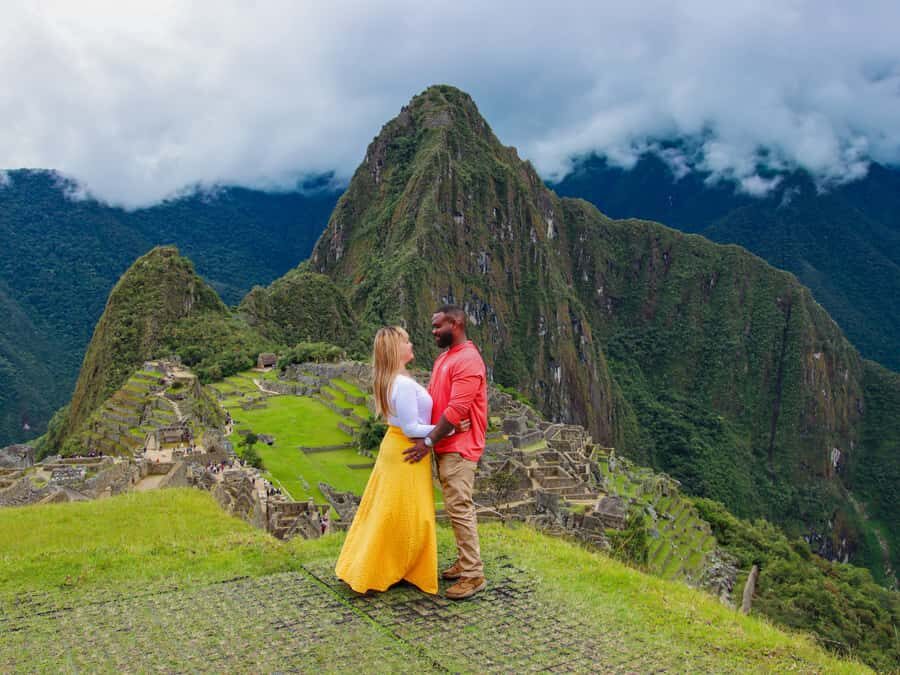
If you’ve only got a short window in Peru, the key is removing decisions from your plate. This tour handles the big moving parts: hotel pickup in Cusco, guided stops in the Sacred Valley, train tickets back and forth to Aguas Calientes, bus access to Machu Picchu, and a guided visit at the site.
What I like about the design is that it keeps the experience human-sized. With a small group (up to 10), you spend more time understanding what you’re seeing, and less time trying to keep up. And with door-to-door service, you don’t lose half a day hunting down buses or train station directions in Cusco traffic.
The value also comes from how the trip flows. Instead of bouncing between random tour companies, you get a single plan that takes you from Cusco out to the ruins, up to Machu Picchu, and back by train with guide support at the critical moments.
A few more Cusco tours and experiences worth a look
Day 1 in the Sacred Valley: Chinchero alpacas, Moray terraces, Maras salt ponds
Day one starts with pickup after breakfast in Cusco, typically around 7:45 AM. From there, you’re on the road toward the Sacred Valley with transportation that’s described as modern and comfortable, plus a full-day structure that doesn’t leave you guessing what happens next.
Chinchero: alpacas, weaving, and a family-run feel
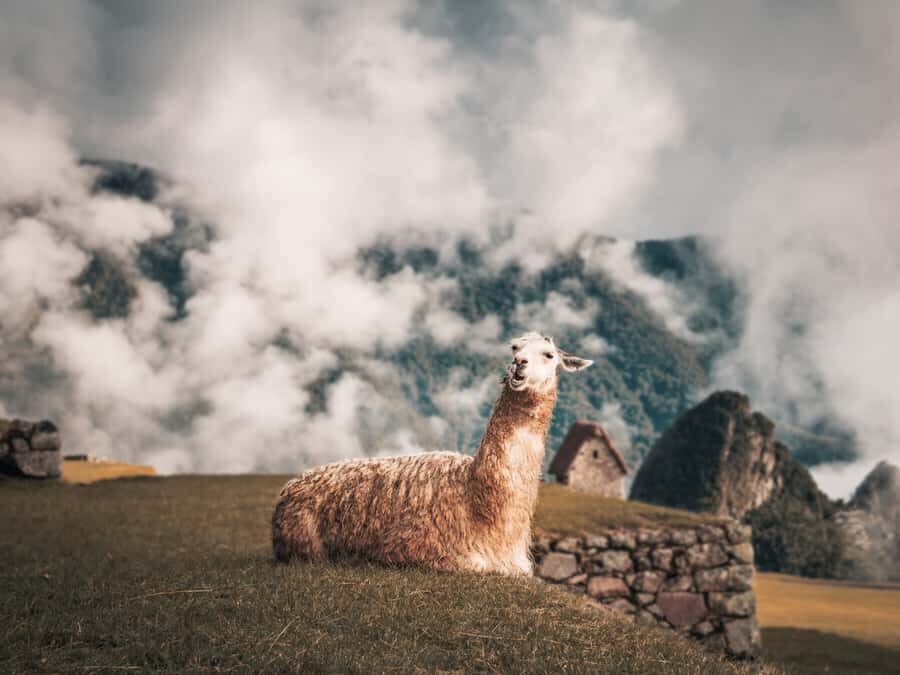
You arrive around 8:45 AM in Chinchero. This stop blends a photo moment with something more practical: you visit a local family that keeps weaving traditions alive. You’ll meet alpacas and llamas, take pictures, and learn about weaving techniques using natural ingredients to create fabric by hand.
This is one of those places where the details matter. If you’re used to tourist craft stalls, this feels different because it’s connected to real people and real hands-on processes. You’ll also have about 30 minutes of free time and shopping time, so you can grab small souvenirs without turning the visit into a rushed market sprint.
Moray: the Incas’ agricultural experiment in stone bowls
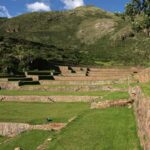
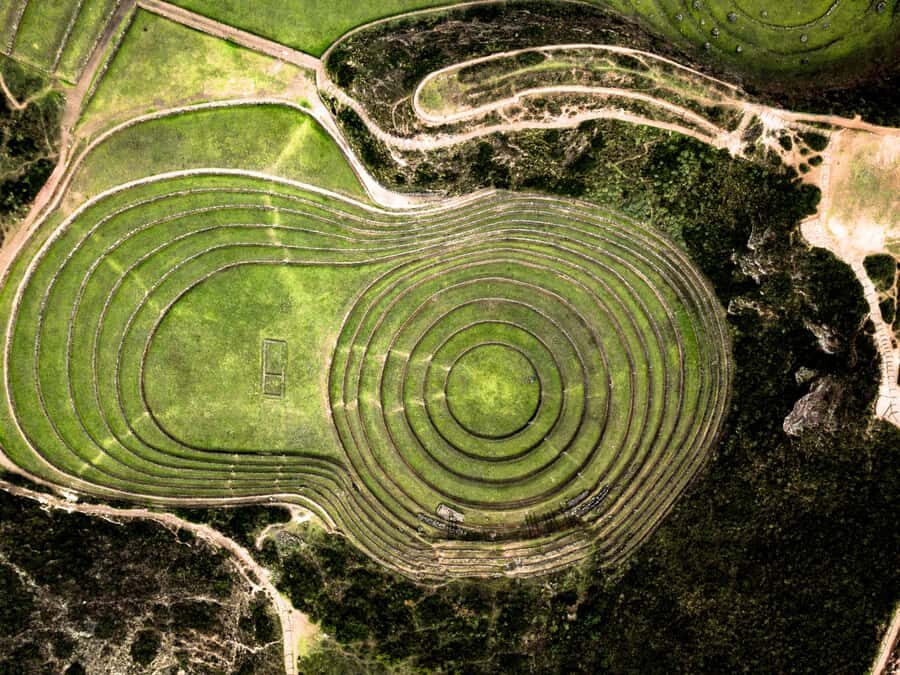
Around 9:30 AM, you reach Moray Archaeological Park. The terraces here look like stone circles cut into the Andes, and the guide explanation focuses on how the Incas used the site as an agricultural laboratory, creating different climatic zones on the terraces.
The practical part: Moray is shorter than Machu Picchu, so you can appreciate the geometry and views without feeling like you’ve been on your feet for hours. Still, expect some walking and uneven ground, so comfortable shoes are a must.
Maras Salt Mines: classic salt-pond photos, plus real walking time
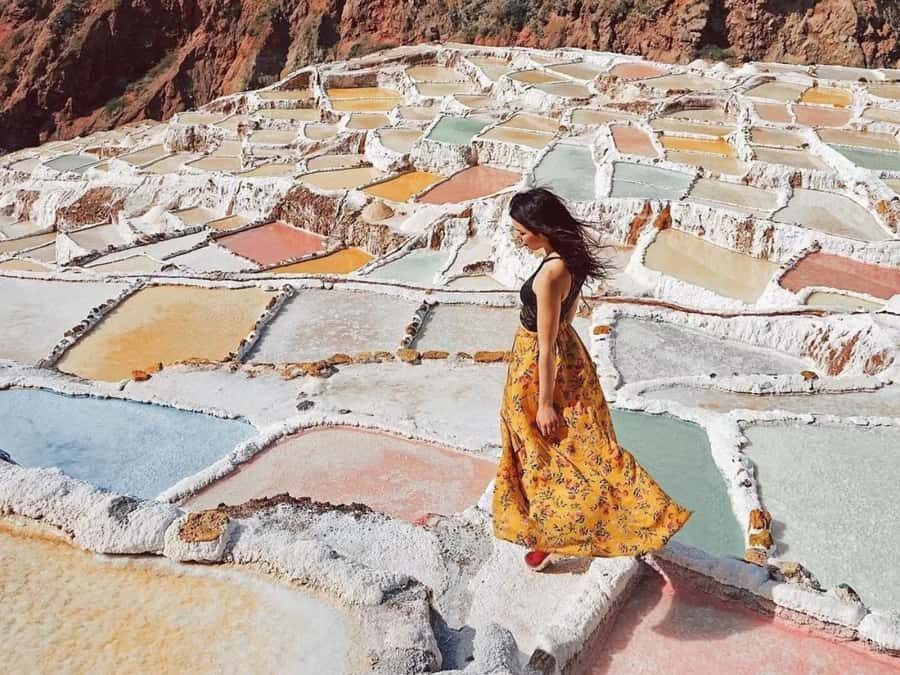
Next, you hit the Maras Salt Mines around 11:00 AM. You’ll stand in front of thousands of salt ponds that are still in use, and this is one of the most recognizable photo stops in the region. The guide will capture photos for you, and the schedule gives you time to move slowly and frame the salt pans and mountains in the background.
This is also where you get your first strong sense that Sacred Valley tours aren’t just ruins. They’re living landscapes of work—salt here is still harvested.

Urubamba lunch: buffet variety with vegetarian options
By about 1:00 PM, you’re in Urubamba for a buffet lunch. Vegetarian options are available, which matters because Sacred Valley day tours often end up with one predictable meal choice. The schedule gives you around 50 minutes, so you can eat, reset, and not feel stuck at the table.
Ollantaytambo: terraces, ruins, and the road link toward Machu Picchu
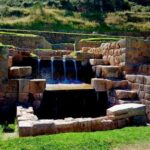
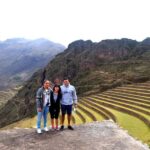
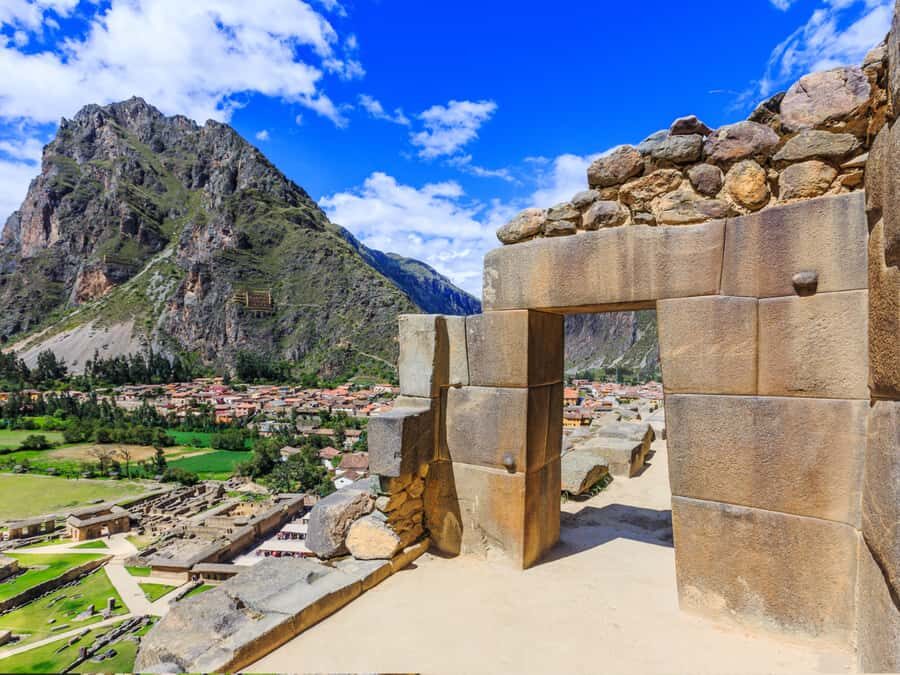
Around 2:40 PM, you arrive at Ollantaytambo for the day’s final ruins stop. This place served as a highly protected area, including functioning as an entrance road connected with Machu Picchu. You get guided time plus breaks for photo stops and free time, along with shopping and sightseeing.
One thing to like here: Ollantaytambo ties the story together. After Chinchero, Moray, and Maras, this stop helps you understand why this route mattered in the first place.
Train to Aguas Calientes: you start Machu Picchu night one
Once the day finishes, you head to the train station and board your chosen train for the ride to Aguas Calientes. The travel time is about 1 hour 45 minutes, and the route is positioned as scenic mountainous terrain before you’re finally close to Machu Picchu.
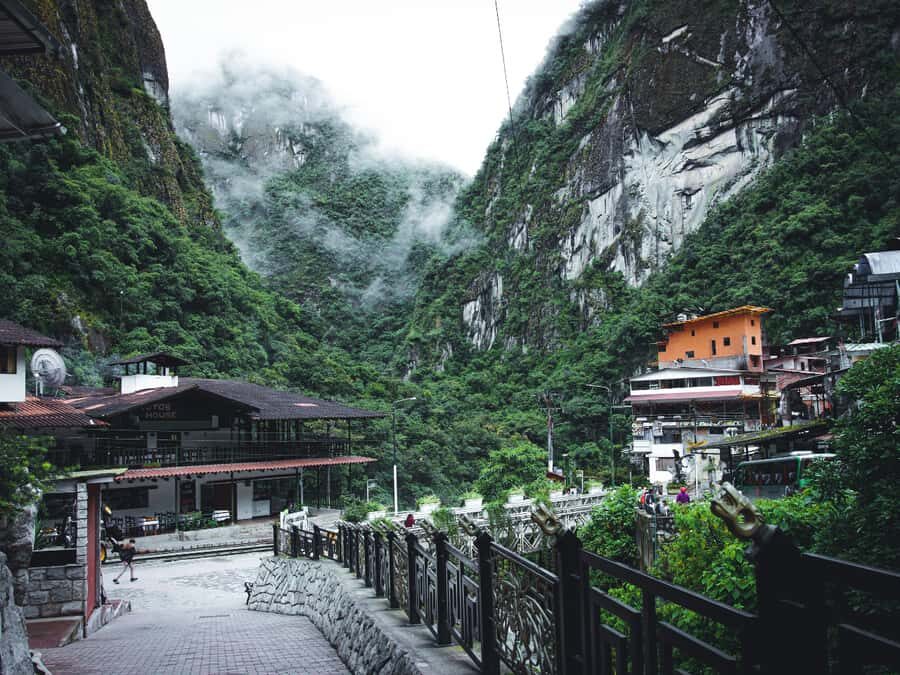
You arrive around 6:10 PM. At the exit, a team member is waiting for transfers to your hotel in Aguas Calientes, and you check in for the night. After that, you get the afternoon free on your own.
Practical note: in Aguas Calientes, this is the moment to rest and keep your routine simple. Your next morning starts early, and you’ll be walking more than you expect—especially if your circuit includes extra stairs and viewpoints.
Vistadome 360° versus normal train: picking the right kind of views
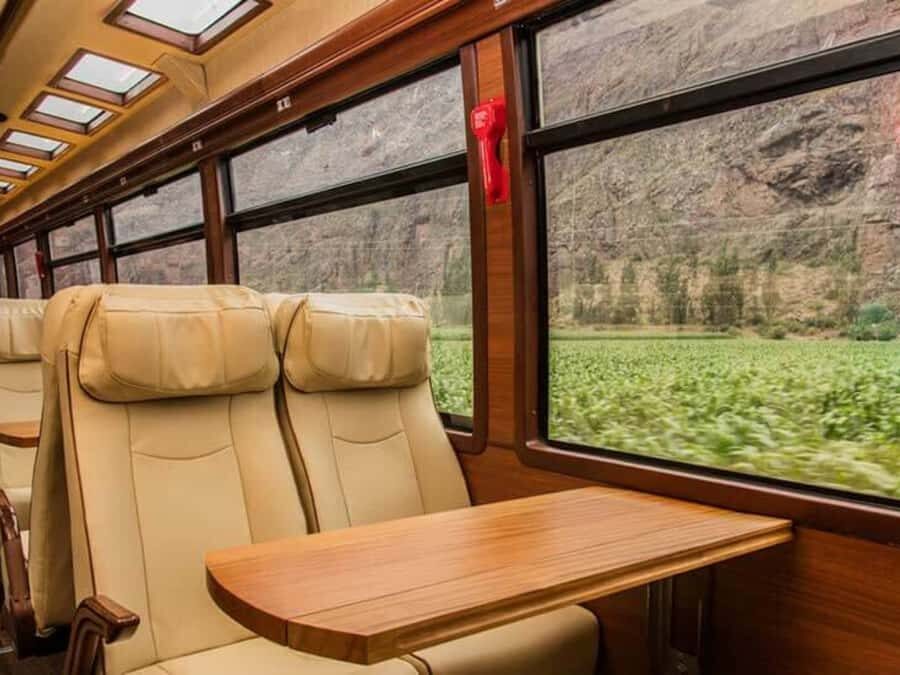
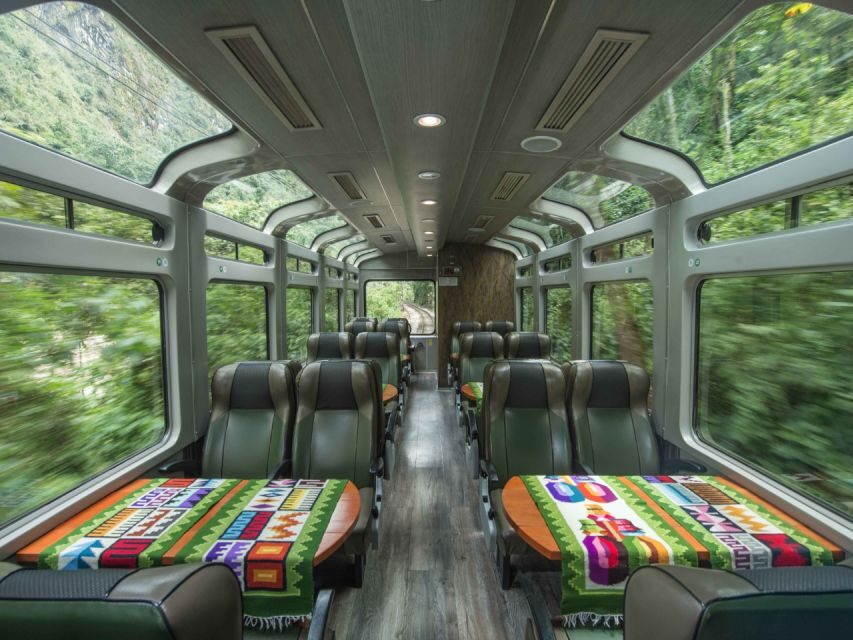
You can choose your train class when booking: a normal train option or the Vistadome 360° panoramic service. Either way, you’re on the same route and the same overall timetable, so this choice mainly affects how the ride feels.
If you choose Vistadome, you’re paying for the experience of bigger windows and a more “look out constantly” vibe. Many people love it because the train turns into a moving viewpoint, and the first carriage atmosphere can get lively with people snapping photos and trading commentary with strangers.
If you prefer quiet, minimal fuss, the normal train option can still be satisfying. You’ll still get the mountainous scenery and you’ll still get the big benefit: you don’t have to manage transfers and ticketing by yourself.
Aguas Calientes overnight: how to use one night well
This tour includes one-night stay in a 2-, 3-, or 4-star hotel of your choice at booking. That range matters because Aguas Calientes varies a lot street to street. Some hotels are straightforward and practical; others feel more comfortable and relaxed.
You also have an immediate reason to book intelligently: you’re going to be leaving early on day two. So even if you don’t care about hotel amenities much, you do care about whether you can sleep, take a quick shower, and wake up without stress.
In the late afternoon, you’re on your own. Keep plans flexible. In this part of Peru, weather can change, and Machu Picchu mornings can bring mist or sun fast. Bring a jacket and keep a power bank handy if you’re photographing.
Day 2: Machu Picchu by early bus, guided Circuit 1/2/3, then train back
Day two begins with breakfast at your Aguas Calientes hotel around 7:00 AM. Then you meet your guide and head to the bus station in town. The bus ride takes you to the main gate of the Historic Sanctuary of Machu Picchu, where you start your visit.
First photo moment: the view from higher up
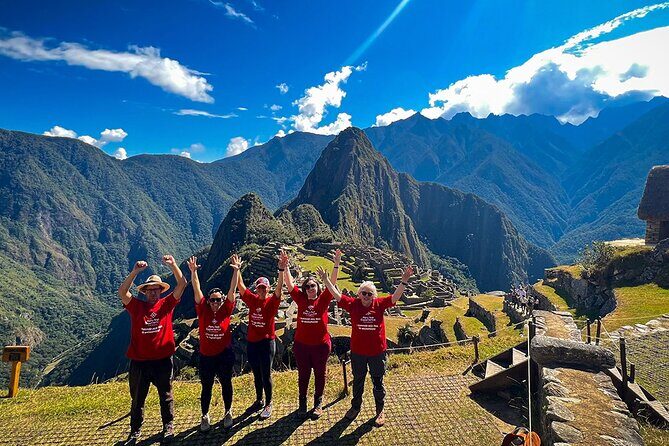
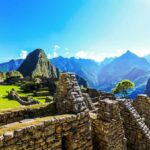
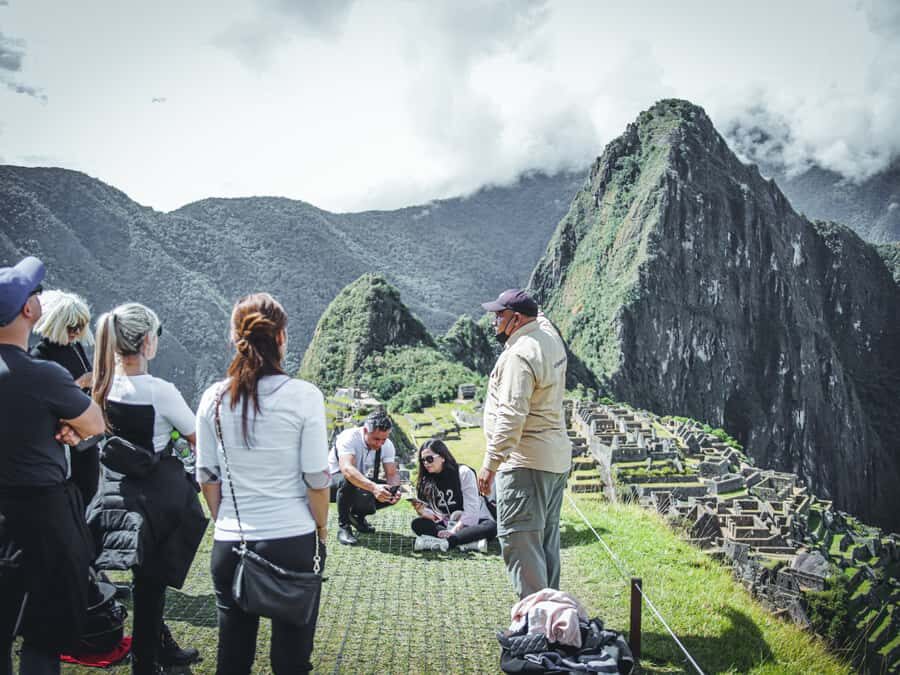
Your guide leads you through the classic start: you’ll take the classic Machu Picchu photo from the upper part, then continue through the lower part of the site. The visit lasts about 2.5 hours, which is enough time to follow the route comfortably without feeling like you’re sprinting from stop to stop.
The guide part is important here. With a good guide, you get meaning behind the stones—how the site was organized, why certain buildings are where they are, and how the views connect to the overall layout. Guides like Carlos and Martin are known (in this kind of tour team) for pacing people well and using visual references to help you connect what you’re looking at to what’s being explained.
Circuit choice: ticket included, path depends on availability
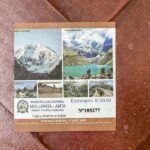
Your Machu Picchu entry ticket is included, and it’s assigned as Circuit 1, 2, or 3 depending on availability. Your circuit controls what you’re allowed to see and the route you follow, so your best move is to treat the circuit number as your day plan, not as something you’ll change on the fly.
If your ticket is Circuit 2, you may find the experience especially satisfying because it’s described as a highlight by some people. Even if you don’t know the circuit details ahead of time, plan for a mix of stairs, walking, and viewpoints.
Lunch on day two: not included
After the guided portion ends, you bus back to Aguas Calientes. You’ll have time for lunch, but lunch isn’t included. This is a good chance to eat something simple and not spend your energy hunting for a place you’re unsure about.
Train back: Ollantaytambo connection and return to Cusco
At the scheduled time, you board your train back to Ollantaytambo. Once you arrive, your transport is waiting to return you to Cusco. The estimated arrival time is about 6:30 PM.
That evening timing is a big plus if you’re trying to keep the rest of your Cusco days intact. You still get your full day two in Machu Picchu, but you end back in Cusco without needing extra hotel nights.
Guides and small groups: what you gain when you’re not packed in
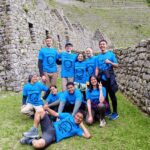
A tour can say guided, but what matters is how you experience it. The max 10 group size means fewer people blocking photo angles and fewer moments where the guide has to shout over everyone.
The tour also explicitly includes English-speaking guides (and the team can include Spanish and Portuguese-speaking support). In practice, this helps if your Spanish is limited—you’ll still be able to follow the storyline through Sacred Valley stops and at Machu Picchu.
From the guide names connected with this program—Victor, Efrain, Carlos, and Martin—you’ll see a pattern: people get clear explanations and a pace that lets you absorb what you came for. Guides tend to do more than list facts; they help you connect the route and the viewpoint to the bigger reason the Incas built and used places like Moray and Ollantaytambo.
Included value versus what costs extra
This package includes a lot of the expensive coordination work. You get a day-before briefing in your Cusco hotel lobby, your one-night stay in Aguas Calientes, door-to-door transfers in Cusco, and both guided segments: Sacred Valley and Machu Picchu.
It also includes:
- Buffet lunch in the Sacred Valley restaurant (vegetarian options available)
- Round-trip train tickets Ollantaytambo ⇄ Aguas Calientes
- Round-trip bus tickets for Machu Picchu (Aguas Calientes ⇄ Machu Picchu ⇄ Aguas Calientes)
- Machu Picchu entrance ticket (Circuit 1/2/3 depending on availability)
- Entrance ticket logistics are handled for Machu Picchu
- One bottle of water
- Solo traveler option includes a private room
What costs extra:
- Sacred Valley entrance ticket: 90 Peruvian soles in cash
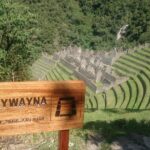
- Wayna Picchu optional ticket: not included, and it must be requested months in advance if available
- Day two lunch in Aguas Calientes isn’t included
- Tips are optional
So the $499 price isn’t just for “a guide.” You’re paying for the train tickets, the Machu Picchu entry ticket, bus access, hotel night, and the whole schedule that keeps everything timed together. That’s value if you’d rather not manage Peru’s ticket systems and train connections on your own.
Packing and logistics: the stuff that affects your comfort
Read this part like a checklist. You’ll move through cold mornings and bright afternoons, and you’ll be walking enough that discomfort becomes annoying fast.
Bring:
- Passport
- Comfortable shoes
- Sunglasses and a sun hat
- Sunscreen
- A jacket
- Insect repellent
- Reusable water bottle
- Power bank
- Camera
Two logistics points that matter more than most people think:
1) Your passport details are required after reservation (full name, passport ID, date of birth, nationality). You’ll need to provide this so your tickets can be issued correctly.
2) Luggage or large bags aren’t allowed. Plan to travel with a small day bag you can carry comfortably between buses, trains, and site entrances.
If you’re the type who likes bringing a lot of gear, you’ll need to rethink that habit for this trip.
Price and scheduling: the trade-offs you’re making at $499
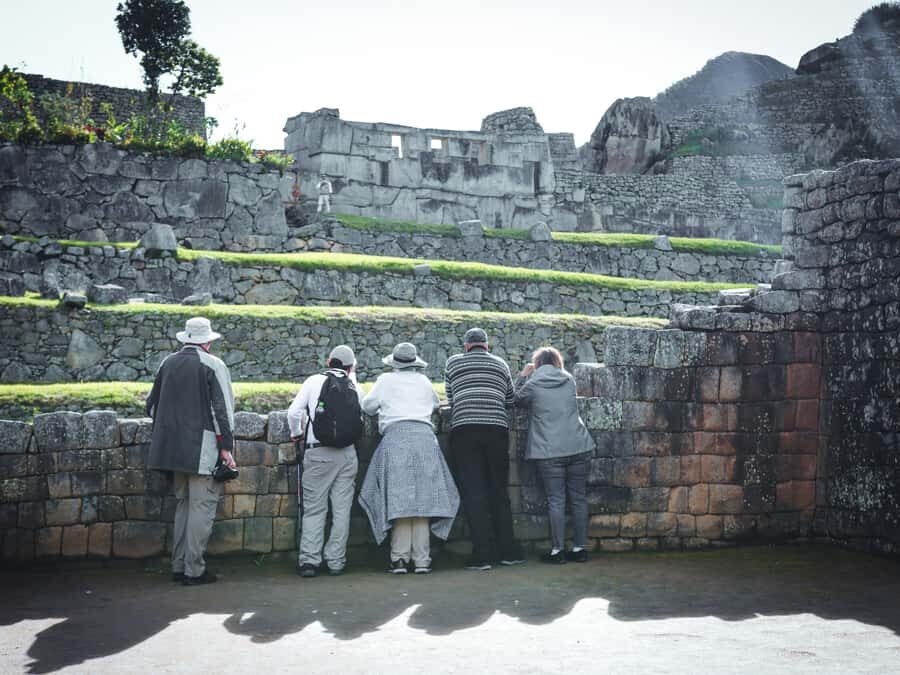
At $499 per person for a 2-day tour, this sits in the “pay to reduce stress” category. The cost makes sense when you consider what’s included: Machu Picchu entrance, bus transport for the site, the train both ways to Aguas Calientes, a hotel night, door-to-door Cusco transfers, and guided touring in the Sacred Valley.
You’re also buying time management. The day one and day two schedules are structured with minimal loose ends, so you spend more energy looking and learning, and less energy figuring out tickets and meeting points.
The trade-off is flexibility. The tour is non-refundable, and the overall plan is fixed around early Machu Picchu access and train timing. If you need a looser schedule because of weather uncertainty, health issues, or strict changes to your Cusco plan, then this “system” approach might feel limiting.
Who this tour fits best (and who should skip it)
This is a great match if you:
- Want Sacred Valley highlights plus Machu Picchu in two days
- Like the idea of small-group touring (up to 10 people)
- Prefer guided navigation for Machu Picchu instead of trying to figure out circuits alone
- Want a train experience that’s part of the adventure, especially with the Vistadome 360° option
- Appreciate door-to-door Cusco logistics
It’s not suitable for:
- Pregnant women
- People over 95 years
- People over 70 years
If stairs and long walks are a deal-breaker for you, keep in mind you’ll walk at multiple stops (and Machu Picchu includes about 2.5 hours on site).
Should you book this Cusco to Machu Picchu train tour?
Book it if you want a clean, guided route with tickets handled, a proper Sacred Valley day, and Machu Picchu done with route support. It’s especially worth it when you like small groups and you’d rather spend your energy on photos and explanations than logistics.
Skip it or think twice if:
- You hate early mornings
- You need to bring larger luggage (you can’t)
- You want Machu Picchu without a structured circuit path
- You’re trying to keep costs ultra-low, since Sacred Valley entry (90 soles cash) and day two lunch aren’t included
One smart move: choose Vistadome 360° if train views matter to you. And once you confirm your booking, plan to provide your passport details promptly so nothing slows down ticket issuance. If you do those things, this tour is a strong way to get from Cusco to Machu Picchu efficiently, with less guesswork and more “time spent in the right places.”
FAQ
How do hotel pick-ups work in Cusco?
Pickup is free from hotels, hostels, homes, and Airbnbs within the historic city center of Cusco. If you can’t find your exact location, you contact the operator through messenger after booking.
Is this tour only for Machu Picchu, or does it include the Sacred Valley too?
It includes both. You’ll have a guided day in the Sacred Valley (with stops in Chinchero, Moray, Maras Salt Mines, and Ollantaytambo), plus a guided visit to Machu Picchu on day two.
Do I need to pay a separate ticket for the Sacred Valley?
Yes. The Sacred Valley entry ticket is not included and costs 90 Peruvian soles in cash.
What Machu Picchu ticket do you get?
Your Machu Picchu entrance ticket is included, and it’s for Circuit 1, 2, or 3 depending on availability.
Is lunch included during the trip?
Lunch is included on day one as a buffet lunch in the Sacred Valley. Lunch on day two (after returning to Aguas Calientes) is not included.
Can I choose the train experience?
Yes. When booking, you can choose between a normal train or a Vistadome 360° panoramic train.
What kind of hotel is included in Aguas Calientes?
You get one night in a hotel of your choice at booking, in the 2-, 3-, or 4-star range. Solo travelers also get a private room.
Are big bags or luggage allowed?
No. Luggage or large bags are not allowed.
What documents do I need to provide?
After reservation, you must provide passenger details for ticketing: full name, passport ID, date of birth, and nationality.
Is the tour refundable?
No. The tour is non-refundable.