REVIEW · SALKANTAY
From Cusco: 5-Night Trip with Salkantay Trek & Machu Picchu
Book on GetYourGuide →Operated by Alpaca Expeditions · Bookable on GetYourGuide
Five days to earn Machu Picchu. This small-group Salkantay trek mixes big alpine views with multiple types of lodging, then finishes at the Citadel of Machu Picchu.
I especially like the way this route strings together changing scenery—glaciated Salkantay Mountain up top, then different ecosystems on the way down. You also get strong comfort value for the effort, thanks to gourmet meals, chefs, porters, and a few genuinely fun surprises like a Hobbit house with an outdoor hot tub. The main drawback is that this is still a real trek: it’s not suitable if you have back, heart, or serious medical issues, and you’ll want to be prepared for a full-on, high-altitude effort.
In This Review
- Key Things I’d Book This For
- Why the Salkantay-to-Machu Picchu Route Feels Like a Choice, Not a Ticket
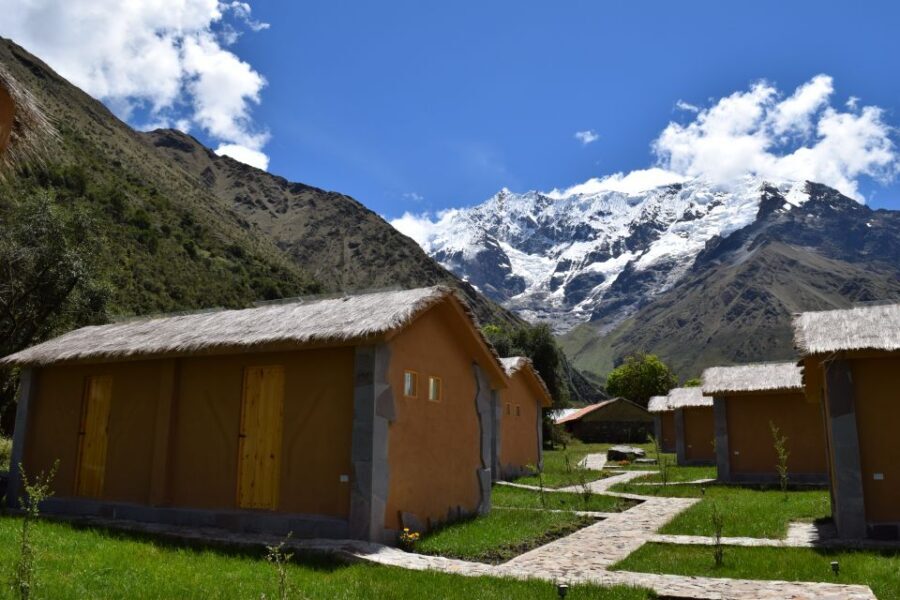
- Glass Cabañas, a Hobbit House, and Other Comfort That Doesn’t Feel Like a Cop-Out
- Your 5-Day Walk: From Soraypampa to Aguas Calientes and Then Machu Picchu
- Day 1: Soraypampa Campsite → Humantay Lagoon → Salkantay Pass → Wayracpunko
- Day 2: Wayracmachay → Chaullay → Ccollpapampa Loreta (Hobbit House)
- Day 3: Loreta → La Playa Sahuayaku → Lucmabamba Coffee Farm → Llactapata (Camp Near Machu Picchu)
- Day 4: Llactapata Lookout → Mandor Waterfalls → Aguas Calientes
- Day 5: Machu Picchu → Return to Cusco
- Humantay Lagoon Photos: How to Get the Shots Without Losing Your Timing
- Support and Safety: What the Inclusions Actually Mean on the Trail
- Price and Value: Is $650 Worth It for 5 Days of Trekking?
- Who This Trek Fits Best (and Who Should Skip It)
- What to Pack for This Salkantay Trek (Not Just the Basics)
- Should You Book This Salkantay Trek With Alpaca Expeditions?
- FAQ
- What is the duration and starting point of this trip from Cusco?
- How big is the group?
- What language is the guide?
- What’s included for meals and drinks?
- What lodging is included?
- Is the train to return included?
- How do you get to Machu Picchu on the final day?
- Is Huayna Picchu included?
- Is this trek suitable for everyone health-wise?
- What are the main things not included that I must bring?
Key Things I’d Book This For
- Salkantay Pass and Humantay Lagoon views that are built for photos
- Machu Picchu on the final day, reached after hiking through to the town of Aguas Calientes
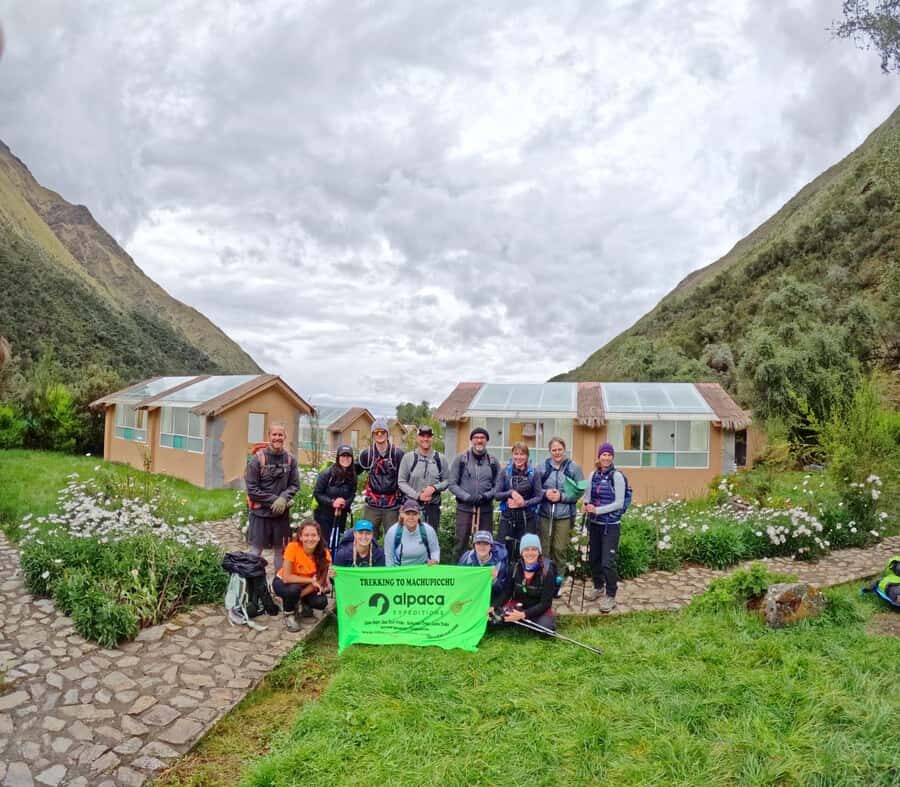
- Unusual lodging: glass cabins plus a Hobbit house with an outdoor jacuzzi
- Meals and support: professional chefs, porters, and a personal porter up to 7kg
- A small group size (up to 16), so the pace feels human
- Real variety: camping nights, a coffee farm stop, and waterfall scenery
Why the Salkantay-to-Machu Picchu Route Feels Like a Choice, Not a Ticket
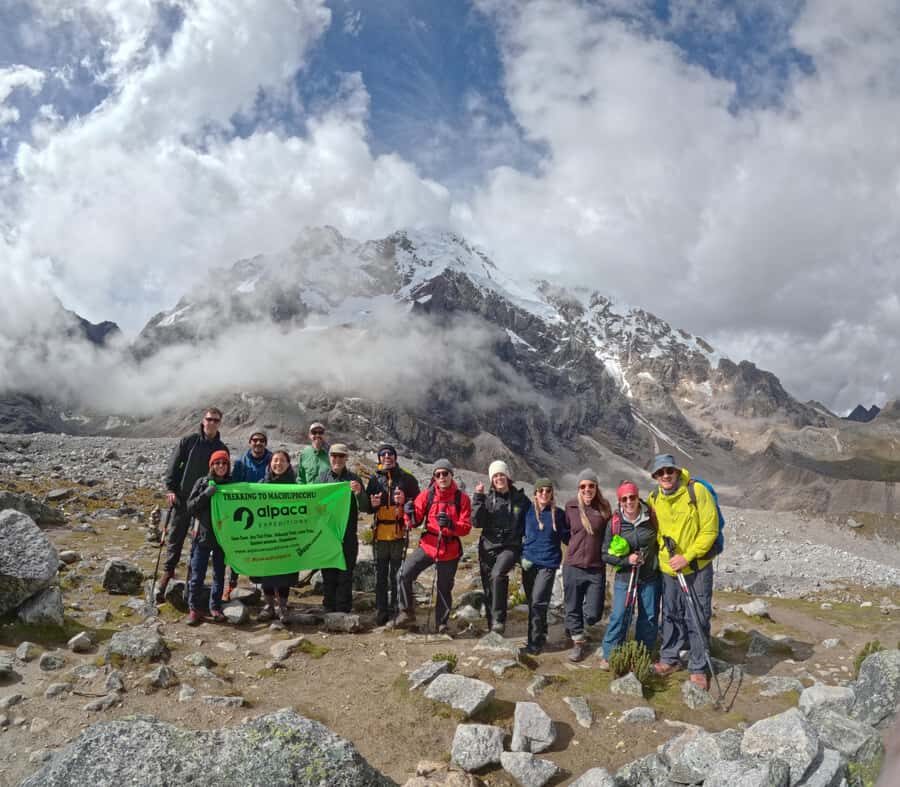
If Machu Picchu is the headline, Salkantay is the story. This is the kind of trek that’s designed for wide-open Andes views and less time trapped in crowds. You’re moving through several ecosystems, so the whole walk doesn’t feel like one long “same-view” postcard.
What helps is the pacing logic: you don’t just hike from one point to another. You sleep on the trail path, step by step, then arrive at Machu Picchu with a body that’s actually done the journey. That’s why the photos of Humantay Lake tend to land so hard—by the time you reach it, you’ve already been climbing and adjusting, so the scenery change feels earned.
The trek also sets you up for better understanding once you’re at Machu Picchu. You arrive from the mountain side, not as a random day-trip. You’ll have the sense of scale—how the Incas chose a place that’s difficult to reach, and why that matters.
Glass Cabañas, a Hobbit House, and Other Comfort That Doesn’t Feel Like a Cop-Out
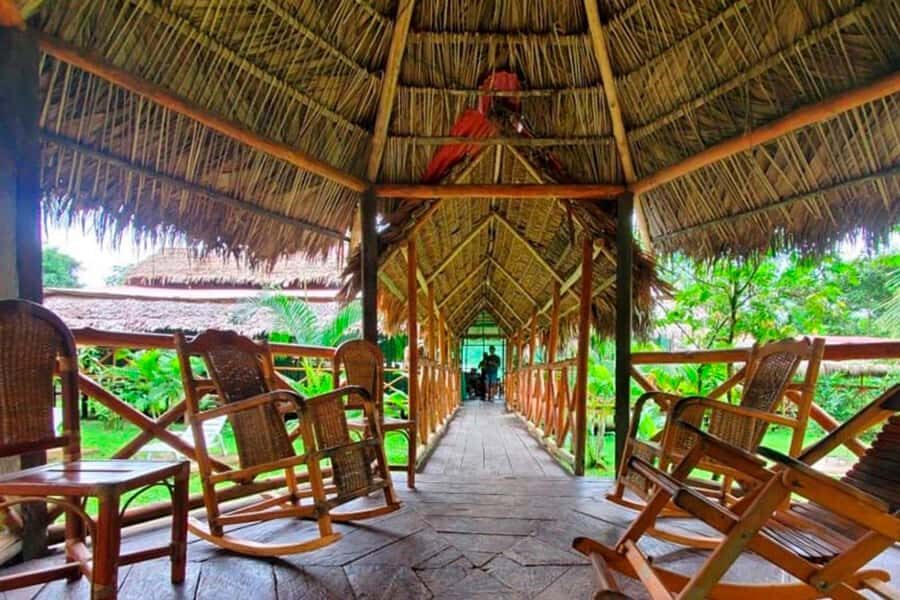
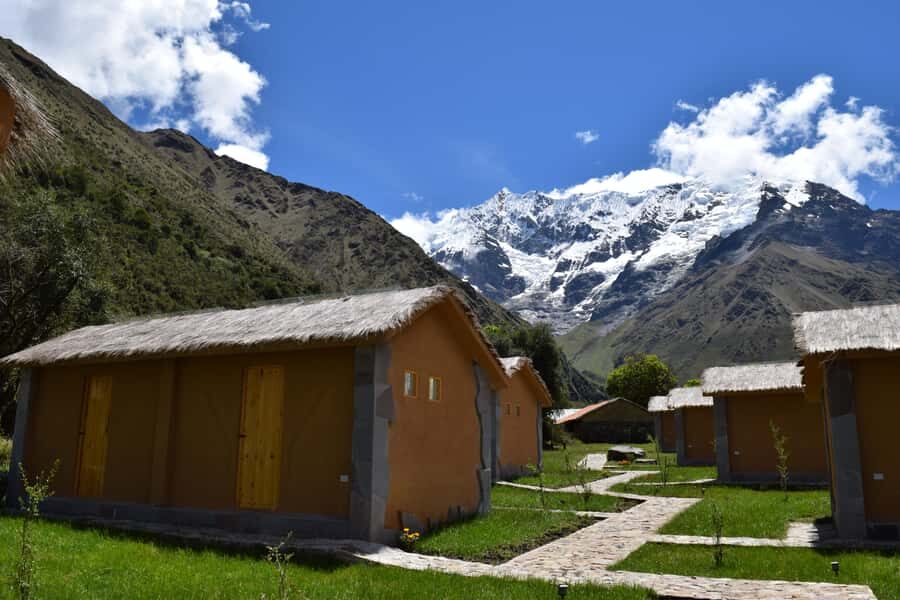
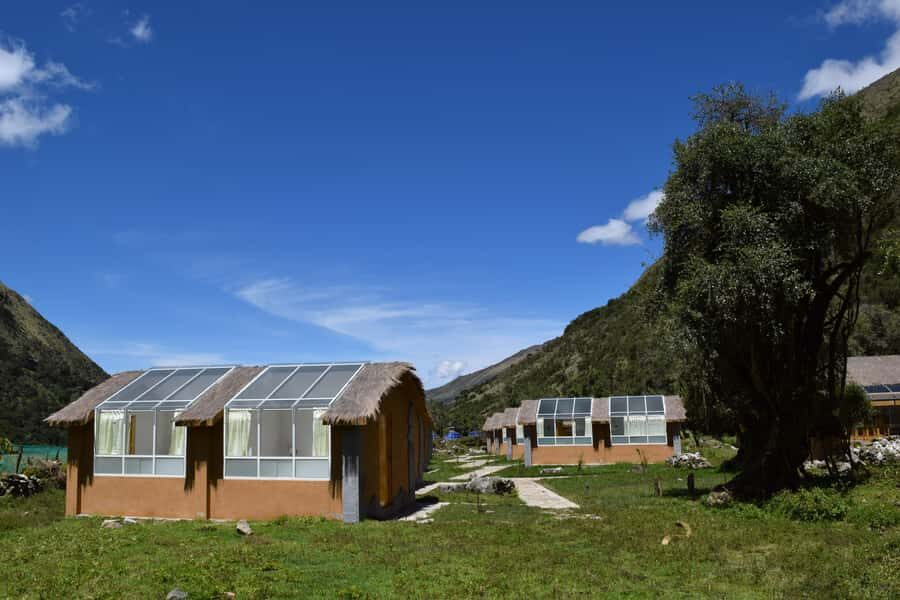
Most treks give you “comfortable” in the sense of “we tried.” This one gives you comfort in a more literal way: you’re sleeping in glass cabins, then in a Hobbit house, plus camps and a hotel night near the end.
Here’s what that changes for your experience:
- In the glass cabin night, you get that special feeling of being in the mountains while still having a real base camp vibe.
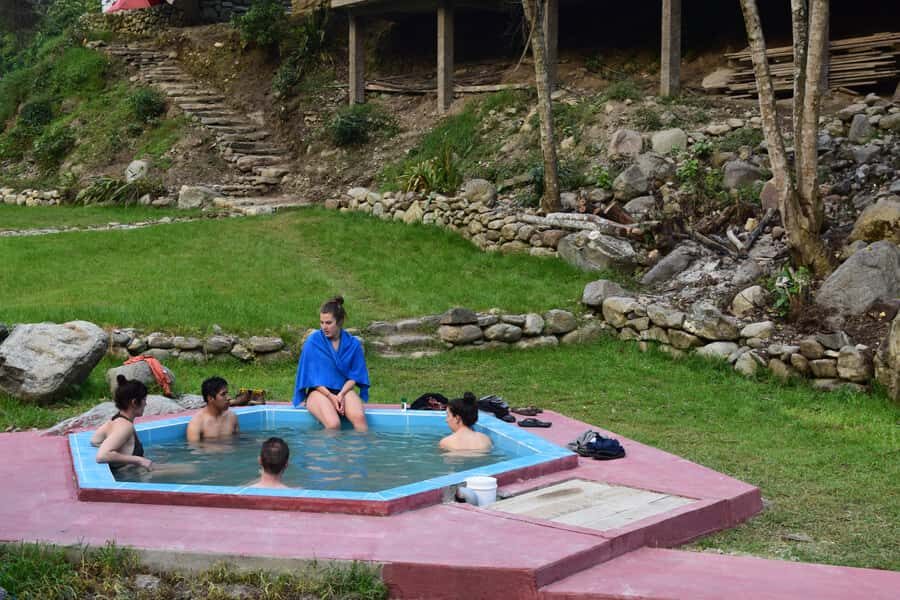
- The Hobbit house stop adds a memorable twist: you’ll be in a unique setup with an outdoor jacuzzi. After hiking days, that kind of hot soak can make a huge difference in how your legs feel the next morning.
- Camping nights mean you still get the classic trek experience. But because there are professional chefs and porters, your day-to-day load is lighter than “DIY hiking.”
One more quiet win: the logistics are handled so you can focus on the hiking. You’re not negotiating gear, cooking, or timing every meal. That matters when the goal is long-distance trekking plus Machu Picchu.
Your 5-Day Walk: From Soraypampa to Aguas Calientes and Then Machu Picchu
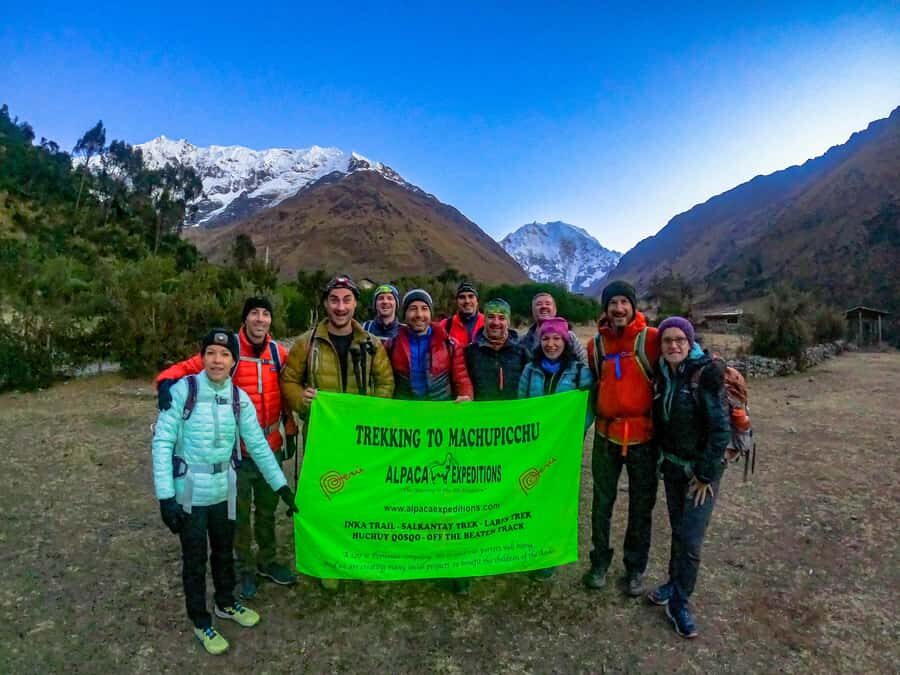
This trek runs 5 days and 5 nights, with an afternoon start that’s perfect if you’re coming in from Cusco the same day. Afternoon 1 is transfer to the Salkantay Glass Cabañas at 3:00 pm, so you’re not arriving late and stressed. After that, each day has a clear purpose—climb, landmark, ecosystem shift, and final approach.
Day 1: Soraypampa Campsite → Humantay Lagoon → Salkantay Pass → Wayracpunko
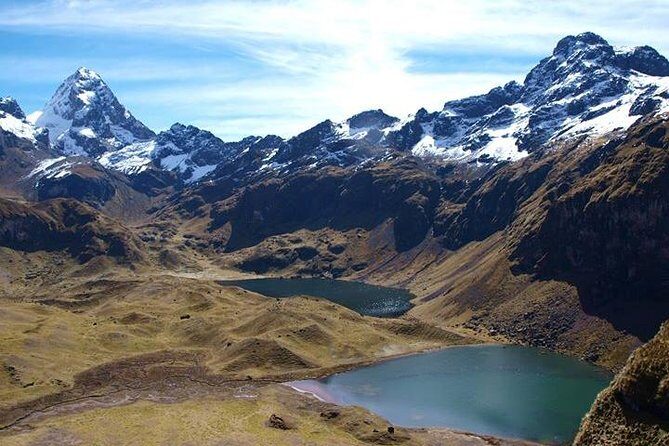
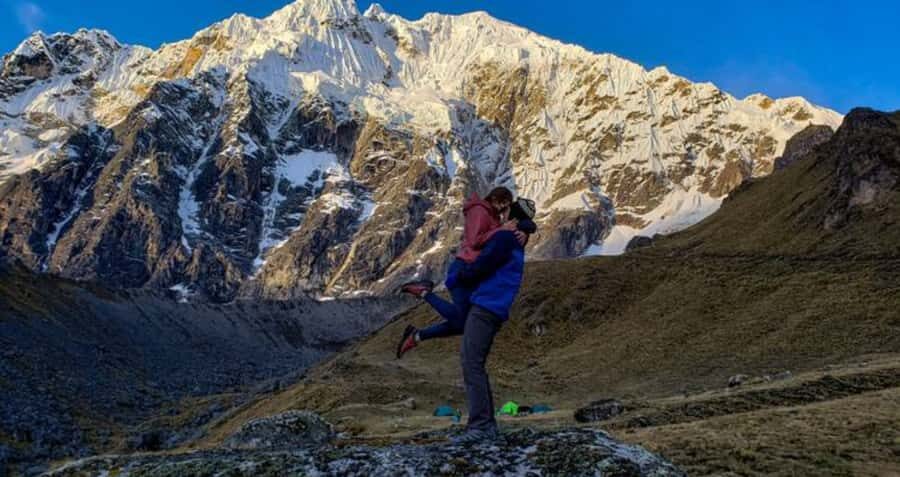
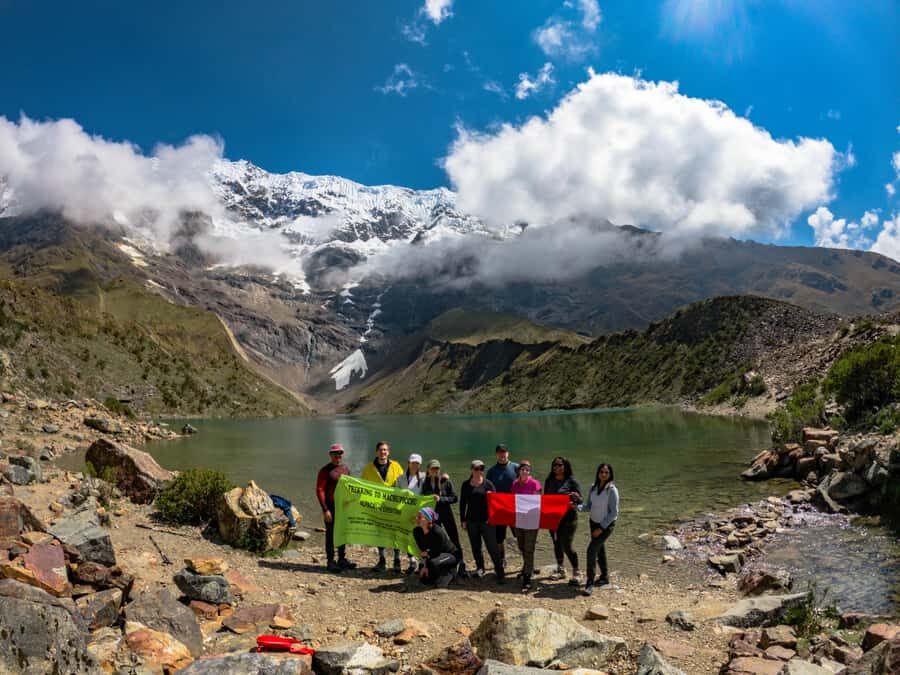
Day 1 is where the trek starts showing its teeth—in a good way. You begin from Soraypampa campsite, hike toward Humantay Lagoon, and then head up to Salkantay Pass. This is the day built for altitude views and big photo moments, especially around the lagoon area where the light can make the scene look extra dramatic.
You finish at Wayracpunko. Getting your first campsite night in after that pass matters, because you’re learning the rhythm: pace, rest stops, and how your body handles the day’s climb.
Day 2: Wayracmachay → Chaullay → Ccollpapampa Loreta (Hobbit House)
Day 2 is a mix of walking sections and a transition day—Wayracmachay to Chaullay, then onward to Ccollpapampa Loreta, where you sleep in the Hobbit house setup. I love this structure because it breaks the trek into “effort days” and “arrive and reset” days.
The Hobbit house night isn’t just a quirky photo stop. It’s your first real reward after a long day of hiking. Also, having that outdoor jacuzzi means you can recover on-site instead of hoping you’ll feel fine by morning.
Day 3: Loreta → La Playa Sahuayaku → Lucmabamba Coffee Farm → Llactapata (Camp Near Machu Picchu)
Day 3 feels like the trek shifts from wilderness toward culture and approach. You go from Loreta to La Playa Sahuayaku, then stop at Lucmabamba coffee farm. That coffee farm moment gives you a change of pace from hiking-only scenery. It’s a useful reminder that the region isn’t just mountains—it’s people and agriculture adapting to the Andes.
Then comes Llactapata, where you camp in front of Machu Picchu. This is one of those “you can feel the finish line” nights. The biggest value here is timing: you’re already close enough to understand what Machu Picchu means in the landscape, even before you step onto the terraces.
Day 4: Llactapata Lookout → Mandor Waterfalls → Aguas Calientes
Day 4 is all about reaching the Machu Picchu zone in a way that doesn’t feel rushed. You start at Llactapata lookout, then move to Mandor waterfalls, and finally head to Aguas Calientes.
This day helps you mentally switch gears. The lookout gives you the big-picture view before the main visit. Then the waterfalls break up the hiking focus and give your eyes something different—plus, water scenery tends to be more forgiving for photos than high, harsh sun.
You end in Aguas Calientes, the town at the foot of Machu Picchu. That means your final day is smoother because you’re not making your whole approach on the same day.
Day 5: Machu Picchu → Return to Cusco
On the final day, you go to Machu Picchu and then return to Cusco. The key detail is that this tour includes the round-trip bus ticket to Machu Picchu and the return train ticket (class: Expedition) for the way back.
This matters for planning. The last day is already emotionally intense. Handling the bus and train without you having to figure out schedules is a quality-of-life win.
Humantay Lagoon Photos: How to Get the Shots Without Losing Your Timing
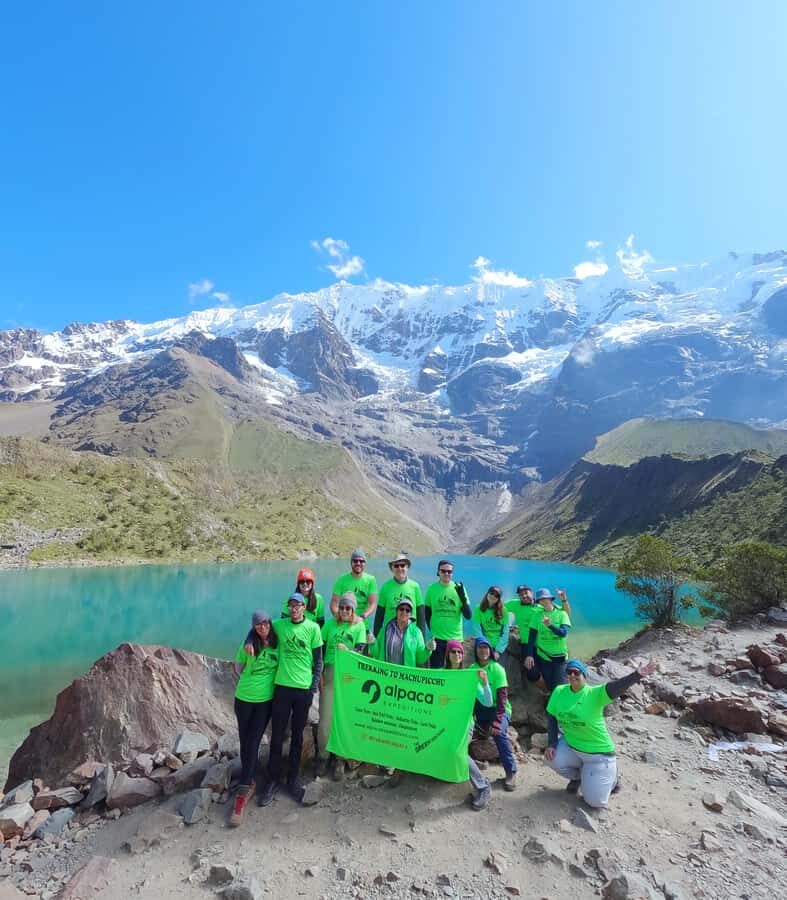
Humantay Lagoon is one of the trek’s headline photo stops, and it sits early enough in the route that you still have energy. Your best approach is simple: be ready to move when your guide says so you’re not stuck waiting for the “perfect” moment while everyone else gets their timing wrong.
Bring what keeps you comfortable because that lagoon day can mix sun, wind, and cooler air:
- sunglasses and sunscreen
- a sun hat
- rain gear (weather shifts fast at altitude)
- long-sleeved layers and thermal clothing
Also, plan to take photos quickly and then spend the next minutes just watching. The best pictures often come from moments when you stop trying to “capture” and start observing what the light is doing on the water and surrounding peaks.
Support and Safety: What the Inclusions Actually Mean on the Trail
This is one of those tours where the inclusions are not just marketing words. They affect your day.
You get:
- a guide (English live tour guide)
- professional chefs and porters
- lunch x4, breakfast x5, dinner x4
- water
- a personal porter up to 7kg per person
- a first aid kit and an oxygen tank
That oxygen tank detail is worth noticing. You’re still doing a high-effort trek, but having emergency support planned reduces anxiety. Just keep in mind that no tank replaces smart pacing. Drink water, move steadily, and tell your guide if you feel off.
The small-group setup (limited to 16 participants) also helps with safety and pacing. You’re not just a number.
Price and Value: Is $650 Worth It for 5 Days of Trekking?
At $650 per person, you’re paying for much more than “a guide and a hike.” For many people, the value comes from the package nature of it.
What’s included that usually costs extra when booked separately:
- multiple nights of lodging, including glass cabins and a Hobbit house
- entry fees
- transportation as part of the itinerary
- a train ticket for the way back (Expedition class)
- round-trip bus to Machu Picchu
- professional chefs, porters, and the personal porter up to 7kg
- the oxygen tank and first aid kit
- most meals and water
If you’ve ever priced out a trek, you know the big costs add up fast: permits/entry, train tickets, local transport, meals, and the logistics team. This tour also cuts your planning load—especially on the Machu Picchu portion where bus timing matters.
So yes, it’s not a cheap weekend. But for 5 days/5 nights with real logistics and multiple lodging styles, it’s closer to paying for a smooth end-to-end experience than buying a bundle of separate parts.
Who This Trek Fits Best (and Who Should Skip It)
This trek suits people who want the classic Salkantay experience without trying to DIY every part. It’s best if you:
- enjoy long hikes and clear goals each day
- care about photography stops like Humantay Lagoon and Machu Picchu
- like the idea of unusual lodging instead of the same tent setup every night
- want a small group (up to 16) with an English guide
It’s not suitable for:
- pregnant women
- people with back problems
- people with heart problems
- people with pre-existing medical conditions
If any of those categories apply to you, don’t “hope it will be fine.” Choose a different itinerary where the physical demands can be better matched to your situation.
What to Pack for This Salkantay Trek (Not Just the Basics)
Your packing list matters here because you’re moving through changing weather and ecosystems. Based on what this trek expects you to bring:
Essentials
- passport
- hiking shoes
- sunglasses, sun hat, sunscreen
- rain gear
- insect repellent
- long-sleeved shirt and t-shirts
- thermal clothing and outdoor clothing
- towel
- outdoor/trekking gear
Important note on gear not included
- day pack and headlamps are not included
- sleeping bag, air mattress, trekking poles are not included
Plan for night comfort too. You’ll want enough warmth layers for colder mountain evenings.
Should You Book This Salkantay Trek With Alpaca Expeditions?
I’d book it if you want an Andes trek that feels structured, supported, and memorable. The mix of Salkantay Pass, Humantay Lagoon, coffee-farm culture, and a final approach to Machu Picchu gives you variety instead of a one-note hike. The lodging choices—glass cabins and a Hobbit house with outdoor jacuzzi—also add real emotional value. You’ll remember the journey as much as the destination.
I wouldn’t book it if your health or fitness situation makes long hikes risky. And I’d reconsider if you’re not ready to handle colder mornings and pack the essentials yourself, since sleeping gear and poles aren’t provided.
If you’re a strong hiker looking for a small-group, end-to-end Machu Picchu trek with genuine comfort touches, this one makes a lot of sense.
FAQ
What is the duration and starting point of this trip from Cusco?
It runs for 5 days and includes 5 nights. You’ll have an afternoon transfer to the Salkantay Glass Cabañas at 3:00 pm on the first day, starting from Cusco Region travel.
How big is the group?
The group is limited to 16 participants.
What language is the guide?
The live tour guide is English.
What’s included for meals and drinks?
You get breakfast x5, lunch x4, dinner x4, plus water.
What lodging is included?
The package includes 1 night at Glass Cabañas, 2 nights camping, 1 night in a Hobbit house, and 1 night at a hotel.
Is the train to return included?
Yes. The way back includes a train ticket in Expedition class.
How do you get to Machu Picchu on the final day?
Round-trip bus tickets to Machu Picchu are included.
Is Huayna Picchu included?
No. Huayna Picchu is not included and costs 75 USD per person, booked in advance.
Is this trek suitable for everyone health-wise?
No. It’s not suitable for pregnant women, people with back problems, heart problems, or pre-existing medical conditions.
What are the main things not included that I must bring?
A day pack and headlamps are not included, and you’ll need your own sleeping bag, air mattress, and trekking poles.