REVIEW · CHICLAYO
Chiclayo: Chaparri Ecological Reserve Tour
Book on GetYourGuide →Operated by www.iziperu.com · Bookable on GetYourGuide
Dry forests can surprise you. In Chaparri near Chiclayo, a one-day tour takes you into Cerro Chaparri, a protected dry-forest area where you can look for big animals like tapirs, pumas, and jaguars while your guide also spots the small stuff that most people miss. It is the kind of day that feels like you left the city and stepped into a working conservation zone, not a theme park.
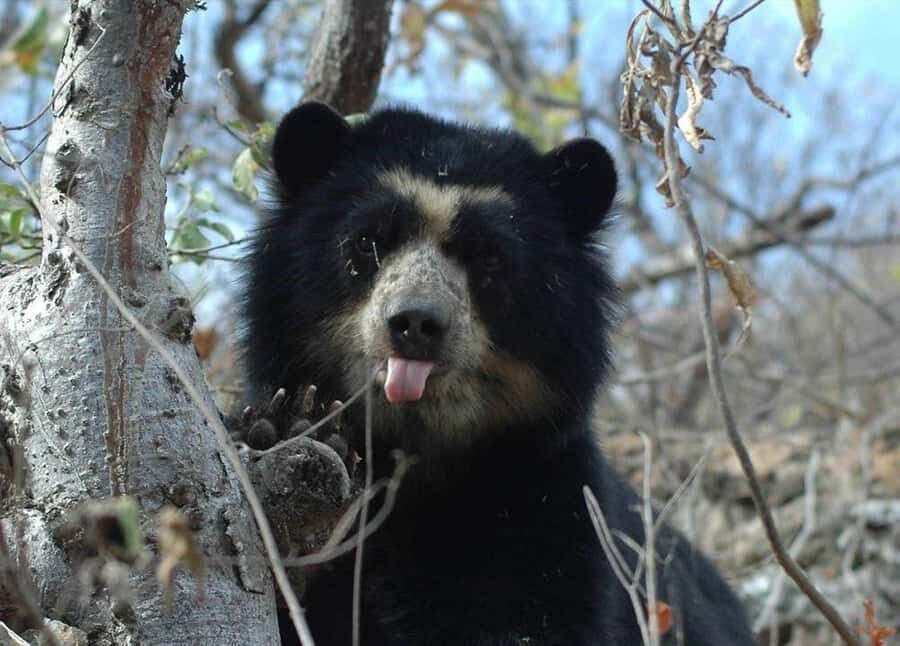
My favorite part is meeting Cuto, a spectacled bear rescue resident cared for after being taken from illegal captivity. I also love the bird focus: even if the big cats stay hidden, you still get a strong payoff through endemic birds your guide can pick out fast, including the Red-headed Parrot and multiple owl and hummingbird species. The main drawback is simple: seeing pumas or jaguars in the wild isn’t guaranteed, so you should go with realistic expectations.
In This Review
- Key highlights you’ll care about
- From Chiclayo to Chongoyape: the road sets the tone
- Entering Chaparri’s Enchanted Garden and the sacred Cerro Chaparri
- Dry-forest wildlife watching: what you can realistically hope to see
- Endangered species focus
- Spectacled Bear route: a walk that ends with real rescue work
- Huachuma (San Pedro) route: culture, Apus, and learning the reserve’s food web
- White-winged Guan route: birds are the backbone of this day
- Interpretation center: why Chaparri matters and how to protect it
- Tinajones Reservoir detour: more birds, a change of pace
- Price and value: what you’re really paying for
- What to pack and how to make the day easier
- Who this tour is best for
- Should you book Chaparri Ecological Reserve?
- FAQ
- What’s the cost of the Chiclayo: Chaparri Ecological Reserve Tour?
- How long is the tour?
- Is pickup from Chiclayo included?
- What language is the guide?
- Are park entrance fees included?
- Is food included?
- What should I bring?
- Can I cancel for a refund?
Key highlights you’ll care about
- Cerro Chaparri (34,142 hectares): a sacred dry-forest reserve where conservation is the point.
- Spectacled bear rescue center and Cuto: a rare, up-close look at rehabilitation work.
- Route-style guiding: Spectacled Bear route plus Huachuma (San Pedro) and White-winged Guan areas.
- Bird spotting with local skill: endemic species like Red-headed Parrot and Peruvian Owl.
- Reptary time: learn about snakes and amphibians in the region.
- Tinajones Reservoir detour: more wildlife watching, with eagles and herons in the mix.
From Chiclayo to Chongoyape: the road sets the tone
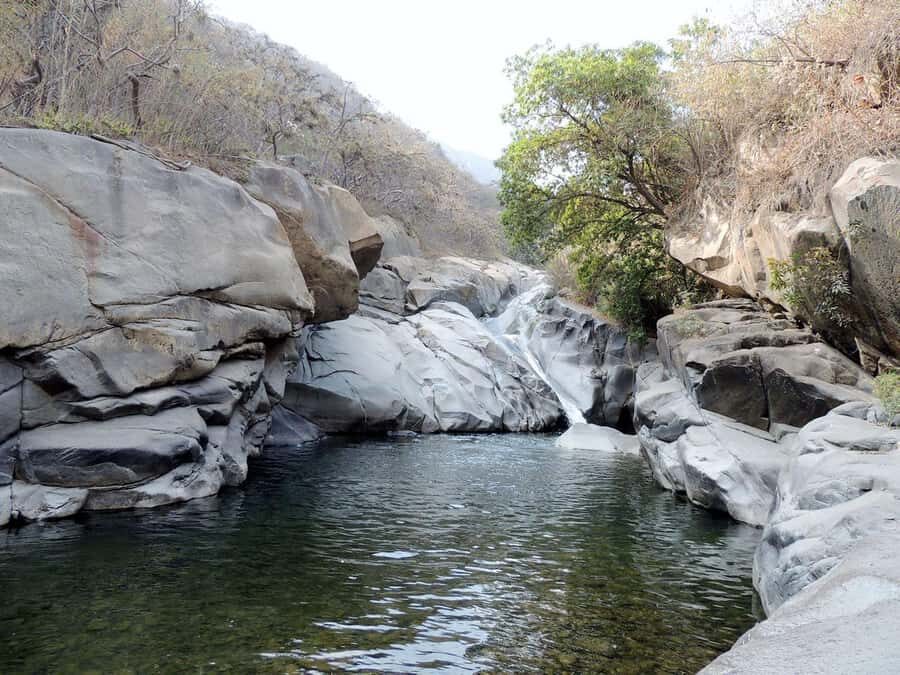
This tour starts with pickup from your hotel in Chiclayo, then you head southeast toward Chongoyape, about 80 km away. Even before you reach the reserve, the drive helps you understand what makes Chaparri special: it is a dry forest ecosystem, not a lush rainforest scene. That means the plants and animals you’ll hope to see are adapted to heat, dry conditions, and a landscape that stays alive in a quieter way.
One practical detail I like here is that you’re not left to figure anything out on your own. You have an official guide and tourist mobility, so the day runs like a plan rather than a series of guesses. If you’re sensitive to rough roads, it’s worth knowing that the final approach can be pretty bumpy—one guest even joked about putting your trust in your back. Comfortable shoes matter, but so does being ready for uneven surfaces.
You can also read our reviews of more tours and experiences in Chiclayo.

Entering Chaparri’s Enchanted Garden and the sacred Cerro Chaparri
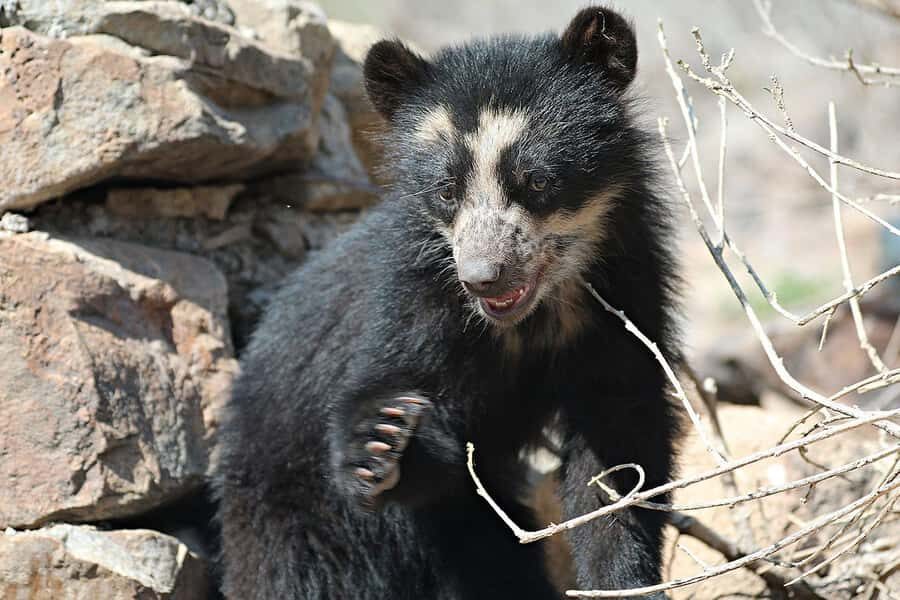
When you arrive at the Enchanted Garden inside the Chaparri Private Conservation Area, you’re stepping into a place locals treat with respect. Chaparri covers 34,142 hectares, and the mountain Cerro Chaparri is considered sacred by people in the region. That matters because it changes the way you experience the walking routes: your guide doesn’t only talk wildlife. You’ll also hear about how the reserve fits cultural beliefs and conservation values.
This is also where the day becomes very “real” in a good way. The walking routes wind through protected dry forest rather than staying on a paved path with giant signs. You’ll move along trails with the guide’s eyes leading the way, and that’s when birdwatching turns from something you do passively into something you actually participate in. Expect your guide to scan branches, call out details, and help you spot birds you’d never find alone.
Dry-forest wildlife watching: what you can realistically hope to see
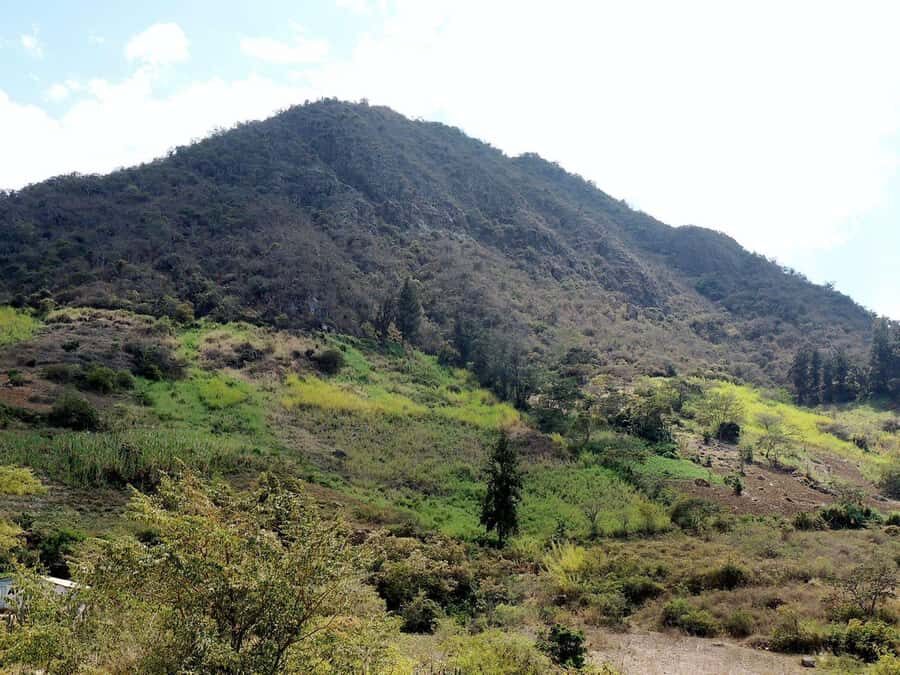
Chaparrí is known for iconic species, and the tour is built around that goal. You’ll be in an environment where you can observe animals such as tapirs, pumas, and jaguars—plus other mammals like coastal foxes, guanacos, peccaries, deer, and more. That said, don’t anchor your day on one perfect sighting. In any big-cat or shy-animal reserve, the best approach is to stay alert and enjoy the process.
What helps you feel good even if the larger mammals don’t show up is the reserve’s bird richness. You’ll hear about and look for endemic birds such as:
- Red-headed Parrot
- Peruvian Owl
- Emerald Parakeet
- Bush Nightjar
- Tumbes Swift and Short-tailed Starlet
- Woodpeckers like Scarlet-backed and Peruvian Woodpecker
- And birds like Eyebrow Wren / Nightingale, plus the Tumbes Woodpecker
A big part of the value here is the guide’s skill at noticing small movement and subtle calls. One guest specifically highlighted how the guide spotted many small birds—exactly the kind of detail that makes a one-day trip feel like more than a quick drive-and-walk.
Endangered species focus
Chaparrí also supports endangered species and reintroduction projects, including the Spectacled Bear (Andean Bear), the Andean Condor, and the White-winged Guan. You’re not just seeing animals; you’re seeing conservation in action, which is the difference between a wildlife visit and a conservation visit.
Spectacled Bear route: a walk that ends with real rescue work
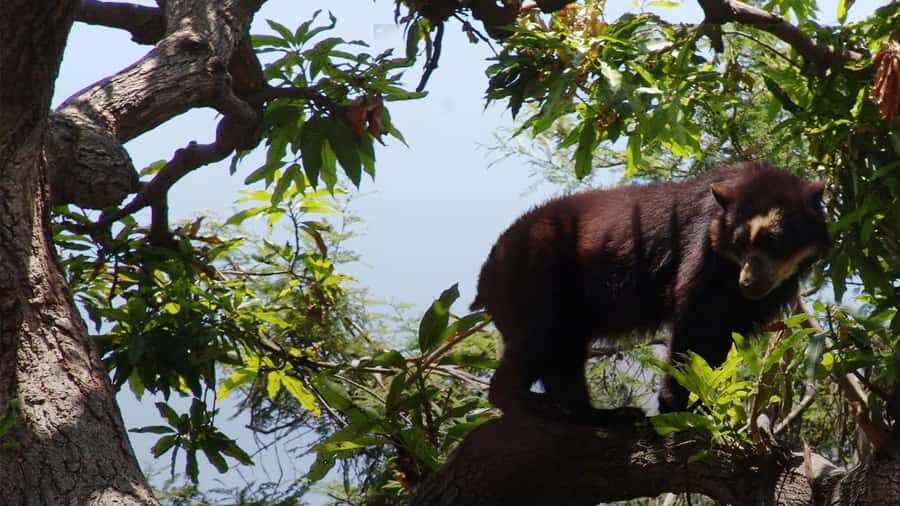
The day’s first major section follows what’s called the Spectacled Bear route, leading you toward the reserve’s education and rehabilitation efforts. Even if you dream of wild big mammals, I genuinely think the bear center is where the day hits hardest—because it’s not about luck.
You visit the spectacled bear rescue center, where bears rescued from illegal captivity are rehabilitated with the goal of eventual release into their habitat. Here you meet one of the center’s permanent residents: Cuto, a bear rescued from a circus and now cared for by park rangers in a natural environment. It is one of those moments that makes the whole trip feel purposeful.
One guest noted that actually seeing bears can be tough in the wild, so observing bears in a protected space helps you appreciate their presence without the stress of trying to find them in dense areas. That’s the best way to frame it: wildlife watching is uncertain, but the rescue and rehabilitation work gives you a meaningful, steady payoff.
Huachuma (San Pedro) route: culture, Apus, and learning the reserve’s food web
Next you continue along the Huachuma route, also referred to as San Pedro in the tour context. This part of the experience is not only about walking. You’ll learn about shamanism sessions, what they mean, and why there is a focus on respect for Apus, the mountain spirits. You don’t need to be an expert on these traditions to appreciate the care in how the information is presented—because it frames the landscape as something living and spiritually connected, not just a place to pass through.
Then you’ll visit the reptary, where you learn about snakes in the area and about amphibians too—how they live and what their characteristics are. If you’re curious, this is a smart stop. Big cats get the headlines, but reptiles and amphibians are part of the same dry-forest system, and understanding them makes the ecosystem feel connected instead of random.
White-winged Guan route: birds are the backbone of this day
Another route included is the White-winged Guan route. The emphasis here is on one of the reserve’s conservation targets: the White-winged Guan, an endangered bird for which conservation and reintroduction projects are carried out. What you’ll like is that it’s not just a name. Your guide helps you understand what you’re looking for and why the species matters in the broader dry-forest ecosystem.
This is also where the birdwatching skills pay off again. A guide who can spot and explain birds changes your whole experience. Instead of scanning endlessly, you learn to read the forest—where birds prefer to perch, how calls can guide you, and how to notice small cues.
If you enjoy birding, this tour can feel like a focused day. If you don’t, it still works because bird life is one of the most visible forms of biodiversity in a dry forest. So even when larger mammals don’t appear, you still get to feel you’re in a functioning wildlife home.
Interpretation center: why Chaparri matters and how to protect it
Later you tour the Interpretation Center, which explains the area’s biodiversity and—just as important—how to protect it. This is where you get the “so what” behind what you’ve been walking through all day.
I like this section because it helps you connect animals and habitats to real actions: conservation isn’t just a slogan here. You learn the value of this ecosystem in a dry forest setting and why local protection matters for endangered species and reintroduction work. If you’re the type who likes to understand what your time is supporting, this is a strong finishing lesson.
Tinajones Reservoir detour: more birds, a change of pace
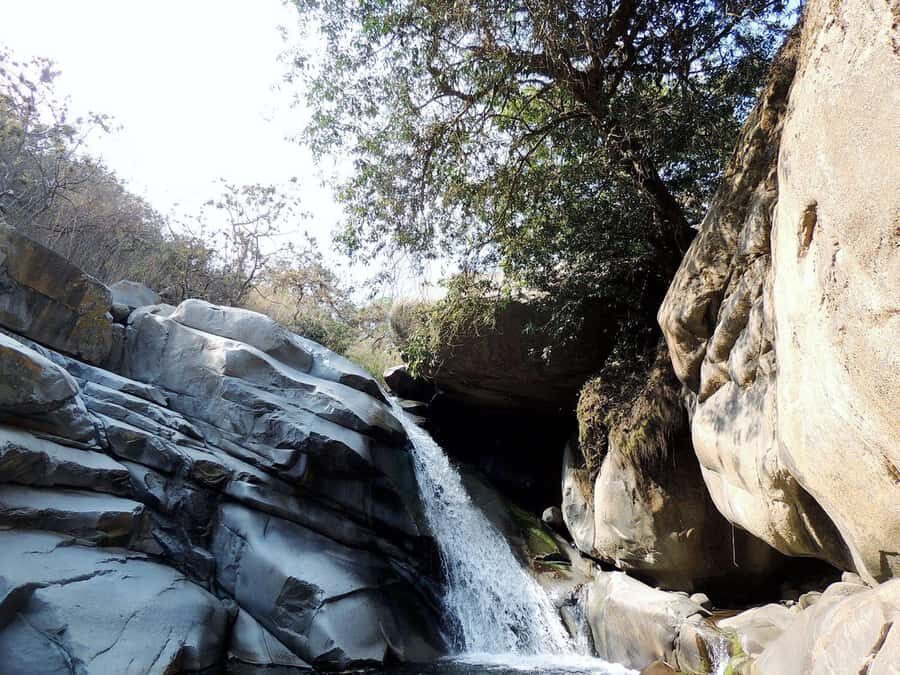
After the reserve, the tour detours to Tinajones Reservoir, which supplies water to Lambayeque. It is a nice change of scenery from dry-forest trails and a practical reminder that ecosystems are also shaped by water access—especially in northern Peru.
You’ll have a chance to observe birds such as eagles and herons. This part of the day is more relaxed, and it can help you keep your energy for the earlier walking sections. It also adds variety without taking away from the main theme of conservation and wildlife viewing.
Price and value: what you’re really paying for
The price is $79 per person for a full day, and that includes pickup from your hotel in Chiclayo, tourist mobility, and an official tourism guide. For one-day wildlife conservation tours, that can be good value—because the guide does real work (finding birds, managing the routes, teaching you what you’re seeing) and you’re not driving yourself.
Two costs to factor in:
- Entrance park fees are not included (listed as S/. 30).
- Food and drinks are not included.
If you prefer not to improvise, bring snacks and water and treat meals as your own plan. The tour provides a packed learning and wildlife schedule, so having your own backup for energy helps. Also, bring a sun hat and sunscreen. Dry forest sun can feel stronger than you expect.
Given the combination of wildlife looking, a bear rescue center visit with Cuto, reptiles learning at the reptary, and an interpretation center, this tour earns its price more than a basic “see a few animals and leave” outing.
What to pack and how to make the day easier
The tour lists the essentials, and I agree with them:
- Comfortable shoes (dry trails can be uneven)
- Sunglasses and a sun hat
- Snacks and drinks
- Sunscreen
- Flashlight (helpful if the day runs beyond what your body expects)
A small practical tip: even when it looks calm, dry forest trails can feel hotter than you think. You’ll want layers only if the day timing you choose makes it cool; otherwise, prioritize sun protection and water.
Who this tour is best for
This experience is a great fit if you like:
- Wildlife viewing with a conservation focus
- Birdwatching (especially endemic dry-forest species)
- Learning that includes cultural context (Apus and shamanism respect is part of the program)
- A one-day plan that still feels substantial
It’s also a good match for couples or solo travelers who want structure. If you hate surprises, you’ll like having pickup and an official guide running the day.
The only type of traveler who might feel disappointed is someone who expects guaranteed sightings of jaguars or pumas. The best way to enjoy Chaparri is to aim for learning and wildlife looking, not a checklist victory.
Should you book Chaparri Ecological Reserve?
Yes—if you want a one-day wildlife-and-conservation day that goes beyond a quick nature stop. The standout value is the mix: endemic birds you can learn to spot, a spectacled bear rescue center where you meet Cuto, plus education at the interpretation center. You’re also getting cultural context through the Huachuma (San Pedro) route and hands-on learning at the reptary.
Book it with the right mindset: big-cat sightings can happen, but they’re not the only reason to go. If you come prepared for sun, uneven trails, and the reality of wildlife behavior, Chaparri delivers a memorable day in Peru’s dry-forest world.
FAQ
What’s the cost of the Chiclayo: Chaparri Ecological Reserve Tour?
The listed price is $79 per person.
How long is the tour?
It lasts 1 day.
Is pickup from Chiclayo included?
Yes. Pickup from your hotel in Chiclayo is included.
What language is the guide?
The tour guide is Spanish.
Are park entrance fees included?
No. Entrance park fees are listed as S/. 30.
Is food included?
No. Food and drinks are not included.
What should I bring?
Bring comfortable shoes, sunglasses, a sun hat, snacks, drinks, sunscreen, and a flashlight.
Can I cancel for a refund?
Yes. You can cancel up to 24 hours in advance for a full refund.