REVIEW · CUSCO
07 Day: Inca Jungle Adventure with Mountain Bike, Rafting, Zipline & Trek
Book on Viator →Operated by Inkayni Peru Tours · Bookable on Viator
Cusco makes you pay a little in altitude first, then rewards you in full-on adventure. This 7-day Inca Jungle route strings together mountain biking, rafting, and trekking that flows all the way to Machu Picchu with a guided visit.
I love that the tour handles the logistics end-to-end. Hotel pickups, transport between regions, and a professional English-speaking guide mean you can focus on the stuff you actually came for. I also love the value of what’s included: full-suspension bikes plus helmets and gloves, rafting equipment, zipline, and entrance fees are built into the price.
One consideration: this is not a couch tour. You need moderate fitness, expect early starts, and you’re moving between big altitude changes—plus the itinerary is non-refundable if plans shift.
In This Review
- Quick Hits Before You Go
- Getting Acclimated in Cusco: Your First Day Is for Altitude
- Sacred Valley Stops: Moray Terraces, Maras Salt Mines, Chinchero
- Malaga Pass to Huamanmarca: Full-Suspension Bike Time
- Santa María Rafting: Class II–III Rapids with Safety Support
- Trek to Santa Teresa: Inca Trail Sections, Fruit Stops, and Hammocks
- Aguas Calientes Hike: Aobamba Valley and the Astronomical Sundial
- Machu Picchu Morning with Your Guide: Temples, Terraces, and Optional Peaks
- Price and Logistics: What $1,129 Really Buys
- Who This Trip Fits (and Who Should Rethink It)
- Should You Book the Inca Jungle Adventure to Machu Picchu?
- FAQ
- Is airport pickup included in the Cusco portion?
- What activities are included besides Machu Picchu?
- Are bike and rafting safety items included?
- How hard is the physical activity level?
- Is Huayna Picchu included automatically?
- Are meals fully included?
- Can I get a refund if I need to change plans?
Quick Hits Before You Go
- Full-suspension bikes with safety gear so you’re not renting your way into discomfort.
- Malaga Pass biking with a long descent through villages, orchards, and rivers.
- Class II and III rafting run with a professional safety kayaker.
- Trek days with real local moments, including a stop at a family home for fruit and water.
- Guided Machu Picchu that focuses on structures like temples, terraces, and storage areas.
- Private tour setup: only your group participates.
Getting Acclimated in Cusco: Your First Day Is for Altitude
Day 1 is intentionally low-key. You land, get met at Alejandro Velasco Astete Airport, and transfer to your hotel. Then you get a rest day in Cusco, which sits around 3,400 meters (11,000 feet).
That acclimation matters because the week gets active fast. On this route you’ll be cycling from high passes, trekking through canyons, and still doing a major Machu Picchu visit later. If you treat Day 1 like a mini sightseeing sprint, you’ll pay for it.
In the evening, you meet your group and review the plan. I like that you’re not guessing what comes next, especially when the schedule includes multiple activity types and multiple transport legs.
You can also read our reviews of more cycling tours in Cusco
Sacred Valley Stops: Moray Terraces, Maras Salt Mines, Chinchero
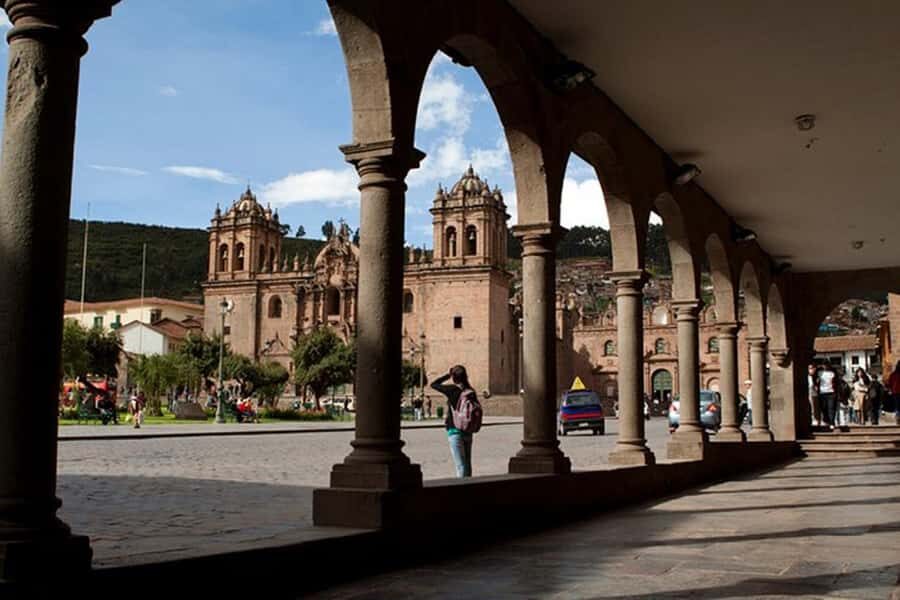
The adventure kicks into gear on Day 2 with a morning pickup and a scenic drive through the Sacred Valley. Expect a slow, beautiful build: snow-capped views, wheat fields, and traditional Andean villages along the way.
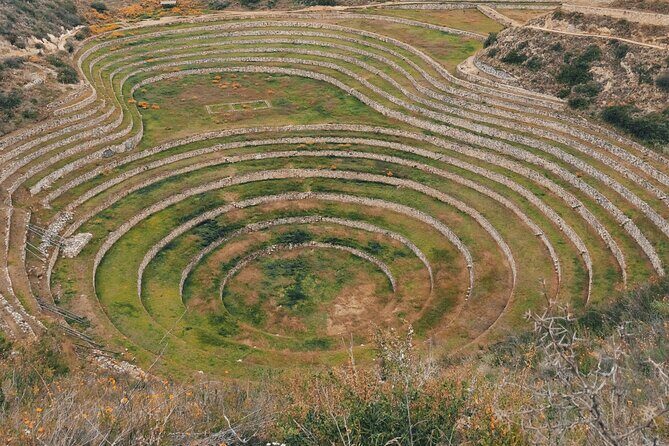
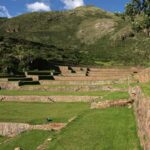
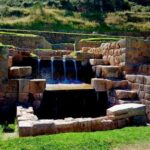
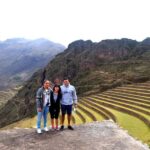
Moray is first. These are terraced amphitheater-like depressions carved into the earth, with an agricultural-purpose theory tied to experimenting with growing conditions. Even if you don’t go deep on theory, it’s the kind of place that makes you look twice because it feels engineered for farming.
Next are the Maras Salt Mines. You’re seeing an ancient salt-extraction site where thousands of small pools are still used today. The visual is practical and fascinating: neat rows of salt pans, set into the hillside.
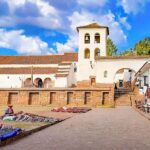
Chinchero rounds out the day at a higher elevation. The point here isn’t only views; it’s variety—different communities and different uses of the land. This is a good day if you like history, but it’s also a good warm-up if you’re mostly focused on adrenaline later.
Malaga Pass to Huamanmarca: Full-Suspension Bike Time
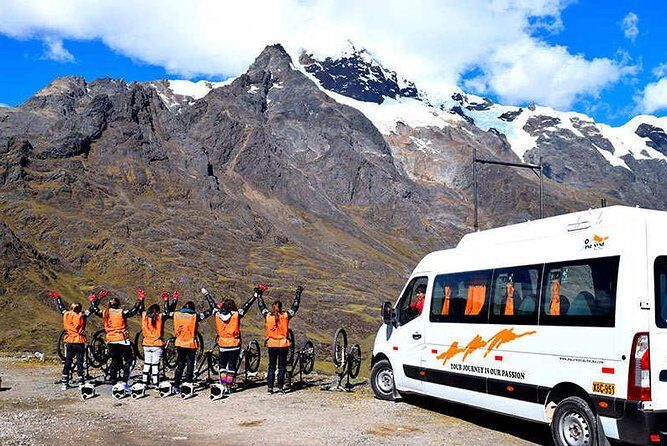
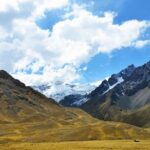
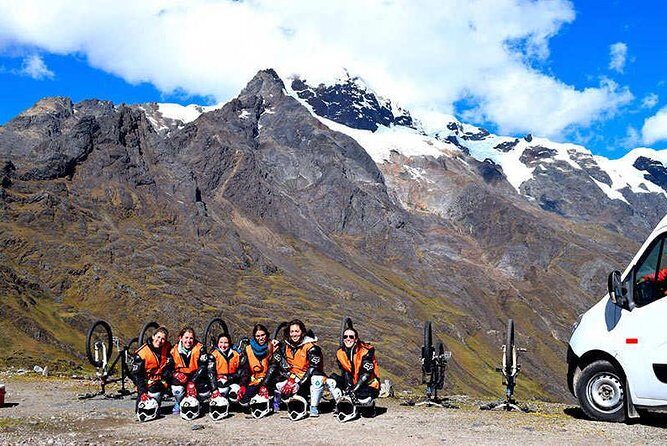
Day 3 is where the tour starts feeling like a real adventure. You’ll get picked up very early, around 6:00 AM (final timing gets confirmed). Then you drive about 3 hours to Malaga Pass at 4,350 meters (15,190 feet).
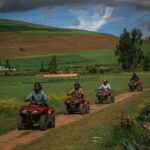
From there, you begin a mountain bike descent. The ride lasts around 3 hours, and it’s designed to be more than a downhill blur. You pass through villages, lush orchards, and rushing rivers. The route ends with arrival in Huamanmarca around 1:30 PM, then you transfer to Santa María by private bus.
This is a smart sequencing choice: you get the big high-altitude biking segment, then the day naturally shifts gears into water and lower elevations. Also, having full-suspension bikes matters on this kind of terrain because comfort and control reduce fatigue, and that means you can enjoy the ride instead of bracing the whole time. Helmets and gloves being included is a big plus too.
Santa María Rafting: Class II–III Rapids with Safety Support
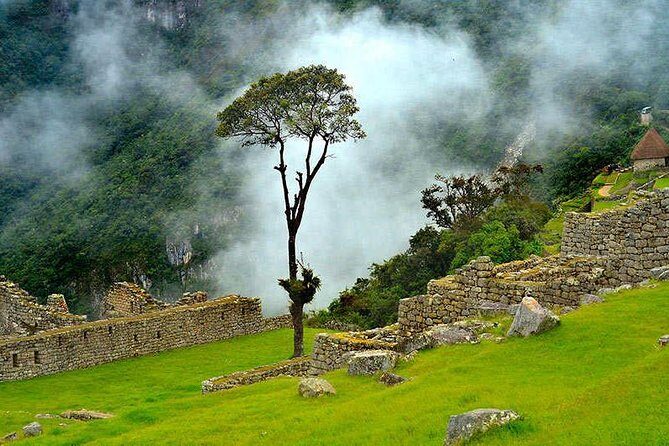
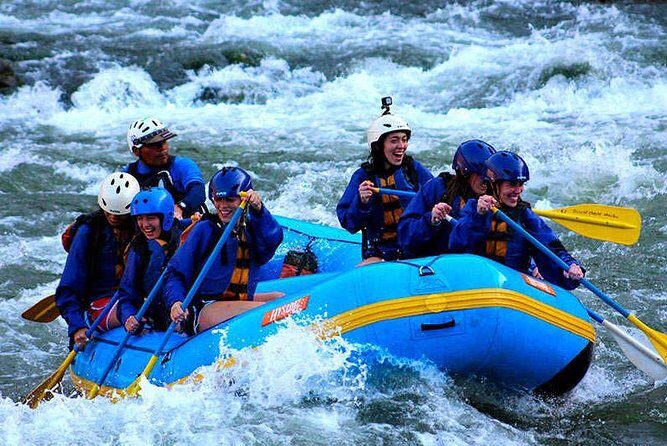
After biking, you get a break and lunch in Santa María, then the tour moves into rafting. You’re on the water for about 2 hours, navigating Class II and Class III rapids with a professional safety kayaker supervising.
Class II–III is where rafting becomes thrilling without being pure chaos. You’ll feel the push and spray, but it’s not marketed here as an extreme-only whitewater trip. That makes it a better fit for people who want excitement while still trusting the safety setup.
Dinner is included that night, and you settle in for the next day. I like that there’s food and downtime built in after the adrenaline-heavy morning.
Trek to Santa Teresa: Inca Trail Sections, Fruit Stops, and Hammocks
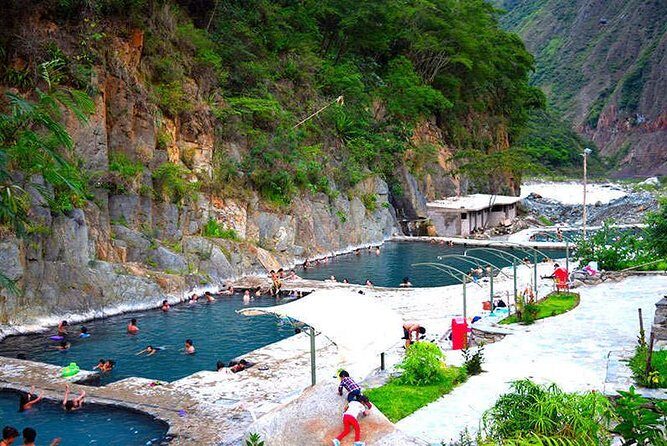
Day 4 starts with breakfast, then an early trek to Santa Teresa around 6:00 AM. The first part is an uphill climb for about two hours. You stop along the way to take in the region’s flora and fauna.
One of the most human details on this route is the visit to a local family’s home. You rest, eat fresh tropical fruit, and refill water. Even if you’re not a deep-culture traveler, these short stops help you see the jungle as lived-in, not just viewed through a bus window.
After that, the trek continues along a historic section of the Inca Trail that once connected Machu Picchu and Vilcabamba. Your guide shares stories related to Inca history and communication systems, and you’ll also take in views of the Huancarccasa Canyon.
Later you descend to Quellomayo, eat lunch, and relax in hammocks. That hammock time is more than a cute pause. It’s how you reset after hiking so Day 5 doesn’t feel like a total grind.
You can also read our reviews of more hiking tours in Cusco

Aguas Calientes Hike: Aobamba Valley and the Astronomical Sundial
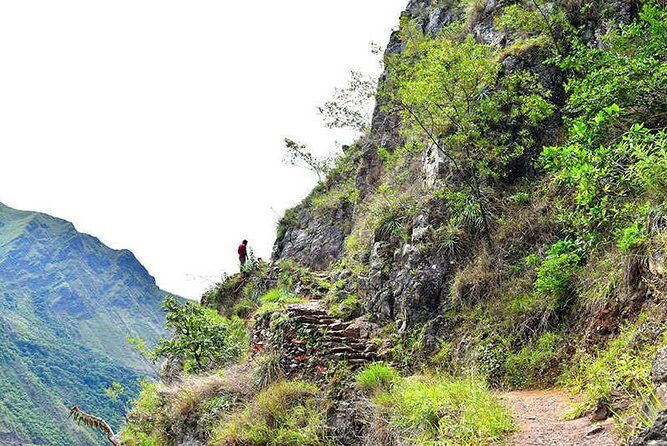
Day 5 is the push toward Aguas Calientes. You start around 6:00 AM after breakfast. The walk is about 3 hours through the Aobamba Valley, with lush vegetation and mountain views.
You’ll pass the Intihuatana sector, described as a government control post. The tour also includes a chance to see an ancient astronomical sundial used by the Incas, plus other structures nearby. This is the kind of stop that turns a hiking day into something more meaningful without slowing you down too much.
Lunch is provided en route, which helps a lot on a trek day. By the end, you reach the area of Aguas Calientes, setting you up for the Machu Picchu morning on Day 6.
This is also a day where pacing matters. You’ll feel the effort, but the itinerary is built to keep you moving without turning every step into a forced march.
Machu Picchu Morning with Your Guide: Temples, Terraces, and Optional Peaks
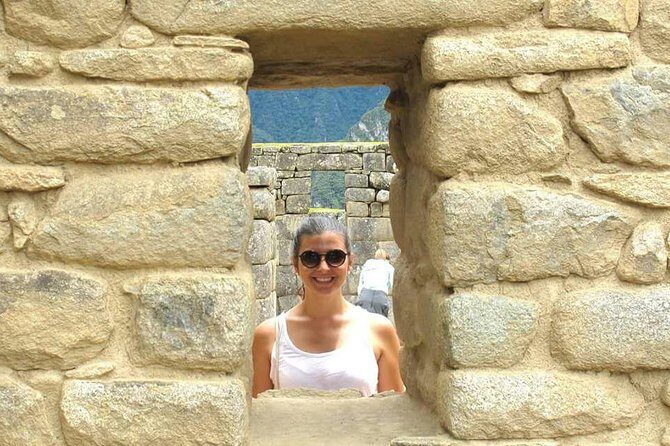
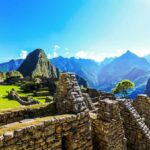
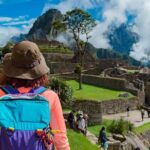
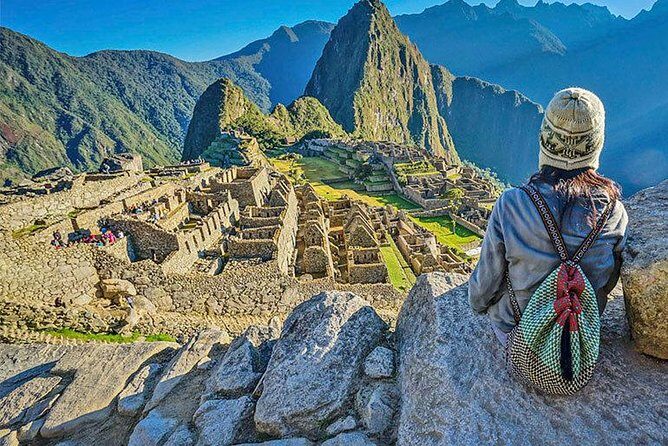
Day 6 begins with an early breakfast, then you take the morning bus to Machu Picchu. Once inside, you get a guided tour focused on what makes the site feel like a working city: temples, ceremonial areas, terraces, and storage structures.
This guided approach is especially helpful if you’re trying to wrap your head around why things are arranged the way they are. A guided route helps you connect the big photo moments to specific details you can point out later.
You also have an option if you booked the additional ticket in advance: Huayna Picchu or Machu Picchu Mountain for an extra viewpoint. Just note the Huayna Picchu entrance fee is listed as extra.
After the guided tour, the group returns to Aguas Calientes for rest and lunch (not included). In the afternoon, you train back and then do return transportation to Cusco. It’s a full day, but it’s structured so you’re not bouncing around aimlessly right after sightseeing.
Price and Logistics: What $1,129 Really Buys
At $1,129 per person, this is not a bargain-basement adventure. The value comes from stacking major costs into one package: lodging for multiple nights, guided transportation, entrance fees, adventure gear, and the big headline activities.
Here’s what’s doing the heavy lifting in the included value:
- Accommodations: 3 nights in 3-star hotels, plus 2 nights in hostels in Santa María and Santa Teresa, plus 1 night in 3-star in Aguas Calientes.
- Meals that are stated as included: breakfasts at the accommodations, and multiple lunches and dinners are included across the week.
- Adventure components: full-suspension bikes, helmets and gloves, rafting and rafting equipment, and zipline.
- Machu Picchu transportation and access: bus to Machu Picchu one way, plus guided entry and time on-site, then return train and bus transportation back to Cusco.
- Safety and guide coverage: safety equipment and a professional English-speaking guide.
Where you may feel the extra cost:
- Huayna Picchu entrance fee is listed as extra (and Machu Picchu Mountain is only mentioned as an option).
- Hot springs in Santa Teresa are extra at $5 per person.
- Single travelers pay a single supplement of $270.
- Travel insurance and flights aren’t included.
If you were to price bikes, rafting equipment, multiple transfers, and Machu Picchu logistics separately, this kind of total-week structure tends to feel more reasonable. It’s also the kind of trip where one missed piece can cost you a day, so paying for the bundle can be worth it.
One other practical note: it’s a private tour/activity. Only your group participates, which usually means less waiting and fewer “where is everyone” moments.
Who This Trip Fits (and Who Should Rethink It)
This tour fits best if you want a single week that blends adrenaline with classic Peru highlights. You like cycling and rafting, and you’re okay with hiking segments that are framed as moderate.
You should rethink it if you:
- struggle with altitude and need more gradual pacing than this itinerary provides
- don’t want early departures
- prefer a trip where every meal is guaranteed as included
On the positive side, the review highlights consistently praise the guides. Names that show up again and again include Jonathan, Wilbert, Percy, and Freddy (with rafting instructor Gustavo mentioned too). The pattern is clear: the guides don’t just run schedules; they explain what you’re seeing and make safety feel like a priority. That matters when your day includes bike drops, river rapids, and long-hike transitions.
Should You Book the Inca Jungle Adventure to Machu Picchu?
Book it if you want Machu Picchu plus a jungle adventure in one week, with gear and key logistics handled for you. This tour is especially appealing if you like variety: bike day, rafting day, trek days, then a guided Machu Picchu visit that’s more than a photo stop.
Don’t book it if your ideal Peru trip is slow and flexible with minimal physical effort. This week has movement every day, and plans that require changing after booking won’t get you a refund since it’s non-refundable.
If you’re craving a practical, structured adventure that still feels human because the guide matters, this is a strong choice.
FAQ
Is airport pickup included in the Cusco portion?
Yes. The tour includes a transfer from Alejandro Velasco Astete Airport to your hotel in Cusco, and it also includes pickups for the activities.
What activities are included besides Machu Picchu?
The package includes mountain biking, rafting, zipline, and trekking, plus all entrances fees.
Are bike and rafting safety items included?
Yes. You’ll have full-suspension mountain bikes, helmets, and gloves provided. Rafting includes the required equipment, and there is safety equipment for the overall tour. Rafting is supervised by a professional safety kayaker.
How hard is the physical activity level?
The tour calls for moderate physical fitness. You’ll be doing early trekking days and a long biking descent, plus daily walking during site visits.
Is Huayna Picchu included automatically?
No. Huayna Picchu entrance fee is listed as extra (and you need to have the additional ticket arranged in advance if you want that viewpoint).
Are meals fully included?
Not fully. Breakfasts are included at your accommodations, and lunches and dinners are included where the itinerary states. Meals not specifically stated are not included.
Can I get a refund if I need to change plans?
No. The experience is non-refundable and cannot be changed for any reason.