REVIEW · CUSCO
Sacred Valley VIP Private Tour
Book on Viator →Operated by Viagens Machu Picchu · Bookable on Viator
Eleven hours, six Inca stops, zero guesswork. What makes the Sacred Valley VIP private tour work is the built-in flow: you leave Cusco early, hit Maras–Moray–Salinas de Maras, then wrap the day with Ollantaytambo and Pisac in a single outing. I especially like the way a certified guide turns scattered ruins and local traditions into something you can actually picture, and I’m a fan of the included buffet lunch in Urubamba. One thing to consider: it is a long day, so if you want lots of strenuous walking, you’ll spend more time riding between stops than hiking.
The private setup matters, too. This is just your group, with private transportation and bottled water, so you’re not stuck listening to someone else’s agenda or waiting around for a big bus schedule. The early 7:00 am start may feel aggressive, but it helps you get through the day without rushing as hard as you would on a half-day plan.
Below is what you can expect at each stop, what’s truly worth your attention, and where you might want to pace yourself.
In This Review
- Key things I’d plan around
- Leaving Cusco at 7:00 am: the pace that makes the day feel smooth
- Maras first: a calm doorway into the Sacred Valley
- Moray: the Inca agricultural lab you can still imagine
- Salinas de Maras salt wells: the 3,000+ working pools
- Urubamba and lunch: where the day resets
- Ollantaytambo: the Inca town that still reads like a town
- Pisac: partridge meaning and artisan energy
- Back to Cusco: turning the day into real understanding
- Price and what you really get at $247 per person
- Service quality that shows up in real details
- Who this Sacred Valley VIP private tour fits best
- Should you book it?
- FAQ
- What time does the Sacred Valley VIP Private Tour start?
- How long is the tour?
- Is this tour private?
- What stops are included during the day?
- Are entrance fees included?
- Is lunch included?
- Are drinks included?
- What languages do the guides speak?
- How much does it cost?
- What is the cancellation policy?
- When will I receive confirmation?
- How far in advance is it typically booked?
Key things I’d plan around
- Moray’s microclimates: an agricultural experiment you can read even if you only have a short visit
- Salinas de Maras salt wells: more than 3,000 working pools run by the local community
- Urubamba buffet lunch: included, and often the calmest hour of the day
- Ollantaytambo’s original urban grid: one of the clearest places to sense Inca town planning
- Pisac meaning and craftsmanship: partridge-linked shapes plus strong artisan vibes
- Private pace with expert context: a certified guide in Spanish, English, or Portuguese keeps things coherent
Leaving Cusco at 7:00 am: the pace that makes the day feel smooth
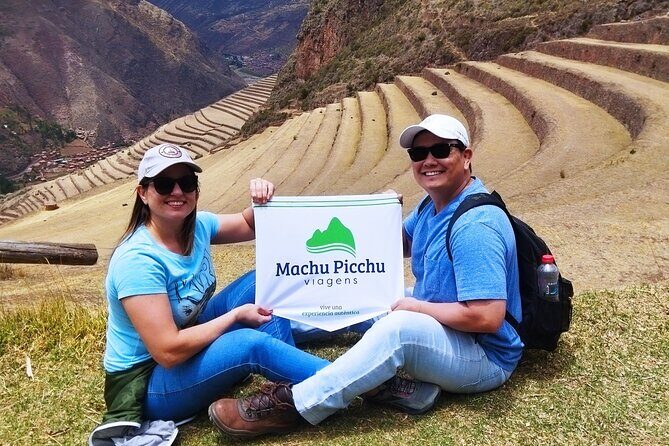
Pickup starts at 7:00 am, after breakfast at your hotel. From there, you head out of Cusco toward the northwest. The drive is long enough that you can settle in, but not so long that it feels like you’re trapped in the van all day.
A big part of the value here is that transportation is private. In practice, that means less time wrangling group logistics and more time with your guide’s explanations. You’ll also pass through towns along the route, including Poroy and Chinchero, which gives the day a sense of continuity instead of jumping from Cusco straight into ruins.
What I like for you: this kind of pacing helps you connect the dots. You’re not just collecting photos; you’re seeing how the Sacred Valley’s human story shifts from agriculture (Moray), to extraction (salt), to settlement and ceremony (Ollantaytambo and Pisac).
Possible drawback: because the day is built around multiple stops, you may feel a bit “scheduled” at times. If you hate feeling on a clock, treat this like a full-day tour and give yourself permission to stay flexible inside each stop rather than trying to do everything.
You can also read our reviews of more private tours in Cusco
Maras first: a calm doorway into the Sacred Valley
Your first stop is Maras. On paper it’s listed as about an hour, with admission free. In reality, Maras works best as a soft landing before the heavier-hitting sites.
Why it’s worth your attention: Maras sets the tone for the rest of the day. You’re in a place where local communities and heritage sit close together. Even without a long visit, it helps you orient yourself—so when you later reach Moray and the salt wells, your brain can start grouping what you’re seeing into themes: land use, water and agriculture, and the way people worked the valley over centuries.
What to do with your time here: don’t rush. Even at the one-hour mark, slow down for a few minutes. Find a view angle, watch how the settlement sits in the area, and then let your guide explain what makes this corner of the valley special.
Moray: the Inca agricultural lab you can still imagine
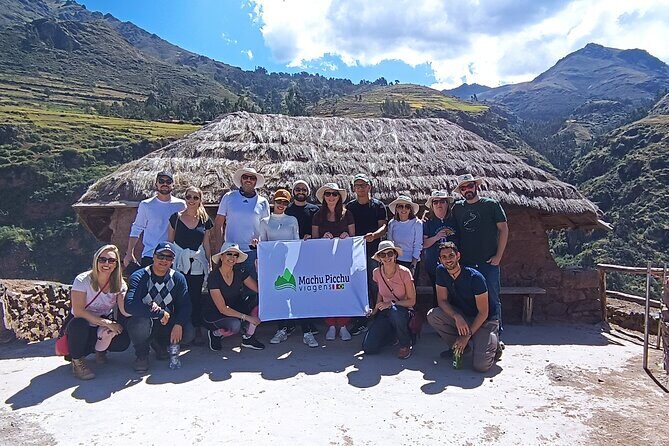
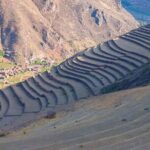
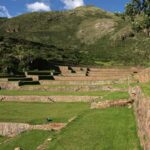
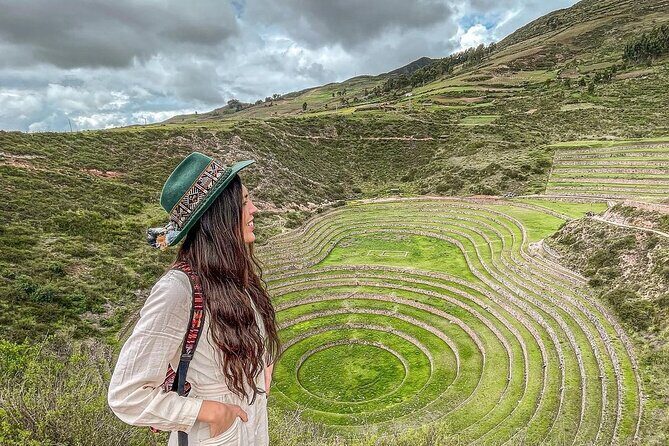
From Maras, you go roughly 7 kilometers to Moray, an archaeological center the Incas used as an agricultural laboratory to adapt to different microclimates. Your visit is short—about 20 minutes—and that can actually be a positive if you go with the right mindset.
This is a site where the structure tells the story. Moray’s stepped formations suggest controlled experimentation: different levels, different exposures, different growing conditions. Even in a quick visit, a good guide makes it click by linking the physical layout to the practical question: how did the Incas use the valley’s variations instead of fighting them?
Tip for you: if you’re the type who loves understanding the why, ask your guide to focus on microclimates during the visit. It’s the core idea of Moray, and it’s also the idea that will make the next stop—Salinas—feel connected rather than separate.
Salinas de Maras salt wells: the 3,000+ working pools
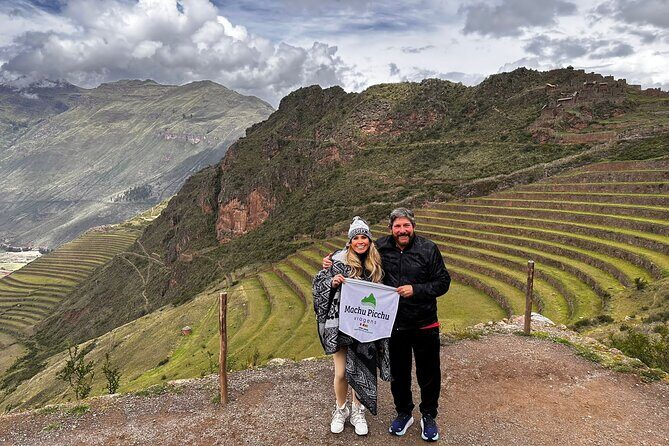
Then you reach the famous Salinas de Maras salt mines. Here, admission is included, and the time you get is about 2 hours—enough to take your time and not feel like you’re sprinting.
The headline detail is the scale: there are more than 3,000 wells. What makes this stop more than a photo stop is that this isn’t just a historic set piece; the wells are worked by the community. That means you’re looking at a living landscape of extraction and maintenance, not only a ruin.
One more reason it’s memorable: your guide can help you understand why the salt is so prized. The tour information points out that its salt is among the most coveted products and shows up in popular restaurants around the world.
How to enjoy your two hours:
- Take a slow walk along viewpoints and look for how the wells stack and shimmer with light.
- Let your guide explain how the system works in everyday terms, not just the legend side.
- Keep an eye out for moments where local work is happening—you’ll learn more by watching than by only reading signs.
Urubamba and lunch: where the day resets
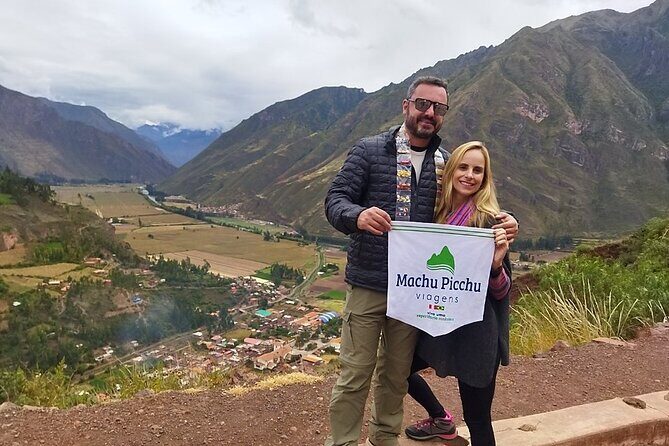
After Maras and Moray, you head into Urubamba, the heart of the Sacred Valley. Lunch is a buffet in a restaurant in the area, and this part is about 1 hour.
This is one of the best “value” moments in the day. You’re not scrambling to find food, and you’re getting a proper break between archaeological intensity. The reviews you’ll hear from other visitors put a strong emphasis on the lunch: great food, clean and organized service, and a typical local meal experience at places like Don Angel.
What I like for you: the lunch stop is a pacing tool. It gives you energy for the afternoon and keeps you from turning the second half into a tired blur. Use the hour to recharge, drink the included bottled water, and ask your guide how the afternoon sites differ in purpose.
A few more Cusco tours and experiences worth a look
Ollantaytambo: the Inca town that still reads like a town
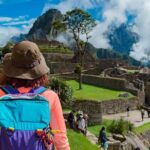
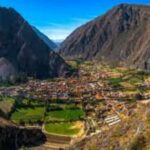
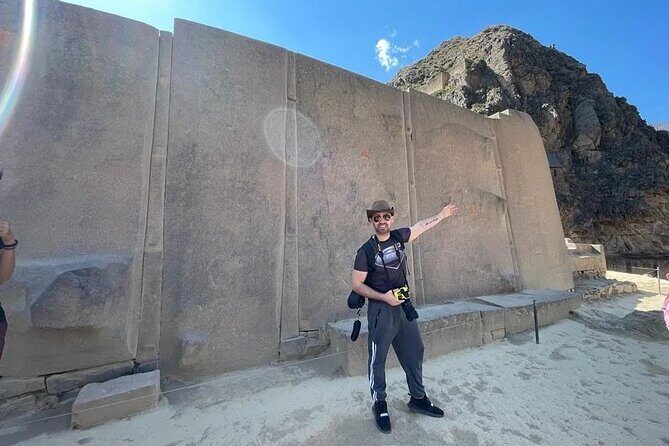
Next up is Ollantaytambo, an Inca city with about 2 hours on the ground. Admission is marked free for this stop, and your guide leads you through the archaeological center.
What makes Ollantaytambo feel different is the way it preserves urban design from the Inca era. The tour notes highlight that it is the only place that still keeps the original urban design from the time of the Incas. That detail matters because it changes the experience from ruins to city planning. You’re not just looking at walls; you’re sensing streets and layout.
Your guide also explains its importance as a military, religious, and political center. That trio of roles helps you understand why this place would be built and maintained with such intention.
Your interaction with local culture is part of the point here. Even when a site is archaeological, being near a living community changes what you notice. You may catch small routines, crafts, or local rhythms that help the site feel less distant.
Practical thought: Ollantaytambo is the kind of stop where it helps to move slowly through key areas and then stand back and look around. You’ll get more from the “big picture” than from trying to memorize every corner.
Pisac: partridge meaning and artisan energy
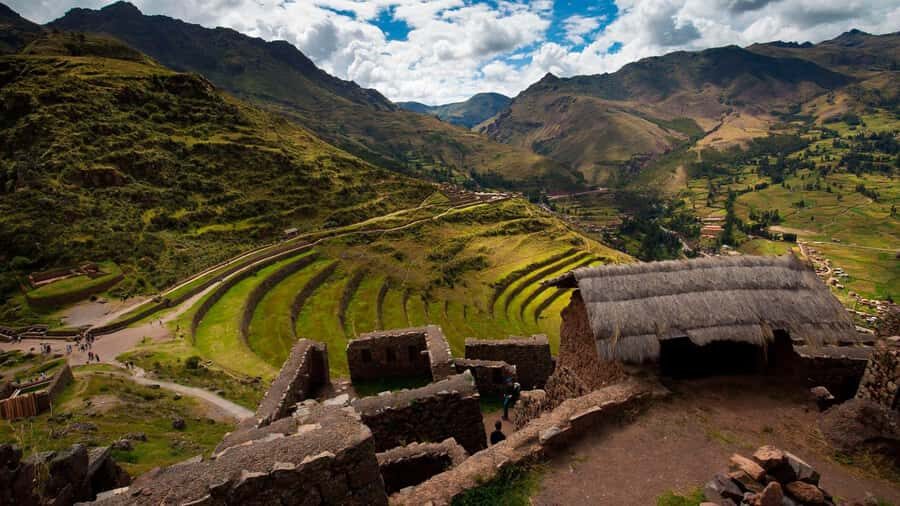
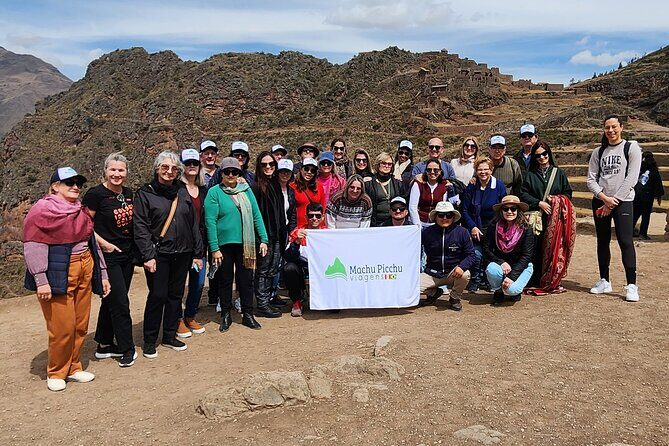
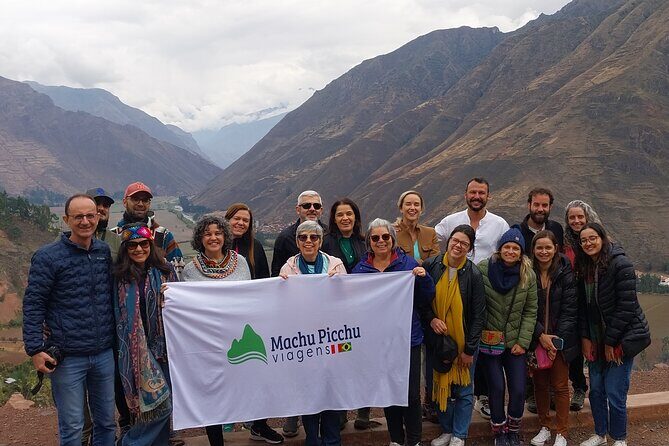
After lunch, you head to Pisac (often spelled Pisaq). You get about 2 hours, with admission marked free.
This is another place where names matter. The tour information connects Pisac to Quechua, explaining that Pisaq’a means partridge, a bird common in the area, and that the site shape may reflect that idea. The suggestion is that there may be spiritual meaning in the form.
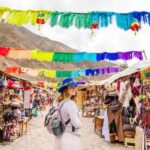
Even if you don’t go fully symbolic, the takeaway is that the Incas built with both function and meaning. Pisac is also known for its traditional essence and deep-rooted art, so you may find your guide pointing out craft-related features or areas where the cultural DNA feels strong.
How to get the most out of your time:
- Ask your guide to link the partridge meaning to what you’re seeing, not just recite the definition.
- Watch how people use the space today. A site that feels connected to daily life stays in your head longer.
- Keep time for photos, but don’t treat photos as the main activity. Pisac rewards slow looking.
Back to Cusco: turning the day into real understanding
Once you finish the archaeological sites planned for the day, you return to Cusco, with about 2 hours for the end of the loop. This last stretch can feel a bit like recovery time, especially after a full itinerary.
Use it to do something simple: review what the guide taught you while the sites are still fresh. If you remember Moray and the idea of microclimates, it helps you reframe later views in your mind. If you remember the 3,000+ salt wells, Urubamba and the valley’s settlement pattern can start to feel like part of the same human system.
If you’re heading out to dinner after, plan an easy evening. This tour is a strong day; you’ll enjoy Cusco more when you’re not running on fumes.
Price and what you really get at $247 per person
At $247 per person for about 11 hours, the deal is less about one magic attraction and more about what’s bundled into a smooth, private day.
Here’s what’s included:
- Private transportation
- A certified professional guide (Spanish, English, or Portuguese)
- Entrance to the archaeological centers you visit
- Buffet lunch in Urubamba
- Complimentary bottled water
That combination is practical. If you tried to assemble this day yourself—transport, tickets, and a guide who can explain microclimates, salt systems, and Inca town roles—you’d spend time coordinating and risk losing context.
So the value play is convenience plus interpretation. Even the stops marked with admission free are still part of a guided, structured route, and the short time slots (like Moray at 20 minutes) work because your guide manages the pacing so you don’t wander aimlessly.
Who will feel the price is fair fastest? People who want a guided day that covers multiple Sacred Valley highlights without juggling planning.
Service quality that shows up in real details
The strongest praise in the real-world feedback tends to land on people: guides who keep explanations clear and drivers who handle the day calmly.
You’ll see names like Franklin, Fred, Fredy, Herman, and a restaurant contact like Angel linked to great service and a friendly, attentive vibe. I like that pattern because it suggests the company treats the day as a whole experience, not only a list of stops.
So what should you watch for when you meet your guide?
- Ask which site has the clearest connection to the next one. A good guide can make the sequence feel logical.
- Use the lunch hour to confirm how the afternoon will flow, so you can manage your energy.
- If you’re traveling with kids or a slower pace group, say so early. Since it’s a private tour, your guide can often adjust how you handle time at each stop.
Who this Sacred Valley VIP private tour fits best
This tour fits best if you:
- Want history and culture explained while you move through major Sacred Valley sites
- Prefer a private day with a guide rather than a large group format
- Like a full-day structure with time for a real meal, not just snacks
- Are okay with a schedule that includes short visits at some stops, like Moray
It may not fit perfectly if you want:
- Lots of long hikes or unstructured exploration
- A day that’s mostly downtime in between sites
Should you book it?
Yes, if you want a guided Sacred Valley day that stays organized and hits the big themes in one trip. The tour’s real strength is the combination of private transport, certified guiding, included entrances, and an actual buffet lunch, all packaged into an around-11-hours plan that doesn’t force you to solve logistics on your own.
Before you book, do one simple check: ask yourself if you’re comfortable with an early start and a full itinerary. If you are, this is the kind of day that helps the Sacred Valley make sense fast—Maras sets the tone, Moray adds the agriculture logic, Salinas delivers the scale, and Ollantaytambo and Pisac give you the Inca urban and cultural feeling you came for.
FAQ
What time does the Sacred Valley VIP Private Tour start?
The tour start time is 7:00 am.
How long is the tour?
It runs for approximately 11 hours.
Is this tour private?
Yes. It’s a private tour/activity, so only your group participates.
What stops are included during the day?
You’ll visit Maras, Moray, Salinas de Maras, Urubamba (for lunch), Ollantaytambo, Pisac, and then return to Cusco.
Are entrance fees included?
Entrance to the archaeological centers you visit is included. Some stops are listed as free admission.
Is lunch included?
Yes. A buffet lunch is included in Urubamba.
Are drinks included?
Complimentary bottled water is included. Meals and drinks not mentioned are not included.
What languages do the guides speak?
The tour includes a certified professional guide in Spanish, English, or Portuguese.
How much does it cost?
The price is $247.00 per person.
What is the cancellation policy?
Free cancellation is available. You can cancel up to 24 hours in advance for a full refund, based on local time.
When will I receive confirmation?
Confirmation will be received at time of booking.
How far in advance is it typically booked?
On average, it’s booked 49 days in advance.