REVIEW · CUSCO
Cusco: 7 Lagoons of Ausangate Hiking Day Trip with Lunch
Book on GetYourGuide →Operated by Peru Tours Genius · Bookable on GetYourGuide
Seven lagoons. One tough, colorful day.
This Ausangate hike is built around a full 7-lagoon circuit with big Andean views, from Azulqocha and Orco Otorongo to Patacocha. I like that the route has clear names, not vague sightseeing, so you know what you’re walking toward. I also like the combo of walking and then soaking in the Pacchanta hot springs to recover. The only real catch: it’s a long, hard day with an about 11 km trek, so you’ll want solid stamina and a slow, steady pace.
You start early, with hotel pickup in Cusco around 05:00, then head toward Pacchanta in the high Andes. Along the way you’re promised Flora and fauna time, and once you’re there, you begin with a typical regional breakfast before the walking starts. It’s the kind of day where weather and your footing matter, so the plan works best when you go in prepared.
One more consideration: while most of the experience is guided and organized, there’s at least one reported case of missing pickup and no response. That’s not the norm from what’s shared, but it’s enough that I’d treat the start time seriously and confirm your pickup details the day before.
In This Review
- Key things that make this day trip work
- The early Cusco pickup: why 05:00 matters here
- Pacchanta breakfast and the pre-hike briefing
- The heart of the day: the 11 km 7-lagoon circuit
- Mountain views you’ll actually reference later
- Wildlife spotting: alpacas, llamas, and the condor factor
- How hard is it, really?
- Mid-route rest and photo stops that break up the effort
- Lunch in Pacchanta and the return-to-body moment
- Medicinal hot springs: recovery with rules you should know
- Getting back to Cusco around 19:00
- Price and value: $34 is a bargain if everything runs on time
- Who should book this hike (and who should skip it)
- Safety and guide support: the practical stuff you’re paying for
- What to pack for a 7-lagoon day in the Andes
- Should you book the 7 Lagoons of Ausangate day trip?
Key things that make this day trip work
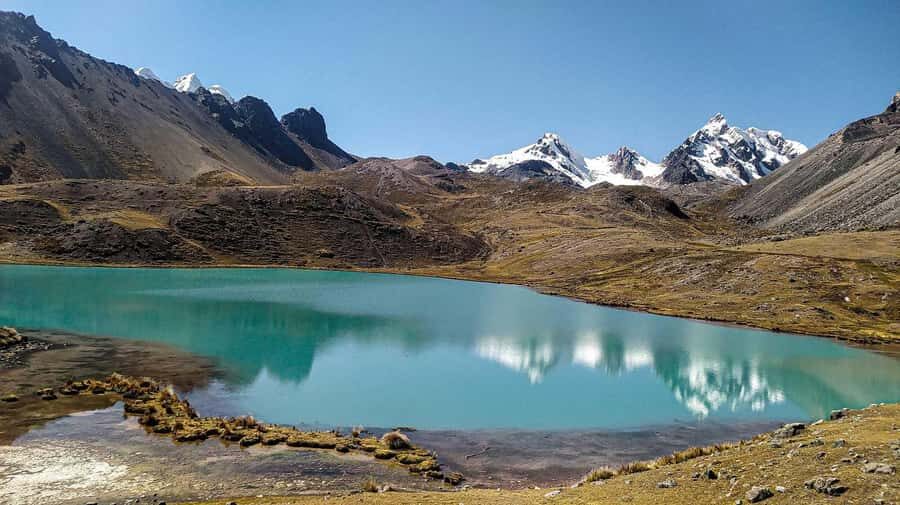
- A named 7-lagoon route: Azulqocha, Orco Otorongo, China Otorongo, Puqacocha, Alqacocha, Qomercocha, and Patacocha
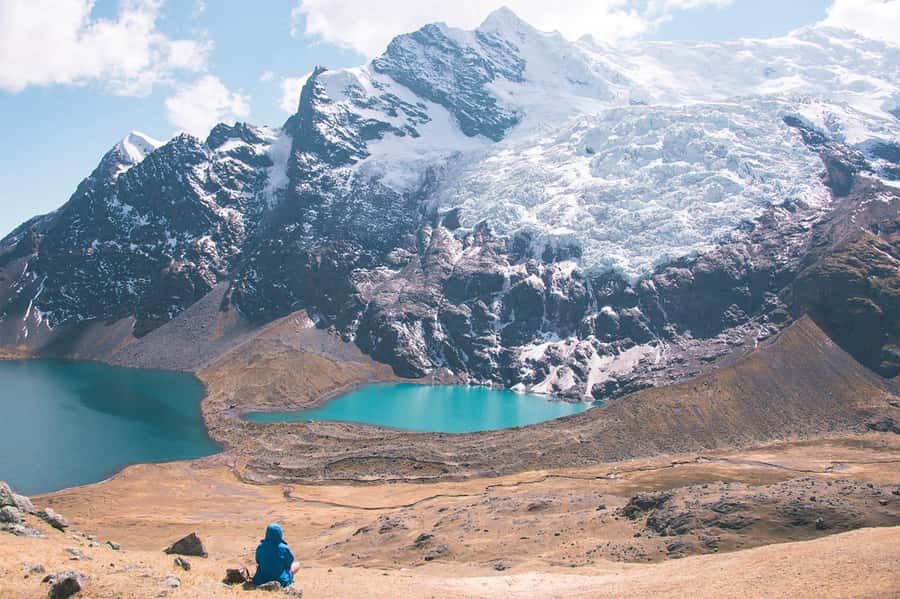
- Photo-worthy mountain backdrops: Ausangate plus Mariposa, Jampa, Pucapunta, Caracol, and Tinke
- Animal spotting is part of the plan: alpacas, llamas, vizcachas, native birds, and sometimes an Andean condor
- Real “fuel and recovery” schedule: breakfast, local lunch in Pacchanta, then medicinal hot springs time
- Guided pacing and support gear: walking sticks plus a first aid kit and oxygen balloon
- A long, early day by design: start around 05:00, end back in Cusco about 19:00
The early Cusco pickup: why 05:00 matters here
This tour starts with pickup from select areas of Cusco at about 05:00. That early departure isn’t just for convenience. In the Andes, daylight and trail conditions change fast, and the day is long enough that you don’t want to be late before you reach the start of the circuit.
After pickup, you’ll ride out toward Pacchanta. The schedule shows bus/coach time of about 2.5 hours, while the overall drive is described as approximately six hours to Pacchanta. Either way, plan for a full day on the move, not an easy morning.
Tip that helps: treat the first hours as prep time. Eat and drink what you can on the ride, and get your layers sorted before you’re out in the cold. A tour like this gives you short breaks, not long opportunities to reorganize.
A few more Cusco tours and experiences worth a look

Pacchanta breakfast and the pre-hike briefing
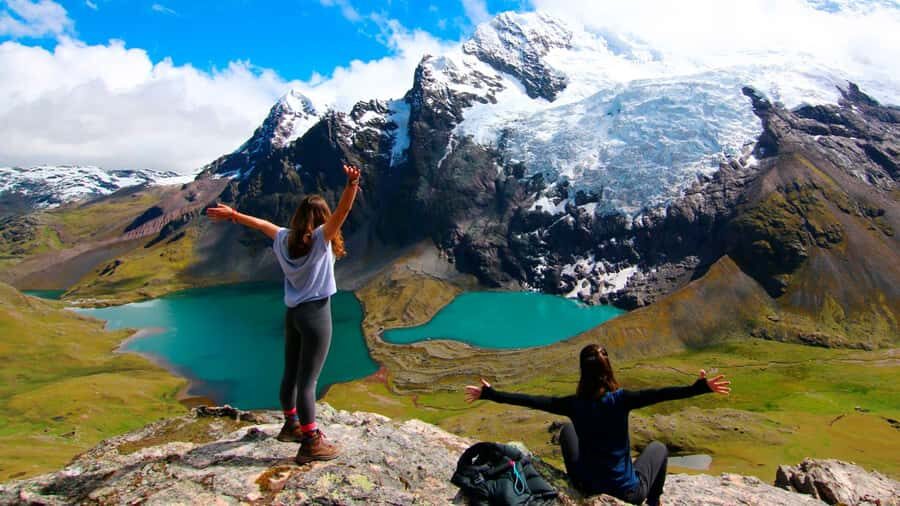
Once you reach Pacchanta, you start with breakfast typical of the region. It’s a practical start: the trek is about 11 km, and even if you consider yourself “fit,” you still need energy before hours on uneven trail.
Right after breakfast, there’s a short break where your guide shares details about the adventure ahead. This matters more than it sounds. The lagoon circuit involves a mix of scenery and pacing, and a good guide helps you understand what to expect so you don’t burn energy too fast.
Also, if you’re worried about altitude effects or cold, this is the moment to pay attention to the guide’s instructions and safety setup. The tour includes an oxygen balloon and a first aid kit, which tells you the operator is thinking about risk management for a high-elevation itinerary.
The heart of the day: the 11 km 7-lagoon circuit
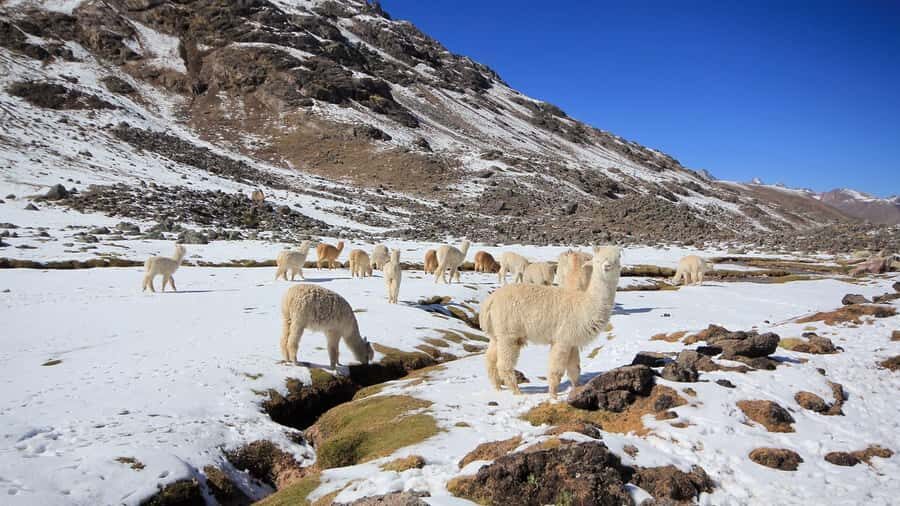
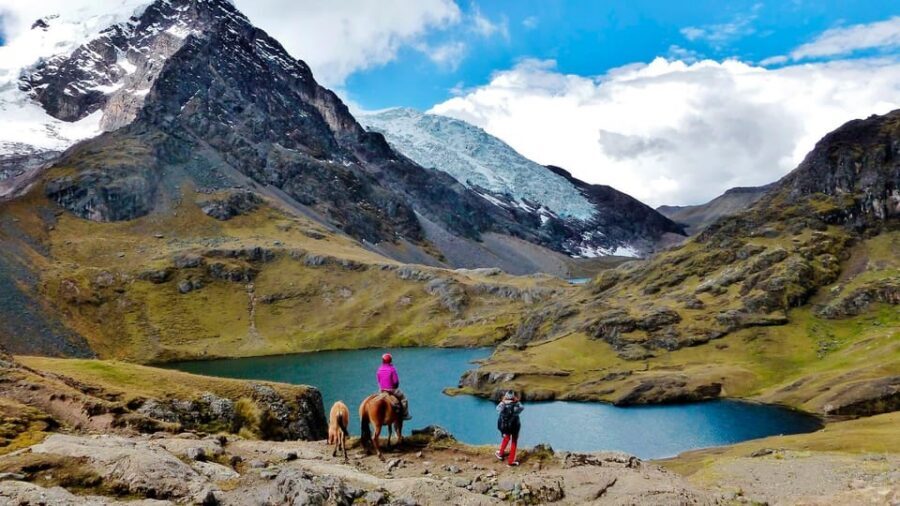
The walking portion is scheduled for about five hours and covers roughly 11 km, visiting seven named lagoons:
- Azulqocha
- Orco Otorongo
- China Otorongo
- Puqacocha
- Alqacocha
- Qomercocha
- Patacocha
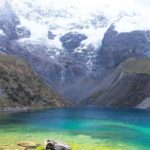
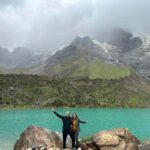
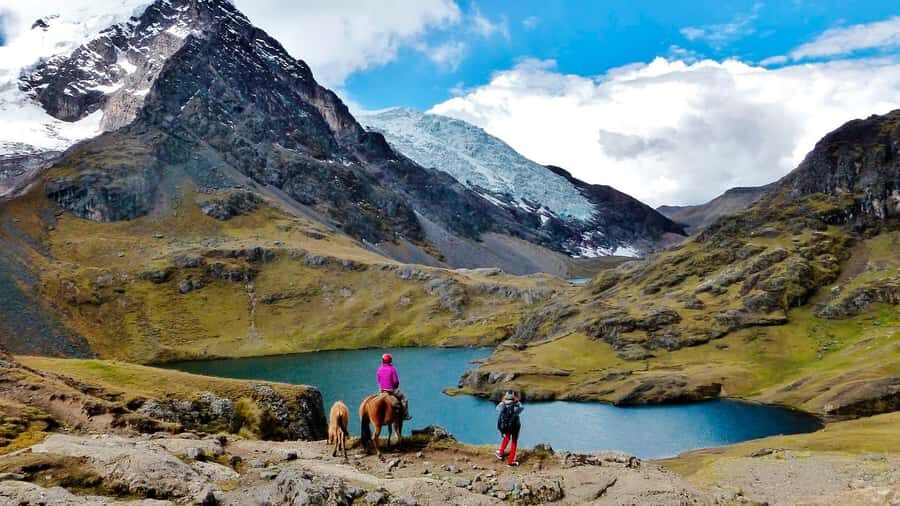
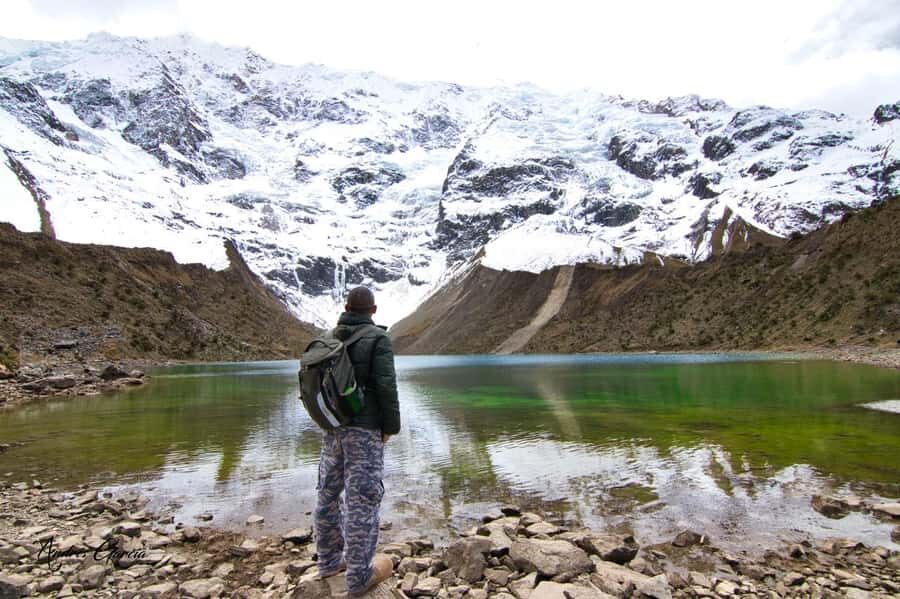
The big idea is that each lagoon has its own color and mood, and you’re moving through them like a checklist while the mountains loom in the background. That’s more engaging than a single big viewpoint because you’re continually re-framing the view.
Mountain views you’ll actually reference later
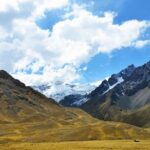
As you walk, the route is designed around sightlines to several peaks, including:
- Ausangate
- Mariposa
- Jampa
- Pucapunta
- Caracol
- Tinke
When you’re out on a trail, naming peaks helps your brain stay interested instead of just counting steps. If you like photography, this is one of the best parts of the design: you’re not just staring at a valley; you’re getting named mountain geometry over and over.
Wildlife spotting: alpacas, llamas, and the condor factor
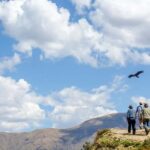
This is a nature-forward trek, not a theme park. You may see native birds, alpacas, llamas, and vizcachas. The route also mentions the Andean condor, but with the key phrase that it’s up to luck.
I think that phrasing is perfect for your expectations. You shouldn’t plan your entire emotional experience around condor spotting, but if you do keep your eyes up, you’ll likely get rewarding wildlife moments along the way.
You can also read our reviews of more hiking tours in Cusco




How hard is it, really?
The trek is described as difficult walking. One of the strongest signals from the shared feedback is that people consider the hike hard but doable when you keep a steady pace. That matches the reality of a high-altitude circuit: the trail can feel steep even when the gradient isn’t extreme, and your body may slow down even if your legs want to push.
What helps you succeed:
- Use the walking sticks included. They take pressure off your knees on downhill sections.
- Walk slower than you think. You’ll cover the distance, and you’ll enjoy the lagoons more.
- Dress for wind. Cold in the Andes is often about exposure more than temperature.
Mid-route rest and photo stops that break up the effort
The day doesn’t run as one nonstop grind. There’s a photo stop and guided/visit time partway through the experience. You also get free time on the schedule at around two hours in the middle block, which is usually where you catch a breath, adjust layers, and maybe grab a quick snack if you brought something extra.
This is also when your guide’s work becomes noticeable. A good guide keeps things moving without rushing your group into exhaustion. Shared feedback includes examples of guides who stay attentive throughout, and on a trail like this, that kind of attention really matters.
Lunch in Pacchanta and the return-to-body moment
After the lagoon circuit, you head back to Pacchanta for lunch. The lunch is described as delicious and local, and you get about an hour for it.
This is a key part of the value because it’s not just calories. It’s your transition from trail mode to recovery mode. After a long walk, your body doesn’t just need food; it needs a routine that lets you stop bracing for cold wind and rocky footing.
If you tend to get stomach issues while hiking, I’d keep the tone simple: choose what you can eat comfortably. You’re on a tight schedule, and you don’t want to spend your only free time feeling sick.
Medicinal hot springs: recovery with rules you should know
After lunch, the plan is relaxation in the medicinal hot springs in Pacchanta. The schedule also includes free time for swimming for about an hour.
Two important practical notes:
- Entrance to the hot springs is listed as not included, so you may need to pay a separate entry fee on site.
- The tour doesn’t claim a private or guaranteed soak time; it gives you a window. If you want warm water, aim to go promptly when your free time starts.
Why this stop is more than a bonus: after a long trek, especially with downhill segments, hot water can help you feel more human again. Even if you’re not a “spa person,” you’ll likely appreciate the reset.
Getting back to Cusco around 19:00
The return is scheduled with bus/coach time of about 2.5 hours, then finishing at Plaza Regocijo in Cusco. The overall plan has you back at approximately 19:00.
That timing is useful for planning your evening. You’ll want dinner nearby and something low-key to do right after you return. A day trip this active can leave you tired in a very specific way: your legs are alert, your brain is foggy, and you’re craving warmth.
If you’re pairing this with other plans the same night, keep them flexible.
Price and value: $34 is a bargain if everything runs on time
At $34 per person, this tour looks like good value for Cusco-area day hiking because it includes:
- pickup from select areas in Cusco
- round-trip transportation
- breakfast and lunch
- a professional guide
- first aid kit and oxygen balloon
- walking sticks
What’s not included:
- entrance ticket to Ausangate
- entrance to hot springs
- personal expenses
So the value depends on two things: whether you want the full guided day structure, and whether you’re budgeting for those optional entrances. Even with entrance costs added, you’re still paying for a complete, managed day rather than just a hike and guesswork.
The biggest value signal I take from the feedback: guides matter. When a guide is communicative and attentive (Daniel is mentioned as fantastic and staying close; Noa is mentioned as great and communication was solid), you’re safer and you enjoy the scenery more because you’re not constantly wondering what’s next.
Who should book this hike (and who should skip it)
This is a strong fit if you:
- want a guided trek with a defined route and named lagoons
- enjoy high Andean scenery and wildlife spotting
- can handle a long walk (~11 km) and a long day schedule
- want the practical combination of meal stops and hot springs recovery
You might skip this tour if you:
- need a gentle outing or a shorter distance
- can’t move comfortably for about five hours of walking
- rely on guaranteed, precise pickup timing and would struggle if a pickup problem occurred
And that last point matters because one reported experience described a failure to pick people up with no contact. I’m not saying that’s what will happen to you, but it’s enough that I’d be proactive about confirmation.
Safety and guide support: the practical stuff you’re paying for
The tour includes a first aid kit and an oxygen balloon. It also includes walking sticks, which sounds small until you’re on uneven ground and your knees start complaining.
I also like that the schedule includes guided information at key points rather than leaving you to figure out the terrain alone. On a remote-feeling route, having a guide who keeps everyone oriented is how you turn a tough day into a manageable one.
When shared feedback highlights attentive guides and good communication, it lines up with what you need for this kind of itinerary: clear guidance, steady pacing, and help when conditions shift.
What to pack for a 7-lagoon day in the Andes
You don’t need luxury gear for this, but you do need sensible basics:
- layers (the hike is cold-prone with wind)
- gloves or something warm enough for exposed hands
- closed shoes with grip for trail footing
- a small daypack with water and any snacks you prefer
- your own swimwear if you want to use the hot springs window
Because hot springs entrance and hiking entrances can cost extra, I’d also carry some cash or be ready to pay whatever the local site requires.
Should you book the 7 Lagoons of Ausangate day trip?
I’d book this if you want a structured day that mixes real hiking, named lagoon scenery, wildlife chances, and hot springs recovery. At $34 with pickup, meals, guide, and trekking support gear, it’s strong value for travelers who can handle effort.
I’d hesitate if you’re fragile with timing or you can’t tolerate the risk of a pickup mishap. In that case, at minimum, confirm pickup details the day before and be ready to be waiting slightly early, not right on time.
If you do go, go for the route: seven lagoons, big peaks in view, and a guide-led day that turns a long walk into something you’ll remember for the colors and the mountain names you can actually repeat.