REVIEW · PUERTO MALDONADO
Tambopata Rainforest Night Walk & River Exploration
Book on GetYourGuide →Operated by Tambopata Wild · Bookable on GetYourGuide
Amazon nights feel like a different planet. This Tambopata night walk plus river exploration shows you the rainforest after dark, when a lot of wildlife wakes up. I love how the guide’s flashlight-led search turns the forest into a living map, and how the experience mixes quiet river time with active trail time. One thing to plan for: the weather can affect sightings, and the tour style isn’t for everyone if you get motion sickness or hate bugs.
If you’re the type who enjoys small, specific wildlife moments, you’ll be in your element. The hunt for tarantulas, giant ants, lizards, frogs, and spiders is guided with printed ID sheets, so you can connect what you see with what it is. The possible downside is timing: the stated 3-hour window can feel different depending on pickup/transfer flow and conditions that change the pace.
In This Review
- Quick take: what’s most worth your money
- Tambopata Night Walk: What Happens After 4 PM in the Amazon
- The Boat Ride on the Tambopata River: Sloths, Caiman Eyes, and Night Sky Minutes
- The Jungle Night Walk: How You Actually Find Nocturnal Wildlife
- What the Guide Adds: The Difference Between Seeing and Learning
- Timing, Weather, and the Real-World 3-Hour Promise
- Small Group Size: Why Up to 6 People Works Better at Night
- Price and Value: Is $55 a Fair Deal?
- What to Bring (So Night Doesn’t Feel Miserable)
- What’s Not Allowed (And Why It Matters for Your Experience)
- Who This Tour Suits Best (And Who Might Want a Different Plan)
- Photography at Night: How to Get Better Shots Without Chasing Them
- On the Trail, Off the Trail: The Amazon’s Soundtrack Is Part of the Deal
- Should You Book Tambopata Rainforest Night Walk & River Exploration?
- FAQ
- How long is the Tambopata Rainforest Night Walk & River Exploration?
- What time does the tour usually start?
- Is hotel pickup included?
- What languages is the guide available in?
- Are flashlights and wildlife identification materials provided?
- What should I bring?
- Is food included?
- Is cancellation allowed, and how late can I cancel?
Quick take: what’s most worth your money
Guided, flashlight-assisted wildlife spotting for nocturnal species
River cruise at dusk into full night—great for caiman eye-shine
Printed wildlife ID guides so you don’t leave guessing
Small group of up to 6 for easier questions and closer viewing
Good photo conditions thanks to controlled torchlight and dark skies
Rain-dependent outcomes—some nights are slower than others
Tambopata Night Walk: What Happens After 4 PM in the Amazon
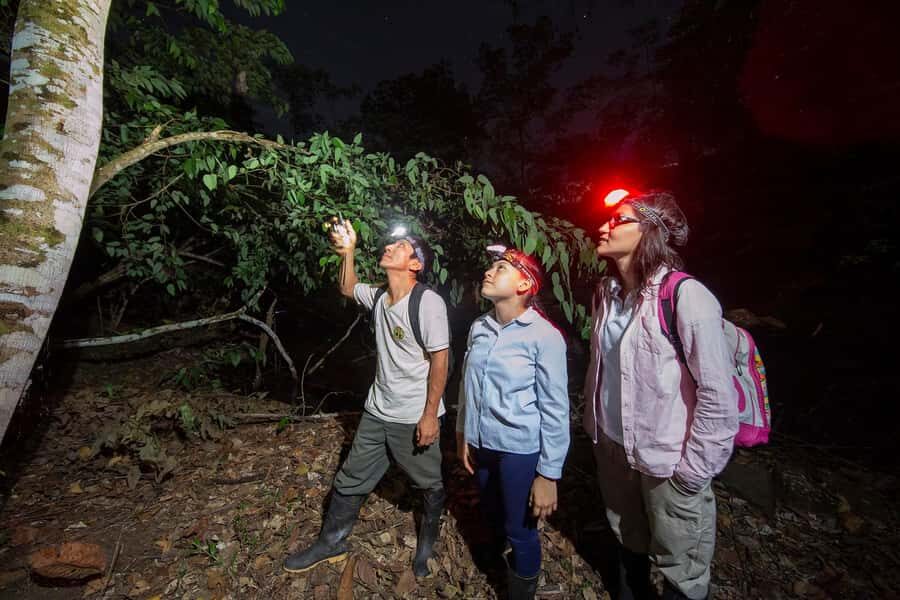
I’m going to be straight with you: daytime rainforest tours are great, but night is when the whole place starts acting like itself. After dark, the same forest you walked past earlier becomes a busy stage—different animals move, different sounds take over, and your eyes learn to work with low light. This Tambopata experience is built for that change, with a river ride at dusk followed by a guided walk on the trail.
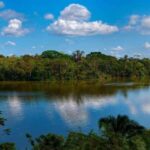
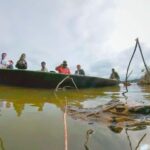
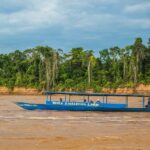
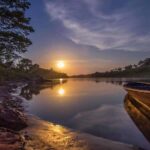
You start around 4:00 PM with a relaxed boat ride along the Tambopata River. As the light filters down through the trees, you may spot sloths in the cecropia trees—the kind of detail you’d miss if you were moving fast on land. As it gets darker, the river shifts from calm scenery to nighttime theater: moonlight on the water, floating shadows, and the occasional “wait—look there” moment from your guide.
Once you reach the jungle trail, the mood gets more intense in the best way. You’re handed flashlights and equipment, then the guide helps you read the sounds and micro-movements that matter at night. In this part of the Amazon, you don’t just “walk through”—you scan, pause, and spot. That’s the real skill of a good night guide, and it’s why this tour is so fun when you want more than a generic wildlife checklist.
You can also read our reviews of more tours and experiences in Puerto Maldonado.


The Boat Ride on the Tambopata River: Sloths, Caiman Eyes, and Night Sky Minutes
The first big “yes” here is the river. Even if you’re not a hardcore birder, the Tambopata at night feels special because it’s calm, open, and full of reflective cues. Your boat time isn’t only travel between places—it’s your first introduction to how the Amazon behaves once the sun drops.
During the transition from late afternoon into night, you’re looking for signals:
- Sloths may be resting above you, especially around cecropia trees
- The water can reveal motion that’s easier to spot from the boat than from the trail
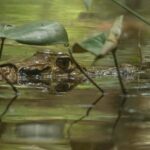
- With luck, you’ll catch the glow of caiman eyes along the shoreline
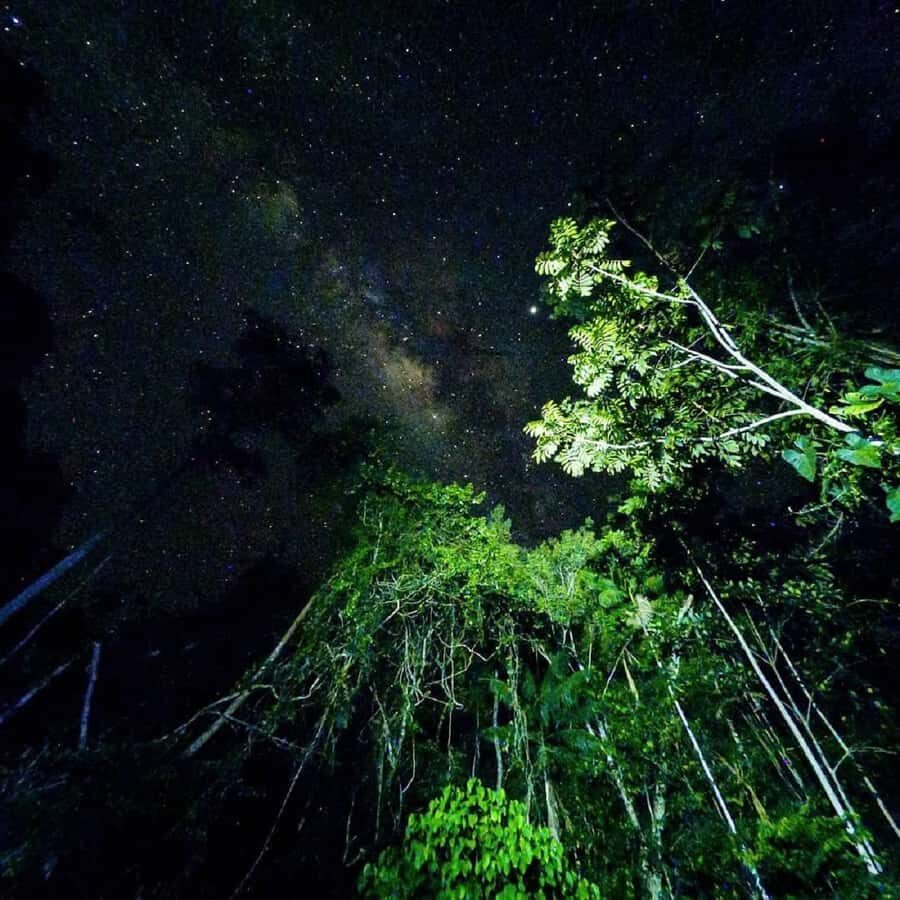
As darkness deepens, the river ride also becomes your star-and-silence break. The sky gets more visible once you’re away from the lit areas near town, and the boat gives you time to absorb the quiet between sightings. If you’re into photography, this is where you can get the “night river” look—dark water, small lights, and sharp silhouettes.
A practical note: the experience is time-based, so if the river ride feels short on your day, it’s not necessarily because the plan is wrong. Logistics and conditions can affect the pace. One person reported a shorter nature portion and more transfer time, which is a reminder to ask your guide early about the schedule once you’re picked up and onboard.
The Jungle Night Walk: How You Actually Find Nocturnal Wildlife
This is the main event. The walk is guided, and the guidance matters because night wildlife isn’t passive. Animals blend into bark, leaf edges, and shadow lines. Without a guide who knows where to look and how to interpret movement, you end up with blurry flashlight beams and a lot of frustration.
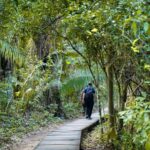
You’ll start once you arrive at the trail with flashlight setup and basic direction on how to walk quietly, look slowly, and respond when the guide spots something. Then the rainforest fills the room—or rather, the air around you. Chirping insects, rustling leaves, and calls from nocturnal birds build a soundtrack that sounds almost organized.
What you’re looking for on the walk includes:
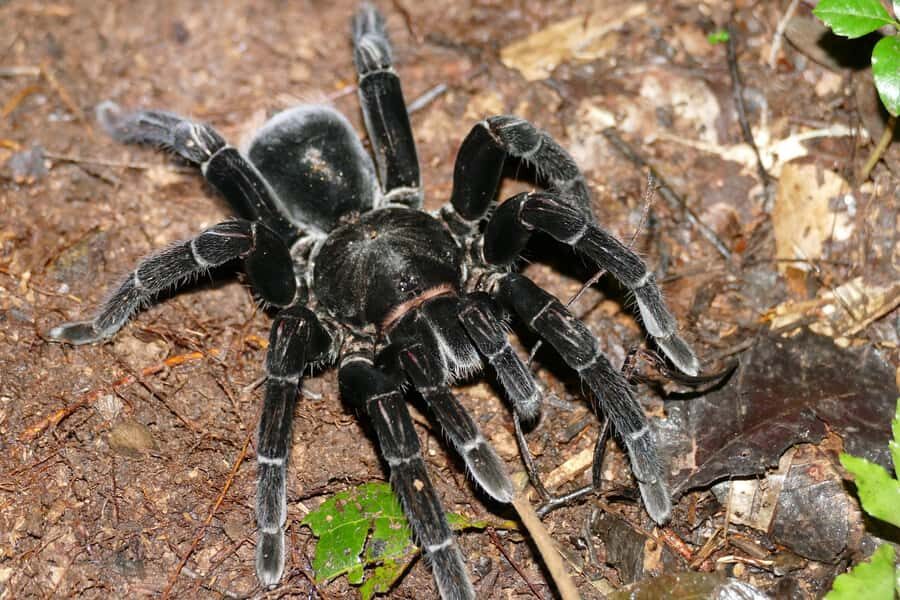
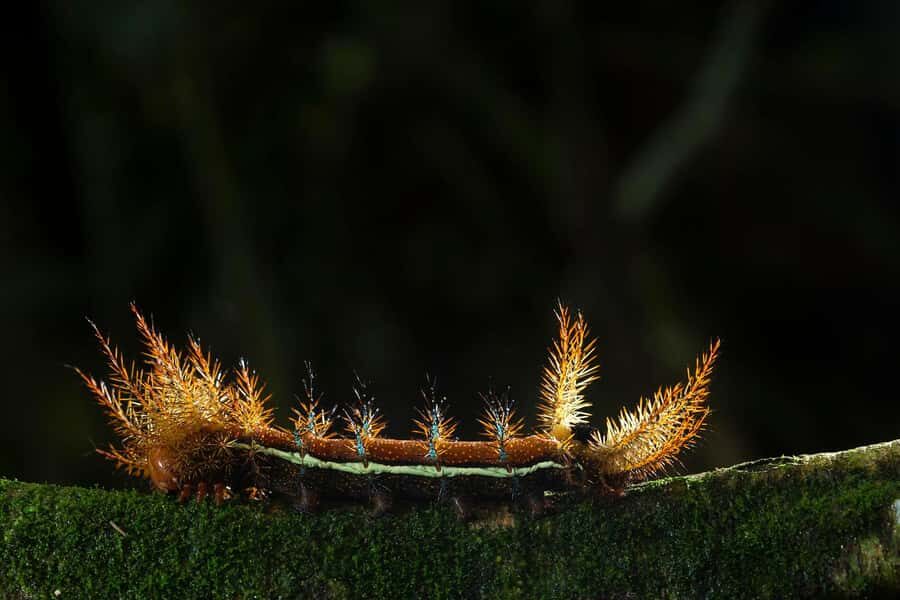
- Tarantulas emerging or moving near their burrows
- Spiders that can be easy to miss until the flashlight catches them just right
- Lizards that blend into trunks and shadow
- Giant ants working their routes with zero concern for your camera settings
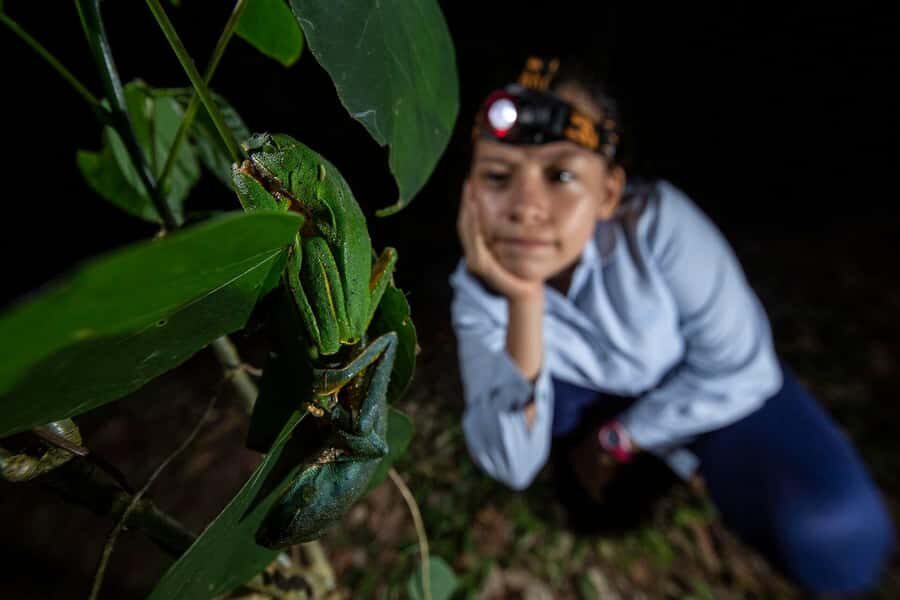
- Frogs, often perched on leaves or branches where you can see them only once your eyes adjust
Frogs are a highlight if you catch the right moment. Night-active amphibians can look like tiny living ornaments until they move. When a frog suddenly hops or shifts position, it turns the flashlight beam from “spotting” into “tracking.”
And yes, you might see bioluminescent fungi on the forest floor. You won’t control that part, but it’s exactly the kind of detail that makes a night walk feel different from the usual nature photo routine.
What the Guide Adds: The Difference Between Seeing and Learning
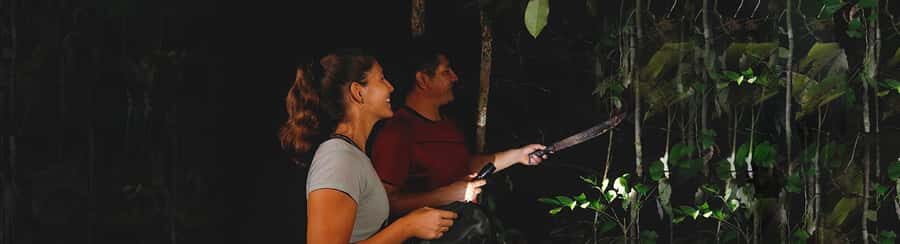
The quality of the guide is a major part of why this experience earns strong marks. One standout account named the guide Jesús, who was described as punctual at the hotel and fluent in French, while sharing real knowledge about the jungle’s wildlife and ecosystem. That’s the kind of guiding that changes the whole tour: you don’t just spot animals—you understand the logic behind where they might be.
This tour also comes with printed wildlife identification guides, which helps you connect what you saw to what it is. That’s especially useful at night, when your brain wants to label everything quickly but you don’t have time to memorize Latin names from memory.
If you care about photography, the guide also helps you choose where to stand and when to pause so you don’t miss key moments while you’re fiddling with settings. Night shooting is all about patience and light control. A good guide helps you aim your attention before you aim your camera.
Timing, Weather, and the Real-World 3-Hour Promise
The tour is marketed as 3 hours, and it typically runs from about 4:00 PM through your return by boat. But nature tours live in the real world, not a spreadsheet. Heavy rain earlier in the day, for example, can affect where animals feel comfortable moving later on, and it can make the trail slower or less productive.
One traveler described rain limiting sightings late in the day, yet still called the atmosphere worth it. That’s the honest trade-off: even when sightings are fewer, the night rainforest experience—the sounds, the guided flashlight search, the sheer darkness—still lands.
Still, it’s fair to flag a concern. Someone reported that the tour duration felt shorter for the nature portion and longer for driving time. If you want to avoid disappointment, treat the 3-hour label as a guideline and keep your expectations flexible once you’re in the pickup flow.
You can also read our reviews of more evening experiences in Puerto Maldonado
Small Group Size: Why Up to 6 People Works Better at Night
This tour runs as a small group of up to 6 participants. In daylight, group size is mostly about comfort. At night, it changes your viewing experience. A small group means:
- Less crowding on the trail when the guide stops to point something out
- Easier movement in tight areas
- More chances to ask a question without competing with louder voices
- More control over how flashlights are used so you don’t blind each other
Also, your guide is working in the dark with a job to do: spot behavior, guide safe movement, and keep the group quiet. A small group keeps that task realistic.
Price and Value: Is $55 a Fair Deal?
For $55 per person and a 3-hour guided experience with pickup, flashlights, and wildlife ID sheets, the value depends on what you want from the night.
Here’s the practical way I’d judge it:
- If you want a guided search, this price is reasonable because the guide’s time and expertise are the product.
- If you’re expecting guaranteed “one animal per minute” performance, no night tour can promise that. Nature varies.
- If you’re a photographer or you want to learn rather than just pass through, the combination of river + trail + ID materials gives you more than a basic walk.
The strongest reviews focus on the guide quality and the feeling that the tour hit multiple wildlife moments. The only weak note points to a mismatch in perceived time and a low number of sightings. That tells you what to check before you go: confirm the schedule details and understand that the Amazon doesn’t run on your itinerary.
What to Bring (So Night Doesn’t Feel Miserable)
You don’t need special gear, but you do need basics that keep you warm, dry, and protected. Bring:
- Water
- Rain gear
- Long-sleeved shirt
- Long pants
- Insect repellent
- Outdoor clothing you don’t mind getting dirty
Clothing matters because you’re walking at night in rainforest conditions. Lightweight, quick-dry materials are your friend. If you’re packing for comfort and staying power, think “covered, practical, and breathable.”
Also, the tour notes talk about using appropriate rainforest clothing and even camouflage-style choices. That’s not about cosplay—it’s about blending in and not scaring off movement.
What’s Not Allowed (And Why It Matters for Your Experience)
Some rules are there for safety, some for wildlife, and some for the group experience. You can’t bring:
- Baby strollers or baby carriages
- Pets (assistance dogs allowed)
- Alcohol and drugs
- Anything involving making fire or loud disruption
The “making noise” and “making fire” parts might sound obvious, but at night, extra noise and flash interruptions can ruin the moment for everyone. If you want the best sightings, keep your actions calm and let the guide set the tone.
Who This Tour Suits Best (And Who Might Want a Different Plan)
This is a great fit if you:
- Love wildlife and want nocturnal species, not just birds in daylight
- Prefer guided interpretation over random wandering
- Want a small group (max 6) and a structured night walk
- Enjoy photography and want controlled help for low-light moments
It’s not a great fit if you:
- Get motion sickness (you’re doing a boat ride plus uneven night movement)
- Have insect allergies (you’ll be walking in a rainforest environment where insects are part of the deal)
If you fall in the “not sure” category, consider your comfort with bugs and low-light walking. Those two factors shape the entire experience more than the animal list on paper.
Photography at Night: How to Get Better Shots Without Chasing Them
Night photos in the Amazon are mostly about restraint. You’ll have flashlights, but the goal is not to blast everything with light. The better results come from:
- Pausing where the guide indicates
- Using the flashlight beam only where needed
- Watching before shooting, so you catch movement rather than static poses
The tour is set up for close-ups of things like spiders and frogs, where the flashlight beam makes tiny details visible. Caiman eyes, when they appear along the water, can be a quick moment—so your best strategy is to be ready, not frantic.
And if your camera hates low light, don’t panic. Many of the best moments are also the ones you’ll remember most, even if the photo isn’t perfect.
On the Trail, Off the Trail: The Amazon’s Soundtrack Is Part of the Deal
Even when sightings are slower, night has its own payoff. The rainforest sound mix is one of the reasons people return to Amazon night experiences. Between insect calls and occasional bird sounds, you start to notice patterns—like when movement increases or when the guide pauses because something is close.
That shift in your senses is why the tour feels memorable even beyond the animal list. The guide is teaching you how to pay attention. You’ll leave with a different sense of how the forest works after dark.
Should You Book Tambopata Rainforest Night Walk & River Exploration?
Book it if you want a guided river-to-trail nighttime look into Tambopata with a small group, flashlights, and wildlife ID help. At $55, the value is strongest when you care about learning and you’re comfortable walking at night in rainforest conditions. The guide experience can make a huge difference—punctual, multilingual, and helpful in spotting and explaining what’s happening.
Skip or shop around if you’re highly sensitive to insects, get motion sickness easily, or you’re only interested in a very high volume of sightings. And if you’re worried about the exact timeline, ask about the plan once you’re picked up so you know what to expect for the river ride versus trail time.
If you do go, treat it like a night safari—not a guaranteed animal parade. With the right mindset, you’ll get the best kind of Amazon souvenir: a night you can’t stop thinking about.
FAQ
How long is the Tambopata Rainforest Night Walk & River Exploration?
The experience is listed as 3 hours.
What time does the tour usually start?
The tour begins around 4:00 PM with a boat ride along the Tambopata River.
Is hotel pickup included?
Yes. Round-trip hotel pickup is included from Puerto Maldonado.
What languages is the guide available in?
The guided tour is offered in English and Spanish, with French also mentioned as available.
Are flashlights and wildlife identification materials provided?
Yes. You receive flashlights and equipment, plus printed guides for wildlife identification.
What should I bring?
Bring water, rain gear, long sleeves, long pants, insect repellent, and outdoor clothing.
Is food included?
No. Food and beverages are not included.
Is cancellation allowed, and how late can I cancel?
Free cancellation is offered up to 24 hours in advance for a full refund.