A rescued animal sanctuary tour in Peru is personal. At Cochahuasi, you’ll see native wildlife from both the Sierra and jungle regions while learning how the rescue and education work actually runs.
I love the small-group feel and patient, story-focused guiding, including named guides like Albert. And I really like that this visit is built around education and ongoing care, not just quick animal viewing. The main thing to consider is the weather requirement, since the tour can be changed or refunded if conditions are poor.
Here’s the best part: you get a guided walk through the sanctuary’s animal areas, with time to interact in gentle, supervised ways when the animals’ routines allow. You’ll come away with a clearer sense of why sanctuaries matter and what “good care” looks like in practice.
Possible drawback: because it’s a short outing and nature is involved, you may not get the exact animal moments you’re hoping for every time. Plan to go with curiosity, and you’ll be happier.
In This Review
- Key things to know before you go
- A short trip from Cusco to Cochahuasi’s rescue sanctuary
- What you’ll see: native Sierra and jungle animals
- The guiding part: stories that change how you see rescued wildlife
- Where the tour feels “private” (and why that matters)
- Animal houses, feeding moments, and the art of being respectful
- Time after the tour: flexible return to Cusco’s center
- The alpaca product shop: what your money supports
- Price and value: why $34 can still feel fair
- Weather and seasonal reality in the Cusco region
- Who should book this sanctuary visit
- Should you book this Cochahuasi tour?
- FAQ
- How long is the Cochahuasi Animal Sanctuary tour from Cusco?
- Is hotel pickup included?
- What’s included in the ticket price?
- What animals can I expect to see?
- Is it a private tour?
- What happens if the weather is bad?
Key things to know before you go
- Personal guide at Cochahuasi: You’ll have a guide who explains each animal’s story and the sanctuary’s mission.
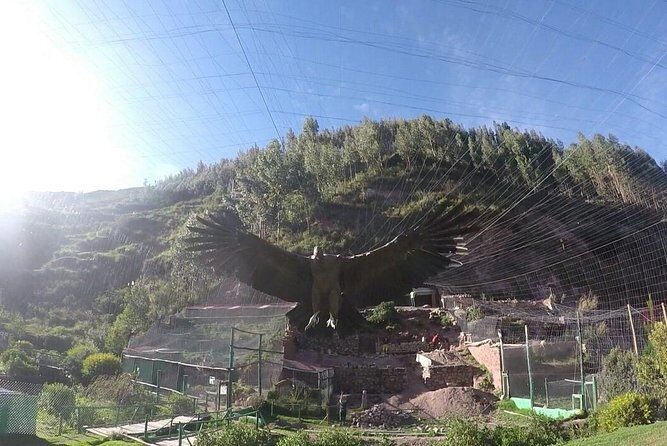
- Many native animals in one visit: Expect to see animals living in their on-site enclosures, including monkeys, macaws, turtles, condors, and more.
- A compact 2 to 3 hours: It’s enough time to learn and walk without eating your whole day in Cusco.
- Pickup and small logistics: Pickup is offered from your accommodation (or you can use the Selina Cusco Saphi meeting point).
- Small max group size: The experience is limited to 10 travelers, which makes the pace feel more human.
- Your purchase can support care: Alpaca products are sold with a split that helps fund the animals and nearby communities.
A short trip from Cusco to Cochahuasi’s rescue sanctuary
Cochahuasi is one of those places where “animal sanctuary” means something more than a nice sign out front. The focus is rescue, long-term care, and education, and that shapes the whole visit.
You’ll start in Cusco and head out by car in the morning. If you’re staying near Selina Cusco Saphi (C. Saphy 601), that’s one clear meeting point option. If not, pickup is offered from your hotel or a location you can arrange. Either way, the goal is simple: get you there without stress, then let you enjoy the walk and explanations at a reasonable pace.
The timing is also friendly. You’re looking at about 2 to 3 hours total. For most people in Cusco—especially if you’re also doing other day tours—this is a manageable block that still feels meaningful.
You can also read our reviews of more tours and experiences in Cusco.


What you’ll see: native Sierra and jungle animals
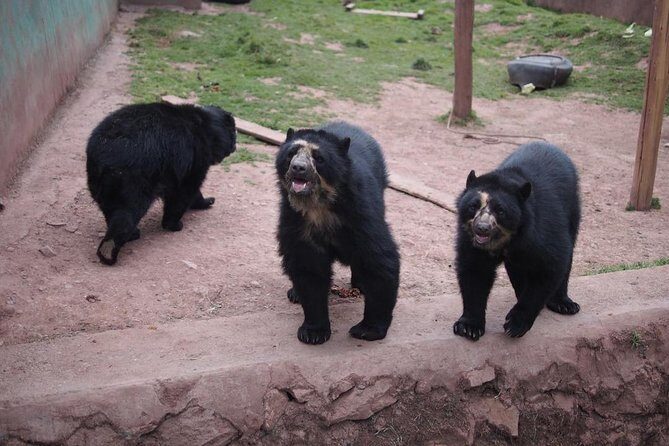
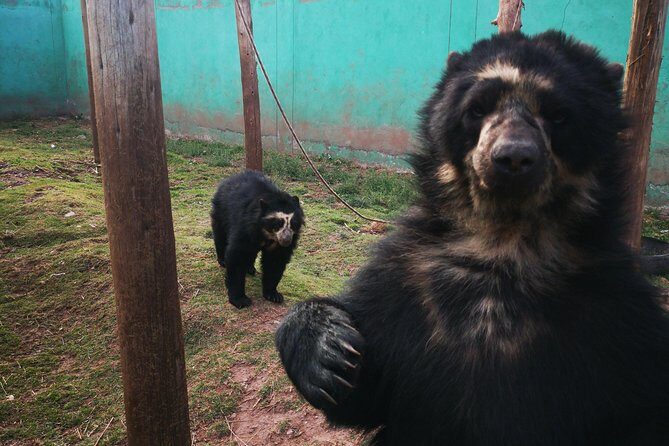
This isn’t a zoo-style route where you race from cage to cage. The sanctuary is set up for living spaces that let rescued animals stay in a safer environment while the staff care for them every day. As you go, your guide points out the animals and explains where they fit into the sanctuary’s work.
Based on what you can expect during the visit, you’ll likely see a mix of native wildlife from the region, including:
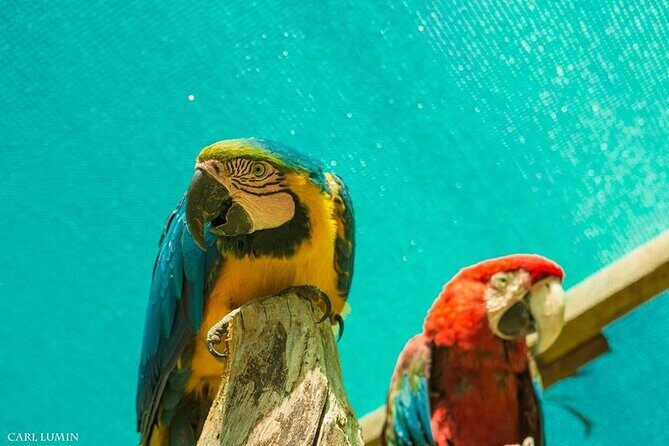
- monkeys and macaws
- turtles
- deer and deer cats
- alpacas, bears, wild cats, and foxes
- condors
A few of the most memorable moments people talk about include getting close to birds during the visit and seeing larger birds like a condor overhead. You might also be shown how feeding or gentle interaction works, but it depends on the animals’ comfort and routine.
One smart way to approach this section is to treat it like a learning walk. If your mind is busy trying to “check off” animals, you’ll miss what the staff are trying to teach: how rescue situations differ from the wild, and why good housing and daily care matter.
The guiding part: stories that change how you see rescued wildlife
A sanctuary tour becomes powerful when the guide connects the animals to a mission. Here, that educational tone is built into the visit.
The staff invite schools and the public to learn about respecting nature and animals. The sanctuary’s purpose is education, and the animals are part of that lesson. You’re not just looking at faces and fur; you’re hearing why each animal is there and how the sanctuary helps.
In the experience, guides also explain how some animals may be released back into natural habitats when it’s possible. That detail matters, because it frames the work as both rescue and long-term responsibility—keeping animals safe now, while aiming for a healthier future when conditions allow.
One guide name you may hear in the process is Albert, and his approach is described as patient and careful, with an in-depth explanation of each animal’s background. Even if you don’t get the same guide, you can expect the tour to be structured around stories, not just sighting time.
Where the tour feels “private” (and why that matters)
Even though you’re part of a small group, the tour is set up so you don’t feel rushed. It’s described as private, and the tone is that you can take the experience at your own pace.
That difference is practical. When a sanctuary involves living animals, the staff often need to work around animal comfort and timing. With fewer people, your guide can slow down when an animal is active, or focus on the explanation when the group wants to understand instead of sprint.
The maximum group size—10 travelers—also makes pickups and transitions smoother. You won’t feel like you’re being herded, and you can ask questions without waiting for a long line to form.
If you’re the type who likes asking why and how, you’ll get more out of this format. If you’re a fast-moving “see everything quickly” visitor, you might still enjoy it, but you’ll get the best experience by shifting to curiosity over speed.
Animal houses, feeding moments, and the art of being respectful
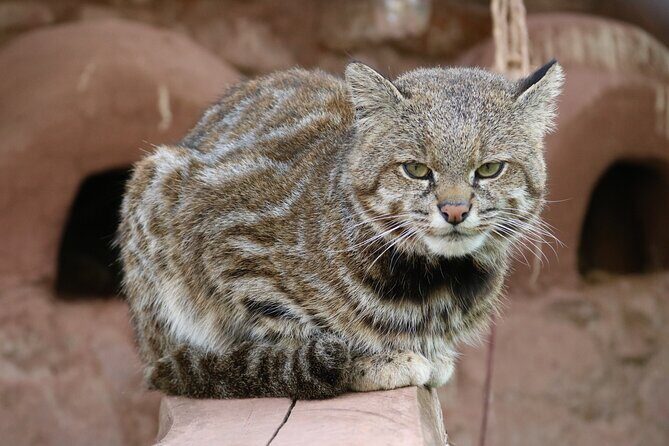
Sanctuaries are strict for a reason. The visit includes animal viewing from specific on-site areas, and any hands-on moments (like feeding) are supervised.
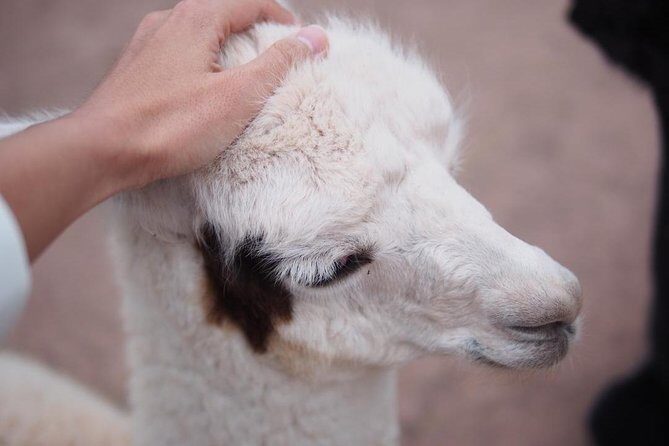
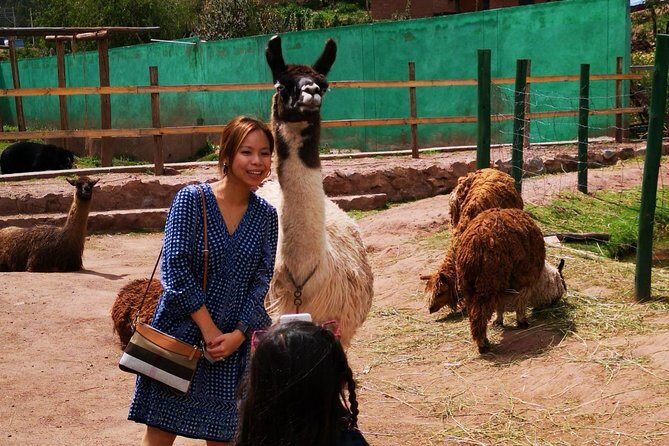
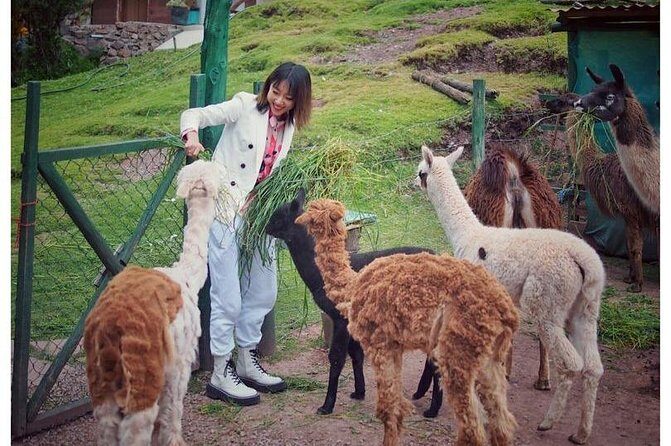
People mention enjoying feeding birds and spending time with alpacas, monkeys, and llamas during the visit. Another memorable interaction described is petting a toucan when staff were able to bring it out for a photo moment near the end of the tour. These are great examples of how the experience can be fun without turning into chaos.
Here’s how to make those moments work for you:
- Keep your voice calm and your movements slow.
- Follow the guide’s instructions first, always.
- Treat interaction as a privilege, not a right.
If you go in with that mindset, you’ll feel the tone of care in how the staff handle animals. That’s usually what separates a good sanctuary visit from a forgettable one.

Time after the tour: flexible return to Cusco’s center
Once the sanctuary visit ends, you don’t have to scramble. There’s free time after the tour, because the outing is only for the participants and not tied to a long extra schedule.
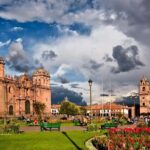
The return is flexible. Depending on where you started, you can be taken back toward your accommodation or toward the main square in Cusco. The key thing for planning: you’ll still have breathing room after you’re done, so you can keep exploring Cusco at your own rhythm.
For timing, aim to keep your next plan loose. You’re in a natural setting and the day’s flow can shift a bit.
The alpaca product shop: what your money supports
One detail I like here is how the sanctuary ties the visitor experience to real funding. There’s a store of alpaca-made products, and people explain that 50% of sales go toward the animals and 50% goes to peasant communities around the sanctuary.
That matters for value. You’re not just paying for an hour-plus walk. You’re also supporting a model that claims it does not receive government support, which means sales and donations help keep the sanctuary running.
Practical tip: if you want a small souvenir, this is one of the better places to spend your money in Cusco that day. If you don’t want to shop, you can still visit and focus on the experience; the shop is part of how the sanctuary sustains itself, not a requirement.
Price and value: why $34 can still feel fair
At $34 per person, this tour is priced like a short, focused activity that includes admission. The duration—2 to 3 hours—is also the right length for most visitors who don’t want to commit to a full day.
What makes the value feel real is the combination of:
- pickup offered from your area
- an admission ticket included
- a personal guide with an educational mission
- small-group limits (max 10 travelers)
A lot of cheap tours in Cusco end up being mostly transportation. Here, you’re paying for the sanctuary access and the guiding that explains why the animals are there and what the rescue work involves. If that topic interests you, the price feels reasonable for what you get.
Weather and seasonal reality in the Cusco region
This tour requires good weather. That’s not just fine print. In mountain and nature areas, conditions affect safety, visibility, and how comfortable the experience is outdoors.
If weather is poor, you’ll be offered a different date or a full refund. So don’t stack this with a tight, non-flexible plan where you can’t adjust.
A good strategy: pick a day when you have time in your schedule to shift, and keep an eye on the day’s conditions before you go.
Who should book this sanctuary visit
You’ll be a great match for this tour if you:
- like animal-centered travel with an education focus
- want a short, guided outing from Cusco rather than a long day trip
- appreciate careful care and rescue work, not just seeing animals
- enjoy small group experiences where questions are welcome
It also suits solo travelers and couples who want an easy pickup-and-return plan.
If you’re looking for a high-adrenaline activity or a long itinerary full of multiple stops, you might prefer something else. This is about the sanctuary visit, the walk, and the mission.
Should you book this Cochahuasi tour?
Yes, if you want a meaningful, short visit with a personal guide and a clear mission. The best reason to book is the mix of animal care, education, and that small-group setting. Add the fact that admission is included and that your purchase at the alpaca shop supports the animals and nearby communities, and the whole thing feels like more than a “quick stop.”
Hold off only if your schedule is rigid or the weather window doesn’t work for you.
FAQ
How long is the Cochahuasi Animal Sanctuary tour from Cusco?
It runs about 2 to 3 hours.
Is hotel pickup included?
Yes, pickup is offered from your accommodation (or you can choose the meeting point at Selina Cusco Saphi, C. Saphy 601).
What’s included in the ticket price?
The admission ticket is included.
What animals can I expect to see?
You may see monkeys, macaws, turtles, deer, deer cats, alpacas, bears, wild cats, foxes, and condors, among others.
Is it a private tour?
It’s described as a private tour where you can take the experience at your own pace, with a maximum of 10 travelers.
What happens if the weather is bad?
The tour requires good weather. If it’s canceled due to poor weather, you’ll be offered a different date or a full refund.