REVIEW · CUSCO
Cusco: Archaeological Park Morning Tour
Book on GetYourGuide →Operated by MPTC GETS · Bookable on GetYourGuide
Cusco’s Inca stonework is a morning workout. This Archaeological Park tour strings together Sacsayhuamán, Qenqo, Puca Pucara, and Tambomachay into one efficient half-day, and it’s a great way to connect sun worship with Inca water control in the same breath. You start with a guided look at Coricancha, then spend the rest of the morning moving through sites where every wall seems to have a job.
I also like how the route gives you more than just pretty ruins. You’ll learn why Qenqo’s underground galleries mattered, how Puca Pucara functioned as a surveillance center, and how Tambomachay’s aqueducts and water gutters weren’t decoration—they were infrastructure. One thing to plan for: the tour price does not include the entry tickets for the sites, so your real total cost will be higher once you factor in admission.
In This Review
- Key things I’d plan around before you go
- The value: what $13 really buys you in Cusco
- Pickup, timing, and how the day flows
- Coricancha: starting with the Sun Temple mindset
- Sacsayhuamán: the immense rocks and the sun connection
- Qenqo: the Sun God temple and underground galleries
- Bosque de Eucaliptos de K’enko: a timed reset for your legs
- Puca Pucara: terraces, walls, and surveillance logic
- Tambomachay: aqueducts, water gutters, and Inca engineering
- Getting dropped back near Calle Plateros: don’t assume it’s next door
- Who this tour fits best
- What to bring (and what actually matters)
- A note on guides: language matters more than you think
- The one drawback to keep on your radar
- Should you book the Cusco Archaeological Park morning tour?
- FAQ
- What time does the Cusco morning tour pick me up?
- How long is the tour?
- Are hotel pickup and transportation included?
- Which sites are included on the route?
- Is the tourist ticket included in the price?
- Is Coricancha admission included?
- What languages is the guide available in?
- What should I bring for the tour?
- Is the tour suitable for pregnant women?
- Are pets allowed?
- Is there free cancellation?
Key things I’d plan around before you go
- 8:45 AM pickup means you’ll beat the worst crowds and get moving early in Cusco
- Guide-led timing keeps you from drifting, especially at Qenqo’s underground areas
- Inca water engineering at Tambomachay is the clearest payoff of the route
- Photo stop time at Bosque de Eucaliptos de K’enko gives your legs a short break
- Budget for tickets since the main archaeological admission is not included
The value: what $13 really buys you in Cusco
At $13 per person for a 6-hour morning, you’re mainly paying for three things: hotel pickup, round-trip transport, and a professional guide. That’s solid value in Cusco, where good guiding makes a big difference—especially at sites where the purpose isn’t obvious just by looking.
The catch is that this tour does not include the tourist ticket (70 soles) and it also notes additional Coricancha entry (15 soles). In plain terms, you should budget extra on top of the $13. If you’re trying to travel on a tight schedule, this tour still works well—you just need to plan your total spend so there are no surprises right at the entrance gates.
A few more Cusco tours and experiences worth a look
Pickup, timing, and how the day flows
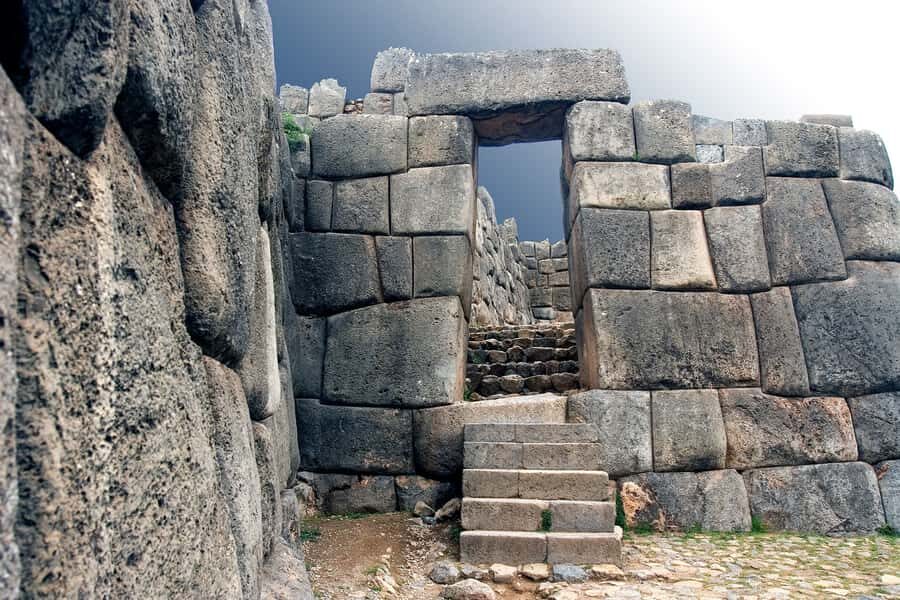
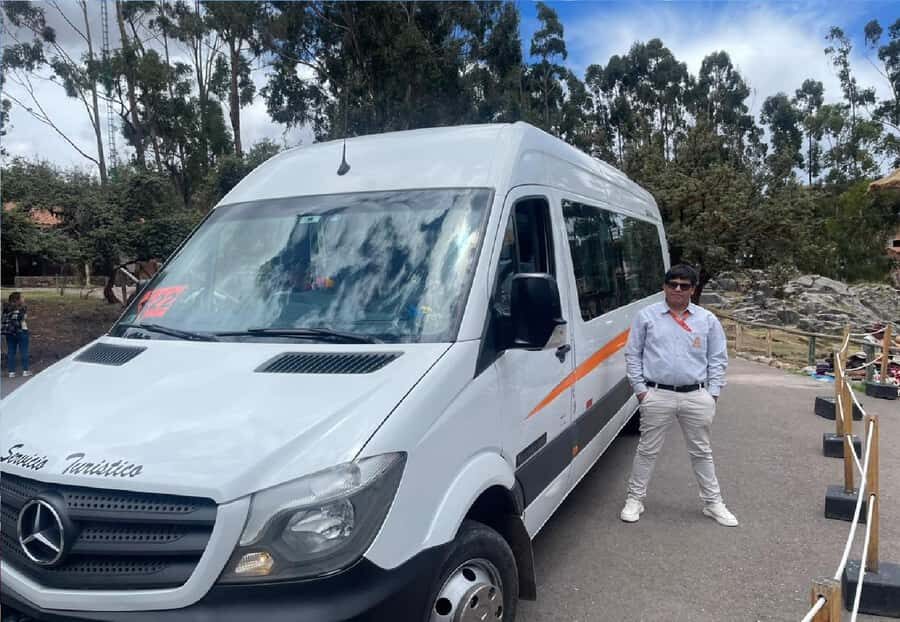
Your morning starts at 8:45 AM, with pickup from hotels near Cusco’s main square. If your hotel is farther out, you’ll get an exact address for where to meet. It’s a practical setup because it keeps the start from turning into a scavenger hunt.
You’ll ride by coach/bus for about 20 minutes early on, then switch into guided site visits. The tour is designed to keep moving: guided stops typically run around 45 minutes each, with at least one photo stop (35 minutes) mixed in. You return to the Cusco main square area around 2:00 PM to 2:30 PM, which is perfect if you want a long lunch and a quieter afternoon.
A quick practical note: the sites involve uneven stone and stairs. Even if you’re fit, you’ll feel the altitude and the walking in the morning, so comfortable shoes and water really matter here.
Coricancha: starting with the Sun Temple mindset
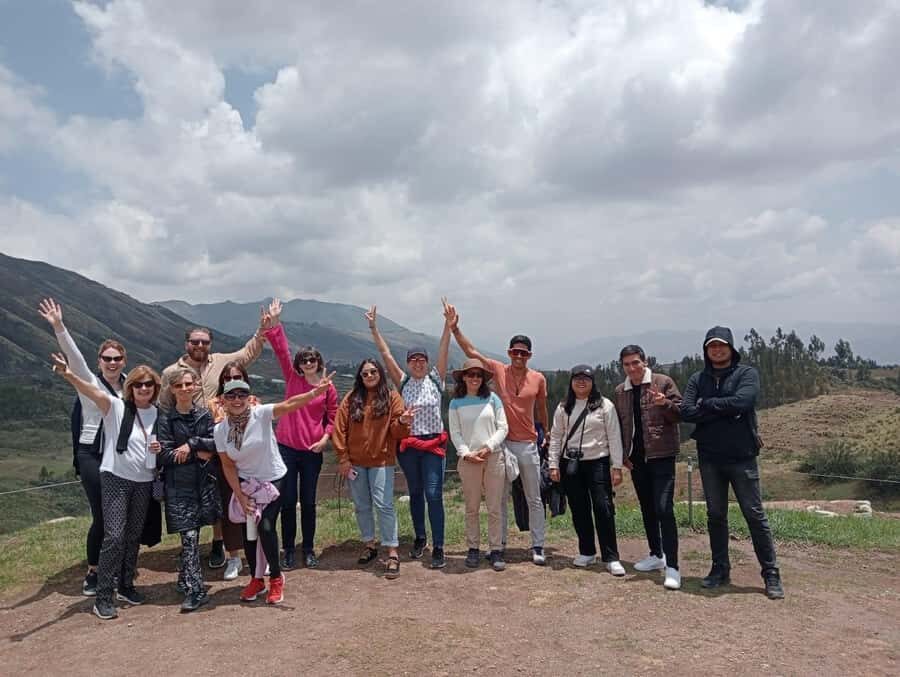
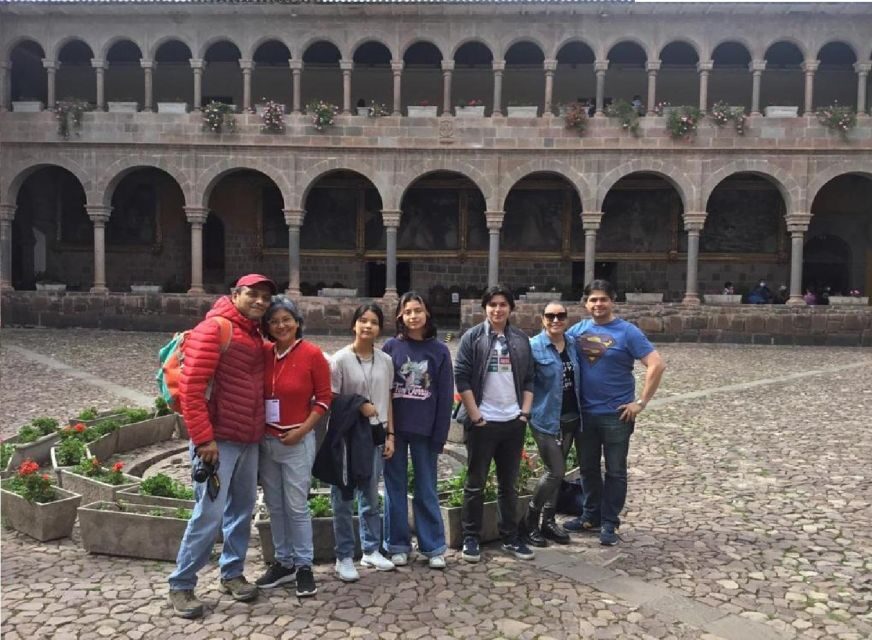
Most mornings begin with Sacsayhuamán, but this one eases you in first at Coricancha, with a guided visit for about 45 minutes. This is a smart opening because Coricancha sets the theme for the rest of the circuit: Inca power was spiritual, political, and architectural all at once.
Even if you only catch bits of what your guide is explaining, you can usually tell why this site matters. It ties directly into the idea that the Incas treated the sun not as a symbol, but as something central to how they organized their world. From here, you’re already primed to understand why later stops keep circling back to sun worship and water.
If you only do one thing in Cusco this trip, start by respecting the opening stop. I like that Coricancha gives you context before you start climbing.
Sacsayhuamán: the immense rocks and the sun connection
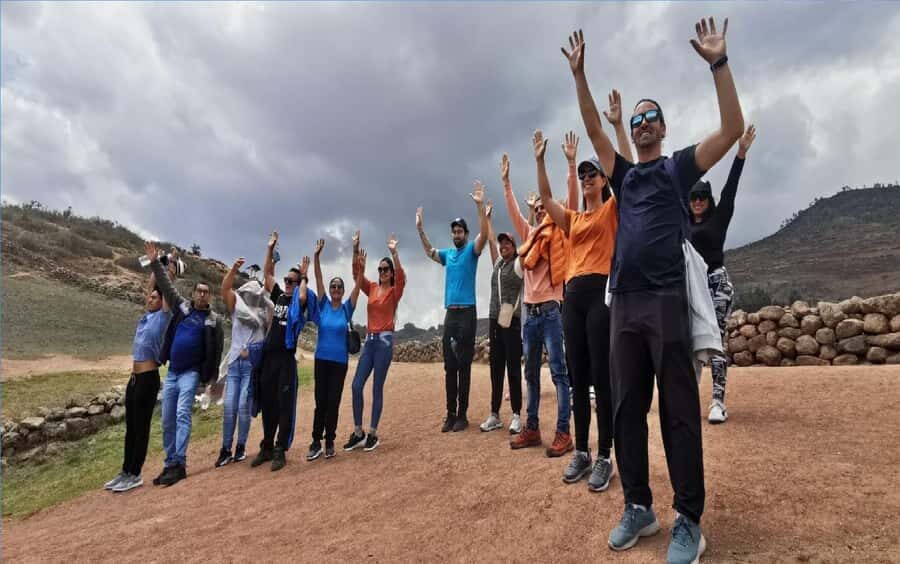
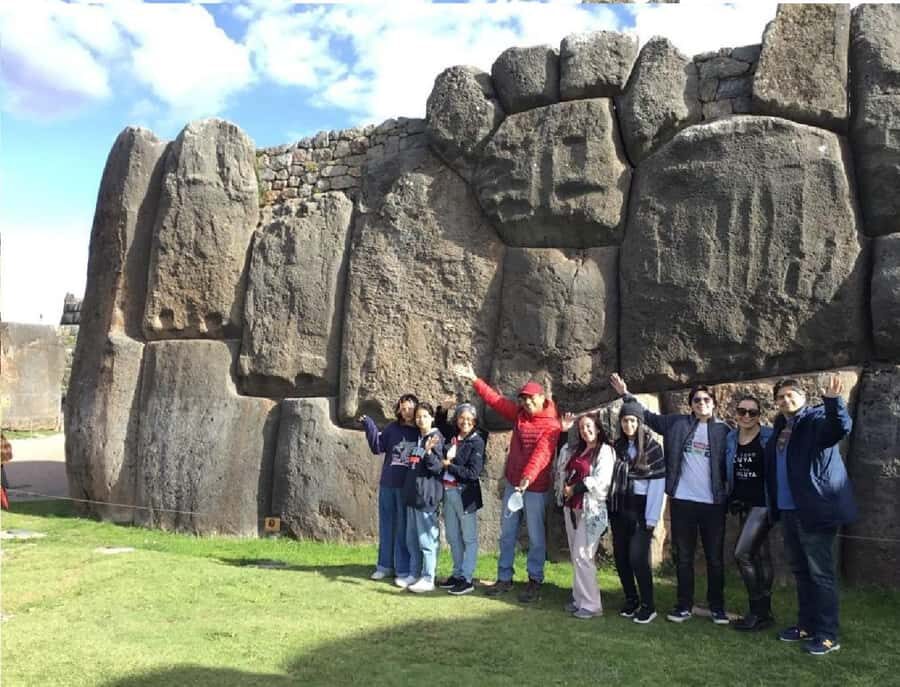
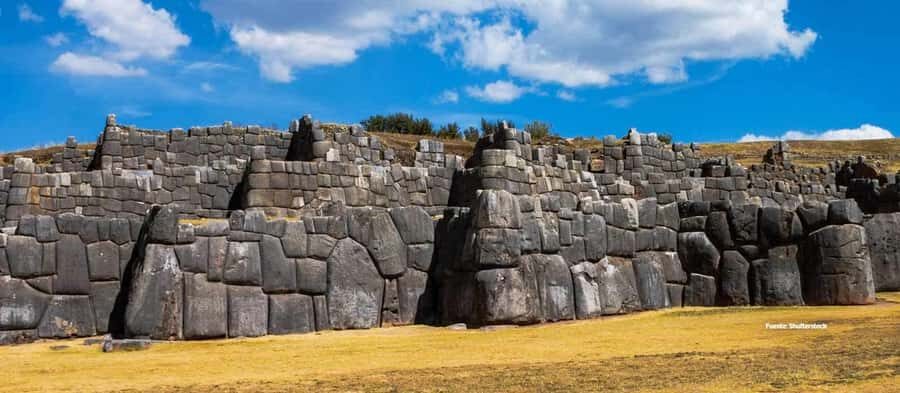
Then you head to Sacsayhuamán for another 45-minute guided visit. This is where the tour’s biggest visual punch lands: massive stonework, big angles, and a strong sense of how the Incas used scale to impress—and to communicate control over the landscape.
What I find most useful about this stop is how it connects to the tour’s theme. You’re not just told that the Incas honored the sun god. You’re also shown how the site’s layout ties to that reverence, and how Sacsayhuamán fits into a broader system rather than standing alone.
A consideration: depending on the day and the group pace, you may spend time looking up as much as you look around. If you’re prone to getting a stiff neck, pace yourself. Take a moment to locate key viewpoints before you start rushing for photos.
Qenqo: the Sun God temple and underground galleries
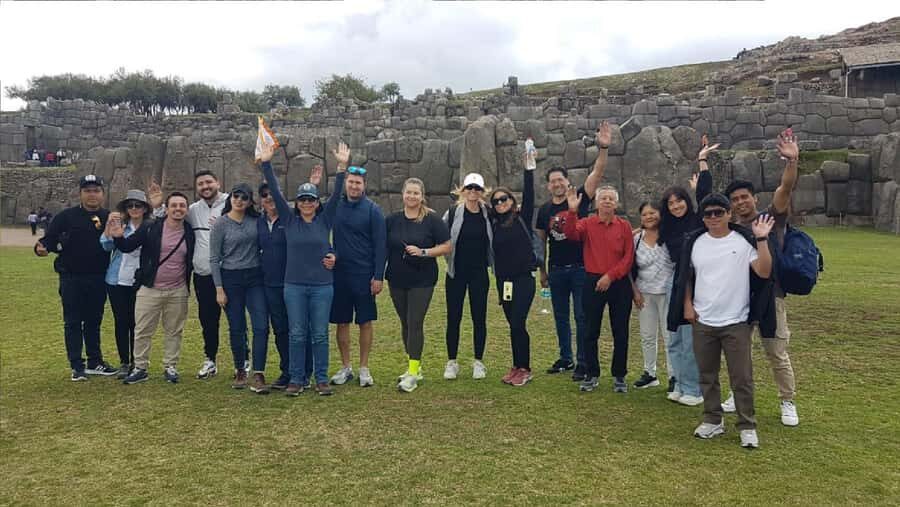
Next comes Qenqo Archaeological Complex, guided for about 45 minutes. Qenqo is one of those places where the details matter. The tour’s focus here is the underground galleries, described as forming a kind of labyrinth used for sacrifices to the Sun God.
This stop can feel more “intellectual” than Sacsayhuamán. With the guide’s help, you start connecting the form to the purpose: underground spaces aren’t just for show. They signal ritual work and controlled access. It’s also a good contrast to the big open-stone feeling you get at Sacsayhuamán.
If you’re the type who likes architecture that has a function, Qenqo is a highlight. Even if parts look dark or closed off, the guided context makes it easier to understand why people would treat the space as sacred.
Bosque de Eucaliptos de K’enko: a timed reset for your legs
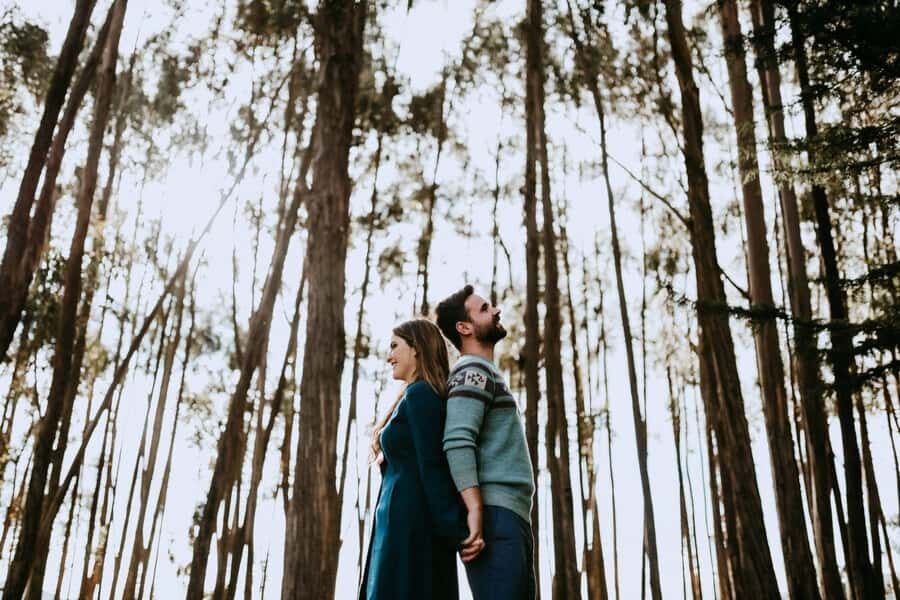
Between the harder walking segments, you get a photo stop at Bosque de Eucaliptos de K’enko for about 35 minutes. I appreciate this kind of break on a morning tour. It’s not long enough to turn into a wandering detour, but it gives you time to breathe, take pictures, and reset your body before the next climbs.
This stop also helps keep the tour from feeling like a nonstop march. If you tend to get overwhelmed when you’re in “ruins mode,” a short pause here can help you stay focused for the final two Inca engineering stops.
Puca Pucara: terraces, walls, and surveillance logic
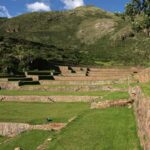
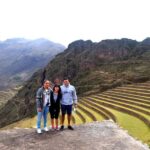
Now you move to Puca Pucara, described as an Incan surveillance center made of terraces, staircases, and large walls. You’ll have about 45 minutes at this guided stop.
Puca Pucara is a great place to shift how you think about ruins. It’s tempting to see stone as leftovers, but this stop pushes you to think like an Inca planner. Surveillance centers weren’t built for comfort. They were built to watch, control movement, and extend reach.
When your guide points out the terraced layout, you can start to grasp why the structure was valuable in daily life. You’re essentially seeing a physical tool for observation, not just ceremonial architecture.
Practical tip: if you like photos, this is one of the moments to slow down. The mix of terraces and angles tends to create good sight lines, and you’ll enjoy the visuals more if you don’t rush.
Tambomachay: aqueducts, water gutters, and Inca engineering
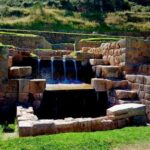
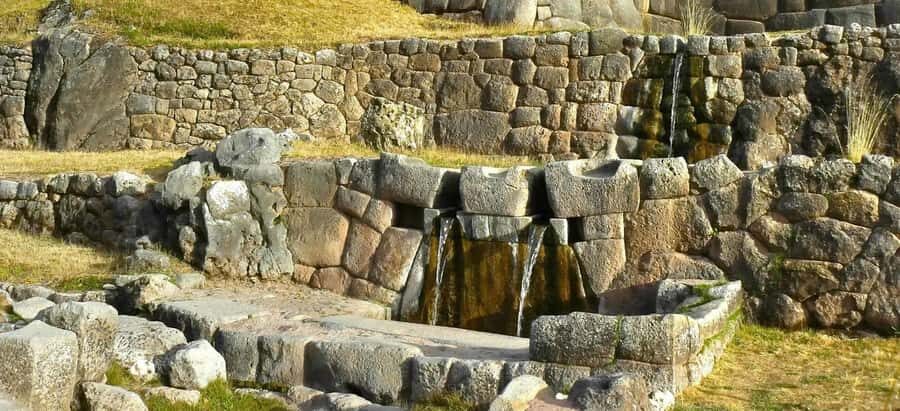
Finally, you reach Tambomachay, a place described as an Incan resting site with aqueducts, waterfalls, and water gutters. This is also where the tour’s “water engineering” idea becomes more concrete.
A lot of Cusco tours talk about ruins as if they were only spiritual or military. Tambomachay helps you see a third side: practical, engineered water systems. When you hear the explanation for how water was managed and directed—through aqueducts and gutters—it’s easier to understand why the Incas were so serious about infrastructure.
And yes, you’ll likely enjoy the sound and motion of water if conditions are right. Even when you’re not looking at water details, the presence of aqueduct channels changes how you read the stonework around you.
If you’re choosing this tour for one reason—besides convenience—make it Tambomachay. It’s the stop that gives you a “so that’s what they were doing” feeling.
Getting dropped back near Calle Plateros: don’t assume it’s next door
The tour ends with return to the main square area around mid-afternoon, and then you finish near Calle Plateros. That’s helpful, but I’d still recommend thinking like this: your drop point may not be directly in front of your hotel door.
One review-related caution I’d take seriously: some people reported that they were left farther from their accommodation than expected, and the exact address provided at drop-off was confusing enough to cause a time delay. You can prevent this with one simple move—confirm where you’ll be dropped before you leave, and have a backup plan like knowing the closest landmark for a short walk or quick taxi.
Who this tour fits best
This morning tour works especially well if you:
- Want a structured route that connects multiple major sites in a single half-day
- Like learning how architecture ties to spiritual purpose and practical systems
- Prefer an early start with a finish that leaves your afternoon open
It may not fit if you:
- Are pregnant (this activity is listed as not suitable)
- Have very limited mobility due to stairs and uneven stone
And if you’re traveling with pets, note that pets are not allowed.
What to bring (and what actually matters)
Bring passport or ID card, comfortable shoes, and water. That’s not fluff. Cusco mornings can feel cooler but still demand real walking effort. Your shoes matter most because you’ll be stepping across uneven ground and changing elevations.
Also consider a light layer. Even if the day looks sunny, you can feel temperature shifts as you move between open areas and shaded spots.
A note on guides: language matters more than you think
The tour includes a professional guide who speaks Spanish and English. That’s a big deal because the stops (especially Qenqo) make far more sense when you understand the explanation in real time.
Some guide names may vary by day. If you happen to get someone like Willians (a guide name mentioned in feedback I’ve seen), you’ll likely appreciate the way the tour connects the sites into one story rather than treating them as separate monuments.
If you’re English-speaking, arrive ready to listen. The guide-led format works best when you’re not constantly asking yourself what you’re looking at.
The one drawback to keep on your radar
One possible downside: there can be a sales pitch tied to a llama farm at some point in the overall experience. This isn’t described as a core ruins stop, so treat it like a timing and attention factor. If you hate pressure stops, keep your energy steady and be clear with your guide if you want to skip anything.
Should you book the Cusco Archaeological Park morning tour?
Yes, if you want an efficient, guide-led way to see several major Inca sites in the morning without spending your day hunting buses or figuring out routes. The mix is smart: you start with Coricancha to set the sun theme, then move through Sacsayhuamán and Qenqo, finish with surveillance logic at Puca Pucara, and end with the practical payoff of Tambomachay’s water systems.
I’d book it with two caveats in mind: budget for entry tickets beyond the $13, and expect a drop-off near (not necessarily in front of) your hotel. If you can handle those two points, this tour is a strong value for a first-time Cusco sightseeing rhythm.
FAQ
What time does the Cusco morning tour pick me up?
Pickup starts at 8:45 AM from your hotel.
How long is the tour?
The duration is about 6 hours.
Are hotel pickup and transportation included?
Yes. The tour includes hotel pickup and round-trip transportation.
Which sites are included on the route?
You visit Coricancha, Sacsayhuamán, Qenqo, Puca Pucara, and Tambomachay. There is also a photo stop at Bosque de Eucaliptos de K’enko.
Is the tourist ticket included in the price?
No. The tourist ticket (70 soles) is not included.
Is Coricancha admission included?
No. Coricancha entry is listed as 15 soles and is not included.
What languages is the guide available in?
The guide provides Spanish and English.
What should I bring for the tour?
Bring your passport or ID card, comfortable shoes, and water.
Is the tour suitable for pregnant women?
No. It is not suitable for pregnant women.
Are pets allowed?
No. Pets are not allowed.
Is there free cancellation?
Yes. You can cancel up to 24 hours in advance for a full refund.