REVIEW · CUSCO
Sacred Valley Tour in Cusco
Book on Viator →Operated by Yapa Explorers · Bookable on Viator
A Sacred Valley day can feel like a whirlwind. This one keeps it friendly with small-group pacing, hotel pickup, and guided stops that hit Pisac, Urubamba, Ollantaytambo, and Chinchero. I especially like the professional guide who keeps the history clear and adjusts to the group’s rhythm, and I also like the built-in comfort of a restaurant buffet lunch in Urubamba. One thing to plan for: entrance fees are not included, so you should bring extra cash.
You’ll start early, move by mini-bus through the valley, and end back in Cusco at San Francisco Square. Expect a full day (about 11 hours) with plenty of time at each stop, but also enough structure that you’re not figuring out logistics on your own.
In This Review
- Key things you’ll notice on this Sacred Valley tour
- Why this Sacred Valley day trip works for most people
- Price and entrance fees: what you really need to budget
- Meeting in Cusco: the early start without the chaos
- Stop 1: Cusco to Pisac, with a mountain ride that sets the tone
- Pisac archaeology and the artisan market with terraces and temples
- Urubamba: the included buffet lunch that keeps the day comfortable
- Ollantaytambo in the afternoon: culture, history, and site magic
- Chinchero: chapel time and weaving families
- The guide is the real differentiator on a 15-person tour
- What the route and timing feel like as a full day
- Who should book this Sacred Valley tour (and who might want to choose differently)
- Should you book Sacred Valley with Yapa Explorers?
- FAQ
- FAQ
- What time does the tour start?
- About how long is the tour?
- Is hotel pickup and drop-off included?
- Is lunch included?
- Do I need to pay entrance fees?
- What stops are included in the itinerary?
- How many people are in the group?
- What is the cancellation policy?
Key things you’ll notice on this Sacred Valley tour
- Hotel pickup and drop-off in Cusco so you don’t have to line up transportation yourself
- Up to 15 people with a guide in Spanish or English for a more personal feel
- Pisac’s archaeology plus artisan market with terraces and temples
- Urubamba buffet lunch at Puka Punku included in the price
- Ollantaytambo and Chinchero for major sites and craft-focused village time
Why this Sacred Valley day trip works for most people
Sacred Valley tours can be either super intense or so rushed you miss what you came for. This one is built like a smooth day: pickup from your Cusco hotel, a planned sequence of stops, and a return to central Cusco. The mini-bus route also matters because you’ll go out and back through different roads, which helps the day feel less like a replay.
What I like most is the balance between major archaeological sites and more human moments. You get the structured sightseeing at places like Pisac and Ollantaytambo, then you get market and village stops that focus on everyday culture, like the artisan market in Pisac and the weaving families in Chinchero.
The other standout is how the guiding is described: attentive, with explanations that include historical details, and a pace that follows the group. That combination is exactly what you want when you’re trying to understand what you’re seeing and not just take photos.
You can also read our reviews of more tours and experiences in Cusco.

Price and entrance fees: what you really need to budget
The headline price is $47.00 per person, which is a fair deal for a full, guided day with transport and an included lunch. But the fine print is important: entrance tickets are not included.
Plan on bringing extra cash for entrance fees. The tour notes that the entrance ticket is PEN70.00 per person, and it also mentions an alternative figure of 130 soles if you are also doing the City Tour or Maras-Moray.
Here’s the practical way to think about value: your $47 covers the guide, the mini-bus, and your buffet lunch at Puka Punku. You’re still responsible for site entrance fees on top of that. If you show up underfunded, you’ll lose time and momentum while you scramble.
Meeting in Cusco: the early start without the chaos
The start time listed is 6:30 am, and the day begins with your mini-bus pickup from your hotel at around 7:30 am. That gap can be confusing at first, so treat it like this: you’ll meet in time to be ready for the morning pickup, and the first major leg begins shortly after.
This is where hotel pickup is more than a perk. In Cusco, it saves you from negotiating timing with taxis or hunting down meeting points while you’re still waking up. It’s also a big quality-of-life benefit for a day that runs about 11 hours.
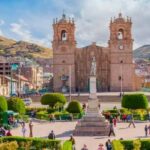
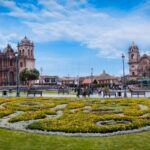
At the end of the tour, you’re not stuck in the outskirts. The mini-bus returns you to the city center, with a drop-off at San Francisco Square.
Stop 1: Cusco to Pisac, with a mountain ride that sets the tone
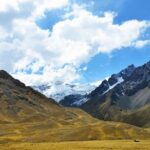
Your adventure starts in the Cusco area and heads toward Pisac through the mountains. The itinerary gives you an estimated 3 hours for the first part, and it frames the day as a journey across the Sacred Valley region rather than one straight line of sights.
Even if you’re not a person who loves road time, this segment helps. You’ll be moving between towns and archaeological areas, so the early ride acts like a warm-up for the day: you’re getting oriented to where each stop fits, and the guide has time to set expectations.
The tour also lists admission ticket free for the early segment. Still, since entrance fees are explicitly noted as not included overall, keep your cash mindset. Think of the schedule as time allocation, not as a guarantee that nothing costs extra.
Pisac archaeology and the artisan market with terraces and temples
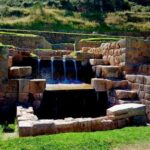
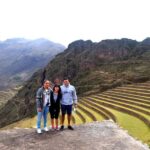
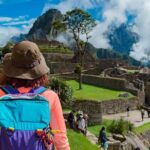
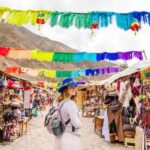
Pisac is where the tour shifts into real sightseeing mode. You’ll spend about 3 hours here, starting with the archaeological site and then moving to the artisan market.
What makes this stop especially worthwhile is the mix. The archaeological portion gives you the big-picture view of the area’s past, and the market brings you back to the present day with practical, human-scale culture. The market is described as full of terraces and temples, and that matters because it’s exactly the kind of visual “wow” that helps history make sense.
If you want to get the most out of Pisac, don’t treat the market as an afterthought. Give it time to browse, and use the guide’s explanations to connect what you see at the site with what you see in the village spaces around it.
One drawback to keep in mind: market time can turn into shopping time if you don’t set boundaries. This isn’t a criticism—just a heads-up. If your goal is photos and understanding first, you’ll be happier if you decide ahead of time what you’ll do if you spot something you like.
Urubamba: the included buffet lunch that keeps the day comfortable
After Pisac, you go through the valley to Urubamba. The itinerary lists about 2 hours for this stop, and it’s one of the best “breathing breaks” in the schedule.
The key detail: lunch is included, a buffet lunch at Puka Punku restaurant. The description highlights a variety of dishes and unique Andean flavors, which tells me this stop isn’t just bread-and-soup filler. It’s meant to be a real meal in a tourist restaurant setting.
Why I think this is good value: on a long day tour, food that’s included and planned saves you from hunting for something open, affordable, and on time. It also gives the group a predictable reset point. You eat, regroup, and then head out for the afternoon archaeological sites with more energy.
Potential consideration: buffet lunches can be busy and timing-focused. If you prefer slow meals, go a bit early in the lunch window so you’re not squeezed.
Ollantaytambo in the afternoon: culture, history, and site magic
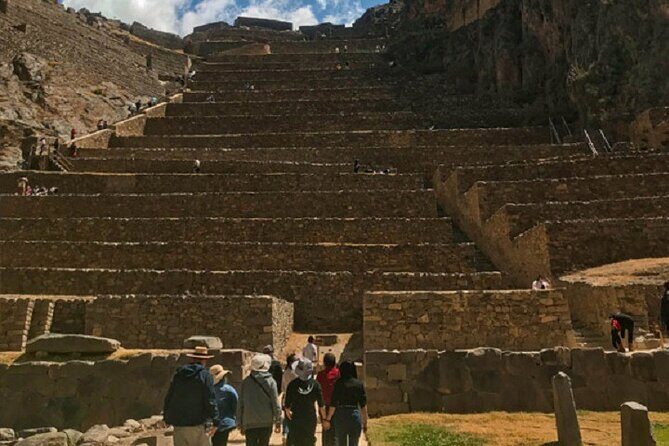
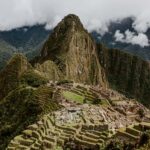
In the afternoon you’ll visit Ollantaytambo, another major archaeological site. The tour description frames it as a place where you discover culture, history, and that sense of magic people associate with ancient structures.
This stop is positioned after lunch on purpose. Sightseeing afternoons can feel heavy if you’re fried from mornings. Here, you get a full morning and then a meal break, so you’re more able to focus during the site time.
What makes Ollantaytambo especially strong on a guided day is the way it connects with what you saw earlier. Pisac gave you archaeological context plus market culture. Ollantaytambo continues the story with more monumental site viewing and more explanation, which is exactly what you want when you’re trying to understand how different pieces of the Sacred Valley relate.
Then you’ll travel back toward Cusco through a different road than the morning route, which again helps the day feel like a loop with variety rather than a straight out-and-back.
Chinchero: chapel time and weaving families
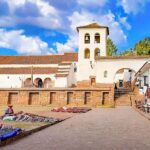
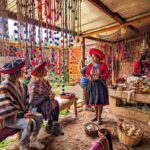
Next up is Chinchero, a village stop that the itinerary describes as magical. Here you’ll see its archaeological site, a chapel, and weaving families.
This is the human-scale part of the day. After spending hours with ancient stone and site layouts, you shift to craft and daily life. Weaving families are specifically called out, which suggests the stop is meant to show you how living traditions continue alongside historic structures.
If you like cultural context, Chinchero is where you’ll feel the day becomes more than just sightseeing. The chapel adds another layer, and the archaeological site keeps it tied to the broader theme.
One thing to watch: village stops often move at the pace of the group. Since this tour is capped at 15 people, that can be manageable, and the guide’s job is to keep things on track while still explaining what you’re looking at.
The guide is the real differentiator on a 15-person tour
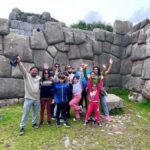
The tour’s small-group size is up to 15 travelers. That’s a sweet spot for me. Big enough that the day has energy, small enough that you can ask questions and actually hear the guide without competing for attention.
In the feedback you’re aiming to match, the guide stands out for being attentive and explaining with historical detail. Just as important: the guide followed the group’s rhythm. That’s the difference between a rigid script and a day that feels guided instead of herded.
So how do you get more out of the guide? Simple:
- Ask one clarification question when something clicks but you want one more fact.
- If your group slows down, go with it. That’s part of what the guide is designed to handle.
- Use the explanations at Pisac and Ollantaytambo to connect the village craft stop later at Chinchero.
Even if you’re not a super-archaeology person, clear explanations turn ruins into something you can follow.
What the route and timing feel like as a full day
This is about an 11-hour day, starting early and ending with a drop at San Francisco Square. That means you should expect a packed schedule with minimal downtime.
The stops are spaced like this:
- Cusco morning start and ride toward Pisac
- Pisac archaeological site plus artisan market (about 3 hours)
- Urubamba valley town and included buffet lunch (about 2 hours)
- Ollantaytambo in the afternoon
- Chinchero village stop
- Return to Cusco city center
That structure is useful because it prevents the classic problem of Sacred Valley tours: too many sites with too little time. Here, you get multi-hour blocks at the big draws and a shorter but meaningful village/craft segment at the end.
Who should book this Sacred Valley tour (and who might want to choose differently)
This tour fits best if you want:
- Hotel pickup and drop-off in Cusco
- A guided day with explanations that include historical details
- A mix of major archaeological stops and cultural village time
- A planned meal with a buffet lunch at Puka Punku
It may not be the best fit if you want totally unstructured free time. The schedule has a clear order, and the group rhythm matters, so it’s not designed for people who want to wander independently for hours.
Should you book Sacred Valley with Yapa Explorers?
Yes—if you want a guided Sacred Valley day that feels organized, comfortable, and easy to manage. The $47 price point is strong for a full itinerary with transport, a professional Spanish/English guide, and an included buffet lunch.
My deciding factors would be these: hotel pickup, small-group size (max 15), and the guide approach—attentive, detailed, and responsive to the group’s pace. Add the mix of Pisac market culture, Urubamba lunch comfort, Ollantaytambo archaeological focus, and Chinchero village craft, and you get a day that covers the highlights without feeling like a stress test.
FAQ
FAQ
What time does the tour start?
The listed start time is 6:30 am.
About how long is the tour?
It runs about 11 hours (approx.).
Is hotel pickup and drop-off included?
Yes. The tour includes hotel pickup and drop-off at Cusco hotels, and it returns you to the city center at San Francisco Square.
Is lunch included?
Yes. A buffet lunch in the Sacred Valley is included at Puka Punku restaurant.
Do I need to pay entrance fees?
Yes. Entrance tickets are not included. The tour lists PEN70.00 per person, and it also mentions 130 soles if you are doing the City Tour or Maras-Moray.
What stops are included in the itinerary?
You’ll visit Cusco (morning start), then Pisac, Urubamba, Ollantaytambo, and Chinchero, before returning to Cusco.
How many people are in the group?
The tour has a maximum of 15 travelers.
What is the cancellation policy?
Free cancellation is available. You can cancel up to 24 hours in advance for a full refund. If you cancel less than 24 hours before the start time, the amount paid is not refunded.