REVIEW · TARAPOTO
From Tarapoto: Alto Mayo Valley Full Day Tour
Book on GetYourGuide →Operated by Tangol · Bookable on GetYourGuide
Alto Mayo turns a normal day into nature time. You’ll go from Tarapoto to the Alto Mayo Protected Forest area, learn about wildlife and plants with a guide, and then relax at the Tioyacu River source in Rioja. Two things I really like: the mix of guided learning plus real “do it yourself” breaks (like the river bath), and the orchid-focused stop in Moyobamba that’s built around real species diversity.
One thing to consider: this is a long 12-hour day with transfers and walking, and it isn’t wheelchair accessible.
In This Review
- What makes this day feel worth 12 hours
- Key takeaways before you go
- Getting to Alto Mayo: Tarapoto to Rioja, then onward
- Alto Mayo Protected Forest: why the guide matters
- Tioyacu River source in Rioja: river bathing without the fuss
- Chacra Vieja: local flavors, handicrafts, and a reality check
- Lunch with regional dishes: included, and you’ll want options
- Moyobamba orchidarium: where the numbers become personal
- Plaza de Armas of Moyobamba: a calm finish after the florals
- Price and value: $66 for a full day with transfers and entries
- What to bring for a river-and-orchids day
- Who this tour fits best (and who might skip it)
- Should you book Alto Mayo Valley Full Day Tour?
- FAQ
- How long is the Alto Mayo Valley full day tour?
- Where does the tour start?
- How far do you travel to reach the main area?
- What is included in the price?
- Is lunch included?
- Can I swim in the Tioyacu River?
- What is the Moyobamba orchid stop?
- Do I get to see Moyobamba’s main square?
- What should I bring?
- Is it wheelchair accessible?
What makes this day feel worth 12 hours
You start with pickup from your hotel in Tarapoto, then the day shifts quickly into jungle-country scenery and stops that actually have purpose. The tour is guided in Spanish, and if your Spanish is limited, you might be able to follow along via translation help—at least one guide (David) has handled that well for German-speaking guests using Google Translate during the day.
At the end, you’re back in Tarapoto with a clear story of what you saw: forest scenery, river water time, regional food, orchid varieties, and a town walk at the Plaza de Armas of Moyobamba.
Key takeaways before you go
- Professional Spanish guiding that helps you connect plants and animals to what you’re seeing
- Tioyacu River source bathing in Rioja, with an easy wooden-bridge stroll for downtime
- Chacra Vieja stop for local drinks and handicrafts (drinks tasting isn’t included)
- Moyobamba orchidarium visit tied to the region’s real orchid numbers
- Moyobamba Plaza de Armas visit for a lighter, cultural finish after nature time
- A 12-hour schedule that’s best if you like full-day excursions and moderate walking
Getting to Alto Mayo: Tarapoto to Rioja, then onward
This tour starts with hotel pickup in Tarapoto and runs for about 12 hours total. You’ll travel north to Rioja (about 87 miles from Tarapoto), and you should plan on more time on the road than you might expect. The upside is that once you arrive, the stops feel “stacked” in a smart way: nature experiences first, then orchids and a town visit.
If you’re the type who hates wasting time between destinations, this format helps. You’re not just driving—you’re moving from one clearly themed place to the next: river source, a local agricultural tourism stop, orchid hub in Moyobamba, and a central plaza.
Alto Mayo Protected Forest: why the guide matters
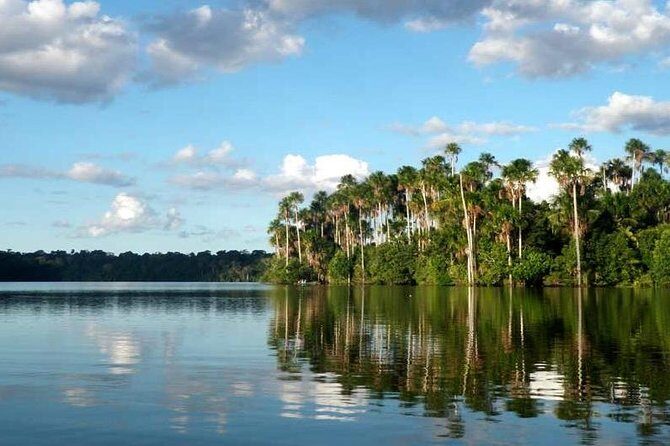
The day is built around Alto Mayo Protected Forest, a birdwatching paradise known for lush vegetation, waterfalls, underground caves, and hot springs. Even if you’re not a hardcore birder, this is the kind of landscape where a guide makes a real difference. A good guide helps you notice details you might otherwise miss—things like what species live where, and why certain plants or animals show up in that setting.
The tour explicitly includes learning about flora and fauna from a professional guide. That’s not a “talk at you” situation. It’s usually what turns scenery into understanding: you look at something, then someone explains what it is and how it fits into the ecosystem.
One practical note: the tour isn’t wheelchair accessible, and the nature stops likely include uneven ground. So if you have mobility limitations, you’ll want to think carefully about how comfortable you’ll be during walking breaks.
Tioyacu River source in Rioja: river bathing without the fuss
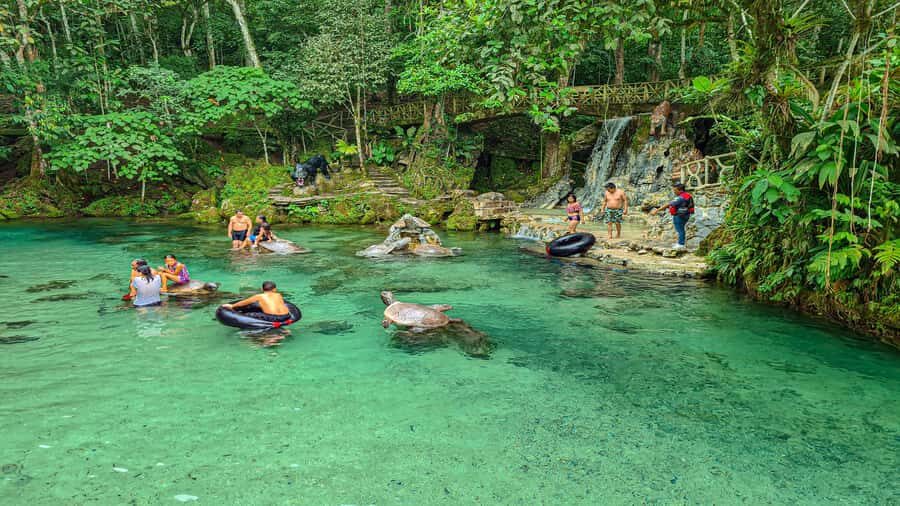
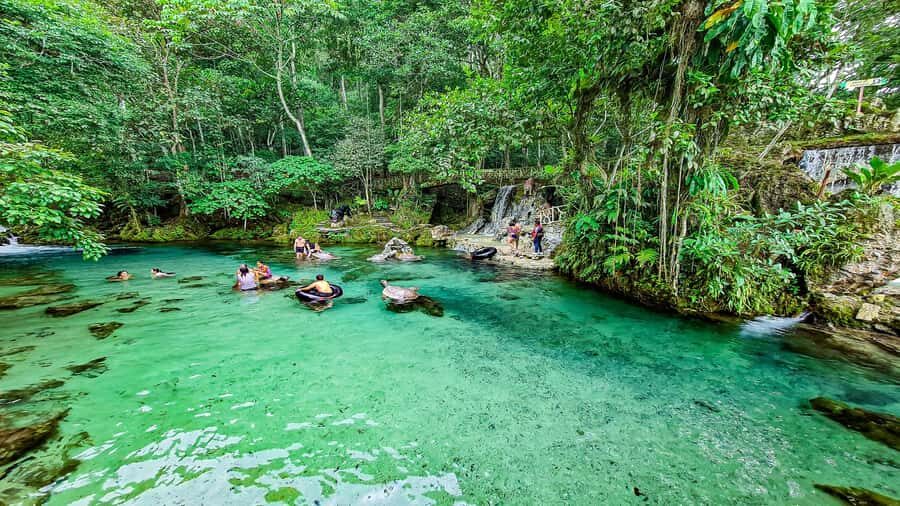
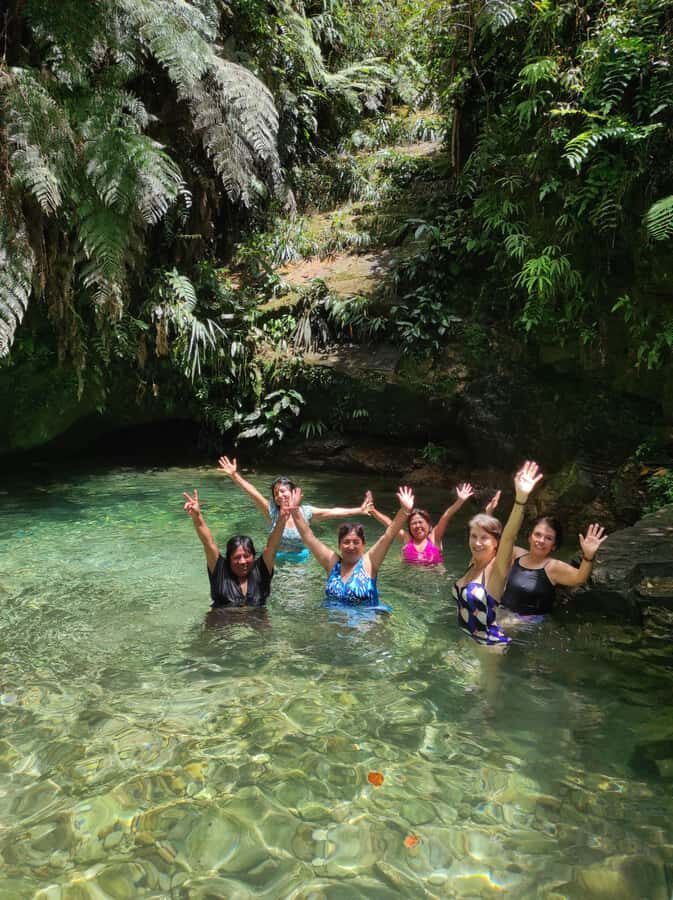
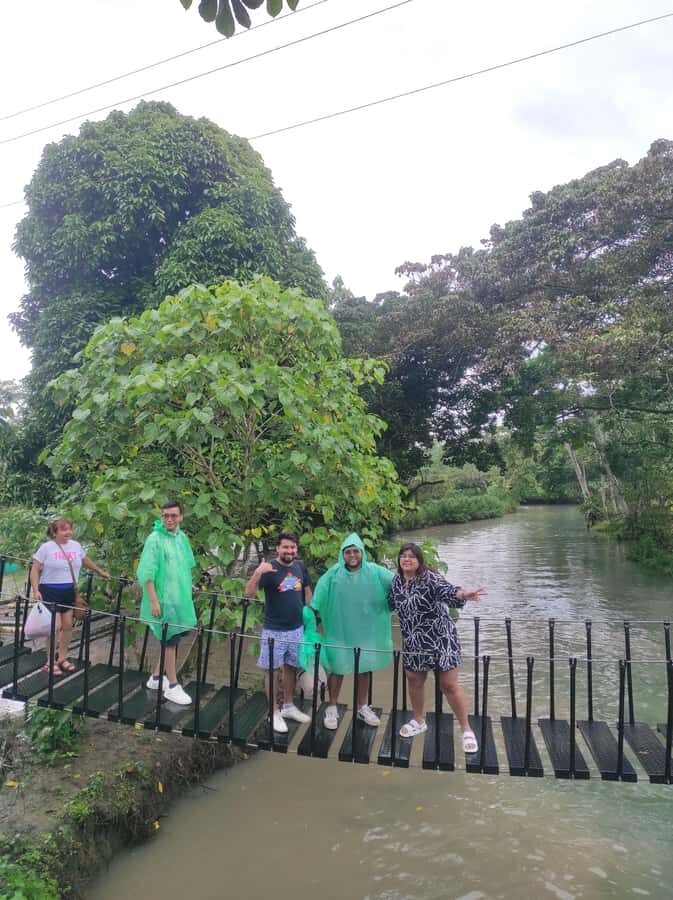
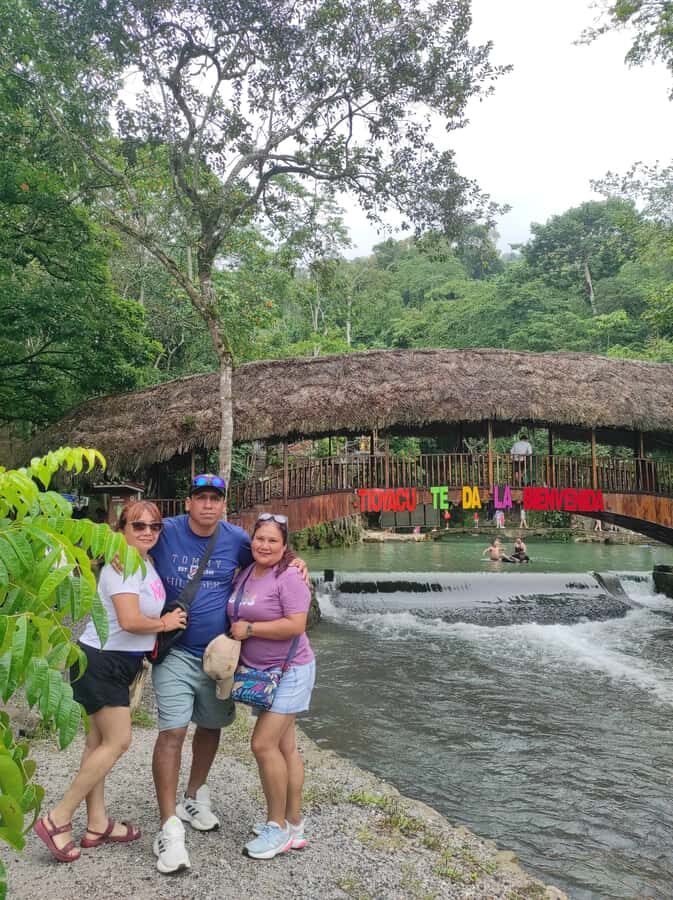
After more than two hours of travel, you reach Rioja and then the tour’s relaxing centerpiece: the source of the Tioyacu (Tio Yacu) River. This is described as a recreational tourist area, which means you’re there for both scenery and comfort—specifically a bath in clear river water. You can also take a walk along a wooden bridge, which makes it easy to stretch your legs without needing extra hiking.
What I like about this stop for most people: it’s simple and flexible. You can go in the water, or you can stay dry and still enjoy the environment from the bridge and surrounding paths. Either way, it breaks up the travel-and-learning rhythm with a sensory reset.
Bring your swimwear and towel. The tour packing list strongly suggests this is not a “maybe you’ll get in” situation. If water time is part of the reason you booked, it’s worth coming prepared.
Chacra Vieja: local flavors, handicrafts, and a reality check
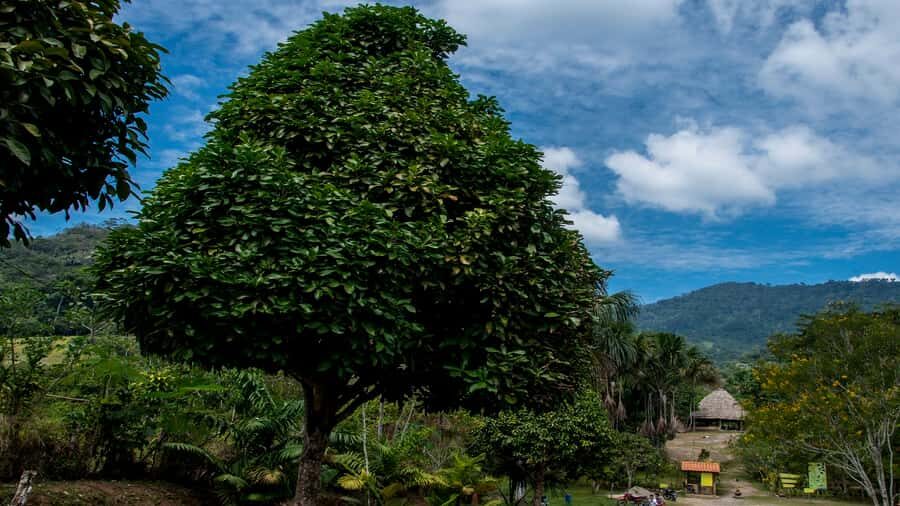
Next comes Chacra Vieja, a tourist center where you can taste typical drinks and buy local handicrafts. Drinks tasting is listed as not included, so think of this as optional spending time rather than a guaranteed add-on.
I like that this stop gives you a way to connect with the region beyond the forest and orchids. You get to see an agricultural tourism angle, and if you enjoy small purchases, handicrafts can be a straightforward way to bring home something tied to the place.
The only downside is that it can feel more like a curated stop than the wild nature you came for. If you’re expecting pure “off-grid,” set your expectation: this portion is about experiencing local culture in a managed setting.
Lunch with regional dishes: included, and you’ll want options
Lunch is part of the included tourist menu, and it’s described as typical lunch with regional dishes and fresh ingredients. One review experience notes that lunch was excellent and that guests could choose between different dishes. Even without assuming every day works the same way, the structure suggests you’re not stuck with one plate.
For value, lunch included is a big deal. Jungle tours can add up fast once you factor in meals, bottled drinks, and snacks. Here, the cost is baked in, so you can keep your budget under control while still eating something tied to the region.
Tip for your stomach: if you’re sensitive to unfamiliar food, ask what’s in your chosen dish and go easy if it looks very spicy. You’re outdoors all day, so staying comfortable matters.
Moyobamba orchidarium: where the numbers become personal
After lunch, the tour heads to Moyobamba, known for orchids. Moyobamba is described as a city with 1,500 orchid varieties, and the Alto Mayo Protected Area includes about 300 orchid species registered. That’s impressive on paper, but the orchidarium is where the numbers turn into something you can actually see.
You’ll visit the orchidarium with a professional guide. The purpose is both visual and educational: admire the orchids, learn from a guide, and if you want, you can buy one. The buying part is optional, but it’s meaningful for people who want a souvenir that isn’t mass-produced.
What you’ll likely enjoy most is the range of shapes and colors. Orchids can be surprisingly different from one another, and with guided context, you may start noticing patterns—like how certain varieties are grouped by characteristics rather than just looks.
If you love plants, bring extra patience. This is often a slow, camera-friendly stop, and you’ll want time to look closely.
Plaza de Armas of Moyobamba: a calm finish after the florals
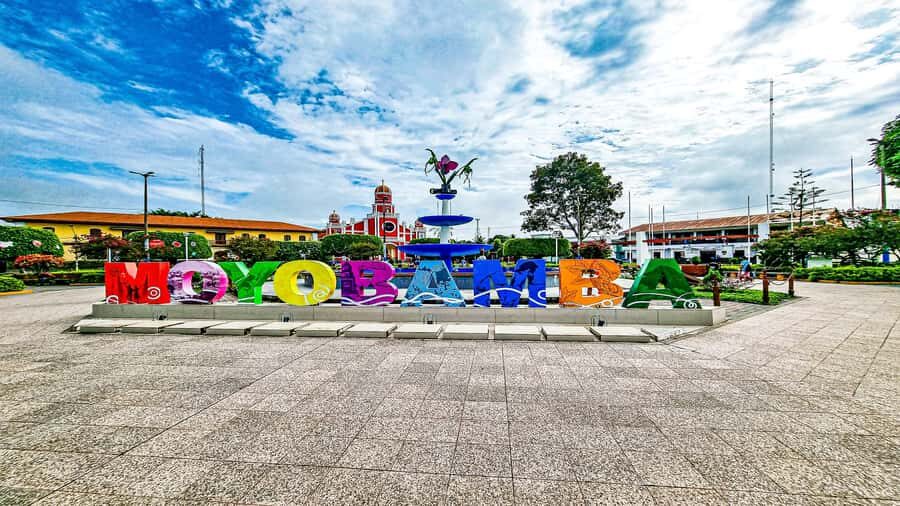
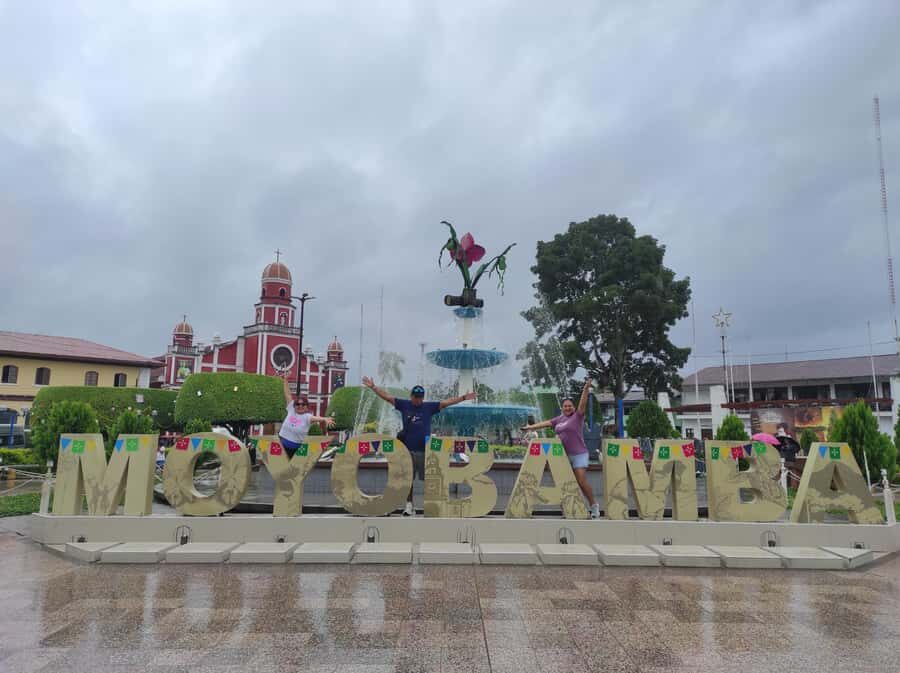
The tour also includes visiting the Plaza de Armas of Moyobamba. After a day weighted toward nature and a nursery-focused experience, this is a good “reset” stop. It gives you a more human-scale moment: streets, central public space, and a chance to stretch without the jungle heat doing all the work.
Even if you only spend a short time here, plazas help you understand where you are. They’re where locals gather, where the city shows its everyday rhythm, and where you can take a few photos without needing special effort.
Price and value: $66 for a full day with transfers and entries
At $66 per person for a 12-hour full-day tour, the value depends on how you travel. If you’re trying to do this independently, you’d usually pay for transport from Tarapoto, park/site entry fees, and a guide (or you’d lose the learning piece). This tour bundles several essentials: round-trip hotel transfers, professional Spanish guide, and ticket entrance fees to the sites in the plan.
What’s not included also helps you budget: drinks tasting at Chacra Vieja and travel insurance. That’s it. You can plan a day that stays close to the advertised price if you skip optional purchases and snacks beyond lunch.
If you want a low-stress day with a clear schedule and someone else handling logistics, this price feels reasonable. If you prefer independent travel and don’t care about guided learning, you might feel the cost is higher than you need. But for most people who like structure, it’s a fair deal.
What to bring for a river-and-orchids day
The tour’s packing list is practical. Bring:
- Passport (listed)
- Sunglasses
- Sunscreen and hat
- Insect repellent (especially important in forest areas)
- Swimwear and a towel (for the Tioyacu bathing)
- Comfortable footwear for uneven ground
One more practical thought: if you want to buy an orchid later, consider packing a small bag you can close securely. Orchid purchases aren’t guaranteed on every day, but the tour includes the chance.
Who this tour fits best (and who might skip it)
This is a strong match if you:
- Want a guided nature day with real explanation of flora and fauna
- Like the idea of birdwatching-country scenery and a river bathing break
- Really enjoy plants, especially orchids, and want a focused orchid stop in Moyobamba
- Prefer having meals and site entries handled in one package
Consider a different option if you:
- Need step-free access (the tour is not wheelchair accessible)
- Don’t want a full day out of Tarapoto (it’s 12 hours)
- Prefer unguided time in the wild over managed stops like Chacra Vieja
Should you book Alto Mayo Valley Full Day Tour?
I’d book it if you want an efficient, guided day that mixes nature, learning, and a memorable non-museum moment (the Tioyacu River bathing). The orchidarium stop in Moyobamba is a standout for plant lovers, and the included lunch and transfers keep the day from turning into a budget headache.
If you’re unsure, think about your priorities: are you here for education and structure, or for drifting on your own? This tour leans heavily into guided discovery with a few comfort breaks, so it works best when you’re happy to follow the plan and enjoy the journey in one long day.
FAQ
How long is the Alto Mayo Valley full day tour?
It lasts about 12 hours.
Where does the tour start?
Pickup is from your hotel in Tarapoto.
How far do you travel to reach the main area?
Rioja is about 87 miles north of Tarapoto, and the drive takes a bit over two hours before reaching the river source area.
What is included in the price?
Included are round-trip transfers from your Tarapoto hotel, a tourist menu (lunch), ticket entrance fees for the listed stops, and a professional guide in Spanish.
Is lunch included?
Yes. Lunch with regional dishes and fresh ingredients is included as part of the tourist menu.
Can I swim in the Tioyacu River?
Yes. The tour includes time at the source area of the Tioyacu River in Rioja where you can take a bath.
What is the Moyobamba orchid stop?
You’ll visit an orchidarium in Moyobamba with a professional guide and see a large variety of orchids. You can also buy one if you want.
Do I get to see Moyobamba’s main square?
Yes. The Plaza de Armas of Moyobamba is part of the experience.
What should I bring?
Bring your passport, sunglasses, sunscreen, a hat, insect repellent, swimwear, and a towel.
Is it wheelchair accessible?
No, this activity is not wheelchair accessible.