REVIEW · CUSCO
Cusco City Sightseeing and Sacsayhuaman Archeological Park Tour
Book on Viator →Operated by VIPAC Travel · Bookable on Viator
Cusco’s stone walls feel unreal in person. This small-group loop strings together Inca sites above town plus the big colonial sights in central Cusco, led by a bilingual guide. The highlight is Sacsayhuaman, with massive stones, sweeping views, and carved symbolism that helps everything make sense.
I like that you’re not packed into a giant bus. With a maximum of 15 travelers, the guide can keep the pacing human and answer the questions that pop up as you’re staring at the masonry. I also love the way the tour connects the dots: Sacsayhuaman’s condor, puma, and snake imagery leads naturally into Qenqo, Tambomachay, and then down into Qorikancha and the cathedral.
One thing to plan around: the “tickets included” choice matters. If you pick the option without entrance fees, you may pay more on-site, and at the cathedral you’ll need to follow the rules (no shorts, and no photos inside).
In This Review
- Key Highlights to Know Before You Go
- Why This Cusco Ruins-and-Cathedral Loop Works
- Small-Group Comfort and the Real Meaning of a 3.5-Hour Tour
- Hotel Pickup: When It’s Easy and When You Need a Backup Plan
- Sacsayhuaman: Fortress Walls, Condor-Puma-Snake Symbols, and City Views
- Qenqo, Puca Pucara, and Tambomachay: Ritual, Defense, and Water Worship
- Qenqo
- Puca Pucara
- Tambomachay
- Qorikancha (Temple of the Sun): Where Gold Lore Meets Modern Cusco
- Plaza de Armas and Cusco Cathedral: Architecture, Stained Glass, and Photo Rules
- Price and Value: What You Pay for, and What Can Cost Extra
- Guide Energy: The Difference Between Seeing Ruins and Understanding Them
- Best-Fit Travelers (and Who Might Want a Different Option)
- Should You Book This Cusco Tour?
- FAQ
- How long is the Cusco City Sightseeing and Sacsayhuaman tour?
- What’s included in the price?
- Is this tour a small group?
- Do I need to buy entrance tickets?
- Are there dress code rules at religious sites?
- Can I take photos inside Cusco Cathedral?
Key Highlights to Know Before You Go
- Maximum 15 travelers keeps the tour feeling personal and not rushed
- AC vehicle + round-trip transport saves energy in Cusco’s heat and altitude
- Sacsayhuaman’s view pairs fortress-like walls with bird-and-cat symbolism
- Qenqo, Puca Pucara, and Tambomachay add variety: ritual, military, and water worship
- Plaza de Armas + Cusco Cathedral means you’ll end with stained glass and major religious art
Why This Cusco Ruins-and-Cathedral Loop Works
Cusco can feel like two different cities at once: Inca stone outside town, then Spanish-era churches and plazas right in the center. This tour is built to stitch those worlds together in one half-day sweep. You start with the hilltop complex people come to see for a reason, then you continue to other Inca sites that show different sides of the empire, from ceremonial space to water management.
What makes it practical is the pacing. You get enough time at each stop to actually look closely, but the transportation keeps you from spending your whole day on logistics. If you’re on an acclimatization day (or you just want a strong first overview), this kind of route can be a huge help.
The best part is the guide. The tour format is designed for interpretation, not just sightseeing. You’ll get names, context, and a narrative that turns scattered ruins into something you can hold in your head.
You can also read our reviews of more city tours in Cusco
Small-Group Comfort and the Real Meaning of a 3.5-Hour Tour
The official duration is about 3 hours 30 minutes, and the vehicle is air-conditioned—a lifesaver in Cusco’s sun. Also, the tour is limited to 15 travelers, so it tends to feel calmer than the big group versions that make you fight for position near the walls or viewpoints.
That said, Cusco tours have a habit of running on local time. Even when the plan is tight, you might lose a few minutes to weather, crowd flow at entrances, or the simple reality that people stop to photograph and ask questions. I treat this as a “half-day adventure” rather than a clockwork factory line.
If you hate feeling rushed, this structure is a plus. A smaller group usually means your guide can manage pace with fewer headaches—so you spend more time watching and listening, and less time waiting.
Hotel Pickup: When It’s Easy and When You Need a Backup Plan
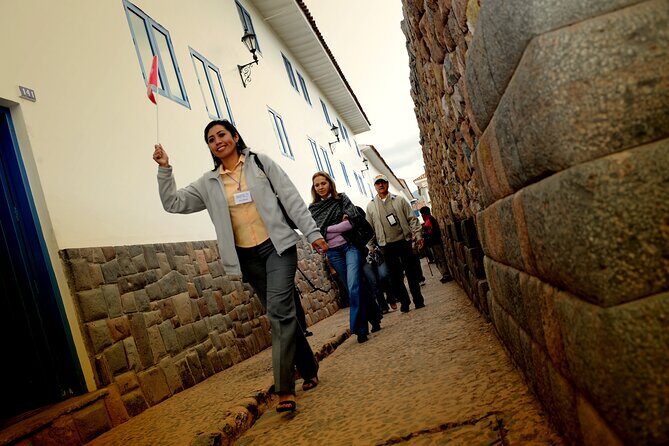
You’ll get hotel pickup and drop-off, with one important caveat: some hotels are in areas where vehicles can’t go. In those cases, you may have to walk a bit or connect from a reachable spot. That’s not a dealbreaker, but it’s worth planning.
My practical tip: before the tour day, confirm exactly where you’ll be picked up and how you’ll identify the van/guide. Cusco streets can be confusing, and the last thing you want is to chase the schedule while you’re already adjusting to altitude.
Also pack for movement. You’ll be on your feet for the ruins, then doing cathedral and plaza walking at the end. Comfortable shoes matter more than you think here.
Sacsayhuaman: Fortress Walls, Condor-Puma-Snake Symbols, and City Views
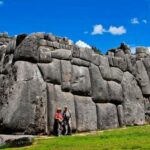
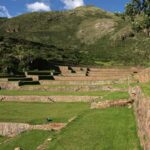
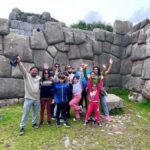
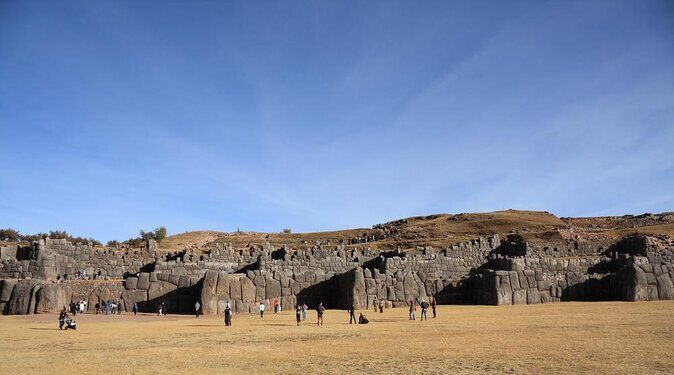
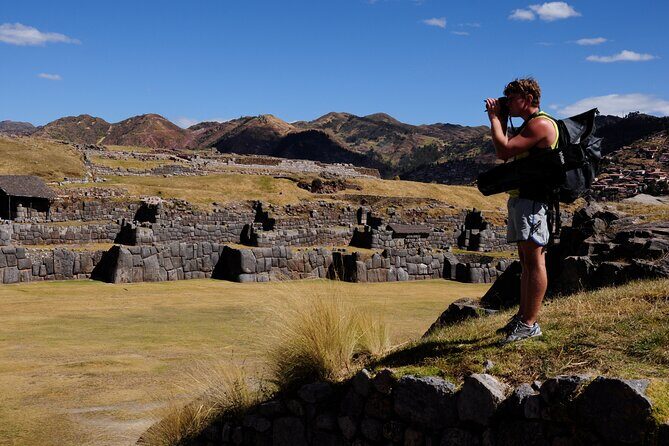
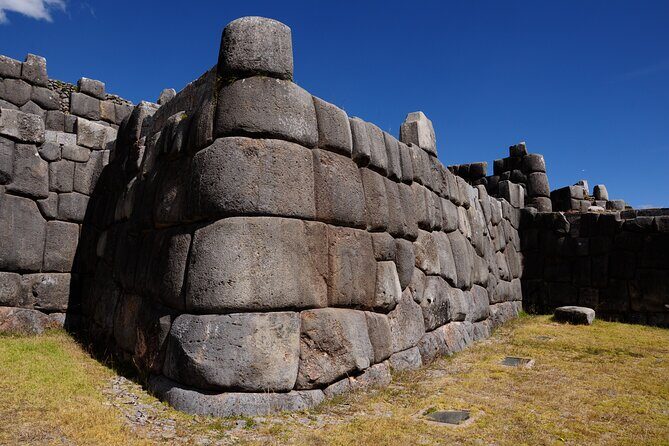
Sacsayhuaman is the anchor stop, and it’s easy to see why. You’re on a hill north of Cusco, looking back over the city while you explore an UNESCO World Heritage-listed archaeological park. The big impression is scale: massive stones (reported up to about 13 feet / 4 meters) fitted tightly together, creating something fortress-like rather than “ruins” in the ordinary sense.
This is where a guide adds real value. Without explanation, you might just think: impressive rockwork. With explanation, you start noticing details—like how the stones vary in shape and size, and how some are associated with symbols tied to Inca beliefs. The tour points out carved imagery tied to condor, puma, and snake themes, which helps you connect the site to a wider worldview instead of treating it as an engineering puzzle only.
A small warning: Sacsayhuaman is exposed. Even in a short tour, sun and wind can change fast. If you learned anything from Cusco’s weather, it’s that layering is smart. A light jacket can save the afternoon, especially if clouds roll in after a sunny start.
What I’d watch for: the stone arrangement, the way the viewpoint frames Cusco, and the guide’s explanation of why the craftsmanship and placement mattered.
Qenqo, Puca Pucara, and Tambomachay: Ritual, Defense, and Water Worship
After Sacsayhuaman, the tour doesn’t try to repeat the same kind of “stone blocks at a wall.” It shifts gears, and that’s a big reason it feels full rather than repetitive.
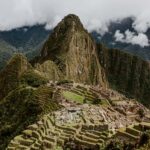
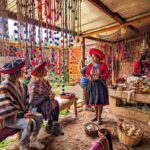
Qenqo
Qenqo is described as a ceremonial altar and sacred temple area. You’ll see the remains connected to ritual space, including a temple of the Puma and its associated sacrificial altar. Even if you don’t know Inca religious history yet, the guide’s walk-through helps you understand why certain spaces were built for specific purposes. This is one of the best spots for learning how to read a site. Look past the stones and notice how the layout and features suggest function.
Puca Pucara
Then you move to Puca Pucara, with atmospheric remains of a former military outpost. Defense ruins can feel less dramatic than religious sites, but the payoff is perspective: you see that the empire wasn’t only building temples—it also prepared for control, protection, and strategic positioning.
Tambomachay
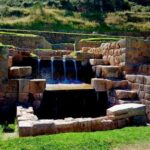
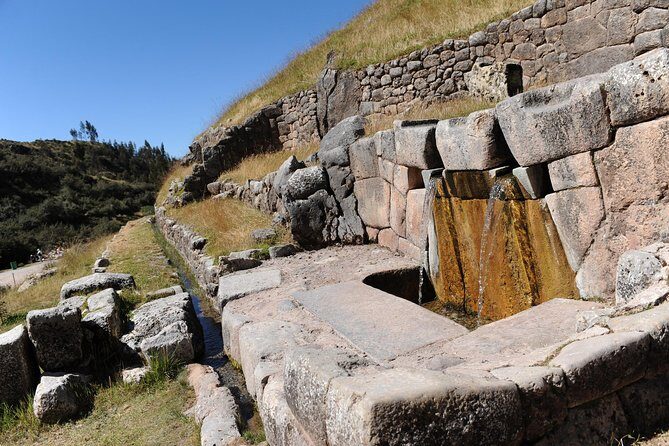
Finally, you reach Tambomachay, where aqueducts, channels, and stone structures once supported water systems tied to Inca ritual and water worship. If you’re the type who likes practical questions, you’ll probably enjoy this stop because it hints at engineering ideas through everyday details: how water is directed, where channels are placed, and how the architecture relates to sacred use.
My quick take: If Sacsayhuaman is about “big stone awe,” these three stops are about “why it was built,” with ritual space, defense purpose, and water management all represented.
Qorikancha (Temple of the Sun): Where Gold Lore Meets Modern Cusco
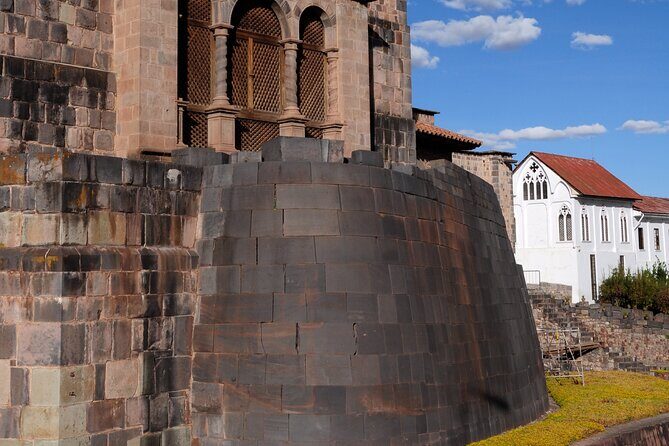
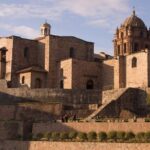
After the outer sites, the tour returns toward central Cusco and visits Qorikancha, the Temple of the Sun. One detail that makes this stop stand out is the layering of history: a Santo Domingo Convent was built over the original complex. The legend you’ll hear is that the temple was completely gold plated, which stunned the conquerors when they first arrived.
Even without chasing legends, the point is clear. Qorikancha shows you how power and belief travel through time. The Inca-built sacred space became re-used and re-shaped under colonial rule, leaving you with a site that’s both archaeological and symbolic.
A guide helps here too, especially when explaining what you’re looking at while the modern city sits around you. If you want a tour that gives context instead of just dates, this is one of the best moments to enjoy it.
Plaza de Armas and Cusco Cathedral: Architecture, Stained Glass, and Photo Rules
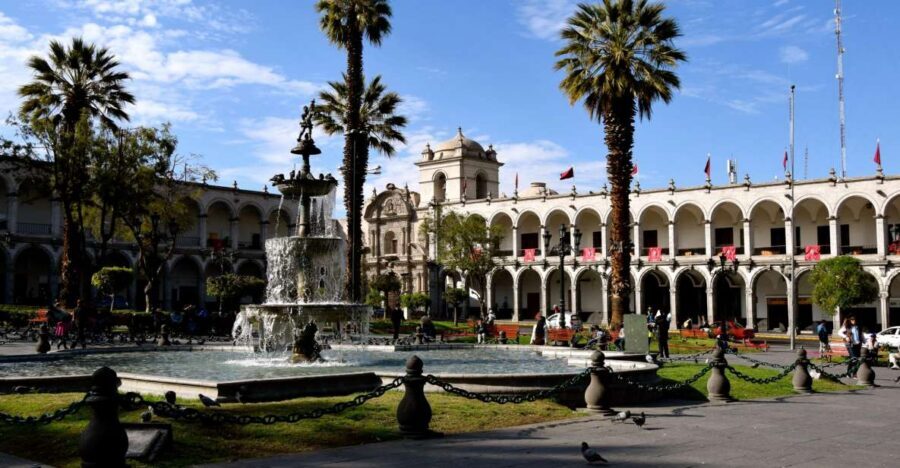
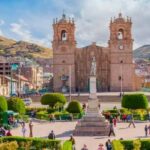
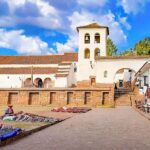
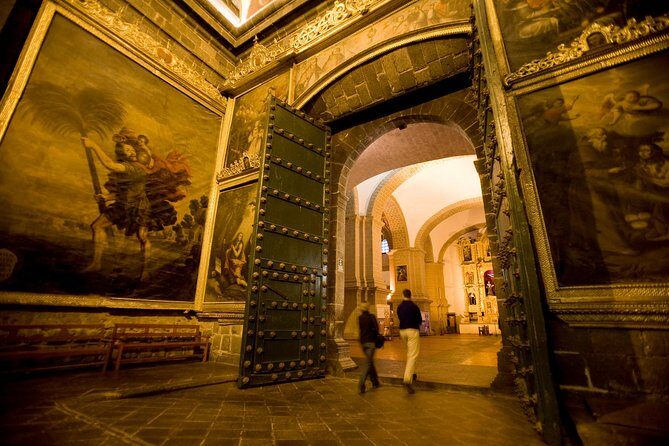
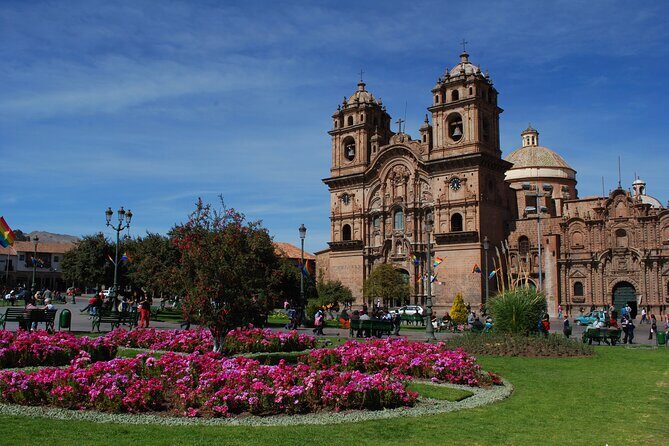
Back in town, you’ll step into Plaza de Armas, Cusco’s central square—busy, photogenic, and a great place to regroup. From here, the tour goes into Cusco Cathedral, with time to see major features like colorful stained glass, colonial-era paintings, and grand Gothic architecture.
Two practical rules matter here:
- No shorts in the religious spaces.
- Photos are forbidden in the cathedral.
That means your outfit and your camera plan need to be sorted before you arrive. If you’re traveling with light clothing for Cusco’s warm afternoons, bring a thin layer or something you can wear that covers appropriately.
Inside, you’ll also hear about important religious artwork, including the revered Senor de los Temblores. This is one of those moments where the guide’s storytelling helps you connect why certain pieces matter to people, both historically and today.
Also note: you’ll see Cusco’s two striking churches in the plaza area—Cusco Cathedral and the Church of the Society of Jesus—so even the “walking breaks” feel productive.
Price and Value: What You Pay for, and What Can Cost Extra
The price is $79 per person, and that’s actually a decent deal for a guided half-day with pickup, AC transport, and admissions included depending on your ticket option. With a max group size of 15, you’re also paying for a human-paced experience rather than a high-volume bus tour.
Here’s the value math you should do before booking:
- Confirm whether entrance fees are included in your selected option.
- If you choose the option without tickets, plan on paying additional fees on-site.
- Your final total will be higher if you have to buy entrances separately at multiple sites.
In other words, the $79 can be either a clean all-in price or a starting point. Double-check the exact option you select so you don’t end up scrambling for cash or time when you’re standing at entrances.
Guide Energy: The Difference Between Seeing Ruins and Understanding Them
The tour lives and dies by its guide. The best experiences with this format tend to share one thing: the guide doesn’t just list facts. They tell stories with enthusiasm, humor, and a clear sense of what to notice.
You might even run into guides with real academic background in history, like the kind of profile described by one guide named Niko (including a past history professorship). Other guides mentioned include Rommel, Julio, Abraham, Alain, Adrial, Clara, Yuber, and Aracely. You can’t guarantee who you’ll get, but it’s useful to know the tour has a track record of guides who bring energy and context.
A quick fairness note: if you’re hoping for heavy science on earthquake-proof engineering, you may find the emphasis here leans more toward culture, beliefs, and architectural explanation than technical problem-solving. It’s still useful. Just ask questions if that’s what you care about most.
Best-Fit Travelers (and Who Might Want a Different Option)
This tour is a great fit if:
- you want an efficient way to see Sacsayhuaman plus central Cusco in one day
- you prefer small-group pacing
- you’d like a guided storyline connecting Inca sites to Spanish-era Cusco
It’s less ideal if:
- you want a full-day deep-dive with long stays at fewer sites
- you plan to wear shorts to a church (the dress code rule is real)
- you don’t want any chance of extra fees (make sure you choose the tickets-included option)
Should You Book This Cusco Tour?
I’d book it if you’re trying to get your bearings fast. Sacsayhuaman gives you the big visual “wow,” while Qenqo, Puca Pucara, and Tambomachay broaden the picture into ritual, defense, and water worship. Then Plaza de Armas and Cusco Cathedral give you the colonial context that still shapes how Cusco feels today.
Before you click confirm, do these three things:
- Choose the tickets-included option if you want fewer surprises.
- Plan an outfit that works for no-shorts cathedral rules.
- Confirm your pickup spot if your hotel is in a narrow zone where vehicles can’t enter.
If you match those, this is a strong value way to spend one acclimatization-friendly afternoon in Cusco.
FAQ
How long is the Cusco City Sightseeing and Sacsayhuaman tour?
It runs for about 3 hours 30 minutes (approx.).
What’s included in the price?
The tour includes an air-conditioned vehicle, a bilingual Spanish/English live guide, and hotel pickup and drop-off. Admission is included for Cusco Cathedral, Qorikancha, and Sacsayhuaman if you choose the option with tickets included.
Is this tour a small group?
Yes. The tour has a maximum of 15 travelers, and it’s described as a small-group experience.
Do I need to buy entrance tickets?
It depends on the option you select. There are options with and without tickets included, and if you choose without tickets, you should expect to pay additional entrance fees at the sites.
Are there dress code rules at religious sites?
Yes. You are not allowed to enter religious sites wearing shorts.
Can I take photos inside Cusco Cathedral?
No. Taking photos is forbidden in the cathedral.