REVIEW · MACHU PICCHU
Cusco: 2-day Inca Trail to Machu Picchu
Book on GetYourGuide →Operated by Inka Altitude · Bookable on GetYourGuide
Two days, one legendary ridge. This Cusco 2-day Inca Trail route takes you off the train at KM 104, then finishes the classic hike to Machu Picchu with a sunset stop at the site and a second, guided visit the next day. You start in the Sacred Valley area, sleep in Aguas Calientes, and come away with more than photos—you get the why behind the stones.
I especially love two parts: the walk to Inti Punku (Sun Gate), where the view of Machu Picchu’s citadel is the moment you’ll remember most, and the way the tour lets you experience Machu Picchu twice—once at sunset and again with a structured guided tour. Guides like Primo Daniel, Broly, and Toni (seen in recent trips) are the kind who explain what you’re looking at, not just where to stand, and the pacing helps you actually take it in.
One consideration: the trip is tightly timed, and while most logistics run smoothly, a past traveler flagged a problem on the return van journey from Ollantaytambo to Cusco (engine oil leak and an unscheduled pause). Plan your expectations around mountain-day transportation, and keep a little buffer in your schedule if you can.
In This Review
- Key things I found especially worth your attention
- From Cusco to KM 104: the start that sets the tone
- Wiñaywayna to Sun Gate (Inti Punku): the view you came for
- The descent to Machu Picchu at sunset, then Aguas Calientes
- Day 2: bus up, then a 2-hour guided tour that turns ruins into real places
- Trains and buses: where timing matters (and where surprises can happen)
- Price and value: is $550 a fair deal?
- Fitness reality check: stairs, altitude shifts, and who this isn’t for
- What to pack for the Inca Trail and Machu Picchu
- Guides and pacing: why the right narration makes this feel worth it
- Should you book this Cusco 2-day Inca Trail to Machu Picchu?
- FAQ
- How long is the Cusco 2-day Inca Trail to Machu Picchu?
- Where does the hike start?
- How much trekking happens on day 1?
- Is Machu Picchu included twice during the tour?
- What are the included meals?
- Where do I stay overnight?
- How do I get to Machu Picchu on day 2?
- Do I need to bring a passport?
- What languages is the tour guide in?
- Is vegetarian food available?
- Is the tour available all year?
- Is the tour refundable?
Key things I found especially worth your attention
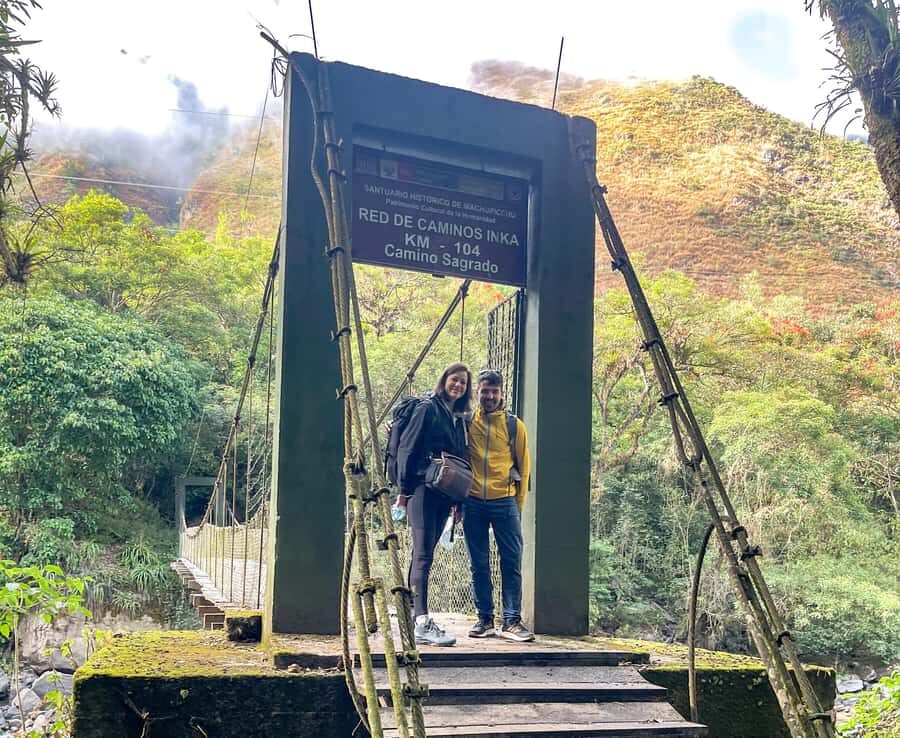
- Sun Gate payoff: You get the panorama of Machu Picchu’s citadel from Inti Punku before you go down to the site.
- Machu Picchu twice: Sunset time on day 1 plus a 2-hour guided tour on day 2.
- Wiñaywayna context: A guide explains the function of the archaeological site as you pass through.
- Aguas Calientes overnight: Dinner with your guide plus time to explore shops, crafts, and hot springs.
- Real hiking time: Trekking is around 3.5 hours on day 1, with the later segments pushing the fitness.
From Cusco to KM 104: the start that sets the tone
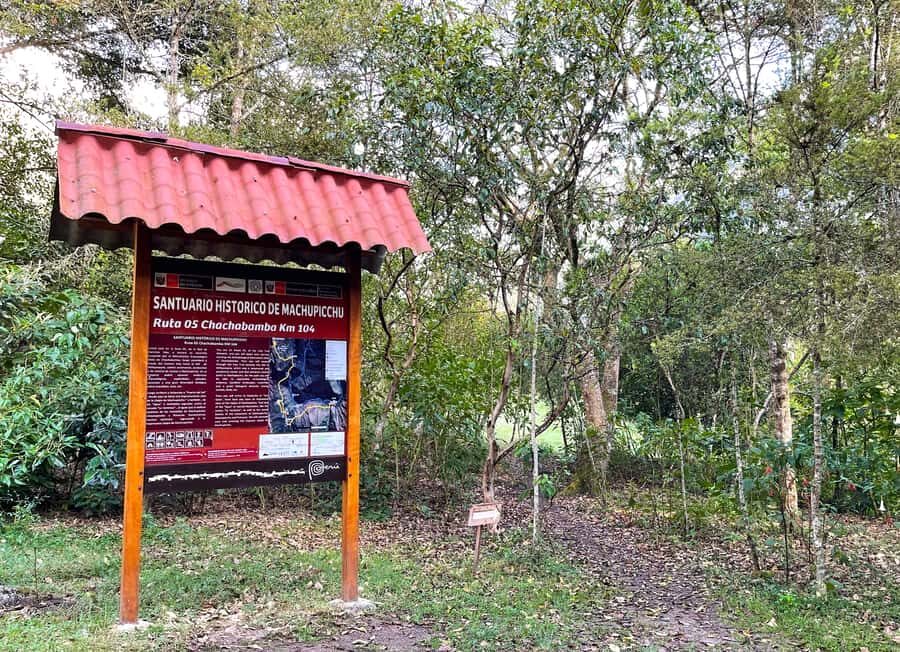
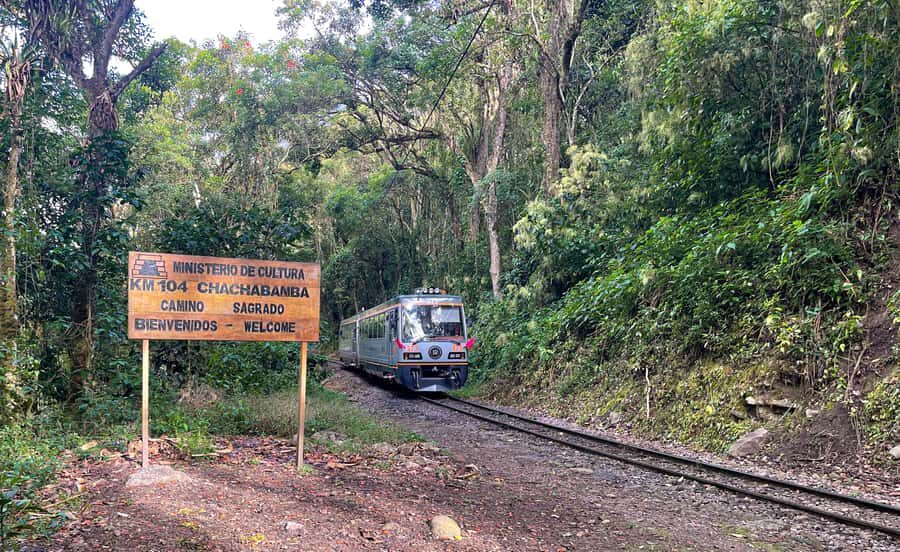
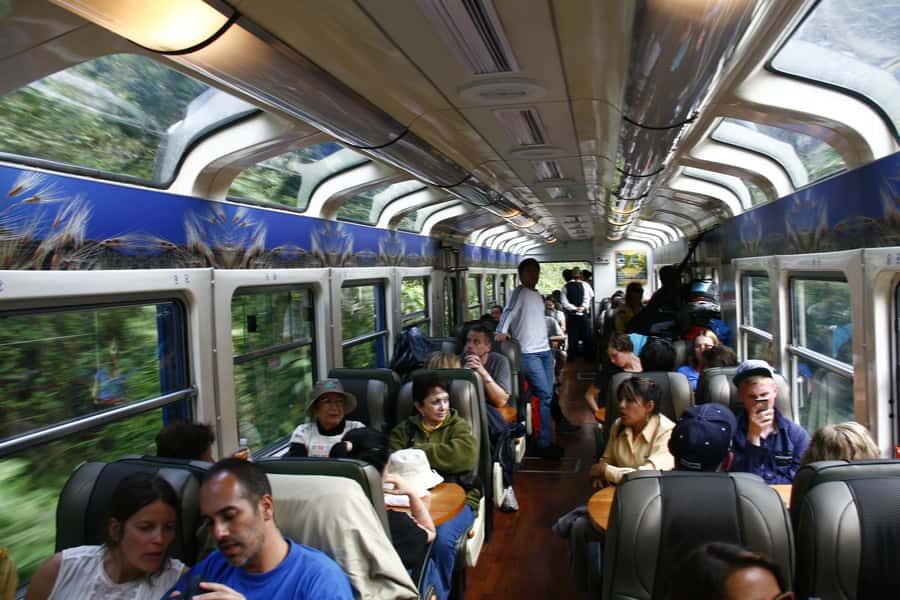
This tour is built for an early start. You’re picked up from your hotel in Cusco and transferred to the train station in Ollantaytambo. Then you take the train to KM 104—about 1.5 hours—so the hike begins already in motion, not with a long bus crawl before you even put on boots.
KM 104 is where the day turns into hiking. After you pass the checkpoint, you begin trekking toward Wiñayhuayna. Expect uphill effort from the first steps. This matters because it frames the whole experience: day 1 isn’t just a “walk to get there.” It’s the active part of the Inca Trail experience, with breaks that actually let you look around and take photos.
You’ll be moving through classic Inca Trail country with views toward the Wilkanota River and Challabamba as you ascend. Those names matter because they help you understand you’re not hiking “in the clouds.” You’re traveling through a living landscape of valleys and routes the Incas used to connect places.
And you won’t be left to guess. Your tour guide walks you through what you’re seeing, and that’s a big reason this style of tour feels worth it even if you’re not a hardcore history buff.
You can also read our reviews of more tours and experiences in Machu Picchu.
Wiñaywayna to Sun Gate (Inti Punku): the view you came for
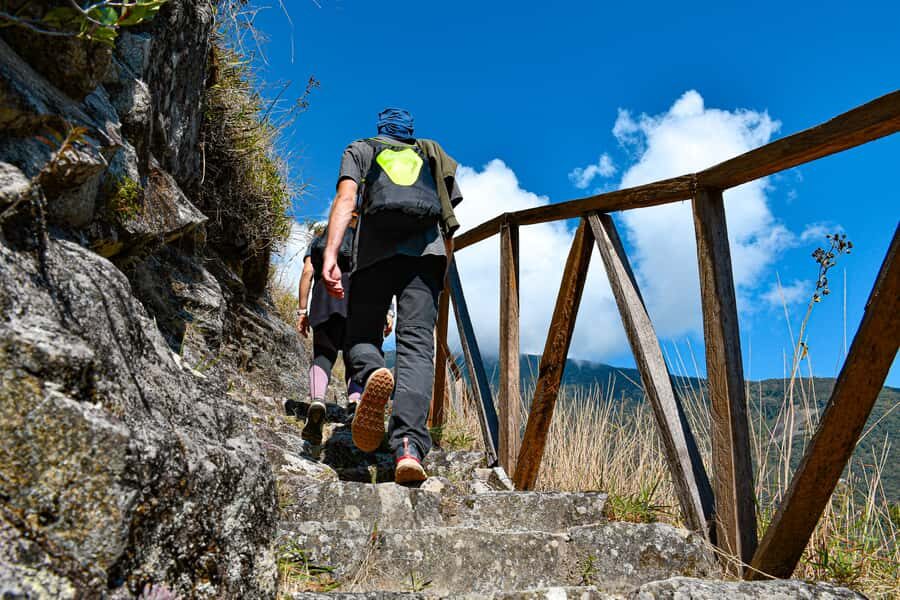
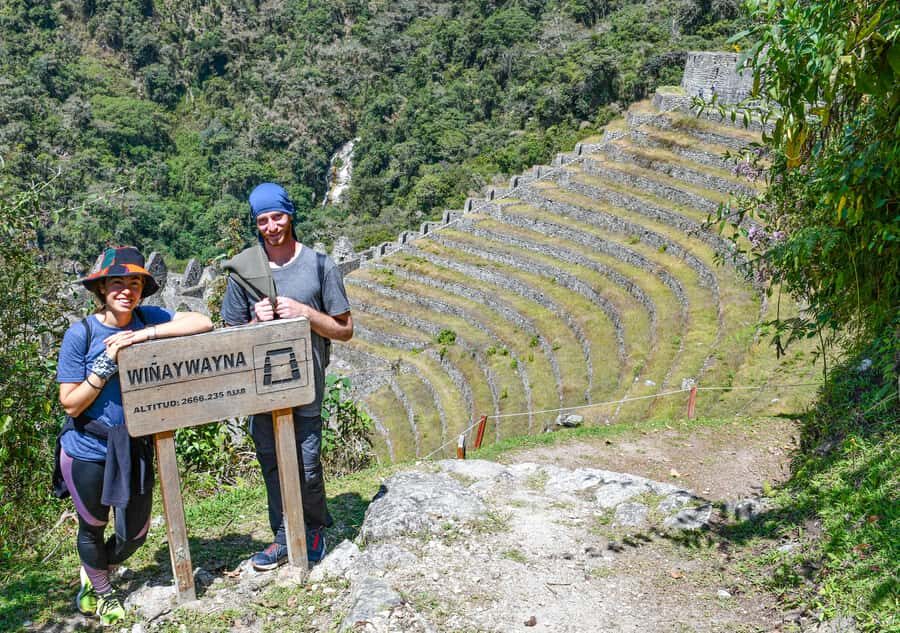
The day’s biggest “turn” happens after Wiñaywayna. You trek for around 3.5 hours toward Wiñayhuayna, and once you reach it, the tour becomes more than exercise.
At the archaeological site of Wiñaywayna, your guide explains the function of the place. That explanation is what helps you read the terraces, paths, and structures later at Machu Picchu. Without that step, you might recognize ruins. With it, you start understanding how the site worked and why it was built.
Then comes lunch. You’ll stop for a delicious packed box lunch before continuing. One bonus detail from earlier tours: the picnic-style lunch can include items like quinoa and empanadas, so you’re not just eating for fuel—you get something that feels like part of the day.
From Wiñaywayna, you continue along the classic Inca Trail until you reach Sun Gate (Inti Punku). This is the moment built into the itinerary for a reason: from here you get panoramic views of Machu Picchu’s citadel. It’s not a quick glance, either. The route sets you up to look out over the site before you ever step onto the grounds at Machu Picchu.
That changes your whole mental picture. You arrive with a “map in your mind,” then later you can connect the view to what’s right in front of you.
The descent to Machu Picchu at sunset, then Aguas Calientes
After Sun Gate, you travel down the trail for about an hour to Machu Picchu. The timing is designed so you can enjoy the sunset at the site, which is a big part of why this tour feels special compared to a single-day entry.
Day 1 is the Inca Trail experience plus a first look at Machu Picchu that’s calmer than the first-day rush you might imagine. You’re already tired, yes—but that fatigue helps. It makes the arrival feel earned. The sunset light also makes the stones look different than they do under full daylight.
Once you’ve had your time at the site, you head to Aguas Calientes Village. You take a bus down for about 30 minutes, then check into your hotel. Day 1 ends with dinner with your guide, which is a nice way to slow down after the hike.
Aguas Calientes is also where the tour gives you breathing room. On day 2 you’ll have time to explore shops, crafts, and art, and you can also enjoy hot springs or try new foods. Even if you don’t go wild on shopping, it helps to have a real town break built into the schedule.
Day 2: bus up, then a 2-hour guided tour that turns ruins into real places
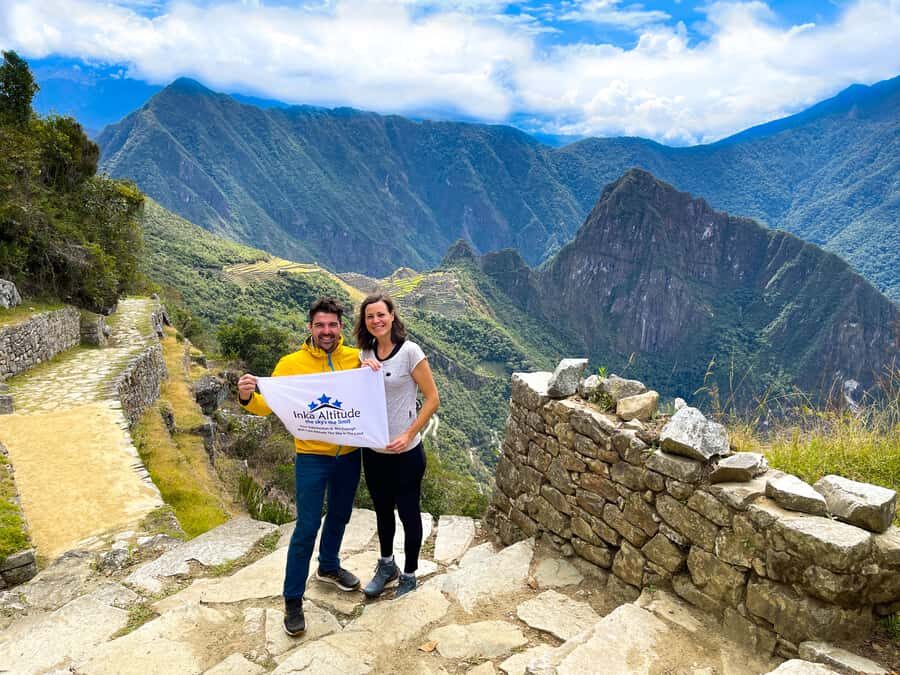
After breakfast at your hotel in Aguas Calientes, you take a bus up to Machu Picchu. Inside the site, you get a 2-hour guided tour.
This isn’t a generic tour where you’re told to take photos and move on. The guide focuses on constructions, the engineering behind the terraces, and the most important places in Machu Picchu—including how they were used. That part is key. You’re not just learning names. You’re learning what the structures did in the bigger system.
It’s one of the main strengths of doing this tour rather than showing up and wandering. Machu Picchu is complex. A guide helps you connect what you see—terraces, built spaces, circulation points—to how people might have lived, worked, and gathered there.
After the guided portion, you return to Aguas Calientes either by bus or by hiking, depending on what’s offered that day. Once you’re back down in town, you have time to slow down again. This is where you can pick up souvenirs, snack, and use hot springs if you want to recover.
Later in the afternoon, you head back toward Ollantaytambo by train, then meet your driver for the return toward Cusco.
Trains and buses: where timing matters (and where surprises can happen)
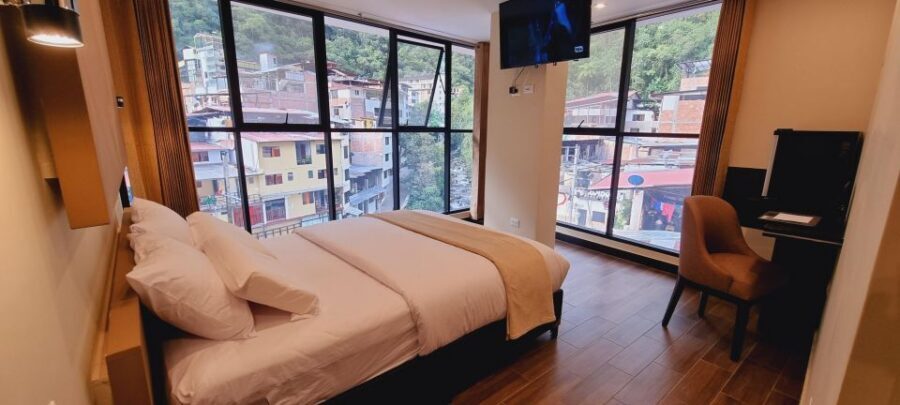
This tour blends three transport parts: hotel pickup/transfer in Cusco, a train out to KM 104, and then buses around Machu Picchu plus a train back later.
Day 1 structure is fairly clear: Cusco pickup → transfer to the station in Ollantaytambo → train to KM 104 → checkpoint → hike → bus to Aguas Calientes.
Day 2 is: breakfast → bus up to Machu Picchu → 2-hour guided tour → back to Aguas Calientes → train toward Ollantaytambo and onward.
Here’s the practical part: in “mountain-country” travel, vehicle maintenance and timing can be imperfect. One recent trip flagged a return van issue from Ollantaytambo to Cusco (engine oil leak and a stop until a new van arrived). You can’t control that. What you can do is avoid pairing your travel days with tight downstream commitments, like same-day flights or events that leave no room for delay.
Also note that the tour includes a lot of movement, but not everything. The included list covers the train tickets to the trailhead, plus buses on Machu Picchu days, but it does not list train back to Ollantaytambo and transport back to Cusco as included. Your best move is to confirm what’s covered for your exact booking and whether you’re adding the return journey during check-out.

Price and value: is $550 a fair deal?
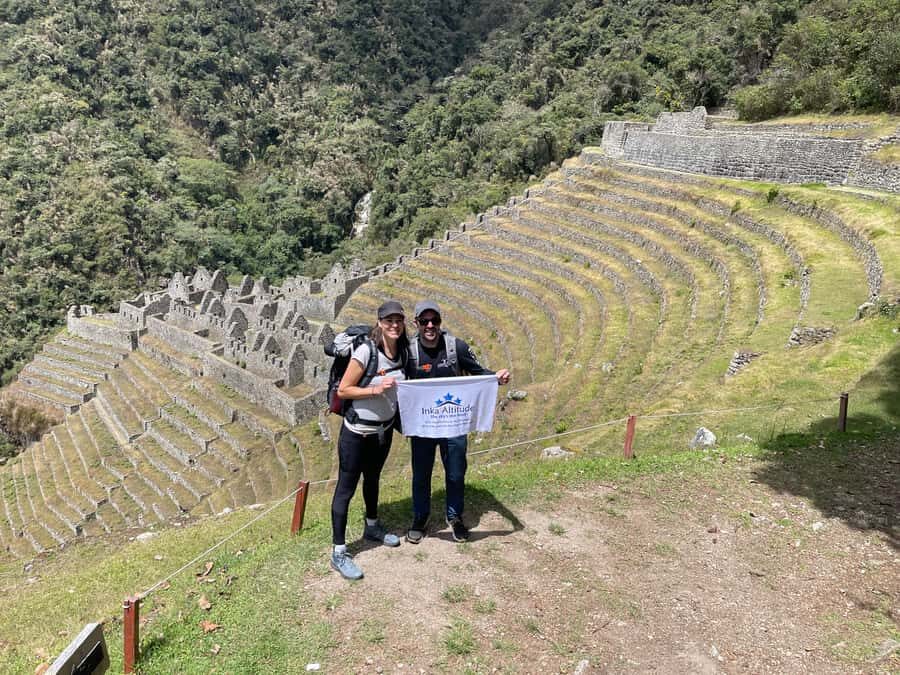
$550 per person sounds like real money. The question is whether the tour bundles the right pieces so you don’t pay twice in separate bookings.
Based on what’s included, you’re paying for:
- professional guide
- hotel pickup and drop-off
- transportation from Cusco to the train station
- train tickets to KM 104 (the trailhead)
- entrance fees for the Inca Trail
- a packed lunch on day 1
- bus down to Aguas Calientes after day 1
- dinner on day 1
- hotel in Aguas Calientes
- breakfast on day 2
- bus up to Machu Picchu on day 2
- entrance to Machu Picchu and a guided tour
Not included (and this can change your real cost):
- train back to Ollantaytambo
- transportation back to Cusco
- breakfast on day 1 and lunch on day 2
To judge value, think about your time. You’re getting a guided Inca Trail segment plus structured Machu Picchu time, plus an overnight stay, not just tickets. That’s the kind of “all-in” convenience that usually costs more when booked separately—especially when you’re coordinating train times and park entry.
If you’re active and you want both the hike and guided interpretation at Machu Picchu, $550 can feel like money well spent rather than a sticker shock.
Fitness reality check: stairs, altitude shifts, and who this isn’t for
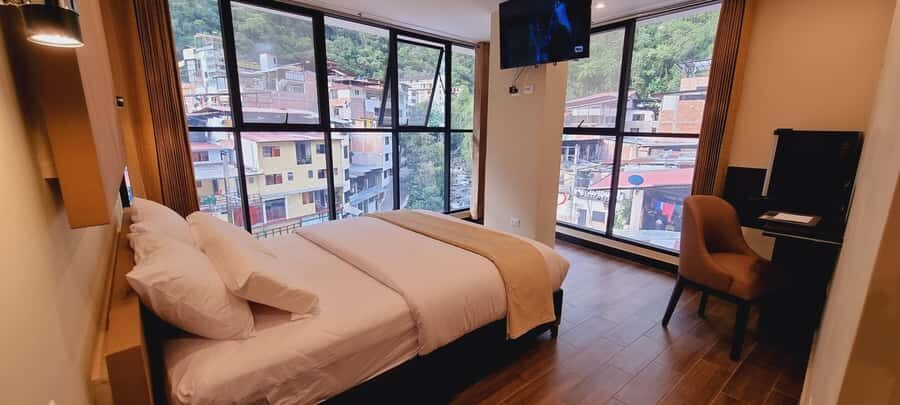
This is not a gentle stroll. The itinerary includes a solid day-1 hike (about 3.5 hours trekking to Wiñaywayna) and then another descent segment after Sun Gate. One earlier tour also described the hike as intense, with 300+ flights of stairs.
That intensity is part of the appeal, but it’s also the barrier.
The tour is not suitable for:
- pregnant women
- people with mobility impairments
- wheelchair users
If you’re on the fence, be honest about your ability to handle stairs and an uphill day, followed by another museum-level visit on day 2. Machu Picchu itself is walking-heavy, even with a guide.
You’ll still enjoy it if you pace well and you’re prepared, but you shouldn’t treat it like an easy day.
What to pack for the Inca Trail and Machu Picchu
You’ll want to pack like you’re going out for a cold, sunny, dusty hike. The tour’s list is a good guide:
- passport
- warm clothing
- sunglasses
- sandals (useful at the hotel)
- hiking shoes (important)
- sunscreen
- insect repellent
- cash
- daypack
A daypack matters because you’ll want easy access to essentials while you’re trekking. If you show up with the wrong shoes, the rest of the trip gets annoying fast. Comfortable hiking shoes make this feel like a strong adventure, not a painful chore.
Guides and pacing: why the right narration makes this feel worth it
The best tours don’t just move you. They teach you how to look.
This one is guided throughout, from the explanation at Wiñaywayna to the 2-hour guided tour inside Machu Picchu on day 2. The guide also joins you for dinner, and that’s a quiet bonus: it’s time to ask questions and get tips you can use later in the trip.
Recent guides named on earlier trips—Primo Daniel, Broly, and Toni—reflect the same pattern: they’re able to explain history and construction details in a way that doesn’t make the tour drag.
And because Machu Picchu is visited twice, the narration lands in layers. You first arrive through the trail and sunset view, then later you get the structured walkthrough that connects everything you saw.
Should you book this Cusco 2-day Inca Trail to Machu Picchu?
Book it if you want the full “active + guided” version of the classic route: hike through the last part of the original Inca Trail, see Machu Picchu from Sun Gate, and experience the site again with a guided tour that explains terraces and key buildings.
Consider skipping (or choosing a different option) if:
- you’re not comfortable with stair-heavy hiking
- your mobility is limited
- you want a totally low-stress, minimal-transport day
Also, be realistic about logistics. This trip is well-run, but it does depend on buses and vehicles at mountain times. With a little schedule slack and solid shoes, it’s the kind of experience that feels earned—then stays with you.
FAQ
How long is the Cusco 2-day Inca Trail to Machu Picchu?
The tour lasts 2 days.
Where does the hike start?
You take the train to KM 104, then begin trekking after the checkpoint there.
How much trekking happens on day 1?
Day 1 includes trekking for about 3.5 hours to Wiñayhuayna, and you continue to Sun Gate and then descend to Machu Picchu.
Is Machu Picchu included twice during the tour?
Yes. You enjoy Machu Picchu on day 1 (including sunset) and then get a guided tour inside Machu Picchu on day 2.
What are the included meals?
A packed lunch is included on day 1, and breakfast is included on day 2. Dinner is included on day 1. Breakfast on day 1 and lunch on day 2 are not included.
Where do I stay overnight?
You stay overnight in Aguas Calientes Village at a hotel included in the tour.
How do I get to Machu Picchu on day 2?
You take a bus up to Machu Picchu on day 2, then join a 2-hour guided tour inside the site.
Do I need to bring a passport?
Yes. Passport details are needed at the time of booking, and you should bring your passport with you.
What languages is the tour guide in?
The live tour guide is available in English and Spanish.
Is vegetarian food available?
Vegetarian food is available.
Is the tour available all year?
It is not available throughout February.
Is the tour refundable?
No. The activity is non-refundable.