REVIEW · MACHU PICCHU
Salkantay trek to Machu Picchu – 5D/4N – Premium
Book on GetYourGuide →Operated by Grupo Conde Travel · Bookable on GetYourGuide
Cold mornings, big views, and a trail that keeps moving. This is a premium 5D/4N Salkantay route through the Cusco region, built as an alternative to the Inka Trail and aimed at travelers who want nature plus an authentic camping feel. I like that the plan mixes camping nights with a real Machu Picchu arrival, and I also like how the trek includes key logistics like the Machu Picchu bus and the train back.
One thing to consider: premium doesn’t always mean stress-free. A recent booking complained about organization issues when plans didn’t match the reservation, plus guide changes and lost time at Machu Picchu village for tickets. If you’re the type who hates uncertainty, read the included options carefully and plan to manage ticket questions quickly.
In This Review
- Key points before you commit
- Salkantay vs the Inka Trail: why this route is popular
- Day 1: Cusco to Humantay Lake, then SalkantayPampa basecamp
- Day 2: Basecamp SalkantayPampa to Chaullay (the steady-building day)
- Day 3: Chaullay to Lucmabamba, with time to breathe
- Day 4: Llactapata to Hydroelectric, then Aguas Calientes
- Llactapata: a viewpoint stop you’ll feel
- Hydroelectric to Aguas Calientes: the practical finish
- Day 5: Machu Picchu citadel day, then back to Cusco
- One caution from a real booking experience
- The guide and the group size: where the experience can tilt
- Sleeping bags, dining tents, and how “premium” shows up
- Price and value: is $510 actually a deal?
- What to pack for Salkantay (based on what’s actually required)
- Who should go, and who should choose a different plan
- Should you book the Premium Salkantay Trek to Machu Picchu?
- FAQ
- How long is the trek and what distance will I hike?
- What is the difficulty level?
- Does the tour include Machu Picchu entrance and transportation?
- Are meals included, and is vegetarian food available?
- What return transportation do I get after Machu Picchu?
- What Machu Picchu options are not included?
- Is the activity refundable if plans change?
Key points before you commit
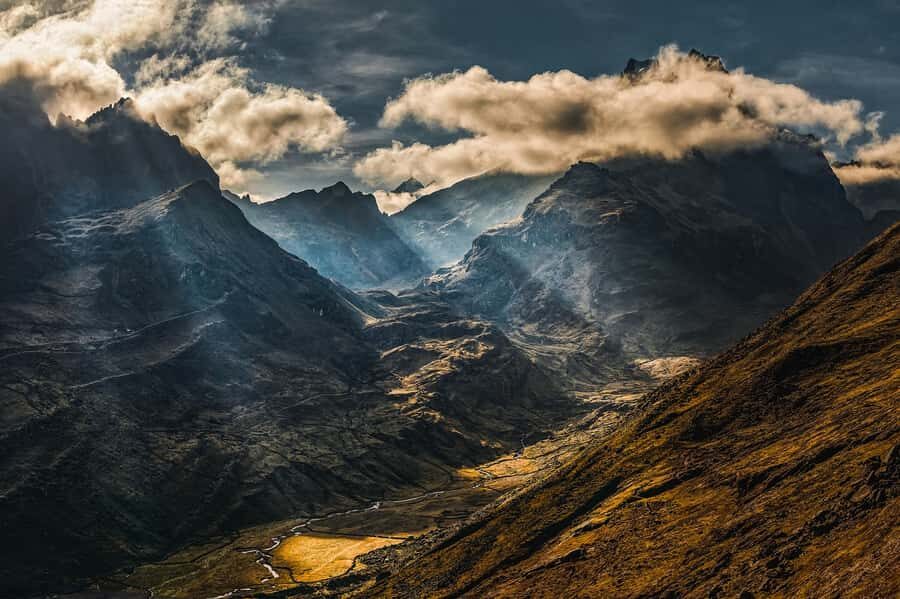
- SalkantayPampa basecamp camping: an old-school setup, with a spacious dining tent and kitchen to keep meals civilized
- Guided, small-group pacing: limited to 15 participants with an English live guide, plus chef and assistants
- A full route plan with train back: you hike in, then ride train back from Aguas Calientes to Ollantaytambo
- Machu Picchu included, but not extras: you get citadel access; Huayna Picchu and Montaña aren’t included
- Cold-weather packing matters: snow clothing is specifically on the bring list
Salkantay vs the Inka Trail: why this route is popular
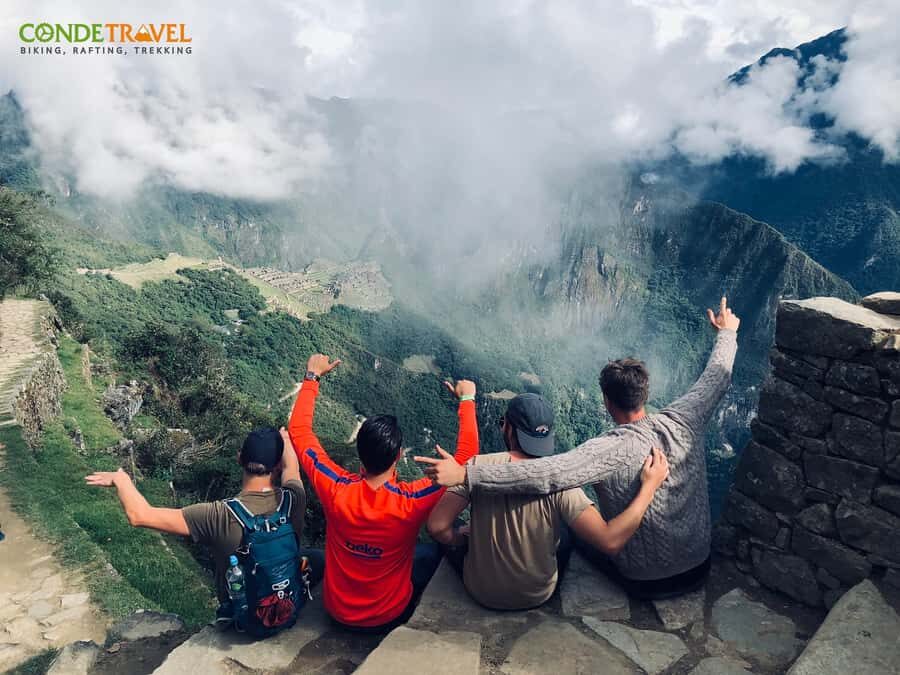
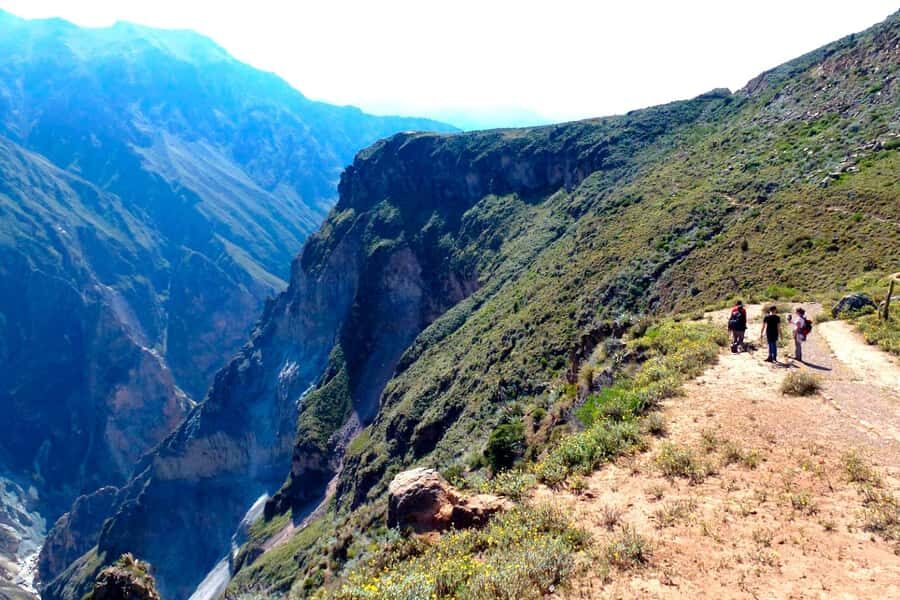
If you’re choosing between Salkantay and the Inka Trail, the big difference is the vibe. The Inka Trail feels like a classic heritage corridor. Salkantay feels like a trekking route through real countryside energy—mountain passes, changing terrain, and lots of walking days that keep your legs busy and your mind focused.
This one also earns its “most popular alternative” reputation for a simple reason: it’s a complete on-foot experience that still lands you at Machu Picchu without making you hack logistics together yourself. Over 5 days / 4 nights and about 64 km (39 miles), you’re not just ticking off a sight—you’re living the journey.
Difficulty is listed as moderate to challenging, which is accurate for most people who are comfortable hiking 6 to 7 hours on consecutive days. Even if you’re fit, expect cold mornings and long stretches where you keep a steady rhythm.
You can also read our reviews of more tours and experiences in Machu Picchu.
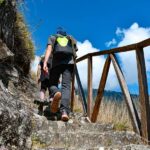
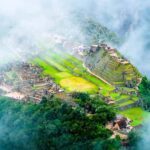
Day 1: Cusco to Humantay Lake, then SalkantayPampa basecamp
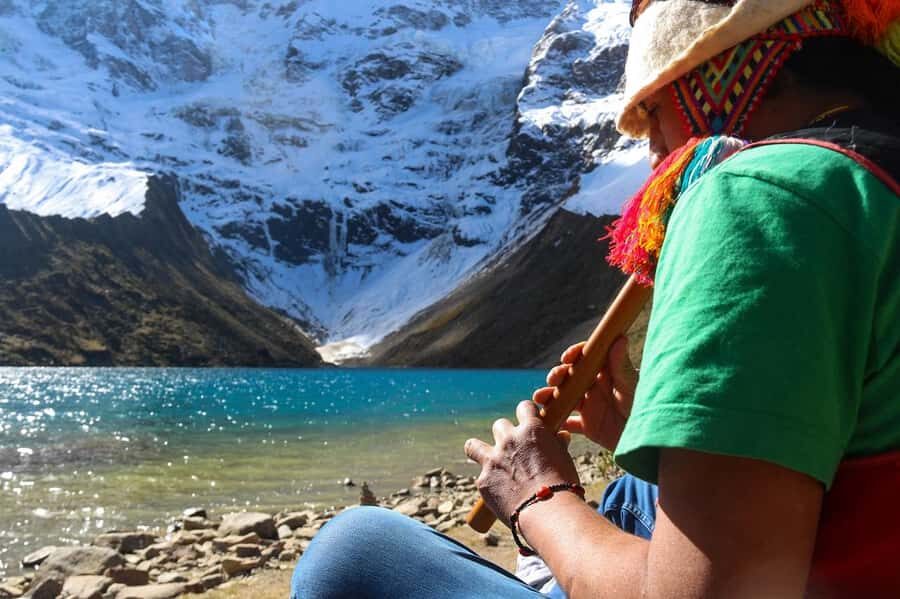
Day 1 is your entry point: Cusco to Humantay Lake, then onward to Basecamp SalkantayPampa. The trek segment is listed as about 16 km / 7 hours, which is a long first day. You’re also doing this right after arrival time in Cusco, so you’ll want to pace yourself from the start.
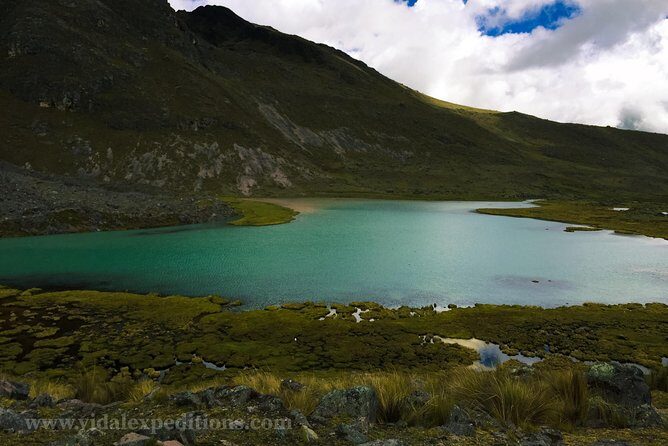
Humantay Lake is the kind of stop that sets the emotional tone. Even if you’ve seen other lakes in Peru, this one tends to feel dramatic because it’s a high-mountain kind of place: colder air, sharper light, and views that make you stop walking without trying to.
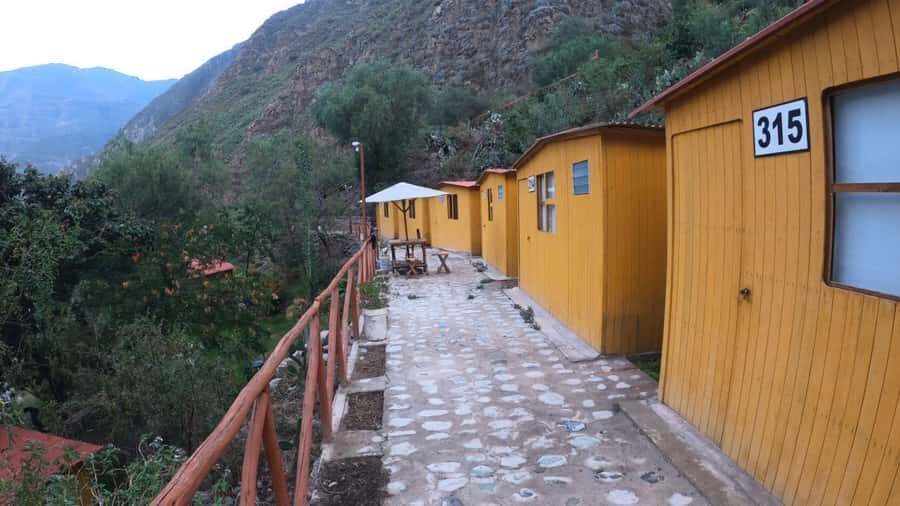
Then you shift gears to camping at SalkantayPampa. This is one of the tour’s main selling points: you’re not sleeping in a city hotel pretending it’s an adventure. You’re camping, and the setup includes a spacious dining tent and kitchen. That matters more than people think—after a long hike, having a proper place to eat and regroup helps the whole day feel smoother.
Day 2: Basecamp SalkantayPampa to Chaullay (the steady-building day)
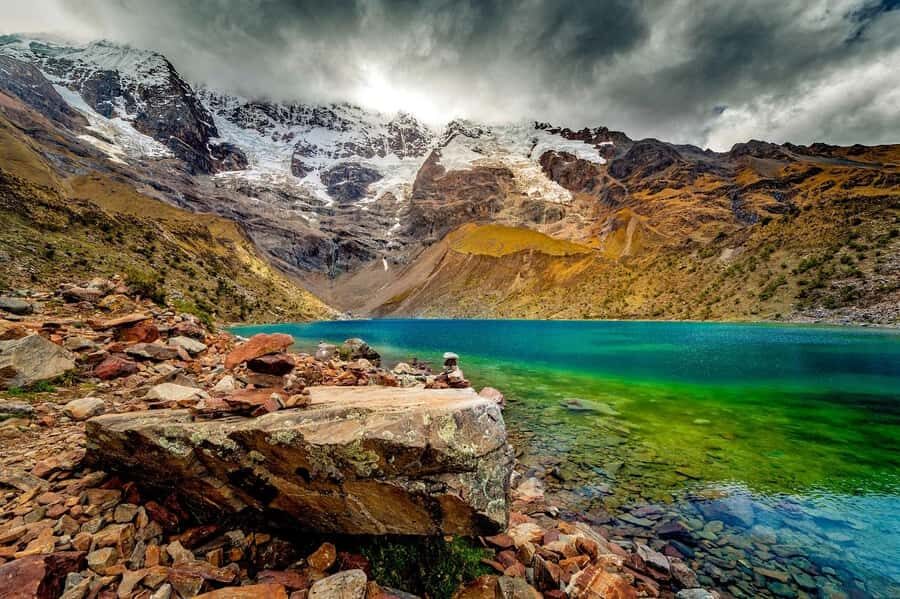
Day 2 runs 18 km / about 7 hours from basecamp to Chaullay. This is the day where you feel the route’s true endurance. It’s not usually the day you remember most for a single photo moment, but it can become the day you remember for learning your pace.
Chaullay is part of the trek’s charm because you’re not only moving through wilderness. You pass through places tied to everyday local life. That’s where a good guide earns their money: not by making the day fancy, but by helping you read what you’re seeing—what the terrain is doing, how communities live nearby, and what practices connect people to the landscape.
One review specifically praised a guide named Eduardo, saying he shared interesting information about nature, traditions, and the people. That kind of context is what turns a long walking day into something you’ll actually talk about after you get home.
Day 3: Chaullay to Lucmabamba, with time to breathe
Day 3 goes 16 km / about 6 hours from Chaullay to Lucmabamba. Compared with Day 2, the time is slightly lighter, and that usually helps you recover while still keeping momentum.
Lucmabamba is where the trek begins to feel more “balanced”: you still hike, but you get a bit more breathing space. This matters because your body needs recovery between the longer push days and the eventual final approach to Aguas Calientes.
Also, this is where your packing choices show up. You’ll likely be changing layers during the day and staying warm at night. The trek’s bring list includes snow clothing and a focus on warm, closed-toe footwear—those are clues that nights and mornings can be cold enough that you’ll feel it if you underpack.
Day 4: Llactapata to Hydroelectric, then Aguas Calientes
Day 4 is your “transition day.” The plan is 14 km / about 6 hours, walking from Lucmabamba to Llactapata, then on through Hydroelectric and into Aguas Calientes (Machu Picchu Pueblo).
This day matters because it’s the bridge between trek mode and Machu Picchu mode. You’re still hiking, but your energy slowly shifts from getting through the terrain to preparing for the next day’s entrance.

Llactapata: a viewpoint stop you’ll feel
Llactapata is on the itinerary before you move toward Hydroelectric. Even without extra detail in the plan, viewpoint stops like this are part of why Salkantay feels so satisfying: you get that “we’re close now” feeling before you’re stuck in line or waiting for transport.
Hydroelectric to Aguas Calientes: the practical finish
Hydroelectric segments on trekking routes often feel different—more industrial surroundings and more people flow. That can be a relief if you’re tired of remote trails, and it can also feel faster-paced.
Then you reach Aguas Calientes, where the itinerary includes 1 night hotel. That is a quality-of-life upgrade right at the right time. After three nights camping, the chance to sleep in a hotel room helps you wake up fresher for the Machu Picchu citadel day.
Day 5: Machu Picchu citadel day, then back to Cusco
Day 5 is the reason you did all of this. You visit Machu Picchu citadel, then continue onward to Cusco to end the tour.
What’s included on the Machu Picchu side is specific and helpful:
- Round-trip bus to the citadel
- Entrance ticket to Machu Picchu
- Train back from Aguas Calientes to Ollantaytambo
- Transport from Ollantaytambo to Cusco
That train-back detail is a big value point. Many Machu Picchu trips leave you scrambling on departure day. Here, you have a built-in exit plan that keeps your final day from becoming a stress festival.
One caution from a real booking experience
A previous traveler reported losing time in Machu Picchu village to get tickets, and another mentioned guide changes. I can’t promise that will happen to you, but it’s enough to change how you prepare: keep your documents ready, and if you have any add-ons (like extra Machu Picchu areas), confirm the timing early. Even one day of delay can feel brutal after days on the trail.
The guide and the group size: where the experience can tilt
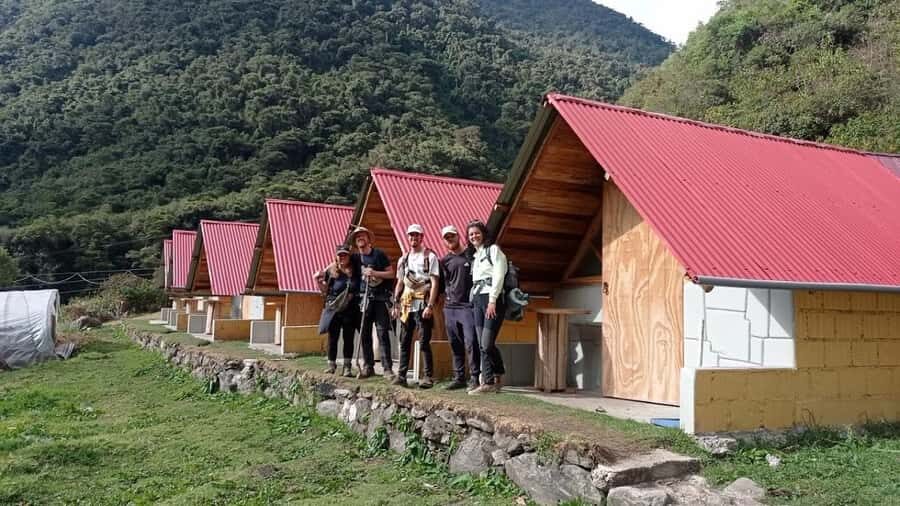
This is a small group trek limited to 15 participants, with an English live guide plus a chef and assistants. That structure is usually a good sign: guides handle pacing and route flow, while the chef team helps keep meals reliable on trekking days.
The best review highlight here was a guide named Eduardo, praised for sharing information about nature, traditions, and the people. That’s the kind of guidance that improves the whole trek. If the guide is strong, you stop feeling like you’re just walking from point A to point B.
At the same time, one negative review described problems: the organization didn’t match the reservation, the traveler felt sick and said there was no backup radio, and they experienced different guides rather than the promised consistency. You don’t have to panic—but you should take it seriously as a reminder to ask your operator how they handle issues mid-trek (illness, emergency communication, and guide continuity). For a premium price, you want clear answers.
Sleeping bags, dining tents, and how “premium” shows up
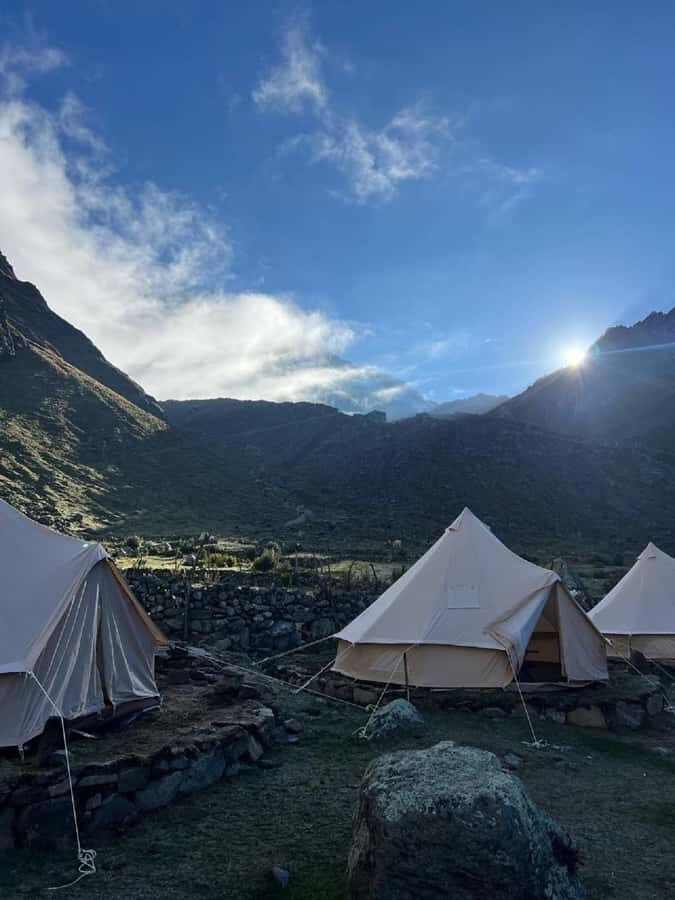
This “Premium” version isn’t just about price—it shows up in the camping comfort details:
- Sleeping bag included
- Spacious dining tent and kitchen
- Vegetarian options available
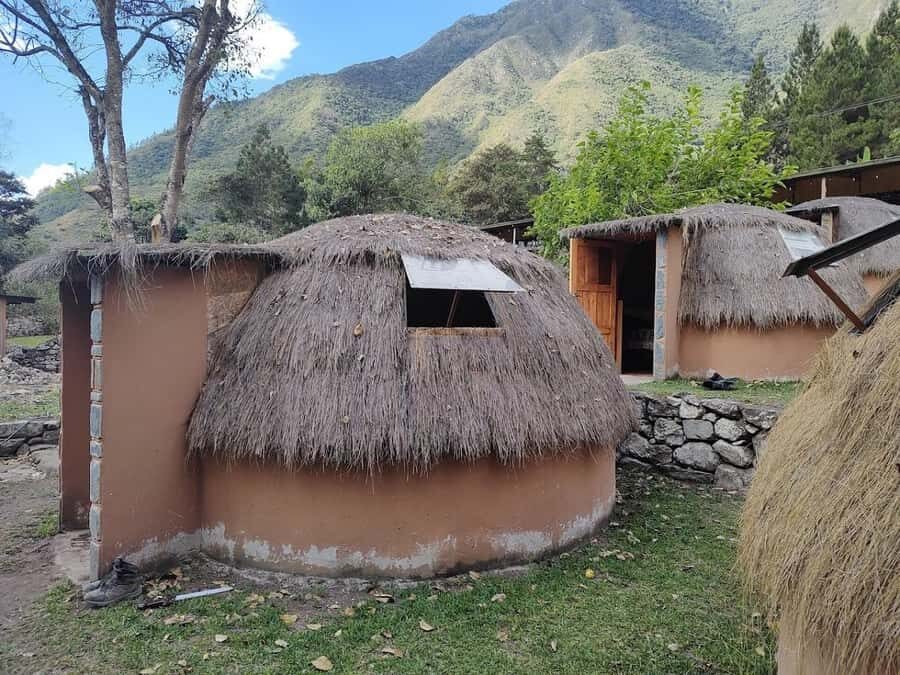
- Three nights campsite plus one night hotel in Aguas Calientes
After long hikes, comfort isn’t luxury. It’s recovery. A provided sleeping bag reduces what you need to carry and helps you avoid the most common trekking mistake: packing something that looks fine in Cusco but fails at night on the route.
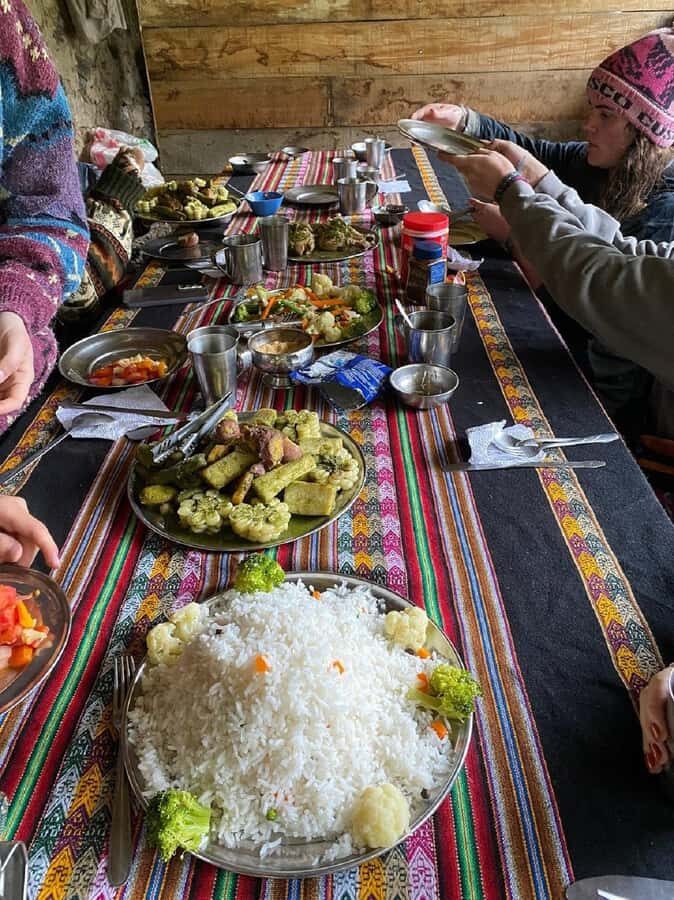
Also, the presence of a kitchen and dining tent matters for morale. You’re less likely to eat cold, wait too long, or feel like the day is chaos. You’ll still be tired, but the trek structure keeps you fed.
Price and value: is $510 actually a deal?
At $510 per person, this trek sits in the “serious but not insane” range for a guided Salkantay experience that lands you at Machu Picchu. The value is strongest when you look at what’s included:
Included:
- Transfers throughout
- Train back from Aguas Calientes to Ollantaytambo
- Ollantaytambo to Cusco transport
- Round-trip bus to Machu Picchu citadel
- Food as mentioned in the itinerary, with vegetarian options
- Entrance tickets (Mollepata–Salkantay route and Machu Picchu)
- 3 nights campsite + 1 night hotel (Aguas Calientes)
- Professional bilingual guide, chef, and assistants
- Sleeping bag
Not included:
- First breakfast and last day lunch and dinner
- Huayna Picchu or Montaña Machu Picchu entrances
- Personal care items
So you’re paying for the big-ticket pieces: transport, ticket access, guided services, and the overnight setup. If you tried to do Machu Picchu logistics yourself while also arranging a 4-night guided trek, you’d likely spend similar money with more risk and more planning work. Still, because one review mentioned organizational problems, I’d treat this as a value pick only if you’re comfortable with the reality of long itineraries and if your expectations are flexible.
What to pack for Salkantay (based on what’s actually required)
The trek gives you a clear packing signal: bring warm layers, closed-toe shoes, and cold-weather gear. Here’s what you should take seriously:
Bring:
- Passport
- Hat
- Comfortable clothes and snow clothing
- Biodegradable sunscreen
- Cash
- Flashlight
- Daypack
- Charged smartphone
- Personal medication
- Closed-toe shoes
- Garbage bag
- Camera
A practical tip: pack so you can layer fast. With morning cold and daytime work, you’ll thank yourself for having your warm items easy to access.
Also pay attention to what’s not allowed:
- Oversize luggage
- Alcohol and drugs
- Open-toed shoes
- Electric wheelchairs
- Crutches
- Nudity
- Baby strollers
If you’re bringing a small bag, keep it controlled. The better your carry system, the less energy you spend wrestling gear on the trail.
Who should go, and who should choose a different plan
The trek is listed as not suitable for:
- Children under 5
- Pregnant women
- People with back problems
- People with mobility impairments
- People with heart problems
- Wheelchair users
- People over 70
That’s not “fine print.” This is a long walking route with camping nights and a moderate-to-challenging level, so it needs a body that can handle consistent movement for multiple days.
It’s also a good match if:
- You want an alternative route to the Inka Trail
- You like the idea of waking up in a camp setting (not a hotel each night)
- You enjoy guided explanation, especially around local traditions and people (a strong guide can make a big difference)
Should you book the Premium Salkantay Trek to Machu Picchu?
Book it if you want a guided Salkantay experience that includes the heavy logistics—tickets, bus to the citadel, train back, and overnight setup—and you’re excited about the camping nights at SalkantayPampa.
Don’t book it if you need a super-structured, zero-surprise operation, or if your travel style can’t handle itinerary friction. One documented review mentioned organization issues, emergency support concerns, and guide changes, plus lost time at Machu Picchu village for ticket handling. That’s rare, but it’s specific enough that I’d plan for it by confirming any Machu Picchu add-ons and making sure you’re clear on what you already have included.
If you’re prepared, this is one of the best ways to earn Machu Picchu—by walking there the hard way, with a small group, real camping, and a guided plan that takes you to the finish without you doing the math alone.
FAQ
How long is the trek and what distance will I hike?
The trek is 5 days / 4 nights with an overall hiking distance of about 64 km (39 miles).
What is the difficulty level?
It’s listed as moderate to challenging.
Does the tour include Machu Picchu entrance and transportation?
Yes. You get an entrance ticket to Machu Picchu and round-trip bus to the citadel.
Are meals included, and is vegetarian food available?
Meals are included as mentioned in the itinerary, and vegetarian options are available.
What return transportation do I get after Machu Picchu?
You’ll take the train back from Aguas Calientes to Ollantaytambo, then transportation from Ollantaytambo to Cusco.
What Machu Picchu options are not included?
Huayna Picchu and Montaña Machu Picchu entrance tickets are not included.
Is the activity refundable if plans change?
No. The activity is listed as non-refundable.