REVIEW · LIMA
From Lima: Discover the Ancient Sites Caral & Bandurria
Book on GetYourGuide →Operated by Inca Trilogy Tours S.A.C · Bookable on GetYourGuide
Caral and Bandurria feel ancient in the best way—real ruins, real explanations. This long day trip from Lima pairs Caral’s sacred city with Bandurria’s fishing-village complex, so you see how early cultures in Peru planned, built, and lived. I especially like that you get an official English-speaking guide, not just a bus and a map.
Two highlights I really value are the small group size (14 max) and the chance to spend time at sites that are both historically major and still hands-on to experience. The main consideration is the schedule: a very early start (6:00 am pickup) and a 15-hour, mostly outdoor day in strong sun.
In This Review
- Key things that make this tour worth your time
- 6:00 am pickup and the long northbound rhythm
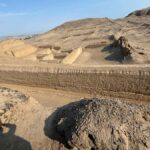
- Caral’s Supe Valley pyramids: what you’re really looking at
- The guide makes or breaks Caral (and you’ll likely get a strong one)
- Lunch break: use that hour, because the afternoon heats up
- Bandurria at the Wetlands of Paradise: a fishing village you can still picture
- The Pacific viewpoint near Albufera Paraíso: closing with a wide view
- Price and logistics: is $300 good value for Caral plus Bandurria?
- Small-group comfort: 14 people means you actually hear things
- What to bring so the day feels easy, not annoying
- Who should book this day trip?
- Should you book From Lima: Discover the Ancient Sites Caral & Bandurria?
- FAQ
- How long is the tour?
- What time do I get picked up in Lima?
- Is the tour guided, and what language is used?
- How big is the group?
- What does the tour include?
- What is not included?
- What should I bring for the day?
Key things that make this tour worth your time
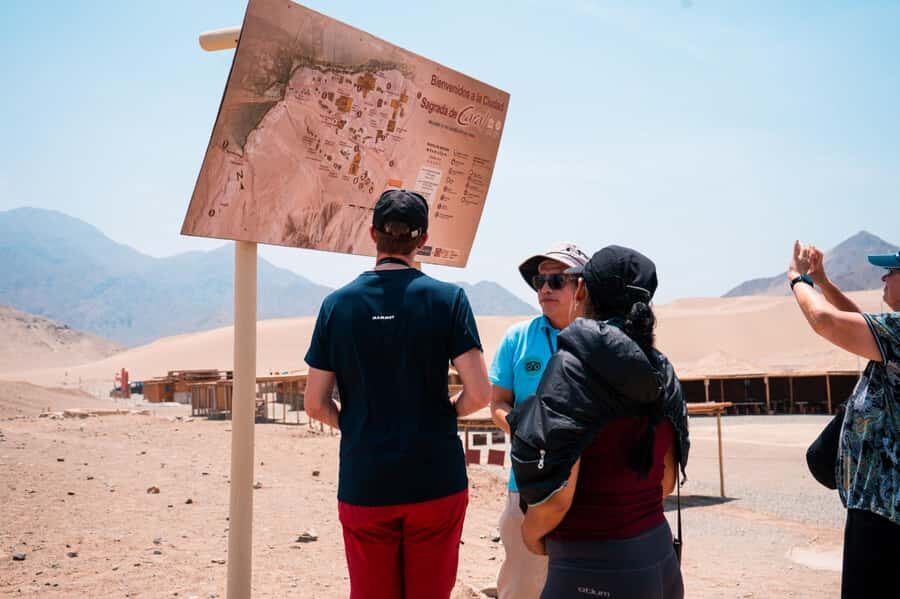
- Caral’s monumental scale: pyramids, temples, and astronomical centers in the Supe Valley
- Clear guided storytelling from an official tourism guide (English)
- Bandurria’s link to Caral: circular areas and other building patterns you’ll recognize
- A focused lunch break with about an hour of free time after the first site
- Pacific Ocean viewpoint near the Wetlands of Paradise and Albufera Paraíso
- Comfort on the road: air-conditioned transport plus hotel pickup and drop-off
6:00 am pickup and the long northbound rhythm
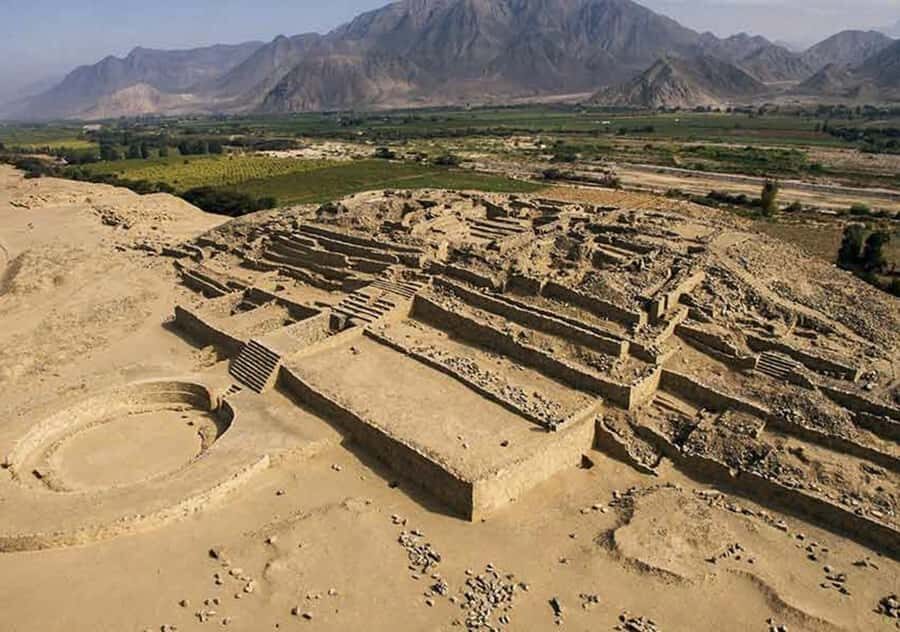
This is not a late-morning “we’ll stroll when we feel like it” tour. You’ll be picked up from main hotels in Lima around 6:00 am, then head north toward the Supe Valley area. The drive takes time, so I like that the itinerary doesn’t waste that time once you reach the ruins.
Because pickup is at the hotel reception and you’re asked to be ready about 10 minutes early, build in a little buffer. Even if everything runs smoothly, you want zero stress while you’re starting your day so early.
The tone of the day is simple: get you to see the sites, keep you moving, and have your guide fill in the big picture while you’re there. It’s a smart format when Caral and Bandurria are both on your wish list but you only have one day.
You can also read our reviews of more tours and experiences in Lima.



Caral’s Supe Valley pyramids: what you’re really looking at
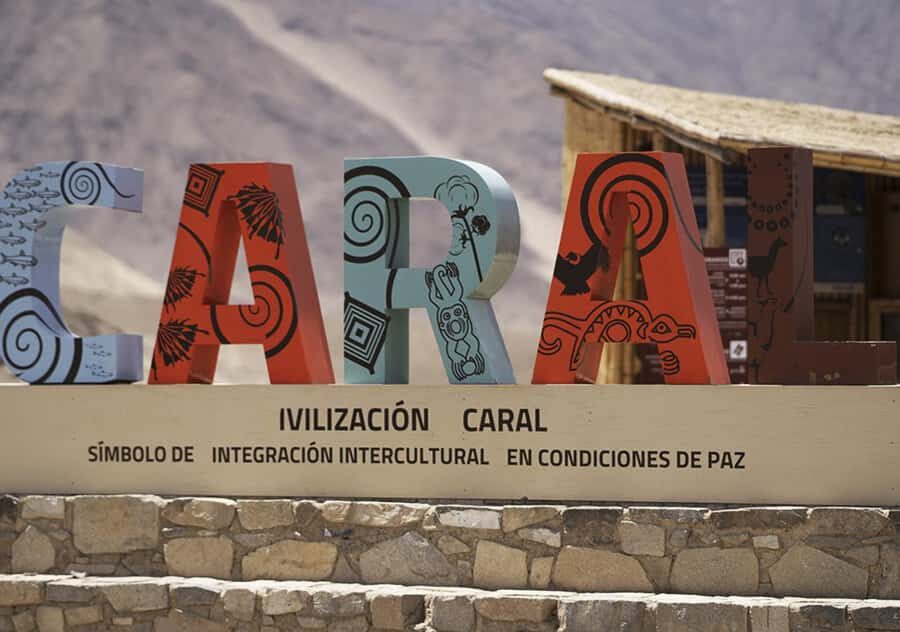
Caral is the star in the morning, and it’s worth understanding what makes it special before you arrive at the ruins.
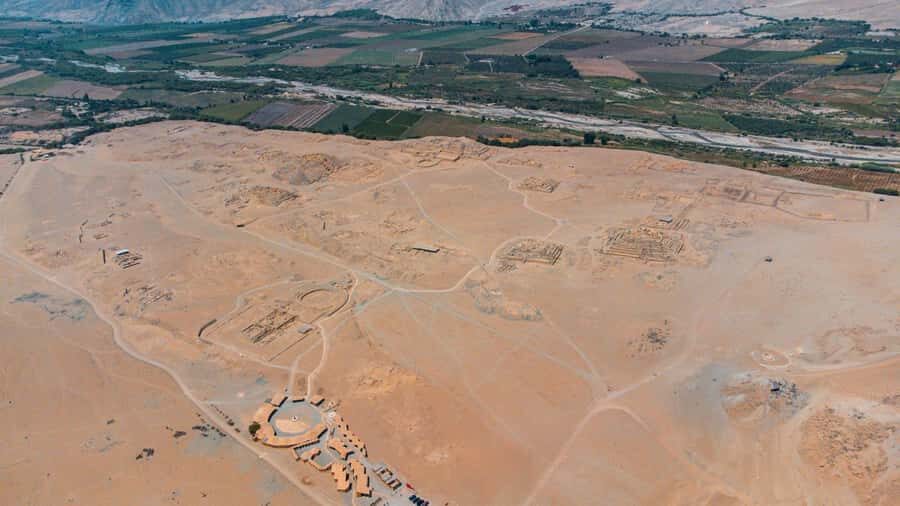
You’ll be visiting the sacred city of Caral in the Supe Valley, often described as a cradle of Andean civilization. The tour explanation frames Caral as one of the oldest major human settlements in the Americas, placed behind Mesopotamia and Egypt in age. That matters because it changes how you see the architecture: these are not “random old stones.” They’re evidence of organization, planning, and shared effort at a very early stage of complex society.
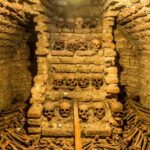
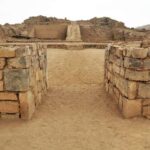
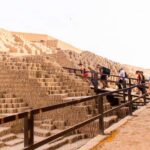
On-site, you’re guided through the main structures, including pyramids, temples, and astronomical centers. Those categories might sound like museum words, but they help you make sense of what you’re seeing:
- Pyramids and temples show ceremonial and social organization.
- Astronomical centers hint that observing the sky wasn’t separate from daily life—it was built into how the city functioned.
I also like that the tour doesn’t treat Caral as a quick photo stop. You’re there long enough for the guide to connect the dots between the site’s layout and the story of its people.
One practical point: this tour runs in the sun, and Caral is outdoors. Wear comfortable clothes and weather-appropriate clothing, bring water, and plan your camera use around bright light so you can actually enjoy the details.
The guide makes or breaks Caral (and you’ll likely get a strong one)
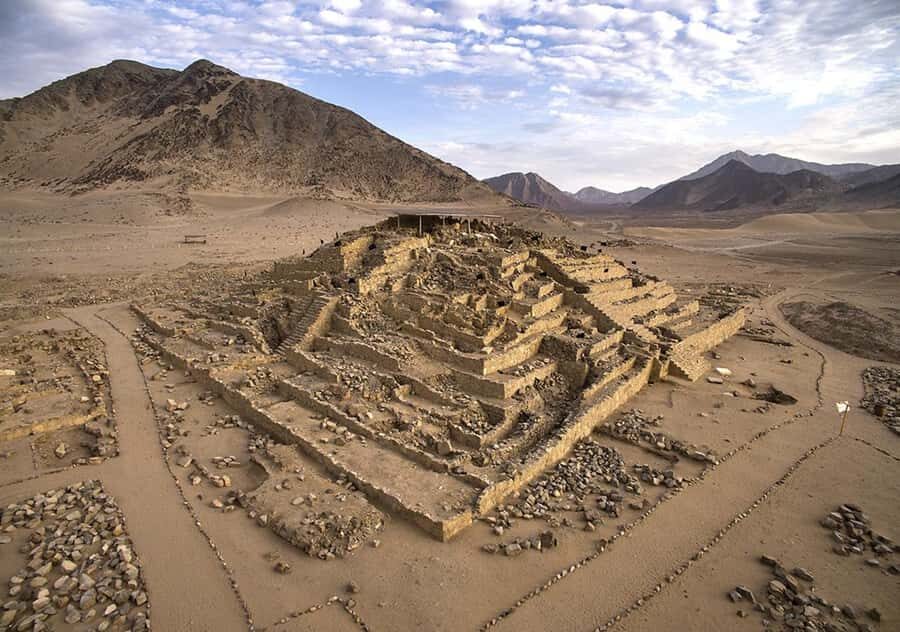
Caral is the kind of place where a guide can turn “old ruins” into real understanding. This tour uses an official tourism guide in English, and the tone from previous guests centers on how clearly guides explain the buildings and the why behind them.
You might meet guides such as Roxanne or Noemí, who were highlighted for making the long day feel worthwhile through detailed explanations and professional, organized direction. You’ll also have a driver who’s described as thoughtful and friendly, which matters when you’re getting up early and riding for hours.
Even if you don’t consider yourself a “history person,” Caral becomes easier to read when someone points out what to look for and how the site is thought to have worked. That’s the value here: you’re paying for time plus interpretation, not just transport.
Lunch break: use that hour, because the afternoon heats up
After the Caral part of the day, you get about one hour of free time for lunch. I like this setup because you can choose what fits your appetite and energy level. With the timeline packed, this hour is your breathing space.
A few practical tips:
- Breakfast isn’t included, so eat beforehand before pickup if you can. Starting at 6:00 am without food is a rough way to begin.
- Lunch is included, but drinks aren’t. Since the tour asks you to bring cash, it’s smart to be ready for any extra drinks or small add-ons you want.
Then, once lunch is handled, you’re headed toward the Wetlands of Paradise area and the next archaeological complex.
Bandurria at the Wetlands of Paradise: a fishing village you can still picture
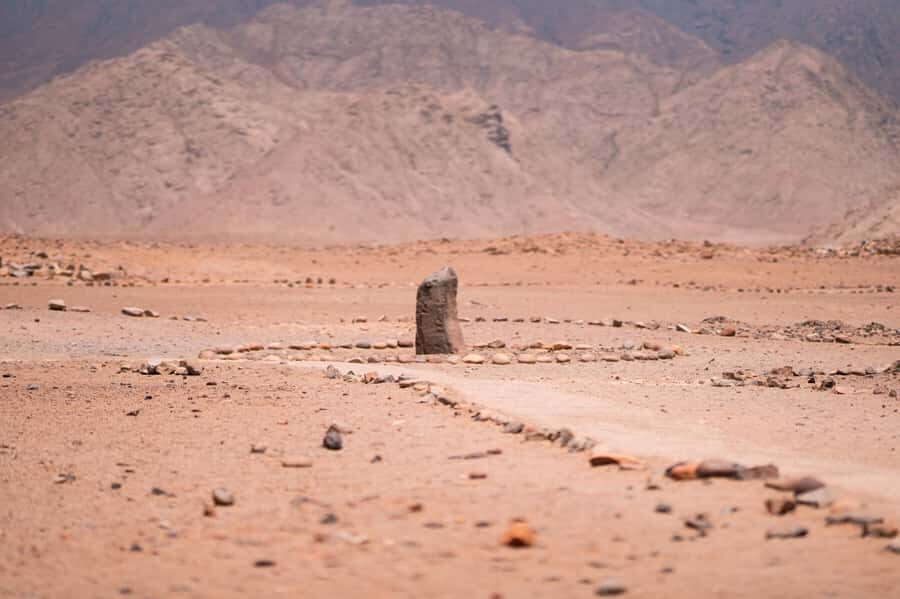
Bandurria is the afternoon payoff, and it’s a different kind of place than Caral. Caral is monumental and ceremonial. Bandurria is tied to daily life—specifically a long-ago fishing village.
The archaeological complex at Bandurria includes pyramids, mounds, and circular areas. Here’s the connection I find most interesting: the tour highlights that some elements, like circular areas, feel similar to patterns seen at Caral. That doesn’t mean they’re identical sites with identical purposes, but it does suggest shared traditions or planning ideas across regions and communities.
As the guide explains Bandurria’s context, you get a sense of how the landscape would have mattered. A fishing village wouldn’t exist without access to food and water systems, and the Wetlands of Paradise setting frames why people settled where they did. Even if you’re not an expert in coastal Peruvian prehistory, the guide’s structure helps you avoid the common mistake of treating each site as a random stop on a map.
Expect your time at Bandurria to feel like a second lesson: fewer “big city” cues than Caral, more clues about work, settlement, and community space.



The Pacific viewpoint near Albufera Paraíso: closing with a wide view
After Bandurria, you’ll head to a natural viewpoint for a panoramic look at the Pacific Ocean plus the Albufera Paraíso. This part is short but useful. It helps your brain re-scale what you just walked through.
Why it matters: early coastal and inland communities were shaped by water access, winds, and movement of resources. A wide viewpoint doesn’t replace interpretation from the guide, but it gives you something physical to connect the story to.
Also, you’ll be there near the end of the day, when fatigue hits. I like that you end with scenery, not paperwork. You get time for photos before the long return trip begins.
Price and logistics: is $300 good value for Caral plus Bandurria?
At $300 per person for about 15 hours, the value depends on what you want to squeeze from one day.
Here’s what your money covers:
- Official tourism guide (English)
- Air-conditioned tourist transport
- Entrance tickets for Caral and Bandurria
- Lunch
What you don’t get:
- Breakfast (so plan to eat before pickup)
- Drinks (cash helps if you want extras)
For me, the best way to judge this price is the combination: two major archaeological stops that can’t be comfortably done on your own in a single day without serious planning, plus the interpretation that makes Caral and Bandurria click. Entrance fees and guided time add up quickly, and transport from Lima is not trivial when you’re starting that early.
If you’re comparing options, focus on whether you’re getting both sites with guided time and tickets. If a cheaper alternative cuts either the guide component or one of the entrances, it may be less of a deal than it looks at first glance.
The other logistic reality is that you’re out for a full day. If your travel style is slow and flexible, you might feel the pressure. If you want one efficient, guided history day, this schedule fits that goal.
Small-group comfort: 14 people means you actually hear things
The tour runs as a small group limited to 14 participants. That matters more than people expect. In big groups, you often hear fragments. With fewer people, you’re more likely to stay connected to what the guide is pointing out and to ask questions.
Hotel pickup also makes the day simpler. You’ll be dropped back at the same location you’re picked up from around 8:00 pm, so you don’t have to think about last-mile planning after a long day.
The guides mentioned by guests—like Roxanne and Noemí—were praised for making explanations detailed and worthwhile. That’s exactly the kind of experience you want from a small group: you’re not just “watching,” you’re learning the site while you’re standing in front of it.
What to bring so the day feels easy, not annoying
The tour is built for comfort and sun exposure, so pack like it’s a hot, outdoor morning through an afternoon with a viewpoint.
Bring:
- Camera
- Water
- Comfortable clothes
- Weather-appropriate clothing
- Cash
- ID card (a copy is accepted)
A small-but-important mindset: assume the sun will be bright, and plan your pace accordingly. The itinerary includes outdoor ruins at both stops, plus a viewpoint at the end.
Also note:
- Opening hours can change, so don’t assume everything will run exactly as scheduled in every season.
- It’s not suitable for people over 95 years.
- Baby carriages aren’t allowed, so if you’re traveling with a child, plan accordingly.
Who should book this day trip?
This tour fits best if you:
- Want two major archaeological complexes in one day without heavy planning
- Like having an English-speaking official guide explain what you’re seeing
- Prefer a small-group experience over big coach crowds
- Don’t mind an early start and a full day outdoors
It might be less ideal if you:
- Get wiped out by long drives and long days in the sun
- Need a slow, unstructured schedule with lots of extra downtime
Should you book From Lima: Discover the Ancient Sites Caral & Bandurria?
Yes, if your priority is a single guided day that connects Caral’s sacred city and Bandurria’s fishing-village ruins, and you want help understanding what you’re looking at. The best part of this tour is the pairing: monumental early architecture in the morning, a different side of ancient life in the afternoon, and a Pacific viewpoint to end with perspective.
If you hate early starts, don’t handle sun well, or you’re traveling with accessibility needs beyond what’s listed, then you’ll likely feel the pressure of the schedule. But for most visitors, this is a strong way to make the most of limited time in Lima.
In short: if you want one day that actually teaches you while you explore, this is the kind of trip that earns its cost.
FAQ
How long is the tour?
The tour duration is 15 hours.
What time do I get picked up in Lima?
Pickup from main hotels begins around 6:00 am, and you’re dropped back around 8:00 pm.
Is the tour guided, and what language is used?
Yes. The tour includes a live official tourism guide in English.
How big is the group?
It’s a small group, limited to 14 participants.
What does the tour include?
Included are lunch, entrance tickets to Caral and Bandurria, an official tourism guide, and air-conditioned transport.
What is not included?
Breakfast and drinks aren’t included.
What should I bring for the day?
Bring camera, water, comfortable clothes, cash, weather-appropriate clothing, and an ID card (a copy is accepted).