REVIEW · LIMA
Lima: Barranco and Temple of Pachacamac Half Day Tour
Book on GetYourGuide →Operated by Tangol · Bookable on GetYourGuide
A half day, two very different worlds. Barranco brings street art, cafés, and coastal history into view, then Pachacamac lands you in one of Peru’s most important pilgrimage zones. You get a guided walk through Barranco’s highlights (Main Square and the famous Bajada de Baños route), plus an archaeological visit with a museum stop and plenty of time to look around. I love the mix of city texture and real archaeology, and I like that the tour is paced so you’re not stuck for hours on a bus.
One thing to factor in: the whole experience depends on pickup running smoothly. If your pickup time or name on the list gets messed up, you can lose the tour window fast, so plan for a little extra buffer and confirm details before morning.
In This Review
- Barranco’s bohemian route: art, architecture, and the Bridge of Sighs
- Pickup and van timing from Miraflores or San Isidro
- Guided Barranco stop: what to focus on during the 45 minutes
- Pachacamac sanctuary: why this site matters (and how to read it)
- Entrance + site museum: you’ll get your bearings fast
- The Temple of the Sun and the Moon: sea orientation and red adobe details
- What the $58 price gets you (and what it doesn’t)
- Practical packing and comfort: the walk is real
- Who this tour suits (and who should skip it)
- Should you book this Lima Barranco and Pachacamac half-day tour?
- FAQ
- How long is the Lima Barranco and Pachacamac tour?
- What does the $58 per person price include?
- Where are the pickup and drop-off locations?
- What are the pickup times?
- Do I need to buy tickets or pay entrance fees separately?
- Are meals included?
- What languages are offered for the guide?
- What should I bring?
- Is the tour easy for everyone to walk on?
- Are small children allowed?
Barranco’s bohemian route: art, architecture, and the Bridge of Sighs
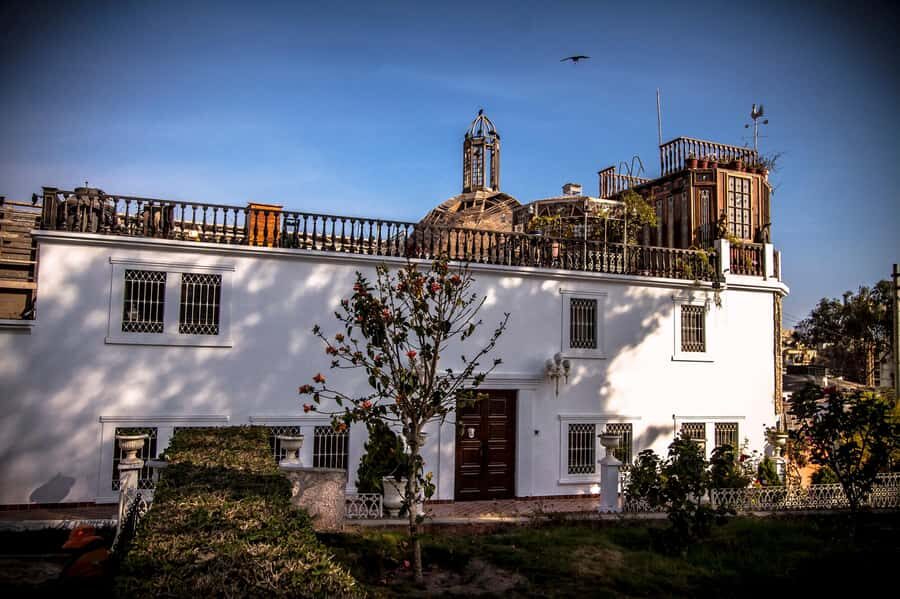
Barranco is Lima’s creative cousin. In the early hours it can feel calm, but you’re already surrounded by the ingredients that make it memorable: galleries, coffee spots, and street art. On this tour, the Barranco stop is guided, so you’re not just wandering—you’re getting the “what am I looking at?” context.
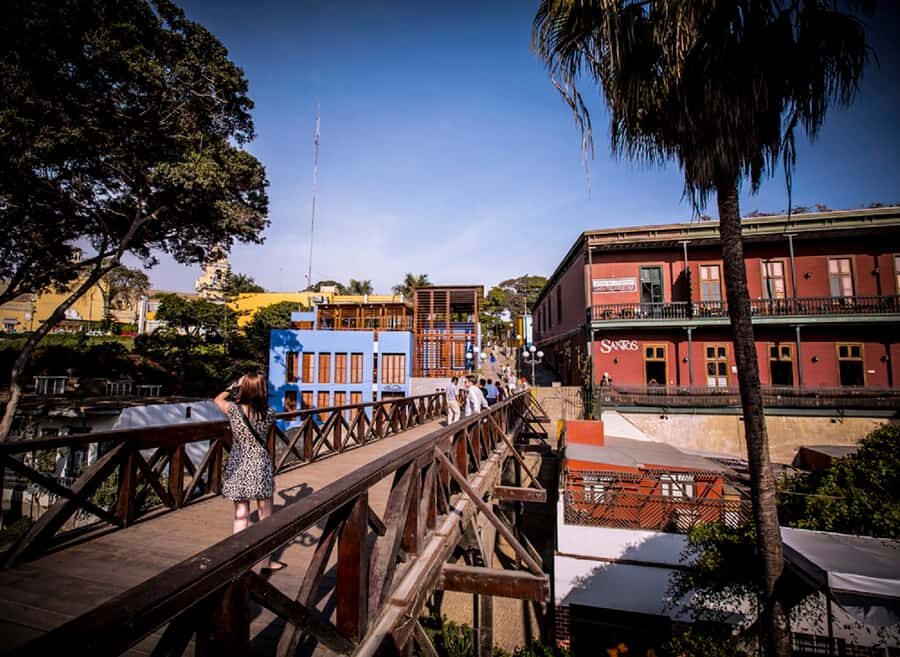
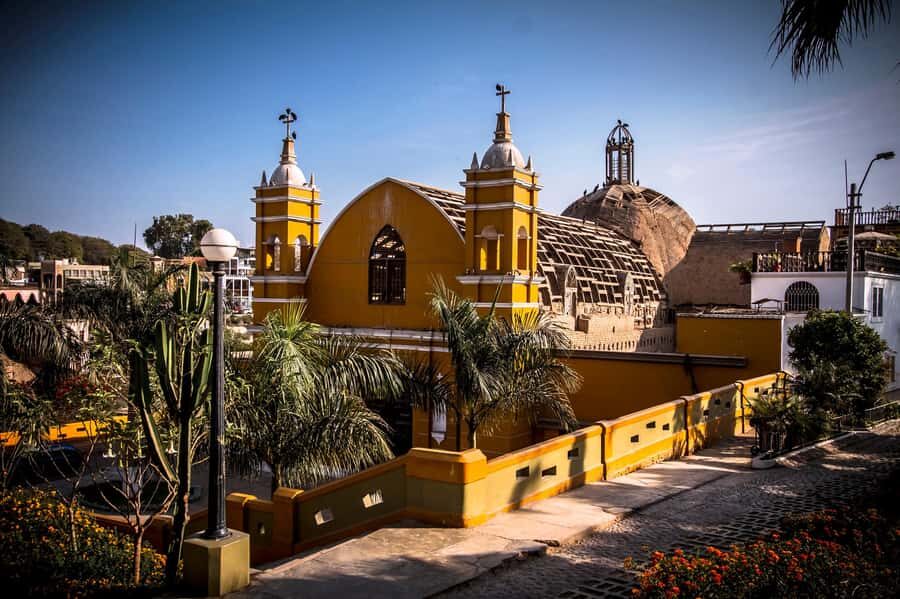
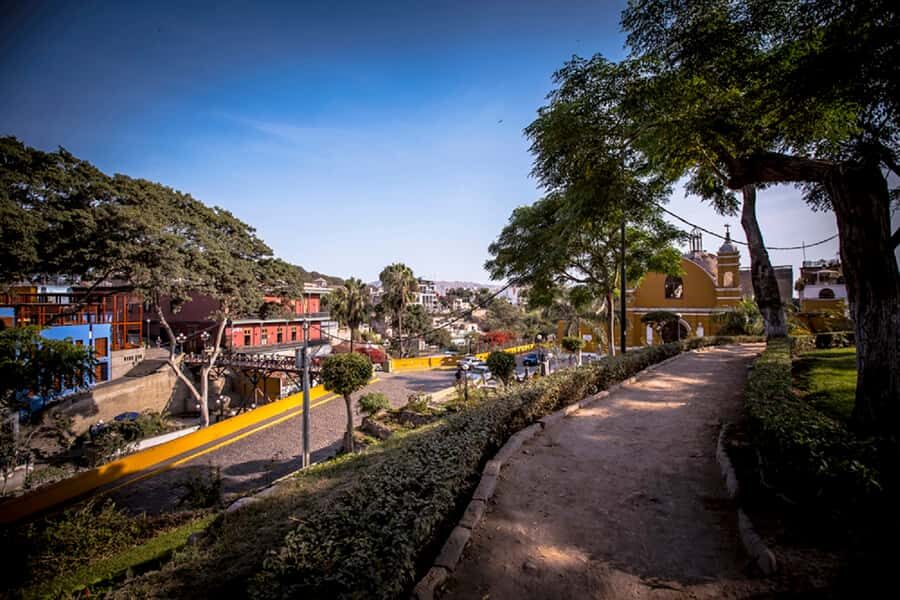
You’ll also get a quick hit of Barranco’s older Lima identity. The tour includes the Main Square and the pathway called Bajada de Baños, a stone road that leads down toward the beaches. It’s a small detail, but it matters: you get a real sense of how people historically moved between hillside neighborhoods and the coast.
Then there’s the Bridge of Sighs. It’s one of those landmarks that carries a story, not just a photo. During the Pacific War in 1881, the Chilean army occupied the area and looted and destroyed much of it—including the bridge. The bridge has been restored multiple times, which is why you’ll still recognize it today even though the original moment was so broken.
This is one of my favorite parts of the experience because you’re learning how a neighborhood got shaped by both culture and conflict. You’ll leave with more than just images—you’ll understand why Barranco looks the way it does.
Pickup and van timing from Miraflores or San Isidro
This tour runs a tight four-hour window, so logistics matter. Pickup is included from centrally located hotels in Miraflores or San Isidro, with pickup times between 8:30 am and 9:15 am. The ride then connects you to Barranco first, and later pushes you out to Pachacamac.
The itinerary flow is straightforward:
- Van transfer early (around twenty minutes)
- Guided Barranco visit
- Van transfer to Pachacamac (about seventy minutes)
- Guided archaeological visit plus sightseeing
- Return to your selected drop-off areas
What you should know: when a tour is this schedule-tight, small delays can become big problems. Also, this is a real-world situation where pickup communications matter. I’d treat the morning like a mission: be ready in the lobby early, and message (or re-confirm) the day before so there’s no mix-up about pickup time or your name on the list. Some people have had experiences where the van left without them or pickup details didn’t match what they were expecting—once the bus is gone, you can’t “catch up” later.
If you’re the type who hates waiting around, you’ll still appreciate the included transport and the fact that it ends back at your hotel area.
You can also read our reviews of more tours and experiences in Lima.



Guided Barranco stop: what to focus on during the 45 minutes
Your Barranco time is guided (about forty-five minutes). That’s a good length. Long enough to see the big sights, short enough that you don’t end up dragging your feet when you’re already thinking about Pachacamac.
Here’s what to pay attention to while your guide moves you along:
- Main Square energy: this is where public life and historic Lima signals meet.
- Bajada de Baños stone road: notice the way the road leads you toward the sea. It helps the neighborhood story click.
- Republican-era architecture: you’ll see examples of that Lima style that shows up in restored buildings and older facades.
You’ll also get panoramic views of the Bohemian district. Even if your camera roll is already full from Lima, this is one of those moments where the city “clicks” into place—Barranco isn’t just pretty, it’s a view and a point of view.
Small practical tip: wear comfortable shoes. Barranco’s streets and viewpoints are doable, but you’ll be walking on uneven sidewalks and ramps at a relaxed city pace.
Pachacamac sanctuary: why this site matters (and how to read it)
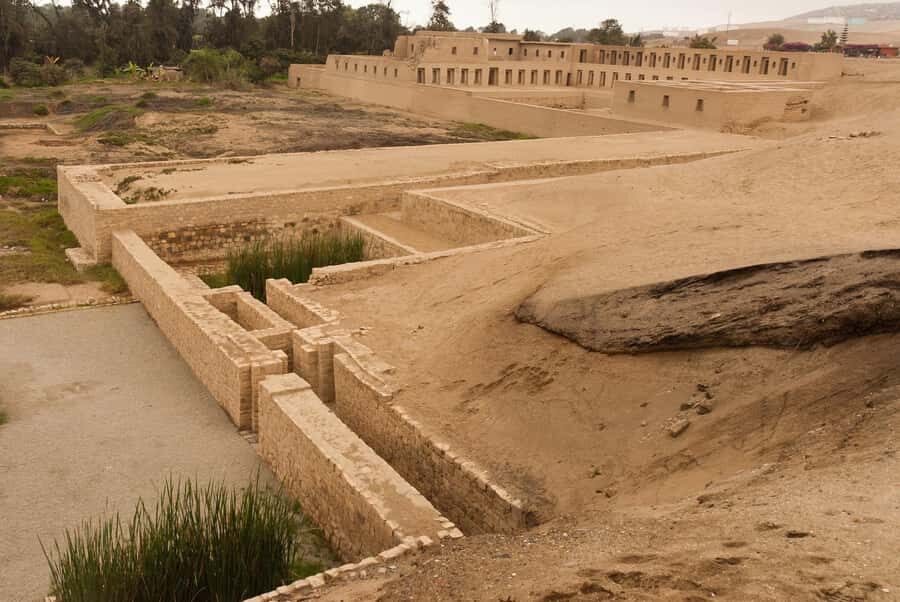
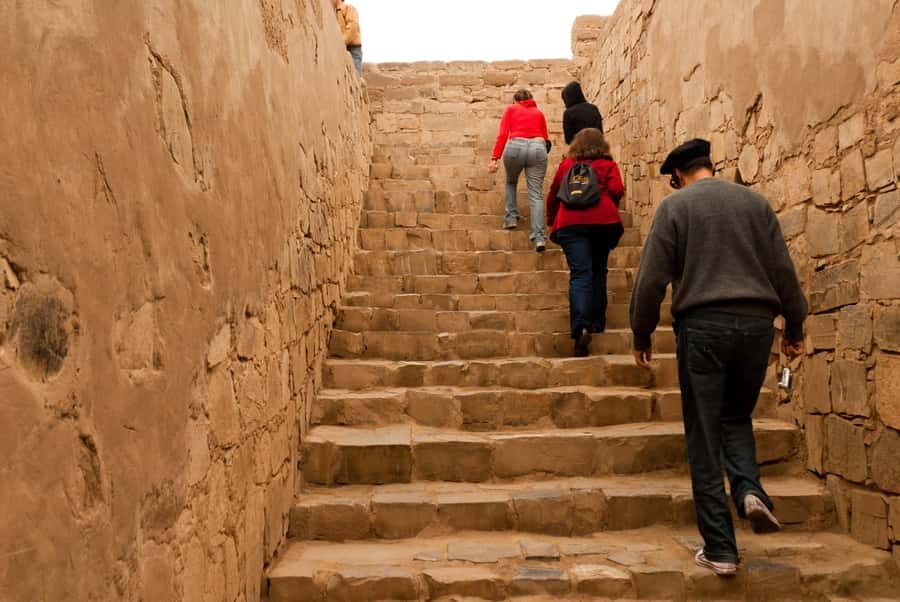
Once you head out of Lima, the mood changes. The archaeological sanctuary of Pachacamac sits about nineteen miles southeast of Lima, with views toward the sea and the Lurin River valley. This setting isn’t just scenic—it helps explain why the place became a pilgrimage zone.
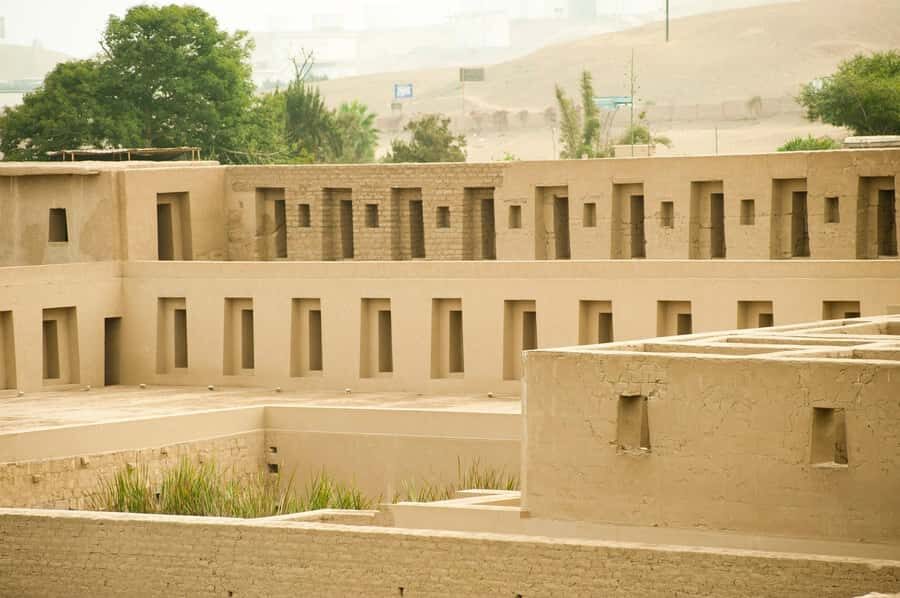
Pachacamac was built in adobe and used by multiple pre-Columbian cultures. The tour frames it clearly: the earliest civilizations linked to the area date back to around 5000 B.C. Then, when the Incas arrived at the coast of Lima around 1470, the complex was adapted rather than erased. The Incas respected and built on existing structures, turning Pachacamac into an administrative center.
That “layering” is what makes Pachacamac special for a short visit. In a few hours you can see how one sacred site kept its importance while shifting roles across empires.
The sanctuary has three main types of zones:
- Administrative sector: including the Acllahuasi, the Palace of Tauri Chumpi, and the Pilgrimage Plaza.
- Religious centers: with temples such as the Sun and Moon.
- Domestic zone: the living and support areas.
Your guide will help you spot the logic behind the layout. Even if you’re not an archaeology person, it’s easier when someone tells you what a sector is for before you start wandering.
Entrance + site museum: you’ll get your bearings fast
You’ll visit with a guided tour and sightseeing time, plus a stop at the Site Museum of Pachacamac. The museum part matters more than you might think. With ruins, it’s easy to feel like you’re staring at walls with no story. The museum helps you connect the buildings to what people believed and how the site functioned.
If you want a balanced experience—some walking, some learning, some time to look—this structure works.
The Temple of the Sun and the Moon: sea orientation and red adobe details
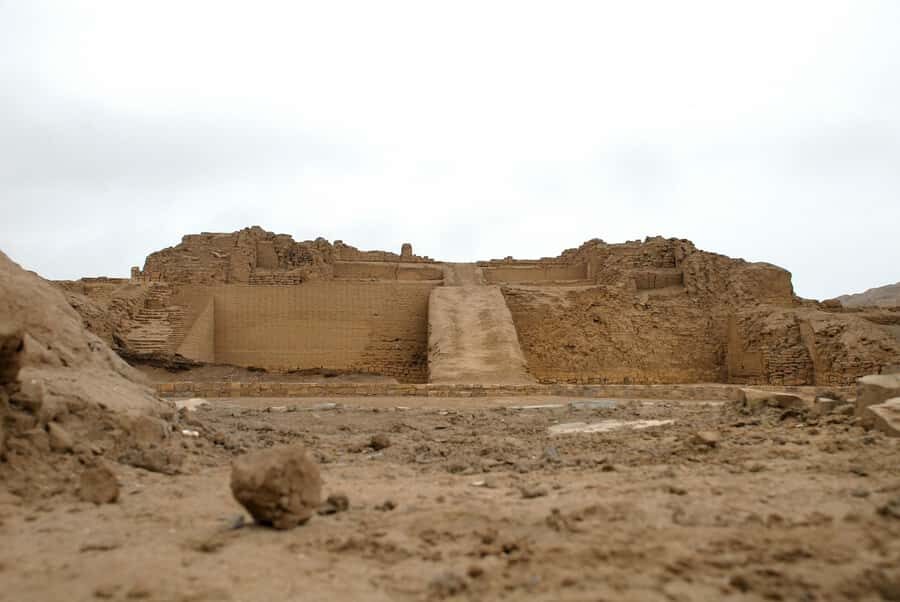
The star of the show here is the Temple of the Sun and the companion temple complex tied to the Sun and Moon theme. The tour describes the Sun temple as the highest part of the complex, oriented toward the sea. That direction matters. You’re not just looking at structures; you’re seeing how the site was positioned to match horizon and ocean views.
Construction details in the tour description are specific:
- The Incas built the Temple of the Sun when they reached the coast of Lima (around 1470).
- It was built with red-colored adobe.
- It’s described as the biggest temple of the Peruvian coast.
When you’re there, try this approach: don’t rush to “the biggest wall.” Look around and ask yourself what the builders likely wanted worshippers to feel—height, visibility, and sea-facing alignment all signal power and ceremony.
Even in a half-day format, this is the moment when your eyes slow down. You’ll likely spend time moving from vantage point to vantage point, checking sightlines back toward the sea and down into the broader sanctuary area.



What the $58 price gets you (and what it doesn’t)
At $58 per person, the value depends on how you like to travel.
You’re paying for:
- Transport from centrally located hotels (Miraflores/San Isidro)
- A guide in English/Spanish
- Entrance to the Pachacamac complex/temple
- An audio guide service
- A bottle of water per passenger
Not included:
- Meals
For many visitors, this price is fair because Pachacamac is far enough out that DIY planning can eat time and energy. You’ll still do the walking, but you avoid the “what bus do I take and when?” problem. The included audio guide also helps when your guide is moving quickly or when you want a second explanation after the group moves on.
The main cost risk is simple: if you get unlucky with pickup delays, you can lose a chunk of a four-hour schedule. That’s not a pricing issue—it’s a timing reliability issue—so treat pickup confirmation as part of your budget.
Practical packing and comfort: the walk is real
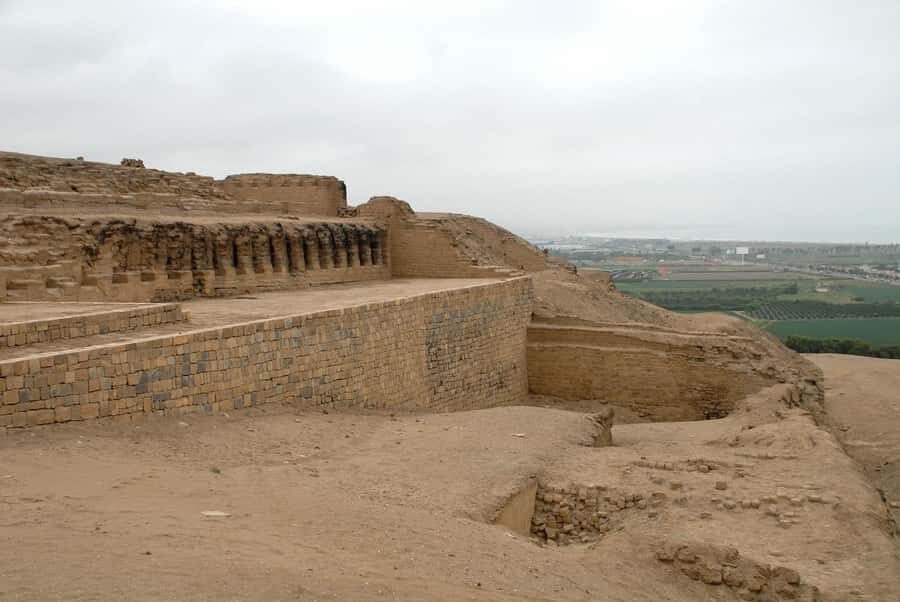
Even though this is a half-day tour, it includes uneven ground. The tour says you must be able to walk in unpaved or uneven terrain. That means your “city shoes” might feel okay at first, then get annoying on the archaeology side.
Bring:
- Passport
- Sunscreen
- Comfortable clothes
- Windbreaker
- Hat
Why the windbreaker? Coastal Lima weather can shift. Even if it’s sunny earlier, you can feel cooler air while standing at ruins with sea views. A hat helps protect you while you’re looking upward and sideways for details.
Also, remember the tour ends back at your hotel areas, so you’ll likely want to do a quick reset after the site—pack light and plan for changing conditions.
Who this tour suits (and who should skip it)
This is a great fit if you want:
- A tight schedule that still covers both city flavor and major archaeology
- Guided explanations (especially around how Pachacamac changed under different cultures)
- Sea-view moments without committing to a full-day excursion
You might want to choose something else if:
- You hate strict timing and worry easily about missing pickups
- You want long, unstructured time in one place (this is guided and time-boxed)
It’s also a sensible option for first-time visitors to Lima who want a high-impact introduction. If you’re already comfortable with Lima’s neighborhood layout, you’ll still enjoy Barranco. If you’re here mainly for ancient Peru, Pachacamac will deliver the goods within a manageable travel block.
Should you book this Lima Barranco and Pachacamac half-day tour?
I’d book it if you’re excited by the idea of pairing Barranco’s historic coastal neighborhood with Pachacamac’s adobe sanctuary—and you’re okay with a four-hour format that moves at a healthy pace.
Before you go, do two things:
- Confirm your pickup details clearly (time and location) and make sure your name matches the list.
- Plan to be ready early in the lobby, since delays can turn into missed tours in a schedule this tight.
If you want the best chance of a smooth experience, you’re basically buying two benefits: easy transport and guided interpretation. When those click, it’s a smart-value way to see a Lima neighborhood with personality, then switch gears to one of Peru’s most meaningful sacred sites with sea-view power.
FAQ
How long is the Lima Barranco and Pachacamac tour?
The tour lasts about 4 hours.
What does the $58 per person price include?
It includes transport from centrally located hotels, a guide in English and Spanish, entrance to the Temple of Pachacamac, an audio guide service, and one bottle of water per passenger.
Where are the pickup and drop-off locations?
Pickup is available from centrally located hotels in Miraflores or San Isidro. The tour ends with return to the selected drop-off location in San Isidro or Miraflores.
What are the pickup times?
Pickup starts between 8:30 am and 9:15 am.
Do I need to buy tickets or pay entrance fees separately?
No. Entrance to the Temple of Pachacamac is included.
Are meals included?
No. Meals are not included.
What languages are offered for the guide?
The live guide is available in English and Spanish.
What should I bring?
Bring your passport, sunscreen, comfortable clothes, a windbreaker, and a hat.
Is the tour easy for everyone to walk on?
You must be able to walk in unpaved or uneven terrain.
Are small children allowed?
Children 2 and younger are complimentary if they sit on a parent’s lap.