REVIEW · AREQUIPA
Congata Rover,3 hours bike ride tour in arequipa
Book on GetYourGuide →Operated by Ventura travel EIRL · Bookable on GetYourGuide
Arequipa turns into a ride, not a checklist. I love the off-main tourist trails and keeping it simple with a no-transport start from Arequipa. The main catch: this is a 3-hour, 30 km loop with some uphill work, so low-fitness riders may find it tough.
You choose either an 8 am or 1 pm departure on daily rides, and the experience runs even with a small group, starting with one person. The tour is capped at 5 participants, meets near the main square (Beaterio 109 or Beaterio), and is guided in English, with Raul noted as an especially good conversational guide who explains daily life around Arequipa.
In This Review
- Congata Rover in one glance: what you’re really buying
- Key highlights that make this tour worth your time
- Getting set up: where the ride starts near Arequipa’s center
- The first big decision: how hard do you want it?
- What the 30 km loop feels like in the real world
- Off the main trails: what you see beyond the postcards
- Gear that reduces stress: bikes, brakes, helmet, gloves
- Start biking ready: why the setup matters more than you’d think
- Small-group pace: what it means for your comfort
- What to pack: the practical stuff they don’t include
- Price and value: is $40 fair for what you get?
- Who should book this tour, and who should skip it
- Your best strategy to enjoy the full 3 hours
- Should you book Congata Rover?
- FAQ
- How long is the Congata Rover bike ride tour in Arequipa?
- What time do departures run?
- Is there a transport included to start the ride?
- How far will I ride?
- What difficulty level should I expect?
- Are water and return transportation included?
- Where do I meet the guide, and where do I finish?
Congata Rover in one glance: what you’re really buying
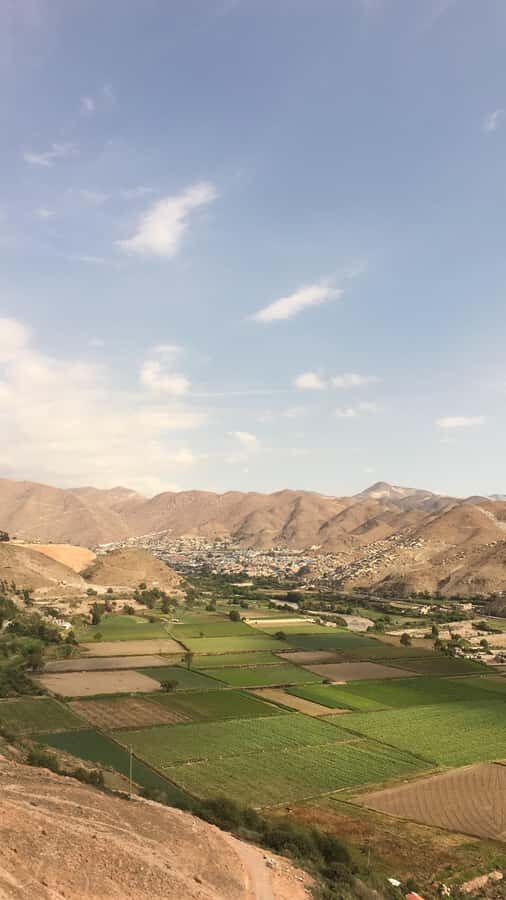
If you’re tired of looking at Arequipa from the same viewpoints as everyone else, this bike tour trades monuments for movement. It’s a practical half-day plan: you pedal out from the city, spend the ride in quieter neighborhoods and countryside, then bike back along another way to keep things from feeling repetitive.
The value is in the full package for $40: an English-speaking guide, a bike that’s set up well (including synchronized brakes), plus gloves and a helmet. On top of that, you don’t need a separate vehicle to get going, which makes the morning or afternoon feel efficient instead of logistically annoying.
That said, the “gentle downhill” parts are not the whole story. There are small ups and downs throughout, and the ride can feel challenging toward the end if you’re not used to cycling.
Key highlights that make this tour worth your time
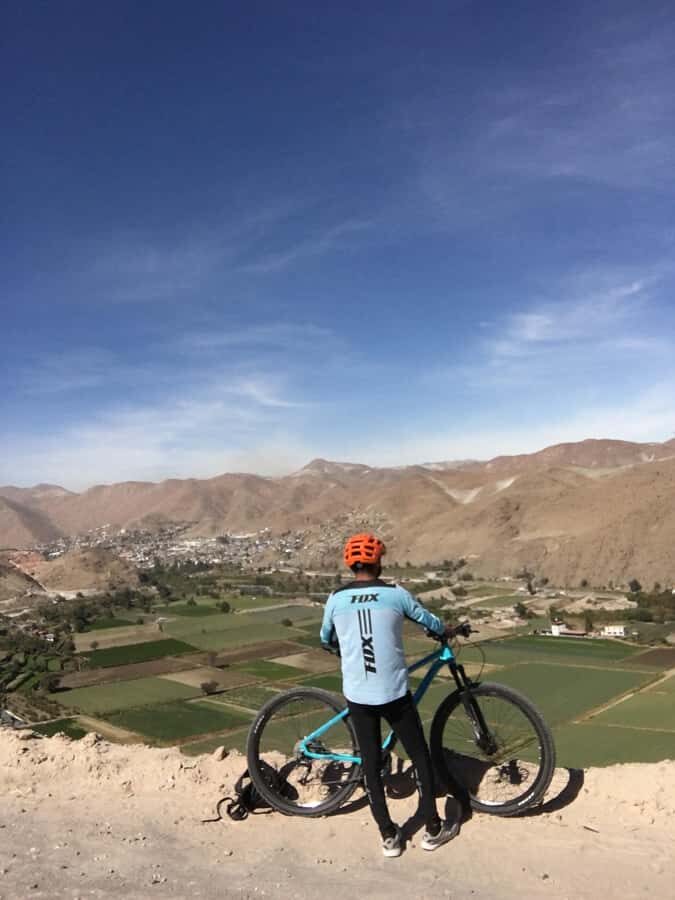
- 30 km out-and-back riding with a return route that’s different, so you don’t just repeat the same streets
- English-speaking guide who helps you read what you’re seeing outside the main sights
- Start from the city (no transport needed at pickup) with bikes ready to go
- Small group size limited to 5 participants for a more personal pace
- Easy roads with optional off-road for riders who want more challenge
You can also read our reviews of more cycling tours in Arequipa
Getting set up: where the ride starts near Arequipa’s center
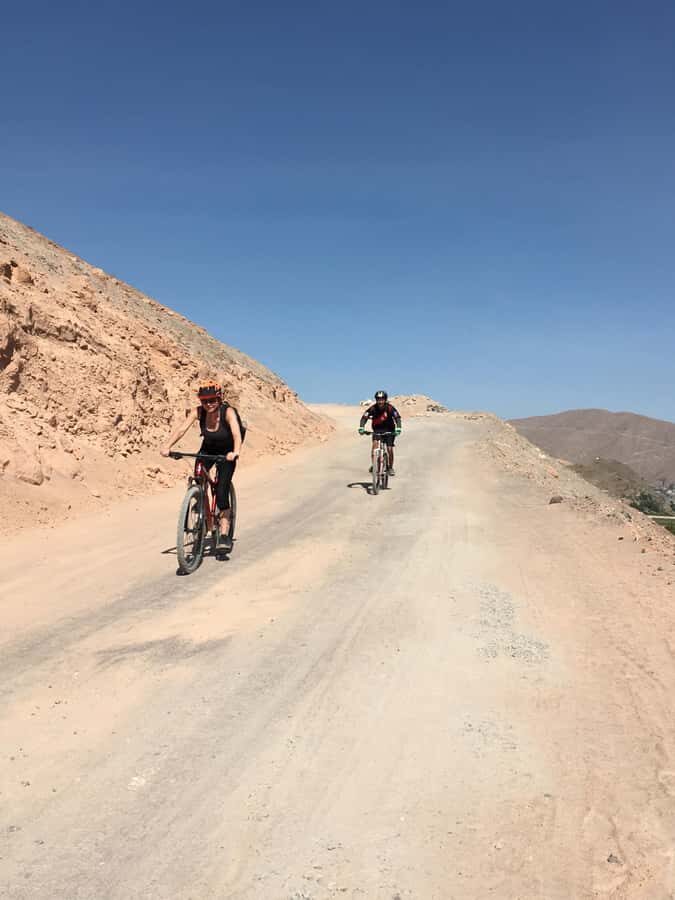
The meeting points are in the Beaterio area: either Beaterio 109 or Beaterio, and the exact meeting point can vary depending on what you book. In real life, that means you’re not trekking across town for a pickup. You’re starting close to the area most people use as their base, which helps if you plan to explore before or after your ride.
The tour is designed so you begin pedaling as part of the experience. You are not relying on a vehicle to carry the bikes to the countryside first. That’s a big deal for two reasons:
- you keep your time on the bike (not stuck loading and waiting), and
- you ease into the route from Arequipa itself, rather than arriving already tired from transport.
Time-wise, you get two daily options: 8 am and 1 pm. The afternoon slot can be great if you want to sleep in or do a morning activity. Just remember that you’ll still be out for three hours, so it’s not a “quick spin.”
The first big decision: how hard do you want it?
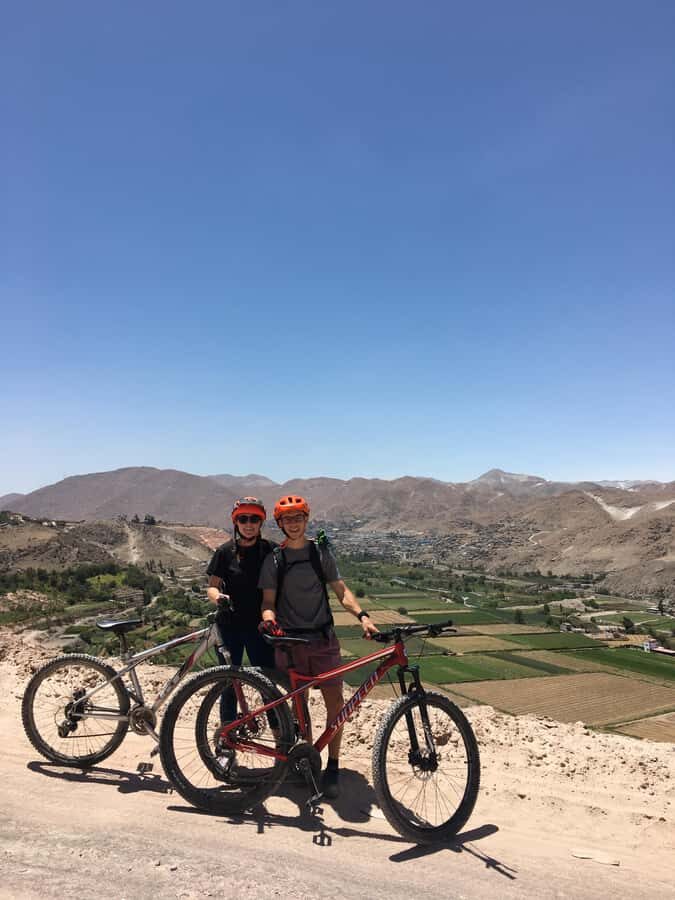
This ride is built around easy-going countryside roads with jaw-dropping views and lighter traffic. The tone is calm and friendly at the start, with mostly downhill feeling sections, plus the kind of small uphill-and-downhill rhythm that shows up when you ride around hilly terrain.
But here’s the realistic expectation: the tour is not just flat and effortless. The route includes small climbs, and one of the strongest pieces of feedback is that it can be genuinely demanding near the end if you’re not in good cycling shape. One rider specifically noted the tour as quite challenging and recommended good physical condition.
Good news: you have options. If you want it harder, the guide can take you off-road and onto sections described as easy-to-difficult. So instead of forcing every rider into the same level, the tour can flex to your comfort.
My practical advice: choose based on what you can comfortably handle for 30 km, not just on how you feel on day one. If you’re unsure, treat this as a workout ride with scenic rewards.
What the 30 km loop feels like in the real world
You’ll ride a total distance of 30 km, and it’s an out-and-back style route where the return isn’t identical. That matters more than you might think. Repeating the exact same path can turn scenic roads into a slog. A different way back keeps your eyes open and your legs motivated.
Because the cycling is described as gentle downhill roads with little traffic, you’ll likely spend a good portion of the ride coasting and spinning rather than grinding at maximum effort. Still, the tour includes small ups and downs, which is why low-fitness riders can struggle even when the downhill sections feel friendly.
One more detail that’s easy to miss: your guides mention you should have the physique to reach the destination and goals. That language is basically telling you the ride has a rhythm and a target, not just a casual “stop whenever” vibe.
If you want to enjoy it, plan like this:
- go into the ride with enough energy for small climbs,
- keep a steady pace instead of sprinting the downhill parts, and
- don’t gamble everything on the first hour.
Off the main trails: what you see beyond the postcards
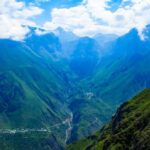
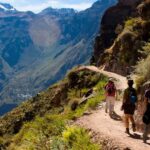
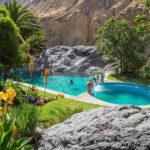
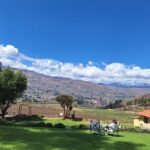
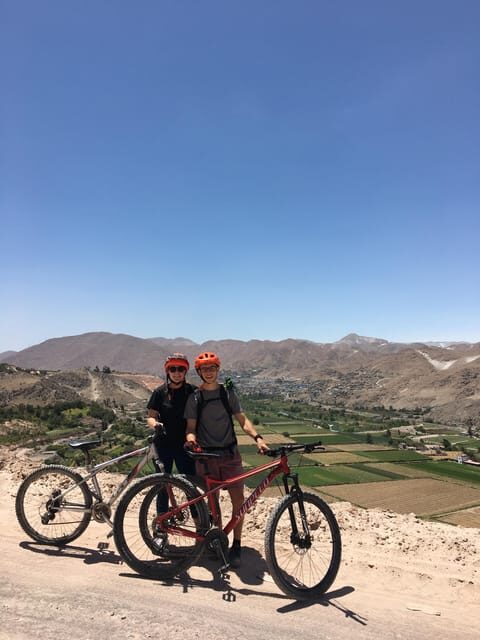
The main appeal is that this tour takes you off the main tourist trails, into Arequipa’s countryside backyard. That’s not marketing fluff. When you’re biking through quieter routes, you notice day-to-day things you’d usually miss from a bus window: how people move around their neighborhoods, how agriculture appears in the edges of the route, and how industries show up in the working life outside the center.
Guides also play a key role here. Raul, mentioned by name in feedback, is highlighted for the way he explains what you’re seeing and for sharing context about people, agriculture, mining, and industry around Arequipa. Even if you don’t speak Spanish, those explanations can help you connect the scenery to real local work.
This is a tour type that feels more like understanding the place through motion than just taking pictures. You’ll still get the photo moments, but your brain will stay engaged because the ride is actively threading you through the area.
Gear that reduces stress: bikes, brakes, helmet, gloves
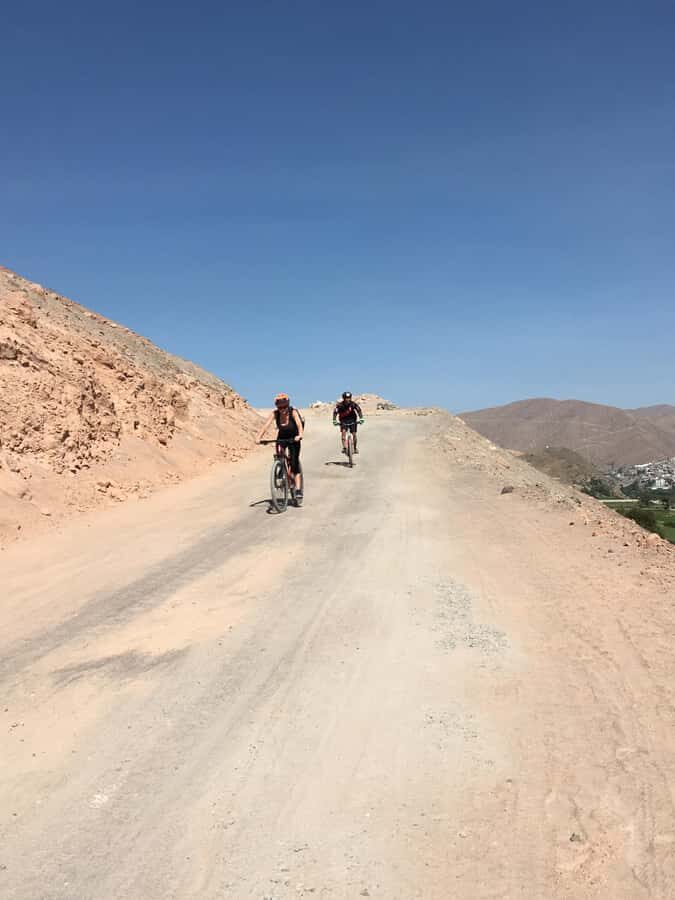
One of the most comforting parts is that the bikes are described as in very good condition, with synchronized brakes. That’s the kind of boring detail that becomes huge when you’re riding on roads with mixed conditions. Good brakes help you stay calm on downhill sections.
You also get gloves and a helmet. That doesn’t just add safety; it makes the ride more comfortable. Longer-than-expected sun exposure and road vibration can make your hands and head feel off if you’re unprepared.
The tour doesn’t require you to bring your own biking kit based on what’s included. If you already own a helmet, you can still bring it, but you shouldn’t need to plan around it.
Start biking ready: why the setup matters more than you’d think
Many half-day tours waste time in a vehicle shuffle. This one is different because you don’t need transport at startup. You’re meeting near the main square area, then you go.
That approach improves your trip in two ways:
- You lose less prime energy time.
- You get to begin with momentum, which helps with pacing on a ride with small climbs.
It also makes the tour easier to stack with your other plans. If you’re sightseeing in Arequipa, you don’t have to build a half day around an awkward pickup window. You can go back to town for lunch or more exploring after you finish.
Small-group pace: what it means for your comfort
The group is small, with a limit of 5 participants. There’s also a minimum of one person, which means the tour can run even if you’re traveling solo. That’s a big plus if you don’t want to wait for a large group to assemble.
With small groups, you typically get:
- clearer guidance on pace and route,
- better chances to ask questions, and
- more control over how quickly you feel the ride is moving.
This matters because the tour has an athletic component. When the group is small, you’re less likely to get pushed forward by a crowd that wants to ride faster than you can manage.
What to pack: the practical stuff they don’t include
Water is not included, so you’ll want to plan for it yourself. This is especially important on half-day rides in Arequipa’s conditions, where you can feel dehydrated even if you’re not drenched in sweat.
Also consider bringing insect protection. One review specifically recommended insect protection, which is a strong hint that bug encounters are realistic on countryside routes.
And for comfort:
- Wear sun protection and eye protection if you’re sensitive to glare.
- Bring layers if the morning or afternoon feels cooler when you start.
If you’re prone to stomach issues when exercising, eat something sensible before the ride. The tour’s 30 km total means you shouldn’t treat this like a casual stroll.
Price and value: is $40 fair for what you get?
At $40 per person for a 3-hour guided ride covering 30 km, the pricing feels fair when you factor in the whole setup. You’re paying for:
- an English-speaking guide,
- a bike in very good working condition (including synchronized brakes),
- gloves and a helmet, and
- a structured route that’s designed to show Arequipa beyond the main tourist corridors.
You’re also paying for convenience: the bike ride begins from Arequipa without needing transport to load and carry bikes first. That cuts down time and friction.
Where it can feel less good is when you compare it to a purely scenic city walk. This is not. This is a workout component. If you’re not comfortable riding 30 km with ups and downs, the value can shift because you may need a fatigue-based exit option.
Who should book this tour, and who should skip it
Book this if you want:
- a half-day activity that feels local and real,
- off-the-main-trail cycling with calmer roads,
- an English-speaking guide who explains the working world around Arequipa, and
- a challenge that can be adapted if you ask for easier or harder segments.
Skip it if:
- you have low fitness or don’t ride bikes regularly,
- you prefer tours with minimal physical effort, or
- you don’t want the possibility of the ride feeling challenging near the end.
The tour is clearly described as not suitable for low-fitness people, and the feedback backs that up. In this case, picking the right level upfront will make the whole experience more fun instead of stressful.
Your best strategy to enjoy the full 3 hours
Here’s how I’d set yourself up for a smooth ride:
- Start steady. Don’t blow your energy on the first downhill stretch.
- Treat small climbs as part of the plan, not a surprise.
- Bring water and insect protection.
- If you’re debating off-road difficulty, ask how it affects the total ride. You’ll know the level the guide thinks fits you.
Also, plan to be engaged. A lot of the value comes from what you learn along the way, especially the explanations around agriculture, mining, industry, and how people live outside the tourist core.
Should you book Congata Rover?
Yes, if you’re comfortable with cycling 30 km over three hours and you want to see Arequipa from the roads locals use, not just from the viewpoint circuit. The combination of off-main trails, good bikes, English guidance, and a small-group setup makes it a strong value for $40.
Hold off if you’re currently low on fitness or you’re expecting a fully easy ride. Even with downhill sections, the tour includes ups and downs, and the effort can build toward the end.
If you want flexibility, you can reserve and pay later, and you have the option for full cancellation up to 24 hours in advance, which makes it easier to plan around weather and your energy level.
FAQ
How long is the Congata Rover bike ride tour in Arequipa?
The tour lasts 3 hours.
What time do departures run?
There are daily departures at 8 am and 1 pm.
Is there a transport included to start the ride?
No. You start biking ready from Arequipa without needing transport at the beginning.
How far will I ride?
The total distance is 30 km.
What difficulty level should I expect?
It includes small ups and downs and is not suitable for low-fitness people. You can request easier or harder sections, including optional off-road.
Are water and return transportation included?
Water is not included. If you decide to return due to fatigue, return transportation is not included, though the guide will assist you.
Where do I meet the guide, and where do I finish?
The meeting point may vary depending on your booked option. It can be Beaterio 109 or Beaterio, and drop-off options are the same.