REVIEW · PUERTO MALDONADO INTERNATIONAL AIRPORT
Puerto Maldonado: 4-Day Tambopata Rainforest Tour
Book on GetYourGuide →Operated by GREEN HOUSE TAMBOPATA · Bookable on GetYourGuide
Rainforest time here is scheduled to the minute.
I like the mix of classic wildlife moments and culture stops, with your days built around what animals do at different times. I also love how the lodge feels like a jungle basecamp on the Tambopata River, not a far-off hotel that steals your energy. One drawback to plan for: the stay is not luxury—expect basic rooms and the kind of jungle comforts (and limits) that go with sleeping right in the rainforest.
You also get the best kind of rainforest guide—people who can spot movement, not just birds in a textbook. With Sergio or Mirko leading key walks, the trip turns into hours of learning on the trail and on the water, not just “look over there.” Still, wildlife sightings are never guaranteed in the Amazon, so keep your expectations flexible and focus on the process.
In This Review
- Key highlights worth putting on your radar
- Tambopata from Puerto Maldonado: what makes this tour work
- Price and value: why $424 for 4 days can make sense
- Getting in sync: pickup, check-in, and the jungle-house rhythm
- Day 1: sunset lookout, night hike, and the creatures that wait after dark
- Day 2: sloth search by river, then Lake Sandoval and giant river otter odds
- Day 3: Machigenga family time, then Santa Teresa wetland parrots and piranhas
- Day 4: clay lick sunrise for macaws, then a calm return to town
- Accommodation in the jungle house: comfort level, real expectations
- Guides make the difference: Sergio, Mirko, Charlie, and how they spot wildlife
- Wildlife spotting: what you can count on, and what you should leave to luck
- Packing and behavior tips that make your trip easier
- Who this Tambopata tour fits best (and who should rethink it)
- Should you book Puerto Maldonado: 4-Day Tambopata Rainforest Tour?
- FAQ
- What wildlife does this tour focus on?
- Do you visit Tambopata National Reserve?
- Is the clay lick included?
- What kind of activities happen at night?
- How many people are in the group?
- Are meals included?
- What languages are the guides?
- Is pickup and drop-off included?
- What should I bring?
- Are drinks included?
- Who might not be able to join?
Key highlights worth putting on your radar
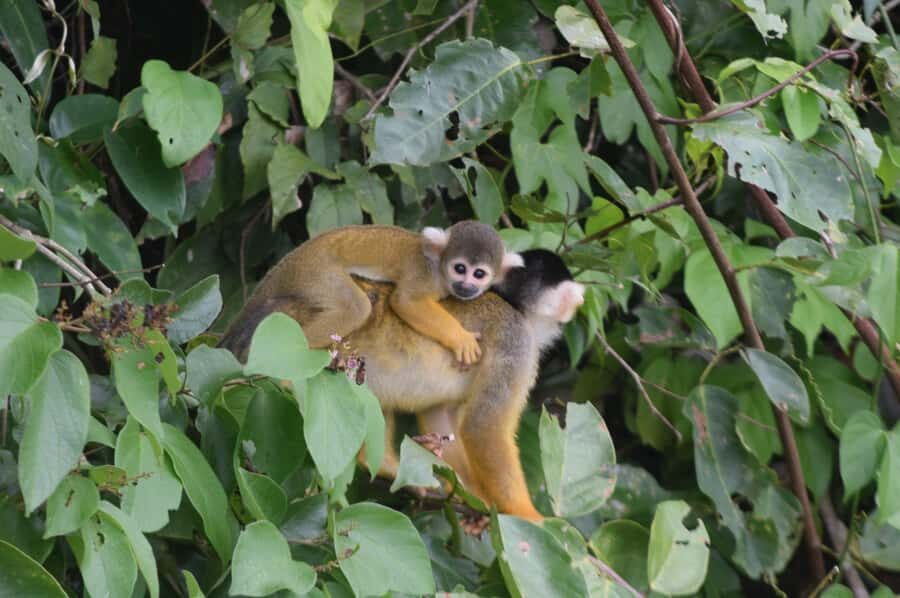
- Tambopata National Reserve + Lake Sandoval: where giant river otters and monkey life are real possibilities
- Clay lick sunrise: parakeets, parrots, and two macaw species showing up to feed
- Day/night wildlife rhythm: sunset cruises and night hikes when the animals switch gears
- Community-based visits: Machigenga family time and Santa Teresa wetland tourism tied to local residents
- Sloth search with follow-ups: your guide actively hunts, sometimes adding extra effort
- Small group size (18 max): easier spotting, more time for questions, less chaos
Tambopata from Puerto Maldonado: what makes this tour work
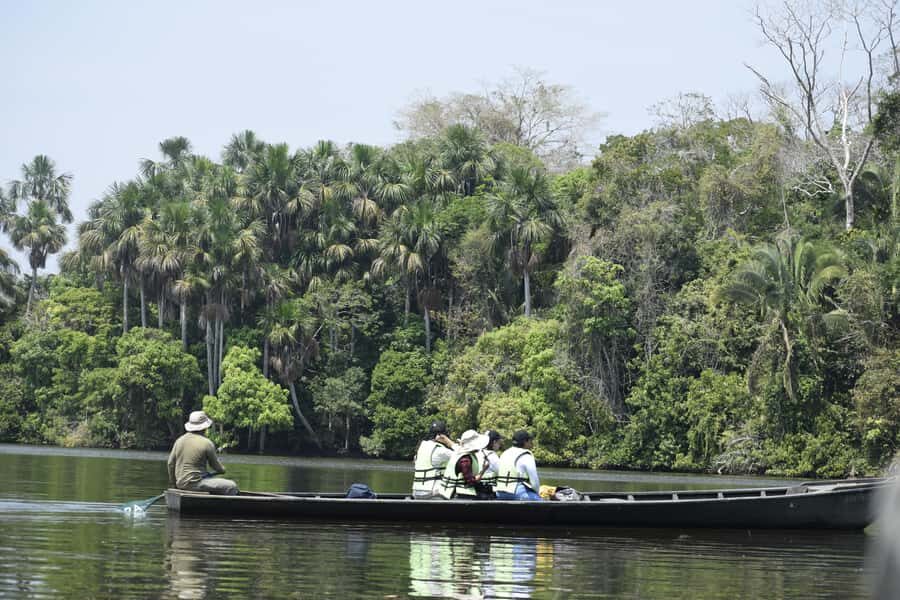
Puerto Maldonado is the front door to Peru’s lowland Amazon, and Tambopata National Reserve is the reason people come here. This tour stands out because it doesn’t treat the rainforest like one big photo stop. Instead, it runs on a simple idea: animals are most active at specific times, and you should be out there when they move.
What you’ll feel most is pacing. Days start early when it’s cooler. Afternoons aim for calmer weather and prime spotting around the lakes. Nights shift the focus to creatures you won’t see by daylight—tarantulas, snakes, poison dart frogs, and night monkeys. Even if you don’t get every single target species, you’ll still rack up sightings because you’re in the right habitats again and again.
The tour is also built around a jungle house on the Tambopata River near the reserve. That matters. Less time transferring means more time actually watching. And when the group returns, you’re not stuck in a sterile lodge corridor—you’re in the jungle with hammocks, communal areas, and that constant soundtrack of birds and insects.
Price and value: why $424 for 4 days can make sense
At about $424 per person for four days, you’re paying for more than transport. You’re covering entrance fees to Tambopata National Reserve, bilingual guiding, meals, water, and the hands-on wildlife and culture program.
Here’s what improves the value equation for you:
- You get included park access rather than showing up and scrambling for tickets.
- The itinerary is packed with both land and water time—river walks, boat cruising, and lake areas—so your money buys variety, not just one activity.
- Small group size (up to 18) makes guide attention worth something. In the Amazon, spotting often depends on experience, and you feel it quickly.
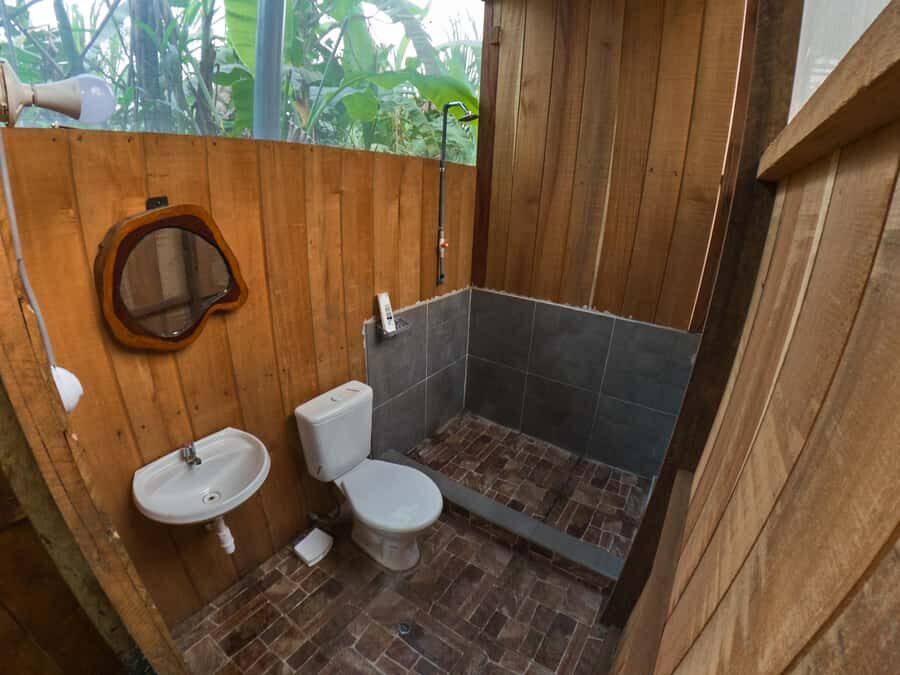
One reality check: this is not a resort experience. Reviews and the general setup point to basic cabins and shower limitations (cold showers are common). If you want creature comforts, you’ll have to meet the rainforest halfway. But if you want authentic Tambopata and efficient time outdoors, the package feels fair.
Getting in sync: pickup, check-in, and the jungle-house rhythm
Check-in starts around 12:30 pm, and pickup to the main office begins as early as 8:15 am. Your total arrival pattern depends on where you’re coming from, including airport and bus transfer options. If you arrive before breakfast time by bus, you’ll be guided on where to eat and how to handle a noon check-in.
After you meet your guide at the main office (they’re waiting right in front of the exit with a sign), you travel to the jungle house on the Tambopata River around noon. It’s roughly 27 minutes from the airport area, so you don’t lose a whole day to logistics.
When you get there, you’ll settle into a cabin, eat lunch, and then gear up for the first tour of the program. This is one of the smart parts: you don’t start “tomorrow.” You start that same afternoon, while the jungle is already waking up for evening life.
Practical note: you’ll want a flashlight, insect repellent, and comfortable shoes that can handle damp ground. The tour also notes no high-heeled shoes—your feet will thank you.
Day 1: sunset lookout, night hike, and the creatures that wait after dark
Day 1 is built for that first hit of Amazon magic. After lunch at the jungle house, you head out for an afternoon walk along the riverbank with views from a natural lookout point. This is the moment for slow breathing and watching light change on the water.
At sunset, you’re not just sightseeing. You’re positioning yourself for the next phase: a night hike with a high chance of spotting:
- tarantulas
- snakes
- poison dart frogs
- night monkeys
This is where you learn the rainforest’s “rules.” By night, the rainforest stops performing for the daytime crowd. The guide’s job becomes pattern-finding—where movement concentrates, where eyes and ears should go, and how to stay calm while the jungle does its thing.
Even if you’re nervous about night trails, this is an experience worth trying, because it shows you a side of Tambopata that daylight can’t.
Day 2: sloth search by river, then Lake Sandoval and giant river otter odds
Day 2 starts around 9 am with a river-focused outing. The goal is simple: find three-toed sloths and caimans along the way. The timing (about 2.5 hours for this part) matters because you’re moving while the animals have momentum.
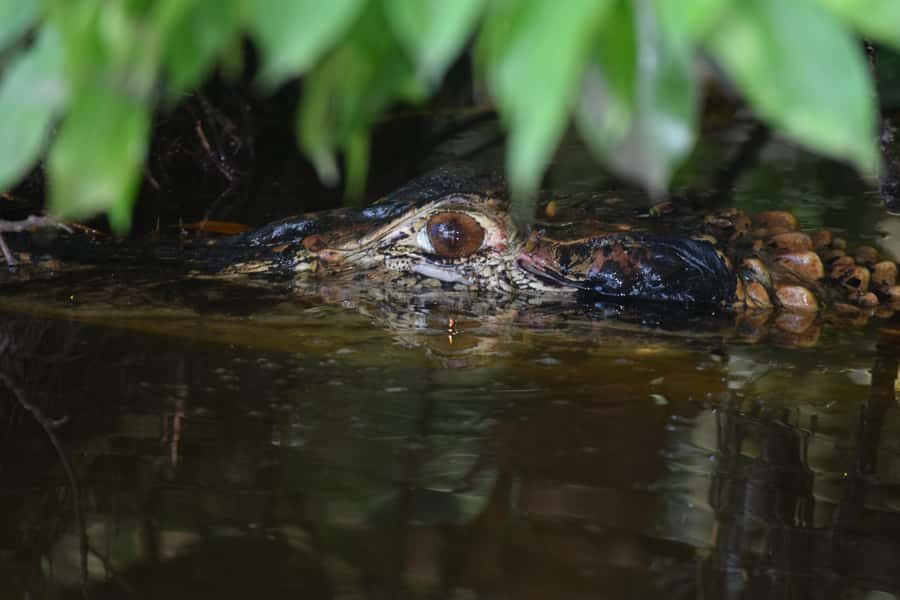
When you’re on the water, pay attention to the edges—riverbanks and quiet backwaters. That’s where caimans often surface and where sloths (when they’re in a visible mood) can be spotted higher up along branches.
After that, you go downriver toward Lake Sandoval, the heart of this day. Lake Sandoval is palm-fringed and famous for wildlife watching. The best reason to come here is the chance of:
- monkeys (including multiple species)
- birds
- black caimans
- giant river otters
You’ll notice the itinerary chooses the afternoon return direction because the weather is cooler and animals can be more active. This is practical Amazon thinking, not guesswork.
When you head back, you also walk about a 3 km route and then catch a Madre de Dios River sunset. That sunset wrap is a nice emotional reset. After a day of scanning treetops and shorelines, it gives your brain a break without ending the experience.
Day 3: Machigenga family time, then Santa Teresa wetland parrots and piranhas
Day 3 has a strong culture-and-wildlife balance. You set off by river around 9:15 am toward the Machigenga family, described as pre-Inca and focused on local adaptation and daily life. This is where you see how people live with the forest rather than just visit it.
You’ll also stop for capybaras along the riverbank before reaching the native house. Capybara spotting is one of those “slow but certain” things—if you’re patient and your guide is paying attention, you often get a good look at their habits.
A key value here is the sustainable component. The program involves local residents and aims to support gradual improvements in quality of life through tourism, rather than treating communities as a one-time stop.
Then the day shifts toward the Santa Teresa community-managed wetland. This is the one part that’s by car instead of river travel because the river route would take around 3.5 hours. The drive time is roughly 37 minutes.
Once you arrive, you’re in a managed habitat where:
- parrots and small yellow-faced macaws nest
- large catfish spawn
- that food chain supports yellow-bellied piranhas
This is one of the most “Tambopata ecosystem” moments on the tour. It’s not just random animals; it’s why animals are present—breeding, feeding, and nesting in a place that’s actively managed.
Day 4: clay lick sunrise for macaws, then a calm return to town
The last day starts early because the clay lick is a morning event. Activity runs from about 5:25 am to 7:15 am, and you’re looking for small green parrots and macaws feeding on clay along the Tambopata River banks.
This is one of the tour’s signature highlights. Clay licking is a behavior you can’t fake or photograph from a hotel balcony. It’s loud with birds, and it’s usually when they’re most predictable—because morning is when they line up their routines.
When the tour portion ends, you head back toward the main office around 10 am and then get taken to the airport or bus station. The overall day feels lighter than the previous ones, but it’s not “lazy.” It’s the smart kind of timing.
Accommodation in the jungle house: comfort level, real expectations
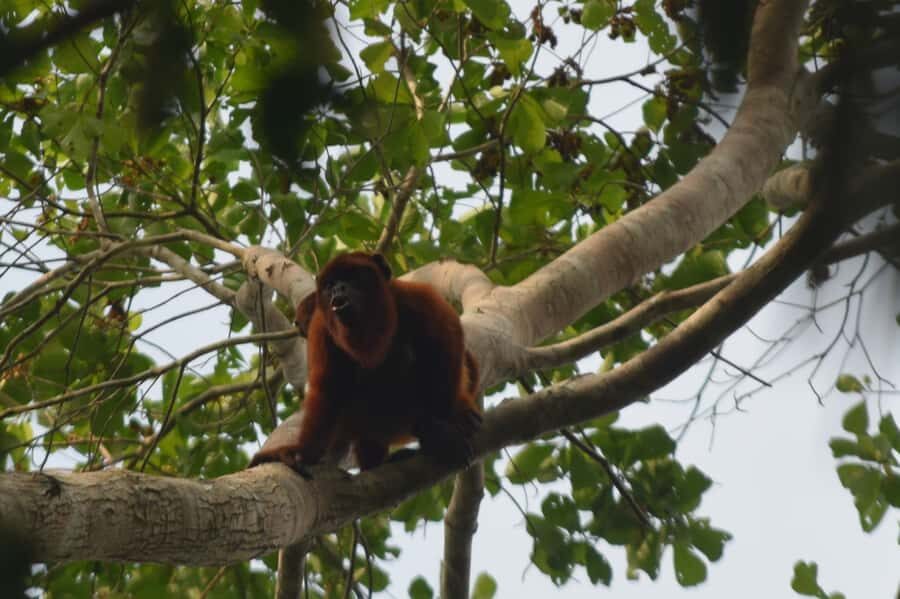
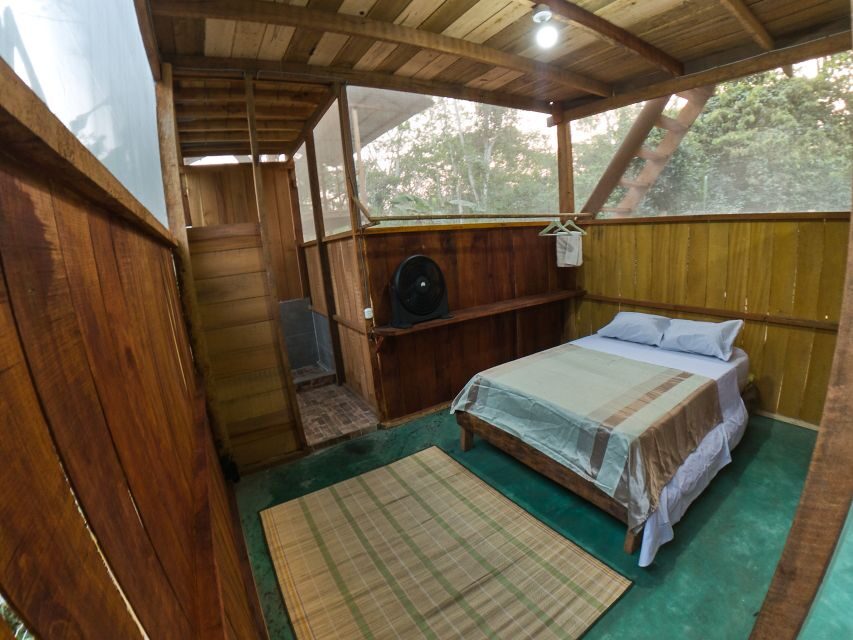
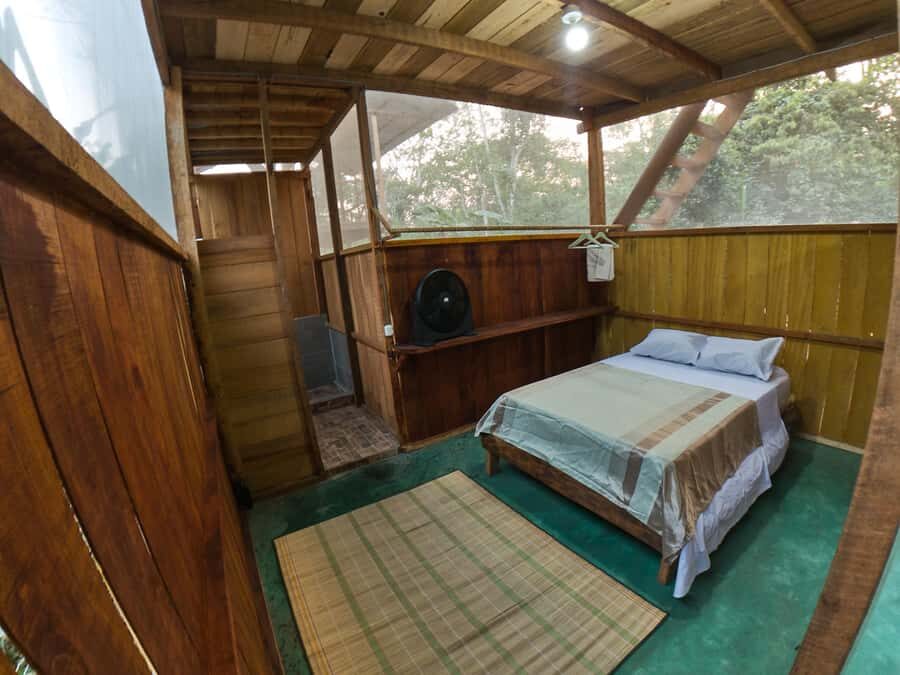
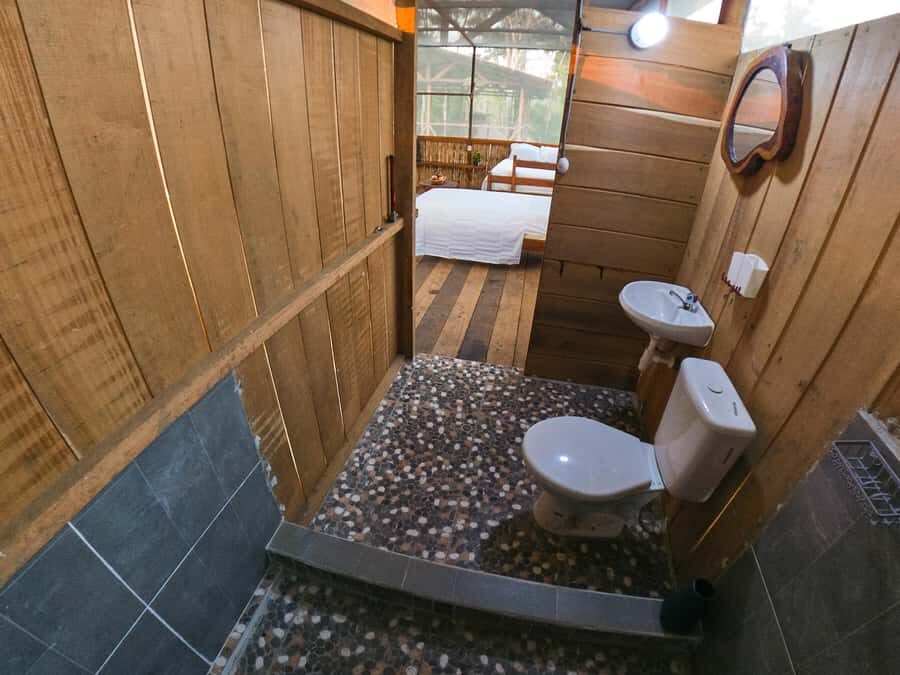
Your base is a jungle house concept—cabins on the Tambopata River shore, close to the reserve. It’s not a hotel. Rooms are basic but comfortable, often with mosquito nets. Hot water is not a given; some reviews specifically note no hot water and showers that are cold.
Here’s how to decide if that fits you:
- If you want quiet, real immersion, you’ll probably love it. Reviews describe it as authentic, with birds and parrots waking people up.
- If you need hotel-style privacy and padded beds, you may find it too communal. One review calls out limited privacy as the main trade-off.
The good news: the lodge has enough on-site space to decompress. People note a pool, hammocks, and outdoor seating with river views. There’s also a friendly vibe—often described like a family atmosphere—plus optional free time behind the structured excursions.
And yes, the jungle includes night sounds. That’s not a bug. It’s part of the deal.
Guides make the difference: Sergio, Mirko, Charlie, and how they spot wildlife
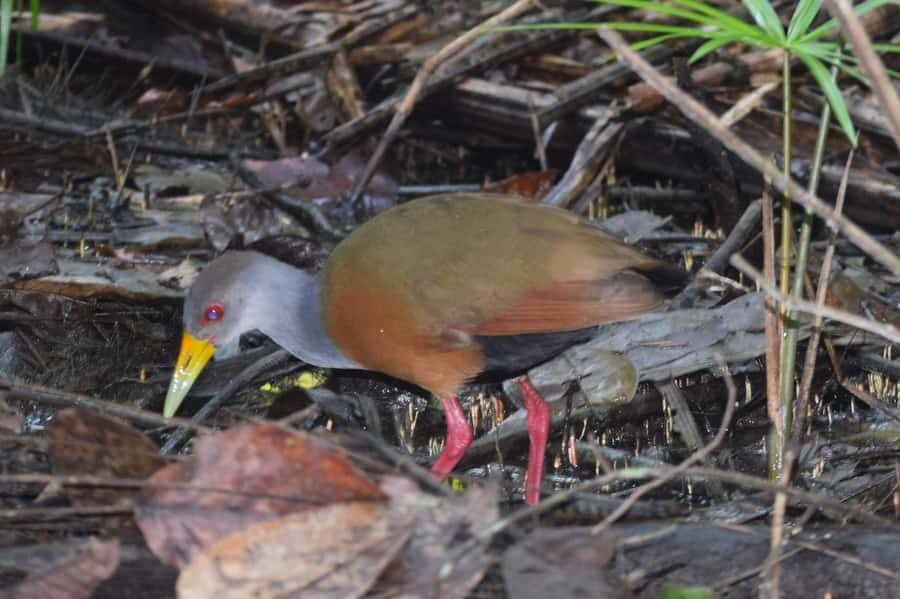
This tour is guided by bilingual staff, and the experience improves when your guide is dialed into what you’re trying to see. Multiple names show up through the program, including Sergio and Mirko as standout guides.
What you should look for in a good rainforest guide is this: they don’t just point. They explain. People highlight guides who spot animals at surprising distances, identify birds and plants, and keep the mood fun while still being sharp on safety and trail sense.
You’ll also meet support staff like Charlie (mentioned with piranha fishing) and others who run specific sections. The team approach is what keeps the schedule moving smoothly across boats, walks, and early mornings.
If you like asking questions—about behavior, plants, tracks, or why certain animals show up where they do—this is the kind of tour that rewards you.
Wildlife spotting: what you can count on, and what you should leave to luck
I’m going to give you the honest Amazon framing: wildlife probabilities change daily. Weather, water level, and animal mood all matter.
That said, the itinerary is designed to maximize your odds:
- Caimans show up on river days and Lake Sandoval time.
- Capybaras are a regular riverbank search target on Day 3.
- Sloths are chased by river scanning early on Day 2 and through additional hunting effort when the team can (some guests report extra attempts).
- Giant river otters are a Lake Sandoval possibility.
- Birds come from both general habitat time and the clay lick morning event.
- Nightlife (tarantulas, snakes, frogs, night monkeys) is a planned Day 1 night hike.
If you go in chasing a single animal, you can end up disappointed. If you go in chasing the overall experience—water, jungle, guide-led scanning, and ecosystem behavior—you’ll likely feel like you got your money’s worth.
Packing and behavior tips that make your trip easier
You’re going to walk, stand in boats, and deal with wet ground. Pack for that.
Bring:
- comfortable shoes
- head covering
- sunscreen
- insect repellent
- flashlight
- comfortable clothes
Don’t bring:
- high-heeled shoes
Also, plan for colder early mornings. Day 4 starts before sunrise, and mornings on the river can feel chilly compared to midday.
If you’re prone to motion sickness, you might want to prepare for boat time. The tour includes river cruising and lake activities, plus smaller craft moments at lakes.
Who this Tambopata tour fits best (and who should rethink it)
This tour is best for you if:
- you want a wildlife-heavy rainforest program with both day and night searching
- you like small groups and getting questions answered
- you value a culture stop that connects to local residents (Machigenga family time and Santa Teresa community-managed habitat)
- you can handle basic jungle lodging
It may not fit as well if:
- you need hot showers and hotel-level privacy
- you have mobility issues that make wet trails harder
- you get uncomfortable with close wildlife moments on small boats
There are also stated limits: it’s not suitable for babies under 1 year, for people over 309 lbs (140 kg), and for people over 70.
Should you book Puerto Maldonado: 4-Day Tambopata Rainforest Tour?
My take: book it if your priority is real Tambopata—multiple wildlife chances, early morning clay lick, sunset and night searching, and a lodge that keeps you close to the action. The $424 price feels justified when you factor in included reserve access, guides, meals, water, and the tight schedule built around animal activity.
Pass (or at least match your expectations) if you want luxury comfort or lots of private space. This is a jungle house experience. You’ll trade modern amenities for time outdoors and a rainforest rhythm you can’t get from a day trip.
If you’re the kind of traveler who enjoys learning as much as seeing—especially with guides like Sergio or Mirko—this is the kind of 4 days in Peru’s Amazon that tends to stick with you.
FAQ
What wildlife does this tour focus on?
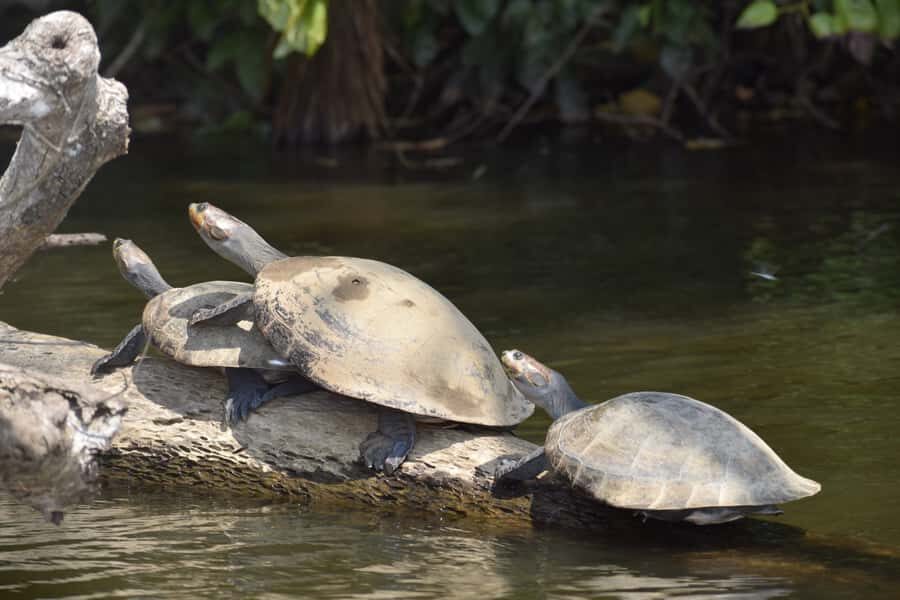
The program is designed around spotting caimans, capybaras, monkeys, birds, and sloths. A major highlight is the clay lick for parakeets, parrots, and two macaw species. Lake Sandoval is also aimed at seeing giant river otters with luck.
Do you visit Tambopata National Reserve?
Yes. Entrance fees to Tambopata National Reserve are included, and wildlife viewing is part of the reserve time.
Is the clay lick included?
Yes. On the last day, there’s an early morning activity to see small green parrots and macaws eating clay.
What kind of activities happen at night?
Day 1 includes a night hike, with a high probability of seeing tarantulas, snakes, poison dart frogs, and night monkeys.
How many people are in the group?
It’s a small group, limited to 18 participants.
Are meals included?
Meals are included, but there are exceptions noted: breakfast on the first day and lunch on the last day are not included.
What languages are the guides?
Guides are bilingual, with English and Spanish.
Is pickup and drop-off included?
Yes. Pickup and drop-off are included from the main office area, and transport is organized based on your arrival (airport or bus/town pickup after 10:00 A.M.).
What should I bring?
Bring comfortable shoes, head covering, sunscreen, insect repellent, and a flashlight. The tour also notes not to use high-heeled shoes.
Are drinks included?
Sodas and alcoholic drinks are not included.
Who might not be able to join?
The tour is not suitable for babies under 1 year, people over 309 lbs (140 kg), and people over 70 years.