REVIEW · CUSCO
Cusco: City and Nearby Ruins 5-Hour Guided Tour
Book on GetYourGuide →Operated by Peru & U · Bookable on GetYourGuide
Inca stones fit like a precision puzzle. This 5-hour guided ride gives you Coricancha Sun Temple first, then moves to the huge Inca fortifications where massive blocks were fitted with terrifying accuracy. I also love Qenqo, with its carved stone interior and hidden subterranean passages that make you pause and imagine ritual life in stone. One thing to consider: the day can include a craft shop stop, and if it runs long, it can squeeze the light for the final sites.
You’ll start with pick-up in downtown Cusco in the early afternoon, then mix short walks with drives to the northern ruins. The tour runs with a professional guide and includes transportation, but entrance fees are not included—so plan to buy tickets on the spot and keep an eye on the time so you don’t feel rushed.
In This Review
- Key things to watch for on this Cusco city-and-ruins loop
- A 5-hour Cusco loop that balances city center and northern ruins
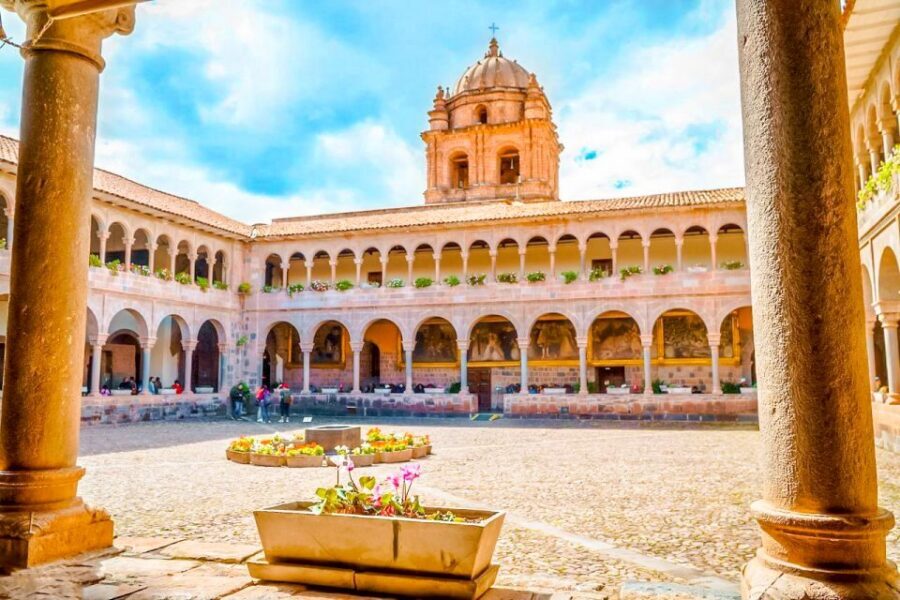
- Coricancha Sun Temple: the ceremonial start that sets the tone
- Plaza de Armas and the Cathedral: when colonial Cusco sits on Inca stone
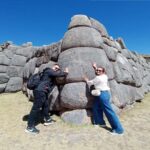
- Sacsayhuaman: stepping through Inca walls made of massive stone
- Qenqo (Zigzag): carved stone, subterranean passages, and probable ritual use
- Tambomachay and Puka Pukara: baths and a military lookout
- Group size, pace, and that craft-shop timing issue
- Price and logistics: is $22 a smart deal?
- Language, guides, and how to make the information stick
- Who should book this Cusco tour?
- Should you book: my practical take
- FAQ
- What is the duration of the Cusco City and Nearby Ruins guided tour?
- How much does the tour cost?
- What’s included in the price?
- Are entrance fees included?
- What stops are visited during the tour?
- What languages is the live guide available in?
- Is the Cathedral of Cusco included?
- Is this tour private or small group?
- Are pets allowed?
- Is $22 for Cusco ruins worth it?
Key things to watch for on this Cusco city-and-ruins loop
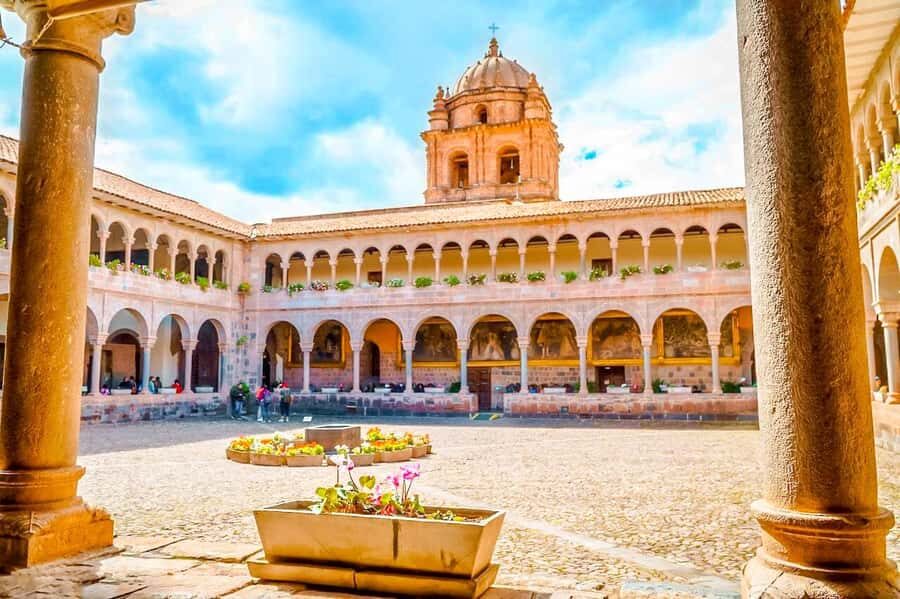
- Coricancha Sun Temple up front: start with the ceremonial mood before you hit the busy Plaza de Armas.
- Sacsayhuaman’s giant stone walls: you’ll see how the Incas handled weight and angles with almost no waste.
- Qenqo’s “zigzag” layout: carved stone, plus subterranean passages you can’t ignore once you spot them.
- Tambomachay and Puka Pukara: two more northern stops that broaden the story beyond fortresses.
- Shop stop timing: a detour can eat time; it matters most late in the tour.
A 5-hour Cusco loop that balances city center and northern ruins
Cusco works best when you don’t treat it as two separate trips: city one day, ruins another day. This tour tries to do both in a single afternoon, and that’s the real appeal. You get the ceremonial and civic heart (Coricancha and Plaza de Armas), then you move outward for big Inca engineering.
This is also a small-group format with private/small-group options. In practice, that usually means you spend more time listening to your guide and less time playing “where did everyone go?” The downside is that timing can still get tight if the group lags or if a shop stop runs long—so if you’re photo-obsessed, you’ll want to stay alert after the mid-day changeover.
You can also read our reviews of more guided tours in Cusco
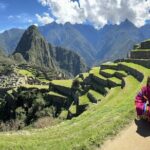
Coricancha Sun Temple: the ceremonial start that sets the tone
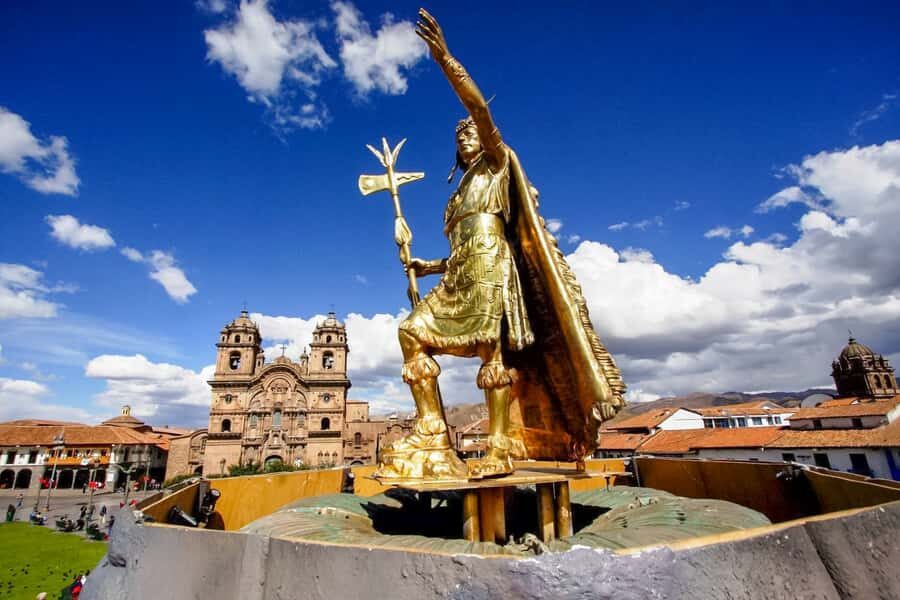
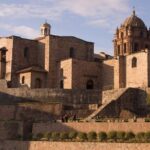
You begin at Coricancha Sun Temple, a major Inca ceremonial site. Even if you’ve never studied Inca religion, you can feel why it mattered: it was built during the heyday of the Incas and it functions like a statement—place, power, and purpose all in one.
What you should look for is the sense of design and symmetry. This isn’t just ruins-for-the-sake-of-ruins. Coricancha is a reminder that the Incas treated architecture like ritual. Your guide will typically explain the original significance, and that makes the visit more than a quick photo stop.
A practical tip: take a moment to orient yourself. Coricancha is in the Cusco circuit where you’ll later cross paths with colonial layers too, so mentally note what’s Inca and what later construction changes.
Plaza de Armas and the Cathedral: when colonial Cusco sits on Inca stone
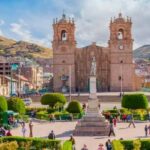
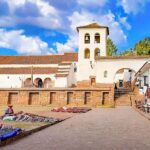
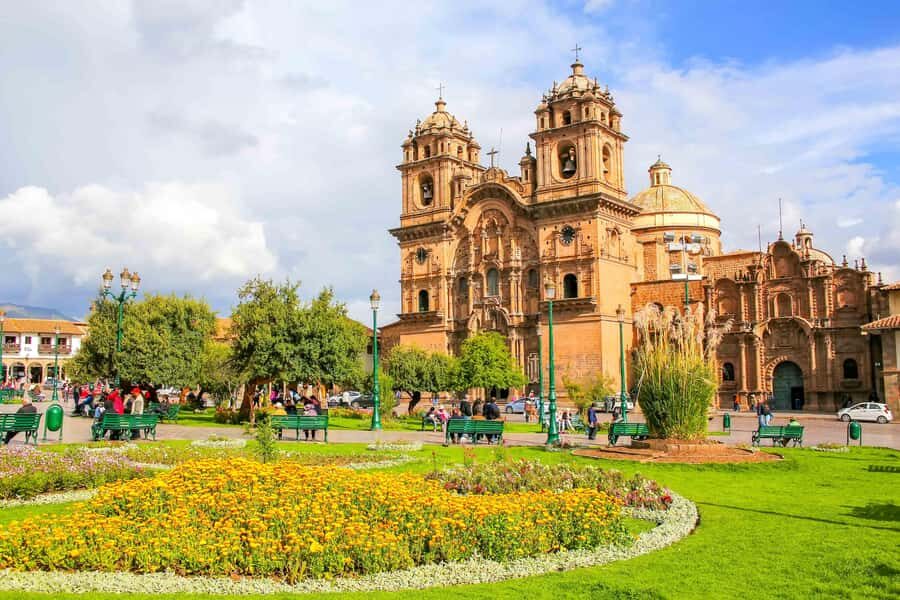
After Coricancha, you head to Plaza de Armas, Cusco’s main square. This is your city reset. The plaza is where Cusco feels most alive—people, buses, quick snacks, and that constant hum of a place that’s always doing something.
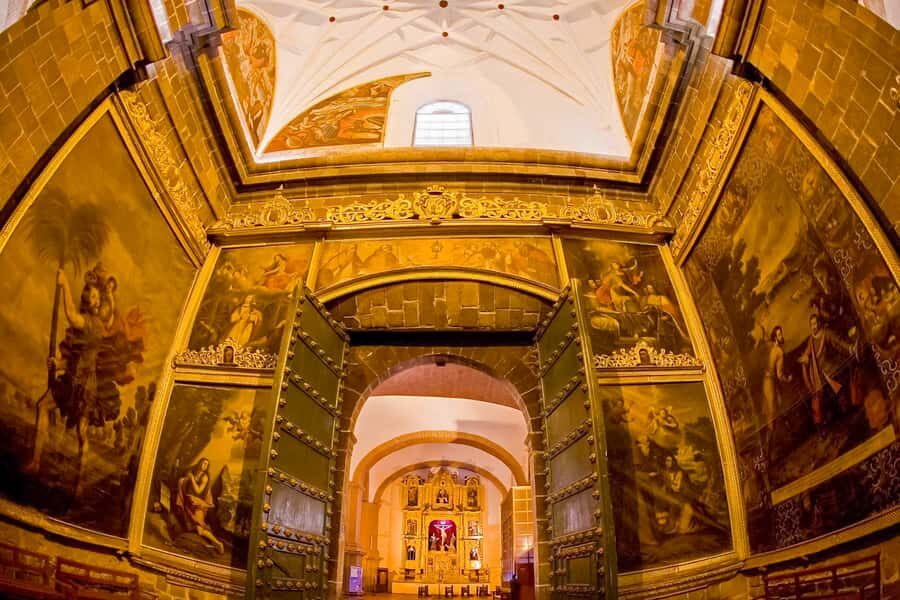
Then the tour turns interesting in a very literal way: you’ll admire the Cathedral interiors while your guide explains how it was built on top of Inca buildings. That idea—one civilization building over another—can sound abstract until you’re inside and you grasp the layers physically.
Just know what this means for expectations. You’re not getting a full museum-style, half-day cathedral deep dive here. You’re getting the story point that ties Cusco’s past to its present. If your morning version doesn’t include the cathedral, this afternoon option helps fill that gap.
Sacsayhuaman: stepping through Inca walls made of massive stone
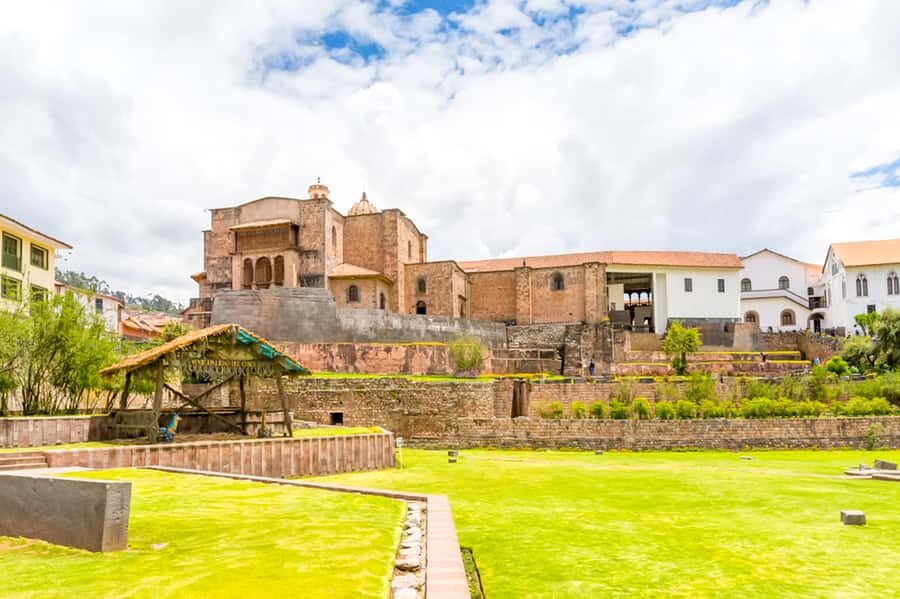
Next comes the drive to Sacsayhuaman, located on the northern outskirts. This is one of the stops that turns “Inca ruins” into something you can almost calculate with your eyes.
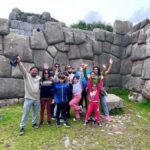
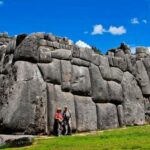
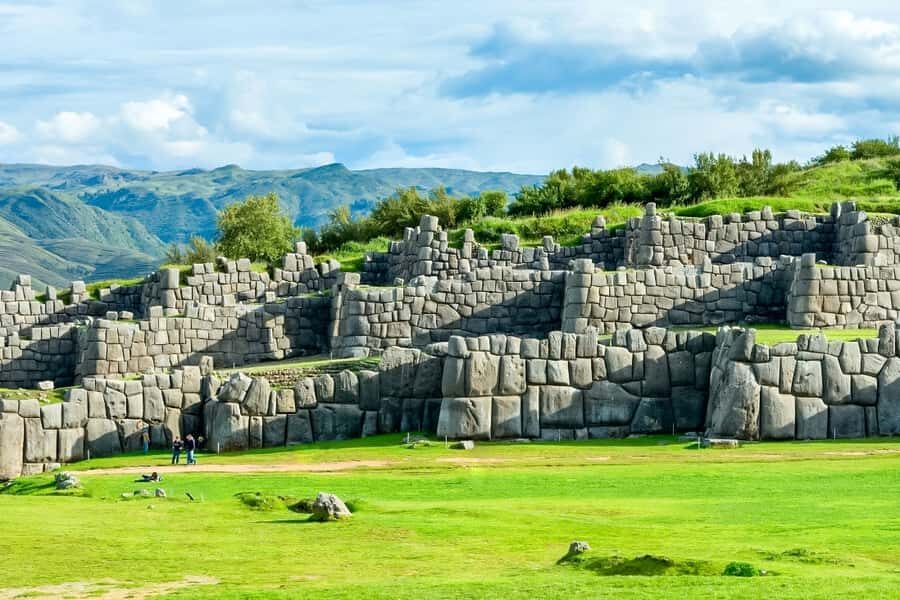
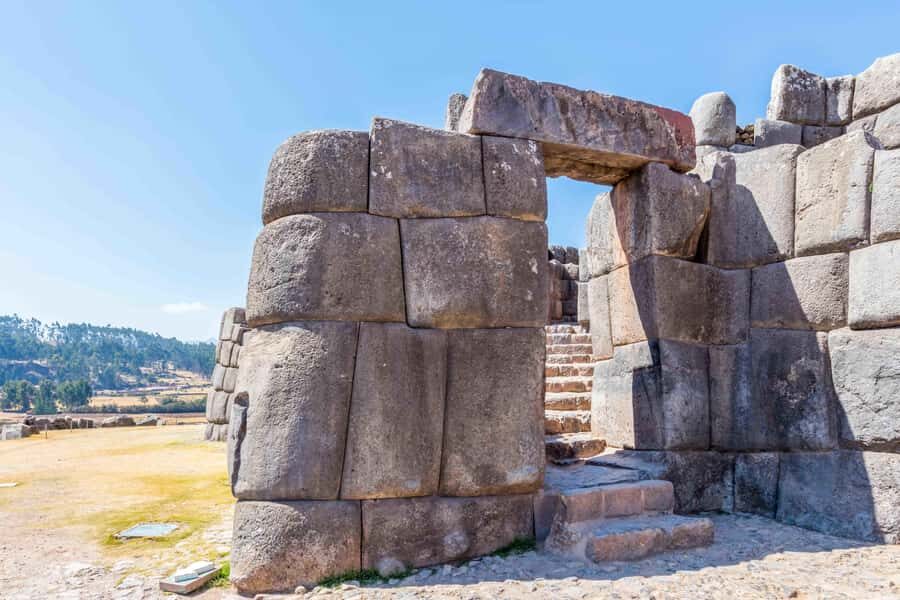
Here’s what makes Sacsayhuaman hit: you pass through openings in huge Inca walls, built from massive rocks that can weigh up to 180 tons. The most mind-bending part isn’t just the size. It’s how the stones fit with absolute perfection—no obvious gaps, no sloppy patchwork. Your brain keeps trying to guess how they built it. Then your guide explains the engineering idea behind the precision, and you feel that click: this wasn’t random building. It was intentional work with standards.
If you care about photography, this is where you’ll want to be ready. The light can shift as you move. Also, wear shoes with grip. Uneven ground plus tourists plus adrenaline equals the occasional slip, and the ruins don’t care.
Qenqo (Zigzag): carved stone, subterranean passages, and probable ritual use
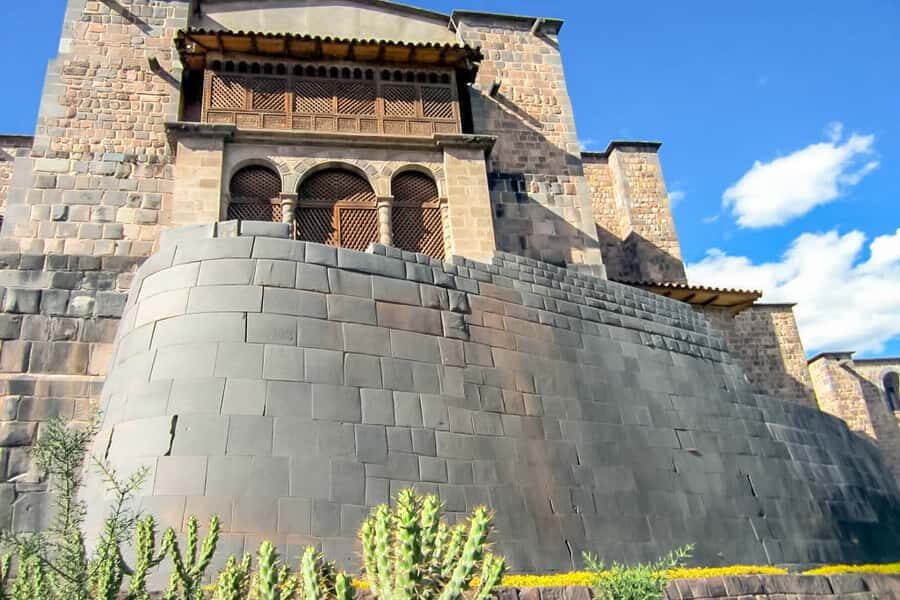
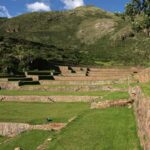
Qenqo is an unusual stop, and that’s why it’s worth making it to this point of the day. The name often gets translated as zigzag, and the layout feels like the Incas kept geometry as a tool for meaning.
You’ll explore a stone interior that’s been carved with care. Then there’s the standout: subterranean passages hidden in the structure. You can’t really “skip” noticing them once you see the design.
Your guide will likely connect these features to burial ritual. It’s likely that the Incas mummified their dead here, which gives Qenqo a different weight than a simple lookout or palace. Instead of “wow, stonework,” you start thinking “why here?” And that question makes the carvings feel less decorative and more functional.
Timing matters at Qenqo. If the group’s later portion gets rushed, the site can feel like a quick scan. If you hit it with enough time, it becomes the most thought-provoking stop of the day.
You can also read our reviews of more city tours in Cusco
Tambomachay and Puka Pukara: baths and a military lookout
After Qenqo, the tour continues to two more northern sites: Tambomachay and Puka Pukara.
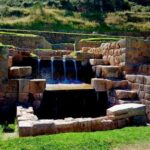
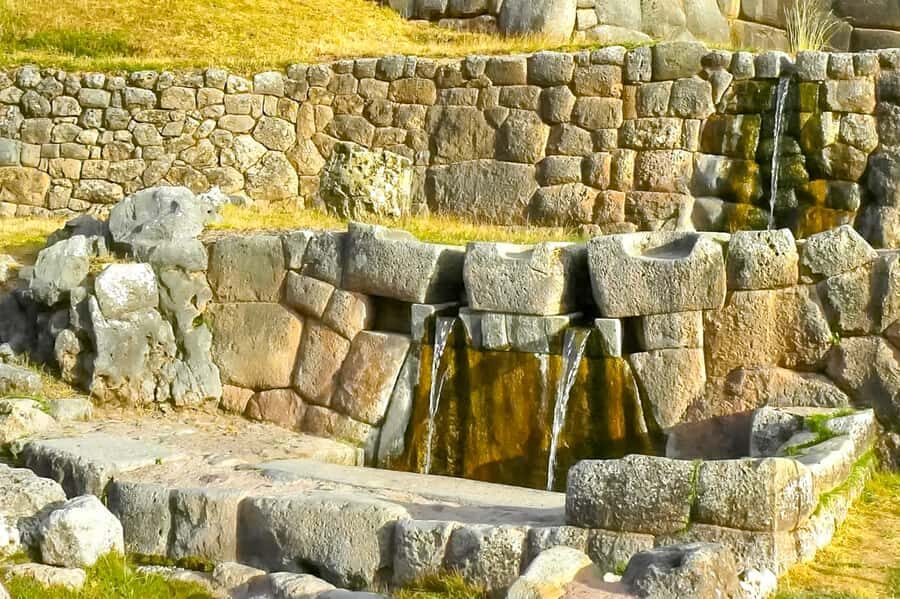
Tambomachay is known for the Inca baths. Even without a long explanation, you’ll notice the focus on water behavior—how the site is shaped to manage flow. Your guide will connect it back to Inca use and purpose, but the main thing is the physical design. It’s a reminder that the Incas weren’t just building walls; they were engineering daily-life and ceremony into stone systems.
Then you move to Puka Pukara, described as a military lookout point. This is where the story shifts again. From ritual spaces (like Qenqo) to practical observation and control. Looking at Puka Pukara after seeing Sacsayhuaman helps you understand the bigger network: sightlines, fortifications, and strategic placement around Cusco.
If you’re traveling with limited time, these two stops are a good value add because they widen the picture without turning the tour into an all-day ordeal.
Group size, pace, and that craft-shop timing issue
This is a small-group tour, and the day runs about five hours. In your schedule, you’ll likely see some sites on foot in the central Cusco area, then use a smaller vehicle for the farther stops.
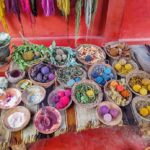
The main “watch it” item is the possibility of a textile or craft shop stop. Some groups report spending time shopping at a baby alpaca-focused shop around the middle of the tour. I get why this exists from a business point of view—local sales help livelihoods—but it can change the feel of the day.
If you’re the type who hates being rushed at the last sites, treat the shop stop as a variable. If your guide says it will be quick, great. If it drags, you may end up viewing the final ruins in fading light. That doesn’t ruin the sites, but it can reduce how enjoyable the photos and viewing feel.
Also, if you’re booking for English practice, pay attention to language. The tour operates in Spanish and English, but there have been mismatches reported when the group mix isn’t what you expect. The best move: confirm your language preference when you book, and if you’re not getting enough English, ask your guide to translate during explanations.
Price and logistics: is $22 a smart deal?
At $22 per person for a five-hour guided experience, the headline value is the package: professional guide plus transportation. You’re not paying extra for the van itself, and you’re saving energy by having someone else handle routing between the city and multiple northern sites.
The trade-off is that entrance fees are not included. So your final out-of-pocket cost will depend on ticket prices for the stops. The good news is that tickets are described as easy to purchase on the spot, and that keeps you from having to solve a separate paperwork puzzle ahead of time.
Here’s how I’d judge the value for you:
- If you want a guided explanation of why these places matter, $22 is a solid entry price.
- If you prefer to wander with no structure, you might find the shopping stop and set timing less appealing.
- If you’re traveling with limited time in Cusco, the afternoon loop is efficient because it stacks several major ruins and civic landmarks in one go.
One more logistics note: pets aren’t allowed. If you’re bringing an animal, you’ll need alternative arrangements.
Language, guides, and how to make the information stick
The tour runs with live guiding in Spanish and English, and the best tours are usually the ones where the guide brings the stones to life. I’ve seen how different guides can make the same sites feel totally different—especially at Qenqo and Sacsayhuaman, where explanations can turn “cool rocks” into “I understand the intent.”
If you’re lucky enough to get a guide who clearly cares about Cusco and Inca culture, you’ll feel it right away. One guide name that comes up often in feedback is Peto, mentioned as an energetic, detailed guide who speaks from lived local understanding. Not every guide will match that style, but the point is simple: with a good guide, the tour stops feel connected, not chopped into unrelated items.
How you can help the guide help you:
- Ask one question at each major site: what did people use this for, and how do you know?
- Stay close during explanations so you’re not missing details while walking ahead.
Who should book this Cusco tour?
This tour is a great fit if you want a structured afternoon and you like seeing multiple key sites without planning transportation and ticket stops yourself. It’s also ideal if you’re curious about how Inca Cusco connects to later colonial layers in the same city.
It may be less ideal if:
- you strongly dislike retail stops and want a pure ruins-and-history day,
- you’re extremely time-sensitive about lighting for photography in the late stops,
- you expect guaranteed English-only guiding for a mixed-language group.
Still, for most first-timers, it’s a practical way to get your bearings fast while hitting several of the region’s most recognizable Inca locations.
Should you book: my practical take
Book it if you want an efficient, guided afternoon that covers Coricancha, the Cathedral interiors story, Sacsayhuaman, Qenqo, plus Tambomachay and Puka Pukara—all in about five hours. At $22, it’s also priced like a value tour, not a premium-only experience.
Hold off or choose another option if you know you’ll hate a mid-tour shop stop and you want total control over pacing. And if English matters a lot to you, confirm language expectations before you go, since group language mix can affect what you hear.
If you do book, keep your mindset flexible. This is a “see a lot, learn as you go” day. The ruins are worth it, and the structure helps you turn Cusco from a list of names into a connected story of ceremony, engineering, and strategy.
FAQ
What is the duration of the Cusco City and Nearby Ruins guided tour?
The tour lasts 5 hours.
How much does the tour cost?
It costs $22 per person.
What’s included in the price?
The tour includes a professional guide and transportation.
Are entrance fees included?
No. Entrance fees are not included.
What stops are visited during the tour?
You’ll visit Coricancha Sun Temple, the Plaza de Armas area including the Cathedral interiors, Sacsayhuaman, Qenqo, Tambomachay (Inca baths), and Puka Pukara.
What languages is the live guide available in?
The guide works in Spanish and English.
Is the Cathedral of Cusco included?
For this afternoon tour, you’ll see the Cathedral interiors. Note that the visit to the Cathedral is not included on the morning tour.
Is this tour private or small group?
It’s described as a small-group tour, with private or small-group options available.
Are pets allowed?
No, pets are not allowed.
Is $22 for Cusco ruins worth it?
If you’re comparing value, yes. You’re paying for a guide and getting transport between multiple key sites, which saves time and hassle. Just budget for entrance fees and keep your eye on timing if you want the late stops under good light.