REVIEW · NAZCA
Nazca: Maria Reiche Museum and Nazca Lines Viewpoint Tour
Book on GetYourGuide →Operated by NalasTrips · Bookable on GetYourGuide
Nazca Lines feel like a puzzle until you get the human story. This 3-hour tour connects Maria Reiche’s life with the geoglyphs you see up close. I especially like that you get both the museum context and the big “whoa” moment of climbing a metal tower for scale. One consideration: the tower climb isn’t ideal if you have vertigo.
You’ll start with hotel pickup in Nazca, then head straight to the Museo Maria Reiche for a guided look at why these lines matter. I like that the guide steers you toward specific figures (and explains what you’re looking at), not just museum boards. A possible drawback is that the overall time is tight—this is a short tour, so you’ll want to move quickly between stops and have your camera ready.
The tour ends back in Nazca after you view the Lines from the platform and from a nearby hill, so you don’t just see one angle. I also really appreciate the small-group setup (up to 10), which makes it easier to ask questions like what the lines might mean and why the drawings stayed so well preserved. If you want hours and hours of wandering, this probably won’t be your best fit.
In This Review
- Key things to know before you go
- Maria Reiche’s legacy: the best way to start seeing Nazca clearly
- Museo Maria Reiche: what you’re really paying for (besides a ticket to learn)
- Hotel pickup in Nazca: small-group rhythm that keeps it stress-free
- The 20-meter tower: where the Lines finally have scale
- The nearby hill viewpoint: adding a second angle to your understanding
- Price and value: is $52 a smart use of 3 hours?
- What to bring (so the desert doesn’t ruin your photos)
- Who this Nazca tour suits best
- Should you book this Nazca Lines experience?
- FAQ
- How long is the Nazca: Maria Reiche Museum and Nazca Lines Viewpoint Tour?
- Where do pickup and drop-off happen?
- Is the group small?
- What languages are available for the guide?
- Do I get to climb anything?
- What parts of the Nazca Lines will I see?
- What should I bring with me?
- Is this tour suitable for people with vertigo?
- What’s included in the price?
Key things to know before you go
- Maria Reiche’s story first: you’ll understand her role before the Lines make sense visually
- Museum + viewpoints: context in the morning, big-scale views soon after
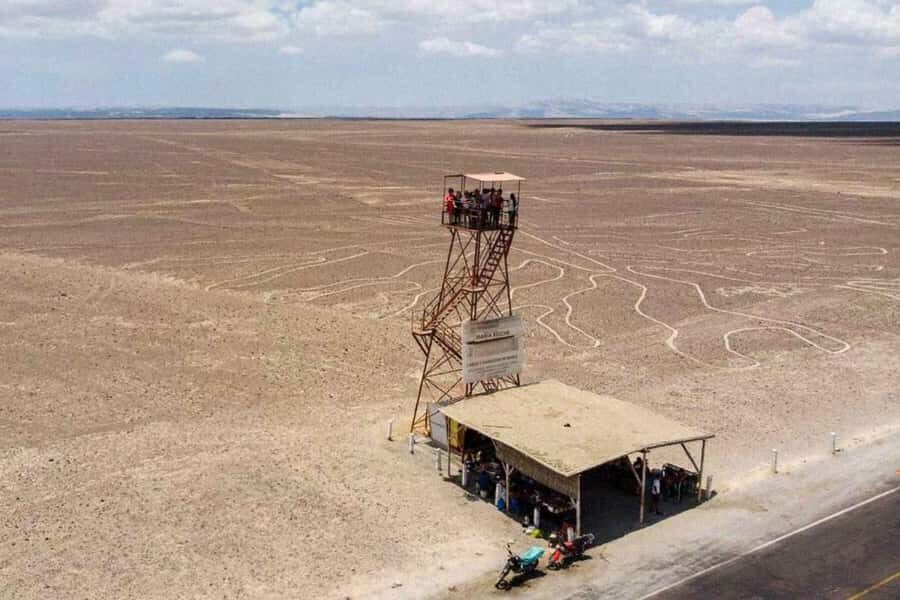
- 20-meter-high tower: a closer perspective than most quick photo stops
- Clear focus on famous figures: expect guided pointers to shapes like the tree and hand
- Small group (max 10): easier pacing, more chances to ask questions
- Designed for short visits: 3 hours, so plan to keep moving
Maria Reiche’s legacy: the best way to start seeing Nazca clearly
If you only look at the Nazca Lines as drawings in the desert, you’ll miss the point. The strongest part of this experience is how it starts with a person, not just a place. You’ll learn about Maria Reiche—an archaeologist and mathematician who dedicated her life to studying the geoglyphs. Her story helps you understand why the Lines became more than local folklore and why they attracted scientific curiosity.
This matters because the Nazca Lines don’t read well at ground level. From street height, a lot of shapes feel abstract. But once you know what to watch for—alignment, scale, and why some features are easier to interpret than others—you start seeing patterns instead of random marks.
It also gives you a balanced way to think about meaning. Some people interpret the Lines as offerings to gods, while others link them to astronomical symbols. A guided approach like this doesn’t force one answer. Instead, you’ll leave with a better sense of why multiple theories stuck around and why Reiche’s work made the Lines easier to study.
You can also read our reviews of more tours and experiences in Nazca.

Museo Maria Reiche: what you’re really paying for (besides a ticket to learn)
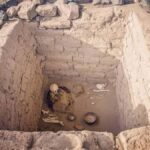
You’ll spend time at the Museo Maria Reiche with a guide, and this is where the tour earns its value. The museum isn’t just a quick stop for photos. It’s the part where you learn the framework: who Maria Reiche was, what she investigated, and how her methods shaped modern understanding of the geoglyphs.
In practical terms, this helps you later at the viewpoints. When you’re standing on a platform and looking for a figure, it’s a lot easier if you already know what features the guide wants you to notice. That’s why the museum visit feels more useful than a typical “look around and hope” stop.
One more detail I like: the guide experience is part of the package, and you’ll actually get English or Spanish interpretation. Guides I’ve heard of in this setting include Rosa and Jose, and the common thread is that they explain details with care and genuine enthusiasm. That makes a difference when you’re learning from the desert rather than from a textbook.
Worth knowing: the museum portion includes time for a break and photo stops, and the guided segment is designed to keep the pace moving. It’s short, but it’s structured.
Hotel pickup in Nazca: small-group rhythm that keeps it stress-free
Nazca can feel oddly spread out. The hotel pickup and return saves you time and effort, especially if you don’t want to figure out local transport right before climbing or scanning the desert.
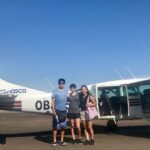
You’ll either meet at a pickup location around Plaza de Armas or have the van come to your hotel in Nazca. Either way, the timing is close enough that you should be ready in the lobby about 10 minutes before pickup. It’s a simple thing, but it makes the whole tour run smoothly.
The van ride is brief (about 20 minutes between key points), so you’re not burning your energy on transit. And because the group is limited to 10, it doesn’t feel crowded in the moments when you actually need space to see—especially at viewpoints and around the tower.
The 20-meter tower: where the Lines finally have scale
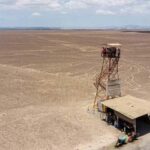
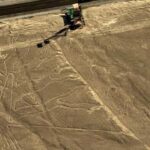
The signature moment is the climb up the 20-meter-high metal tower. This is where the Nazca Lines change from “interesting shapes” into something you can understand as giant design.
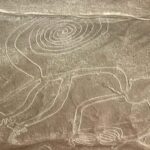
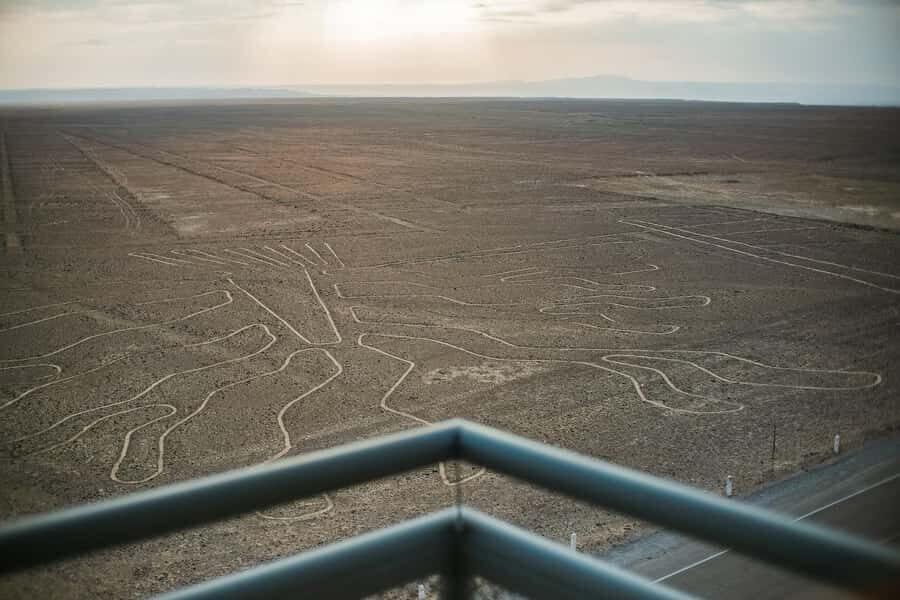
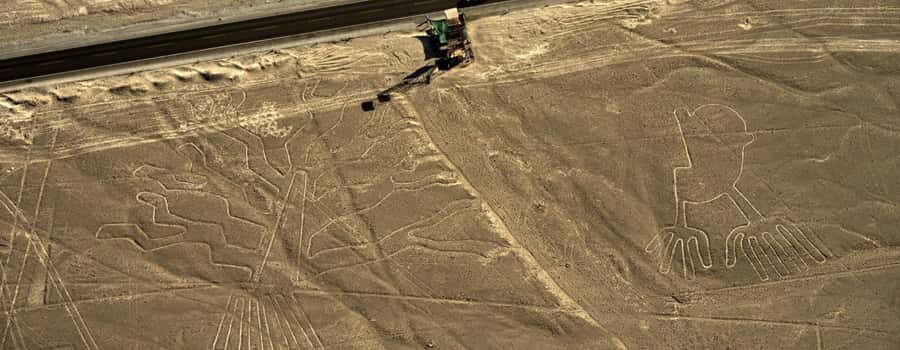
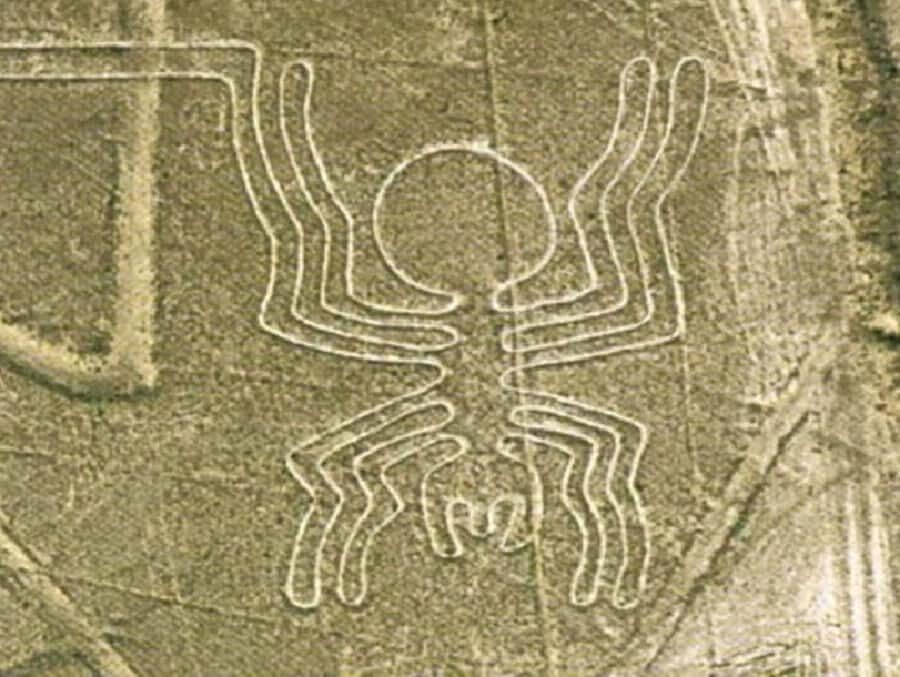
Up top, you’ll see famous geoglyphs from a much better vantage. The tour highlights include the tree and the hand, and those are the kind of figures that become easier to track when you’re higher. The guide will help you orient yourself, pointing out what you’re looking at so you don’t end up chasing random shapes.
From a value standpoint, the tower is the main reason you book this kind of tour instead of just doing a basic viewpoint photo. At ground level, it’s hard to judge size and how different lines connect. From the tower, the perspective does the heavy lifting for you.
One consideration: if you’re uncomfortable with height, this is the stop to think about carefully. The tour isn’t suitable for people with vertigo, and that’s not just a legal note. The tower climb and the height exposure are part of the experience.
The nearby hill viewpoint: adding a second angle to your understanding
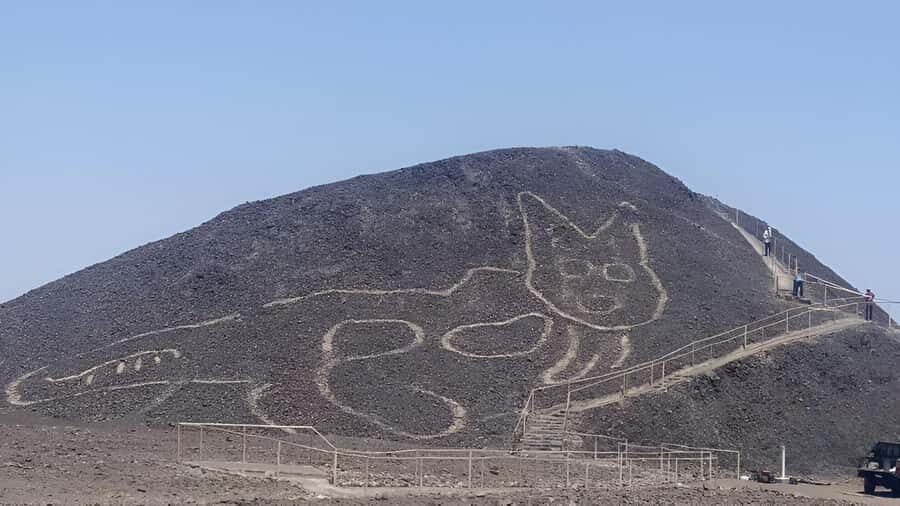
After the tower, you’ll move to a nearby hill to observe more Nazca Lines. I like this step because it prevents the experience from feeling one-note. Once you’ve climbed up and seen one grouping clearly, the hill viewpoint helps you compare angles and refine what you think you’re seeing.
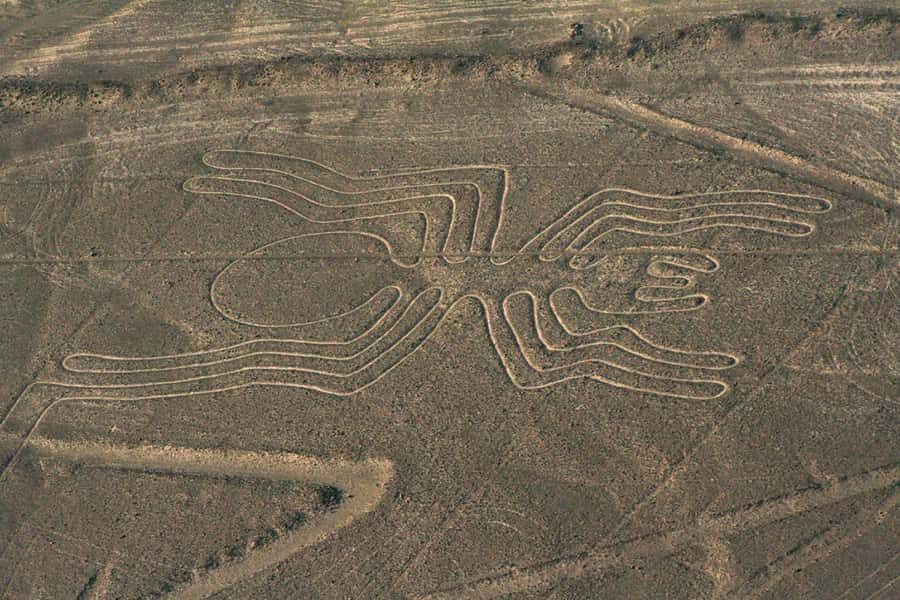
This also supports the idea that the Nazca Lines aren’t just “one drawing.” They’re a whole system of figures spread across a big area, and some will read better from one spot than another. Your guide can help you connect the dots between what you saw at height and what becomes visible or clearer from the hill.
In practice, guides often point out a mix of famous shapes. For example, in one set of experiences, people specifically noted figures like the cat, tree, hand, and lizard. You might not catch every figure on every visit, but it’s a strong sign that the guides actively identify the standout geoglyphs rather than letting you guess.



Price and value: is $52 a smart use of 3 hours?
At $52 per person for a 3-hour tour, you’re paying for three things that matter: a guide, transport, and access to viewpoints that feel worth it.
You get hotel pickup and drop-off in Nazca, plus tourist transport between stops. You also get an English/Spanish guide, and the tour is built for a small group (up to 10). When a tour is short, that structure is important. You don’t want to waste time debating where to go or waiting around for late arrivals.
What’s not included is the entrance fee (so you’ll want to budget extra for that). Still, the overall package tends to feel reasonable because you’re buying explanation and perspective, not just standing in a place and taking pictures.
Is it a bargain? If you’re traveling independently, you’ll likely spend more time and effort coordinating transport and interpretation. If you’re the type who likes context, this price starts to feel fair quickly.
What to bring (so the desert doesn’t ruin your photos)
Nazca weather can be bright and dry, and the time on viewpoints means sun hits hard. Bring:
- Comfortable shoes (you’ll move between spots and climb)
- A hat and sunscreen
- Water
- Camera (and ideally extra battery if you use it a lot)
Also, keep your plan simple: this is a short tour. If you show up ready to walk, climb, and look, you’ll enjoy it much more.
Who this Nazca tour suits best
This is a great fit if you want:
- A fast, structured introduction to Maria Reiche and the Nazca Lines
- Guided identification of specific figures (like tree and hand)
- A small-group pace that doesn’t feel chaotic
It’s also a strong option if you’re short on time and want to stay based in Nazca rather than doing a longer day trip.
If you’re sensitive to height or have vertigo, skip the tower-based format. If you prefer ultra-slow travel with long free time, you may feel rushed. But if you like crisp pacing and clear guidance, this tour hits the sweet spot.
Should you book this Nazca Lines experience?
I’d book it if you want the Nazca Lines to come with meaning, not just visuals. The museum-first approach helps the viewpoints click, and the 20-meter tower is the kind of change in perspective that makes the whole experience feel worth planning around.
I’d think twice only if the height exposure worries you or if you dislike short tours with a tight schedule. Otherwise, with its small group, hotel pickup convenience, and guided focus on major geoglyphs, this is one of those Nazca experiences that gives real value in a short window.
FAQ
How long is the Nazca: Maria Reiche Museum and Nazca Lines Viewpoint Tour?
The tour lasts about 3 hours.
Where do pickup and drop-off happen?
Pickup and drop-off can be at Plaza de Armas near the Nazca Lines, or the provider also includes pickup from any hotel in Nazca.
Is the group small?
Yes. It’s limited to a maximum of 10 participants.
What languages are available for the guide?
The tour includes English and Spanish guides.
Do I get to climb anything?
Yes. You climb a 20-meter-high metal tower as part of the viewpoint segment.
What parts of the Nazca Lines will I see?
You’ll observe the Nazca Lines from the viewpoint platform and from a nearby hill, with the guide helping you spot famous figures such as the tree and the hand. Some visits may also highlight other recognizable figures.
What should I bring with me?
Bring comfortable shoes, a hat, a camera, sunscreen, and water.
Is this tour suitable for people with vertigo?
No. It is not suitable for people with vertigo due to the tower climb.
What’s included in the price?
Pickup and return to your hotel, tourist transport, and an English/Spanish guide are included. Entrance fees are not included.