REVIEW · NAZCA
Nazca: Chauchilla Cemetery Archaeological Tour
Book on GetYourGuide →Operated by The Traveller Agency · Bookable on GetYourGuide
Mummies in a desert still make me pause. The Chauchilla Cemetery tour is fascinating because it shows Nazca burial practices up close, not as a museum story but as a living archaeological site. I love seeing well-preserved mummies and the careful way the guide ties what you’re seeing to Nazca life and beliefs. One consideration: you’ll also notice the damage from earlier looting, which can make parts of the experience feel unsettling.
This is a tight, well-paced 3-hour outing built around real walking in an arid area. You get hotel pickup, a professional bilingual guide (Spanish/English), and private mobility so you’re not stuck coordinating scraps of transport on your own. The main drawback for comfort is simple: there’s no food included, and you’re out in the sun—so plan your snacks and water.
In This Review
- Key Things I’d Plan For at Chauchilla
- Where Chauchilla Fits in Your Nazca Day
- Getting There From Nazca: Heat, Distance, and Pace
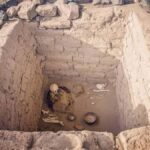
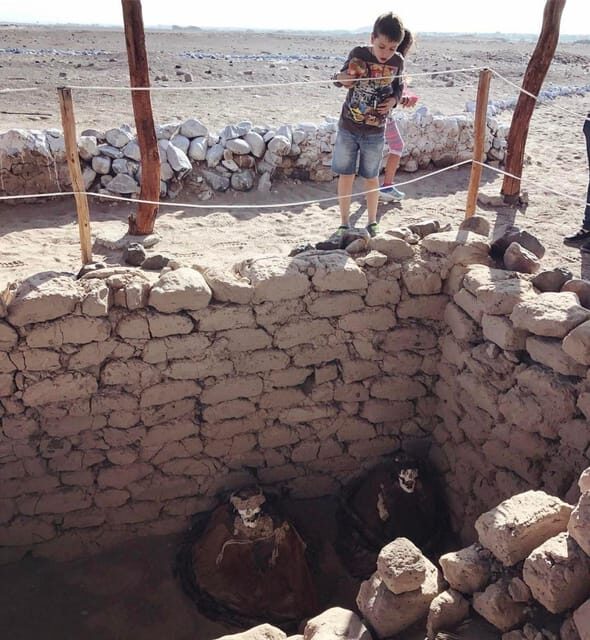
- The Chauchilla Cemetery Necropolis: What You’ll Actually See
- The hard part: looting’s visible impact
- Visitor Center and the Ceramist Workshop: Nazca Life Beyond Burial
- A Quick Reality Check: Informal Gold Mining and Mercury
- Nazca Lines Stop: Sightseeing and the Safety Briefing
- Price and Value: Is $59 Worth It?
- Who This Tour Is Best For (and Who Might Pass)
- Guide Quality: The Human Difference
- Should You Book the Nazca Chauchilla Cemetery Tour?
- FAQ
- What is the duration of the Nazca: Chauchilla Cemetery Archaeological Tour?
- Where does pickup happen?
- How far is Chauchilla Cemetery from Nazca?
- What will I see at Chauchilla Cemetery?
- Is entrance to the archaeological site included?
- Are food and drinks included?
- What languages is the guide available in?
- What should I bring for the tour?
- Is the tour only for people who speak Spanish?
- Is the Nazca Lines part included?
Key Things I’d Plan For at Chauchilla
- A short desert walk matters: comfortable shoes and sun protection are non-negotiable.
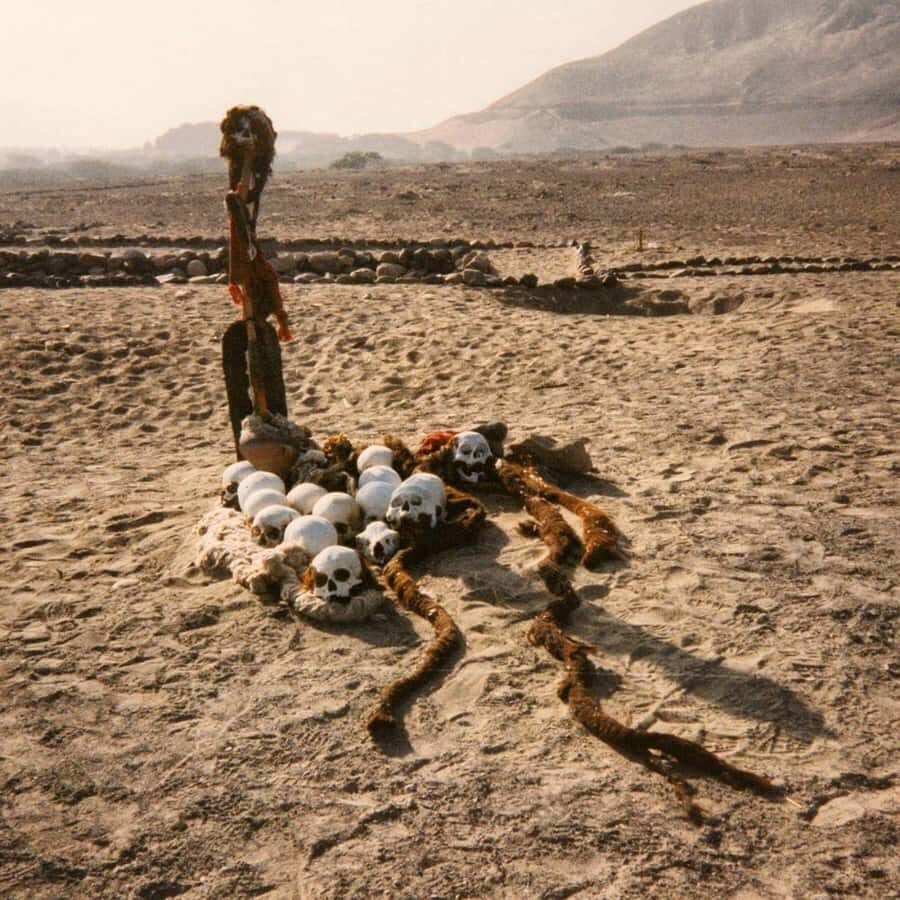
- You’ll see both intact and disturbed burials: earlier treasure hunting affected tombs and contents.
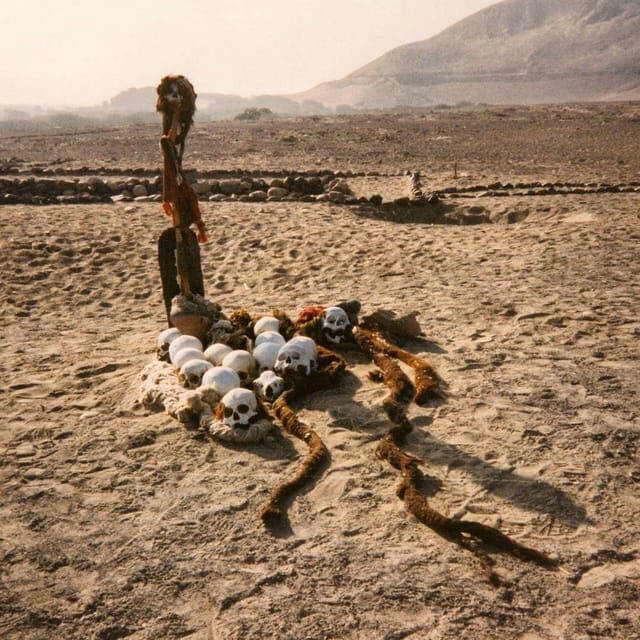
- Look closely at the details: long braids of human hair, skulls, and mummified children are part of what you’ll encounter.
- Ceramics come right after: you’ll visit a ceramist workshop tied to Nazca culture and colorful pottery.
- A “how they did it” stop: a gold-extraction demonstration uses old techniques with large mortars, lots of water, and mercury.
- Nazca Lines are included too: you’ll have sightseeing plus a safety briefing, typically around the time of the flight.
Where Chauchilla Fits in Your Nazca Day
Chauchilla is one of those Nazca experiences that changes how you think about the region. It’s easy to arrive focused only on the famous Lines above the desert. This tour adds a grounded counterpoint: people lived here, buried their dead here, and left behind clues that archaeologists still work to interpret.
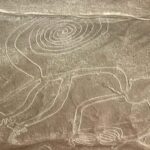
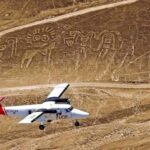
Timing also matters. This visit is normally done either before or after the flight over the Nazca Lines, so your day becomes a mix of earth and sky—tombs on the ground, then the Lines viewed from above. That pairing makes sense because you get context for why people cared so much about their world, both visible and spiritual.
You can also read our reviews of more tours and experiences in Nazca.
Getting There From Nazca: Heat, Distance, and Pace
You’ll start with pickup from your hotel in Nazca. The drive goes to a desert area about 28 kilometers from the city, and you’ll travel in private mobility with your guide guiding you through what to watch for once you’re on site.
This is a “pack for the sun” kind of outing. The cemetery is in open desert, and you’re doing a guided walk/sightseeing portion rather than staying sheltered. For me, that means you don’t want to show up with flip-flops and hope for the best. Wear comfortable shoes, put on sunscreen before you leave, and bring a sun hat. Sunglasses help too because the light can be intense.
Also, don’t count on food to save you later. Since food and drinks aren’t included, bring snacks and water so you don’t end up rushing through the later stops while your energy is fading.
The Chauchilla Cemetery Necropolis: What You’ll Actually See
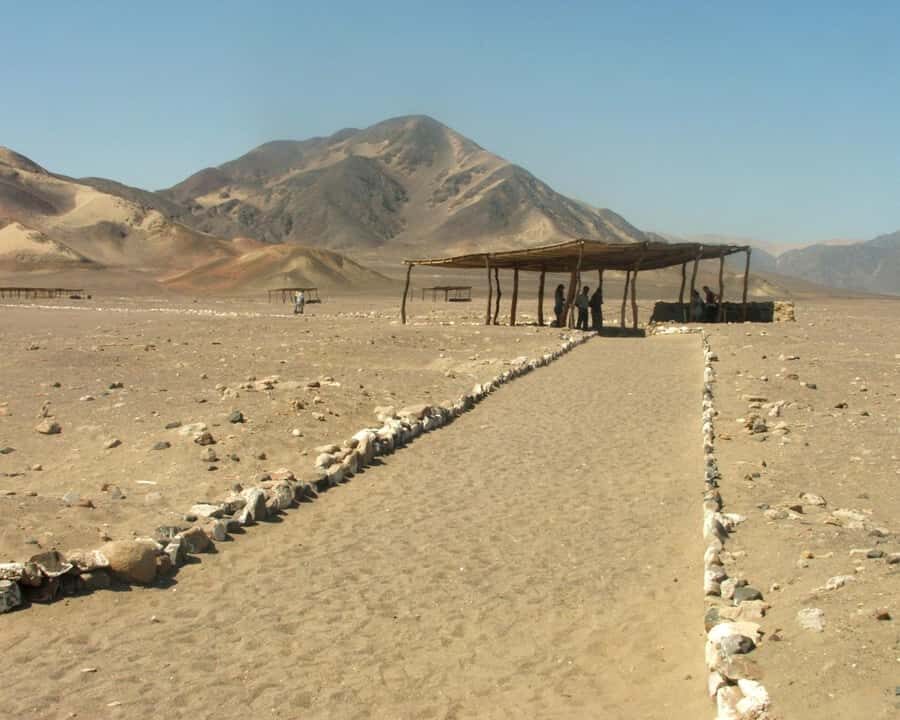
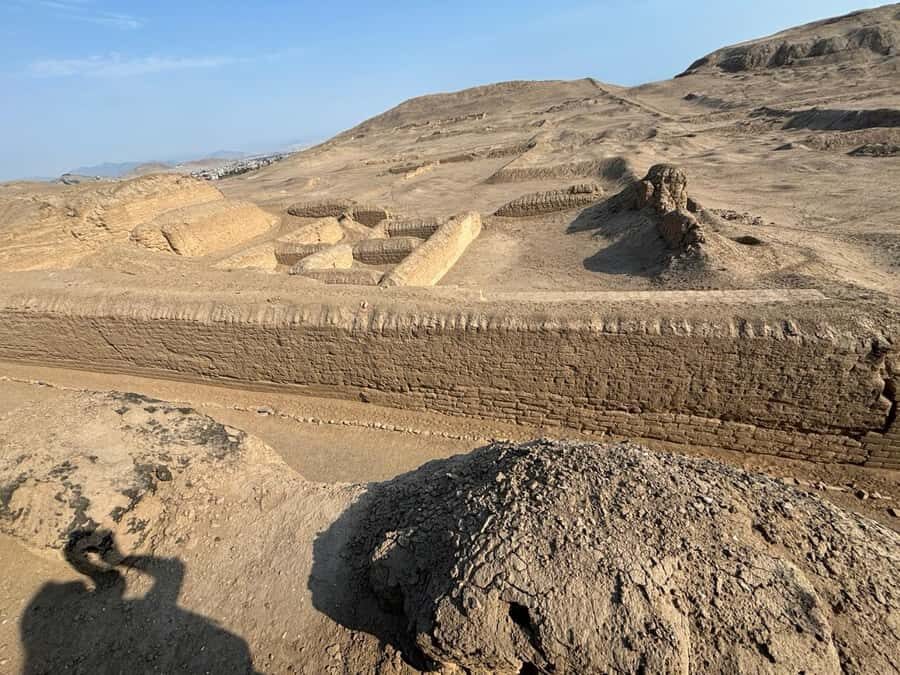
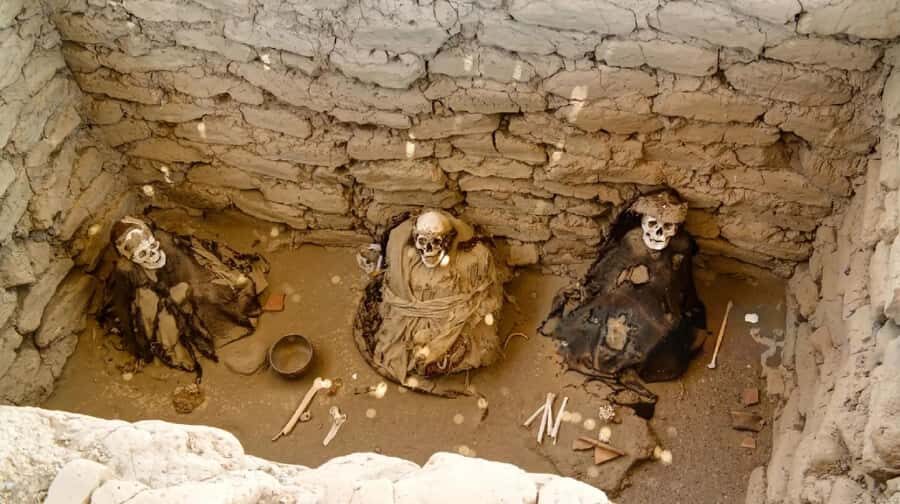
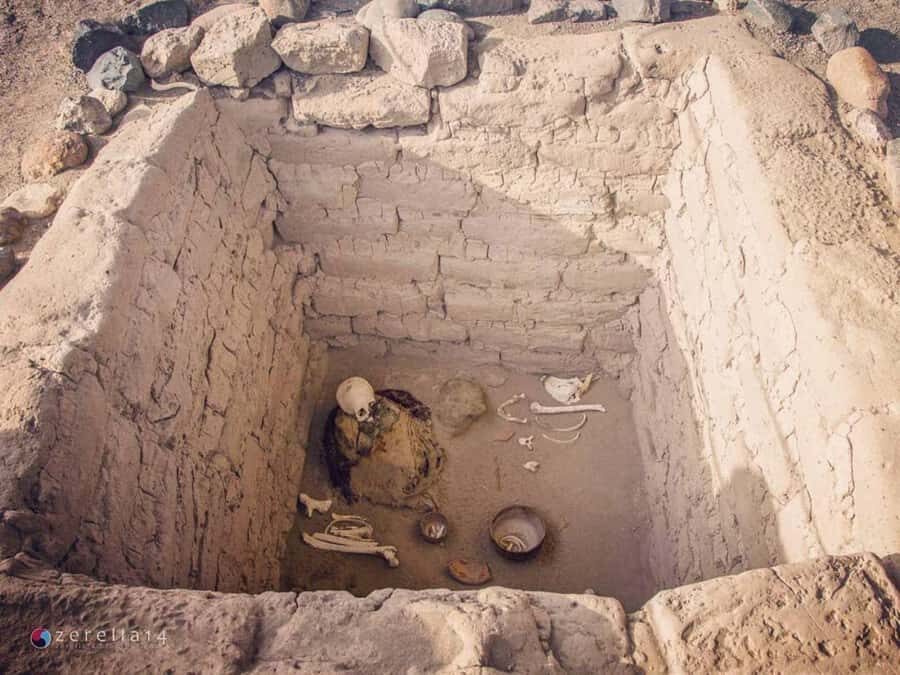
Chauchilla Cemetery is a pre-Inca necropolis dating back over 1,000 years. That date range is important, because it frames what you’re looking at as long-term burial tradition rather than a single moment in time.
Here’s the core of what to expect during your guided visit:
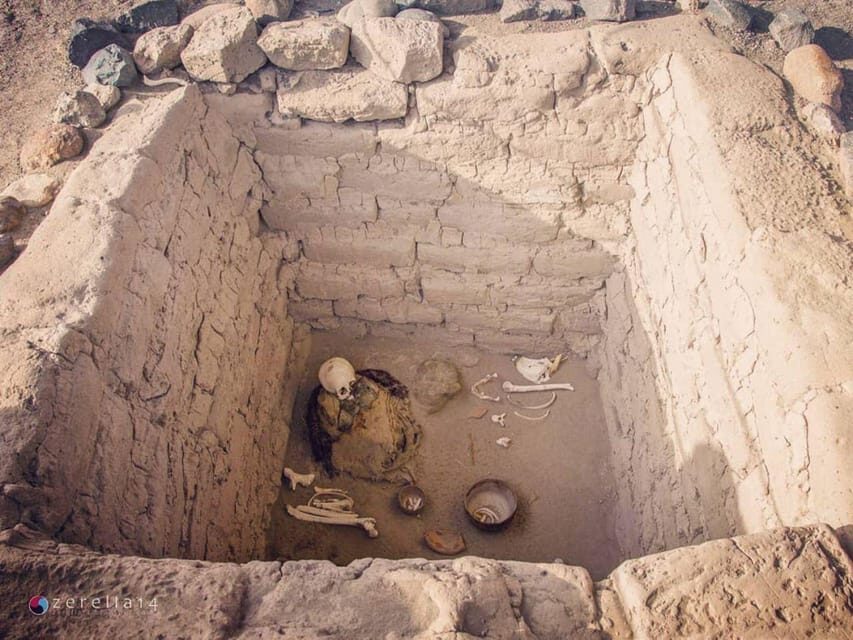
- Ancient tombs in a desert setting
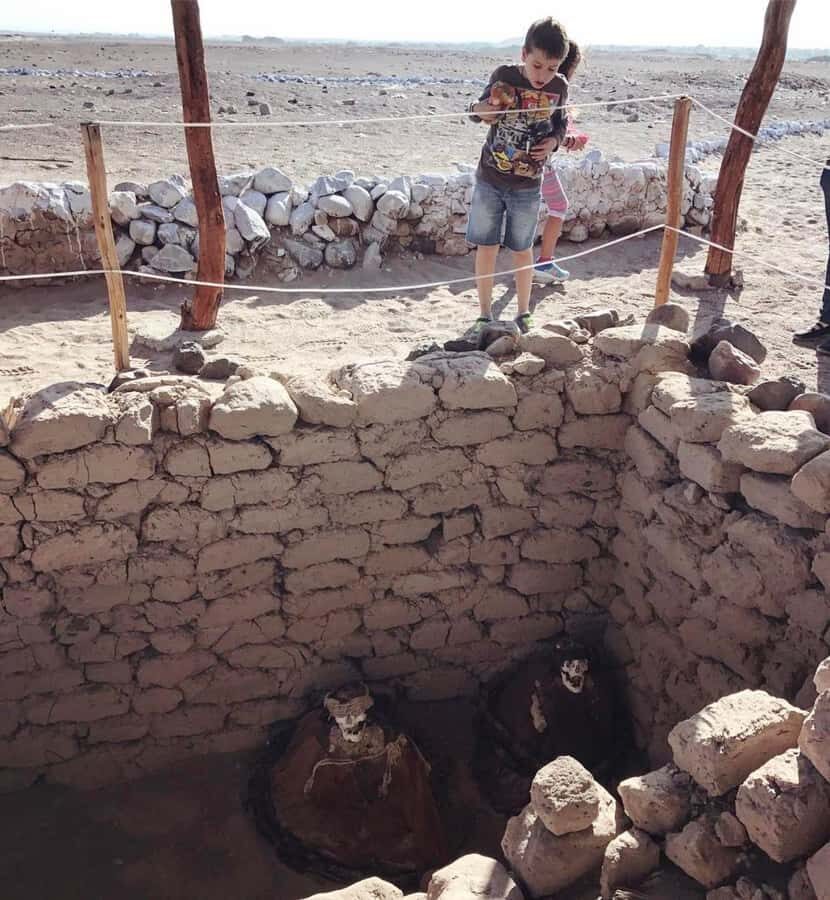
- Human remains including mummies, skulls, and skeletons
- Details tied to burial practice, including mummified bodies of children in good condition and long braids of human hair
- Tombs that are still in good shape, plus evidence of disruption from earlier looting
One thing I like about this site is how concrete it feels. You’re not just hearing general statements about burial customs. You can point and connect: the guide helps you interpret why certain elements were kept, how the mummification process left traces, and what the layout suggests about ritual and community life.
The hard part: looting’s visible impact
Chauchilla has been looted by treasure seekers for many years. That matters for your mindset going in. Some tombs and contents were destroyed and stolen, and you may notice areas that don’t match the condition of what you most want to see.
It’s still worth visiting, but go with a realistic expectation: this is archaeology, not a perfect time capsule. The value is in the learning—seeing what remains and understanding what’s been lost.
Visitor Center and the Ceramist Workshop: Nazca Life Beyond Burial
After you’ve spent time among the tombs, the day shifts gears. You’ll return to Nazca and visit a ceramist workshop where you get a clearer picture of Nazca culture in action.
This stop is more than a quick demonstration. It’s set up to explain the evolution of the Nazca civilization and to connect that story to the practical reality of how Nazca ceramics were made. You’ll learn how people produced the beautiful, colorful pottery seen from the era around two thousand years ago.
I like this pairing because it balances the emotional weight of the cemetery. The tombs show death and tradition. The ceramics workshop shows creativity, craft, and daily skill—how people expressed identity through objects. If you’re the kind of traveler who likes turning “cool visuals” into “I understand the process,” this is the moment.
Even if you’ve seen pottery examples before, the workshop framing helps you connect the dots: materials, techniques, and cultural choices that resulted in those distinctive results.
A Quick Reality Check: Informal Gold Mining and Mercury
Your walk ends with a visit to a place where informal miners work in extreme conditions to extract gold from rocks. The technique they use dates back to colonial times, and the method involves large mortars, a lot of water, and mercury.
Your miner/exhibitor explains the process. That direct explanation is the key value here: you get a practical, step-by-step sense of what the work looks like on the ground.
A word to keep your expectations grounded: this isn’t a “cute side stop.” It’s a look at labor under difficult conditions and a reminder that extraction technologies have long, messy histories. Mercury is part of the described process, so keep your distance and follow your guide’s cues about how close to stand and where to look.
For many people, the takeaway isn’t just the gold. It’s seeing how the desert economy and older technologies still echo in the present.
Nazca Lines Stop: Sightseeing and the Safety Briefing
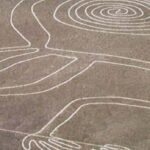
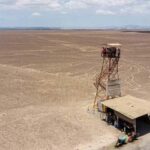
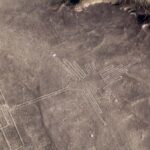
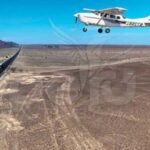
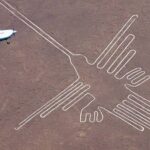
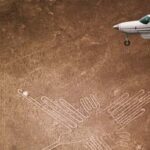
After Chauchilla and the workshop stops, you’ll have a Nazca Lines segment included with sightseeing and a safety briefing. This tour is commonly scheduled around the flight over the Lines, meaning your order can be before or after that aerial experience.
Why I think this part matters: the Lines experience is half wonder and half logistics. A safety briefing sets expectations for how to handle viewing platforms, time on the ground, or the flow of the day around the flight. It helps you move through the experience without feeling like you’re guessing what happens next.
The tour also includes skip-the-line express security, which is a small detail that can make a big difference when you’re dealing with tight schedules. Less waiting means more focus, especially if you’re trying to catch light, timing, and your own energy levels.
Price and Value: Is $59 Worth It?
At $59 per person for about 3 hours, the value depends on what you want from Nazca.
Here’s what you’re paying for that’s hard to replicate easily:
- Hotel pickup and drop-off in Nazca
- Private mobility
- Entrance fees
- A professional guide in Spanish/English
- Multiple learning stops in one outing (cemetery, ceramist workshop, gold-extraction explanation, plus a Nazca Lines visit segment with safety briefing)
If you were trying to DIY this, you’d likely spend time negotiating transport, tracking down official entrances, and piecing together language support. The tour bundles that friction into one guided experience.
Is it a “do it all” deal? It’s not a full-day production. It’s a focused 3-hour slice designed to give you variety: tombs, craft, labor, and then a Nazca Lines checkpoint. For many travelers, that’s exactly the sweet spot.
If you’re the type who wants long stays at a single site, you might find the schedule tight. But if you want smart coverage and guided interpretation, this price feels reasonable.
Who This Tour Is Best For (and Who Might Pass)
This is a great fit if you:
- Want more than the Nazca Lines and crave a deeper look at Nazca burial customs
- Like guided interpretation where you can ask questions and connect visuals to meaning
- Appreciate hands-on cultural context, like ceramics, rather than only viewing ruins
- Are okay with a serious subject, since you’ll see burial remains and the impacts of looting
You might think twice if you:
- Want an easy, low-walking outing (there is walking in a desert area)
- Don’t like the idea of seeing human remains or mummies
- Forget basics like water and sun protection (food isn’t included)
Guide Quality: The Human Difference
One detail I pay attention to on tours like this is how the guide manages pacing and explanation. In past departures of this experience, people have specifically praised the guide’s friendliness and the time taken to let the experience land.
One named guide associated with this tour is Julio, who’s been noted for being amazing and for taking the time so you can enjoy what you’re seeing. That kind of guide attention matters in a cemetery setting. You don’t want to feel rushed or turned loose without help understanding what you’re looking at.
Should You Book the Nazca Chauchilla Cemetery Tour?
If you’re visiting Nazca and you care about understanding the people behind the scenery, I’d book this. Chauchilla gives you a close-up view of burial tradition over 1,000 years old, including mummified remains and details like long braids of human hair. Then the ceramics workshop shifts the day toward craft and cultural expression, so you leave with more than just a grim “wow.”
I’d especially recommend it if you’re already planning the Nazca Lines flight and want a strong second anchor for your day. The tour’s built-in variety makes the $59 feel like a practical package, not a single stop you could replace with a photo run.
Just don’t ignore the basics: wear comfortable shoes, protect yourself from sun, and bring water and snacks since there’s no food provided.
FAQ
What is the duration of the Nazca: Chauchilla Cemetery Archaeological Tour?
The tour lasts 3 hours.
Where does pickup happen?
You’ll be picked up from your hotel in Nazca.
How far is Chauchilla Cemetery from Nazca?
The Chauchilla archaeological zone is located about 28 kilometers from Nazca.
What will I see at Chauchilla Cemetery?
You’ll see ancient tombs and mummies, including mummified bodies of children, as well as skulls and skeletons.
Is entrance to the archaeological site included?
Yes, entrance fees are included.
Are food and drinks included?
No, food and drinks are not included.
What languages is the guide available in?
The guide is available in Spanish and English.
What should I bring for the tour?
Bring comfortable shoes, sunglasses, a sun hat, snacks, sunscreen, and water.
Is the tour only for people who speak Spanish?
No. The tour includes a professional guide in Spanish and English.
Is the Nazca Lines part included?
Yes. The tour includes a Nazca Lines sightseeing segment and a safety briefing, and it’s normally scheduled after or before the flight over the Lines.