REVIEW · CUSCO
Cusco: Full-Day Sacred Valley and Maras Tour
Book on GetYourGuide →Operated by PVTravel · Bookable on GetYourGuide
One day in the Sacred Valley feels like three. You get Písac market color and the big visual payoff of Salineras salt mines with 3,000+ salt pools. The main trade-off: it’s a long 12-hour day with plenty of time on the road and some walking in high-altitude sun.
I like that the plan is built around real places you can actually see and touch: Inca-style sites, working salt pans, and a textile-focused stop. You’ll also have a professional English/Spanish guide to keep everything making sense as you move from Chinchero to Moray to Ollantaytambo.
In This Review
- Key things I’d watch for
- Price and value for a $33 Sacred Valley day
- How the day runs from Cusco: pickup, pacing, and timing
- Chinchero: textiles and an archaeological stop, not just a photo stop
- Moray’s strange terraces: why this stop makes sense
- Maras salt mines: seeing 3,000+ salt pools up close
- Lunch in Urubamba and the river route toward Ollantaytambo
- Ollantaytambo Inca architecture: the big stone moment
- Pisaq (Písac) archaeology and the nearby craft market
- Tickets, entrances, and the real cost of a complete day
- What this tour suits best (and who should be cautious)
- Should you book the Cusco Sacred Valley and Maras Tour?
- FAQ
- How long is the Cusco Sacred Valley and Maras tour?
- Is hotel pickup included?
- What’s included in the price?
- What are the main things not included?
- What languages is the tour guide?
- Do I need to bring anything?
- Is there free cancellation?
- Is there a pay-later option?
Key things I’d watch for
- A heavy-hitting route in one day: multiple Sacred Valley stops, packed into a 12-hour loop
- 3,000+ salt pools at Salineras: the visuals are the whole point here
- Písac market time plus Pisaq ruins: crafts and archaeology in the same day
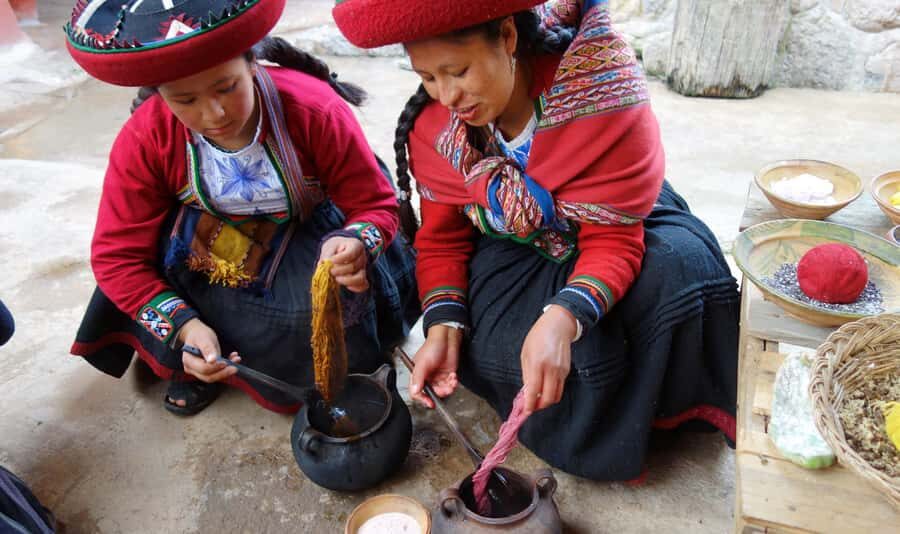
- Chinchero textiles and archaeology: a cultural stop, not only ruins
- Urubamba buffet lunch: a real break in the middle of a busy itinerary
Price and value for a $33 Sacred Valley day
For $33 per person, this tour is priced like a budget-friendly way to hit a lot of the Sacred Valley without doing it in pieces. That matters in Cusco, because day logistics can add up fast when you’re figuring out transport, tickets, and timing across several towns.
One catch: the base price does not automatically cover all site costs. You’ll see touristic tickets listed as 70 Soles per person, and Maras entrance as 10 Soles per person if it’s not covered by the option you choose. So I’d think of the $33 as the transportation + guide + major route value, then add the practical ticket layer.
If you want a single guided day that strings together the most famous sights in the Cusco region—market + ruins + salt pans—this format is strong value. If you’re the type who likes slow travel with lots of free time in one place, the price won’t feel “cheap” after hour seven on the road.
A few more Cusco tours and experiences worth a look

How the day runs from Cusco: pickup, pacing, and timing
The tour starts with hotel pickup in Cusco, typically around Cusco City center. If your hotel is outside that area, they set a meeting point for you. That setup is helpful because it reduces the annoying part of planning: where to meet, when to leave, and how to get there.
Once you’re moving, the pacing is classic full-day Cusco touring. You’ll hop through several sites in a sequence that’s designed to minimize backtracking. The route also includes travel along the river of the Sacred Valley, which is a nice change from only highways and short transfers.
At 12 hours, the tour is long enough that you’ll want to treat it like an all-day hiking day even if you’re not hiking. Wear comfortable shoes. Bring water. Use sunglasses and a sun hat. The day’s biggest comfort issue won’t be the bus—it’ll be the sun + altitude + walking between stops.
Chinchero: textiles and an archaeological stop, not just a photo stop
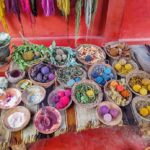
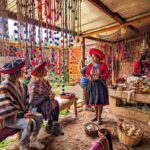
The day begins with a visit to Chinchero, where you get two things for the price of one: an archaeological zone and a textile center. This is a smart choice for anyone who’s tired of tours that only show stone ruins.
Why it works: ruins alone can blur together. Chinchero adds something practical and cultural—textiles—so the day feels more rounded. You’ll also have a trained guide to explain what you’re seeing, which helps you connect what’s in front of you with what it likely meant historically and socially.
Practical note: textile centers can mean more time indoors or in shaded areas, but you’ll still be outside for parts of the day. Comfortable shoes still matter here, because moving between viewing areas takes effort when you’re at altitude.
Moray’s strange terraces: why this stop makes sense
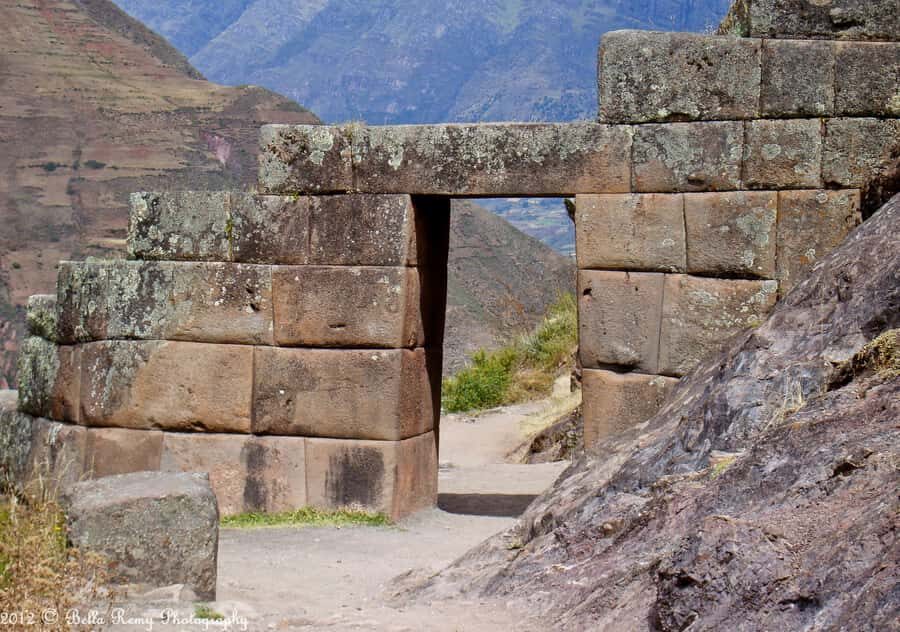
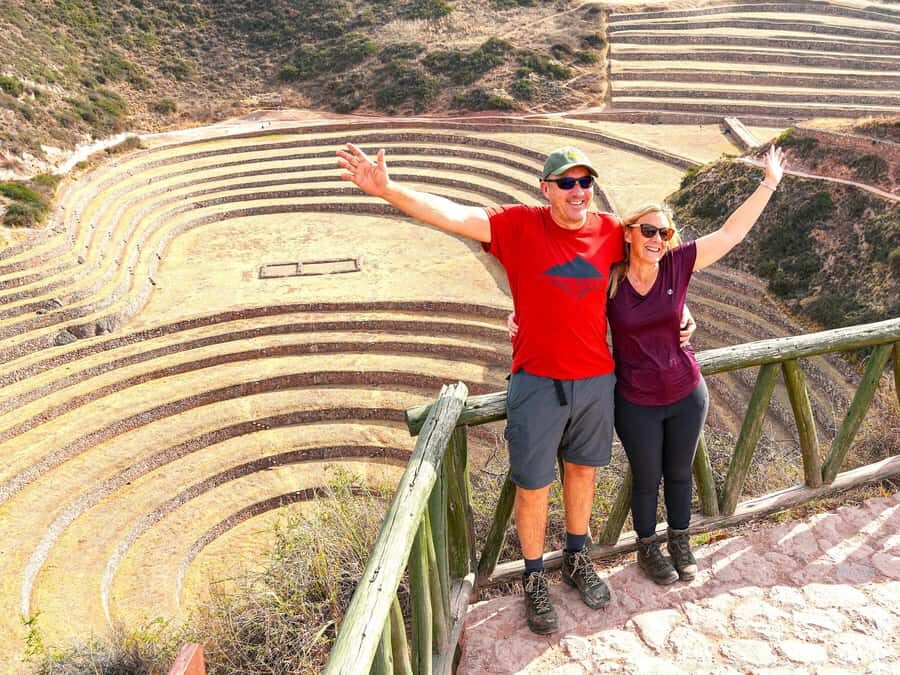
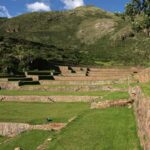
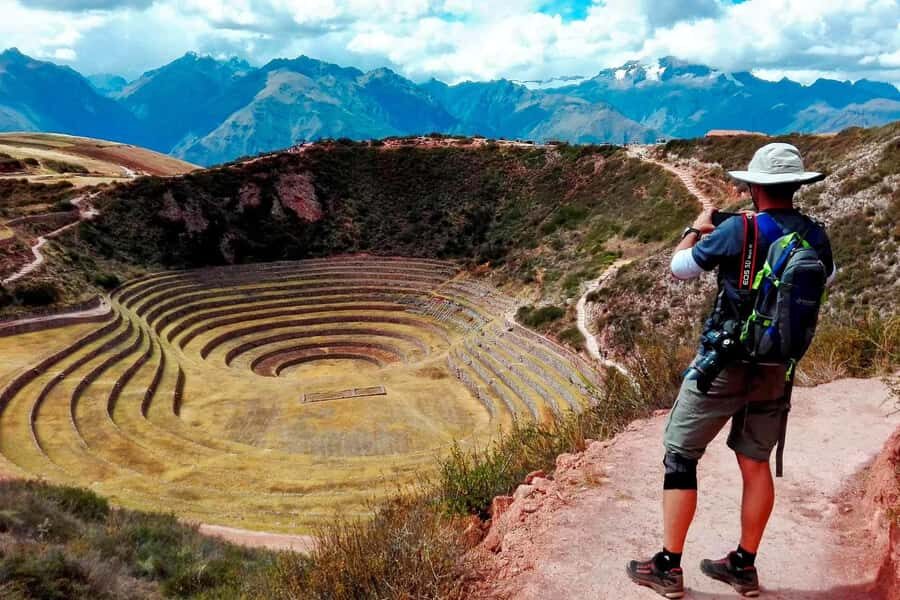
Next up is Moray, an archaeological park known for its unusual stepped features. Even if you don’t know the details ahead of time, the structure reads clearly once you’re there: it looks intentionally shaped, not random ruins.
This stop is a good “brain break” between village culture (Chinchero) and the big visual show later (Maras salt mines). It also adds variety. Instead of only markets and town streets, you’re looking at a specific architectural layout, and your guide can help you make sense of the purpose.
Consideration: this is another walking stop. It’s not a marathon, but you’ll be on your feet, and the ground can be uneven. Wear shoes that don’t punish you by hour four.
Maras salt mines: seeing 3,000+ salt pools up close
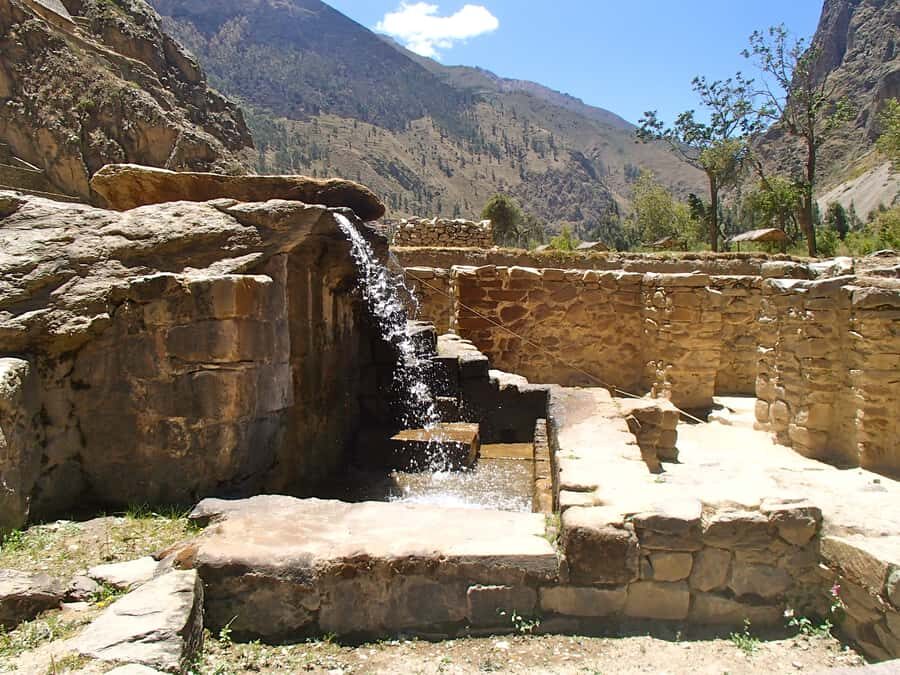
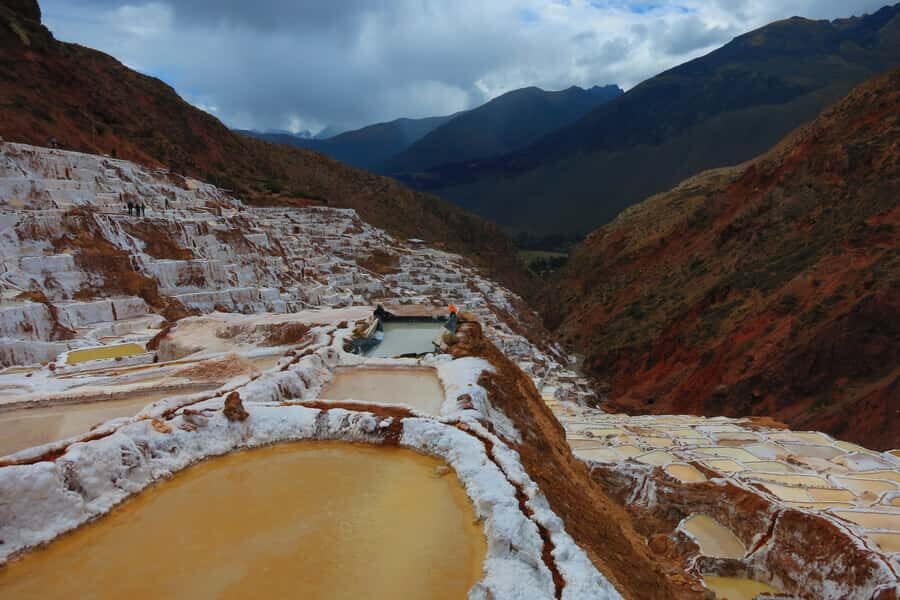
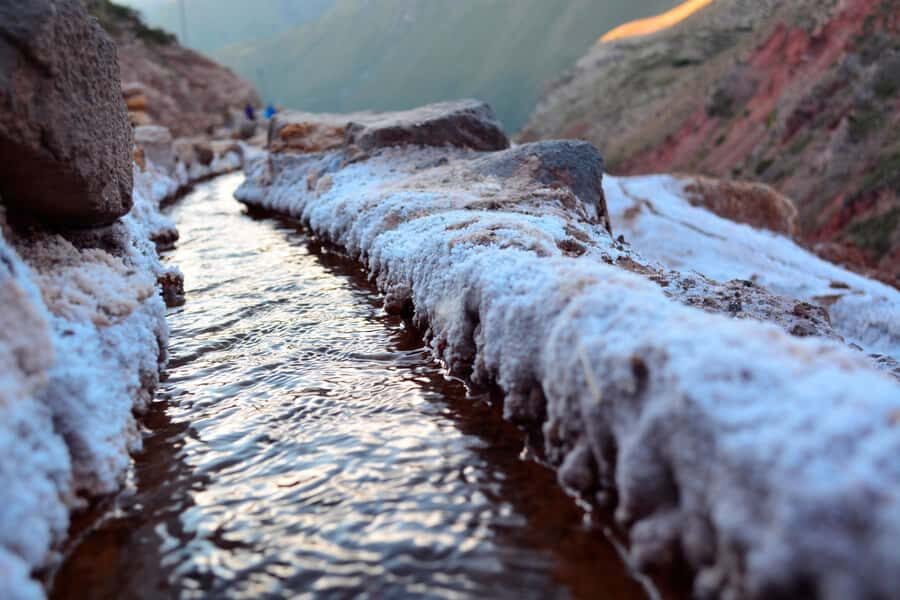
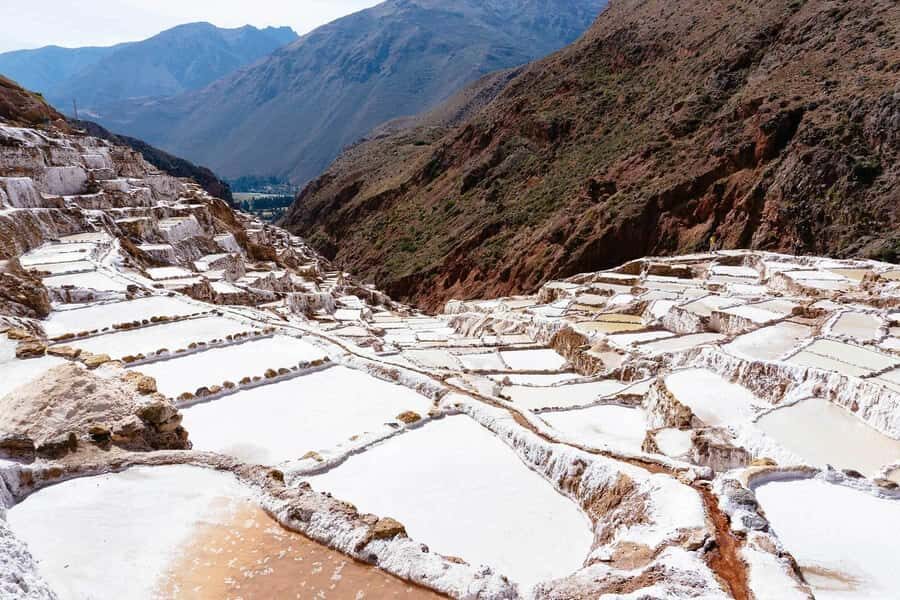
Then comes the highlight that most people remember: Salineras salt mines. The tour is built around it, and for good reason. You’re looking at more than 3,000 salt pools laid out like a patchwork across the area.
This isn’t just a one-angle viewpoint. It’s a place where your eyes keep moving—rows, levels, and patterns you can’t fully appreciate from a quick drive-by. The scale is the point, and once you’re there, it’s easy to understand why this site pulls photographers and history lovers alike.
What to do on the ground: take a moment early to scan the whole pool area before you zoom in. It helps you understand the layout so the details feel less random later.
Weather tip: bring sunglasses and a hat seriously. The day is long and the sun is strong. Salt areas can also reflect light. If you’re picky about comfort, don’t skip the basics.
Lunch in Urubamba and the river route toward Ollantaytambo
After Maras, you stop for lunch in Urubamba, with a buffet lunch provided. This is a practical midpoint. By then, you’ve usually had multiple transitions—terrain, altitude, and road time—so lunch is where your energy reset happens.
The buffet setup is helpful on a day like this because you can adjust to how you’re feeling. If you’re hungry, you eat. If you’re not, you can still find something you can handle without forcing a full meal.
After lunch, the tour travels along the Sacred Valley river, then moves toward Ollantaytambo. That river segment matters more than it sounds. It’s a reminder that the valley isn’t only sites—it’s a working region where towns and travel routes follow water and geography.
Ollantaytambo Inca architecture: the big stone moment
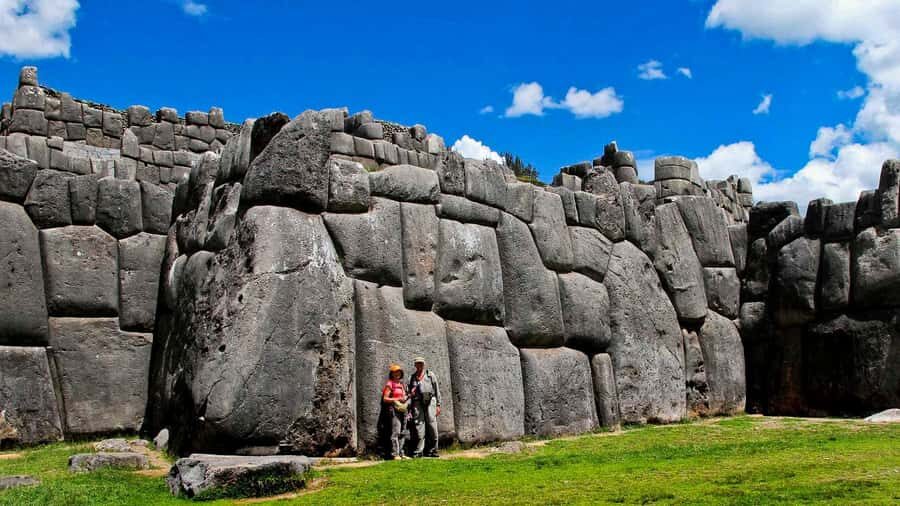
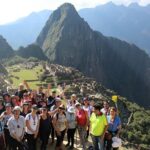
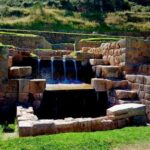
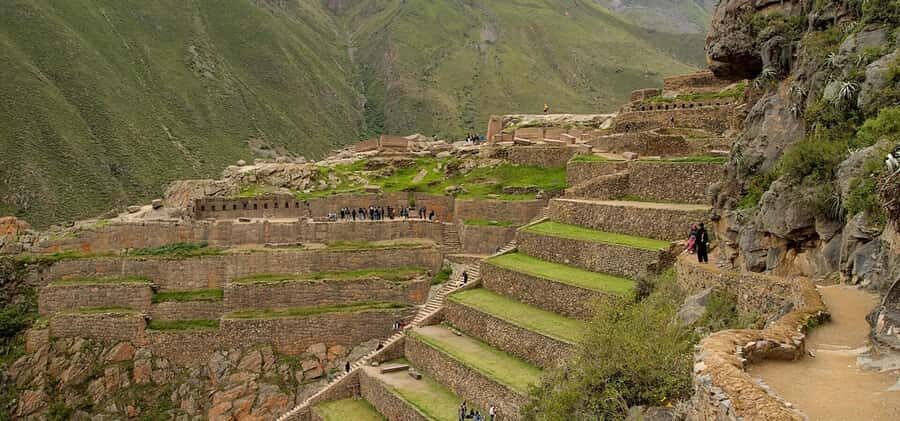
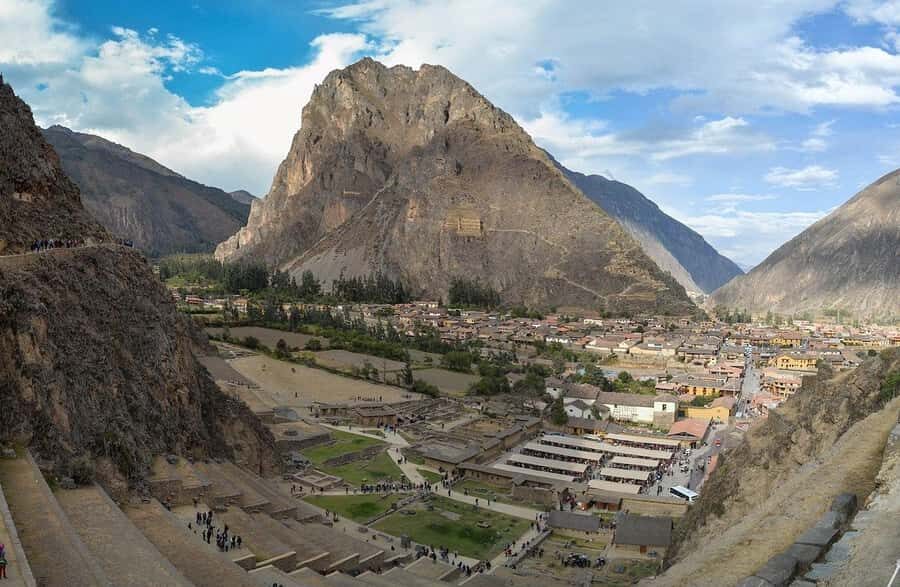
In Ollantaytambo, you’ll see famous Inca architecture. This is the kind of site where even if you’re not a deep-archaeology person, the stonework still hits. The best part of having a guided day is that you don’t just stare—you understand what you’re looking at and why it was built like that.
Ollantaytambo tends to feel like a turning point in the day because the scale of the construction is harder to miss. It also contrasts nicely with the earlier stops. Moray feels strange and experimental. Maras feels practical and working. Ollantaytambo feels like a statement.
Walking note: there’s still movement between viewing areas, and you’ll likely be on uneven terrain. Keep your shoes snug and grippy.
Pisaq (Písac) archaeology and the nearby craft market
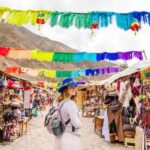
Finally, you visit the archaeological park of Pisaq and then the nearby town’s craft market. This is a great way to end the day because you get both structure and everyday culture.
The order matters. Ruins first, then crafts. When you do it this way, the market feels less like shopping for souvenirs and more like stepping into the present after seeing the past. You’ll be able to browse at a time when your legs are tired but your brain is still awake.
Also, the earlier highlight you’ll hear about—Písac market—isn’t just about buying. It’s about observing local life. Even if you don’t plan to buy much, you’ll probably enjoy the people-watching and the pace of the town.
Tickets, entrances, and the real cost of a complete day

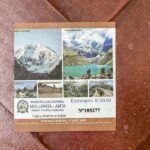
Here’s the part you should plan for upfront: touristic tickets are not included (listed as 70 Soles per person). Also, Maras entrance is listed separately as 10 Soles per person.
The good news is that the tour description also notes that entrances to Maras and ruins may be included depending on the option you select. So before you pay, check which option you chose. The difference can be the gap between a straightforward day and a day where you’re doing quick math at the ticket desk.
My practical suggestion: budget for tickets even if you think they might be included. That way you won’t end up stressed halfway through the tour.
What this tour suits best (and who should be cautious)
This tour fits you if you want a guided sampler of top Cusco region highlights in one day: textiles (Chinchero), a distinctive archaeological site (Moray), the massive salt-pool spectacle (Maras), major Inca architecture (Ollantaytambo), and a market stop paired with ruins (Pisaq/Písac).
It’s also a good fit if you like structure. A professional English/Spanish guide is included, and the route is organized in a way that makes sense for a long day.
Who should be cautious: if you hate long days, this route may feel like too much. With a full 12 hours and multiple walking segments, you’ll want to pace yourself and keep expectations realistic. If you want lots of unplanned downtime, you might prefer a slower, more single-site itinerary.
Should you book the Cusco Sacred Valley and Maras Tour?
Yes, if you want the highest “sights per hour” value in Cusco. This is the kind of tour that can save you time and confusion, especially when you’re trying to connect Chinchero, Moray, Maras, Urubamba, Ollantaytambo, and Pisaq in one go.
I’d book it if your priority is seeing both the iconic and the practical: the market energy, the Inca stonework, and the functioning salt mines with 3,000+ pools. The only reason I’d hesitate is if you’re sensitive to long travel days or prefer fewer stops with more breathing room.
FAQ
How long is the Cusco Sacred Valley and Maras tour?
The tour lasts 12 hours.
Is hotel pickup included?
Yes. Pickup is included from accommodation around Cusco City center. If your hotel is outside that area, a meeting point is set.
What’s included in the price?
Included features are hotel pickup and central Cusco drop-off, transportation, a professional English/Spanish-speaking guide, and a buffet lunch in Urubamba. Entrances to Maras and ruins can be included if you select those options.
What are the main things not included?
Touristic tickets are listed as 70 Soles per person. Entrances to Maras are listed as 10 Soles per person. Additional food and drinks are also not included.
What languages is the tour guide?
The guide is available in English and Spanish.
Do I need to bring anything?
Bring comfortable shoes, sunglasses, a sun hat, and water.
Is there free cancellation?
Yes. Free cancellation is available up to 24 hours in advance for a full refund.
Is there a pay-later option?
Yes. You can reserve now and pay later, keeping plans flexible.