REVIEW · AREQUIPA
From Arequipa: Sillar Route Excursion | Half Day |
Book on GetYourGuide →Operated by journey MachuPicchu · Bookable on GetYourGuide
One of Peru’s best-looking stones starts as dust and chisels. This half-day excursion takes you to the Sillar route that made Arequipa famous as the White City, and it mixes viewpoints, working masonry, and a short canyon walk. It’s the kind of outing where history feels practical because you watch the stone-getting happen up close.
I especially like the way the stop at Añashuayco Quarry explains how ashlar stone is carved, not just where it ends up. And the walk into Quebrada de Culebrillas gives you tall canyon walls, good photo angles, and the mystery of petroglyphs that still aren’t fully understood.
One thing to plan for: you’ll want mosquito repellent. It didn’t come up in some prep details, and people ended up buying it on-site.
In This Review
- Key highlights you’ll notice right away
- Why the Sillar Route is more than a quick photo stop
- 8:50 pickup and a half-day schedule that stays in your control
- Volcano views first: getting oriented around Arequipa
- Añashuayco Quarry: watching ashlar stone shaping in real time
- Quebrada de Culebrillas: short canyon walk, big wall height
- Petroglyphs carved in stone: the mystery part of the tour
- Price and total value: what the $25 really turns into
- What to bring: cash, ID, camera, and yes, repellent
- Guide quality: English, Spanish, and Tony’s style of explaining
- Who should book the Sillar Route excursion
- Book it or pass: my practical recommendation
- FAQ
- How long is the Sillar Route half-day excursion?
- What time does the tour pick me up, and when does it end?
- Where is the pickup location?
- Is the tour guided, and what languages are offered?
- What’s included in the price?
- Do I need entrance tickets?
- Is there walking during the tour?
- What should I bring?
- When should I reserve, and is there a cancellation option?
Key highlights you’ll notice right away
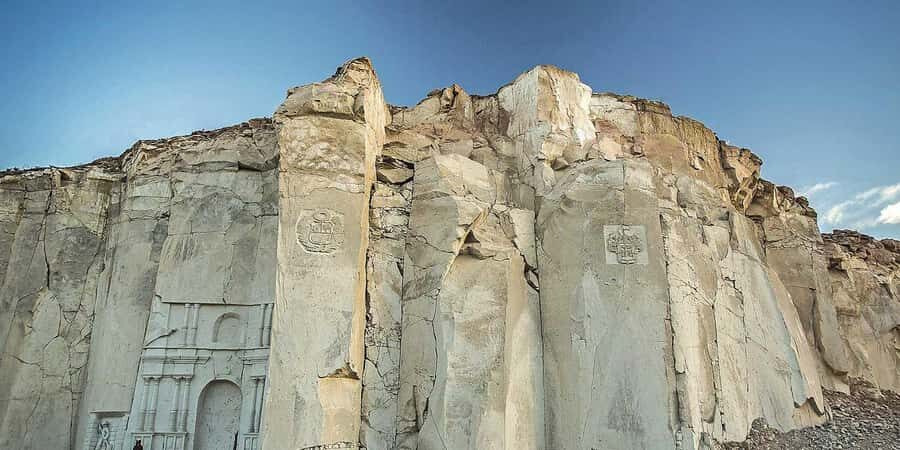
- Ashlar in action at Añashuayco Quarry, watching local masons work the stone
- Volcano viewpoint early on, so you get context for where Arequipa sits
- Cañón de Culebrillas walk through the canyon for about 20 minutes
- 20-meter-high canyon walls that make photos and quick pauses feel worth it
- Petroglyphs carved into stone with meanings that remain unknown
- Bilingual guiding in English or Spanish, with a sense of humor from guides like Tony
Why the Sillar Route is more than a quick photo stop
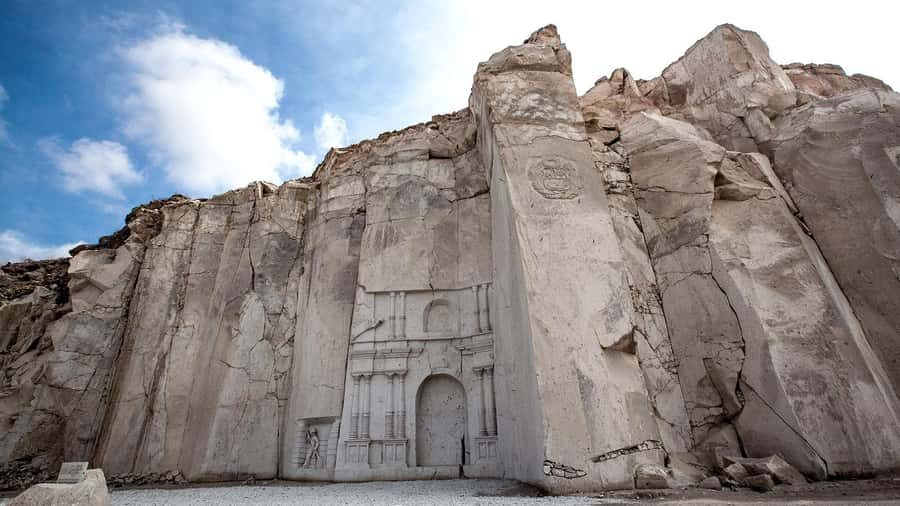
Arequipa’s white look isn’t random. It comes from sillar, a pale volcanic stone that’s been carved and used in local building for generations. This route focuses on how the material was extracted and worked, so you’re not just looking at pretty walls around the city—you’re seeing the source.
The route is also recognized as Intangible Cultural Heritage of the Nation, which matters because it frames the craft as living knowledge, not only old ruins. When you stand where the stone was cut, the story turns from art history into everyday technique: quarrying, shaping, and transport.
If you like travel that feels hands-on—without needing all day—this is a strong fit. You get multiple stops that build on each other: viewpoint → quarry → canyon walk → petroglyphs → back to town.
You can also read our reviews of more tours and experiences in Arequipa.
8:50 pickup and a half-day schedule that stays in your control
You start with hotel pickup at 8:50 a.m., and the tour ends back in Arequipa at 1:00 p.m. That makes it a nice morning plan, especially if you want your afternoon free for the city, food, or a second activity.
The tour includes tourist transport and a professional guide, and it runs in either English or Spanish. The guide is a big deal here, because the stops are visual but also technical—quarry work, stone carving, and what you’re actually looking at in the canyon.
One practical note: the pickup is from your hotel near the main square. If your hotel is farther out, double-check what the operator plans for pickup so you don’t lose time.
Volcano views first: getting oriented around Arequipa
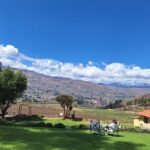
Before you get into the quarry and canyon, you’ll head to a viewpoint where you can appreciate the volcanoes around Arequipa. This is one of those simple beats that pays off later.
Why? Because the stone and the canyon aren’t random scenery. They’re connected to the region’s geology and how volcanic material shaped what people could extract and build with. Even a quick look at the surrounding peaks helps you read the terrain as you drive.
If you’re the type who likes to understand where you are before you start walking, this first stop is a good start.
Añashuayco Quarry: watching ashlar stone shaping in real time
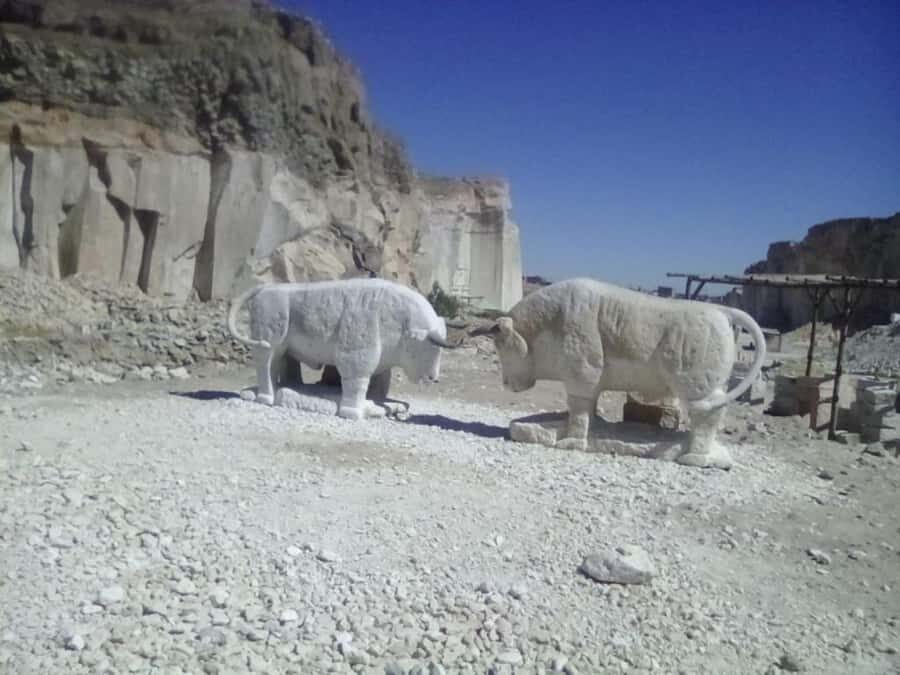
The first major stop is Añashuayco Quarry, where you can see how local masons work the stone and learn about the carving process. This is the part you’ll remember when you look at Arequipa’s architecture later.
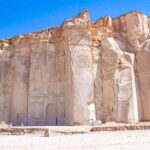
You’ll also get to admire the immense cliff canyon created by the extraction of the material. It’s not just “a cool pit.” It shows scale—how much stone had to come out and how the quarrying changes the ground itself.
What to look for:
- How the stone is handled and shaped by hand methods
- The way the quarry exposes layers and edges that make carving possible
- The cliff formations that show the quarry’s impact over time
This stop is also where you can grab some of your best photos. People tend to photograph the working area and the cliff views because you can frame both the craft and the results.
Potential drawback: quarry time is limited. The tour is half-day paced, so if you want to linger for long photo sessions, go early with your shots and keep your camera ready when the guide points things out.
Quebrada de Culebrillas: short canyon walk, big wall height
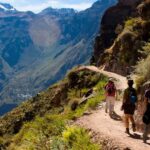
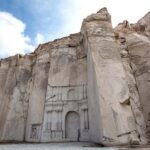
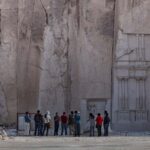
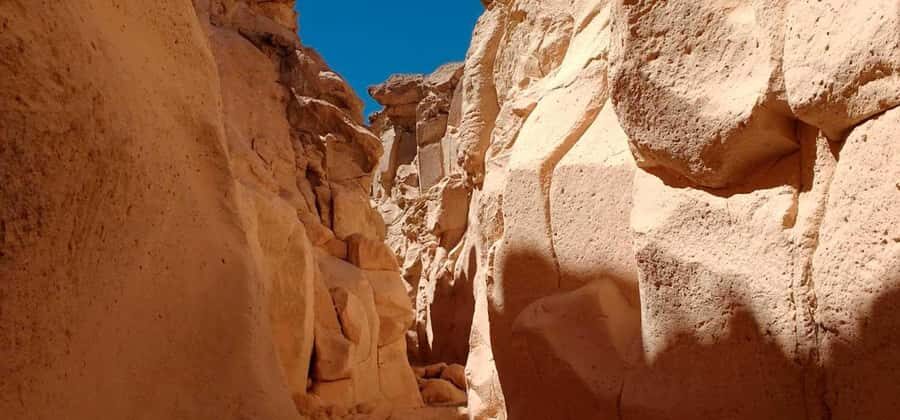
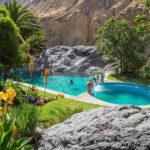
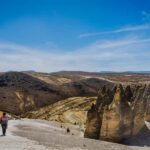
About 30 minutes after the quarry, you’ll reach Quebrada de Culebrillas. The canyon has water-carved walls that can reach up to 20 meters high, and you’ll enter for a walk of about 20 minutes.
This is a short walk, but it’s not just strolling. Walking inside a canyon changes your sense of space fast. The walls narrow in, the light shifts, and you naturally slow down to take photos and read the rock surfaces.
What I like about this stop is the balance:
- Enough time to feel the canyon
- Not so long that it turns into a full hike
- Strong photo potential without needing hiking boots and a long plan
A possible consideration: you’ll be walking inside uneven canyon ground. There’s no promise it’s wheelchair-friendly or super flat, so if you have mobility issues, consider your comfort level before booking.
Petroglyphs carved in stone: the mystery part of the tour
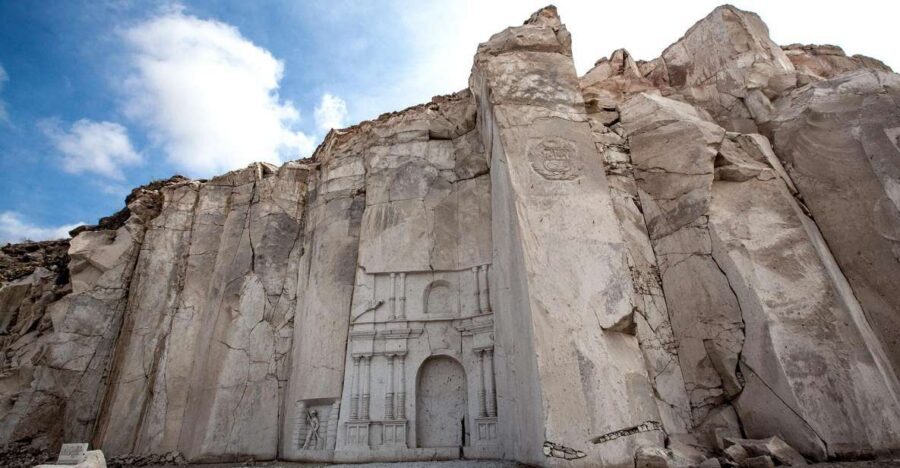
Your last stop on the Sillar Route is to discover petroglyphs carved into the canyon. The figures are there, but the meaning isn’t known.
That unknown is part of the value. You aren’t being spoon-fed a single official interpretation. Instead, you look, compare what you think you see, and let the canyon’s age do the talking.
The best way to enjoy petroglyphs on a short tour is to use the guide’s pointing first, then look again yourself. You’ll usually spot more the second time once you know where to aim your attention.
Price and total value: what the $25 really turns into
The tour price is $25 per person, and that includes hotel pickup, tourist transport, and a professional guide. But there are entrance tickets you’ll pay separately:
- Ruta del Sillar: $5 per person
- Cañón de Culebrillas: $5 per person
So you should plan on about $35 total before any extra spending.
Is that good value? For this kind of half-day, yes—mainly because you’re paying for three things at once:
- Transportation that gets you out to quarry and canyon without stress
- A guide who explains the stone and what you’re seeing
- A structured route so you don’t waste time figuring it out on your own
If you’re the DIY type, you can sometimes find fragments of similar experiences. But the combination of quarry context + canyon walk + petroglyph focus is exactly what you pay for here.
What to bring: cash, ID, camera, and yes, repellent
Pack light, but pack smart. Bring:
- Passport or ID card
- Camera (there are photo moments at the quarry and canyon)
- Cash (especially for the entrance tickets and any on-site purchases)
- Personal medication
And bring the boring stuff that saves your morning:
- A small layer for wind and changing canyon light
- Something for sun protection
Most importantly, bring mosquito repellent. One common complaint was that repellent wasn’t clearly mentioned in the prep list, and people ended up buying it at extra cost on-site. If you want to avoid that surprise, treat repellent like you’re going anywhere near water and canyon shade.
Not allowed items include weapons or sharp objects, and alcohol and drugs. So skip anything that could slow down security checks.
Guide quality: English, Spanish, and Tony’s style of explaining
The tour runs with a live guide in English or Spanish, and the explanations matter because the craft is visual and technical. You’ll get more from this route if you can hear how the stone is carved and why certain features show extraction.
One guide name that comes up is Tony—and the feedback around him is strong. People liked that he used humor and explained clearly in both English and Spanish. That kind of pacing helps a lot if your Spanish is close to nonexistent; you still get the full story without guessing.
If you care about clarity, arriving with a camera ready and a few questions in mind will help you connect the dots across the quarry and canyon stops.
Who should book the Sillar Route excursion
This is a great match if you:
- Want a half-day activity that teaches you something practical
- Like hands-on craft travel (watching quarry work rather than only seeing finished buildings)
- Prefer short walking (about 20 minutes in the canyon) over long hikes
- Want a “white stone” theme that connects the city to the region’s geology
It’s also a good option for first-time visitors to Arequipa. The route helps you understand why the city looks the way it does, and it gives you a break from only browsing museums or churches.
If you’re expecting a long, strenuous adventure, this probably won’t scratch that itch. It’s built for time efficiency and seeing multiple key sites without exhausting your day.
Book it or pass: my practical recommendation
I’d book this tour if you’re curious about how Arequipa’s famous stone is made and used. The mix of quarry craft, canyon walking, and petroglyph discovery is a smart use of a morning, and the guide-driven explanations turn the scenery into something you understand.
I’d be cautious if you hate mosquito issues and don’t want to think about repellent, or if short walking in canyon ground is a problem for your body. Fixable, but worth deciding before you go.
Best move: pack repellent, bring cash for entrances, and keep your camera charged. This is the kind of excursion where a few small choices make your photos and your comfort better.
FAQ
How long is the Sillar Route half-day excursion?
It runs for 390 minutes (a little over 6 hours).
What time does the tour pick me up, and when does it end?
Pickup is at 8:50 a.m., and the tour returns to Arequipa at 1:00 p.m.
Where is the pickup location?
Pickup is from your hotel near the main square.
Is the tour guided, and what languages are offered?
Yes. You get a live tour guide in English and Spanish.
What’s included in the price?
The tour includes hotel pickup, tourist transport, and a professional guide.
Do I need entrance tickets?
Yes. Entrance tickets to Ruta del Sillar cost $5 per person, and tickets to Cañón de Culebrillas cost $5 per person.
Is there walking during the tour?
Yes. You’ll walk inside the canyon at Quebrada de Culebrillas for about 20 minutes.
What should I bring?
Bring passport or ID, a camera, cash, and any personal medication you need.
When should I reserve, and is there a cancellation option?
You must reserve one day before. You can cancel up to 24 hours in advance for a full refund. You can also reserve now and pay later.