REVIEW · AREQUIPA
Tour + Hike to the Sillar Route and Culebrillas in Arequipa
Book on GetYourGuide →Operated by AREQUIPA EXPLORER Y ACTIVIDADES TURISTICAS · Bookable on GetYourGuide
Quarries and petroglyphs in one afternoon. This 4-hour Sillar Route tour mixes a city van ride with a short canyon walk, plus volcano viewpoints over Arequipa.
I love seeing the Añashuayco Quarry in action, where stonemasons talk you through their work and the stone’s role in local building. I also love the Culebrillas canyon hike, with tall water-carved walls and Wari petroglyphs you can spot up close.
One thing to plan for: the tour price doesn’t include site entry tickets, which cost about 10 soles in total.
In This Review
- Key highlights to look for
- Getting to the viewpoints: Chilina Valley and volcano views early
- Añashuayco Quarry: a still-working place with huge ignimbrite walls
- What to watch for on the quarry visit
- The Megacarving of the Church of the Company of Jesus
- Quebrada de Culebrillas: the canyon walk with Wari petroglyphs
- Petroglyphs at the end of the walk
- Hiking time and pacing
- Apachetas and the “good luck” feeling at stone cairns
- The Mirador de los Volcanes: finishing with a strong view
- Price and value: is $14 worth it?
- Practical tips for a smooth Sillar Route day
- Who this tour is best for
- Should you book the Sillar Route and Culebrillas tour?
- FAQ
- Where is the meeting point for the tour?
- How long is the tour?
- What is included in the price?
- Do I need to pay anything extra?
- Is the tour offered in English and Spanish?
- How much hiking is involved?
- Are there different departure times?
Key highlights to look for
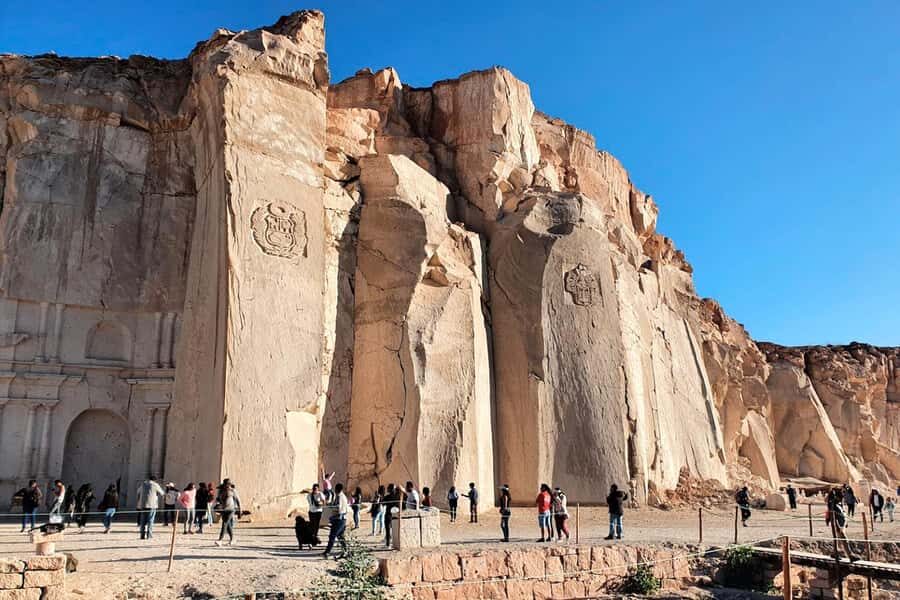
- Añashuayco Quarry, still working, with stonemasons early on and big, dramatic quarry walls
- Megacarving of the Church of the Company of Jesus, made by the stonemasons themselves
- Culebrillas canyon walk, about 20 minutes inside a narrow canyon with 15 to 20 meter walls
- Wari petroglyphs, more than a thousand years old, visible at the end of the walk
- Apachetas, stacked stone cairns tied to gratitude to nature and good luck
Getting to the viewpoints: Chilina Valley and volcano views early
You’ll meet at the main office on the corner at C. Álvarez Thomas 115. The tour kicks off around 9:15 am, and the first part is all about getting bearings—then getting a view.
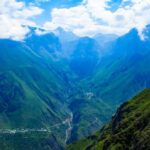
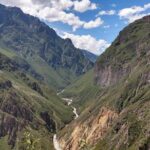
Before the quarry, you stop at a strategic lookout where you can see the volcanoes and the Chilina Valley. Depending on the season, the start order can switch with another traditional viewpoint, but the idea stays the same: arrive with the right perspective, so what you see later in the stone makes sense.
This is also when the guide sets the tone—what to look for, how the route is laid out, and what the stone and canyon are connected to. It’s not a long drive, but it’s enough time to settle in before the walking starts.
You can also read our reviews of more hiking tours in Arequipa
Añashuayco Quarry: a still-working place with huge ignimbrite walls
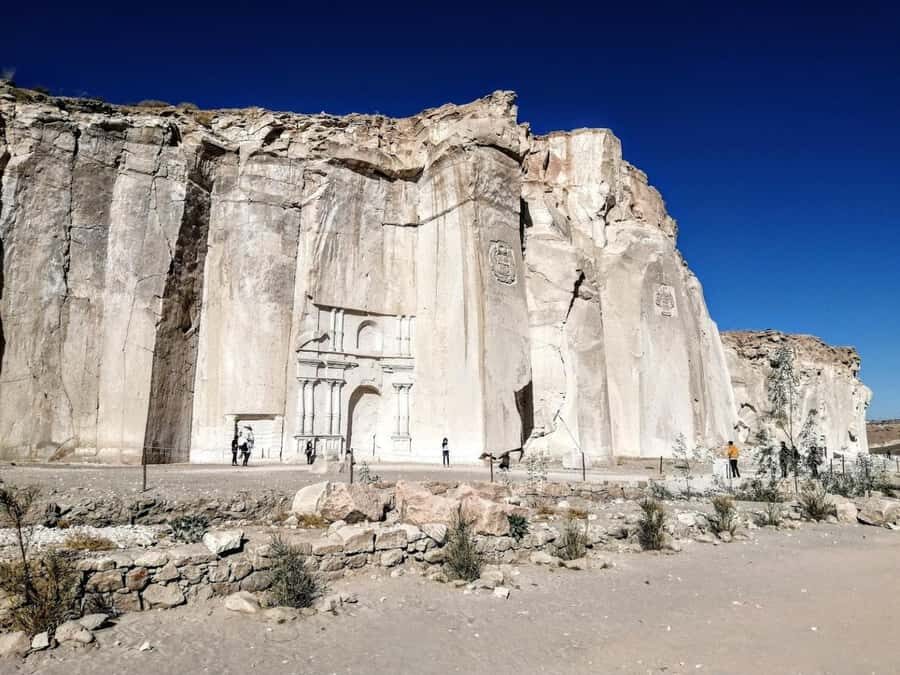
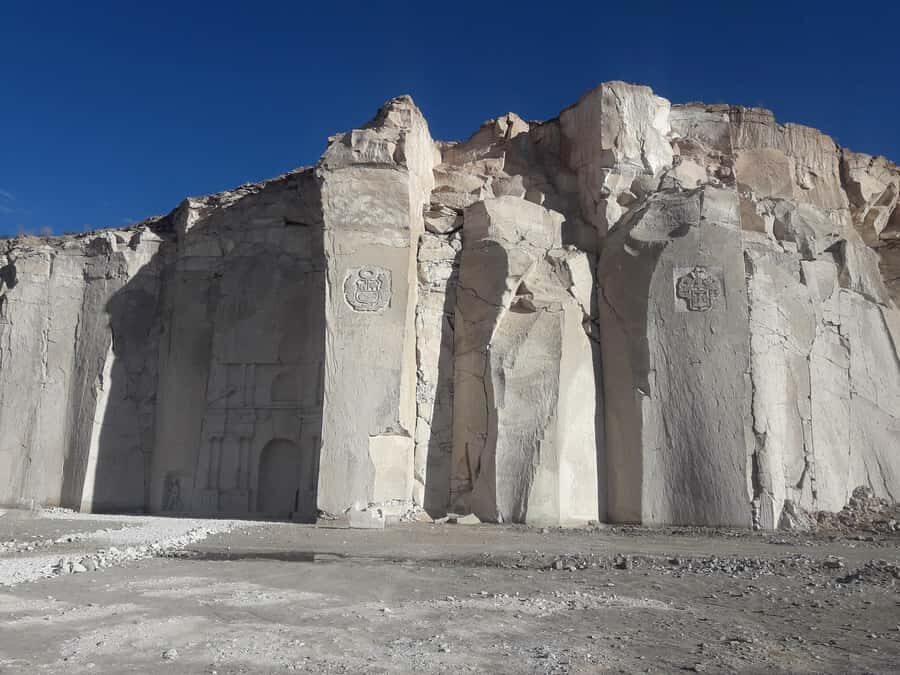
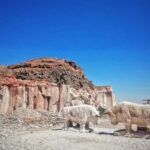
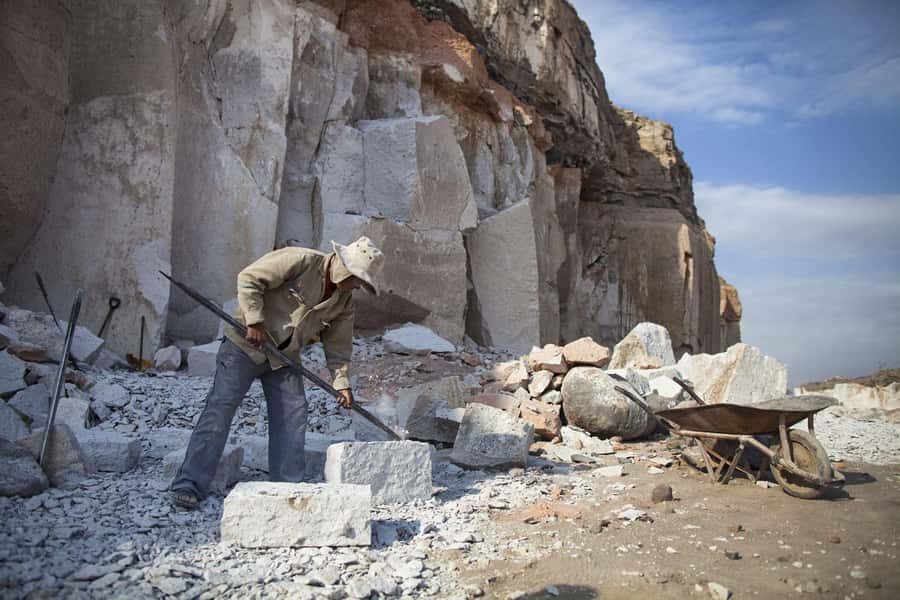
Next you head to Añashuayco Quarry, about 45 minutes from the first stop. The quarry is currently in operation, and that matters. You’re not just touring a dead site behind a fence—you’re seeing people work in real time.
What really hits you here are the immense canyon cuts and high cliffs from extraction, with walls described as several meters high. The guide explains how those quarry walls formed from the removal of material used for ashlars—and how the ashlar story connects to Arequipa’s building tradition.
In plain terms, this stop turns history into something physical. You stand where stone is produced, then you walk away understanding why the extraction site looks the way it does, instead of treating it like just another photo backdrop.
What to watch for on the quarry visit
You’ll have a break and photo time, then a guided tour. During that guided portion, pay attention to:
- where the quarry walls show layers and texture from the digging
- how the guide connects production to how the stone has been used over time
- the scale—your brain underestimates quarry sizes unless you stand at the right angles
If you like craft and process, this is the best part of the tour to slow down.
The Megacarving of the Church of the Company of Jesus
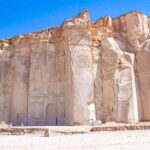
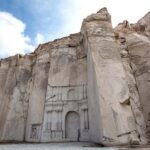
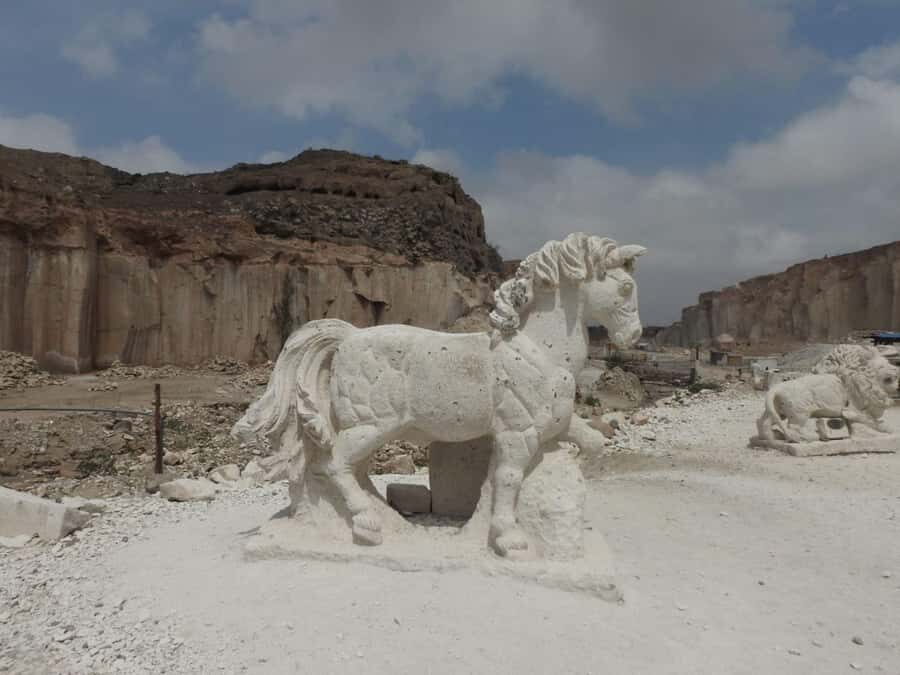
One of the most memorable sights at Añashuayco is the mega carving of the Church of the Company of Jesus. It’s made by the stonemasons themselves, which gives it a different energy than a decorative carving you’d expect to see at a museum.
During the visit, the guide points out what’s going on and gives context so the carving doesn’t feel random. You’re seeing a skill set applied at a monumental scale, right inside the worksite environment.
Then comes the part you won’t get at most “look and leave” tours: you can interact with the stonemasons. The plan includes a chance to meet one of them, hear what the daily job looks like, and even try cutting a stone block yourself.
Don’t expect a movie moment. Expect something hands-on, simple, and grounded in technique. If you’ve ever wondered how stonework actually happens, this is where your curiosity gets answered with your own hands.
Quebrada de Culebrillas: the canyon walk with Wari petroglyphs
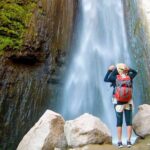
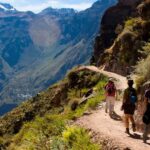
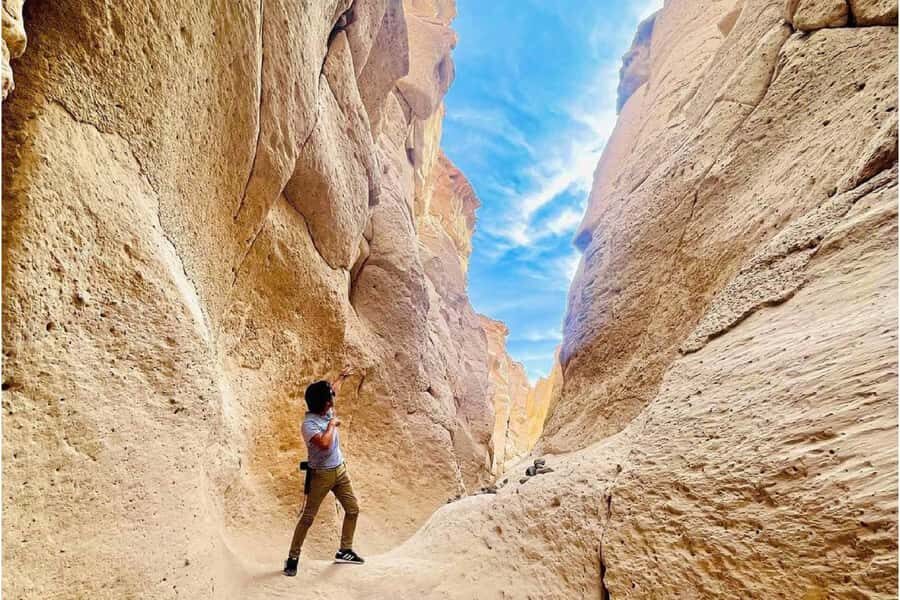
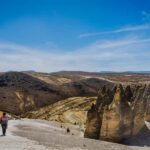
After the quarry, you move about 30 minutes toward Quebrada de Culebrillas. This stop is built for your legs. You’ll walk for roughly 20 minutes inside the small canyon, and the canyon walls rise as you go in.
The description is specific: the canyon walls are about 15 to 20 meters tall, formed by water over time. As you enter, the canyon narrows visually, and the walls feel taller because you’re walking deeper into a cut corridor.
Petroglyphs at the end of the walk
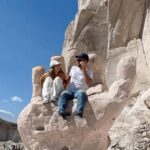
Toward the end of the walk, you’ll be able to see petroglyphs made by the Wari culture, dated as more than a thousand years ago. Seeing petroglyphs on a sign is one thing. Seeing them integrated into a natural rock setting is another.
The guide’s job here is key: they help you understand what you’re looking at and where to focus, so you don’t end up with a bunch of blurry phone pics and no idea what mattered.
Hiking time and pacing
The canyon portion is described as relatively short, but don’t treat it as a stroll. You’ll want sturdy footwear and a watchful step. This is also a good place to keep your eyes up, not only on your feet. The walls and carvings reward both views: the ground-level details and the rock face overhead.
Apachetas and the “good luck” feeling at stone cairns
Before heading back toward the city, you’ll stop to observe Apachetas. These are stone formations placed one on top of the other, and in this context they’re explained as symbols tied to gratitude to nature and good luck.
They’re small enough to miss if you rush. But pause for a minute. Cairns like these tend to be where people slow down without realizing it—part ritual, part landscape tradition. Even if you don’t buy into the mysticism, you still get a real window into how local people read the outdoors.
It also helps close the loop of the tour. You started with viewpoints over volcanoes and valley, then moved into human stonework, then walked through a canyon shaped by water. Apachetas sit in that middle space: a cultural marker inside the natural story.
The Mirador de los Volcanes: finishing with a strong view
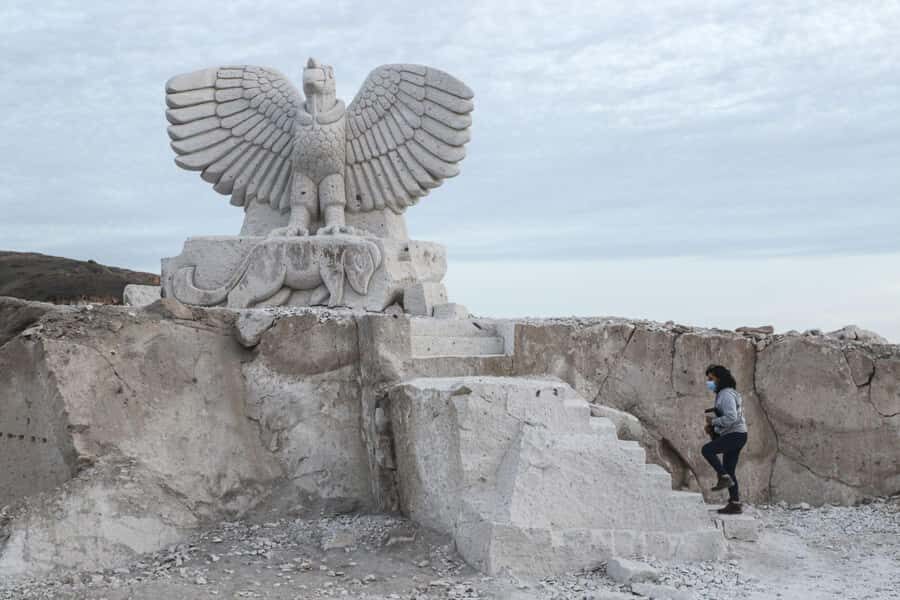
As the tour rounds out, you’ll reach Mirador de los Volcanes. You’ll get a break and photo stop with a guided explanation for about 20 minutes, then you’ll head back with a final drive into town.
This viewpoint is your visual reward. After all the stone talk, it’s a chance to zoom out and see where those volcanic forces and valleys sit in real life. The guide also ties the earlier lookout to this one, so it feels like a connected story instead of a random last stop.
If you’re the type who loves “last view, best view” moments, this is usually the part where the photos turn from documenting to actually appreciating.
Price and value: is $14 worth it?
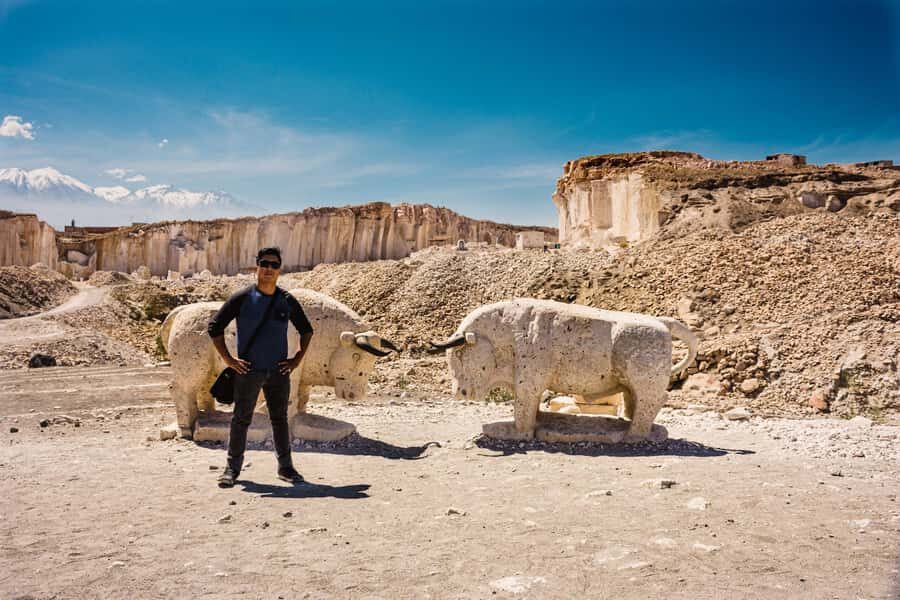
The tour costs $14 per person for about 4 hours. You also get touristic transport and a professional guide included. That’s important because the schedule packs in multiple places: quarry, canyon walk, petroglyphs, and viewpoints.
What’s not included is the ticket entrance to the places (about 10 soles). So your real budget is roughly $14 plus that entry fee. If you don’t plan for it, you’ll feel a little rushed when you hit the counter. If you do plan for it, it’s just part of the cost of visiting active and protected sites.
For value, I’d look at two things:
1) You’re paying for more than views. You’re paying for a guided explanation plus access to an operating quarry and a canyon walk.
2) The time is tight and productive. In one half-day you see stone production, a monumental carving, and a canyon with Wari petroglyphs.
If your idea of a great Arequipa outing is hands-on culture plus a bit of walking, this price level usually feels fair.
Practical tips for a smooth Sillar Route day
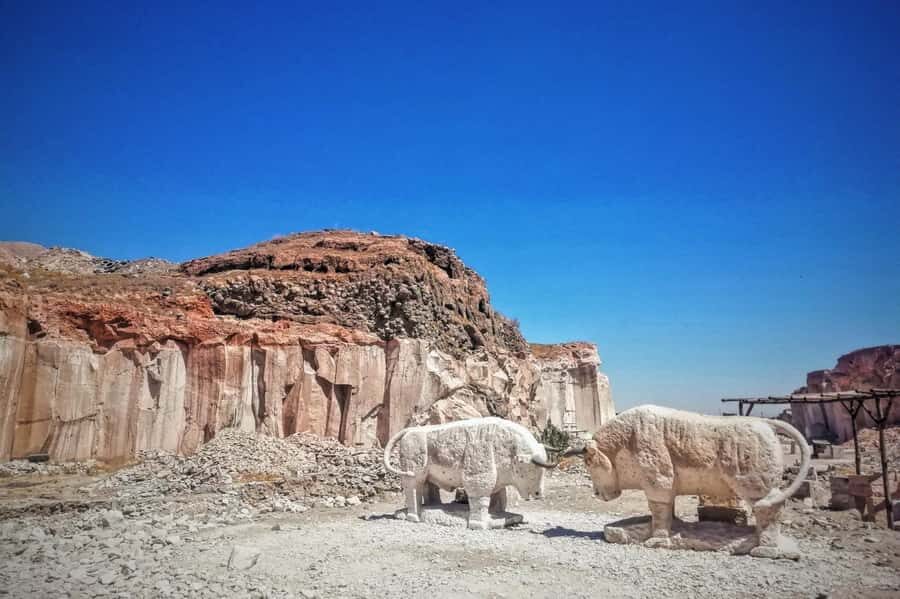
This is a short tour, but it’s not a sit-everywhere experience. You’re walking in a canyon, standing around quarry walls, and taking in viewpoints.
Bring:
- Comfortable walking shoes with grip for the canyon path
- A light layer for morning-to-midday temperature changes
- Sunscreen and a hat if the day is bright
- Some extra cash for the 10 soles entry tickets
Also consider your comfort with the van ride. In general, these local excursions can include music and group ambiance. If you’re traveling with kids or you’re sensitive to that kind of soundtrack, bring headphones.
Who this tour is best for
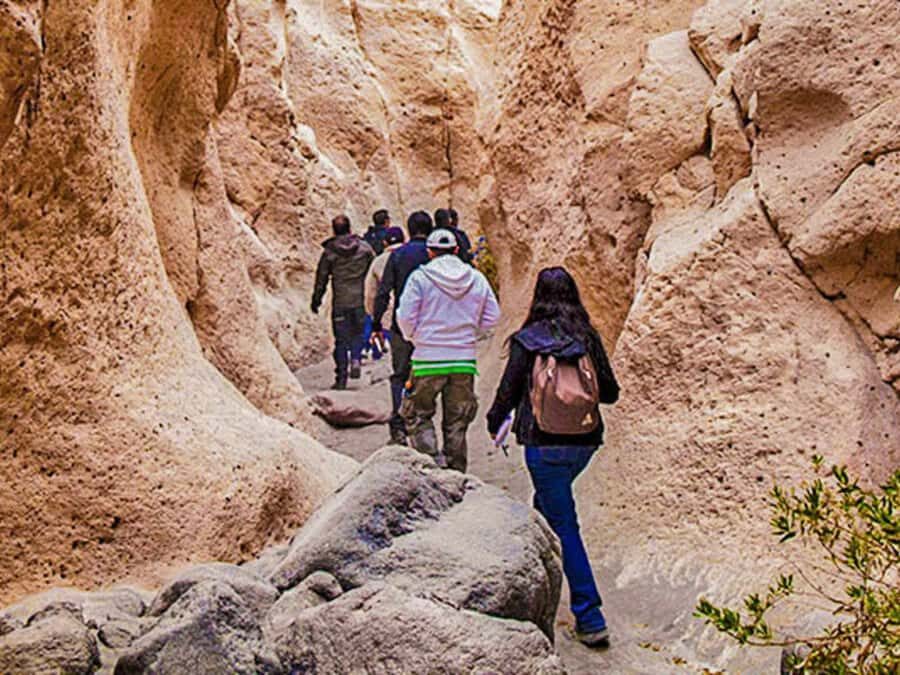
This tour is a strong match if you:
- want a hands-on culture stop, not just sightseeing from a bus window
- like when guides explain how things are made, not only what they look like
- enjoy a short canyon walk where the details are close enough to notice
- care about Arequipa’s stone tradition and want to see where it comes from in an active work setting
It’s less ideal if you’re only looking for an easy, low-walk afternoon or if you dislike guided stops with standing time at viewpoints.
Should you book the Sillar Route and Culebrillas tour?
I’d book it if you want one outing that connects craft, geology-shaped scenery, and ancient rock art—without turning your day into an all-day hike. The mix of Añashuayco Quarry (living stonemasonry) and Quebrada de Culebrillas (petroglyphs inside a water-carved canyon) gives you two different kinds of wow in one go.
Skip it only if you know you won’t enjoy short walking segments or if the idea of an extra 10 soles entry fee would annoy you. For most people, though, the schedule is the point: you see a lot, learn a lot, and still end with solid volcano views.
FAQ
Where is the meeting point for the tour?
You meet at the main office at C. Álvarez Thomas 115 on the corner.
How long is the tour?
The tour lasts about 4 hours.
What is included in the price?
Touristic transport and a professional guide are included.
Do I need to pay anything extra?
Yes. Ticket entrance to the places costs about 10 soles and is not included.
Is the tour offered in English and Spanish?
Yes. The live tour guide is available in English and Spanish.
How much hiking is involved?
You’ll take a walk inside the Culebrillas canyon of about 20 minutes, and the overall hiking time is listed around 30 minutes.
Are there different departure times?
Yes. Besides the 9:15 am start, there is also a 2:00 pm afternoon shift.