REVIEW · CHINCHERO DISTRICT
Cusco: Sacred Valley of the Incas Tour
Book on GetYourGuide →Operated by Inkayni Peru Tours · Bookable on GetYourGuide
Sacred Valley makes altitude feel worthwhile. This Cusco to Sacred Valley day tour strings together the Ollantaytambo fortress, Pisac terraces, and hands-on Andean weaving in Chinchero, with a scenic viewpoint stop that helps you read the valley fast. One thing to consider: the day moves at a steady pace, and you’ll need to plan for a separate Pisac entrance ticket and lunch that aren’t included.
I like that you’re not just driving through the Sacred Valley. You get a live guide in English or Spanish and guided time at the big stops, including structured visits at Pisac and Ollantaytambo, plus a guided look at Chinchero’s weaving workshops. If you’re hoping to understand what you’re seeing without digging for info on your own, this format works.
The flip side? Logistics matter on a long day above 9,000 feet. Cusco is already high (11,152 ft / 3,399 m), and Chinchero reaches 12,342 ft / 3,762 m, so you’ll want to pace yourself, sip water, and use your rain gear if weather turns.
In This Review
- Key things I’d focus on before you go
- Starting in Cusco at 11,152 ft: what the morning feels like
- The scenic viewpoint stop: great for orientation, easy to miss if you rush
- Pisac town and the artisan market: where the day gets human-scale
- Pisac Archaeological Park: terraces and ceremonial temples, one focused hour
- Urubamba lunch break: the unfilled gap you should plan for
- Ollantaytambo fortress: where the day’s main payoff happens
- Chinchero district weaving: the crafts stop that connects everything
- Price and value: $22 is the headline, but plan for the add-ons
- Who should book this Sacred Valley day trip (and who should skip it)
- Should you book the Cusco Sacred Valley of the Incas Tour?
- FAQ
- What is the duration of the Cusco: Sacred Valley of the Incas tour?
- Where does the pickup happen in Cusco?
- Do I need to pay an entrance fee for the sites?
- Is lunch included?
- Which languages are the guides available in?
- What should I bring for the day?
- What is the highest point visited on the tour?
- Is this tour suitable for people with mobility impairments?
Key things I’d focus on before you go
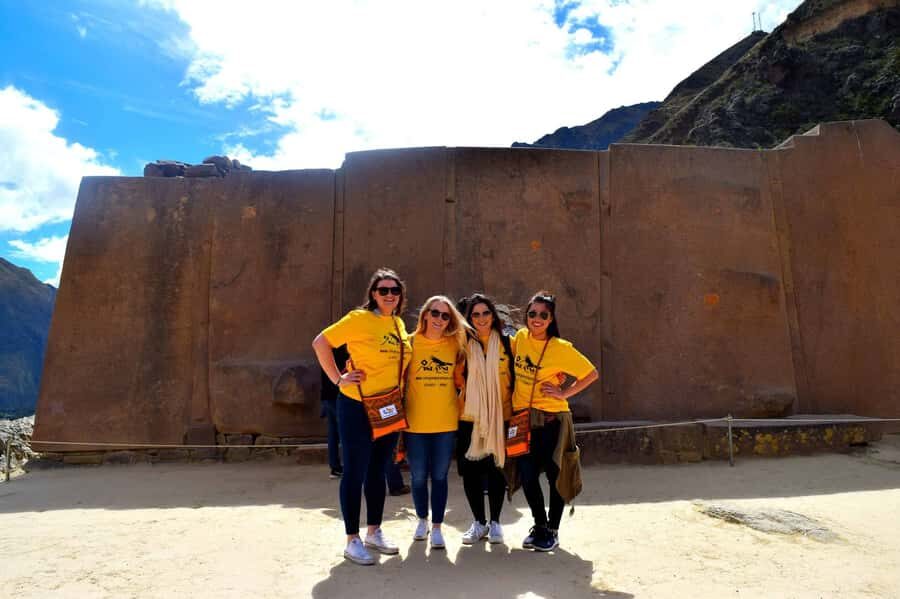
- Inca stone at Ollantaytambo: you get guided time in the fortress areas where terraces climb the mountainside.
- Pisac in two parts: a market visit and a separate guided stop at the archaeological park.
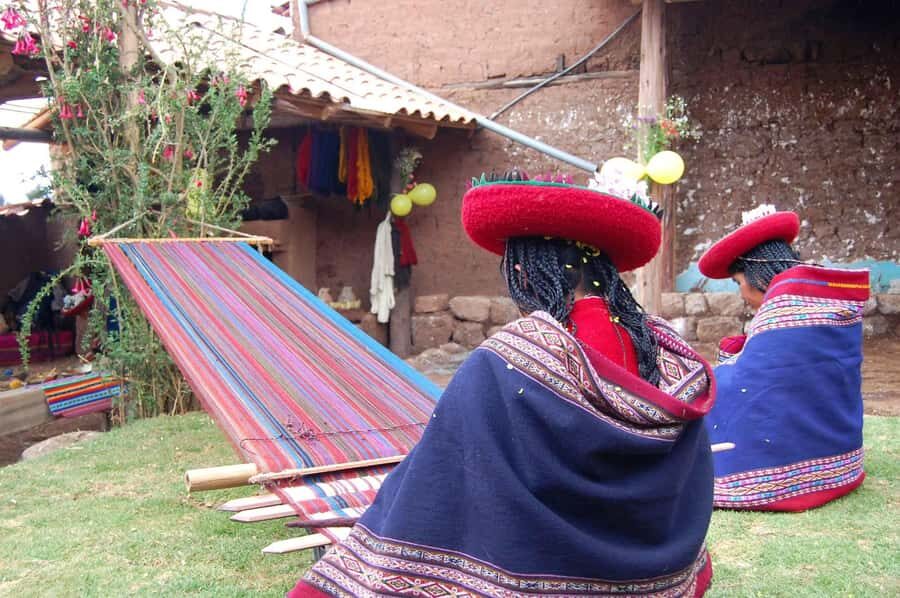
- Chinchero weaving demonstrations: you’ll see traditional textile work in action at textile workshops.
- A scenic lookout early: you’ll get valley views before the day gets busy.
- Short guided stops, fast transitions: it’s structured, but you’re not hanging out for hours at each site.
- Altitude is real here: you’ll be above 9,000 ft most of the day, and higher at Chinchero.
Starting in Cusco at 11,152 ft: what the morning feels like
Cusco sits at 11,152 ft / 3,399 m, so even before you leave town you’re already dealing with thin air. This tour starts with pickup from your hotel area in the Centro Histórico, near Iglesia del Triunfo (one option for pickup and one for drop-off). That’s convenient if you’re staying central and want to avoid another round of taxis later.
Once you’re in the vehicle, you’ll start heading into the Sacred Valley area. Expect frequent pauses for viewing and then more stops as you approach Pisac. Since you’ll be mostly traveling at elevations between roughly 9,160 ft and 12,342 ft across the day, I’d treat this as an “easy-to-moderate effort” outing. Bring water from the start and keep your breathing slow when you first step out at each stop.
This is also a good day to travel with a simple game plan: wear layers, keep sunscreen handy, and avoid anything that makes you feel wiped out. If you’re sensitive to altitude, the high points (especially Chinchero at 12,342 ft) are the places where people tend to slow down.
You can also read our reviews of more tours and experiences in Chinchero District.
The scenic viewpoint stop: great for orientation, easy to miss if you rush
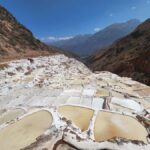
Before you reach Pisac town, the route includes a scenic viewpoint stop. It’s short, but it’s valuable. The Sacred Valley can look confusing from the road—ridges, fields, and river turns blend together. That first viewpoint helps you get your bearings fast, so later when you’re looking at terraces and fortress walls you can connect the architecture to the terrain.
A practical tip: don’t wait until you’re at the platform to deal with hats, sunscreen, or rain gear. You’ll be at high elevation where sun can hit hard. A sun hat and rain gear aren’t “nice to have” up here—they help you stay comfortable for the entire day without stopping to search for supplies.
Because the tour is timed, this viewpoint is usually about quick photos and a few minutes of looking. If you like slow photography or want a long read of the view, be aware that your time is shared with the group.
Pisac town and the artisan market: where the day gets human-scale
Your first real landing is Pisac town, around 9,751 ft / 2,972 m, where you’ll have a guided period focused on Pisac itself. There’s time for the famous artisan market, where locals display handwoven textiles and silver jewelry. This part works best if you treat it as discovery instead of shopping.
Here’s what I love about market time on a guided Sacred Valley tour: your guide can point you toward what to look for, and you get a sense of the craft traditions without turning it into a lecture. You’ll likely notice patterns, colors, and styles that make it easier to understand why Chinchero later feels connected instead of random.
A good way to shop here (or not shop, but browse confidently): ask price ranges and listen to what the vendor says about materials and work style, then compare with what you see elsewhere during the day. Even if you don’t buy, you’ll leave with better instincts for what “looks similar” versus what’s genuinely different.
You’ll also have guided time in the market area, but it’s not meant to swallow the whole day. If you want a more flexible shopping pace, consider arriving in Pisac earlier on your own another day. For this tour, market time is more about context and atmosphere.
Pisac Archaeological Park: terraces and ceremonial temples, one focused hour
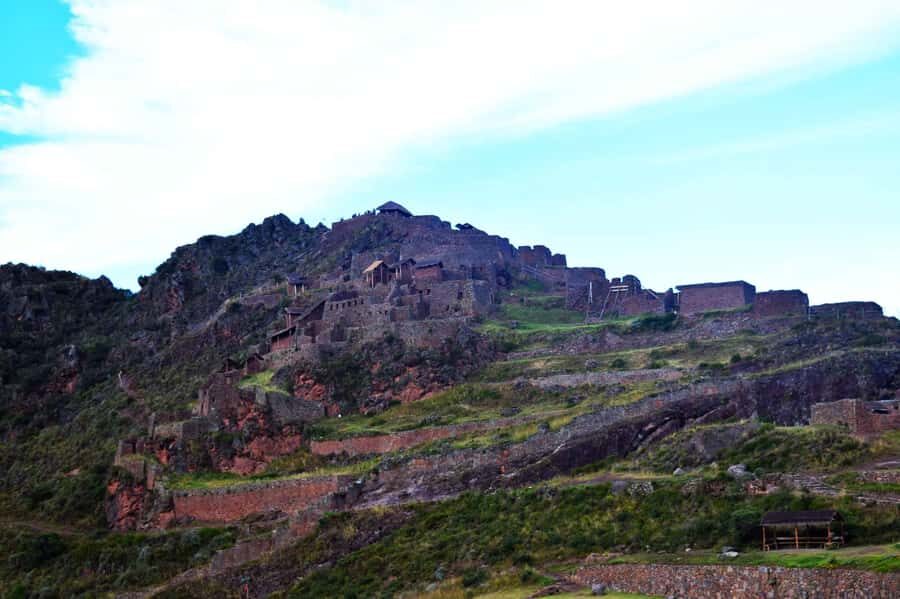
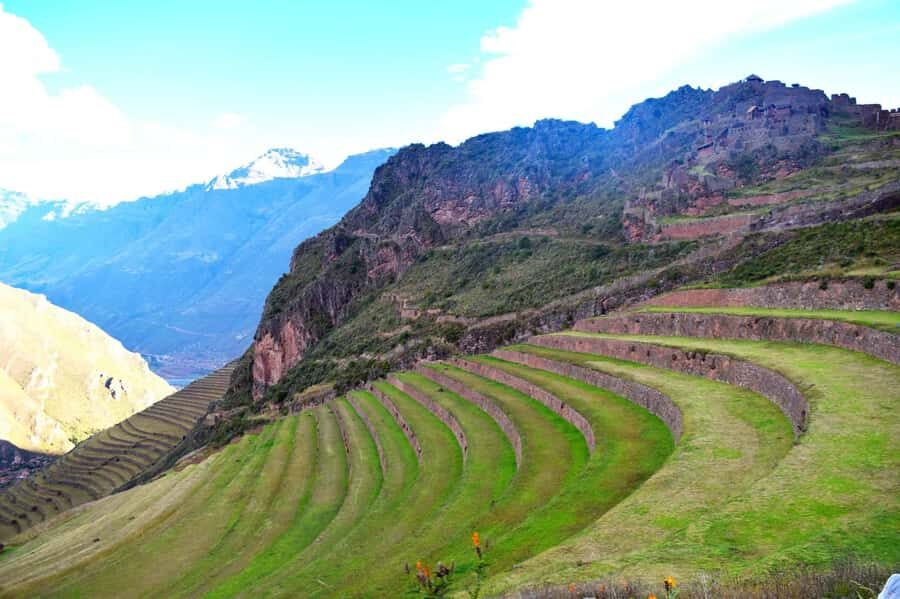
After the market, you continue to the Pisac archaeological site (around 10,980 ft / 3,347 m). This is where the tour turns from people to stones—ancient terraces and ceremonial temples overlooking the valley.
You get a guided tour here of about one hour. That’s a short window, but it’s the right length for most people. You’re at altitude, you’ve been walking around town, and the ground can be uneven. In a one-hour guided format, you tend to get the big sightlines: where terraces step, how views open up, and what the site feels like as you move around.
The best way to use your hour: slow down for the views and then watch how the terraces align with the slopes. Even if you don’t know the technical terms, you can still “read” the planning—stone built to hold, guide, and survive. The guide’s job is to translate that into something you can notice in real time.
I also recommend you keep your phone camera handy for the terrace edges, not just wide valley shots. From ground level, the detail of stonework is often what you’ll remember later.
Urubamba lunch break: the unfilled gap you should plan for
After Pisac, the route heads through the fertile valley toward Urubamba (about 9,420 ft / 2,870 m). You’ll have a lunch break there for about one hour, but lunch is not included.
This gap is important because it’s the only proper pause in the middle of a long day. I’d use it for two things: fuel and recovery. If you eat too fast, you can feel rough during the next drive and the walks at Ollantaytambo.
You’ll also be making an easy decision based on your preferences:
- If you want something predictable, pick a place with simple options and avoid heavy, unfamiliar foods.
- If you want a local vibe, you can look for a spot with menu clarity and quick service.
If you’ve never traveled at altitude before, consider eating earlier in that hour and then taking a slower sit-down after. The Sacred Valley can feel physically easier than Cusco, but you’re still high enough that hydration and pacing count.
Ollantaytambo fortress: where the day’s main payoff happens
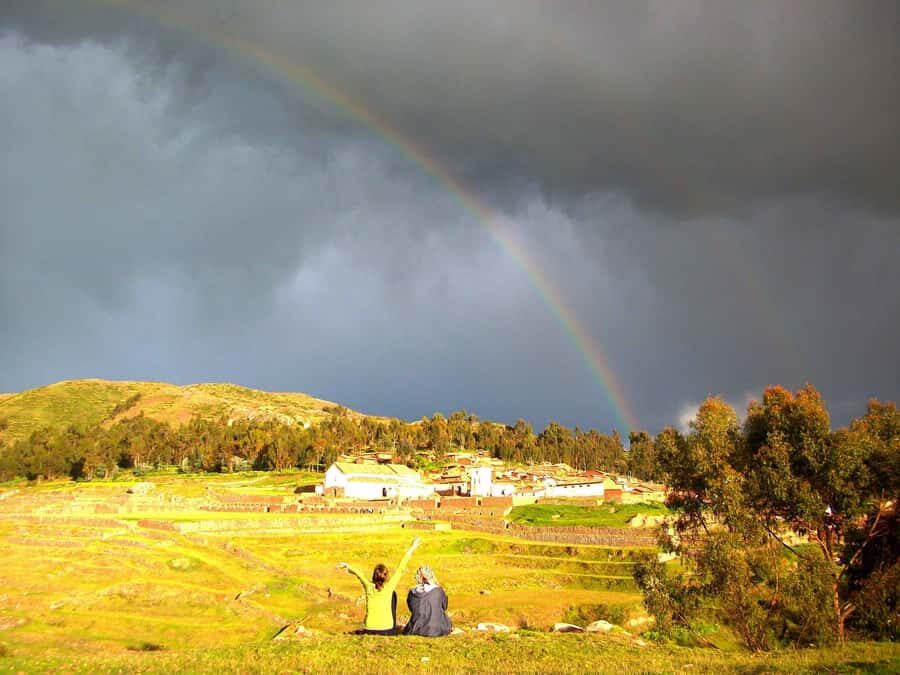
Next comes the Ollantaytambo fortress (around 9,160 ft / 2,792 m). This is your big Inca stone stop, with guided time of about one hour.
What makes Ollantaytambo work on a tour like this is that it hits both “spiritual” and “strategic” vibes, because the fortress is described as serving both purposes. Visually, you’ll see massive stone terraces climbing the mountainside. Even if you don’t have a long history lesson, the geometry of the place does the explaining.
This is one of the places where I’d prioritize your energy. If you’re going to push through a little fatigue, do it here—not at the market, not at the lookout. Save your legs for the main viewpoints and the areas where the terraces and fortress walls frame the valley.
Also, be honest with yourself about timing. This is a full-day tour with structured stops. If altitude or nausea hits, you may have less flexibility to slow down than you want. If you’re sensitive, take water seriously and don’t “save it” for later.
On the bright side, a strong guide can make this hour fly. One English-speaking experience highlighted how the guide, Luis, was patient and answered questions well while keeping the pace manageable. That kind of guidance matters when you’re trying to take in stones and views at the same time.
Chinchero district weaving: the crafts stop that connects everything
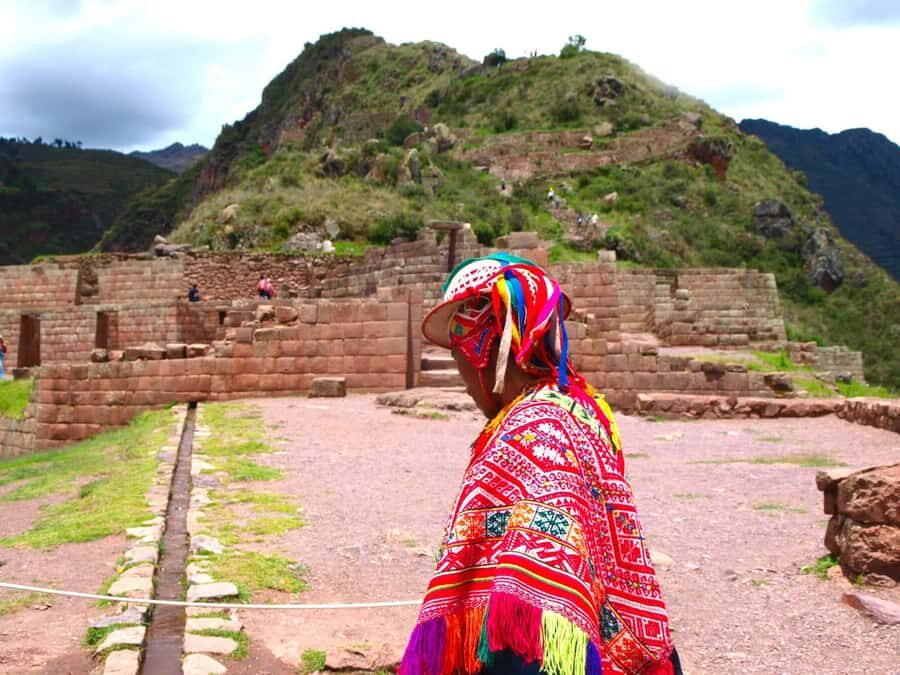
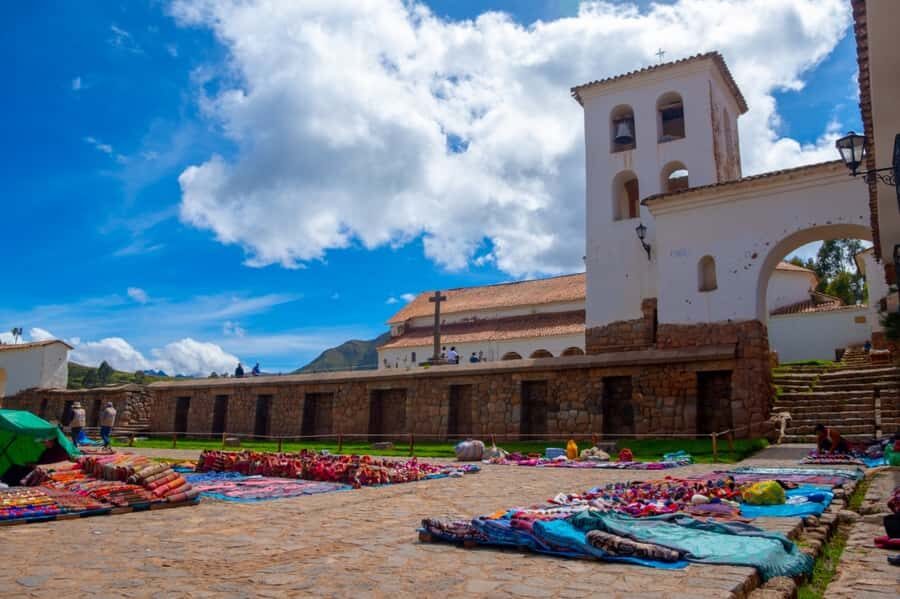
On the way back, the tour stops in Chinchero, which sits higher (about 12,342 ft / 3,762 m). You’ll get about one hour guided time in the Chinchero district, including a look at traditional textile workshops.
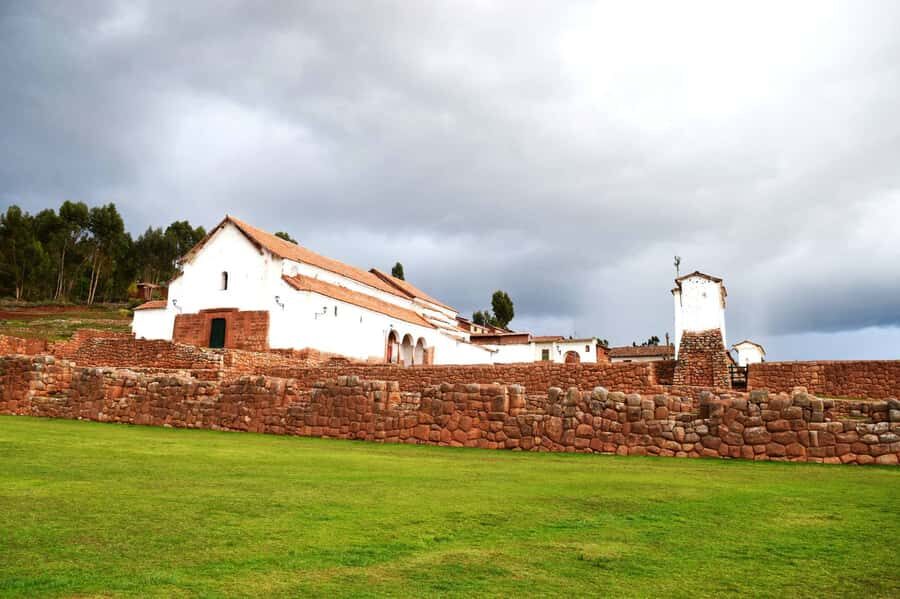
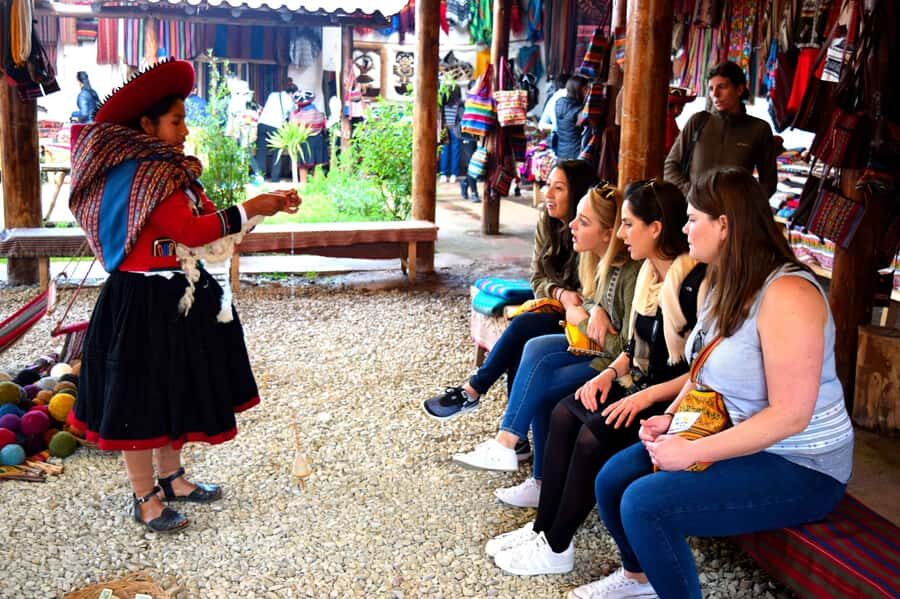
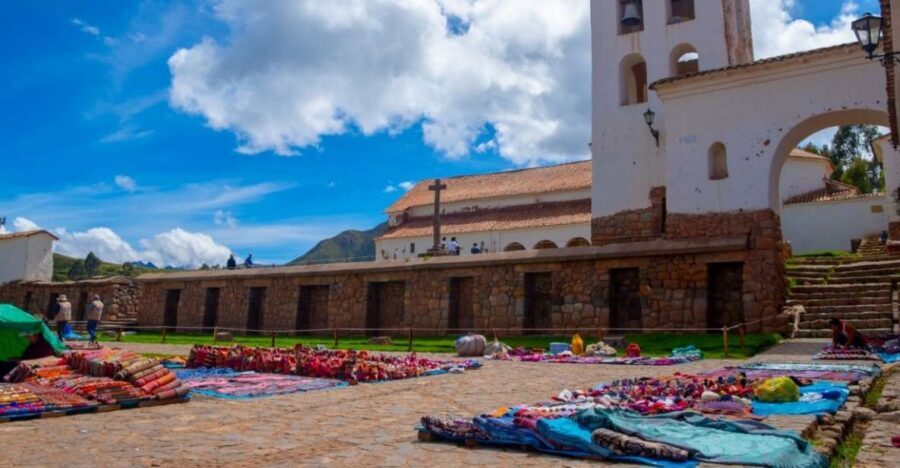
Chinchero is described as a town known for Inca ruins, a colonial church, and textile workshops where artisans demonstrate ancient weaving techniques. What I find valuable about this stop is that it gives your day a tactile thread. After stone terraces, you switch to hands-on craft—how people make patterns, work fibers, and preserve techniques over time.
Even if you’re not a “textile person,” you’ll likely enjoy watching weaving demonstrations because you can see the process. The point isn’t technical study; it’s seeing how craft sits in everyday life. It also helps you understand why the market goods back in Pisac weren’t just random souvenirs—they connect to living work.
One practical note: because Chinchero is the highest point on this tour, plan for slower movement and fewer long photo bursts. This is where you’ll want to balance curiosity with comfort.
Price and value: $22 is the headline, but plan for the add-ons
The advertised price is about $22 per person for a 10-hour day with professional guides and transport. That’s a very low base rate for a full-day Sacred Valley circuit—especially when the itinerary covers multiple sites with guided time.
But the value equation has extras:
- You’ll need to buy a tourist ticket (70 Soles) for entry, and you purchase it at the entrance of the first place you visit (Pisaq).
- Lunch isn’t included during the Urubamba break.
So is it still worth it? For me, it is if you want guided highlights across three major areas—Pisac, Ollantaytambo, and Chinchero—and you don’t want to stitch together transportation and guides yourself. The transport and guided time are doing real work here.
It’s also worth noting that this tour can feel “price-good, logistics-sensitive.” You’re paying a budget rate, so the day depends on smooth pickup timing and efficient routing. If you hate uncertainty and need a very controlled schedule, you’ll want to be mentally ready for a long day where everything hinges on the first departure.
Who should book this Sacred Valley day trip (and who should skip it)
This tour is a solid fit if you want an organized, mostly guided way to see key Sacred Valley highlights in one go. It also works well if you’re staying in Cusco’s Centro Histórico and prefer pickup and drop-off near Iglesia del Triunfo rather than coordinating transfers.
It’s less ideal if:
- you have pre-existing medical conditions, especially those affected by altitude
- you need mobility support, because it isn’t suited for mobility impairments
- you’re the type who gets stressed by time pressure and moving between multiple stops
If you do book, come prepared to protect your body: water, sun protection, and rain gear. Also bring your passport or ID card. And don’t bring pets, alcohol/drugs, or anything restricted—this is one of those tours where rules are there for safety in crowded, high-altitude areas.
Should you book the Cusco Sacred Valley of the Incas Tour?
If your goal is a guided “greatest hits” day—Pisac market + Pisac terraces, Ollantaytambo fortress, and Chinchero weaving—I’d book it, especially at this price. The structure gives you real value for time, and the guide component is what turns scattered stops into an understandable day.
Before you commit, decide two things:
- Can you handle altitude and a full 10-hour day above 9,000 feet, including the higher point at Chinchero?
- Are you okay with paying the Pisac entrance ticket on the spot and choosing your own lunch?
If both answers are yes, this tour is a practical way to get a strong Sacred Valley overview without planning a whole itinerary from scratch.
FAQ
What is the duration of the Cusco: Sacred Valley of the Incas tour?
It runs for about 10 hours.
Where does the pickup happen in Cusco?
Pickup options include Centro Histórico, near Iglesia del Triunfo.
Do I need to pay an entrance fee for the sites?
Yes. You must buy a tourist ticket, and it costs 70 Soles. You purchase it at the entrance of the first place you visit (Pisaq).
Is lunch included?
No. Lunch is not included, though there is a lunch break in Urubamba.
Which languages are the guides available in?
The live guide is available in English or Spanish.
What should I bring for the day?
Bring your passport or ID card, a sun hat, sunscreen, water, and rain gear.
What is the highest point visited on the tour?
Chinchero is listed at about 12,342 ft / 3,762 m.
Is this tour suitable for people with mobility impairments?
No, it is not suitable for people with mobility impairments.