REVIEW · CUSCO
Tour of the most important points in the city of Cusco.
Book on GetYourGuide →Operated by Journey Peru SAC · Bookable on GetYourGuide
Cusco can feel like a lot on day one, so this tour is a smart on-ramp. You start easy and build momentum with guided stops at Cusco’s most important Inca-era sites, moving from temple to fort to ritual waterworks. I like that it’s paced as an acclimatization-style circuit, which makes it a good match before more demanding day trips like Rainbow Mountain.
Two things I really appreciate: the itinerary hits key landmarks without turning into a rushed checklist, and you get a bilingual live guide (English or Spanish) to connect what you’re seeing to how the Incas thought. The main drawback to keep in mind is cost creep at the gates: Qoricancha has an entrance fee, and other sites may require tickets issued by Cosituc.
In This Review
- Key highlights at a glance
- Why this half-day Cusco circuit works (and why it’s worth $25)
- Pickup timing and the two departure shifts
- Qoricancha: start at the Temple of the Sun (and why the guide matters)
- Sacsayhuamán: reading Inca military architecture up close
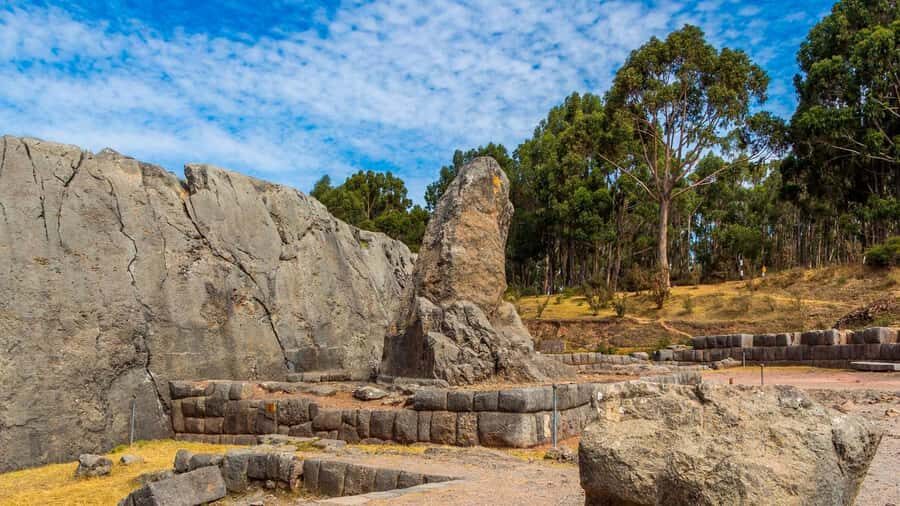
- Qenqo’s limestone outcrop: ritual space, not just ruins
- Puka Pukara: the red fortress and the idea of control
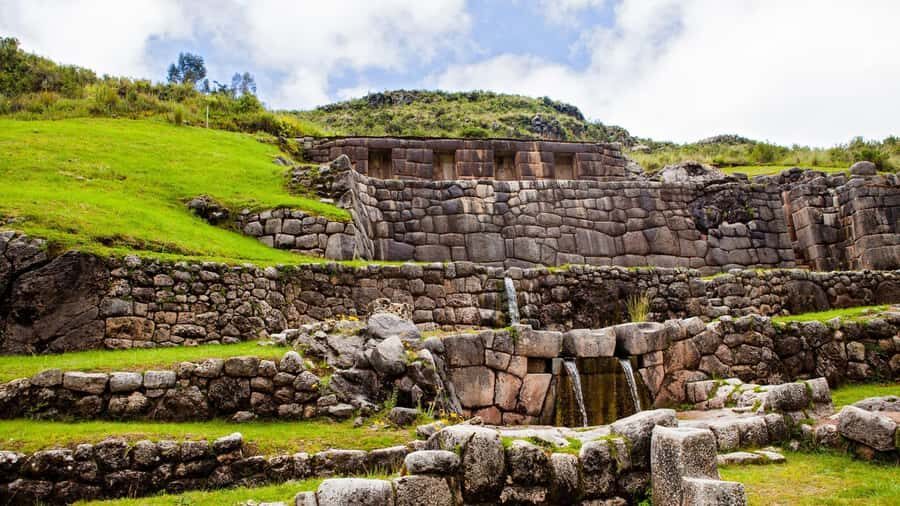
- Tambomachay’s baths of the Inca: the surprise that finishes strong
- What’s included (and how to avoid surprise costs)
- Group size and comfort: why small matters in Cusco
- What to bring (and what not to bring)
- Who this tour suits best
- Should you book this Cusco acclimatization tour?
- FAQ
- How long is the Cusco highlights acclimatization tour?
- What are the pickup times and meeting points?
- Where does the tour start?
- Which sites are included in the itinerary?
- Is Qoricancha entrance included in the price?
- Do I need the Cusco Tourist Ticket?
- What languages are the guides?
- Does the tour include transportation?
- What should I bring?
- Are there any items I should avoid?
Key highlights at a glance
- Acclimatization-first pacing that prepares you for bigger Cusco adventures
- Two departure options with clear morning and afternoon timing
- Top Cusco sites in ~5 hours: Qoricancha, Sacsayhuamán, Qenqo, Puka Pukara, Tambomachay
- Bilingual guides (English/Spanish) who explain what you’re looking at
- Round-trip transport and a format designed for small groups
- You control add-ons like entrances via cash and tickets as needed
Why this half-day Cusco circuit works (and why it’s worth $25)
If you’re arriving in Cusco and your body needs a day to catch up, this type of tour is practical. It’s built to get you out of your hotel, up and moving, and familiar with the sights, without throwing you straight into the toughest itineraries. You’ll also get a mental map of the city’s geography and the main archaeological zones, which helps a lot on your next day.
At $25 per person for about 5 hours, the value isn’t just the sites. The real bargain is the structure: you get pickup, round-trip transportation, and a bilingual guide to keep you oriented. It’s the kind of format where you spend your energy sightseeing, not figuring out schedules, logistics, and what ticket goes where.
The main consideration for value is that some costs are not included. Qoricancha entrance is separate (S/ 20.00), and you may also need the Cusco Tourist Ticket system issued by Cosituc for other entrances. If you arrive with cash and the right ticket plan, you’ll feel like you got a clean deal.
You can also read our reviews of more city tours in Cusco
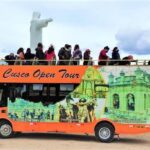
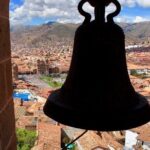
Pickup timing and the two departure shifts
This tour runs in two shifts, and that choice affects where you meet and when you start:
- Morning shift: pickup at about 8:30 am (approx.) near your hotel in the historic center area
- Afternoon shift: meeting point at Qoricancha at 13:00 pm
Either way, the total time on the ground is about 270 minutes. I like that they’re upfront about shifts. It helps you decide whether you want the day rolling early or prefer to ease in after lunch.
If your hotel is close to the historic center, pickup is arranged from there. If not, you’ll be given a meeting point. Also, the tour company contacts you via WhatsApp 1–2 days before your tour to share your pickup time. That’s one less thing to chase, especially when you’re settling into Cusco.
Qoricancha: start at the Temple of the Sun (and why the guide matters)
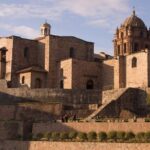
Most Cusco itineraries begin with a big name. This one starts with Qoricancha, also known as the Temple of the Sun. You’ll get a guided visit of about one hour, which is a solid chunk of time for your first stop. It lets the guide set context instead of speed-walking you through details.
Qoricancha is especially useful early in the day because it frames the rest of your route. You’re not just seeing random stone walls. You’re learning how the Inca world was organized around sacred spaces, ritual meaning, and power.
You should plan for the fact that Qoricancha entrance is not included (S/ 20.00). Bring cash and you won’t have that small stress moment when you’re ready to enter. If you’re taking photos, this is also a stop where having your camera handy helps, because guided explanations often point out features you might miss on your own.
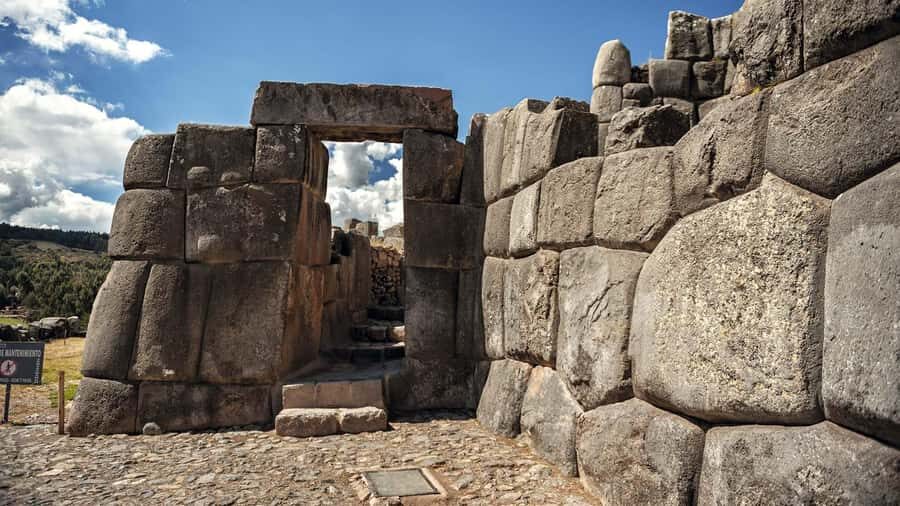
Sacsayhuamán: reading Inca military architecture up close
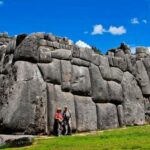
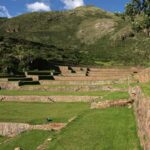
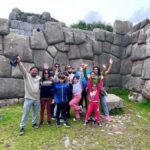
After Qoricancha, the tour heads to Sacsayhuamán, known for its imposing Inca military architecture. This is where the tour shifts from sacred temple energy to something tougher and more strategic.
What you’ll notice here (with the guide helping you interpret) is scale. The site is designed to feel strong and immovable, which is exactly what you want after your first stop. It gives you a clearer picture of why the Incas built the way they did and how engineering and defense overlapped.
A practical tip: wear hiking shoes. You’ll be on uneven ground and moving between viewpoints. Even if the tour is half-day, you can still rack up walking time across archaeological areas.
Qenqo’s limestone outcrop: ritual space, not just ruins
Next is Qenqo, described as a ritual center built on a unique limestone outcrop. This is one of those stops that can feel vague if you only look at it from the outside. With a good guide, it becomes much more readable.
Qenqo stands out because the setting does some of the work for you. A limestone outcrop is a natural shape, and the Inca use of it suggests planning and intention. You’ll likely get a better sense of how ritual spaces were tied to landscape, not just temples built from scratch.
This is also a good moment to slow down. If you’re tempted to take photos and move on fast, try stopping and letting the guide point out what to focus on. It’s where your brain starts connecting the whole day into one story.
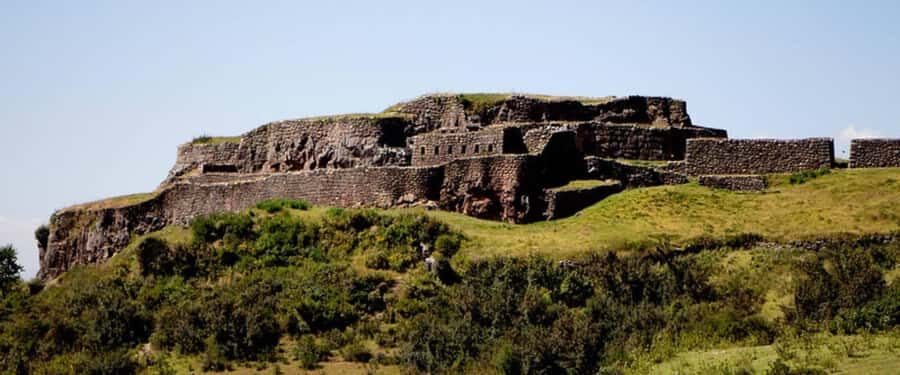
Puka Pukara: the red fortress and the idea of control
Then you’ll visit Puka Pukara, often described as the red fortress. The distinguishing factor is the reddish coloring and the military construction feel of the site.
This stop is useful because it adds variety to your day. You’re not repeating the same architectural theme over and over. Instead, you get another example of Inca building choices—this time with a stronger emphasis on the military side of the story.
If you’re the type who likes seeing how colors and materials relate to function, you’ll probably enjoy Puka Pukara. Just keep your expectations realistic: ruins won’t look like a fully intact fortress in photos. The value comes from understanding how the place was meant to be used.
Tambomachay’s baths of the Inca: the surprise that finishes strong
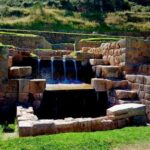
The final main stop is Tambomachay, characterized by a main waterfall often called the baths of the Inca. This is a great way to end the circuit because it changes the feel of the tour. Instead of stone walls and platforms, you get water, movement, and the sense of a place designed for ongoing function.
Water features in Inca sites are more interesting than people expect. Even if you’re not a water-nerd, the setting helps you think about daily life, maintenance, and how nature and engineering were combined.
You’ll then return toward central Cusco by transportation. The tour ends with you back in the city area, which keeps the day from stretching too long.
What’s included (and how to avoid surprise costs)
Here’s what you can count on:
- Pickup at your hotel near the historic center of Cusco
- Round-trip transportation
- Bilingual tour guide in English or Spanish
Not included items that matter for planning:
- Water and snacks
- Meals (breakfast, lunch)
- Entrance to Qoricancha (S/ 20.00)
- Cusco Tourist Ticket needs can apply via Cosituc, depending on the sites
To keep it smooth, I suggest you bring a small amount of cash plus anything you’ll want during the day. Even if you’re not planning a long sit-down break, having water and a snack can help you stay comfortable while the guide keeps you moving.
Also, there’s no mention of being able to buy everything on-site. So if you’re sensitive to timing, pack like you’ll be outside for much of the five-hour window.
Group size and comfort: why small matters in Cusco
The tour is handled in small groups, which changes the experience. In archaeological areas, crowds can make it hard to hear the guide and harder to see details without everyone shoving forward.
Small-group touring tends to make the pacing feel calmer. You’re still walking and switching locations, but the stops don’t feel like a cattle-line. If you’re trying to learn instead of just collect photos, that’s a big deal.
It also makes it easier for the guide to adjust explanations. When you can ask a quick question or get clarification, the tour turns from sightseeing into understanding.
What to bring (and what not to bring)
To make the tour comfortable, bring:
- Passport or ID card
- Camera
- Hiking shoes
- Biodegradable sunscreen
- Rain gear
- Cash
There are also rules:
- No alcohol and drugs
- No baby carriages
The rain gear piece matters in Cusco because weather can shift fast. Even a light drizzle can make stone surfaces slippery, and the tour includes multiple archaeological zones.
Who this tour suits best
This is a great fit if you want a smart first Cusco plan that doesn’t overwhelm you. It’s especially good if you’re preparing for more demanding excursions after your arrival, since the tour is designed as an acclimatization-style day.
You’ll likely enjoy it if you:
- like guided explanations that make ruins easier to understand
- want to see multiple major sites in one half day
- prefer small-group comfort rather than big bus crowds
- want a clear route and pickup that keeps your day organized
If you’re already deep into Cusco archaeology and hate walking tours, you might find this a bit introductory. But for most first-timers, it’s a strong base layer.
Should you book this Cusco acclimatization tour?
Book it if you want a smooth, guided way to hit Cusco’s biggest archaeological stops in about 5 hours, with round-trip transport and a bilingual guide. The route makes sense for a first or second day because it builds from Qoricancha into Sacsayhuamán, then expands into ritual and water features before you’re done.
Don’t book it if you’re trying to keep costs ultra-minimal, because Qoricancha entrance is extra and Cosituc ticket needs may apply elsewhere. If you’re okay budgeting a bit for entrances and carrying cash, you’ll get more value than if you DIY the same circuit without guidance.
FAQ
How long is the Cusco highlights acclimatization tour?
The tour lasts approximately 270 minutes, about 5 hours.
What are the pickup times and meeting points?
There are two shifts. The morning shift has pickup at about 8:30 am. The afternoon shift uses Qoricancha as the meeting point at 13:00 pm.
Where does the tour start?
It starts with a guided visit to Qoricancha (Temple of the Sun).
Which sites are included in the itinerary?
The tour visits Qoricancha, Sacsayhuamán, Qenqo, Puka Pukara, and Tambomachay, then returns you to Cusco.
Is Qoricancha entrance included in the price?
No. Qoricancha entrance costs S/ 20.00 and is not included.
Do I need the Cusco Tourist Ticket?
Some entrances may require tickets issued by Cosituc. The tour does not include the Cusco Tourist Ticket.
What languages are the guides?
The tour includes a live bilingual guide in English and Spanish.
Does the tour include transportation?
Yes. You get round-trip transportation and pickup from your hotel near the historic center (or a set meeting point if your hotel is outside that area).
What should I bring?
Bring your passport or ID, a camera, hiking shoes, biodegradable sunscreen, rain gear, and cash.
Are there any items I should avoid?
Yes. Alcohol and drugs are not allowed, and baby carriages are also not allowed.