REVIEW · OLLANTAYTAMBO
From Cusco: Sacred Valley Group Tour with Buffet Lunch
Book on GetYourGuide →Operated by MPTC GETS · Bookable on GetYourGuide
Sacred Valley rewards an early start. This 12-hour tour packs the best-known Incan sites into one logical route, with a guide who explains salt mining and agricultural processes along the way, plus an included Peruvian buffet lunch in Urubamba. The main thing to watch is the schedule: you’ll cover a lot in one day, so the pace can feel brisk if you like long, slow wandering.
I like how the itinerary connects people, land, and food. You go from Chinchero’s terraces to Moray’s farming experiments, then to the Salineras salt evaporation ponds, and finally into fortress and temple territory at Ollantaytambo and Pisaq. If you want highlights without planning a bus route yourself, this is a very efficient way to do it, and the guide helps you make sense of what you’re seeing.
One practical consideration: the tour price covers transport and the buffet, but entrance fees are not included (Sacred Valley and Salineras). Plan for those extras so the day stays smooth.
In This Review
- Key highlights at a glance
- A 6:35 a.m. departure that turns into a complete Sacred Valley day
- Chinchero start: rainbow town vibes and Andean terraces
- Maras and Moray: how farming could become a science experiment
- Salineras salt mines: what to notice in the Incan salt ponds
- Urubamba buffet lunch: the right kind of pause
- Ollantaytambo fortress: military, farming, and religion in one place
- Pisaq before heading back to Cusco
- Price and entrance fees: what $69 covers (and what it doesn’t)
- Who this tour suits best (and who should skip it)
- Quick practical notes so your day goes smoothly
- Should you book this Cusco Sacred Valley group tour?
Key highlights at a glance
- Hotel pickup plus guided route so you’re not figuring out connections at 6:30 a.m.
- Chinchero and Andenería terraces to see how farming shaped Incan life.
- Moray micro-climate idea explained through the agricultural experimentation platforms.
- Salineras salt mines and their evaporation ponds, used since Incan times.
- Urubamba buffet lunch with authentic Peruvian dishes included.
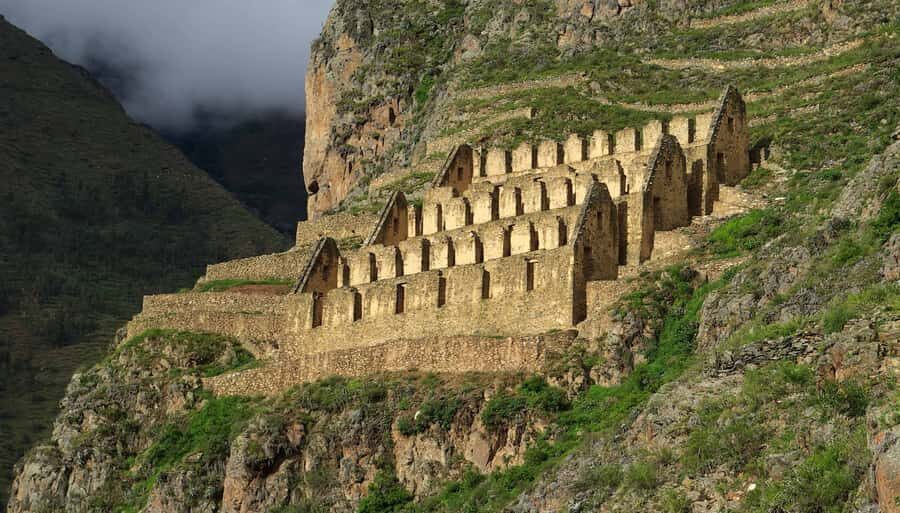
- Ollantaytambo and Pisaq fortifications that link military, agriculture, and religion.
A 6:35 a.m. departure that turns into a complete Sacred Valley day
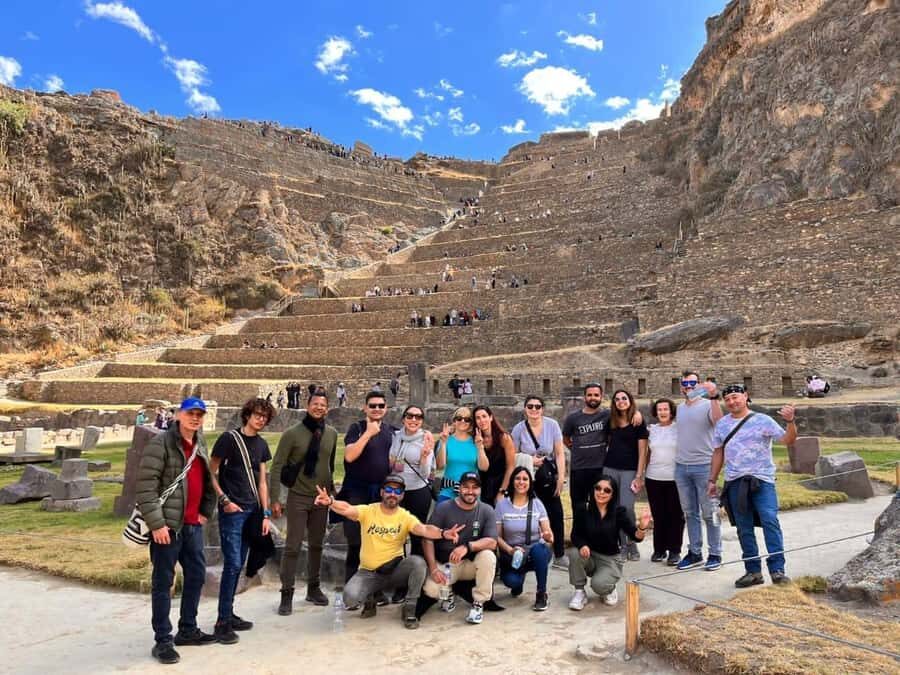
This is built for efficiency. You’re picked up from your hotel between 06:35 and 06:50 (and pickup windows run from about 6:30 a.m. to 7:00 a.m. depending on where your hotel sits). From there, you’re on a steady loop through the Cusco Region’s Sacred Valley stops, returning to Cusco at about 7:00 p.m.
What makes this worth your time is the order. Instead of jumping randomly, the tour moves through places tied to the Incas’ practical world: farming systems, water and soil use, salt production, and the forts that defended and supported communities. The guide’s job is to help you connect those dots quickly, which matters on a day like this where you want more meaning than checkboxes.
If you’re the type who hates long waits and wants maximum site time, you’ll like the flow. If you prefer quieter pacing, expect to keep moving and accept that you may not linger forever in each location.
A few more Ollantaytambo tours and experiences worth a look
Chinchero start: rainbow town vibes and Andean terraces
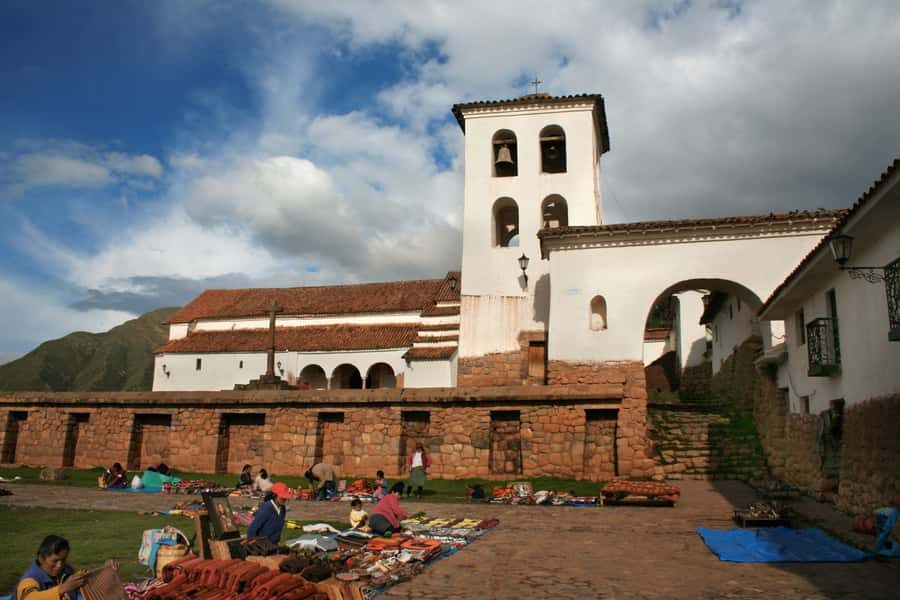
Your first major stop is Chinchero, a small town often associated with the idea of the city of the rainbow. Here, the tour focuses on what the Incas left behind in daily life, especially agriculture.
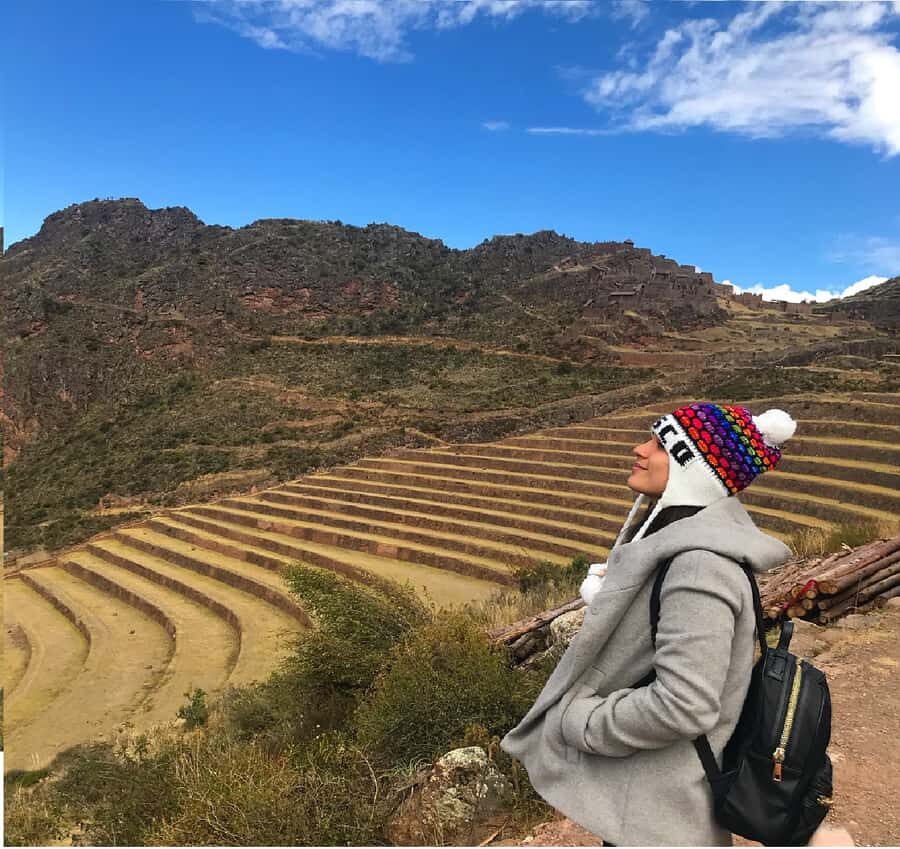
You’ll visit the Church of Our Lady of Monserrat and then head to the Andenería agricultural terraces. The terraces matter because they weren’t just a pretty view. They represent how people adapted farming to difficult terrain, using structured plots to manage conditions for cultivation. Even if you’ve heard the word terraces before, being shown them in context helps you see why Incan engineering was practical, not decorative.
Chinchero is also a great “warm-up” stop. It gets you into the Sacred Valley mindset early: you’re not just collecting ruins, you’re learning how people worked the land.
Maras and Moray: how farming could become a science experiment
After Chinchero, the tour moves toward Maras and then to Moray, including the agricultural experimentation platforms. Moray is the star when it comes to the “how did they think?” part of Incan agriculture.
The tour explains that Moray is thought to be where the Incas created their own micro-climate. In plain terms, that means different areas in the site could produce different growing conditions, letting people test what worked where. This is the kind of detail that makes the Sacred Valley feel more lived-in. You start to understand that agriculture there wasn’t one-size-fits-all. People experimented, observed, and adjusted.
One small caution: Moray’s appeal is visual and conceptual, but it’s still a stop on a packed route. If you want to take your time photographing every angle, you might find you have less time than you’d like. On the upside, the guide’s explanations help you get the key ideas without needing extra research.
Salineras salt mines: what to notice in the Incan salt ponds
Next up is Salineras, the area of salt production with the famous salt evaporation ponds. These ponds have been in use since Incan times, and the tour frames them as part of a larger system: water availability, production planning, and how a resource could support local life.
When you arrive, don’t only think about the “wow” factor. Instead, try to notice the pattern of the ponds and how the process depends on time and evaporation. The guide’s focus on Incan salt mining is helpful here, because the sites make more sense when you know what you’re looking for and why it took that shape.
Important note for planning: entrance to Salineras is not included in the tour price. It’s listed as 10 soles, so factor that into your day’s budget.
Urubamba buffet lunch: the right kind of pause
You’ll then drive to Urubamba for lunch, and the tour includes an Andean buffet lunch. This is where the day gives you a true reset. Instead of rushing into the next location immediately, you eat your fill of Peruvian cuisine.
I like buffet lunches on tours when the food is actually good, not just filler. Here, the lunch is repeatedly highlighted as excellent, and that fits the value of the tour: for $69, you’re not just buying sightseeing time. You’re also paying for one of the day’s most important comfort breaks.
If you’re the kind of eater who wants to sample different dishes rather than order one plate, a buffet suits you. Just remember you’re on a full-day schedule, so plan to eat efficiently and keep water handy if that’s part of your usual travel rhythm.
Ollantaytambo fortress: military, farming, and religion in one place
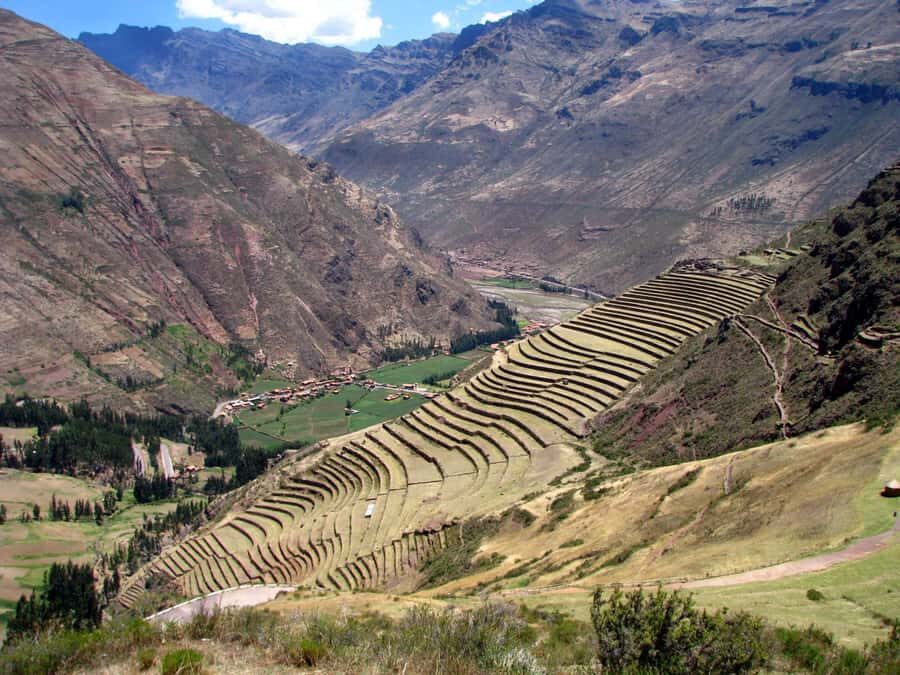
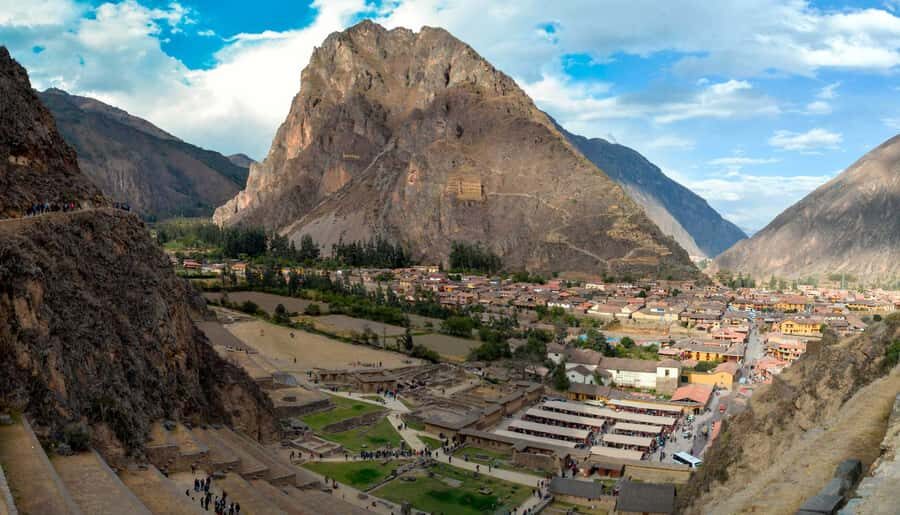
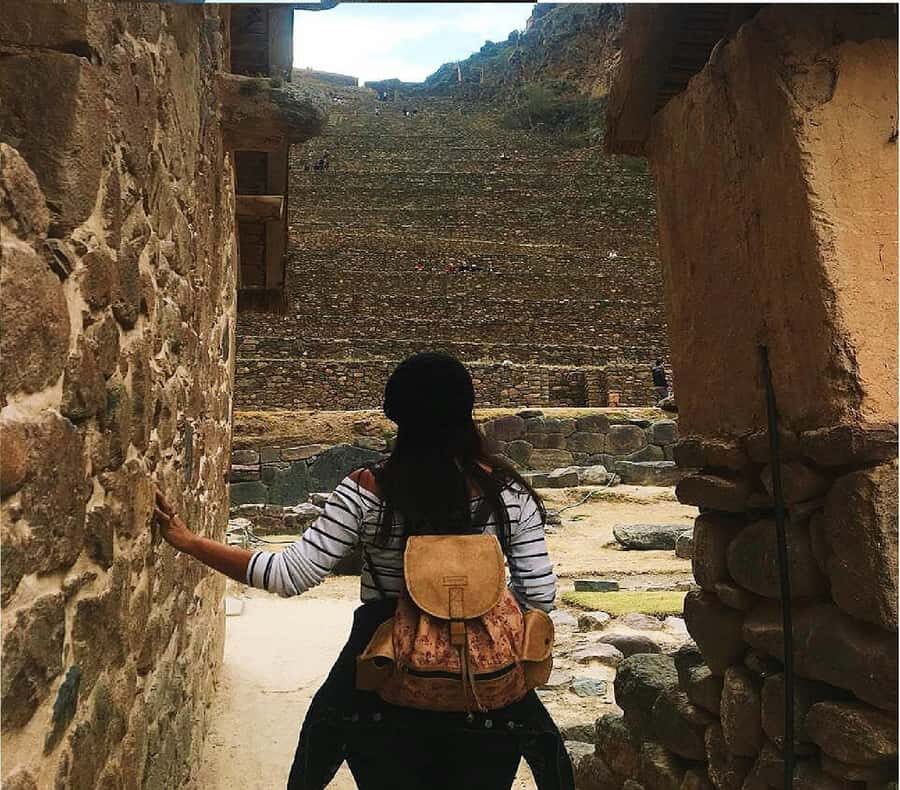
After lunch, the tour heads to Ollantaytambo, visiting the fortress. The tour describes it as a strategic center with multiple roles: military, agricultural, and religious.
That three-part framing changes how you look at it. You’re not just seeing stone walls. You’re connecting the site to defense and control, plus the agricultural logic of keeping a community supplied. Even without getting too technical, having the guide highlight these functions helps you understand why the Incas built in that way and why it mattered strategically.
Ollantaytambo is usually one of those “this is bigger than it looks” moments in Sacred Valley touring, partly because forts are designed to be read from different angles. On a group day tour, you may not have hours to explore every corner, but you’ll still leave with a clear sense of why it was important.
Pisaq before heading back to Cusco
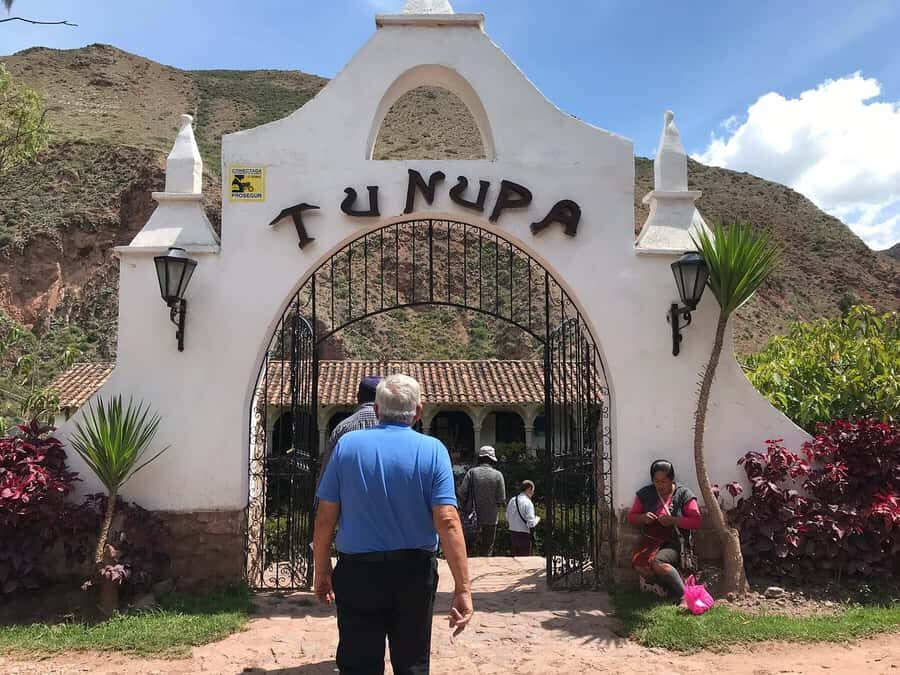
The day doesn’t end at Ollantaytambo. You’ll also visit Pisaq before returning to Cusco around 7:00 p.m.
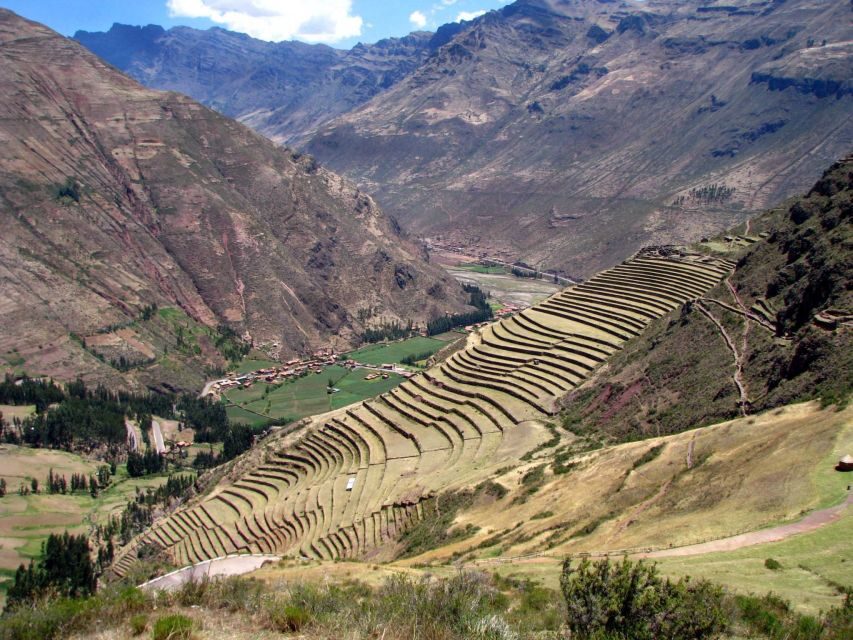
Pisaq rounds out the loop by adding another layer of Sacred Valley activity, and it’s typically a strong finish. By the time you reach this stage of the day, you’ve already seen the agriculture story (Chinchero and Moray) and the production story (Salineras). So Pisaq often lands better because you’re ready to compare what you’ve learned to what’s presented next.
From a pacing standpoint, this late-day stop is also a reminder: it’s still a long day. After Pisaq, you’re headed back to Cusco, so don’t plan your own extra activities late that evening.
Price and entrance fees: what $69 covers (and what it doesn’t)
At $69 per person for a 12-hour tour with hotel pickup, transport, a professional guide, and a buffet lunch, the value is solid—especially compared to piecing together separate transport and food stops.
The “gotcha” is that entrance fees are not included:
- Entrance to the Sacred Valley: 70 soles
- Entrance to Salineras: 10 soles
Those fees can change your true total, depending on how you budget. Still, even with entrances added, you’re essentially paying for a guided, structured day where you don’t have to coordinate transport between multiple sites. If you like the idea of one route, one guide, and one lunch plan, this price structure tends to make sense.
Also, you’re not just buying sights. You’re buying context: the guide explains salt mining and agricultural processes, and that’s where a full-day group tour earns its keep.
Who this tour suits best (and who should skip it)
This tour fits well if you want:
- A single-day Sacred Valley overview from Cusco
- A guided focus on agriculture and salt production, not just photos
- Included lunch at a set time so your day stays predictable
It’s less ideal if:
- You hate early starts. Pickup begins around 6:35 a.m.
- You dislike fast pacing. The schedule hits multiple stops, and the day can feel quick.
- You need special accommodations. The tour is marked as not suitable for pregnant women and people over 95 years.
If you’re in your first days in Cusco and want to get oriented, this works especially well because it gives you a map of how the region’s major sites connect.
Quick practical notes so your day goes smoothly
- Bring a passport (listed as required).
- Expect English and Spanish live guiding.
- Plan for the tour day to run about 12 hours, with a return to Cusco around 7:00 p.m.
- The provider is MPTC GETS, and the tour includes hotel pickup and tourist transport.
Also, if your hotel is far or difficult to access, you may be informed the day before. That’s worth keeping an eye on so you don’t end up waiting at the wrong spot.
Should you book this Cusco Sacred Valley group tour?
I’d book it if you want a guided, organized day that connects the Sacred Valley’s big themes: terraces and farming experiments, salt production, and the fortress and ceremonial sites that supported communities. The included buffet lunch and the fact that you get transport and a guide bundled into one price make it feel like real value.
I’d hesitate only if you’re sensitive to long days and a quicker pace. This is a “see a lot” itinerary, not a “linger in one place for hours” plan. If that sounds like your style, great. If you prefer slow travel, you might find the schedule a bit tight.
If you’re ready for a structured highlight route with meaningful explanations, this one is a strong choice.