REVIEW · OLLANTAYTAMBO
From Cusco: Ollantaytambo Fortress Half-Day Private Tour
Book on GetYourGuide →Operated by LimaTours · Bookable on GetYourGuide
Stone steps lead you into living Inca time. This Ollantaytambo fortress half-day is a practical way to see major Sacred Valley sights with a bilingual guide—starting with the climb to the Temple of the Sun and its huge pink granite monoliths. What I like most is how the walk connects you to the real purpose of the place, not just the photos.
I also like the shift from ruins to everyday life in town. You’ll get cobbled streets, agricultural terraces, and the Inca-style urban planning locals still use, with blocks opening toward the Urubamba River. One consideration: you climb about 150 steps, so plan on steady footwear and pace.
In This Review
- Key things you’ll notice right away
- Cusco pickup to Sacred Valley reality check
- Why the Ollantaytambo fortress is more than ruins
- The 150-step climb: manage your pace and your photos
- Temple of the Sun: six monoliths that change your scale
- Terrace of the Ten Niches: geometry you can read
- Cobblestone streets and scattered ruins: walk the lived-in feel
- Terraces and agriculture: the strategy side of the story
- A quick history thread: Manco Inca vs. Hernando Pizarro
- From fortress to town: urban planning you can still walk
- What makes Ollantaytambo town worth your time
- Price and value: what you’re really paying for
- Practical tips that make the day smoother
- Should you book this half-day private tour?
- FAQ
- How long is the Ollantaytambo Fortress half-day private tour?
- Is this tour private?
- What language will the guide speak?
- Does the price include hotel pickup and drop-off?
- Is the Cusco Tourist Ticket (BTC) included?
- How many steps do I need to climb for the fortress?
- What are the main sites included in the visit?
- What should I bring with me?
- Is the tour suitable for wheelchair users?
- What if I need to cancel?
Key things you’ll notice right away
- 150 steps take you from the lower area up to the fortress summit.
- Six huge pink granite monoliths form the Temple of the Sun, weighing more than 50 tons total.
- The Terrace of the Ten Niches gives you a clear, easy-to-follow sense of how the site was designed.
- Agricultural terraces and canals show how military and farming needs fit together in one complex.
- Manco Inca’s stand against Hernando Pizarro adds a concrete historical storyline to the stones.
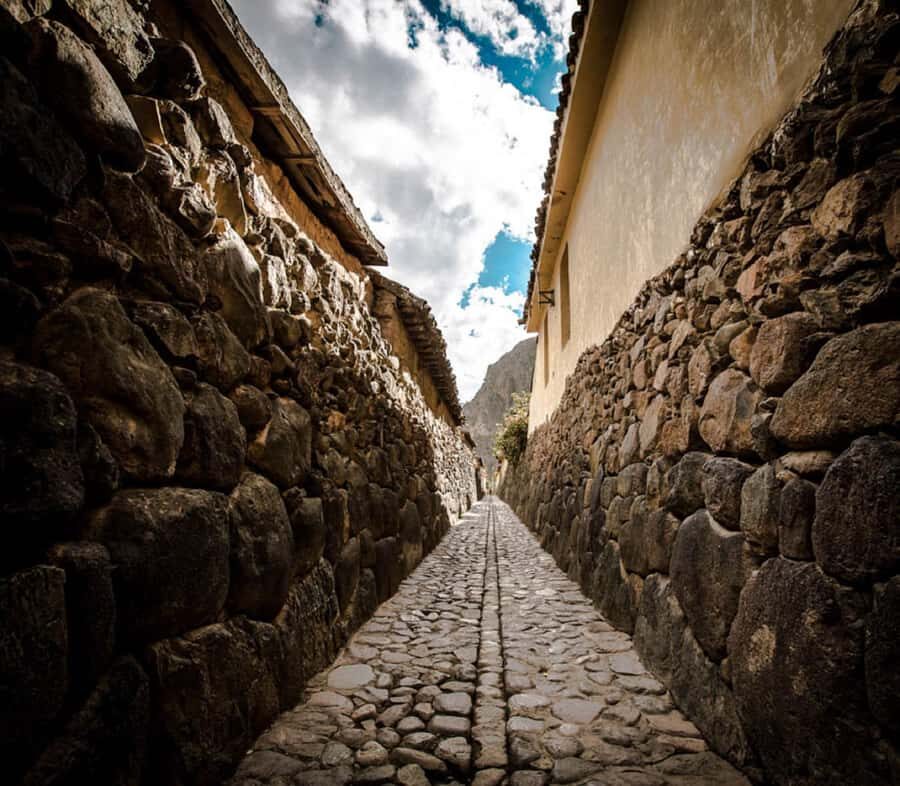
- Inca urban planning still used today: houses around shared patios, with narrow streets that keep flowing as they did centuries ago.
Cusco pickup to Sacred Valley reality check
This tour starts with hotel pickup and drop-off from the Cusco Historic Center. That matters more than it sounds: Sacred Valley trips can lose time to logistics, and door-to-door service keeps your half day focused on the sites.
You’ll spend the morning (or part of the day, depending on the start time you choose) traveling from Cusco to Ollantaytambo, in the Urubamba province. It’s about 80 km from Cusco and roughly 40 km from Machu Picchu, so you’re seeing a key node in the same wider world.
You can also read our reviews of more private tours in Ollantaytambo
Why the Ollantaytambo fortress is more than ruins
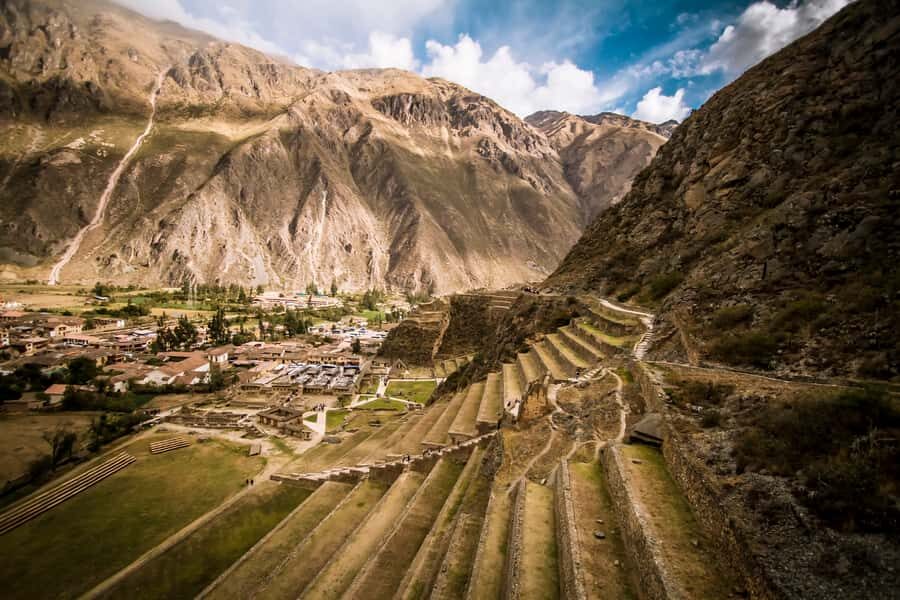
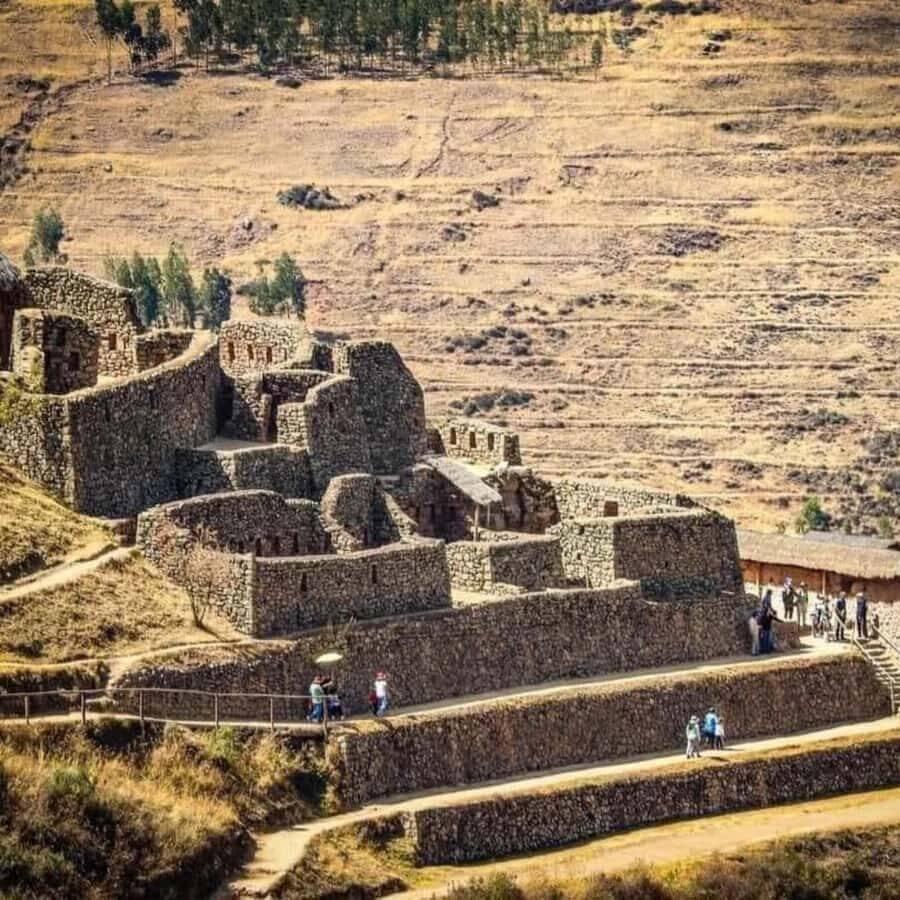
The Ollantaytambo archaeological complex wasn’t only religious. It functioned as a religious, military, and agricultural center—all packed into one commanding layout. The fortress area still impresses because the stone-worked platforms and buildings rise over four meters high, giving you that clear sense of strength and control.
And the details are tangible. The word Ollantaytambo comes from Quechua Ulla-nta-wi, meaning place to see down. Standing in the fortress zone, that meaning stops being poetic and becomes practical: the design helps you understand the view, the defensibility, and the command of movement.
The 150-step climb: manage your pace and your photos
Your main activity starts with the climb: about 150 steps separate the lower section from the summit. This is a short climb in distance, but it’s real effort because the site is built for stone stability, not for casual strolling.
My advice is simple. Wear comfortable shoes with good grip, and keep your pace steady so you can enjoy the stops along the way. If you rush, you’ll miss the best part: the way the terraces, niches, and temple layout reveal how the complex was planned.
Temple of the Sun: six monoliths that change your scale
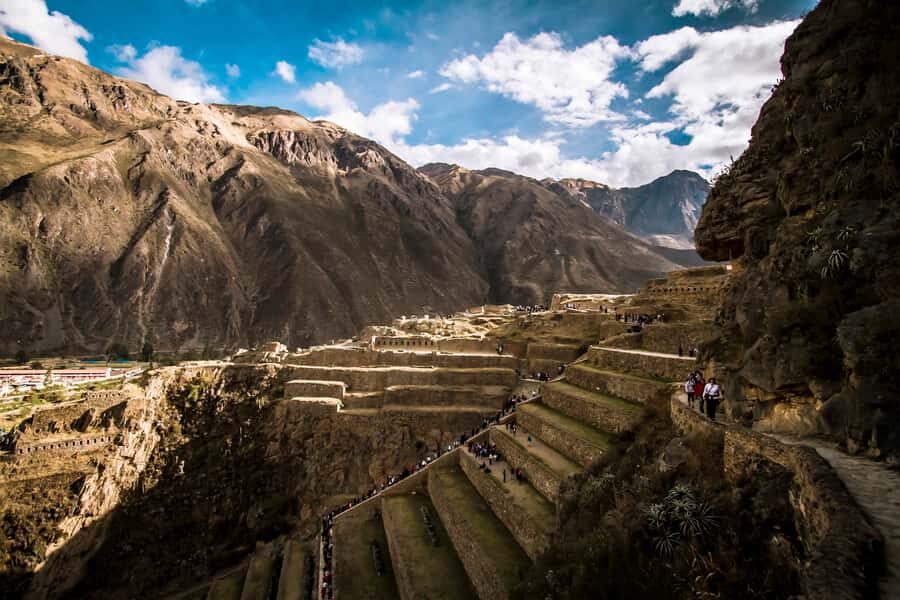
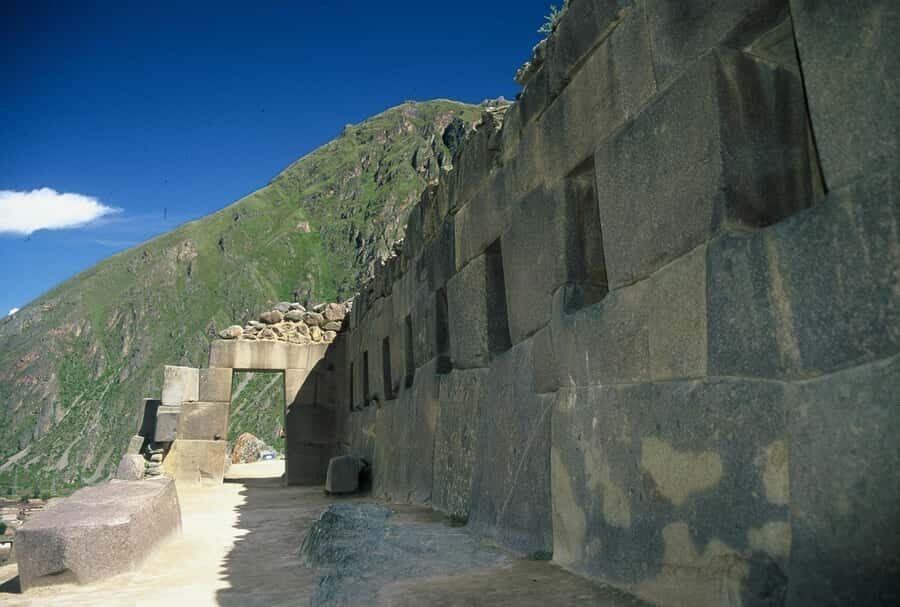
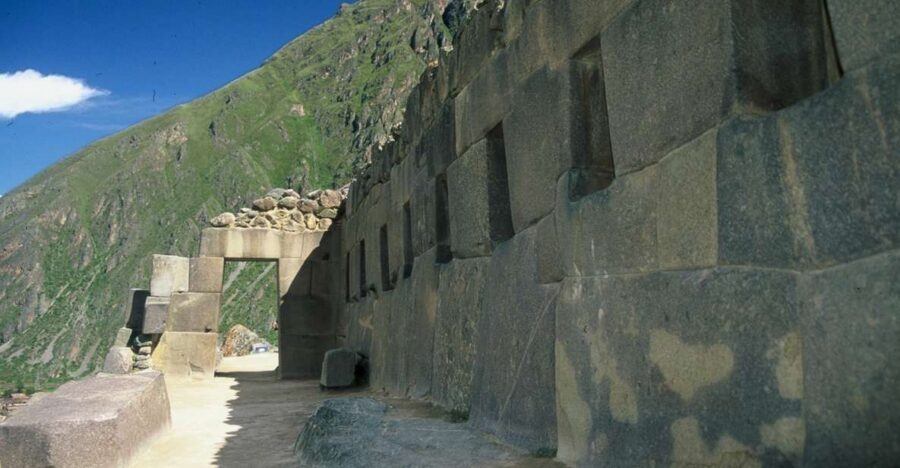
At the top, the Temple of the Sun is the headline. It’s formed by six huge monoliths of pink granite, with a weight of more than 50 tons. Even if you’re not a “stone nerd,” that kind of mass forces you to rethink what you’re seeing.
Instead of treating the temple like a single view, watch how it works as part of the overall design. The fortress isn’t random rubble; it’s a system. That’s what a guide helps with—connecting what you’re standing on to why it’s there.
Terrace of the Ten Niches: geometry you can read
Nearby, the Terrace of the Ten Niches gives you a readable, patterned feature to anchor your imagination. Niches are repeated, so they help you track the site’s rhythm and construction logic without needing technical background.
This is also one of the easier places to slow down. You can stand, look at how the terrace sits with the platforms around it, and get a feel for the engineering. If you’ve ever wondered why Inca architecture looks so intentional, terraces like this answer that question with shape alone.
Cobblestone streets and scattered ruins: walk the lived-in feel
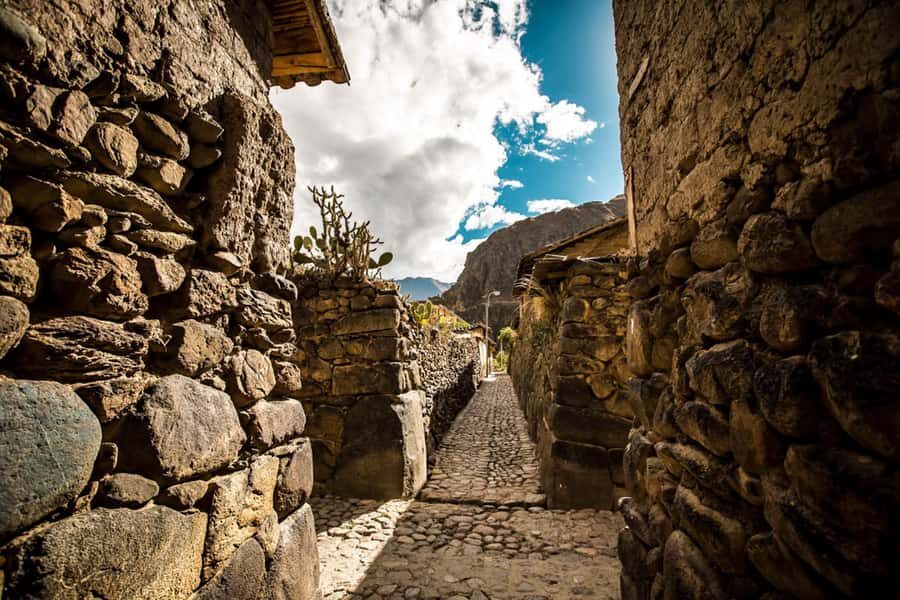
After the main fortress highlights, you’ll move through the area’s cobbled, winding streets. Ruins are scattered throughout, but they don’t feel like isolated stops. They feel like pieces of one functioning place.
What you’ll like here is the atmosphere: you’re not just sprinting between big landmarks. You can appreciate small sections of stonework and how the paths connect the different zones. For a half day, that’s a big deal—many tours compress the experience so hard you barely notice the “how it fits together” part.
Terraces and agriculture: the strategy side of the story
One reason Ollantaytambo feels different from many other Inca sites is that the complex shows agriculture in the same breath as defense and religion. The fortress area includes agricultural terraces, and you’ll see how the layout supports growing and managing water.
The big payoff is understanding the logic. In a place that served as a military center, farming wasn’t an afterthought. It helped sustain people and resources. When you can connect the terraces to the broader function of the site, the visit becomes more meaningful than a photo loop.
A quick history thread: Manco Inca vs. Hernando Pizarro
There’s a sharp historical moment tied to this location. Manco Inca faced Spanish troops led by Hernando Pizarro here—and the result was victory. Knowing that, you’ll notice something important: the fortress doesn’t just look strong. It was built for conflict.
A good guide keeps that story from becoming a textbook line. Instead, it helps you connect the narrative to what you’re seeing: imposing buildings, controlling platforms, and a site designed to hold ground.
From fortress to town: urban planning you can still walk
The half-day excursion ends with a short visit to the town of Ollantaytambo. This is where the trip shifts from archaeological interpretation to everyday reality.
The town is described as a typical example of Inca urban planning, and that’s not just marketing. The narrow streets open toward the Urubamba River, and you’ll walk through a layout that still functions with the same basic logic.
Blocks and courts are also distinctive. Each block includes groups of houses that share the same door to a central patio. That detail helps you understand how community space and circulation worked long before modern street grids.
What makes Ollantaytambo town worth your time
I think the town stop is the part that makes this tour feel complete. Many half-day trips focus only on fortress highlights and leave you with an “architectural museum” feeling. Here, you get a living street pattern and the sense that the plan has continued without breaking.
The tour notes that rectilinear and narrow streets are inhabited uninterruptedly since Inca times. Even if you don’t obsess over urban design, that continuity changes how you interpret the ruins you just saw.
You also get a better feel for the setting. The Sacred Valley can look similar from a distance, but town streets, river-facing layout, and stone rhythms make it specific.
Price and value: what you’re really paying for
The price is $126 per person for a 5-hour private tour. That cost includes pickup and drop-off from Cusco Historic Center hotels and a professional bilingual guide (English and Spanish).
What’s not included is important: you need to handle the Cusco Tourist Ticket (BTC) for visiting the fortress, plus personal expenses. If you don’t already plan to buy the BTC, budget for it before you assume the price covers everything.
Is it good value? For me, yes—if your goal is a guided, structured visit that combines fortress and town without wasting time on transport planning. A private guide also pays off on a site like this because the meaning is in the connections: temple to terrace, agriculture to defense, streets to ongoing town layout.
Practical tips that make the day smoother
A few small things can save you from a frustrating half day.
- Bring comfortable shoes for the stone steps and uneven surfaces.
- Use sunscreen. The fortress tops out under open light.
- Wear comfortable clothes you can move in at a steady pace.
If you’re staying in a private residence like an Airbnb outside the Historic Center pickup zone, this tour doesn’t include pickup there. You’ll need to contact the provider ahead of time to coordinate a meeting point.
Also note the tour isn’t suitable for wheelchair users, and pets aren’t allowed. It’s designed for people who can handle walking and steps comfortably.
Should you book this half-day private tour?
I’d book it if you want a focused, well-guided introduction to Ollantaytambo that covers both the fortress highlights and the town’s still-used Inca layout. The combination works especially well if you have limited time in Cusco but still want more than the main “big views.”
Skip it only if your mobility is limited by the 150-step climb, because that’s central to the fortress experience. If you’re comfortable with that and you already plan to get the BTC, this is a strong use of a half day in the Sacred Valley—practical, guided, and rooted in what makes Ollantaytambo feel real.
FAQ
How long is the Ollantaytambo Fortress half-day private tour?
The tour duration is 5 hours.
Is this tour private?
Yes, it’s a private group tour.
What language will the guide speak?
The guide is bilingual, with English and Spanish.
Does the price include hotel pickup and drop-off?
Yes. Pickup and drop-off are included from hotels located in the Cusco Historic Center.
Is the Cusco Tourist Ticket (BTC) included?
No. The Cusco Tourist Ticket (BTC) is not included, and it is important to acquire it to visit the Ollantaytambo fortress.
How many steps do I need to climb for the fortress?
You’ll climb about 150 steps that separate the summit from the low part of the fortress area.
What are the main sites included in the visit?
You’ll visit the Ollantaytambo fortress area, including the Temple of the Sun and the Terrace of the Ten Niches, and then you’ll have a short visit to the Ollantaytambo town.
What should I bring with me?
Bring comfortable shoes, sunscreen, and comfortable clothes.
Is the tour suitable for wheelchair users?
No. The tour is not suitable for wheelchair users.
What if I need to cancel?
Cancellation is free up to 24 hours in advance for a full refund.