REVIEW · OLLANTAYTAMBO
From Cusco: Chinchero, Moray, Maras, Ollantaytambo and Pisaq
Book on GetYourGuide →Operated by Trip Finder Peru · Bookable on GetYourGuide
A long day, but the ruins pack in fast. This Sacred Valley van tour connects Chinchero, Moray, Maras, Ollantaytambo, and Pisac with a bilingual guide and the stories behind each stop. I especially like the early start feel and the focus on major sites like Ollantaytambo, not just quick curbside photos.
The trade-off is time pressure. You’ll cover a lot of ground with guided visits that can feel short, and the day includes at least one weaving cooperative stop plus other shop-style moments where the guides explain craft and local production.
In This Review
- Key highlights worth your attention
- What this Sacred Valley day is really like
- Cusco pickup, van rides, and altitude reality
- Chinchero: weaving traditions and Inca ruins in one stop
- Moray’s circular terraces: what the Incas were experimenting with
- Maras salt mines: walking among thousands of small pools
- Urubamba lunch buffet: where you refuel before the big ruins
- Ollantaytambo: terraces, temples, and the feeling of an Inca stronghold
- Pisac: terraces, tombs, and a dramatic backdrop
- Price and ticket math for a full-day $35 tour
- Who should book this tour, and who should skip it
- Should you book this Sacred Valley day tour?
- FAQ
- How long is the tour?
- What is included in the $35 per person price?
- What tickets are not included?
- Will I have a guide who speaks English and Spanish?
- Where do we have lunch, and what is it like?
- Are drones allowed during the tour?
- What should I bring?
- Can I cancel for a full refund?
Key highlights worth your attention
- A big Sacred Valley loop in one day: you hit the core names—Chinchero, Moray, Maras, Ollantaytambo, and Pisac—without juggling buses.
- Moray explained the way you’ll remember: the circular terraces are presented as an Inca-style agricultural testing ground across altitude.
- Maras salt mines are the main visual event: thousands of small salt pools create that instantly recognizable checkerboard look.
- Urubamba lunch is built in: a buffet lunch gives you a real break before the afternoon ruins.
- Ollantaytambo and Pisac feel like the payoff: both are longer, more “archaeology-heavy” than the smaller photo stops.
What this Sacred Valley day is really like
This is a classic one-day “greatest hits” route. You’ll start in Cusco and spend the day moving between archaeology and Inca-era agriculture experiments, then finish back in town at Plaza Regocijo in late afternoon or early evening.
I like this format because the route makes sense geographically. The Sacred Valley isn’t just one site; it’s a whole working system of towns, terraces, and food production—plus later layers from colonial times. A good guide keeps it from feeling like five random stops stitched together.
The biggest thing to expect is pacing. Even when you get a guided talk, the time at each location is limited. One of the most common frustrations with this kind of schedule is wanting 30 more minutes to look closely, take photos without rushing, or read every wall like it’s your personal hobby. If you’re okay trading depth for breadth, this day works well.
You can also read our reviews of more tours and experiences in Ollantaytambo.
Cusco pickup, van rides, and altitude reality
Pickup starts from your hotel in Cusco. From there, you’re on a van route for most of the morning and early afternoon, with short drives between sites. The day includes multiple segments: about 40 minutes to Chinchero, then 30 minutes to Moray, 20 minutes to Maras, and continued moving time toward Urubamba, Ollantaytambo, and Pisac.
That matters because altitude can sneak up on you when you’re busy. You’ll be walking on uneven ground, standing around for photo stops, and then eating lunch—usually without much time to slow down. Bring water and take it easy in the first hour. The tour won’t stop for you to fully recover if you go too hard too early.
Also, expect the guide to run the day in Spanish and English. If you’re in a bilingual group, you might hear explanations repeated or switched between languages while the group keeps moving. The upside is you’re less likely to miss key points about how the Incas used each place.
Chinchero: weaving traditions and Inca ruins in one stop
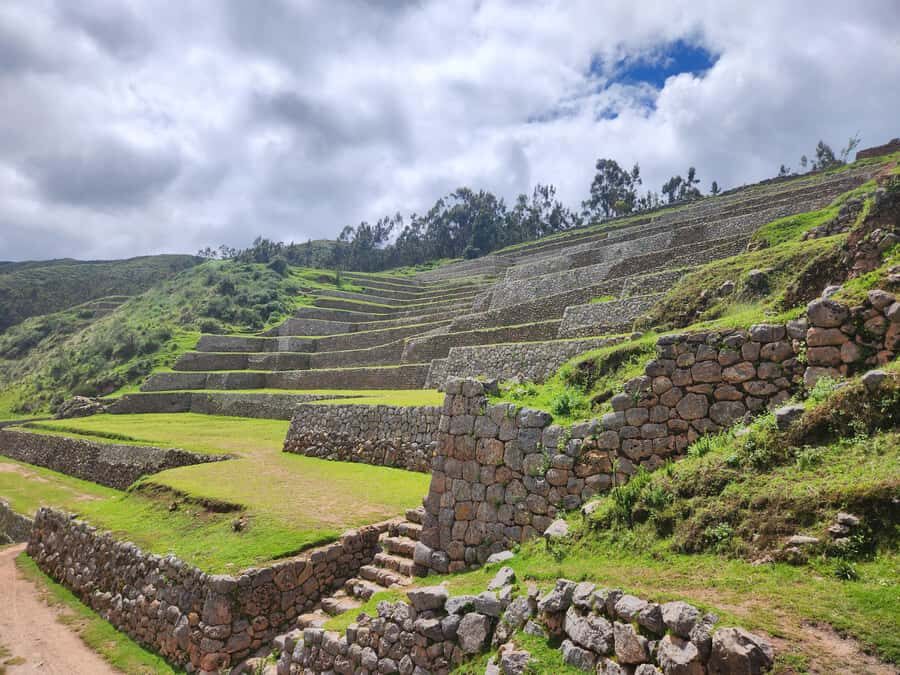
Chinchero is the first big cultural hit. You’ll get a photo stop and a guided visit around one hour in the district, and it’s a nice way to transition from Cusco into the Sacred Valley world.
What makes Chinchero useful on a first visit is that it mixes eras. You’ll see the colonial church and also Inca ruins nearby, which helps you understand how later Spanish-era building happened alongside older stonework traditions. It’s also where the tour leans into living culture.
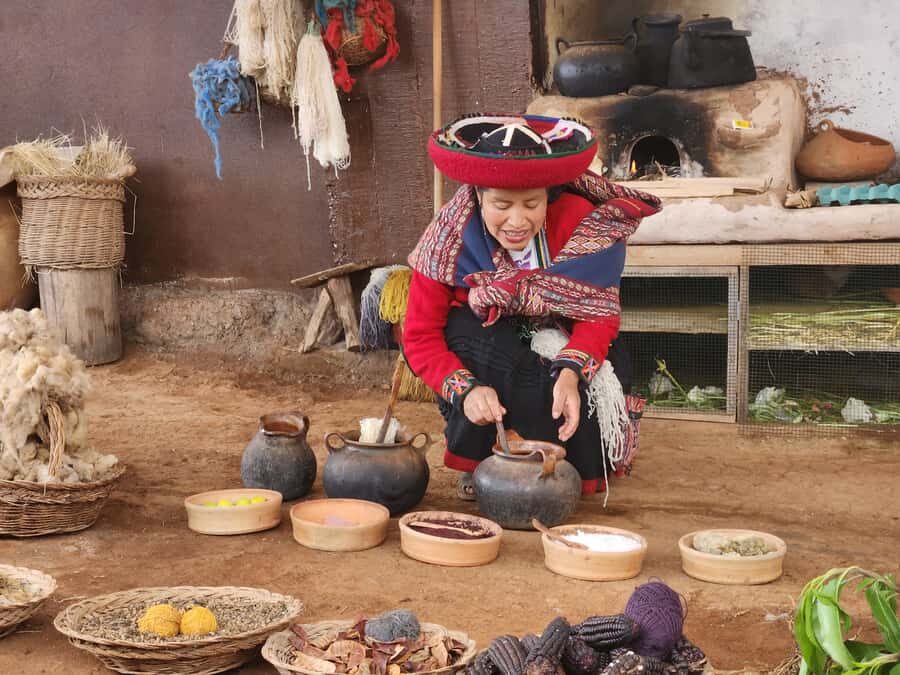
Then there’s the weaving part. You’ll visit a local weaving cooperative where traditional Andean weaving techniques are demonstrated. This is one of the more educational non-ruin stops on the day, especially if you’ve ever wondered why Andean textiles look the way they do. I like it as a palate cleanser before you start walking terrace after terrace.
One consideration: if you’d rather spend every minute on archaeology, this stop can feel like shopping-adjacent time. In practice, you’re learning, but you may also be in and around places where purchases are encouraged. If that’s not your thing, keep your expectations realistic: you’re signing up for a culturally guided circuit, not a museum-only route.
Moray’s circular terraces: what the Incas were experimenting with
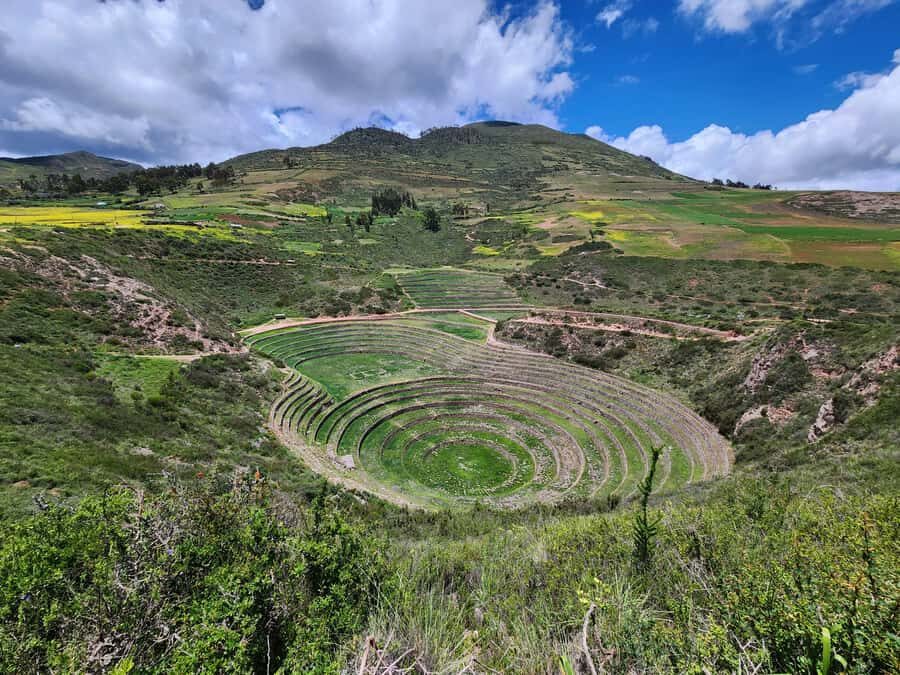
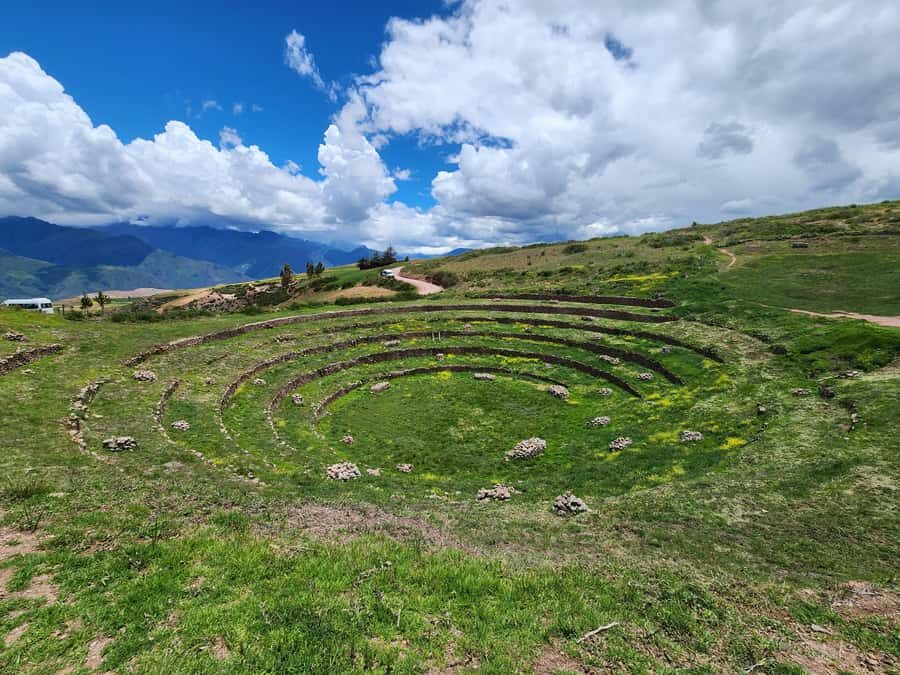
Moray is where the tour turns from towns and crafts into Inca-engineered agriculture. You’ll arrive for a guided visit about 30 minutes long, plus a photo stop.
The star here is the circular agricultural terraces. The explanation you’ll get is that the Incas used these kinds of terraces to experiment with different crops while adapting to altitude differences. Even if you don’t love farming history, the circular design is so visually distinctive that it sticks in your mind after you leave.
I think this stop works best when you slow your pace just a bit. Look at how the terraces step down. Imagine the microclimates at each level. You’ll likely hear the guide connect the geometry to practical food-growing logic, not just aesthetics.
Time-wise, Moray can be the kind of stop where you feel you could use 20 more minutes. The day is full, and the van keeps calling. Still, if you want at least one “how did they do this?” Inca engineering example, Moray delivers.
Maras salt mines: walking among thousands of small pools
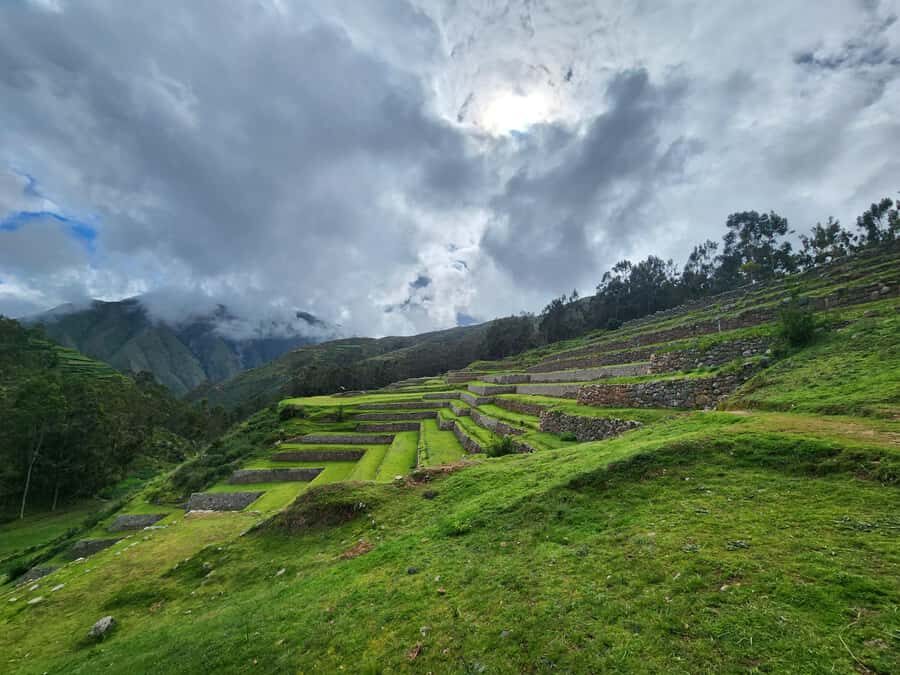
Maras is the salt mines stop, and it’s one of those places that photographs well because it’s already a visual pattern. You’ll get a guided visit around 30 minutes after a short drive.
The salt flats are made up of thousands of small pools. The tour frames this as a practice that has been used since Inca times, harvesting salt from natural brine. That historical link gives the place weight beyond the scenery.
One practical note: plan for sun and wind. Even if you’re not exerting yourself much, you’ll be outside for long enough to need sunscreen and a hat. The mines also involve uneven terrain, so comfortable shoes matter.
Also, consider budgeting for access. Maras has an additional entrance fee listed as 20 soles. If you’re using a tourist ticket, you’ll still want to confirm what covers what before you start paying at each checkpoint.
This is a stop where you’ll either love the visuals instantly or find yourself wanting more time. If you’re a photographer, aim to arrive alert and ready to walk slightly before settling into a rhythm.
Urubamba lunch buffet: where you refuel before the big ruins
Lunch happens in Urubamba, about 45 minutes allotted. It’s a buffet, and that time block is a big deal on a long archaeology day.
I like built-in lunch because it prevents the common Sacred Valley mistake: grabbing something random between sites and then spending the afternoon hungry, slow, and cranky. A buffet also makes it easier to eat quickly at altitude—assuming you choose foods you know sit well.
One review-style pattern you’ll recognize from these tours: people often wish the lunch break was longer. That doesn’t mean the food is bad; it means the itinerary is packed. Treat lunch as fuel, not a full gastronomic experience.
If you want to maximize the day, use lunch to hydrate too. Grab water, take a slower pace for a few minutes, and reset before Ollantaytambo and Pisac.
Ollantaytambo: terraces, temples, and the feeling of an Inca stronghold
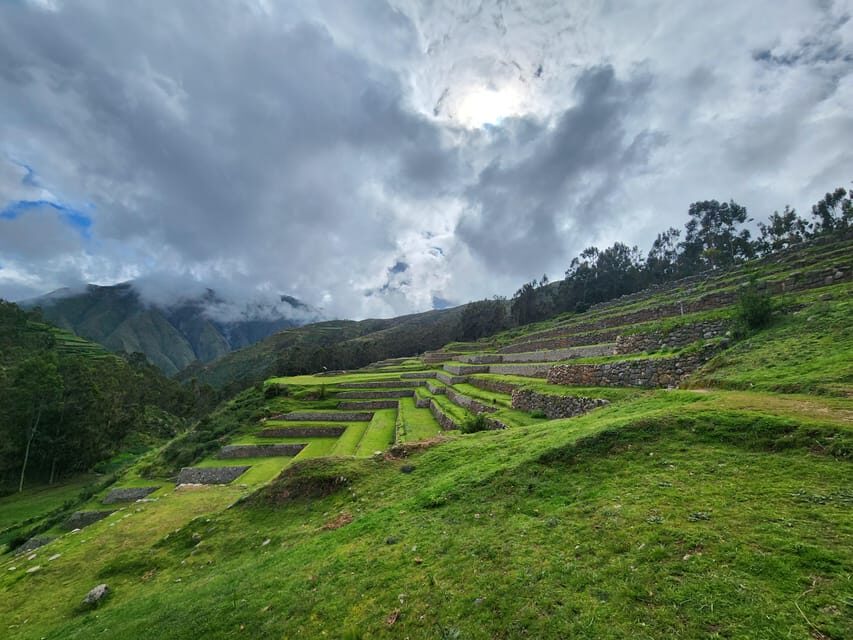
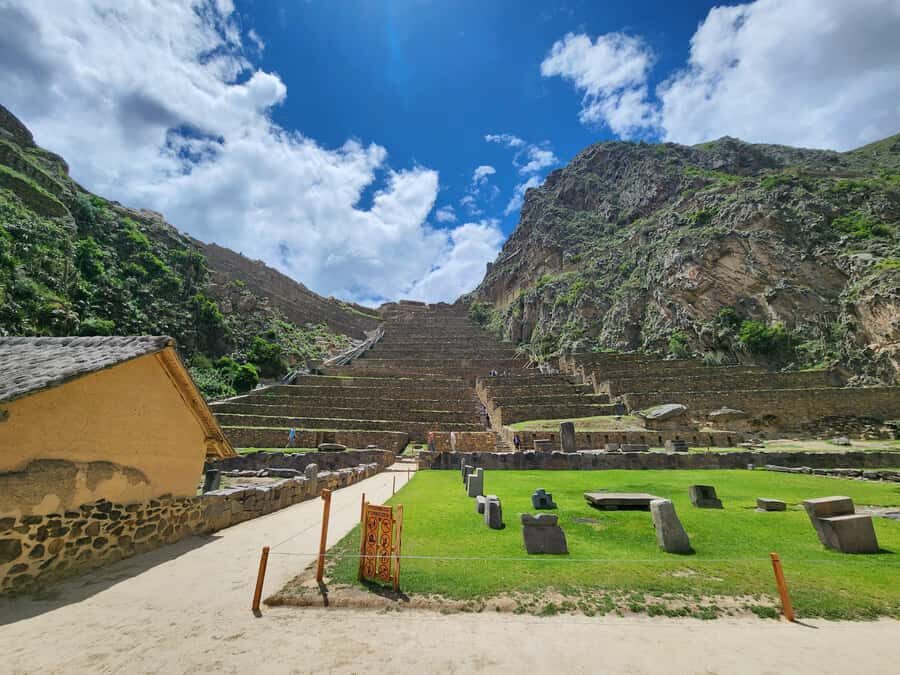
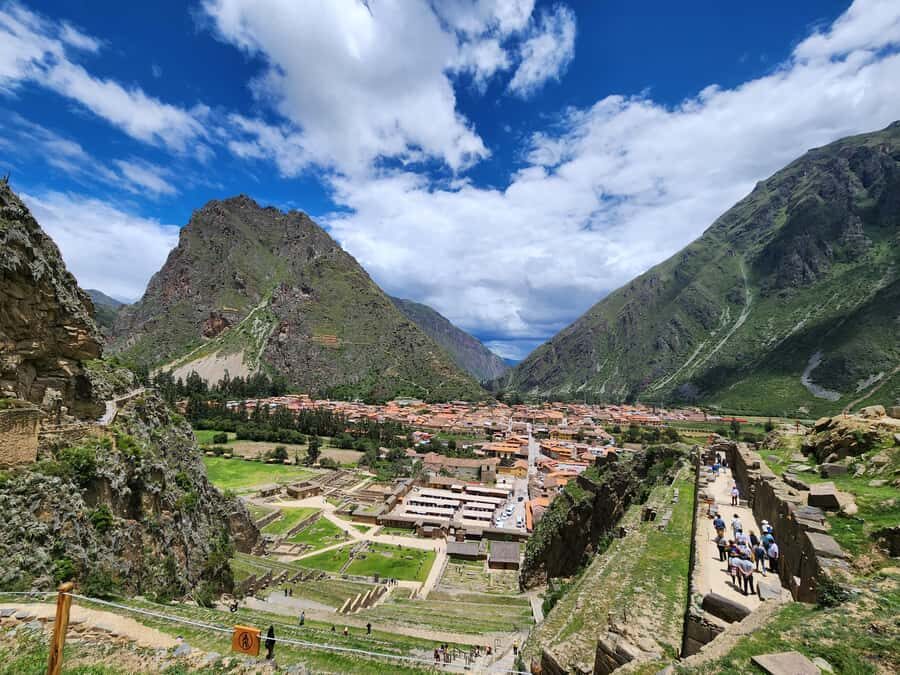
Ollantaytambo is a highlight for a reason. You’ll have a guided visit around 40 minutes, which is longer than some of the other stops, and the site is visually impressive even if you don’t know the details.
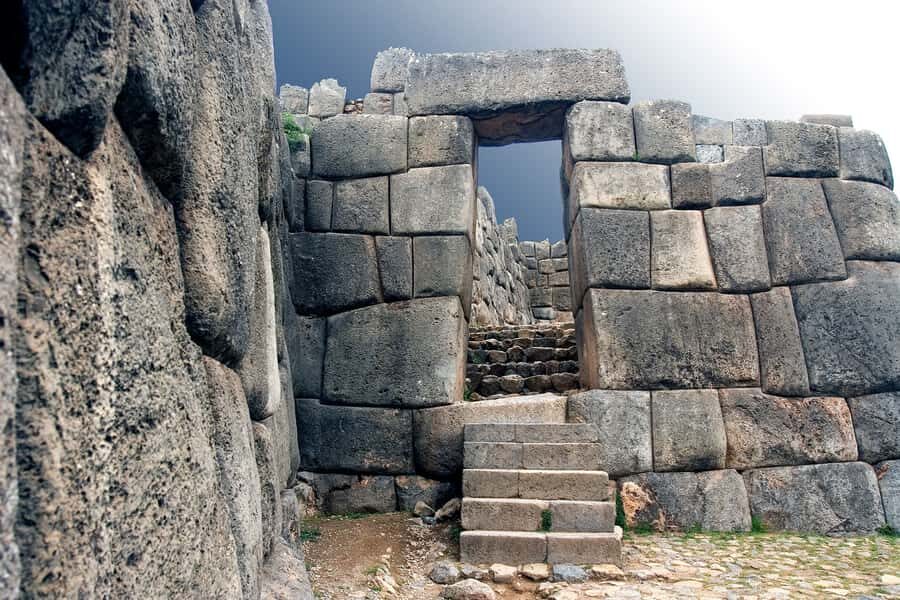
The tour focuses on the town’s well-preserved Inca character and its ruins as both an administrative and religious center during the Inca Empire. You’ll explore terraces, temples, and a ceremonial center. The guide also explains why the location mattered—how the built environment reflects strategy and power.
Here’s what I find valuable: Ollantaytambo makes the Inca story feel less abstract. You’re not only seeing agricultural thinking like Moray; you’re seeing how an entire settlement and ritual space worked together.
Time is still limited, but if you choose one stop to pay extra attention, make it Ollantaytambo. Stand back for a moment, then move closer and let your eyes follow stone lines and terrace edges. That’s how the site starts to read like a system instead of a pile of walls.
Pisac: terraces, tombs, and a dramatic backdrop
Pisac is your final major archaeological stop. You’ll have about 30 minutes for a guided visit, plus a photo moment before you’re back on the road.
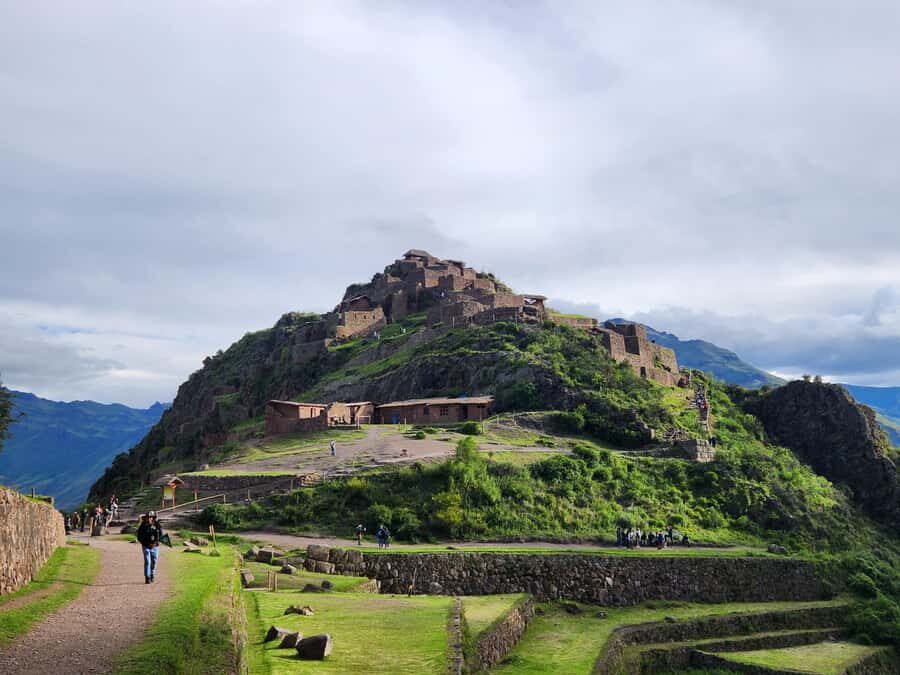
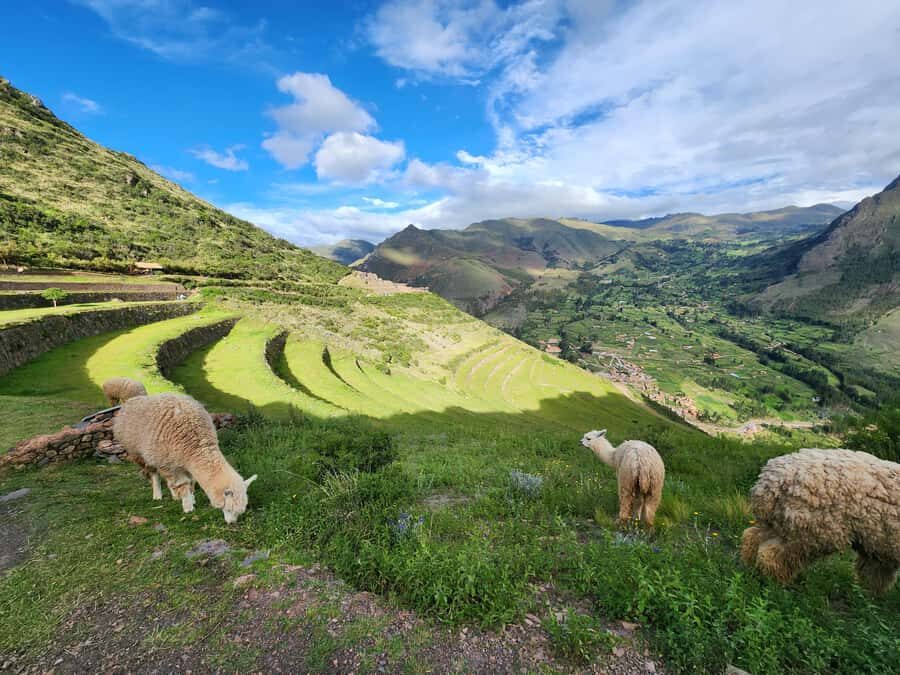
Pisac is known for its extensive Incan ruins, including terraces, tombs, and religious structures. The ruins sit against a mountain backdrop, which gives the place that classic Sacred Valley feeling of scale. Even with limited time, the architecture and layout can make you feel like you’re walking through a larger-than-life hillside city.
This is also the stop where timing can feel tight. The day’s schedule is shared by multiple tour groups, and closing times can matter. So if Pisac is on your must-see list, be mentally ready to move with your group and prioritize the areas your guide points out first.
If you get only a short guided circuit, don’t worry. Pisac is one of those sites where even a quick route teaches you the overall shape of the place—terraces up high, structures spread across the slopes, and tombs that underline the ceremonial and ancestral function.
Price and ticket math for a full-day $35 tour
The price listed is $35 per person for a full-day experience from Cusco. What you’re paying for is practical coverage: hotel pickup, van transport, a professional guide in Spanish and English, and a lunch buffet.
The extras are important. You’ll need to budget for a 70 soles tourist ticket (for the included archaeological access) and an additional 20 soles entrance fee for Maras. That means your real cost is the base tour price plus ticket fees.
Is it good value? For most people, yes, because you’re paying to avoid the hardest part of the Sacred Valley: figuring out routing and timing across multiple sites. You also get guided explanations that tie the stops together, especially for places like Moray where the design logic matters.
If you already have your own transportation and you love unguided roaming, DIY can be cheaper. But on a packed schedule like this, the guided van loop often wins on convenience and time saved.
Who should book this tour, and who should skip it
This tour is a strong fit if:
- You have limited time in the Cusco area and want major Sacred Valley names in one day.
- You like having a guide explain what you’re seeing, not just walking around hoping it clicks.
- You’re okay with short site visits as long as you get the core highlights and photos.
I’d think twice if:
- You want slow, detailed exploration at each site. This day is built for coverage, not long lingering.
- You dislike shop stops. The day includes a weaving cooperative and may include other short commercial-style moments where the guide talks about local production.
The best approach if you’re somewhere in the middle is to treat this as your intro day. You’ll learn enough to know what to return to later for deeper exploring, or what to focus on if you plan your own day trip.
Should you book this Sacred Valley day tour?
If you want an efficient, guided sampler of the Sacred Valley, I’d book it—especially if you’re traveling solo, short on time, or not in the mood to manage connections and timing. The Ollantaytambo and Pisac portions give you the payoff, and Moray plus Maras add that Inca engineering and resource story beyond big ruins.
But if you’re the type who plans to spend an hour per site reading every detail, you may feel rushed. In that case, you might be happier with a longer, more focused option that gives each stop real breathing room.
Either way, prepare for a full day outdoors. Good shoes, sun protection, and water aren’t optional on this route.
FAQ
How long is the tour?
It’s a full-day experience lasting 1 day, with pickup from Cusco and a return to the city in the late afternoon or early evening.
What is included in the $35 per person price?
The price includes hotel pick-up, transport by van, a professional guide in Spanish and English, and a lunch buffet.
What tickets are not included?
You’ll need to pay a tourist ticket listed as 70.00 soles, and there is also an entrance ticket to Maras listed as 20.00 soles.
Will I have a guide who speaks English and Spanish?
Yes. The guide provides live commentary in both Spanish and English.
Where do we have lunch, and what is it like?
Lunch is at Urubamba and it’s a buffet, included in the tour.
Are drones allowed during the tour?
No. Drones are not allowed.
What should I bring?
Bring comfortable shoes, a hat, a camera, sunscreen, and water.
Can I cancel for a full refund?
Yes. You can cancel up to 24 hours in advance for a full refund.