REVIEW · CUSCO
From Cusco: Manu National Park 3 Day Tour
Book on GetYourGuide →Operated by XPLORA AMERICA · Bookable on GetYourGuide
There are few trips that mix culture and Amazon nature this tightly. You’ll start in the Andes with tombs and a colonial town museum, then move into Manu’s cloud forest and river habitats for serious wildlife moments and hands-on activities like kayaking and a morning parrot clay lick.
I also love how the guide-led focus is built around real connections, from medicinal plants and jungle sounds to the courtship ritual of the Andean cock-of-the-rock. The trade-off is that the schedule runs early and moves fast, so if you want slow, detailed planning at every step, you may find the flow a bit confusing at times.
In This Review
- Key Things That Make This Manu 3-Day Tour Worth It
- Why Manu in 3 Days Feels Big
- Cusco Pickup, Overland Travel, and the Lupaca–Paucartambo Bridge
- Cloud Forest Walks, the Peruvian National Bird, and Plant Spotting
- Learning the Human Side: Coca Plantation and Wildlife Rescue
- Atalaya River Day: Kayaking, Bird Spotting, and a Swamp Hunt
- Speedboat to the Parrot Clay Lick: Why the Minerals Matter
- Timing, Food, and the Small-Group Advantage (17 Max)
- Price and Value: What $370 Covers in Real Terms
- What to Pack and the Rules That Keep Wildlife Wild
- Who Should Book This Manu 3-Day Tour—and Who Should Skip It
- Should You Book This Manu National Park 3-Day Tour from Cusco?
- FAQ
- What’s included in the 3-day tour price?
- Is kayaking part of the tour?
- What meals are included, and what’s not?
- Can I request a vegetarian meal?
- How big is the group?
- What should I bring, and what’s not allowed?
Key Things That Make This Manu 3-Day Tour Worth It
- Andean cock-of-the-rock courtship: learn what you’re seeing, not just that it’s cool
- Manu clay lick for multiple parrot species: a rare, mineral-fueled feeding spectacle
- Coca plantation plus a wildlife rescue center: human reality and conservation in one arc
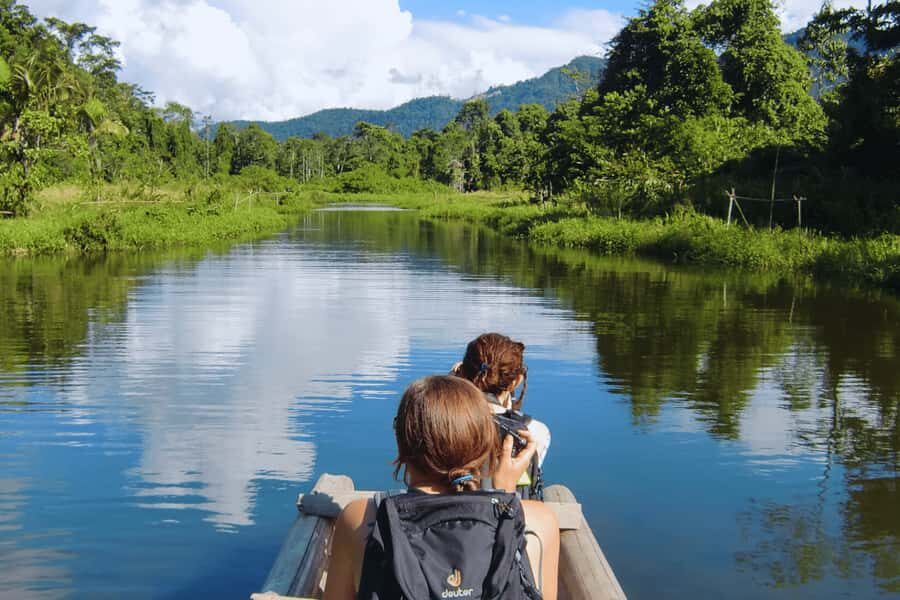
- River time at Atalaya: kayaking, bird spotting, a river dip, and a swamp hunt for more wildlife
- Small group limit (17 people): easier spotting and guide interaction when the action starts
- Included logistics and meals: transport, park ticket, and most food handled for you
Why Manu in 3 Days Feels Big
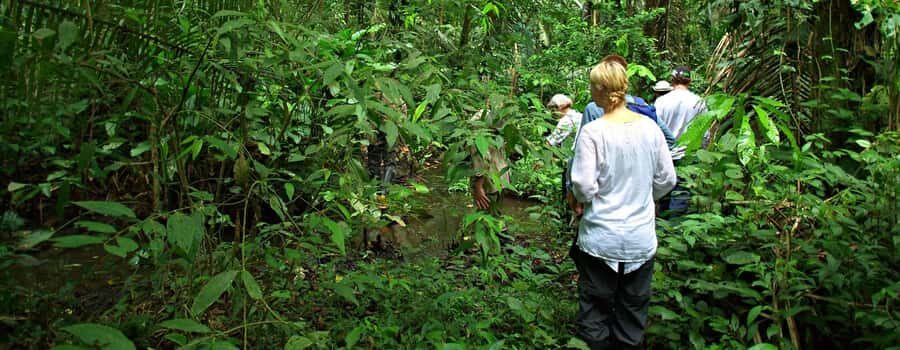
Manu National Park is massive in both size and vibe. The clever part of this 3-day format is that it doesn’t try to “cover everything.” Instead, it strings together the Manu cultural zone, then cloud forest, then the river ecosystem near Atalaya. That gives you a real sense of how ecosystems change with altitude and water, even though you’re only on the ground for a few days.
I like this approach because it’s practical. You’re not spending your whole time in transit, but you’re still getting multiple habitat types, which is where wildlife variety comes from. If your Peru trip includes Cusco already, this tour gives you the next step into the Amazon world without requiring weeks of planning.
A few more Cusco tours and experiences worth a look
Cusco Pickup, Overland Travel, and the Lupaca–Paucartambo Bridge
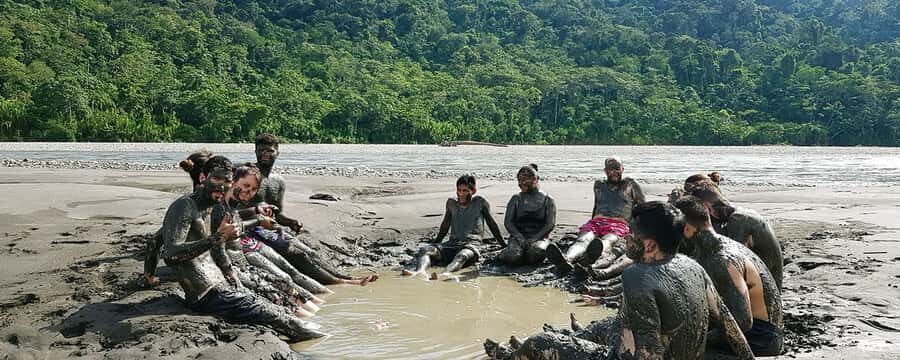
You’ll leave Cusco and work your way through valleys between the Andes and the towns along the route toward Manu. Early travel is part of the deal here, and that’s a good thing: it sets you up for a full first day in the cloud forest zone.
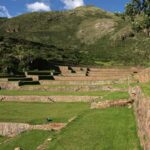
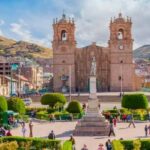
Two cultural stops do the heavy lifting. First, you visit pre-Inca tombs of the Lupaca culture, which connects the region’s deep history to the landscape you’ll soon be walking through. Then you head to Paucartambo, a colonial city where you’ll visit its museum. These pauses matter because they stop the trip from being only about animals. You get a broader sense of who lives in this region, and how traditions persist in places that later became gateways to conservation.
Even if you’re not a museum person, these stops help you understand why the cloud forest area is more than scenery. It’s a lived-in corridor where people and nature overlap.
Cloud Forest Walks, the Peruvian National Bird, and Plant Spotting
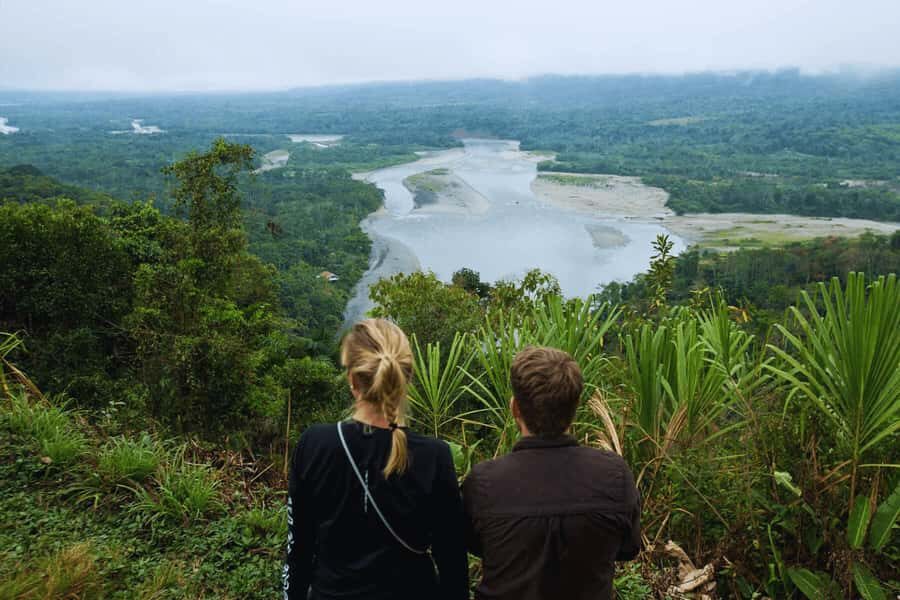
By day 1, lunch happens in the cloud forest area, where you’re in the right altitude and humidity for birds and orchids. This is where the tour earns its “learn while you watch” style.
You’ll look for native fauna such as the Andean bear and the Andean cock-of-the-rock. The cock-of-the-rock is the star lesson: you’ll learn about its courtship ritual, which makes a huge difference when you’re trying to understand what’s going on in the canopy. A random bird sighting is fun. A bird sighting you can explain is way more satisfying.
Plant spotting is part of the walk too. You may see orchids, bromeliads, and ferns, and your guide helps you connect the plants to the forest’s conditions. In places like this, the guide’s job isn’t just pointing; it’s translating. That translation turns a humid walk into something you remember.
Learning the Human Side: Coca Plantation and Wildlife Rescue
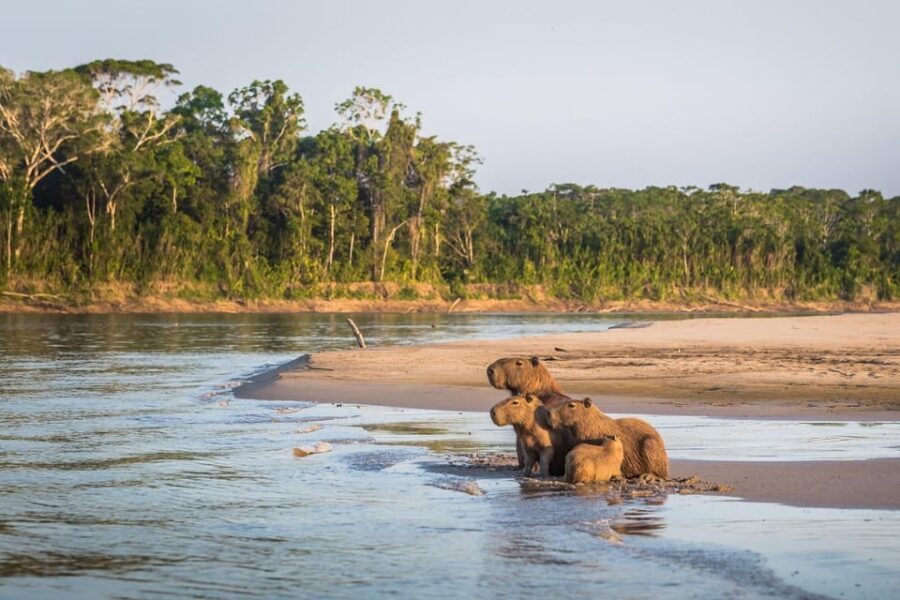
One of my favorite parts of this tour’s design is that it includes two stops that are about people and conservation, not just wildlife.
On day 2, you’ll visit a coca plantation. That gives context for a plant that often gets reduced to headlines. Here, it’s presented locally, which helps you understand why it matters in regional life and ecosystems.
Next comes a wildlife rescue center. This is where the trip’s conservation angle becomes real. You’re not just watching animals as symbols; you’re seeing how injured or displaced wildlife is handled. Even without getting emotional, it adds weight to the wildlife moments later in the day, including the swamp search and caiman hunting.
If you care about responsible travel, these two stops are a strong reason to choose this specific Manu itinerary over a purely nature-only day.
Atalaya River Day: Kayaking, Bird Spotting, and a Swamp Hunt
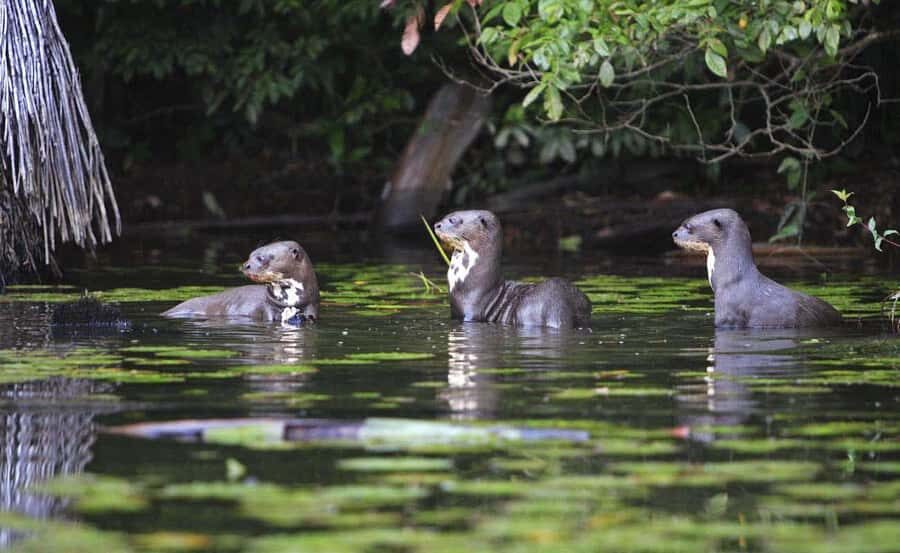
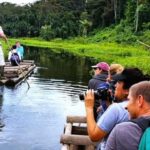
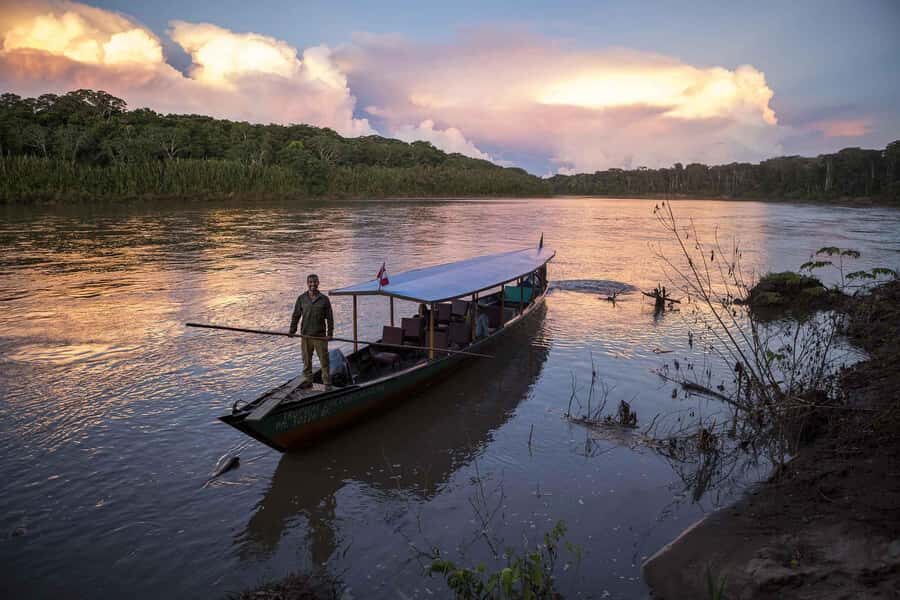
Atalaya is your river base, on the banks of the Alto Madre de Dios River. The shift from cloud forest to river environment is dramatic, and the tour takes advantage of that by building in water-based time.
After an early start and a strong day of forest viewing, you begin a 1-hour kayaking session. You’ll have opportunities to spot birds such as herons, vultures, and cormorants. Kayaking is also one of those activities that changes how you look at wildlife. Instead of scanning from a trail edge, you’re moving with the river’s rhythm, which makes it easier to catch wing beats, flight paths, and sudden calls.
Later, you get free time to take a dip in the river and grab lunch, which is welcome on a day like this. This is also when you’ll visit a swamp where toucans, woodpeckers, and parrots live. That swamp stop matters because it’s a concentrated feeding and nesting environment. Wildlife shows up more reliably when habitat conditions stack the odds in your favor.
The day ends with a search for caimans. You shouldn’t expect guaranteed sightings on any wildlife hunt, but the tour structure is clearly built to maximize chance: early movement, targeted habitat, and guide-led searching.

Speedboat to the Parrot Clay Lick: Why the Minerals Matter
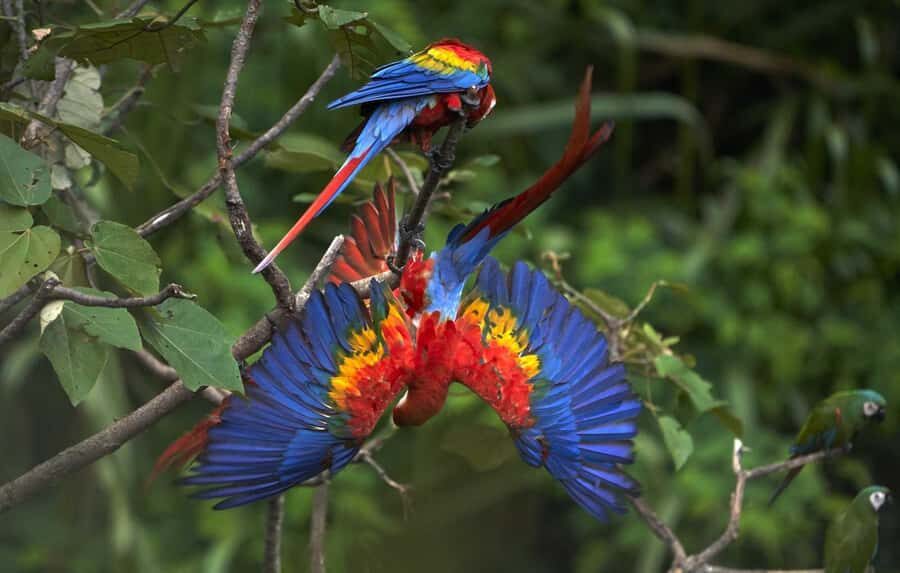
Day 3 is built around a single morning highlight: heading by speedboat toward a parrot clay lick. This is a clay wall on the riverbank where different species gather to eat clay. Watching multiple parrot species share the same feeding spot is impressive, but the reason it’s scientifically interesting is even better.
The guide explains that the clay contains minerals that help parrots digest and rid themselves of toxins. That detail changes the experience from spectacle to function. You’re seeing an adaptation in real time—one of the reasons Amazon wildlife behavior is so fascinating. It’s not random. It’s survival math played out in public.
Because it’s a speedboat morning, you’ll likely feel the speed and light changes more than on a hiking day. Bring your camera and be ready for short windows of intense activity. If birds get active, they don’t wait for you to adjust straps.
Timing, Food, and the Small-Group Advantage (17 Max)
This is a 3-day tour with 2 nights of accommodation and 2 breakfasts, 2 lunches, and 2 dinners included (plus mineral water). Day 1 breakfast and day 3 dinner aren’t included, so you’ll want to accept that first-day mornings are handled differently than a full-board hotel stay.
The pace is early starts, guided walks, and scheduled river activities. That’s part of why you get so much wildlife opportunity. Just don’t expect sleeping in.
The small group limit of 17 is a real benefit in wildlife areas. It helps the guide manage spacing, and it makes it easier for you to see what’s happening instead of constantly jostling for position. One practical note: the guide’s communication can sometimes be a little unclear about the day’s exact flow, so it helps if you ask simple questions on the spot—what time, what to bring, and what you’re doing next.
Food is a strong point of the experience. People have described the meals as top quality, and that matters because after kayaking and swamp searching, you’ll be hungry in a hurry. If you eat vegetarian, the tour indicates vegetarian meal options are available, which is worth planning for ahead of time.
Price and Value: What $370 Covers in Real Terms
At $370 per person for 3 days, this isn’t a budget add-on. It’s priced more like a “real logistics” tour because it bundles a lot that you’d otherwise pay for separately.
Here’s what your money is paying for, in practical terms:
- Ground transport (coach/minibus) plus speedboat for river legs
- English-speaking guide for culture and wildlife interpretation
- Admission to Manu National Park
- 2 nights of accommodation
- Kayaking
- Most meals: 2 breakfasts, 2 lunches, 2 dinners
- Mineral water
When you break it down, the inclusion of the park ticket, the guide, and the river speedboat ride is where the value lands. Even the kayaking component usually costs extra if you book it on its own. If you’re already paying for a Cusco base, this tour gives you a structured path into Manu without you having to coordinate permits, transport pieces, and guide logistics from scratch.
The real consideration is not the price itself—it’s matching your expectations to the format. This is a guided, active wildlife experience. If you’re looking for a low-energy, comfort-first vacation, you may feel the pace more than the value.
What to Pack and the Rules That Keep Wildlife Wild
This tour is active, wet, and sun-exposed, sometimes all in the same day. Pack for jungle conditions, not city comfort.
Bring:
- Comfortable shoes with grip
- A hat for sun and rain glare
- Swimwear for the river dip
- Rain gear for sudden cloud forest weather
- Sunscreen and insect repellent
- Binoculars if you like birdwatching
- Comfortable clothes you don’t mind getting a bit dusty
- Camera (you’ll want it for the clay lick and bird moments)
Also, you should have a plan for water. The tour provides mineral water, but you’re also encouraged to use a reusable water bottle to cut down on plastic. That aligns with the rules: plastic bottles aren’t allowed.
Know the behavior rules too:
- No smoking
- No littering
- No feeding animals
- No touching plants
Those rules are there for a reason. If you keep your distance and stay hands-off, you protect the animals and you also get better, more natural viewing.
Who Should Book This Manu 3-Day Tour—and Who Should Skip It
This tour is best for adults and active travelers who want guided wildlife interpretation, short walks, and river activities. You’ll probably love it if:
- You enjoy birds and want to understand behaviors like the cock-of-the-rock courtship ritual
- You’re curious about conservation and local culture, not just scenery
- You’re okay with early mornings and a packed rhythm
It may not be a fit if:
- You have back problems or heart problems
- You’re wheelchair users
- You’re traveling with children under 3
- You are pregnant
Also, activities are subject to weather conditions, which matters in cloud forest and river environments. It’s not about being unlucky; it’s about keeping the plan safe when conditions change.
Should You Book This Manu National Park 3-Day Tour from Cusco?
If you want a solid taste of Manu with both culture and wildlife, I think this is a smart booking. The best reason to choose it is the way the guide-led focus turns sightings into understanding—especially around the Andean cock-of-the-rock and the parrot clay lick, plus the conservation context from the rescue center.
Book it if you’re ready for active days, early starts, and doing a mix of walking and water time. Skip it if you need a slower pace or have mobility or health limits that the tour may not accommodate.
If you want to experience Manu in a few days without getting stuck on logistics, this one is a strong, practical choice.
FAQ
What’s included in the 3-day tour price?
The tour includes hotel pickup and drop-off, transport by coach/minibus and speedboat, an English-speaking guide, kayaking, admission to Manu National Park, 2 nights of accommodation, 2 breakfasts, 2 lunches, 2 dinners, and mineral water.
Is kayaking part of the tour?
Yes. Kayaking is included, with a 1-hour kayaking activity on day 2.
What meals are included, and what’s not?
Included are breakfast on days 2 and 3 (2 breakfasts total), lunch on days 1 and 2 (2 lunches total), and dinner on day 1 and day 2 (2 dinners total). Not included are breakfast on the first day and dinner on the final day. Drinks are also not included.
Can I request a vegetarian meal?
Yes. Vegetarian meal options are available.
How big is the group?
It’s a small group limited to 17 participants.
What should I bring, and what’s not allowed?
Bring comfortable shoes, a hat, swimwear, camera, sunscreen, water, rain gear, comfortable clothes, insect repellent, and binoculars. Smoking, plastic bottles, littering, feeding animals, and touching plants aren’t allowed.