REVIEW · CUSCO
Cusco : Sacred Valley & Inca Trail to Machu Picchu 3 days
Book on Viator →Operated by TreXperience · Bookable on Viator
Three days, and the Andes steal your sleep. This package pairs excellent guiding (including Miguel and Edwar on the Inca Trail/Machu Picchu days) with an early-arrival plan for Machу Picchu that cuts the crowd crush. I also love the full “Andes-to-ruins” flow: Sacred Valley first, then the Short Inca Trail from Km 104, then Machu Picchu at sunrise. Main drawback: logistics and hotel comfort can be uneven, especially in Aguas Calientes, so you’ll want to double-check your details before you go.
The trip starts with a 7:00 a.m. pickup in Cusco and keeps a steady pace across three days. The group stays small (up to 16), and you’ll use expedition and panoramic trains plus Machu Picchu buses inside the complex—less stress, fewer decisions. One more thing: you need moderate fitness for the Short Inca Trail, and good weather really matters for the Machu Picchu plan.
In This Review
- Key things that make this Cusco + Sacred Valley + Short Inca Trail plan work
- What you’re really signing up for: Sacred Valley first, then the Short Inca Trail
- Day 1 in the Sacred Valley: Pisac terraces, Moray circles, Salinas salt, then Ollantaytambo
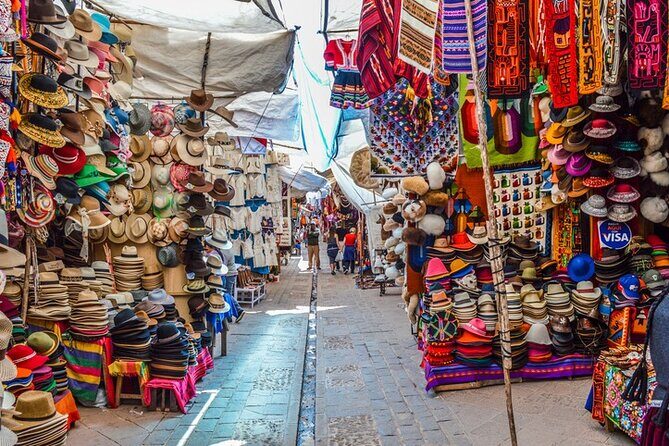
- Manos de la Comunidad: alpaca and vicuña wool culture
- Mirador Taray: quick viewpoint reset
- Pisac archaeological park: hillside terraces and Inca tunnels
- Moray: the circular terraces as an ancient farming lab
- Salinas de Maras: salt ponds still harvested by hand
- Ollantaytambo: a living Inca town and overnight base
- Day 2 Short Inca Trail: registration at Km 104, sacred water, then Wiñay Wayna
- Km 104 Station: registration plus breakfast
- Chachabamba: sacred water structures and channels
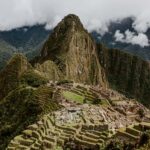
- Wiñay Wayna: terraces, aqueducts, and the trail’s payoff
- Sun Gate: first major Machu Picchu view
- Historic Sanctuary tour at Machu Picchu
- Evening in Aguas Calientes: dinner and a hotel night
- Day 3 sunrise Machu Picchu, then the Vistadome return to Ollantaytambo
- Early bus up: the calm version of Machu Picchu
- Guided Historic Sanctuary tour: 2 to 3 hours of key sections
- Back down for lunch in Aguas Calientes
- Vistadome panoramic train: ride the Andes back
- Private transfer back to Cusco
- Price and value: why $817 can be a fair deal if you prepare for the weak links
- How to prep like a pro: the small moves that prevent big headaches
- Who this tour fits best (and who should choose differently)
- Should you book this Cusco Sacred Valley + Short Inca Trail to Machu Picchu tour?
- FAQ
- What time does the tour pickup in Cusco start?
- How long is the Cusco to Sacred Valley and Short Inca Trail experience?
- What is the price per person?
- Is this tour suitable for beginners?
- What train rides are included?
- Where do you do the Short Inca Trail, and how do you start it?
- How does Machu Picchu entry work on this package?
- Are Montaña or Waynapicchu entrances included?
- What happens if the trip can’t run due to weather or minimum travelers?
Key things that make this Cusco + Sacred Valley + Short Inca Trail plan work
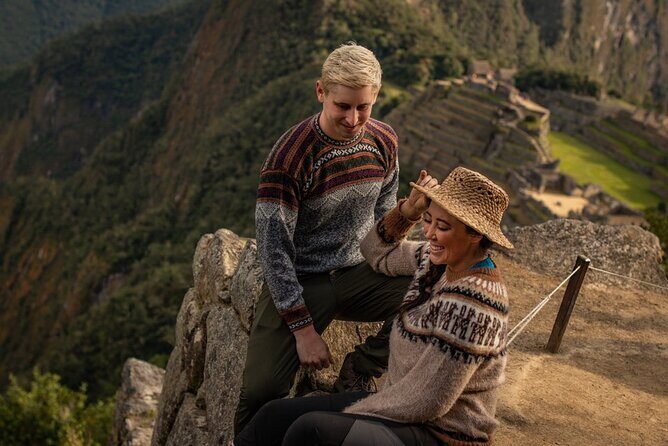
- Sunrise timing at Machu Picchu: you arrive before most people and tour the Historic Sanctuary with an expert guide
- Guided Sacred Valley with real variety: Pisac terraces, Moray circular experiment terraces, and hand-harvested salt at Salinas de Maras
- Short Inca Trail from Km 104: a classic Inca route without needing extra days in the mountains
- Machu Picchu photo time with fewer visitors: you get a late-afternoon window to return to key viewpoints
- Trains that reduce the “where do I go next?” stress: expedition train up to Km 104 and Vistadome panoramic train on the return
- Small-group feel (max 16): easier control, quicker help when problems pop up
What you’re really signing up for: Sacred Valley first, then the Short Inca Trail
This isn’t just a ruins day with a bus. It’s built like a story with a rhythm: Cusco → Sacred Valley → Inca Trail hike → sunrise Machu Picchu → train back through the Andes. That sequencing matters. By the time you reach the citadel, you’ve already learned how Incas organized water, farming, and sacred space in the Sacred Valley.
The price point—$817 per person—makes sense when you look at what’s bundled: train tickets, Machu Picchu entry (Circuits 1 & 3), Sacred Valley entrances for Moray/Maras/Ollantaytambo, guided tours for the key parts, hotel nights in Ollantaytambo and Aguas Calientes, and transport throughout. You’re paying for fewer moving parts. The catch is that you’re on a schedule: if something goes sideways (weather, train timing, hotel setup), you’ll feel it.
The overall feel is “guided and organized,” but not always “perfectly managed.” One strong theme from the experience feedback is that guides can be excellent while the office side of logistics can lag—so bring copies of key documents and verify meals and vouchers.
A few more Cusco tours and experiences worth a look


Day 1 in the Sacred Valley: Pisac terraces, Moray circles, Salinas salt, then Ollantaytambo
Your day starts with a Cusco hotel pickup around 7:00 a.m., then the drive into the Sacred Valley. This is a good way to beat the heat and crowds. Even before you reach ruins, the route gives you those first big valley views you’ll keep recognizing later from guide explanations.
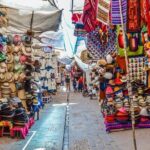
Manos de la Comunidad: alpaca and vicuña wool culture
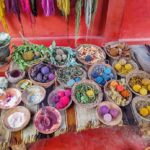
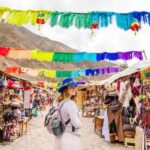
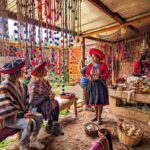
You’ll stop at an alpaca center where you can feed and interact with llamas, alpacas, and vicuñas, plus learn how Andean wool has been used for centuries. This is not a “rushed souvenir stop.” It’s a cultural pause that helps explain why alpaca and vicuña matter beyond textiles—Inca-era and modern Andean livelihoods depend on fiber and breeding.
Mirador Taray: quick viewpoint reset
Next is Mirador Taray, a short stop (around 20 minutes) for wide views over the Urubamba River area. It’s brief on purpose: you get the big-picture perspective so later, when you see terraces and water channels, your brain has a map.
Pisac archaeological park: hillside terraces and Inca tunnels
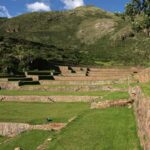
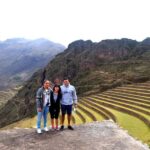
Pisac is the first major archaeological stop (about 1 hour, entrance included). The hillside terraces here are the headline, but the site also includes ceremonial areas and Inca tunnels. Why it’s worth your time: Pisac shows how Incas built agriculture and sacred meaning into the same slope. You’re not just looking at walls—you’re looking at a system.
Practical note: expect uneven paths and steps. Comfortable shoes matter.
Moray: the circular terraces as an ancient farming lab
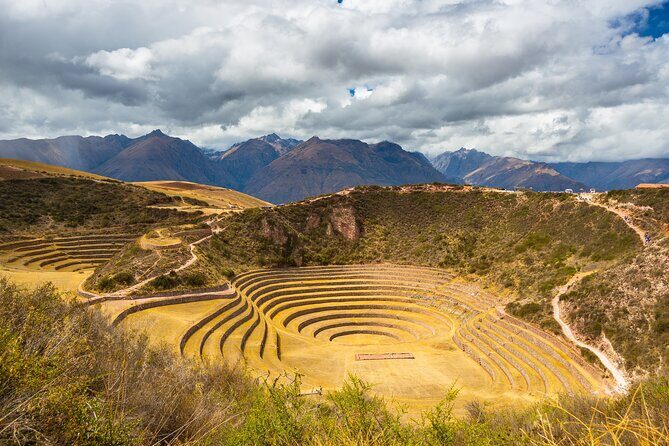
After lunch, you visit Moray (included). The circular terraces are often described as “experiment platforms,” and that’s the core idea: different terrace shapes create different microclimates for crop testing. This is one of those stops where you’ll start seeing how the Incas engineered nature rather than only worshiping mountains.
Salinas de Maras: salt ponds still harvested by hand
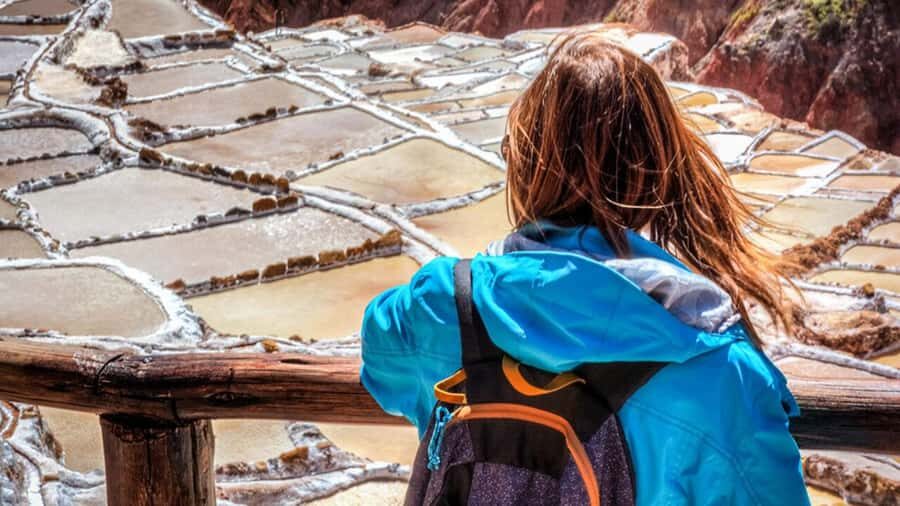
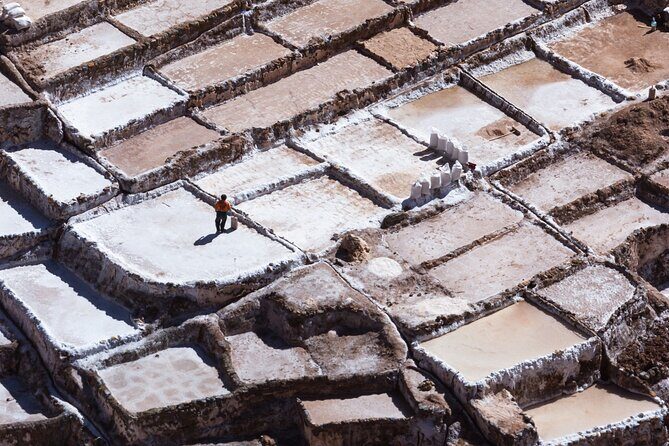
Close by is Salinas de Maras (included), the patchwork of salt ponds where local families harvest salt by hand using methods passed down over generations. The visual impact is immediate: bright ponds against deep earth tones, arranged like a diagram. It also connects you to the practical economics of the region—salt isn’t a background detail; it was and still is valuable.
Ollantaytambo: a living Inca town and overnight base
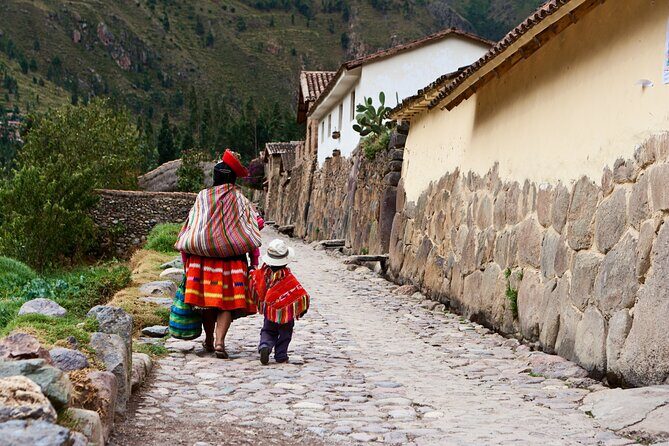
You finish with a guided visit to Ollantaytambo, a living Inca town with narrow streets and stone canals that date back to the 15th century. This is a smart overnight choice. You end the day in a place that feels like you’re stepping into a living layer of the past, not only touring a museum site.
You’ll sleep in Ollantaytambo in a 2-star hotel according to the package details. Based on reported experience, hotel comfort can vary—some rooms may feel basic, so it’s worth packing warm layers for evening cool-down.
Day 2 Short Inca Trail: registration at Km 104, sacred water, then Wiñay Wayna
Day 2 is where the trip shifts from “scenery and sites” to “your legs do the work.” After pickup from your hotel, you drive about 10 minutes to the train station for the ride along the Urubamba River. Train time is not downtime here—it’s your buffer. You arrive at the start point calm, fed, and ready.
Km 104 Station: registration plus breakfast
You disembark at Km 104. You’ll handle registration and have a hearty breakfast. Then you cross a suspension bridge over the Urubamba River and pass through the checkpoint. It’s a small moment, but it signals the transition: you’re entering the protected Inca route segment.
Chachabamba: sacred water structures and channels
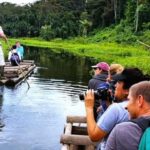
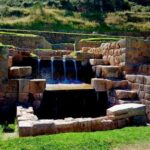
First stop on the trail: Chachabamba (included). Carved stone structures and water channels show the site’s role in honoring sacred water. Even if you’re not a “history person,” water worship is easy to understand here: in high altitude environments, water is survival.
Expect steady walking and some uneven footing.
Wiñay Wayna: terraces, aqueducts, and the trail’s payoff
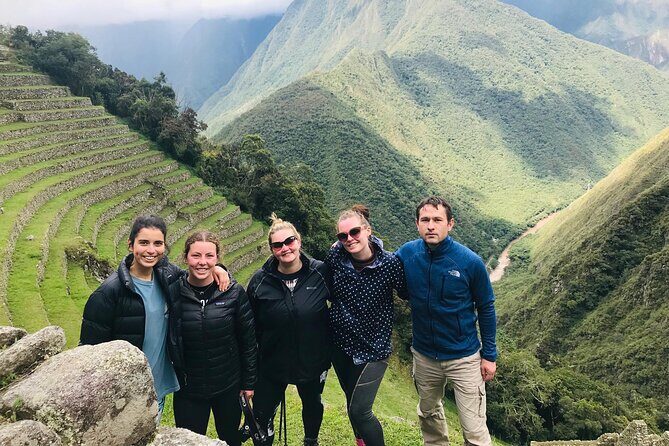
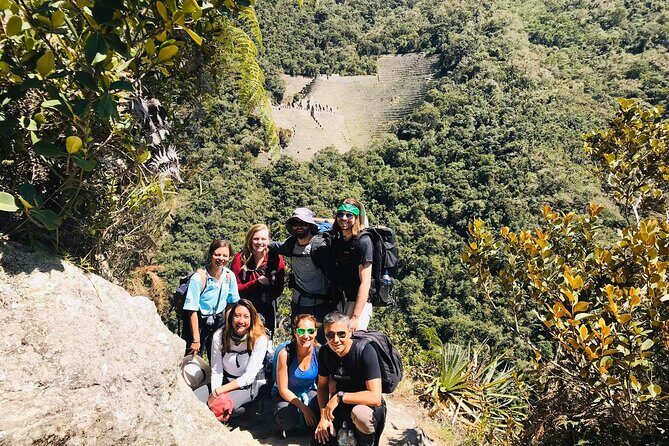
Next you climb to Wiñay Wayna, a standout Inca site with temples, aqueducts, agricultural terraces, and waterfalls. This is the kind of place where the hike feels like it’s building toward something. You’ll also get a freshly prepared picnic lunch here, made by your trekking chefs.
Sun Gate: first major Machu Picchu view
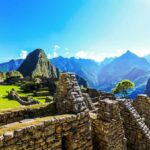
From there you continue to the Sun Gate, described as the original entrance to Machu Picchu. This is your first real look at the citadel. It’s usually not a quick glance—it’s the moment you understand why the last day exists.
Historic Sanctuary tour at Machu Picchu
Then you walk down to the upper terraces and spend time photographing in better light with fewer visitors. Your guide also leads your Historic Sanctuary walking tour through the most remarkable parts (about 2 hours on Day 3, and you’ll get the included guided portion tied to your circuit set). Circuits 1 & 3 are part of your package, and those circuit choices affect which sections you’ll walk.
Evening in Aguas Calientes: dinner and a hotel night
As evening approaches, you take the shuttle down to Aguas Calientes, have dinner at a local restaurant, then sleep in a 3-star hotel. Comfort notes: one shared experience called out basic conditions and cold rooms at the lodging end of the process, so bring layers and plan for the possibility that “3-star” may feel basic in practice.
Day 3 sunrise Machu Picchu, then the Vistadome return to Ollantaytambo
Day 3 is the payoff day. The plan is to start early and reach Machu Picchu before sunrise.
Early bus up: the calm version of Machu Picchu
You take one of the first buses from Aguas Calientes to Machu Picchu. Arrival before sunrise means quiet atmosphere when you enter—temples and stone terraces feel less crowded and more grounded. Even if you only catch a little light, the place reads like it’s alive.
Guided Historic Sanctuary tour: 2 to 3 hours of key sections
You enter as the sun rises and enjoy a guided walking tour of the citadel, focusing on temples, ceremonial plazas, and iconic terraced structures carved into the mountainside. Your guide is a real part of the value here. They connect what you’re seeing to how water systems, agriculture, and sacred geometry worked.
Back down for lunch in Aguas Calientes
After the citadel time, you return by bus to Aguas Calientes. Then you have time for lunch at your leisure.
Vistadome panoramic train: ride the Andes back
In the afternoon, you board the Vistadome panoramic train with large windows for the comfortable ride back through the Andes to Ollantaytambo. This is a nice way to end the trip: less hiking, more scenery, and a chance to decompress while moving toward Cusco.
Private transfer back to Cusco
Finally, a private transfer brings you back to your Cusco hotel.
Price and value: why $817 can be a fair deal if you prepare for the weak links
Here’s how I think about value on this kind of 3-day Peru itinerary. If you were to buy all components separately—Machu Picchu entry, Inca Trail entry for the Short Inca segment, trained guides, train tickets, bus transfers inside the Machu Picchu complex, and hotel nights—you’d likely spend similar money or more.
So what are you getting for your $817?
You’re paying for:
- Guided experiences in the Sacred Valley and at Machu Picchu
- Train transport (including expedition to Km 104 and Vistadome return)
- Machu Picchu bus tickets inside the site (3 bus tickets included)
- Hotel nights in Ollantaytambo and Aguas Calientes
- Meals included in the package schedule (2 breakfasts, 2 lunches, and dinner)
What you should treat as a possible weak link:
- Hotel standards in Ollantaytambo and Aguas Calientes can feel more basic than you’d expect.
- Admin/coordination can require your attention. One shared experience described gaps between office updates and what guides had on file.
My practical advice: if this trip is your one shot at Machu Picchu, you should build in “verification habits” that take 10 minutes, not hours.
How to prep like a pro: the small moves that prevent big headaches
You can’t control weather or permit realities, but you can control how smooth your day goes.
Before you leave, do these:
- Confirm your Machu Picchu circuit details (your package includes Circuits 1 & 3).
- If you’re considering Machu Picchu Montaña or Wayna Picchu, remember they’re optional and must be booked ahead of time. Tell the operator if you’ve booked them so your timing matches.
- Double-check your meal inclusions for Day 1 in Ollantaytambo and any promised extras (some experiences reported confusion).
- Make sure your passport information and contact details are accurate. If your phone number is entered wrong, updates may arrive late.
- Pack warm layers. Even when days feel mild, nights in the Andes can turn cold.
If you want to make one “value hack,” it’s to show up ready. This route gives you a packed schedule, so you’ll enjoy it more if you’re not fighting hunger, cold, or paperwork stress.
Who this tour fits best (and who should choose differently)
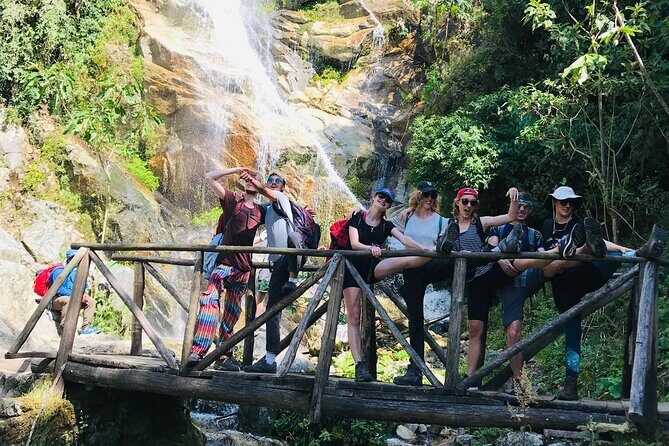
This is a strong fit if:
- You want a guided experience with trains and transfers handled.
- You like the mix of Inca engineering and living Andean culture (alpaca wool, salt harvesting, terraces).
- You can handle moderate hiking for the Short Inca Trail and keep a steady pace.
It may be less ideal if:
- You’re picky about hotel comfort, hot water, or room heating and you want everything to be consistent.
- You dislike tight schedules and prefer total freedom over a guided plan.
Group size max 16 helps a lot. You’ll likely move with a calmer tempo than the big coach crowd.
Should you book this Cusco Sacred Valley + Short Inca Trail to Machu Picchu tour?
I’d book it if you want the cleanest route into Machu Picchu with sunrise timing and you value guide-led interpretation. The combination of Sacred Valley teaching stops (Pisac, Moray, Salinas) plus the Short Inca Trail from Km 104 makes the citadel feel earned, not rushed.
I’d be cautious if your trip depends on high hotel comfort or perfect logistics with zero follow-up from you. In that case, I’d still consider booking, but I’d spend extra time confirming: meals, your voucher details, circuit assignment, and warm-weather/altitude packing.
If you do that, this itinerary can be a great deal—one that trades some flexibility for strong structure and a classic Inca-to-Machu Picchu storyline.
FAQ
What time does the tour pickup in Cusco start?
Pickup is listed for 7:00 a.m. in Cusco.
How long is the Cusco to Sacred Valley and Short Inca Trail experience?
The duration is about 3 days.
What is the price per person?
The price is $817.00 per person.
Is this tour suitable for beginners?
The tour notes that travelers should have moderate physical fitness. The Short Inca Trail is the main physical demand.
What train rides are included?
You’ll take an expedition train to Km 104 for the start of the Short Inca Trail, and a Vistadome panoramic train for the return to Ollantaytambo.
Where do you do the Short Inca Trail, and how do you start it?
You disembark at Km 104 Station, complete registration and breakfast, cross a suspension bridge, then go through the checkpoint to begin the trek.
How does Machu Picchu entry work on this package?
Machu Picchu entry is included for Circuits 1 & 3, plus you’ll receive bus tickets for rides within the Machu Picchu complex.
Are Montaña or Waynapicchu entrances included?
They are not mandatory. If you want them, they must be booked ahead of time, and you should tell the operator if you’ve booked them.
What happens if the trip can’t run due to weather or minimum travelers?
The experience requires good weather. If it’s canceled due to poor weather, you’ll be offered a different date or a full refund. If the minimum number of travelers isn’t met, you’ll be offered a different date/experience or a full refund.