REVIEW · URUBAMBA
From Cusco: Sacred Valley & Moray, Salt Mines with Lunch
Book on GetYourGuide →Operated by Apu Ausangate Trek EIRL · Bookable on GetYourGuide
One day, six big highlights, and you still feel time to breathe. This Sacred Valley day tour packs Chinchero’s textile traditions, Moray’s terrace agriculture, and the famous Maras salt mines into one smooth route, with lunch in Urubamba and classic Inca towns afterward.
I love how the stops connect: textiles aren’t treated like a souvenir show, and Moray isn’t just a pretty view. The guide helps you understand why the Incas built terraces for farming on steep, tricky slopes, and how salt ponds were used to preserve food over long periods.
The only real drawback is the pace. It’s a 12-hour day, with van time between sites and a climb at Ollantaytambo that can feel like a workout if you’re not used to altitude and steps.
In This Review
- Key points worth knowing
- A 12-hour Sacred Valley sampler with Moray and Maras
- Cusco pickup and the van rhythm to Chinchero
- Chinchero textiles: where craft still matters
- Moray terrace farming: an agriculture lesson you can see
- Maras Salt Mines: 5,000 ponds and practical food history
- Urubamba buffet lunch: the reset you need
- Ollantaytambo fortress: take the steps, then enjoy the view
- Pisac workshop and market time for crafts and souvenirs
- Price and what you should expect for $32
- What to bring, what’s not allowed, and comfort tips that matter
- Who this tour is best for (and who might want a slower option)
- Should you book this Sacred Valley day tour?
- FAQ
- How long is the Sacred Valley & Moray, Salt Mines tour from Cusco?
- Is hotel pickup included?
- What language options are available for the guided tour?
- Is the group size small?
- What’s included in the price?
- What tickets or entrance fees are not included?
- Will I have time for shopping?
- What should I bring and what is not allowed?
Key points worth knowing
- Small-group feel (max 15) keeps the day from turning into a cattle-car history lesson.
- Bilingual guide (English/Spanish) means you can follow the details without guessing.
- Chinchero weaving is hands-on in spirit, focusing on textile traditions and technique.
- Moray + Maras together gives you a clear story about Andean food and farming.
- Urubamba buffet lunch is timed to recharge you before the afternoon towns.
- Tickets are not fully included, so bring cash for on-site costs.
A 12-hour Sacred Valley sampler with Moray and Maras
If you want the Sacred Valley in one day, this tour is built for that. You’ll move from Cusco into the valley, hit major Inca sites, and still fit in Moray and Maras—two places that many half-day tours skip because they take time. With a small group capped at 15 people, you get guided attention at each stop instead of spending the day listening from the back of a bus.
The schedule is busy, but it’s not random. The route is designed like a lesson plan: textiles (people), terraces (farming), salt (food preservation), then fortress/towns (power and daily life), and finally a market/workshop stop where you can translate what you saw into real purchases.
You’ll also appreciate the practical structure: pickup from your hotel, steady transport between locations, and a drop-off at Plaza Regocijos at the end.
A few more Urubamba tours and experiences worth a look
Cusco pickup and the van rhythm to Chinchero
The day starts with pickup from your hotel in Cusco. Your guide waits at the hotel reception where you requested the pickup, then you’ll head out by van. Expect travel time as you leave the city and work your way toward the Sacred Valley towns.
This matters because it shapes the feel of the day. You’re not spending every minute walking; instead, you get short, focused guided blocks at each site. That’s a good fit if you’re arriving from Cusco acclimation days and you want to keep fatigue under control.
Bring water and sunscreen early. Even on days that feel cool in Cusco, the valley sun can still catch you, and you’re outdoors at multiple stops. Sunglasses and a sun hat aren’t optional; they’re quality-of-life gear.
Chinchero textiles: where craft still matters
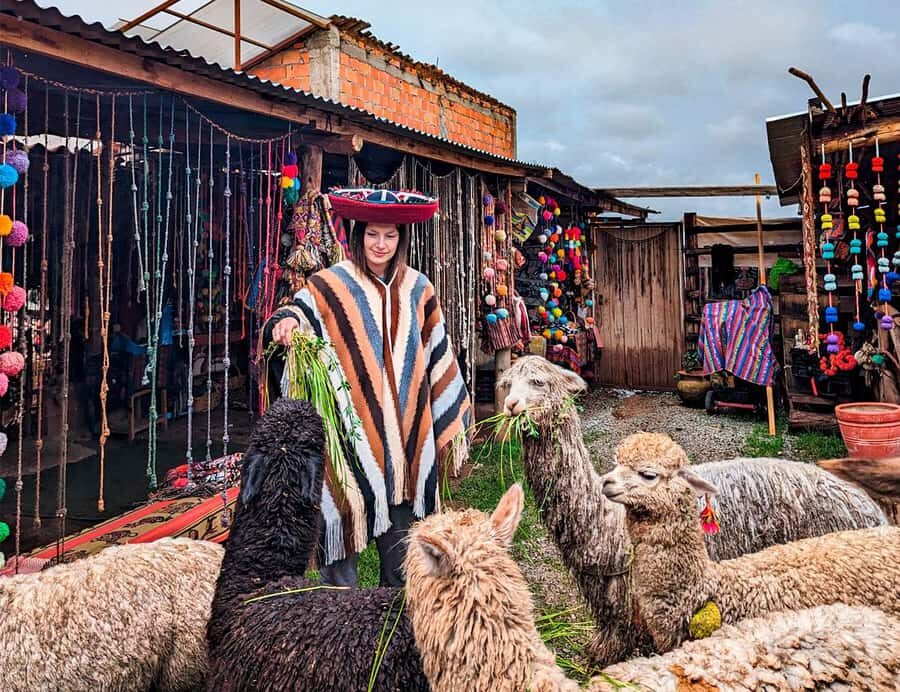
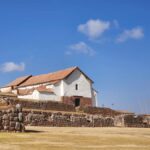
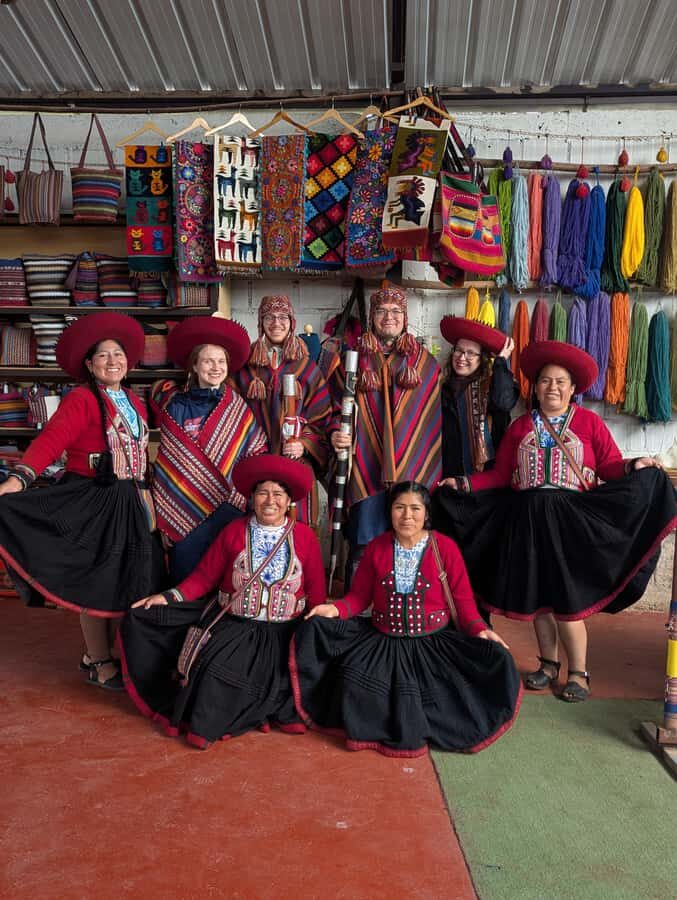
Chinchero is a small district/town where weaving isn’t just an activity for tourists—it’s tied to ongoing cultural tradition. You’ll have a photo stop and a guided visit, with time for shopping afterward.
What you’ll like most here is the way the guide frames textiles: you’ll see Andean textiles made using traditional Inca techniques. Instead of just looking at finished products, you get context for what you’re seeing—why certain patterns and methods exist and what the textile culture represents.
A practical tip: use the short shopping window wisely. If you want something specific, decide early—before the guided time ends—so you don’t feel rushed when you’re comparing colors, sizes, and quality. Cash helps, since some purchases may be easier without card processing.
One more thing to consider: this stop includes both viewing and shopping, so you’ll move a bit faster than pure sightseeing. If you prefer slow photography time, you may wish you had more minutes at each product table.
Moray terrace farming: an agriculture lesson you can see
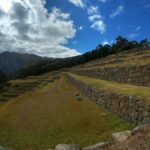
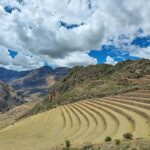
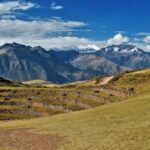
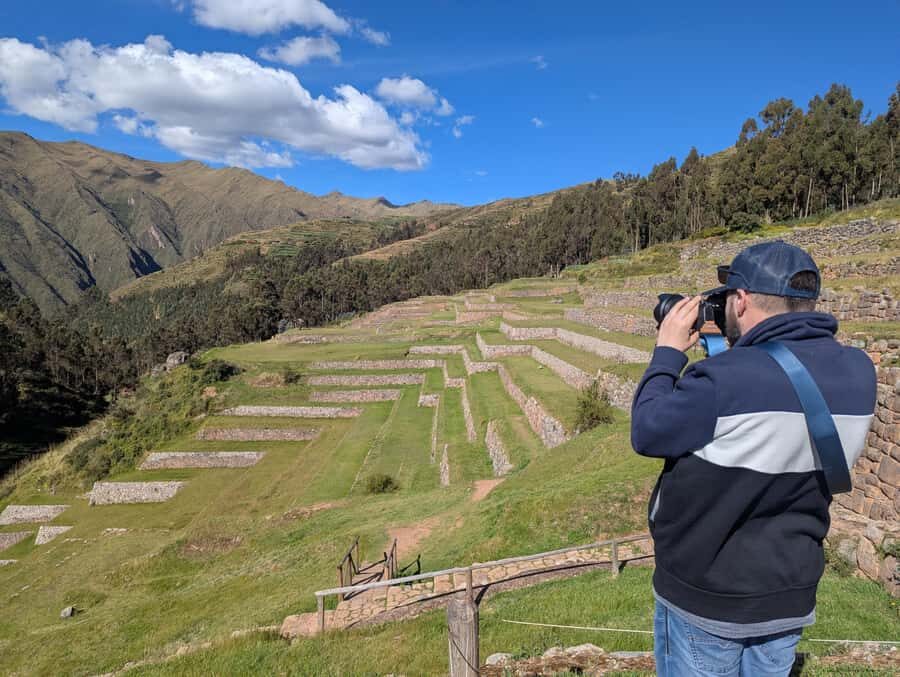
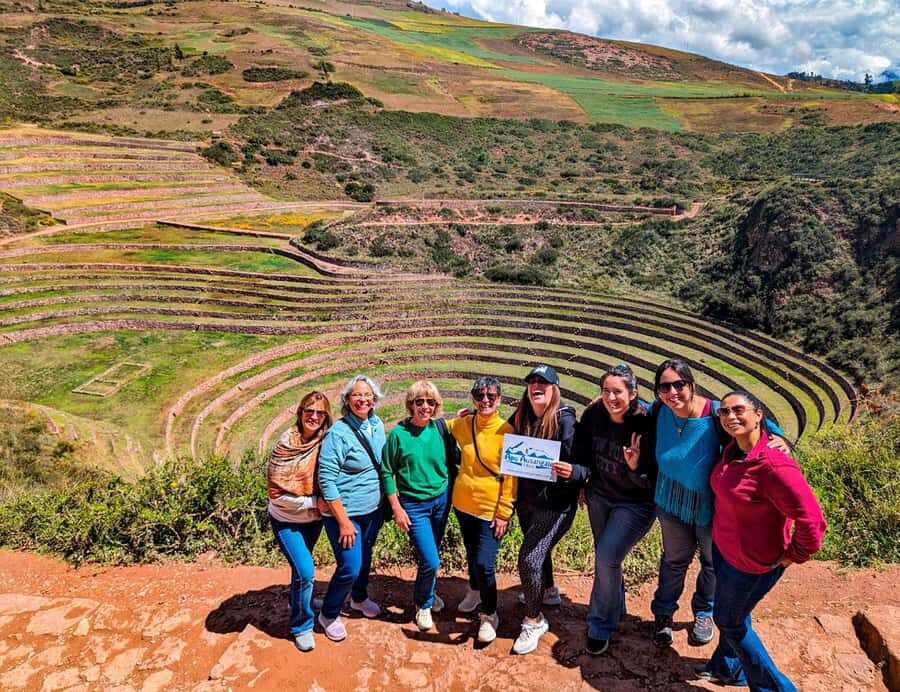
Next up is Moray, famous for its circular terraces built along the hillsides. These terraces were created by the Incas to grow crops in a place that doesn’t make life easy. Steep mountainsides and changing conditions normally limit what you can farm, but the terraces helped produce an abundance of crops.
The guided piece matters because it turns the scene into a story. You’ll get the explanation behind the terraces—how the structure helps agriculture in less-than-ideal terrain. Once you understand that, Moray stops being just “cool rocks in a bowl” and becomes a real example of engineering and food logic.
What to watch for: it’s a guided visit, not a long hike. That’s great for most people, but if you’re hoping for extensive wandering, set expectations. You’ll likely do photos and a guided walk through the viewpoint area rather than an all-day trek.
Maras Salt Mines: 5,000 ponds and practical food history
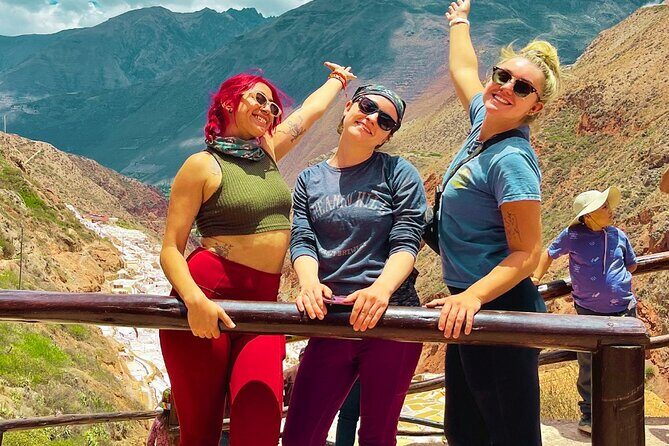
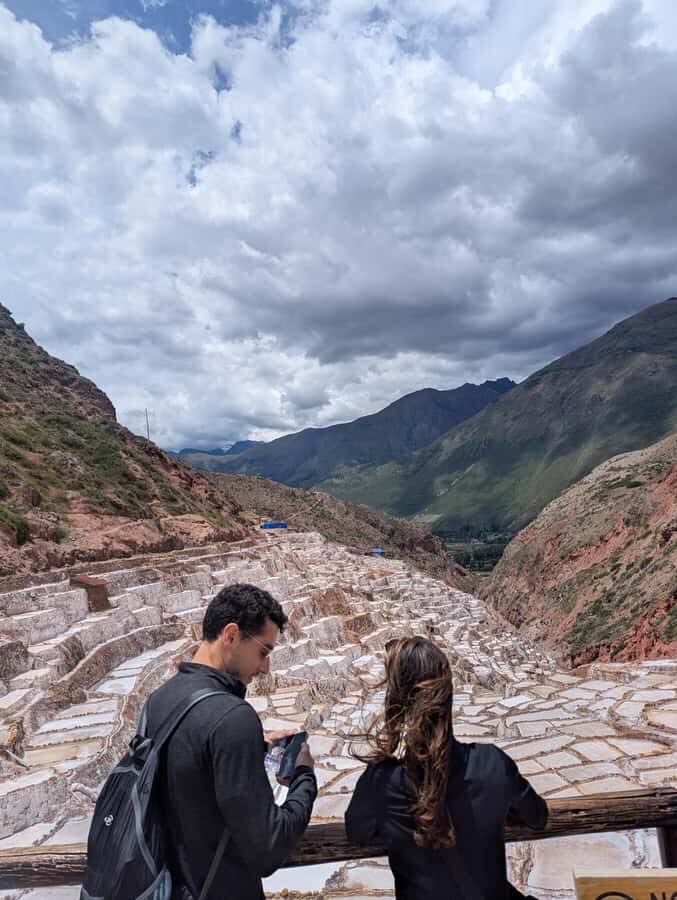
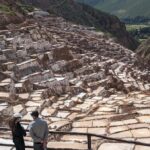
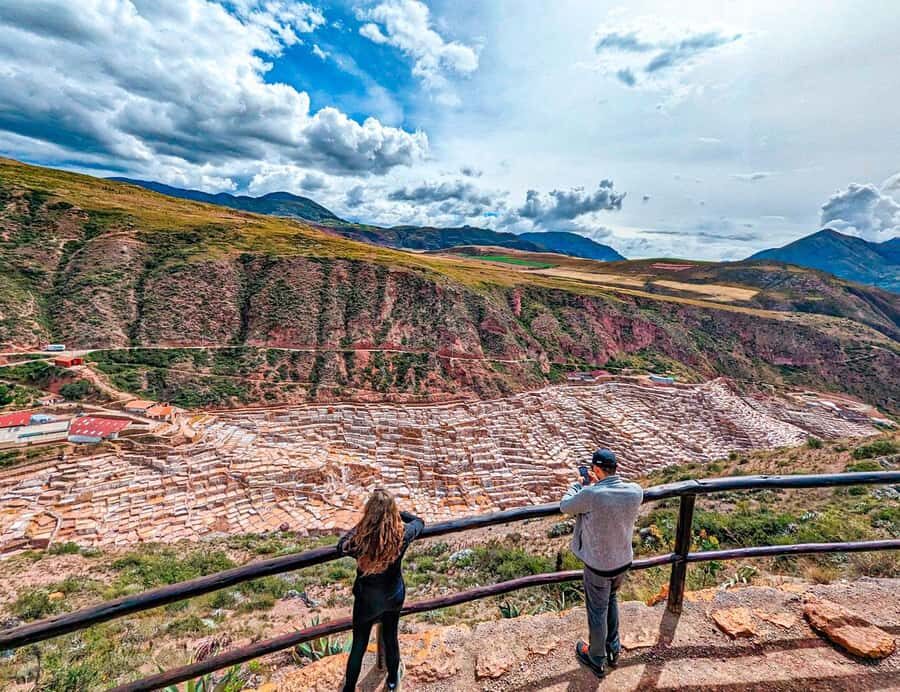
Right next to the Moray area is Maras Salt Mines (Maras Salt Ponds). The scale is the headline: there are over 5,000 salt ponds. You’ll stop for photos and have a guided visit here too.
The best part is the connection to daily life in the Andes. Salt wasn’t just for flavor—it was used to preserve foods for long periods. When your guide ties that to what the Incas and earlier ancestors needed, the mines make sense beyond the Instagram factor.
Budget note: entrance to the salt mine isn’t included in the base price. The tour indicates you can purchase the partial tourist ticket at the first site for 70 Nuevos Soles, and the salt mine entrance costs 20 Nuevos Soles on-site. Bring cash so you’re not scrambling while everyone else lines up.
This stop can feel visually repetitive if you’re expecting something like a dramatic temple. The reward is in the understanding: you’re watching an industrial-scale version of preservation, right in the landscape.

Urubamba buffet lunch: the reset you need
After the salt and terraces, you head to Urubamba, the capital of the Sacred Valley. Lunch is a buffet in Urubamba, and it’s timed to give your energy back before the big afternoon sites.
A buffet sounds basic, but it’s a smart move on a packed day. You can choose what sits best with your stomach, which matters when altitude and long van rides are in the mix. Drinks aren’t included, so plan to buy water or other non-alcoholic options if you want something beyond your bottle.
If you’re sensitive to food variety, aim for simpler plates and take your time. You’ll be walking at Ollantaytambo later, including steps, and you’ll want your body to feel steady, not sluggish.
Ollantaytambo fortress: take the steps, then enjoy the view
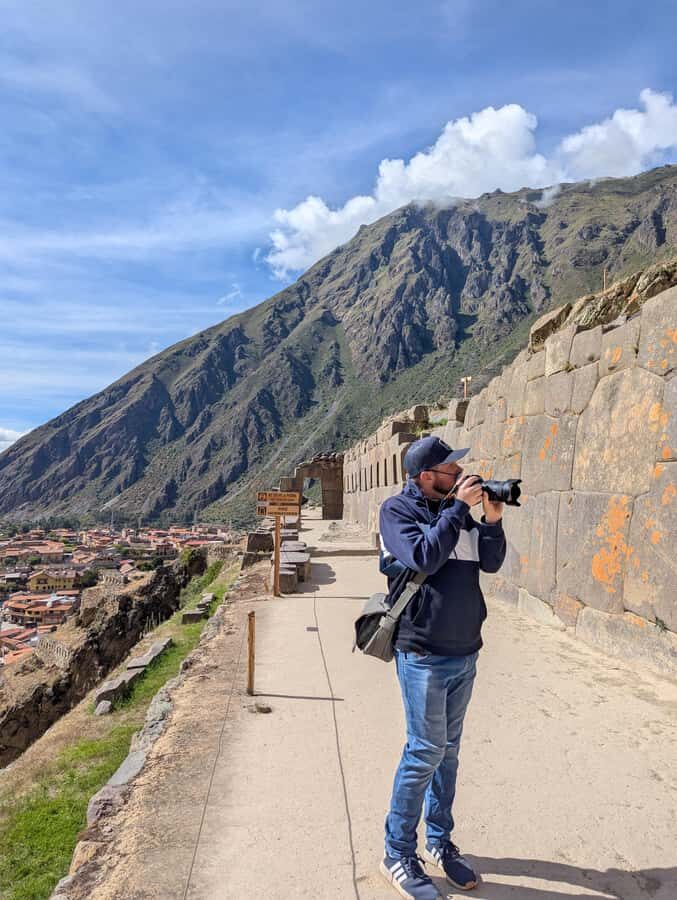
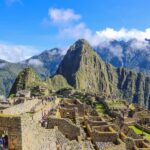
In the afternoon, you’ll visit Ollantaytambo, one of the most important cities in the Sacred Valley. Here, the highlight is the terraced fortress overlooking the town. The tour includes a guided visit and a climb of over 200 steps to reach the top.
This is the moment where the day shifts from “sites” to “fortress feeling.” Inca defensive architecture reads differently when you’re up there looking down. The steps are part of the point—you’re literally earning the vantage point.
Consideration: if your legs are already tired from earlier walking, pace yourself. No heroics needed. Move steadily, breathe, and plan to stop briefly when your body asks for it. Also remember that altitude can turn a normal climb into a longer effort.
Once you reach the top, the payoff is in the perspective: you see how control and visibility mattered to a defensive location.
Pisac workshop and market time for crafts and souvenirs
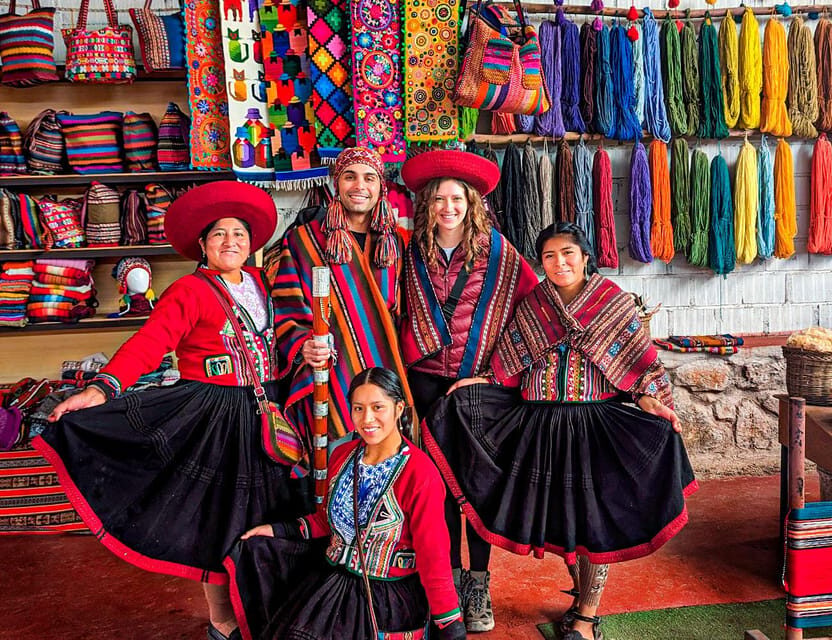
After Ollantaytambo, you’ll head to Pisac. This portion is split into workshop time and a guided visit. You’ll spend time exploring the local market selling souvenirs and local crafts.
This stop is helpful because it gives you a real-world bridge from what you saw earlier. If you liked Chinchero textiles, you’ll likely recognize similar influences. If you bought into the idea of Inca agricultural engineering, you might notice how crafts reflect landscape and daily life.
One practical strategy: shop with intention. The market is fun, but it can also trigger decision fatigue after a long day. If you’re buying gifts, set a small budget and stick to it. If you want only one or two items, buy them here instead of spreading purchases across every stop.
Price and what you should expect for $32
At $32 per person for a 12-hour guided day with pickup, bilingual guide service, transportation, and lunch, this is positioned as good value—especially because it includes multiple major stops in one block of time.
Still, it’s not fully “all-inclusive.” You should plan for on-site costs:
- Partial tourist ticket at the first site for 70 Nuevos Soles
- Salt mine entrance at Maras for 20 Nuevos Soles
- Drinks are not included
That’s the tradeoff. If you like clear value with a bit of on-the-ground payment, this works well. If you want zero surprises, you’ll need to budget a little extra for those tickets and keep cash handy.
The most praised aspect you’ll feel firsthand is the efficiency. People tend to love this kind of tour when they want a complete day without feeling like they missed the big names. In other words, you get a lot, and you get it in an order that makes sense.
What to bring, what’s not allowed, and comfort tips that matter
This tour is outdoors for several parts of the day, and it moves. Pack like you’re doing a long walking day with short stops, not like you’re going on a spa itinerary.
Bring:
- Sunglasses
- Sun hat
- Camera
- Sunscreen
- Water
- Cash
Not allowed:
- Drones
- Alcohol and drugs
My comfort checklist: wear supportive shoes. The 200+ steps at Ollantaytambo are the obvious place you’ll feel it. Even at other stops, uneven ground and quick walking between viewpoints can add up.
Also, plan for weather swings. In the Sacred Valley, sun can dominate, but evenings can cool down. A light layer can be smart if you run cold.
Who this tour is best for (and who might want a slower option)
This tour fits you if:
- You want a full Sacred Valley day from Cusco without juggling separate tickets and transfers
- You like guided context, especially for agriculture and cultural craft
- You don’t mind a packed schedule as long as you’re well organized
It may be less ideal if:
- You want long, slow time at one site instead of quick guided blocks
- You struggle with stairs or steep paths (Ollantaytambo includes over 200 steps)
- You prefer to avoid on-site ticket payments and cash handling
The small group size (up to 15) is a big plus if you like asking questions and getting answers while you’re standing in front of the real thing.
Should you book this Sacred Valley day tour?
Yes—if you want the highlights and you like learning with a guide, this is a strong pick. The value comes from the combination: textiles (Chinchero) + engineering for farming (Moray) + food preservation (Maras) + major towns (Ollantaytambo and Pisac), all in one guided day with lunch included.
Book it when you’re okay with a long day and the realistic step climb at Ollantaytambo. If you’re hoping for a gentle stroll-only itinerary or deep downtime, you’ll probably prefer a slower alternative.
If you do book, show up prepared with cash for the on-site tickets and supportive shoes for the steps. That small prep is what turns a busy day into a smooth, satisfying one.
FAQ
How long is the Sacred Valley & Moray, Salt Mines tour from Cusco?
The duration is 12 hours.
Is hotel pickup included?
Yes. Pickup is included from your hotel. Your guide waits at the hotel reception and then picks you up.
What language options are available for the guided tour?
The tour guide is available in English and Spanish.
Is the group size small?
Yes. The tour is limited to a small group of up to 15 participants.
What’s included in the price?
Included features are hotel pickup, a bilingual tour guide, transportation to all the places, a buffet lunch in Urubamba, and drop-off at Plaza Regocijos.
What tickets or entrance fees are not included?
A partial tourist ticket can be purchased at the first site for 70 Nuevos Soles, and salt mine entrance can be purchased on site for 20 Nuevos Soles. Drinks are not included.
Will I have time for shopping?
Yes. There is shopping time in Chinchero and also shopping time in Maras, plus a market visit in Pisac where local crafts and souvenirs are sold.
What should I bring and what is not allowed?
Bring sunglasses, sun hat, camera, sunscreen, water, and cash. Drones and alcohol/drugs are not allowed.