REVIEW · ANDES MOUNTAINS PERU
From Arequipa: Sillar Route and Hike in Culebrillas
Book on GetYourGuide →Operated by Chullos Travel Peru · Bookable on GetYourGuide
Sillar stone tells Arequipa’s story. On this Sillar Route and Culebrillas outing, you’ll ride out from Arequipa to see how the famous white stone is extracted, then take a short walk through an eroded canyon at the Culebrillas creek before ending with petroglyphs you can actually photograph. I love that you’re not just looking at scenery, you’re getting practical explanations about why this stone shapes so much of the city. I also like the pacing: a brief walk, then plenty of time to take it in without turning the tour into a cardio punishment. One thing to consider: entrance tickets for Cantera 5 soles and Culebrillas 5 soles are not included, so your final spend is a little higher than the $12 base price.
What makes the experience feel worth it is the mix. You get transport and a live guide, plus a small-group setup capped at 10 people, which makes it easier to ask questions (and not yell over a busload of strangers). In recent feedback, guides such as Alexandra and Toni have been named, and that lines up with the vibe you want for this kind of tour: someone who can explain sillar extraction clearly and still give you time to wander and look closely.
The only real drawback is fit. The hike includes a walk of about 20 minutes through a small canyon, and the operator lists it as not suitable for pregnant women, people with vertigo, and anyone with recent surgeries. If you know you get shaky on uneven ground or you’re recovering, this may be the wrong day to test your limits.
In This Review
- Key things I’d focus on before you go
- The sillar route in Arequipa: why the white stone matters
- Añashuayco quarry stop: learn the extraction process, not just the photo angle
- Culebrillas creek: a short walk through erosion-made scenery
- Petroglyphs: the end stop that turns the whole route into a story
- Food and local gastronomy during the tour: what it means for your day
- Price and value: what $12 covers (and what to budget for)
- Small group size: the real comfort upgrade
- Who this tour suits best
- Practical tips before you show up
- What to expect from guides and languages
- The provider and how to think about booking
- Should you book the Sillar Route and Culebrillas hike?
- FAQ
- How long is the Arequipa Sillar Route and Culebrillas tour?
- What is the price for this tour?
- What’s included in the tour price?
- Are entrance tickets included?
- How much walking is involved?
- What languages are the guides?
- What should I bring, and what should I avoid?
Key things I’d focus on before you go
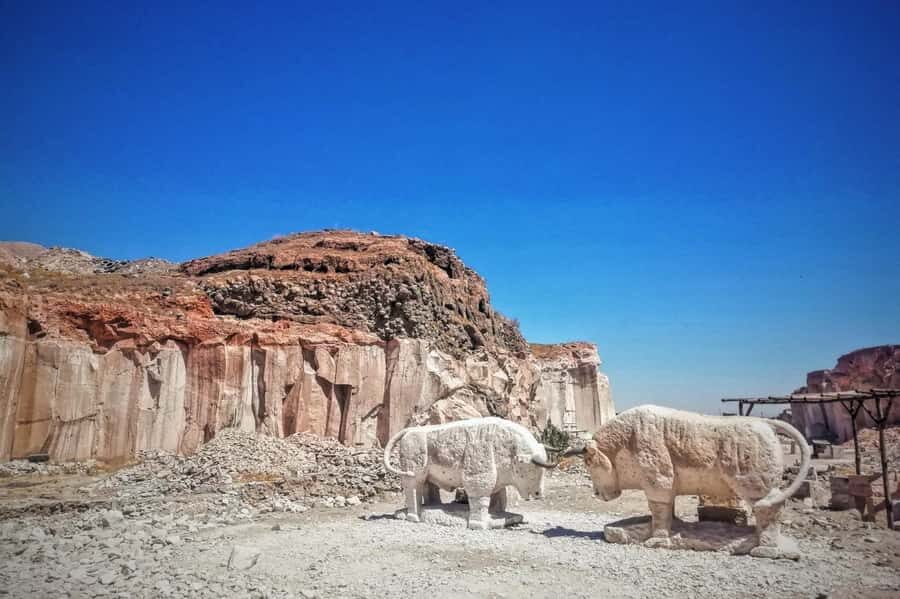
- Añashuayco quarry context: you’ll learn how sillar is extracted and why it shows up around Arequipa’s main square area
- A short canyon walk (about 20 minutes): enough to feel outdoors, not so long you’ll dread the finish
- Petroglyphs with photo time: you’ll get a chance to admire and photograph them at the end
- Small-group feel (10 max): better for questions and a more relaxed pace
- Extra entrance fees: Cantera and Culebrillas tickets are listed separately (5 soles each)
- Guide-led storytelling in Spanish or English: you can follow along closely instead of guessing
The sillar route in Arequipa: why the white stone matters
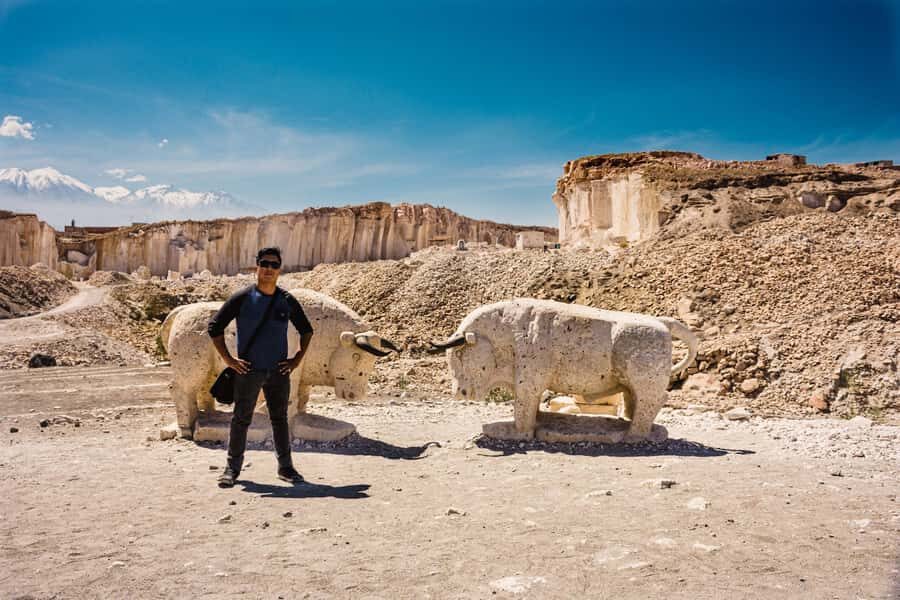
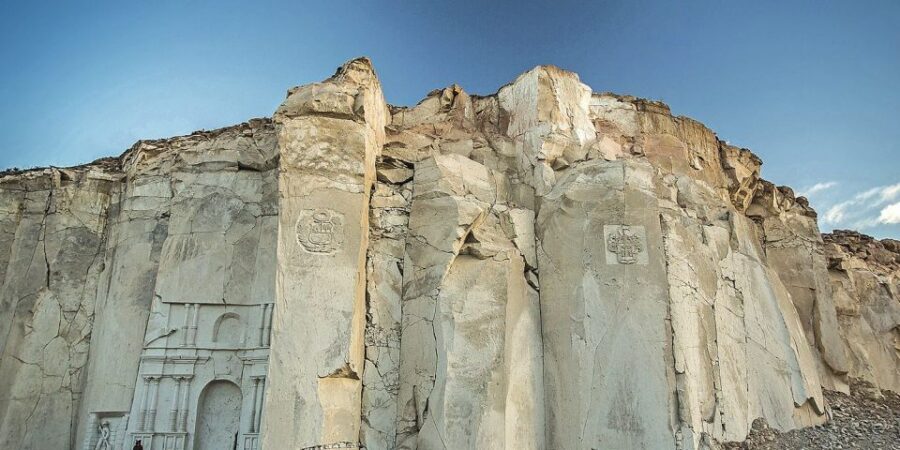
Arequipa has a color palette you notice fast: bright buildings, pale stone, and that light, almost chalky look around major streets. What you might not realize until you see it up close is that this look has a source—and you’re going to that source. The tour travels from central Arequipa toward the Añashuayco quarry, where sillar (the locally quarried white volcanic stone) is extracted.
The guide’s job here is practical. You’ll hear how the stone is taken from the quarry and what the process looks like in real life. That explanation matters because sillar isn’t just a pretty material. It’s the reason so many historic-looking façades and walls in Arequipa share that same distinctive tone. So when you later walk around town, you understand the material logic instead of just admiring the finish.
I also like that you’re not stuck in a lecture. It’s guided interpretation with time to look and absorb. This kind of context turns a quick sightseeing stop into something you’ll remember on the street later.
You can also read our reviews of more hiking tours in Andes Mountains Peru
Añashuayco quarry stop: learn the extraction process, not just the photo angle
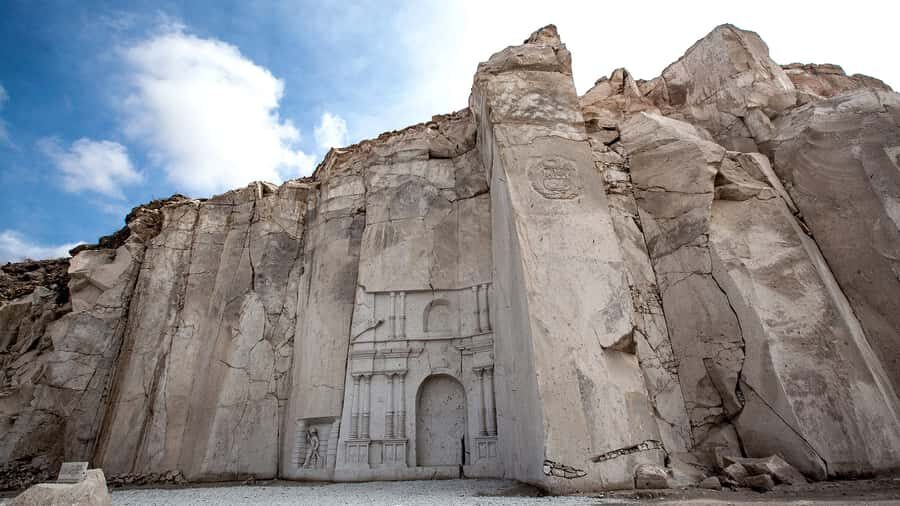
Your first major phase starts after hotel pickup. Once everyone is aboard the mobility (the vehicle for the tour), you leave Arequipa heading out toward the Añashuayco quarry area. This is where the guide gives the core explanations: how the sillar is extracted and how the stone became the foundation for many structures around Arequipa’s central area.
Expect the quarry segment to be more than a photo stop. You’ll likely learn what people are doing and why, so you can picture the chain from quarry to construction. That’s the kind of knowledge that upgrades the day without requiring any technical background.
One consideration: quarry environments can be uneven and dusty. Wear comfortable clothes. If you’re sensitive to dust or you hate getting grit on your shoes, bring something like a spare pair of socks for later (not required, but it’s a sanity-saver).
Culebrillas creek: a short walk through erosion-made scenery
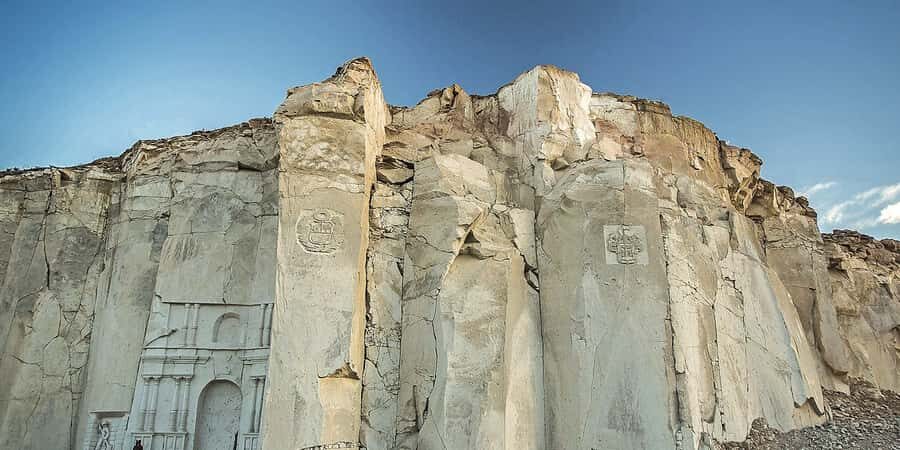
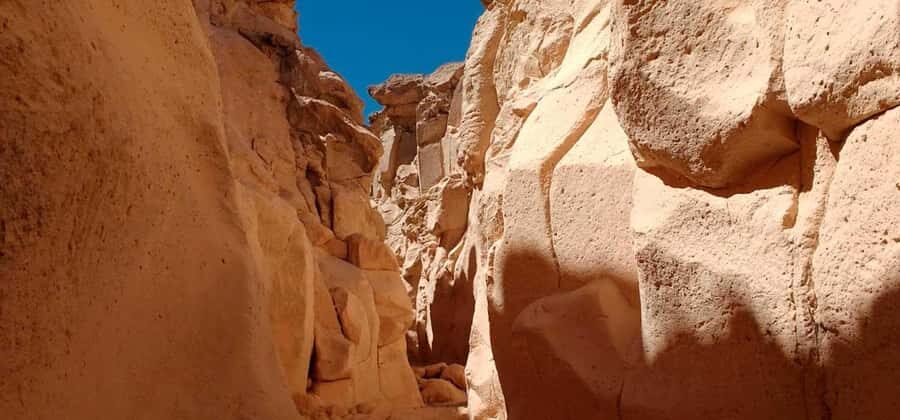
After the quarry, the tour shifts to the more nature-forward side: the Culebrillas creek. Here, you’ll walk for about 20 minutes through a small canyon shaped by water erosion. Think of it as a compact landscape lesson. You’re watching geology happen on a human timescale—small water power over long years.
This is also where you’ll feel the tour’s pacing. It’s not a long trek. You should be able to handle it if you’re generally mobile and comfortable walking on uneven ground. The important part is attitude: treat this like an easy outdoor walk that happens to come with a guide’s explanation.
Photo-wise, it’s a good stop because canyon walls and creek cuts create natural framing. You’ll get perspectives that you simply can’t get from the street in Arequipa.
Petroglyphs: the end stop that turns the whole route into a story
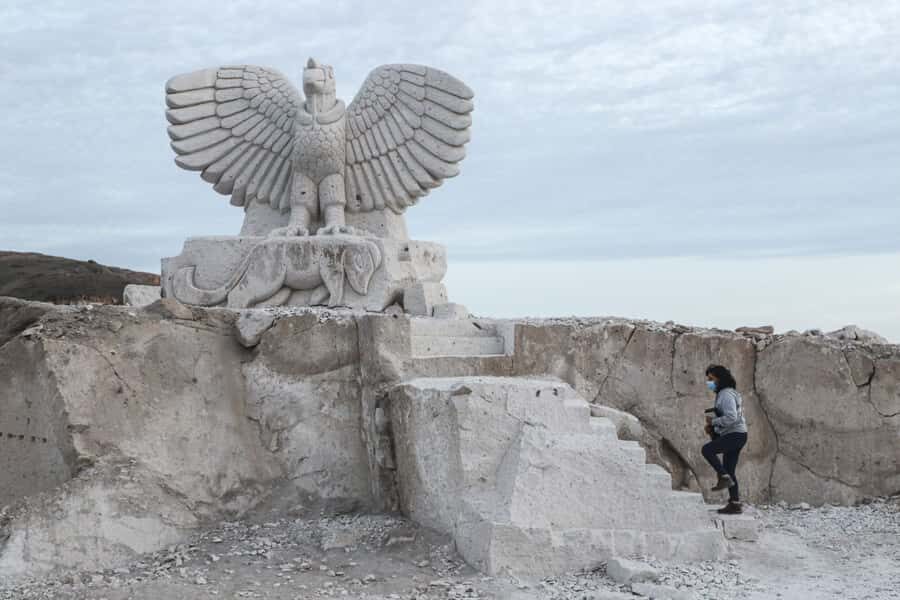
Near the end of the outing, you’ll visit petroglyphs. This is the moment that connects the day’s themes—stone, water, and human marking—into one location-based narrative.
You’ll have time to admire and photograph the petroglyphs. That’s important because these carvings can look confusing if you’re rushing. With a guide, you’re more likely to notice patterns and focus on what you’re actually seeing, not just snapping random shots.
If you care about photography, bring your phone or camera and take a minute before you start shooting. Look first, then frame. Also, keep your expectations realistic: you’re viewing ancient rock art in a real outdoor setting, not in a museum display.
Food and local gastronomy during the tour: what it means for your day
The tour description highlights typical dishes and local gastronomy. Even without a detailed menu in the provided info, the key point for you is this: you’re not spending the whole day alternating between transport and walking. You get a chance to taste local flavors as part of the experience.
In Peru, food stops often work best when you treat them as part of the story, not just a break. If you like trying local classics, this is a nice match for a half-day tour. If you’re picky, ask ahead what to expect so you can plan around your preferences.
Price and value: what $12 covers (and what to budget for)
The base price is $12 per person for a duration of about 4 hours. What’s included is the important part: tourist transport and a live tour guide. For a guided quarry-and-nature route, that’s a fair structure. You’re paying for logistics and interpretation, not just a passive walk.
The extra budget piece is clear: entrance tickets are not included. You’ll need to cover:
- Cantera: 5 soles
- Culebrillas: 5 soles
So you should think of the day as roughly the $12 tour price plus about 10 soles in entrances. If you like organized experiences and you value having a guide explain both geology and the sites, this cost structure makes sense. If you’re the type who hates paying add-ons, this may feel less straightforward than a flat-fee tour.
Small group size: the real comfort upgrade
This activity is listed as a small group, limited to 10 participants. That matters more than you might think. In quarry areas and canyon paths, space can get tight and your ability to ask questions drops when the group is too large.
There is a caution worth noting: one booking reported crowding beyond the stated capacity and a guide who seemed to pause a lot. I can’t help you predict how your day will run, but you can protect yourself with a quick check before you go. If you’re sensitive to crowded transport or you prefer lots of movement during explanations, ask the provider about group size and vehicle capacity for your departure.
Who this tour suits best
This is a strong fit if you:
- Want a guided Arequipa geology and landscape experience without committing to a full-day hike
- Enjoy short walks paired with context (quarry + creek + petroglyphs)
- Like small-group tours where you can hear the guide and move at a comfortable pace
- Prefer a mix of nature and city-related meaning (sillar is tied directly to Arequipa’s built look)
It’s not a great fit if you:
- Are pregnant
- Have vertigo
- Have recent surgeries
- Struggle with walking on uneven ground, even for only ~20 minutes
If you’re unsure, treat the canyon segment as the deciding factor. The tour isn’t described as extreme, but it still includes a canyon walk, so comfort and balance matter.
Practical tips before you show up
You’ll be asked to bring passport or an ID card. I recommend you carry it on you, not in the bottom of your bag. You’ll also want to wear comfortable clothes for walking and potential dust.
A couple of behavior notes are listed too:
- Alcohol and drugs are not allowed.
That’s good for everyone. It keeps the group focused and safe, especially on uneven terrain.
Also, since the tour runs about 4 hours, plan around it. You’ll likely end back in Arequipa after the petroglyph visit, so you can use the rest of the day for a relaxed meal or a slow wander through the city streets.
What to expect from guides and languages
The tour guide language options are Spanish and English. That’s helpful if you’re traveling with friends who prefer different languages, or if you want your explanations in the language you think fastest in.
From recent feedback, guide names like Alexandra and Toni have come up. That doesn’t mean every guide will be the same, but it gives you a hint about the type of guides used for this route: people who can connect quarry extraction and Arequipa’s architecture to what you’re seeing outside the city.
The provider and how to think about booking
The experience is offered by Chullos Travel Peru. When you book, think about what you want from the day: interpretation, a manageable walk, and a structured route that links the sillar source to local sites like Culebrillas and petroglyphs.
If you’re choosing between this and other Arequipa outdoor options, consider that this one is built around specific stops: Añashuayco quarry, Culebrillas creek, and petroglyph viewing, with transport and a guide included. It’s not trying to be everything. It’s trying to make these specific places make sense.
Should you book the Sillar Route and Culebrillas hike?
Yes, if you want a half-day that connects Arequipa’s signature stone to real landscapes, with a short, doable hike and a guide who explains what you’re looking at. It’s good value for the included transport and live guidance, and it’s the kind of outing that gives you context you’ll carry back into the city.
Hold off (or choose a different activity) if you’re dealing with balance issues or recovery needs, because the canyon walk and uneven outdoor ground can be a deal-breaker. Also budget a little extra for the two entrance tickets.
If you go in with the right expectations—short walk, guided context, solid photo moments—you’ll come away with more than pictures. You’ll understand why the white stone of Arequipa exists, where it comes from, and what other layers of human and natural history you passed on the way.
FAQ
How long is the Arequipa Sillar Route and Culebrillas tour?
The duration is listed as 4 hours.
What is the price for this tour?
The price is $12 per person.
What’s included in the tour price?
The tour includes tourist transport and a tour guide.
Are entrance tickets included?
No. Entrance tickets are not included. You’ll pay 5 soles for Cantera and 5 soles for Culebrillas.
How much walking is involved?
You’ll walk for about 20 minutes through a small canyon at the Culebrillas creek.
What languages are the guides?
The tour guide is available in Spanish and English.
What should I bring, and what should I avoid?
Bring passport or an ID card and comfortable clothes. Alcohol and drugs are not allowed.