REVIEW · PUNO
Puno: Lake Titicaca Day Tour
Book on GetYourGuide →Operated by Bamba Travel · Bookable on GetYourGuide
Lake Titicaca wakes you up early. This Puno day trip gives you a close look at how people live on the water, then turns into a real walk on Taquile Island with views that make the long day feel worth it.
I really like the mix of human interaction and movement. You step onto the Uros floating islands (it feels like a water bed, yet it’s described as safe), you meet the friendly island inhabitants, and you get time to talk and watch how life works on the reed-based settlements.
One thing to keep in mind: the Uros portion can feel more tourism-oriented than you’d expect, and the boat ride can feel slow on the way back, so if you want only quiet, you’ll need the right expectations.
In This Review
- Key highlights worth planning around
- Morning pickup in Puno: the 6–7 AM start (and why it matters)
- Boat ride on Lake Titicaca: what the 35-foot vessel is like
- Uros floating islands: stepping on the water bed and meeting real residents
- Reed boats: optional, but often the best way to feel the place
- The one expectation I’d set
- Taquile Island hike: the gradual climb to a living community
- Textiles and lunch: what the cooperative stop gives you
- Quick practical note on drinks
- Timing and value: does this $57 day tour make sense?
- Who should book this Lake Titicaca day tour (and who should rethink it)
- What to bring for Lake Titicaca comfort
- Should you book this Puno: Lake Titicaca Day Tour?
- FAQ
- What time does the tour start, and when do I return to Puno?
- How do we get from Puno to the islands?
- What is included in the tour price?
- Are drinks included? Can I pay for a speed boat?
- What languages does the guide speak?
- What should I pack for this day trip?
- Is free cancellation available?
Key highlights worth planning around
- Two Uros island stops: you visit two of the 60 Uros islands, not just one quick photo stop.
- A 35-foot motor boat with a covered section: helpful if it’s cold or drizzly on the lake.
- Reed-boat time is optional: you can arrange traditional reed boat rides directly at the Uros islands.
- Taquile’s village approach is a gradual climb: you’ll hike up to reach the community.
- A communal cooperative for textiles: you’ll see high-quality handicraft textiles and have time to look closely.
- Long day timing from Puno: you’re out early and back by late afternoon, so plan meals and energy accordingly.
Morning pickup in Puno: the 6–7 AM start (and why it matters)
This tour starts between 6:00AM and 7:00AM, with pickup from your hotel in Puno city center and a transfer to the port. That early launch is not random. On Lake Titicaca, the morning light can make the water and distant shorelines look much more dramatic, and it helps you fit in both Uros and Taquile without racing.
It’s also a practical moment for your schedule. If you tend to skip breakfast on vacation, try not to here. You’ll be moving for hours, and even though a basic lunch is included, you’ll still want enough stamina for the Taquile climb later in the day.
One real-world tip: morning timing can be finicky. Some past guests noted waiting around in the morning when the schedule was slightly off. To stay relaxed, have your bag ready the night before and aim to be waiting a bit before pickup time.
You can also read our reviews of more tours and experiences in Puno.


Boat ride on Lake Titicaca: what the 35-foot vessel is like
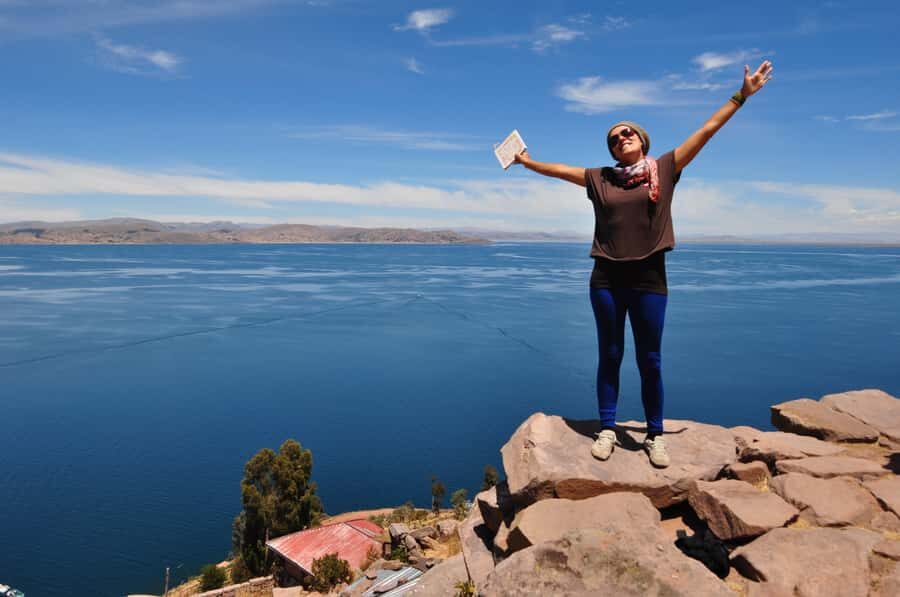
Once you reach the port, you travel by motor boat to the Uros islands. The boat is 35 feet long, with a covered section that can protect you if it’s cold or if you get rain. That small detail matters because Lake Titicaca weather can change fast, and being dry and warm makes the trip feel easier.
You’re also on the lake long enough that comfort becomes part of the experience, not just transport. After reaching the Uros area, you’ll have a relaxed 2.5-hour navigation window with views that are a big part of why this day tour exists.
And yes, the boat ride can feel slow. A previous reviewer mentioned the boat was slow and that the return felt long. I’d plan for that. If you’re the type who needs constant motion or you get impatient on water trips, pack something to pass the time: a camera, sunglasses, and a way to keep warm.
Uros floating islands: stepping on the water bed and meeting real residents
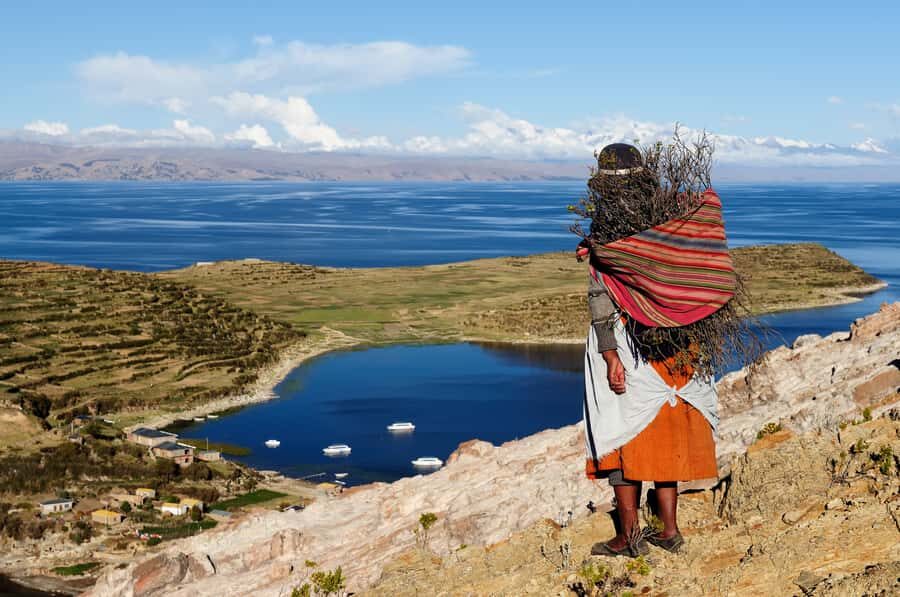
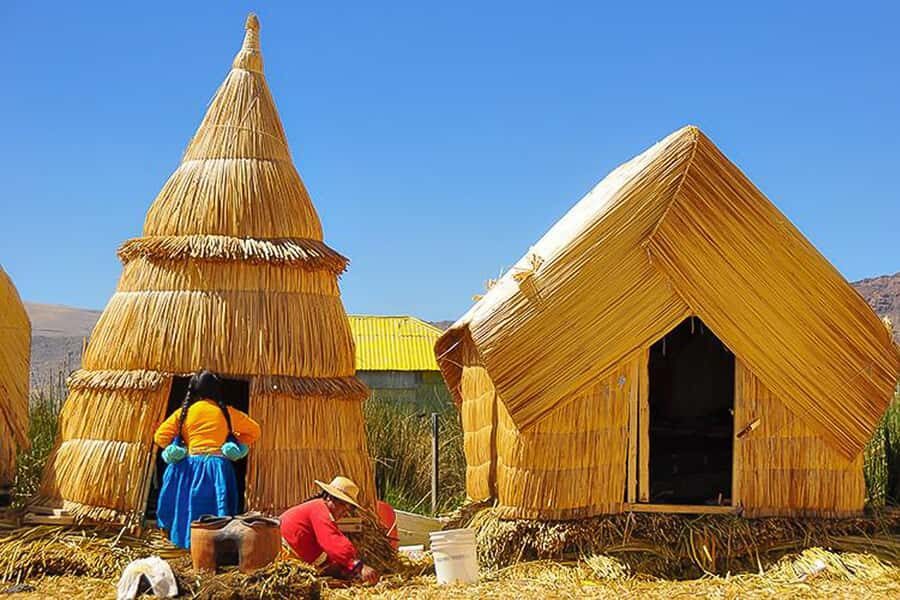
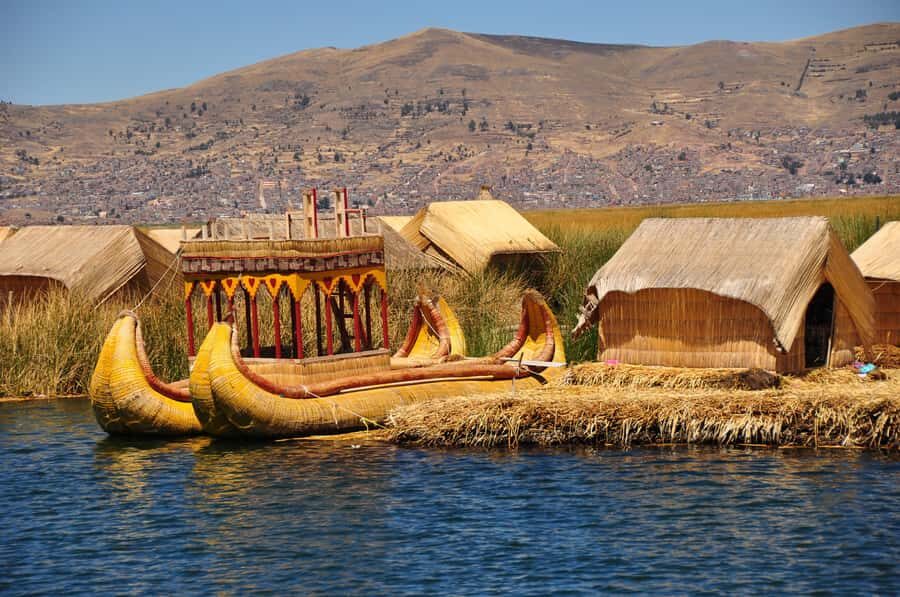
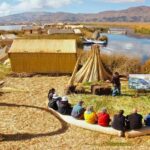
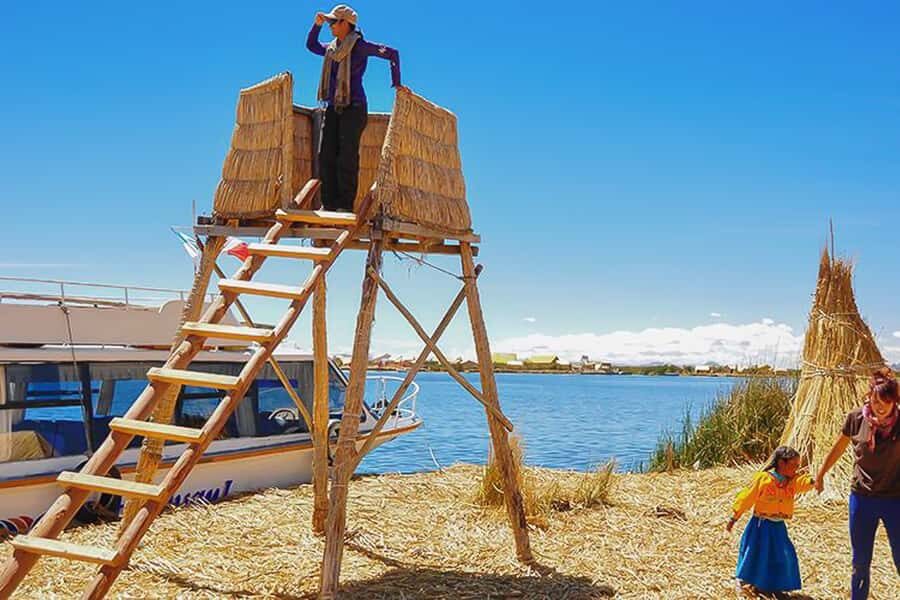
The Uros floating islands are the first big “wow” moment. You’ll step onto the reed-based islands and feel that distinctive water-bed sensation under your feet. The tour description emphasizes that it’s completely safe, and that’s important. Still, treat the walking carefully, go steady, and don’t expect the surface to feel like solid ground.
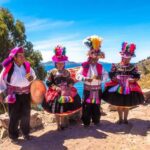
What makes Uros more than a roadside attraction is the people and the setting. You’ll see houses and many islands, and you’ll have time to meet the friendly inhabitants—descendants of one of the oldest South American groups. That human side is where this stop becomes meaningful, not just scenic.
You’ll also visit two of the 60 islands. That helps you avoid the “one island, one photo, next stop” feeling. It gives you a little contrast in how the settlements look and how the island life plays out on different patches of reed.
Reed boats: optional, but often the best way to feel the place
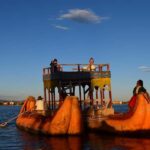
At Uros, you can arrange traditional reed boat rides. This is one of those optional add-ons that tends to fit the story of the islands better than a generic upgrade. If you’re curious, ask on the spot and decide based on pricing and what’s available at the moment.
The one expectation I’d set
One review noted the Uros islands can feel dedicated to tourism, which can reduce the sense of surprise. I think that’s fair. The way to keep it authentic is simple: slow down, ask questions, and spend your energy on the conversations rather than only the views.
Taquile Island hike: the gradual climb to a living community
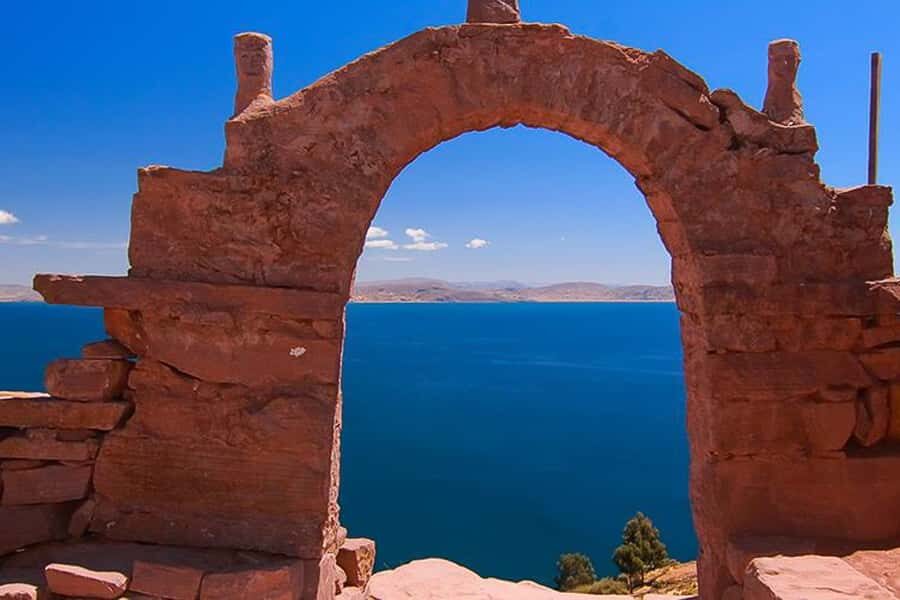
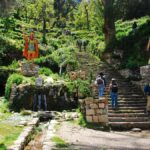
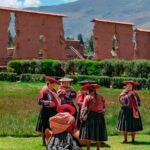
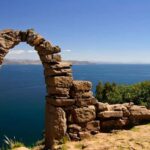
After your navigation time, you arrive at Taquile Island. This is where the day tour often shifts from spectacle to something more grounded. You’ll discover a unique community, then take a long, gradually ascending path to reach the village.
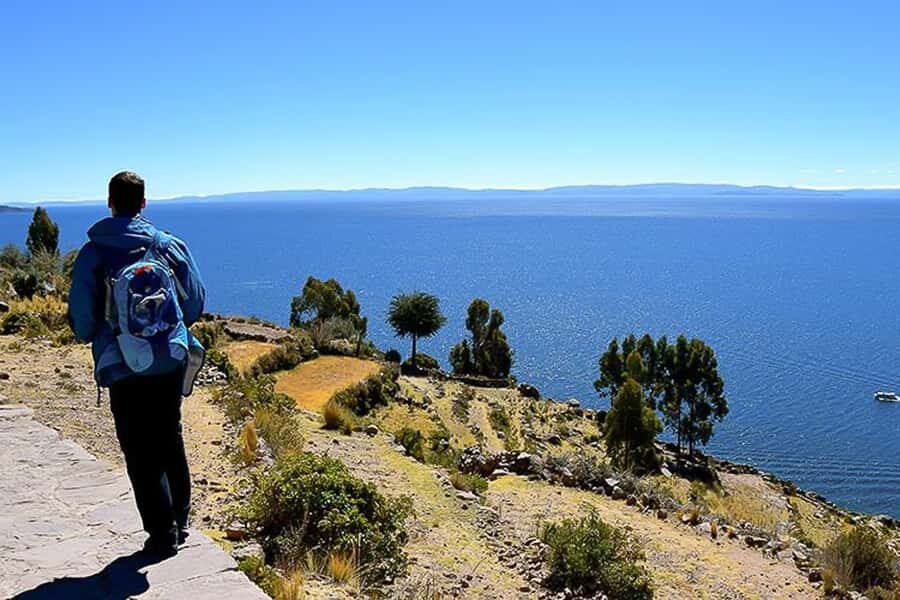
That uphill walk is a key part of the experience. It’s not described as a steep scramble, but it is still a hike. Bring sensible footwear and expect altitude and sun to do their own work. Lake Titicaca sits high, and even if you feel okay in town, the combination of cold mornings and a slow climb can catch you off guard.
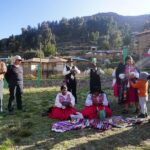
Once you’re in the community area, you’re not just there to look around. The cooperative stop (next section) ties into why Taquile matters: handicrafts are part of everyday life here, not a separate museum activity.
This is also the area that has gotten the most positive attention from past guests. In other words, if your energy is limited, keep the best part of your day focused on Taquile’s village and textiles, not on rushing through Uros just to tick boxes.
Textiles and lunch: what the cooperative stop gives you
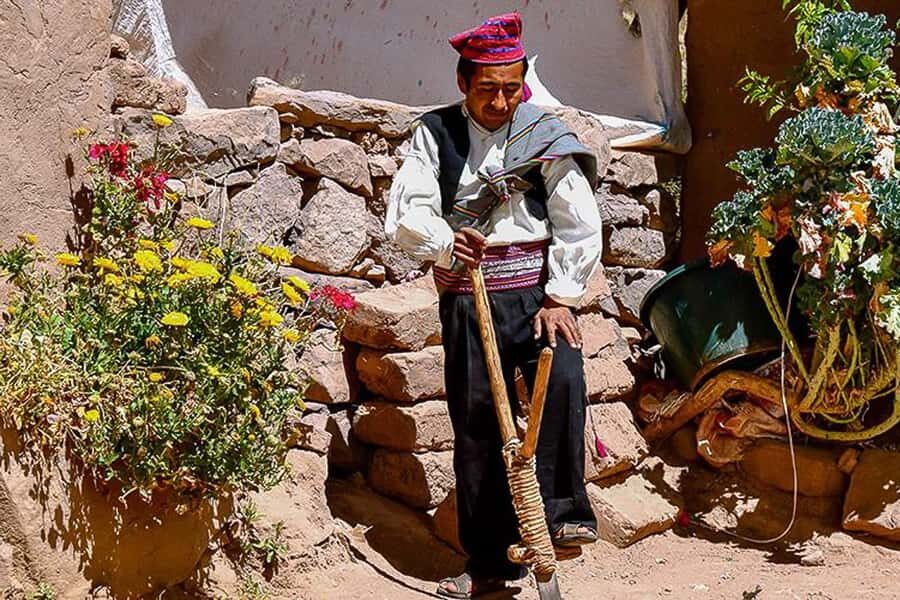
Taquile includes a visit to a communal cooperative where you can find high-quality handicraft textiles. This is one of the more useful stops because it gives you a way to interact with the island economy in a real, practical form. You can look closely at the textiles, ask questions, and understand why these materials matter to the people making them.
If you’re the type who likes buying gifts that actually have a story behind them, this is where you’ll get it. Don’t treat the cooperative as a quick souvenir lane. Give yourself time to look at stitching, colors, and how the work is presented.
Then there’s lunch. A basic lunch is included, and a past reviewer specifically called out the trout, saying it was delicious and not to miss. The exact menu isn’t spelled out in the details you get beforehand, but I’d treat lunch as part of the plan, not a break you can skip. If trout is on the menu, it’s a local choice that fits the setting.
Quick practical note on drinks
Drinks are not included. So if you know you drink a lot of water during walking days, plan ahead. Bring what you can with you, and keep an eye out for water options during transitions.
Timing and value: does this $57 day tour make sense?
At $57 per person, this tour is fairly priced for a full lake day with transfers, guiding in Spanish and English, entrance fees, lunch, and a structured visit to both Uros and Taquile.
Here’s what you’re really paying for:
- Logistics done for you: pickup from your hotel, transfer to the port, and return to Puno.
- Time on the water with a proper sequence, including a longer navigation window.
- Access: entrance fees are included, so you’re not stuck trying to figure out what to pay at each stop.
- Guidance and translation: Spanish/English helps a lot when you’re talking with locals.
- A hike + cultural stop: Taquile isn’t just a view platform.
The trade-offs are real. The day is long—about 630 minutes (roughly 10.5 hours)—and you’ll spend significant time in transit. Also, drinks aren’t included, and the Uros segment may feel more commercial than the Taquile portion.
Still, if you want a single-day introduction to Lake Titicaca that mixes floating islands, a community hike, and a textile cooperative, this is the kind of value that works.
Who should book this Lake Titicaca day tour (and who should rethink it)
This tour makes the most sense for you if:
- You want a first-time, full-day taste of Lake Titicaca from Puno.
- You’re comfortable walking uphill on Taquile and you want that effort to pay off with village views.
- You care about meeting people and learning how island life is organized, not just taking pictures.
You might rethink booking if:
- You’re extremely sensitive to schedule changes or delays. Some past guests reported a morning wait, and one unhappy comment suggested poor organization at pickup. That doesn’t mean it will happen every time, but it’s enough to justify confirming details the day before.
- You hate slow boat rides. Even when the schedule runs smoothly, you should expect travel time to feel long on water.
If you love craft shopping, the textile cooperative stop is a strong reason to choose this over a simpler boat tour.
What to bring for Lake Titicaca comfort
Lake Titicaca can feel chilly, especially early in the morning, and you’ll be exposed on the boat and on the hike. Bring:
- A t-shirt (with an optional long-sleeved layer)
- Long trousers
- Warm clothing (a jacket or fleece)
- A rain coat or poncho
- A hat and sunglasses
- Sunscreen
- Walking shoes or boots
- A camera
- Peruvian currency (for things not included)
This is one day where dressing in layers isn’t optional. Cold wind on the lake plus sun on the climb is a classic combo.
Should you book this Puno: Lake Titicaca Day Tour?
I’d book it if you want a structured day that hits Uros first and Taquile second, with enough time to actually interact and not just sprint between viewpoints. The standout value is the combination of the floating island visit, a real Taquile hike, and the chance to see textiles up close at the cooperative.
Pass if you want a quiet, off-the-radar nature day with minimal tourism feel, or if you dislike long boat rides. And whichever way you lean, go in ready for an early start, warm layers, and a long day timeline.
If your goal is first contact with Lake Titicaca from Puno, this tour is a solid pick.
FAQ
What time does the tour start, and when do I return to Puno?
Pickup is scheduled between 6:00AM and 7:00AM in Puno city center. You depart the island area back to Puno at 2:30PM and arrive back in Puno at about 5:30PM for the hotel drop-off.
How do we get from Puno to the islands?
You’ll be transferred from your accommodation to the port, then travel by motor boat to the Uros floating islands. The boat has a covered section in case of rain or cold weather.
What is included in the tour price?
The price includes all transfers, a Spanish and English-speaking guide, entrance fees, and a basic lunch.
Are drinks included? Can I pay for a speed boat?
Drinks are not included. An optional speed boat ride can be arranged directly at the Uros islands and paid to the local boat skipper.
What languages does the guide speak?
The guide speaks Spanish and English.
What should I pack for this day trip?
Bring warm layers, a rain coat or poncho, a hat and sunglasses, sunscreen, long trousers, comfortable walking shoes or boots, a camera, and Peruvian currency. A long-sleeved shirt is optional.
Is free cancellation available?
Yes. You can cancel up to 24 hours in advance for a full refund.