REVIEW · CUSCO
Horse Riding Chacan Mountain And Temple Of The Moon
Book on Viator →Operated by HORSEBACK RIDING IN CUSCO GABRIEL´S RANCH · Bookable on Viator
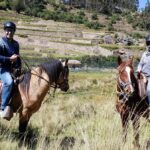
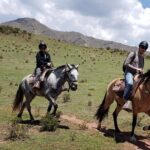
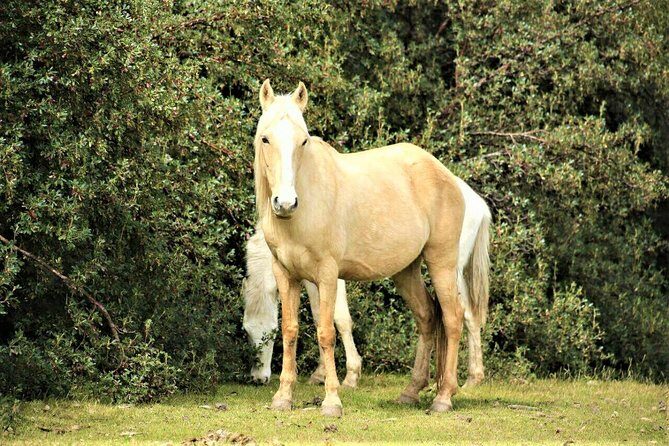
Horses, ruins, and mountain air—Cusco’s best combo. I really like the Peruvian Paso horses here: calm, strong, and gaited, so the ride feels controlled even if you’re new to riding. I also love that the experience puts you at Templo de la Luna and pairs the scenic time with real explanations from the ranch team (Gabriel often leads, with guides like Grimaldo and Sergio showing up in the mix). One thing to consider: it’s a short outing, so if you’re hoping for a long all-day ride, you may find 3.5 hours a bit too brief.
This is built for people who want a practical taste of Cusco’s outskirts without the stress. You get hotel-to-ranch (and back) transfers, safety gear, and snacks, plus two departure options at 9:00 am and 1:00 pm. The small group size matters too, with a cap of 20—you’re not just herded around.
Safety and animal care seem to be the real point of pride. The ranch runs with trained horses that are rotated between rides, and guests repeatedly mention the team takes helmet use and fit seriously. If you like your tours run with clear priorities, this is a good bet.
In This Review
- Key points before you go
- Meeting the horses at Gabriel’s ranch (and why it matters)
- Temple of the Moon: underground tunnel vibes and Inca context
- Riding toward Chacan Mountain viewpoints from Cusco’s outskirts
- Snacks, safety gear, and what “first-timer friendly” actually means
- Transfers, timing, and how to plan the rest of your day
- Who should book this horseback tour—and who should think twice
- Price and value: what you get for $65
- Should you book it? My practical recommendation
- FAQ
- What time does the tour depart?
- How long is the experience?
- What’s included in the price?
- Are drinks included?
- How big is the group?
- Do I need previous horseback riding experience?
- What is the cancellation policy?
Key points before you go
- Peruvian Paso horses that are described as calm and well-trained, with a gait that helps on uneven ground
- Templo de la Luna visit with an underground passage/tunnel experience and on-site storytelling
- Small group feel (up to 20 people) with a professional, bilingual guide team
- Safety equipment and helmets provided, plus guidance that can help first-timers feel steady
- Transfers and snacks included, so you spend less time planning and more time outside
Meeting the horses at Gabriel’s ranch (and why it matters)
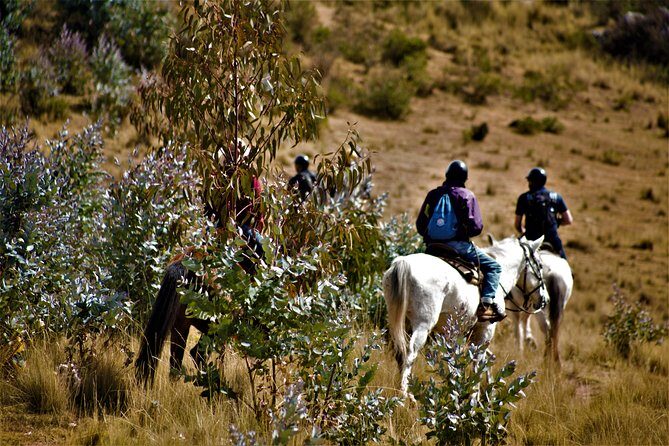
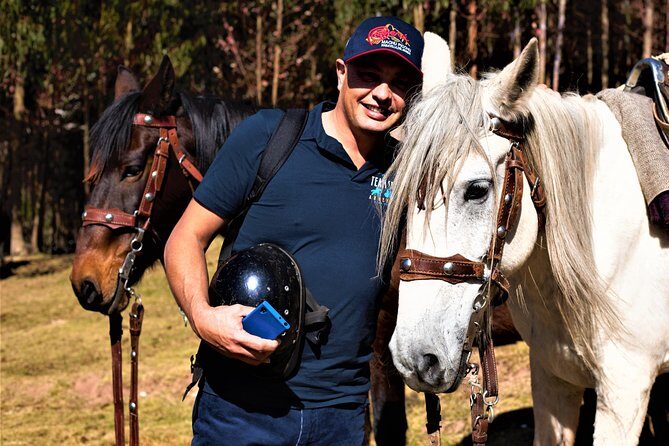
Cusco has plenty of horseback options, but this one is especially appealing if you care about how animals are treated. The ranch is run by Gabriel’s family, with a ranch tradition that stretches back more than a hundred years. In plain terms: the horses don’t feel like rental props. They’re presented as working partners—trained, loved, and handled with care.
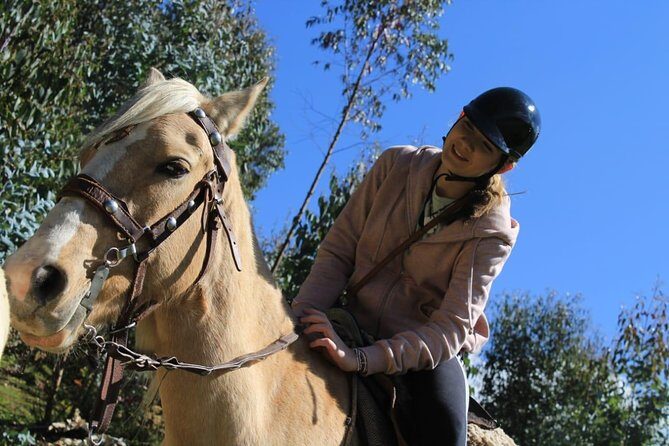
A big reason this tour gets high marks is horse selection. You’re not stuck with whatever is available. You get a horse matched to riding ability, and people describe the horses as calm and steady. That matters in the Cusco area because the ground can be uneven, the altitude can make everything feel slightly harder, and your job is already plenty: sit, balance, and listen for cues.
Peruvian Paso horses are often chosen for a reason: they’re gaited. In rider terms, that usually translates to a ride that feels smoother than you might expect. Some riders even say they didn’t use the reins much, which is a nice sign the training is doing its job.
A few more Cusco tours and experiences worth a look
Temple of the Moon: underground tunnel vibes and Inca context
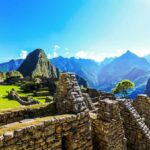
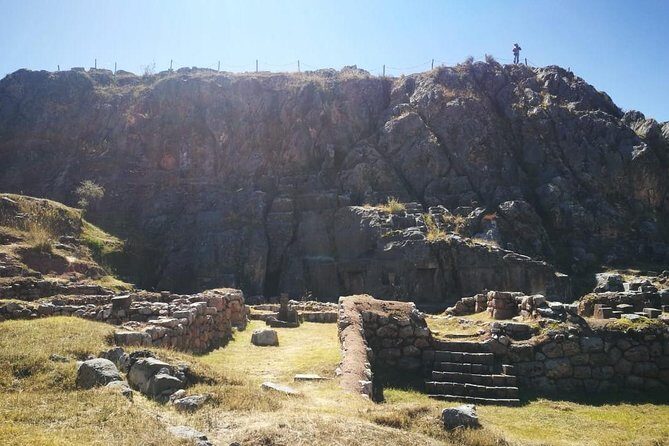
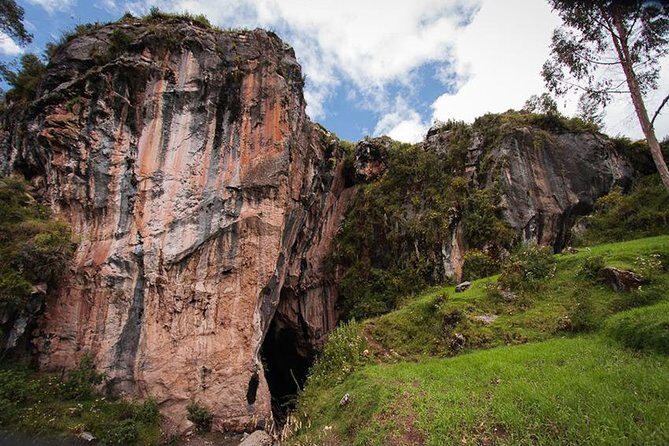
The highlight for many people is the stop at Templo de la Luna (Temple of the Moon). This is the kind of site you want to experience at a human pace, not as a quick photo stop. The guide explanations help you connect what you’re seeing with Inca meaning and local traditions.
One detail that stands out: the visit includes an underground passage experience. That’s a great contrast to open mountain riding. You move from sunlit air and wide views into a tighter, cooler space, and the story you hear helps it feel more than just another ruin.
The Temple stop also works because it breaks up the ride with a clear purpose. Instead of riding and hoping you’ll understand the sights later, you get context while you’re there. Guides like Gabriel (and sometimes Grimaldo) are repeatedly described as giving organized, practical information rather than vague speeches.
If you’re traveling with kids or teens, this stop tends to land well too. Short attention spans handle ruins better when there’s a guided thread tying it together.
Riding toward Chacan Mountain viewpoints from Cusco’s outskirts
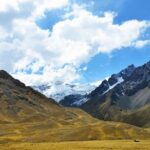
This tour is not about speed. It’s about views and a sense of stepping out of the city. You’ll ride across Cusco’s outskirts and reach a mountain viewpoint tied to Chacan Mountain, with the trail experience framed as part of the larger Inca trail landscape.
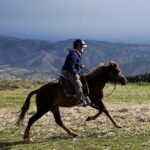
From what you can expect on a tour like this, the ride will feel varied: open stretches for views, then moments where the guide’s pacing keeps everyone together. People mention different ride styles depending on skill level. Some riders even report getting the chance to trot or jog on certain horses, but that’s not something you should assume—your comfort and the horse you’re assigned are the deciding factors.
One reason horseback works so well here is that it changes your perspective fast. On foot, you feel the distance. On horseback, the motion helps you stay present with the scenery. Even if you’re not a confident rider, the calmer mounts and close guidance help you focus on the landscape and the history without white-knuckle stress.
And yes, it’s scenic. You’re up higher, away from the busiest streets, and the air feels like a reset button after Cusco sightseeing.
Snacks, safety gear, and what “first-timer friendly” actually means
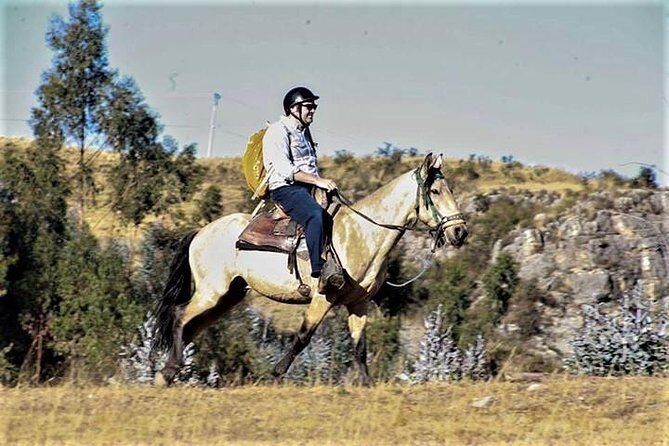
This experience is structured to keep you comfortable. You receive snacks to start (and people note they’re thoughtful and not an afterthought). There’s no mention of a full meal service, so plan like this: snacks during the ride, and then you eat after.
You also get safety equipment. Helmets are provided, and the tour team handles gear and instructions before you mount up. If you’re nervous, that pre-ride briefing is where you’ll feel the difference. The people running this tour put a strong emphasis on safety, and riders specifically mention feeling secure with the pace and the horse choices.
There’s also a practical advantage for families: the team can slow down and adjust. One family with an 11-year-old described the guide walking along to keep the child safe, which tells you they’re not treating kids as a problem to manage. They’re managing everyone’s comfort.
One thing to remember: drinks aren’t included. Hydration matters at altitude, so bring water if you want it beyond what you’ll get from snacks alone.
Transfers, timing, and how to plan the rest of your day
You’ve got two start times: 9:00 am and 1:00 pm. Either works, but here’s how I’d decide based on what you want your Cusco trip to feel like.
If you want a calmer first day, the morning slot usually makes sense. You get a chance to see views beyond the city before your legs and head are fully tired from the typical Cusco loop. If you’re already feeling good and want a late reset, the afternoon start can work nicely—you ride, you learn, and then you still have time to eat and relax afterward.
The tour includes transfers between your hotel and the ranch, and that matters more than people think. Cusco traffic and finding pickup points can eat time. A smoother door-to-door plan means you can focus on the experience instead of the logistics.
Duration is about 3 hours 30 minutes. That’s a sweet spot: long enough to feel like an outing, short enough that it doesn’t steal your whole day.
Who should book this horseback tour—and who should think twice
This tour is a strong match for riders at many levels. The tour info says most travelers can participate, and riders with no prior experience also report feeling comfortable. The reason is straightforward: horse choice and guidance. If you’re okay following instructions and staying attentive, you’ll likely be fine.
It’s also a good family option. Kids and teens have been specifically called out as having a great time, including cases where the team adjusted support for safety.
Where you might rethink it: if you’re an advanced rider craving long hours in the saddle and lots of technical riding, the tour may feel short. Several people describe the ride as a loop and a shorter outing. It’s designed as a focused half-day adventure, not a full-day horseback expedition.
Group size helps here. With a maximum of 20 people, you’re not stuck in a giant slow-moving pack for the entire route. You still get a social energy, but it doesn’t feel like cattle in a line.
Price and value: what you get for $65
At $65 per person, the value is strongest when you add up what’s included. You’re not just paying for a horse ride. You’re getting:
- transfers to and from the ranch
- safety equipment
- a professional bilingual guide team
- quality horses
- snacks
That’s a lot packed into a half-day format. If you tried to piece together equivalent transport plus guided storytelling plus horse time, it would likely cost more and take more planning.
The ethical angle also affects value. You’re paying for a ranch that prioritizes horse welfare and rider experience. People specifically mention that horses are well cared for and rotated between rides. Whether you’re an animal lover or just someone who hates cruelty, that tends to change the whole feel of the tour.
Also, the tour is popular enough that it’s commonly booked in advance (on average, around 13 days). But there are also stories of quick turnarounds working, so if you’re flexible and checking availability, you might still find options close to your dates.
Should you book it? My practical recommendation
Book this tour if you want a half-day that feels both active and meaningful—horseback riding plus a real site visit at Templo de la Luna, plus mountain views tied to Chacan Mountain.
I’d also recommend it if you care about animal care. The repeated focus on well-trained Peruvian Paso horses, helmet use, and thoughtful pacing makes this a tour where the experience isn’t built on rushing or pushing people past comfort.
Skip it or shop alternatives if you’re looking for a long multi-hour ride with lots of riding freedom. This one is about guided time, scenic stops, and a controlled pace. Short loop expectations keep you happy.
If you want a Cusco day that’s different from ruins-and-buses—this is one of the better ways to do it.
FAQ
What time does the tour depart?
There are departures at 9:00 am and 1:00 pm.
How long is the experience?
The tour lasts about 3 hours 30 minutes.
What’s included in the price?
The price includes hotel/ranch/hotel transfers, protective equipment, the horses, a professional bilingual guide (English-Spanish), and snacks.
Are drinks included?
No, drinks are not included.
How big is the group?
The group is capped at a maximum of 20 travelers.
Do I need previous horseback riding experience?
The tour notes that most travelers can participate, and people with no prior riding experience have said they felt comfortable.
What is the cancellation policy?
You can cancel for a full refund up to 24 hours before the experience starts. If you cancel less than 24 hours before, the amount paid is not refunded.