REVIEW · CUSCO
Ayahuasca Ceremony 1 Day in Cusco
Book on GetYourGuide →Operated by World Explorer Peru · Bookable on GetYourGuide
A sacred cactus ceremony in the Andes. This Cusco-area retreat pairs a remote San Pedro (Wachuma) ritual with a small-group feel and a guided visit around Pisac. The biggest draw is the hands-on shamanic flow, led by Maestro Luis, often noted for making the whole night feel safe and grounded.
I really like two things about this experience: the slow, ritual-heavy preparation (fire, black tobacco cleansing, and flowery water), and the way the group stays together through the night with ancestral music and a guided meditation. One consideration: it is not a quick party-style night out—effects are expected to last about 5 to 7 hours, and the schedule includes rustic lodging plus a sunrise component.
In This Review
- Key Things to Know Before You Go
- San Pedro in Cusco: what this Wachuma ritual is really about
- The schedule around Cusco and Pisac (and why it’s not a strict 7-hour day)
- Getting ready for the medicine: fire, black tobacco, and flower water
- What to expect after drinking Wachuma (5 to 7 hours, subtle effects)
- The core ritual: sacred-space opening, ancestral music, and four-element healing
- The shaman and the human side: Maestro Luis and a calm, supportive vibe
- Preparation diet: the fasting window that helps the experience work
- Lodging and meals: rustic night comfort, natural breakfast, and getting warm
- Practical packing list that actually matches the ritual
- Price and value: is $380 worth it for a Cusco Wachuma ceremony?
- Who should book (and who should skip) this medicine night
- Rules during the experience: staying sober, keeping it quiet, no smoking indoors
- Should you book this Cusco San Pedro (Wachuma) 1-night retreat?
- FAQ
- How long is the San Pedro Wachuma ceremony?
- Where does the ceremony take place?
- Is this classic ayahuasca or San Pedro Wachuma?
- How big is the group?
- What’s included in the price?
- What should I bring?
- Do I need to follow a diet before the ceremony?
- Who is the ceremony not suitable for?
- What rules apply during the experience?
Key Things to Know Before You Go
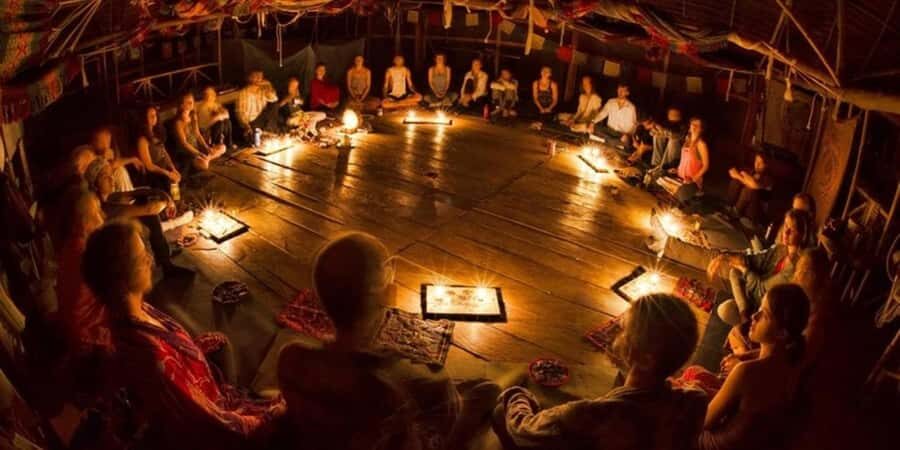
- San Pedro (Wachuma) is the medicine: the ceremony is built around the hallucinogenic cactus, often linked to mescaline in the tour description.
- Chill-by-design effects: the altered state is described as subtle, with relaxation lasting until around midnight.
- A remote spot near Cusco: you get nature + privacy, without having to disappear into a multi-day trek.
- Small group size: limited to 10 participants, which helps keep things calm and supervised.
- Four-element energetic cleaning: earth, fire, air, and water are part of the ritual structure.
- Preparation diet matters: at least 1 day of lighter eating is strongly recommended, and 3 days is ideal.
San Pedro in Cusco: what this Wachuma ritual is really about
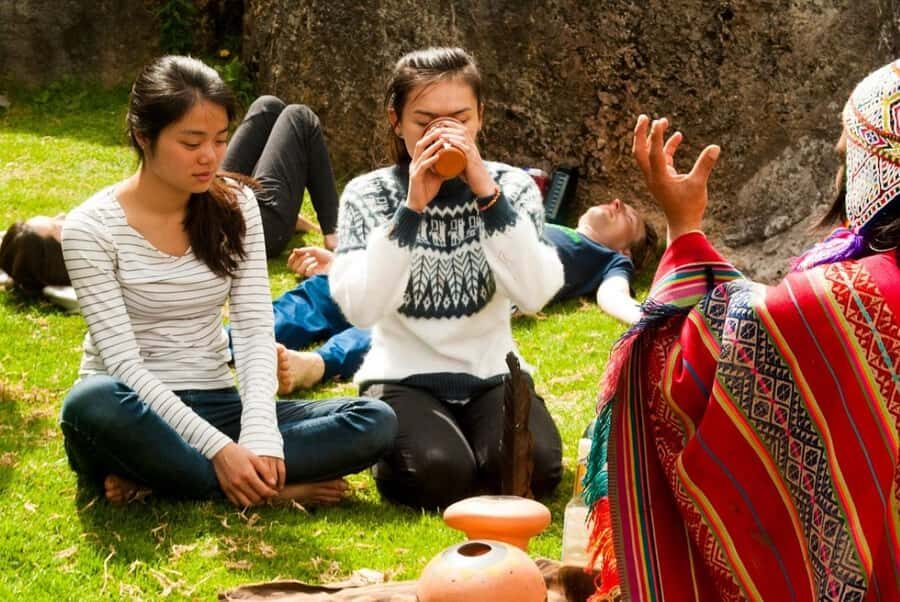
First, a quick naming note: even though the experience is labeled like an ayahuasca ceremony, the actual medicine described here is San Pedro cactus (Wachuma). The tour highlights it as a natural concoction associated with mescaline, and the ceremony is set up around the Connect – Heal – Release theme.
What I like about this framing is that it sounds less mystical on paper and more like a practical intention-set. You are not just taking something and hoping for fireworks. The ritual is built to help you quiet your usual mental treadmill, get your body calm, and then work through release in a structured way.
A few more Cusco tours and experiences worth a look
The schedule around Cusco and Pisac (and why it’s not a strict 7-hour day)
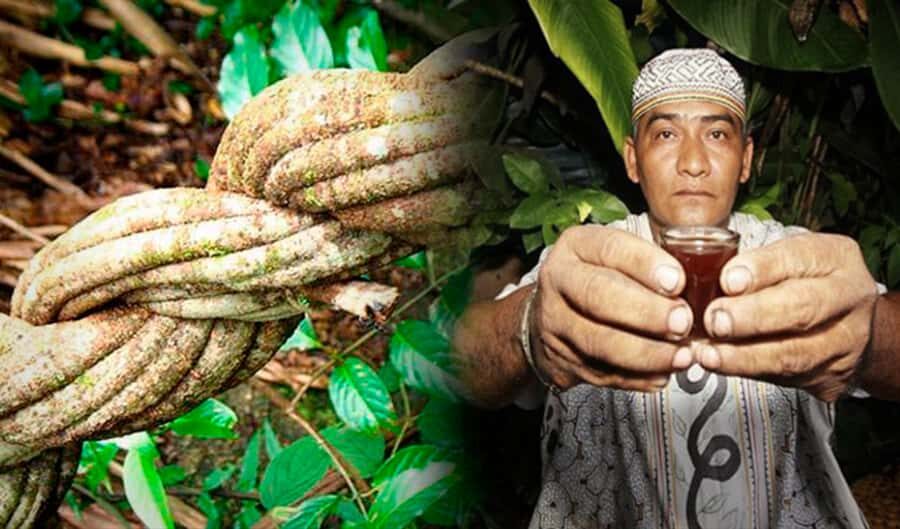
The experience is described as 7 hours, but the plan includes 1 night of rustic lodging and a sunrise moment tied to Pisac. So think of it as a short retreat arc rather than a single evening only.
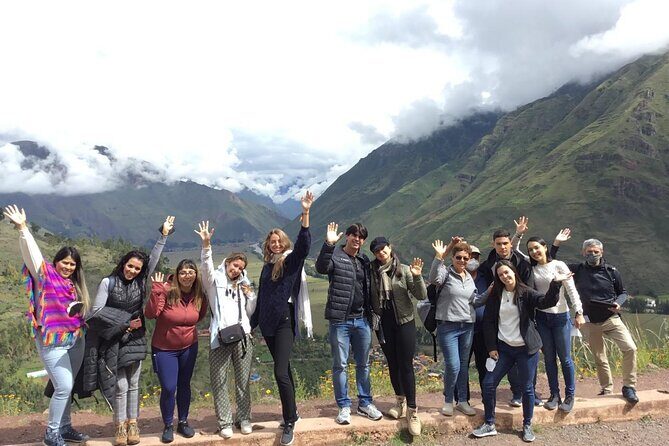
In the morning or early day, you’re picked up from one of several Cusco-area locations. Then you head toward Pisac for a guided walk and time outdoors. After that, there’s an overnight stay (rustic lodging) and then a Pisac tea ceremony before your return transfer.
The ceremony itself happens in a natural, remote place about 15 minutes from Cusco, so you get that feeling of being out of town without losing an entire day to transit. The logistics include private transportation round trip (Cusco–Pisac), with multiple pickup and drop-off options around the city.
Getting ready for the medicine: fire, black tobacco, and flower water
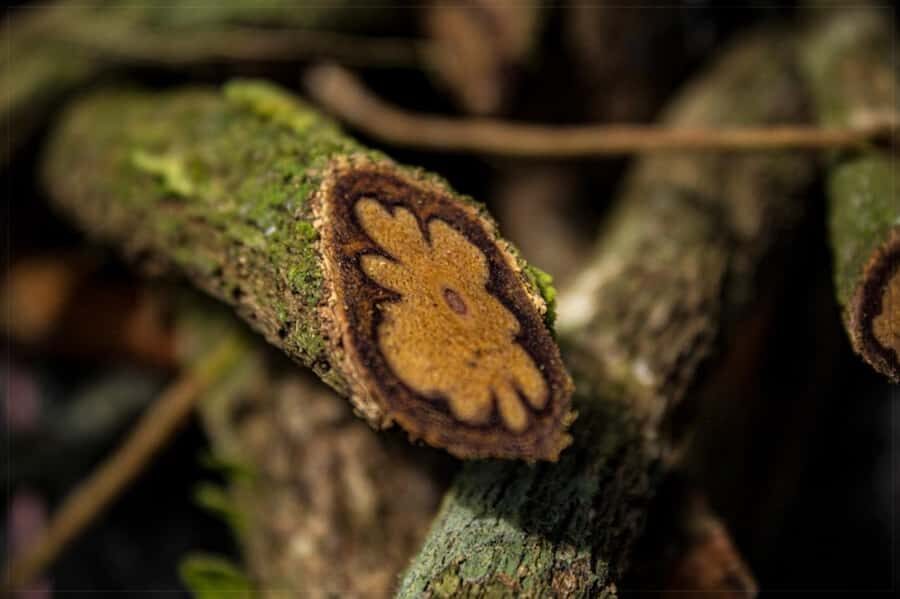
The ceremony begins with a very ritual start: the lighting of the fire and an energetic cleansing using black tobacco and flowery water. Even if you’re not the type who reads into symbolism, this matters because it changes your body’s pace. You arrive, you’re guided, and you’re doing something physical and repetitive before you take anything.
Next comes the part that sets the tone for the medicine: a small meditation so you can drink the ancestral medicine calmly. The guidance also includes opening a sacred space, and that’s important for two reasons. One, it gives you a clear structure when your mind starts racing. Two, it tells you that this is meant to be observed and integrated, not just endured.
What to expect after drinking Wachuma (5 to 7 hours, subtle effects)
About 1 hour after taking Wachuma, the description says you may experience altered states. The key word here is subtle. Instead of dramatic hallucinations that knock you out, the expectation is that your perception of air and the environment shifts slightly, and you gradually feel a merge with the shamanic ancestral presence.
You’ll feel the approach more in the physical-emotional body than in frantic visuals. The tour notes that consciousness is not lost, and the effects are expected to last about 5 to 7 hours, running until roughly midnight.
For many people, the sweet spot is the relaxation. That aligns with the way the ritual’s meditations are described: spontaneous and natural, flowing with the place, fire, and ancestral music.
The core ritual: sacred-space opening, ancestral music, and four-element healing
After the initial preparation, the ceremony shifts into the shamanic process. This includes opening your sacred space and sharing meditation that follows the guidance of the same shamanic flow, with fire and ancestral music as the backdrop.
One of the most distinctive parts in this program is the energetic cleaning work related to the four elements: earth, fire, air, and water. You’re not just being told to relax. You’re guided through a symbolic and felt sequence that’s supposed to help release stuck energy and reset your system.
The way it’s described also emphasizes integration. The “magical property” highlighted for Wachuma is a sense of unification and harmony with nature. In plain terms: you’re encouraged to pause the constant habit of rebuilding thoughts, and instead let your mind rest without interruptions.
The shaman and the human side: Maestro Luis and a calm, supportive vibe
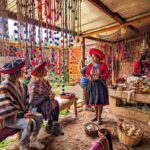
The reviews consistently point to the shamanic leader being Maestro Luis (and his wife is also mentioned as welcoming and kind). That’s not a small detail in a ceremony like this. A calm guide makes the whole night easier to trust, especially if you’re nervous about what altered states could feel like.
In the feedback, people also describe the team as helpful from the start, quick to clarify questions, and ready to solve issues if something comes up during the process. I take that as a signal that this isn’t run like a cold “package assembly line.” It’s meant to feel personal, which matters when you’re trying to heal or release.
Preparation diet: the fasting window that helps the experience work
If you do just one thing for better results, make it the diet. The program is clear that you should do a diet at least 1 day before the ceremony. In general terms, that means avoiding meat and, ideally, not eating dinner the night before.
Allowed foods are described as fruit, plus plenty of water and teas (like hot tea) without sugar. You’re also told to avoid alcohol and other substances and strong drinks. The advice goes further: a 3-day diet is recommended for better digestion and reception of the medicine, meditation, and rest.
Why this is so important: even if your mind is willing, your body still has a digestive workload. Cleaner digestion often makes it easier to rest and feel what the ritual is trying to guide you toward.
After the ceremony, it says you’ll be able to eat again—some fruit and water is recommended before returning to lodging.
Lodging and meals: rustic night comfort, natural breakfast, and getting warm
Included in the package is 1 night of rustic lodging and a natural breakfast. That means you should expect simpler accommodations rather than hotel-level comfort. Bring items that let you be cozy and functional, because Cusco nights can feel chilly fast.
The tour specifically tells you to pack a sleeping bag, warm clothing, socks, gloves, and a scarf. That packing list is one of the best “read between the lines” clues that the setting is more rugged and outdoor-ish than a typical indoor spa retreat.
Also note that water is not included. And drinks in the vehicle are listed as not allowed. So plan to bring your own water for the parts before/after the ceremony and follow the provider’s rules.
Practical packing list that actually matches the ritual
Here’s what I’d treat as non-negotiable from the tour’s packing list:
- Warm layers (including gloves and a scarf)
- Change of clothes
- Comfortable clothes you can move in and sleep in
- Sleeping bag
- Socks (extra pair if you run cold)
- Daypack
- Cash (mentioned)
- Camera (allowed)
And then the “don’t mess around” items: the rules say no weapons/sharp objects, no intoxication, and no alcohol and drugs. The ceremony is also set up so you can focus; adding extra substances (even things that aren’t part of your plan) can derail the intended outcome.
Price and value: is $380 worth it for a Cusco Wachuma ceremony?
At $380 per group (the listing text notes up to 1, so double-check what that means for your booking), you’re paying for more than just access to a ritual.
Here’s what the price includes, and why it matters for value:
- Private transportation round trip (Cusco–Pisac): you’re not figuring out transit on your own.
- The San Pedro Wachuma ceremony plus the Wachuma medicine.
- Energetic cleansing work and guided meditation.
- Ancestral music with traditional instruments.
- 1 night of rustic lodging and a natural breakfast.
So the value isn’t just the medicine. It’s the full structure: transport, overnight logistics, ritual prep, guidance, and the “container” that keeps the experience safe and consistent.
With a small group limited to 10 participants, the cost per person also makes more sense than if it were a large crowd where everyone gets the same script and minimal attention.
Who should book (and who should skip) this medicine night
This is not a universal experience. The program states it is not suitable for:
- Children under 9
- Pregnant women
- People with pre-existing medical conditions
If any of those apply, don’t try to “tough it out.” For your safety, follow the provider’s limits.
Who it suits best: adults who want a structured ritual, want time in nature near Cusco, and are okay with a long evening arc that ends around midnight and includes an overnight stay.
If you’re expecting a party or a quick sightseeing stop, you’ll likely feel out of rhythm. This is designed for rest, release, and integration.
Rules during the experience: staying sober, keeping it quiet, no smoking indoors
The program’s rules are pretty clear-cut, and they’re there for a reason: you’re working with heightened states and a guided process.
No:
- Smoking indoors
- Alcohol and drugs
- Intoxication
- Alcoholic drinks in the vehicle
- Drinks in the vehicle
- Littering and disrespectful behavior
You also won’t have pets, and the rules mention assistance dogs are allowed.
A good way to think about it: the rules protect the ritual container. They also protect the other people in the group who came for healing, not chaos.
Should you book this Cusco San Pedro (Wachuma) 1-night retreat?
Book it if you want:
- A small-group shaman-led ceremony
- A ritual that emphasizes relaxation and integration
- Nature + structure near Cusco, with time in Pisac
- A team vibe associated with Maestro Luis and a supportive setup
Skip it if:
- You fall into the not suitable categories (pregnancy, children under 9, pre-existing medical conditions)
- You don’t want a long, quiet process that lasts 5 to 7 hours
- You’re not prepared for rustic lodging and cold-weather packing needs
If you do book, your best move is simple: follow the diet, pack warm, and show up mentally ready to slow down. This kind of ceremony works best when you make it easy for your body to rest.
FAQ
How long is the San Pedro Wachuma ceremony?
The experience is listed as 7 hours, and the described Wachuma effects are expected to last about 5 to 7 hours, with the experience continuing until around midnight.
Where does the ceremony take place?
The ceremony is performed in a natural and remote place about 15 minutes from Cusco, in the Cusco Region.
Is this classic ayahuasca or San Pedro Wachuma?
The ceremony described here is for San Pedro (Wachuma), including preparation, the Wachuma drink, and ritual meditation. The program also references mescaline in its description.
How big is the group?
It’s a small group with a maximum of 10 participants.
What’s included in the price?
Included items are private round-trip transportation (Cusco–Pisac), the San Pedro Wachuma ceremony, Wachuma medicine, 1 night of rustic lodging, natural breakfast, energetic cleansing work connected to earth/fire/air/water, ancestral music, and meditation.
What should I bring?
The tour recommends warm clothing, comfortable clothes, a change of clothes, gloves, scarf, socks, a sleeping bag, a daypack, camera, cash, and water.
Do I need to follow a diet before the ceremony?
Yes. You’re told it’s very necessary to do a diet at least 1 day before, avoiding meat and ideally not eating dinner the night before. Tea and plenty of water are recommended, and alcohol and other substances should be avoided. A 3-day diet is advised for better reception.
Who is the ceremony not suitable for?
It’s not suitable for children under 9, pregnant women, and people with pre-existing medical conditions.
What rules apply during the experience?
You should not drink alcohol or use drugs, and intoxication is not allowed. Smoking indoors is also not allowed, and the rules mention no drinks in the vehicle and no littering.