REVIEW · CUSCO
From Cusco: Sacred Valley & Maras Salt Mines with Lunch
Book on GetYourGuide →Operated by Inka Trekillary E.I.R.L. · Bookable on GetYourGuide
Salt mines and Inca ruins, in one day. This Sacred Valley loop ties together Chinchero textiles, Moray’s stepped “agricultural lab,” Maras Salt Mines, and the big-name sites of Ollantaytambo and Pisac, all with a hearty lunch in Urubamba.
Two things I really like: the day is built around guided stops (and some groups get Rudy, who was praised for fun energy and clear explanations), and lunch is actually worth looking forward to—Urubamba’s buffet is described as a delicious, nutritious novoandino spread of Cusquenian Peruvian food. You do, however, need to plan for added entry fees (site tickets and the salt mine ticket), and you’ll be hitting high altitude at multiple stops.
In This Review
- Key Points to Know Before You Go
- A Classic Sacred Valley Day, Wrapped Around Salt and Stone
- Price and What You’ll Pay Extra in Real Life
- Pickup, Shared Transport, and Timing That Adds Up
- Chinchero Textile Interpretation Center: Craft With Meaning
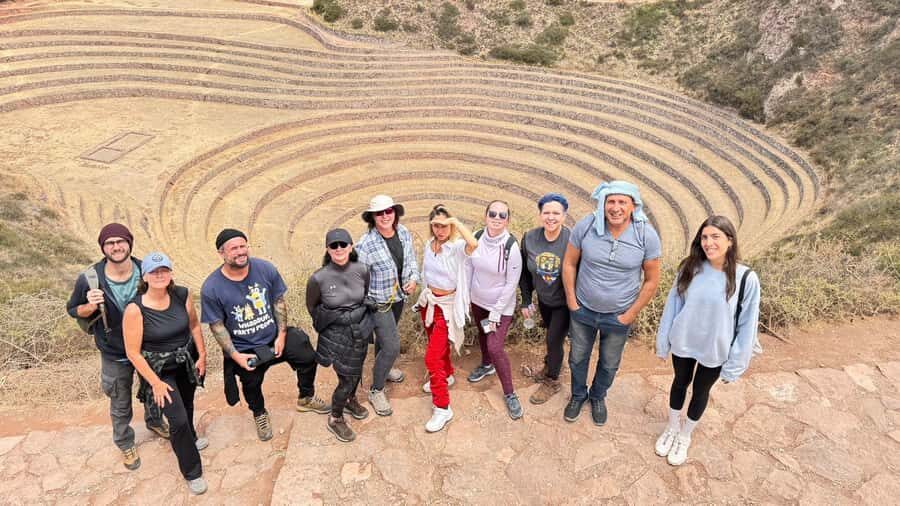
- Moray: The Inca Agricultural Laboratory (And Why It’s So Weird)
- Maras Salt Mines: Terraces, Texture, and the Salt Factor
- Urubamba Buffet Lunch: A Needed Reset Before the Ruins
- Ollantaytambo: Terraces, the Sun Temple, and the Princess Baths Fountain
- Pisac: Mountain Ruins and a Handicraft Market for Mineral Work
- Altitude Reality Check (Cusco to 3,762 Meters)
- Guide Style Matters: When Rudy Is Your Lead
- Should You Book This Cusco Sacred Valley and Maras Salt Mines Tour?
- FAQ
- What is the duration of this tour?
- Where does the tour start in Cusco?
- Where does the tour end?
- What places are included in the day?
- Is lunch included?
- What’s included in the price?
- What extra tickets should I plan for?
- What languages are the guide services in?
- How high will we go during the tour?
- Can I cancel for a full refund?
- Is there an option to reserve now and pay later?
Key Points to Know Before You Go
- Chinchero + textiles: see the Textile Interpretation Center in a local community
- Moray’s “Inca agricultural laboratory”: a guided visit focused on how the terraces worked
- Maras Salt Mines: salt-carved terraces plus photo stops before and after
- Urubamba buffet lunch: a proper Peruvian buffet break mid-tour
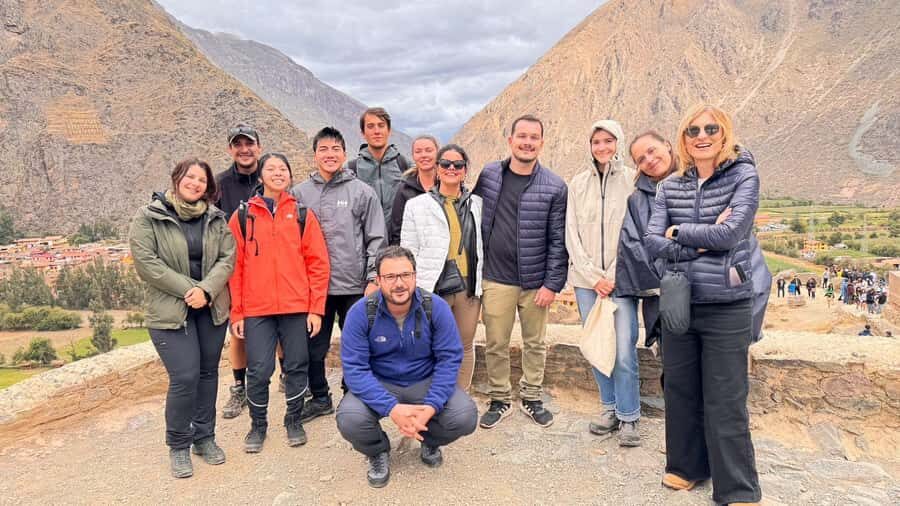
- Ollantaytambo + Pisac: classic Sacred Valley ruins with guided sightseeing and short walks
A Classic Sacred Valley Day, Wrapped Around Salt and Stone
This is the kind of day trip that’s perfect when you want a lot of highlights without the stress of figuring out transport between sites. You start in Cusco, then work your way north through the Sacred Valley, hitting archaeology, local craft, and one of the most visually unique places in the region: Maras Salt Mines.
The pacing is structured, not random. You’ll get pickup in Cusco, then settle into a shared ride as the day builds from Chinchero into Moray and Maras, with a lunch stop in Urubamba, and then a second wave of ruins in Ollantaytambo and Pisac. The tour wraps up back in Cusco at Plaza San Francisco around the late afternoon (roughly 18:30–19:00).
A few more Cusco tours and experiences worth a look
Price and What You’ll Pay Extra in Real Life
The headline price is $30 per person, which is pretty strong for a full day covering multiple sites with pickup and a guide. But the math matters: tourist entry tickets are 70 soles and the salt mines entry ticket is 20 soles, and those aren’t included.
So think of the tour as the transport + guide + lunch deal, with museum/archaeology fees as your add-on. If you’re comparing options, don’t judge only by the base price—compare the total you’ll pay that day once tickets are included.
Pickup, Shared Transport, and Timing That Adds Up
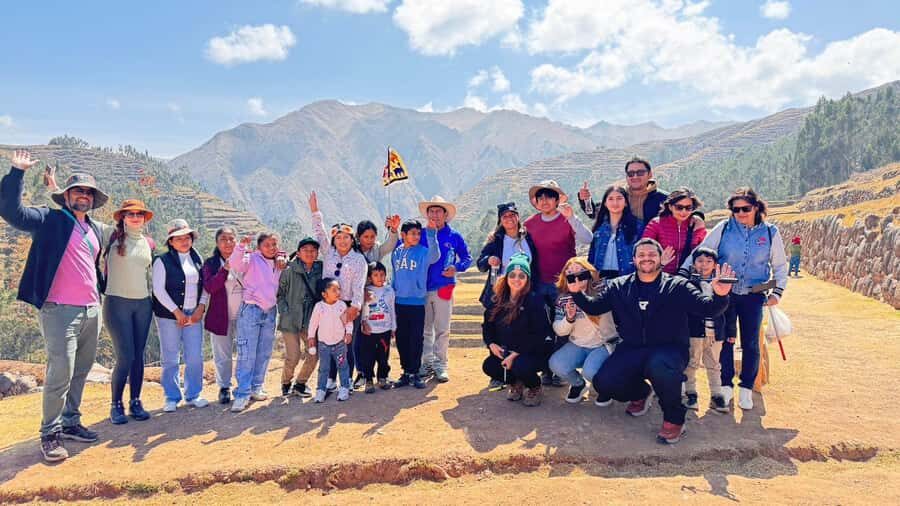
You’ll be picked up from your hotel or accommodation in downtown Cusco. If you’re staying at a private place, you’ll get a nearby meeting point, and the guide or transfer might take about 10–15 minutes to find you.
Once you’re in the vehicle, the day follows a clear timeline with transfers between each stop. Expect a longer drive early on (about 70 minutes to reach Chinchero), then shorter hops between sites, and another long return leg after Pisac. It’s a full day, so plan for sitting time as part of the experience—not just walking time.
Chinchero Textile Interpretation Center: Craft With Meaning
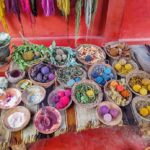
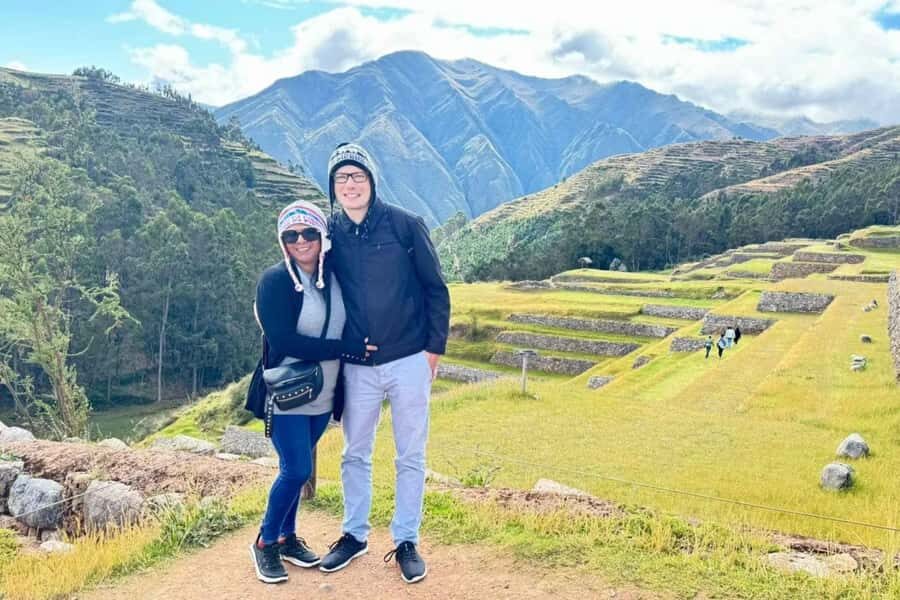
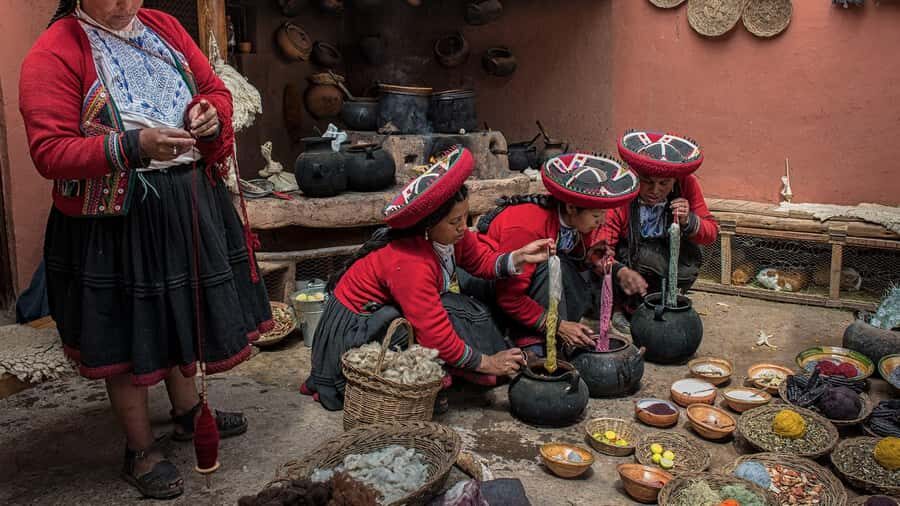
Chinchero is your first stop in the Sacred Valley north of Cusco, and it’s one of the smarter “start strong” choices. You’ll have guided sightseeing with a walk and time to take in the Textile Interpretation Center inside the local community.
This is where you get something more than photos of stones. Weaving and clothing here aren’t just souvenirs. Even when the details vary by community and demonstration, you’re seeing a tradition that connects daily life, materials, and cultural identity. For many people, this is the moment the tour stops feeling like a checklist and starts feeling like an education.
Practical note: Chinchero sits at about 3,762 meters. If you arrive feeling a little breathless, slow down your walk and take short pauses. You don’t need to rush here; absorb it.
Moray: The Inca Agricultural Laboratory (And Why It’s So Weird)
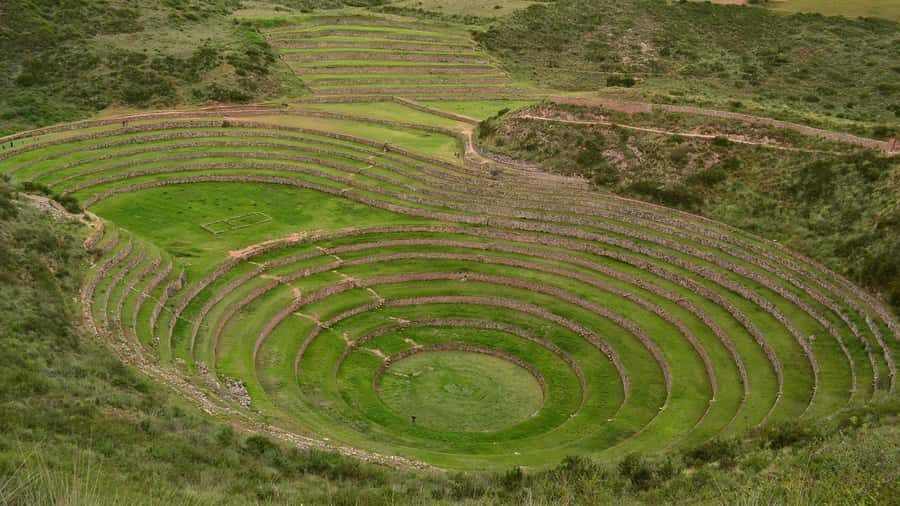
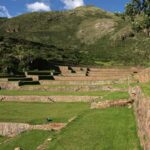
Moray is famous for a reason, and this tour treats it like a real stop, not a quick drive-by. You’ll have a photo stop, then a guided visit and sightseeing with a short walk.
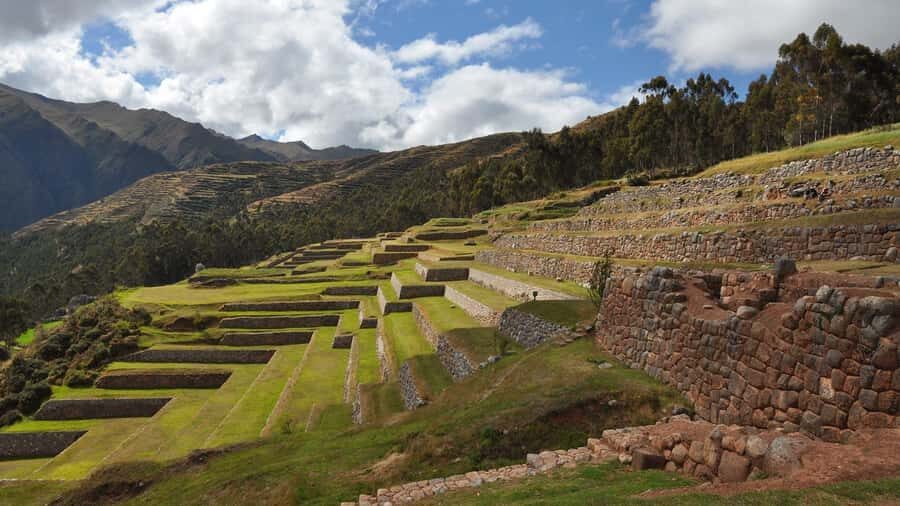
Moray is often described as the Inca agricultural laboratory—a place where the terraces create different growing conditions. The terraces themselves look dramatic and almost unreal from certain angles, but the guided explanation is what helps you understand why the site was worth building. You’ll get a chance to look at the site and then frame what you’re seeing as an experiment, not just architecture.
Altitude again is a factor: Moray is also around 3,762 meters. That makes this a good place to slow your pace, drink water, and avoid hero moments like sprinting up stairs just for a photo.
Maras Salt Mines: Terraces, Texture, and the Salt Factor
After Moray, the tour passes through Maras and then focuses on the Salt Mines. You’ll have a photo stop and guided visit time, with sightseeing in the salt-mined area.
Maras is visually unforgettable: layered salt pans scattered along the hillside. What makes it interesting on a guided day is that you’re not only admiring the look—you’re also learning how the salt production fits into the landscape and the local economy. Even if you’ve seen photos before, the physical scale feels different in person.
You’ll need to plan for the salt mine entry ticket (listed as 20 soles). Also, expect that the walk and viewing spots can be uneven. Wear shoes that won’t fight you on stones and slopes.
Urubamba Buffet Lunch: A Needed Reset Before the Ruins
Lunch happens in Urubamba, and it’s a buffet described as novoandino with a Peruvian Cusquenian style. The tour gives you about an hour for lunch.
This is more than a break. It’s a strategic reset between high-altitude stops and a second afternoon of archaeology. You’ll likely want something filling, and a buffet format helps you choose what your stomach and energy level can handle on a big day.
If you’re altitude-adjusting, you’ll probably feel better with a real meal than with a snack. Consider it your “fuel stop” so the later walks feel easier.
Ollantaytambo: Terraces, the Sun Temple, and the Princess Baths Fountain
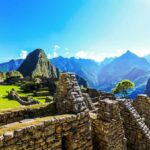
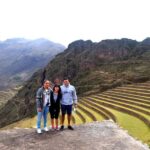
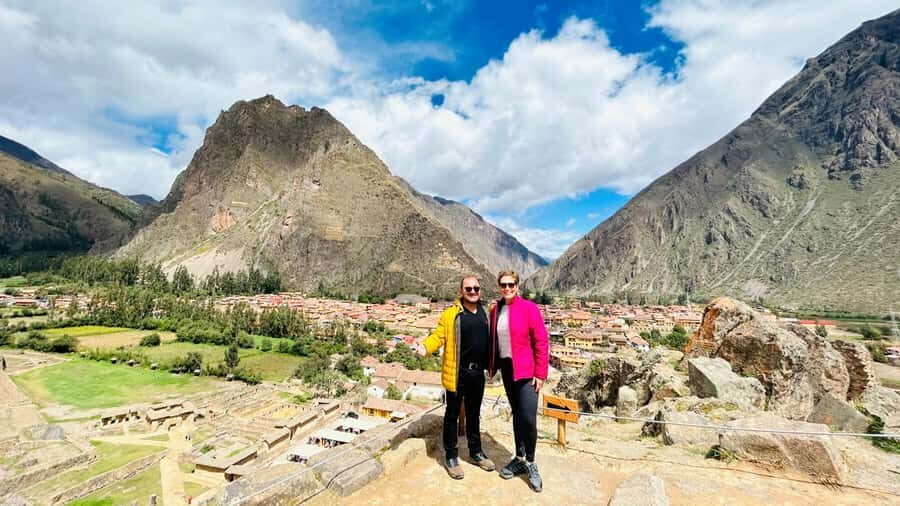
Ollantaytambo is one of the Sacred Valley’s most satisfying sites, because it mixes engineering, religion, and daily-life practicality. You’ll get photo stops plus guided sightseeing with about 1.5 hours here.
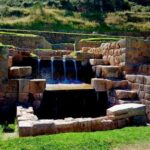
What you’ll focus on includes the great stone terraces, the Temple of the Sun, and the fountain of the Princess Baths (as described on this tour). You’ll also hear about the site’s role in Inca times as a tambo, or resting place, and how Ollantaytambo is the starting point for reaching Machu Picchu.
Even if you’re not going to Machu Picchu right after, this stop helps you understand why Ollantaytambo matters. It isn’t just a pretty ruin; it’s tied to movement and travel routes.
Altitude drops here compared with Chinchero/Moray/Maras: Ollantaytambo is around 2,790 meters, so you may feel more comfortable during this segment.
Pisac: Mountain Ruins and a Handicraft Market for Mineral Work
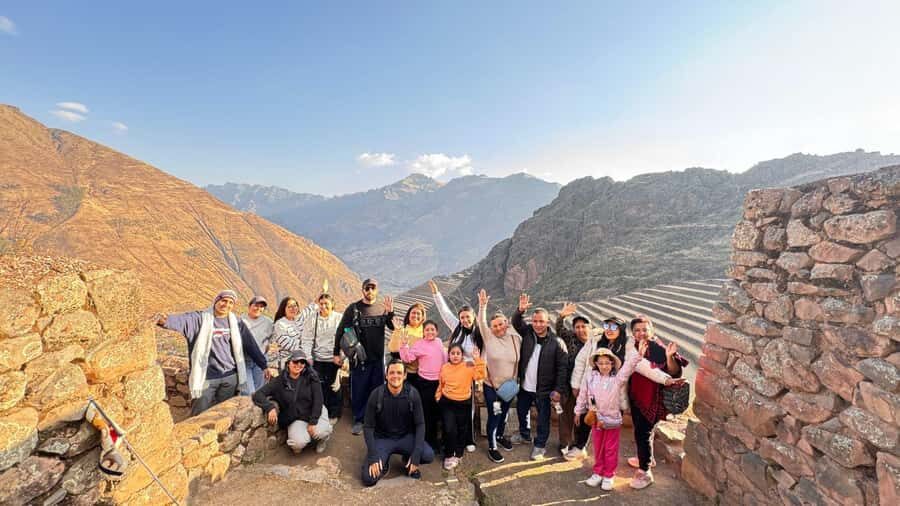
After Ollantaytambo, you head to Pisac. You’ll have sightseeing and a guided visit at the archaeological site built on top of a mountain. This stop includes time for photos, walk, and explanation, with about 1 hour on site.
Pisac gives you another angle of the Sacred Valley: the way the ruins cling to and follow the mountain. It’s a strong second half because you’re seeing the region from different heights and with different site styles.
On the way back to town, you’ll visit Pisac’s handicraft market, described as a place where local people are experts in working with minerals. This is where you can shop more meaningfully—look for items that feel connected to the local materials rather than generic souvenirs.
Pisac is still higher than Ollantaytambo, around 3,300 meters for the archaeological site area. If you notice the air feels thinner again, pace yourself and keep breaks short.
Altitude Reality Check (Cusco to 3,762 Meters)
One reason this tour is popular is that it takes you into the Sacred Valley’s most famous areas. The trade-off is altitude. Starting in Cusco at about 3,350 meters, the day climbs again to around 3,762 meters at Chinchero, Moray, and Maras.
Then you dip down to Urubamba (~2,780 meters) and Ollantaytambo (~2,790 meters), before rising again near Pisac (~3,300 meters for the site). So the altitude isn’t a steady climb—it’s a series of peaks and dips.
What I’d suggest for you:
- Move slower than you think you need to, especially at Chinchero and Moray.
- Sip water often and don’t skip lunch if you want energy for the afternoon.
- Wear shoes you trust on uneven stone. Falls on slopes ruin days fast.
Guide Style Matters: When Rudy Is Your Lead
The reviews attached to this experience highlight one common thread: the guide makes the information easier to absorb. One group specifically mentioned Rudy, describing his fun energy and his ability to make explanations entertaining while still delivering solid details.
That matches how a day like this works best. When you’re moving between many sites, you don’t want a guide who reads facts like a script. You want a guide who can point out what you’re looking at and why it matters—especially at places like Moray, where the purpose isn’t obvious just by staring at terraces.
If you get Rudy or any similarly energetic English/Spanish guide, you’ll likely feel like the day connects better.
Should You Book This Cusco Sacred Valley and Maras Salt Mines Tour?
Book it if you want a one-day way to see the Sacred Valley’s heavy hitters: Chinchero, Moray, Maras Salt Mines, Ollantaytambo, and Pisac, with guided time at each stop and a buffet lunch in Urubamba. It’s especially good if this is your first time in the region and you want the big picture fast.
Skip or choose a slower alternative if:
- You’re very sensitive to altitude and high-altitude walks feel hard for you.
- You hate adding on entry tickets on the same day (70 soles for general tickets plus 20 soles for the salt mines).
If you’re budgeting honestly, pacing yourself, and wearing good shoes, this is a strong value day trip that gives you both culture (textiles) and drama (salt and stone) without needing multiple separate tours.
FAQ
What is the duration of this tour?
The tour lasts 1 day.
Where does the tour start in Cusco?
Pickup is available from your hotel or accommodation in downtown Cusco.
Where does the tour end?
The tour ends at Plaza San Francisco in Cusco, around 18:30 to 19:00.
What places are included in the day?
You’ll visit Chinchero, Moray, Maras Salt Mines, Ollantaytambo, and Pisaq, with a lunch stop in Urubamba.
Is lunch included?
Yes. Lunch is included as a buffet in Urubamba.
What’s included in the price?
Included are hotel pickup in Cusco, tourist mobility (shared service), buffet lunch in Urubamba, and an English/Spanish professional tour guide.
What extra tickets should I plan for?
You need to budget for tourist entry tickets (70 soles) and the salt mines entry ticket (20 soles).
What languages are the guide services in?
The guide provides interpretation in English and Spanish.
How high will we go during the tour?
Cusco is around 3,350 m. Chinchero, Moray, and Maras Salt Mines are around 3,762 m. Urubamba is about 2,780 m, Ollantaytambo about 2,790 m, and Pisac archaeological area about 3,300 m.
Can I cancel for a full refund?
Yes. Free cancellation is available up to 24 hours in advance for a full refund.
Is there an option to reserve now and pay later?
Yes. You can reserve your spot and use a pay later option.