REVIEW · LIMA
8-Day Peru Ancestral Energies
Book on Viator →Operated by VIPAC Travel · Bookable on Viator
A full circuit of Inca Peru, planned tightly. This 8-day route strings together Lima’s colonial center, Cusco, the Sacred Valley, Machu Picchu, and Lake Titicaca—so you can focus on sights, not spreadsheets. I especially like the included Machu Picchu train and the fact that most logistics are already handled.
Second, I like that the pace is set for efficiency. On most days you’re on a scheduled, shared tour with an English-Spanish speaking guide, plus transfers that keep you moving between cities without the usual guesswork.
One consideration: this trip climbs in altitude. Cusco is already high, and you’ll also reach 4,800 m on the drive to La Raya, so have altitude plans ready before you go, and remember Machu Picchu tickets are not refundable if your date slips.
In This Review
- Key highlights to know before you go
- Lima to Juliaca: how this itinerary actually saves you time
- Day 1 in Lima: Historical Center + Santo Domingo + Larco Museum
- Day 2 in Cusco: market morning, Qorikancha, and the Cathedral at Plaza de Armas
- Day 3 outside Cusco: Sacsayhuaman, Q’enqo, and the ritual-citadel rhythm
- Day 4 Sacred Valley: Chinchero weaving, Moray microclimates, and Ollantaytambo
- Day 5 Machu Picchu: train, bus ride, and how the new visitor circuits affect you
- Day 6 from Cusco region to Puno: Andahuaylillas, Racchi, and La Raya at 4,800 m
- Day 7 Lake Titicaca: Uros floating islands and Taquile traditions
- Day 8 departure: transfer to Juliaca airport (36 km from Puno)
- Price and value: what you are (and aren’t) paying for
- Altitude and timing: the two things that make or break your trip
- Who this Peru tour is best for
- Should you book 8-Day Peru Ancestral Energies?
- FAQ
- Where does the tour start and end?
- How long is the tour?
- What’s included in the price?
- Are flights included?
- Are airport taxes included?
- What meals are included?
- How many people are in the group?
- What do I need to know about altitude?
- How does Machu Picchu circuit selection work?
- Can I change my Machu Picchu date after booking?
Key highlights to know before you go
- Small group cap (up to 15 travelers) with English-Spanish guided touring
- Machu Picchu by train + bus with admission included on the planned day
- Efficient routing that pairs major Inca sites with practical stops and viewpoints
- Sacred Valley mix of weaving culture, agriculture terraces, and major ruins
- Lake Titicaca day built around Uros floating islands and Taquile community traditions
- Machu Picchu circuit planning in advance (priority route 2, with alternatives explained before tickets are issued)
Lima to Juliaca: how this itinerary actually saves you time
This is a “see a lot, without constantly re-planning” type of tour. You’re paying about $1,264 per person for 8 days, and the real value is what’s wrapped into that price: 7 nights of lodging, airport-to-hotel transfers, shared transfers (including to the train station), admissions on the guided tours, and a round-trip railway ticket to Machu Picchu. You also get 7 breakfasts and 4 lunches included, which quietly cuts your day-to-day decision fatigue.
The route also makes sense geographically. You start in Lima, move inland to Cusco, then drop down into the Sacred Valley for an overnight, ride to Machu Picchu for the classic day, and continue to Puno on Lake Titicaca before ending with a departure transfer from Juliaca (36 km from Puno). For most people, that’s exactly what they want: less backtracking, fewer “how do we get there?” moments, and more time outside with a guide.
Your group stays small (maximum 15), which matters in places like Cusco’s streets and market stops where it’s easier to keep everyone together. Just remember you’re still doing a lot of walking and moving between high points—plan your energy like you would for a hiking trip, not a lazy beach weekend.
You can also read our reviews of more tours and experiences in Lima.


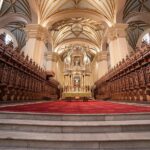
Day 1 in Lima: Historical Center + Santo Domingo + Larco Museum
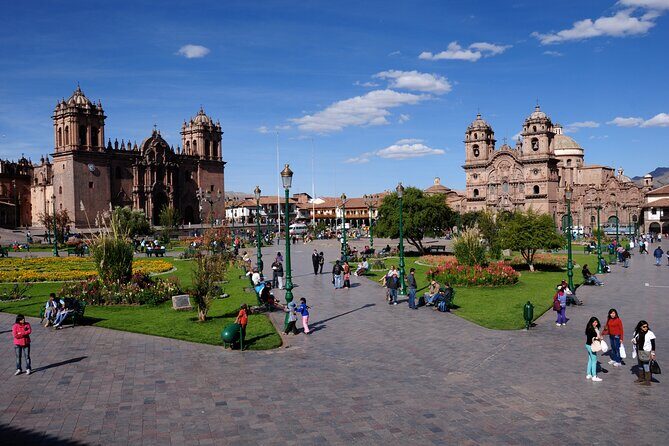
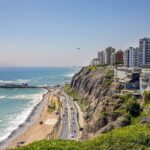
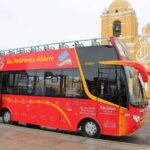
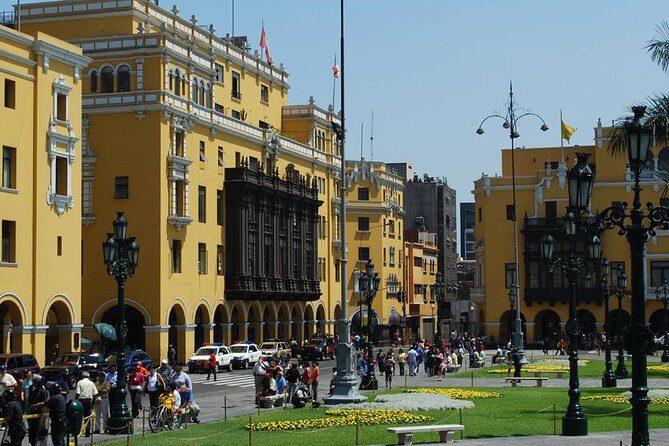
Your first day is built to get your bearings fast in a city with layers. After landing, you’re transferred to your hotel, then you head into Lima’s Historical Center with a tour that includes the Convent of Santo Domingo and Universidad Mayor de San Marcos—a reminder that Lima has been a political and intellectual hub long before modern tourism.
From there you cover the big public squares: Plaza Mayor, the Government Palace, the municipality, and the Cathedral of Lima. It’s a strong start because these places are the geographic “center of the story,” where colonial-era power and architecture sit right in the middle of the present-day city.
What I like most here is the pivot to the Larco Museum at the end of the day. You’ll see collections of gold artifacts, textiles, and ceramics—useful context if your real goal is ancient Peru rather than only colonial Lima. If you’re arriving from overseas, just watch your energy: museum time on day 1 can feel like a lot after travel.
Day 2 in Cusco: market morning, Qorikancha, and the Cathedral at Plaza de Armas
Cusco day 2 starts with a gentle intro that still packs in major stops. You arrive, do an airport meet and greet, then you’re transferred to your hotel. In the afternoon, you begin with Plaza de San Cristóbal for a panoramic overview—handy because Cusco’s layout can feel confusing until you’ve seen how neighborhoods stack up around the old center.
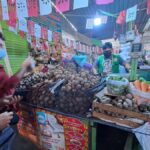
Then you hit San Pedro Market, which is one of the best ways to understand a place quickly. You’re not just browsing—you’ll absorb local flavors and learn more about products in the area. It’s a practical way to connect what you’re seeing later in temples and streets with real daily life.
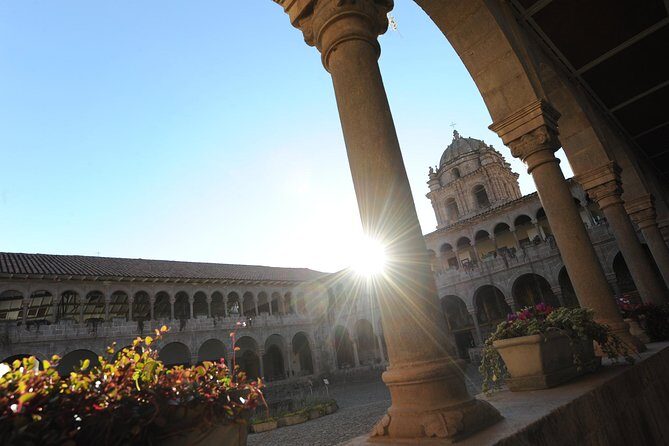
After that, the route turns very Inca. Qorikancha Temple is a must-visit stop: the walls that used to be covered in gold help you grasp how dramatic Inca wealth was before conquest reshaped things. From there you move through San Blas, the artisans’ neighborhood, then down the street of Hatun Rumiyoc—a line you’ll follow while seeing Inca Roca’s palace, today’s Archbishop’s Palace, and the Twelve Angled Stone.
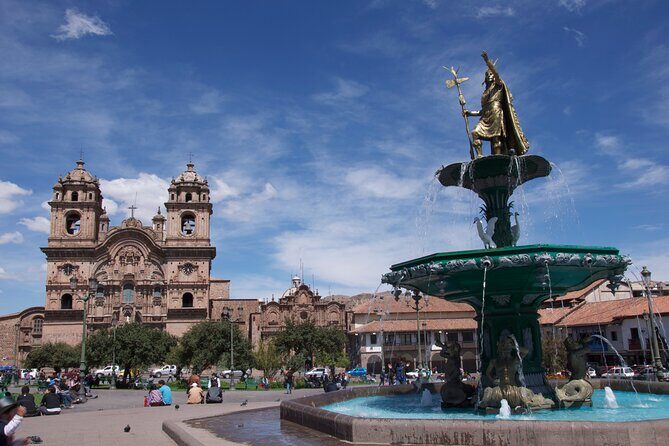
You wrap at Plaza de Armas, visiting the Cathedral, which houses colonial works of major value. If you like tours that explain why places matter (not just what you’re looking at), this day fits well because it links Inca and colonial layers without making you choose one.
Day 3 outside Cusco: Sacsayhuaman, Q’enqo, and the ritual-citadel rhythm
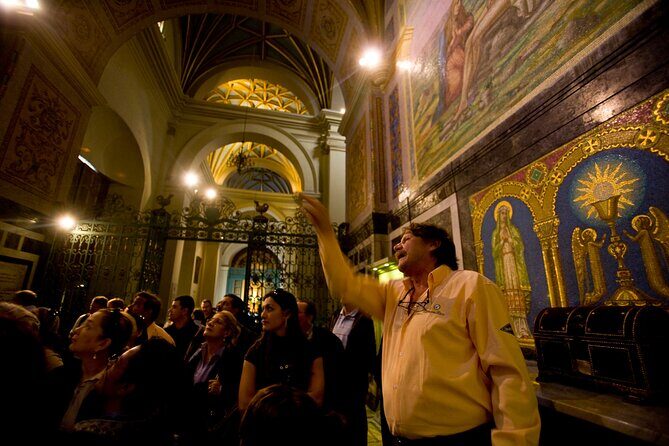
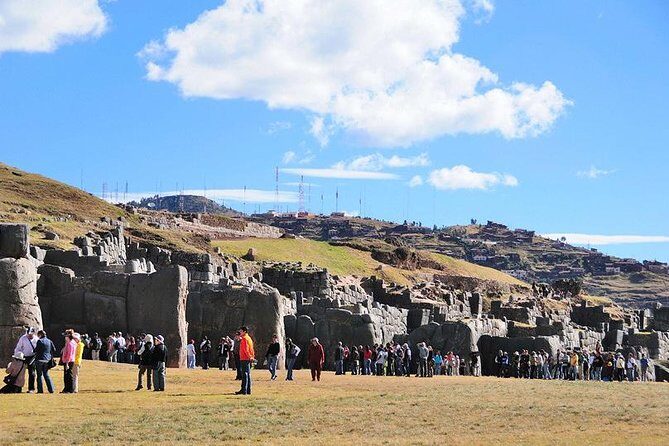
Day 3 is where the itinerary’s “crowd management” shows up. The plan explicitly leaves behind the crowds to visit Sacsayhuaman, an impressive citadel with colossal constructions and a setting that feels purpose-built. It’s not only about scale—this stop helps you understand how Inca engineering was tied to a wider sense of place.
After Sacsayhuaman, you continue to Q’enqo, an Inca adoratory with an altar for sacrifices embedded into rocky formation. That detail matters because it changes how you look at the rock itself. Instead of seeing ruins as “leftovers,” you start to see design intent.
Next comes Puca Pucará viewpoint and then Tambomachay, noted as an architectonic excellence tied to Andean cosmovision. You finish the day with a free afternoon, which is a smart setup. Use it to hydrate, take it slow, and acclimate rather than trying to cram extra activities on your most altitude-sensitive days.
Day 4 Sacred Valley: Chinchero weaving, Moray microclimates, and Ollantaytambo
This is one of the most satisfying days because it mixes culture and science-like Inca thinking with major ruins. You depart toward the village of Chinchero, famous for its weaving women, and you get a short stop at a textiles center to appreciate older techniques for dyeing and spinning alpaca wool. Even if you’re not buying anything, it’s a meaningful stop because it helps you read what you see later in markets and local clothing.
Then you continue to Moray, known for its concentric agricultural terraces, described as a place to recreate microclimates. That’s a fascinating idea for anyone who likes food, farming, or the way humans adapt to harsh environments. You get lunch during this day, which keeps the flow from turning into a long snack scavenger hunt.
After lunch, you visit Ollantaytambo, including Temple of the Ten Windows, the Bath of the Princess, and the Sun Temple. The itinerary notes that postcard photos come from the heights of Ollantaytambo—what matters, though, is that the ruins feel “built into daily life,” not like an isolated monument. You’ll also get lodging in the Sacred Valley area, which sets you up well for the Machu Picchu morning logistics.



Day 5 Machu Picchu: train, bus ride, and how the new visitor circuits affect you
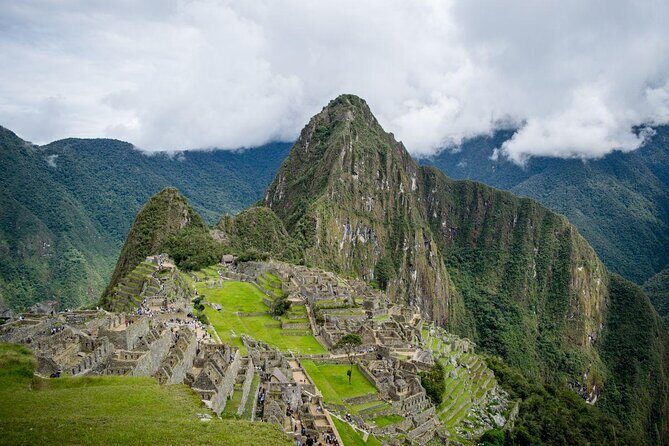
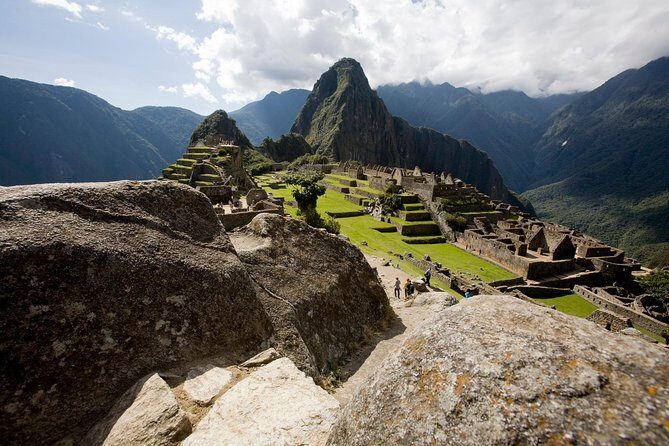
Machu Picchu is the headline, and this day is structured to get you there smoothly. You board at the Ollantaytambo station, take the selected train, and arrive at the Machu Picchu station. Staff assist you with boarding the bus up a winding road, with views of the Urubamba River running through a deep canyon.
Then you’re at the site: terraces, staircases, ceremonial areas, and urban zones. The itinerary describes the energy of the place, and the layout helps you understand why. It’s not random stonework—it reads like a planned city where natural contours and architecture work together.
You have lunch included, then return by train and transfer to your Cusco hotel for lodging.
Here’s the practical part you shouldn’t skip: Machu Picchu has new visitor circuits with three main route options. Route 2 is given priority; if it’s not available, you’ll be offered circuit 3B or circuit 1B, and you can confirm your decision before tickets are issued. Also, the Machu Picchu admission is not refundable, and date changes or amendments aren’t accepted. So lock your travel dates early and treat that ticket like a timed commitment.
Day 6 from Cusco region to Puno: Andahuaylillas, Racchi, and La Raya at 4,800 m
This day is a travel day that still feels like a “real Peru” day, not just transit. You leave by tourist bus toward Puno, passing along the Vilcanota River, then up toward the altiplano plateau of the Collao area.
Your first major stop is Andahuaylillas, at the Church of the Apostle St. Peter, often called La Sixtina de América. The reason it gets that nickname is the 17th-century mural paintings covering the walls and ceiling. It’s an excellent pause before the drive gets higher and longer.
Then you continue to Racchi, the Temple of the God Wiracocha, where columns and walls remain and help you picture how monumental the structure was in Inca times. After that, you reach the high point at La Raya (4,800 m)—a place described as the division of waters that feed river systems including those heading toward the Amazon basin. It’s a big moment in the day, and also where altitude can really test you. Keep your pace easy.
Lunch follows, then you visit the Pucará Site Museum before arriving in Puno and transferring to your hotel.
Day 7 Lake Titicaca: Uros floating islands and Taquile traditions
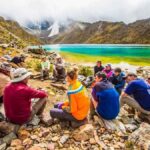
Day 7 is a different kind of experience—more water and community, less stone. In the morning, you board a motorboat to visit the Uros, a town of people who historically sought refuge inside Lake Titicaca. The key detail here is that the community continues building their islands using ancient techniques and you learn from the people who live there. It’s also stated that their way of life includes welcoming visitors, so interactions are part of the experience.
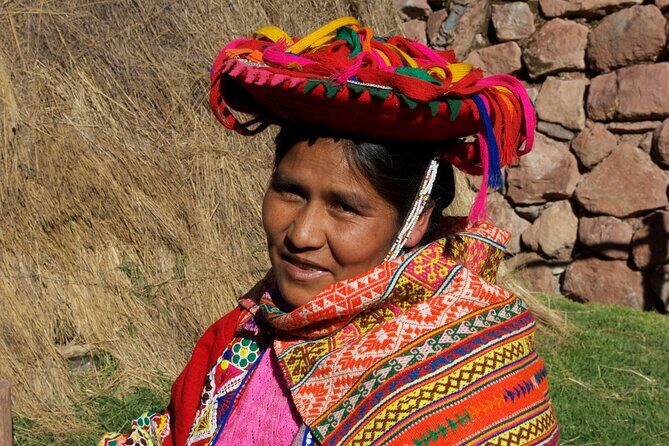
Then you sail onward to Taquile Island. The community on Taquile has maintained traditions, clothes, and way of life, and the tour highlights that it’s one of the few Quechua communities in a region that is essentially Aymara. You’ll experience music and dances, then enjoy lunch at a community restaurant—simple, but described as rich in nutrients.
After lunch, you take a walk around the surrounding areas to appreciate views of Lake Titicaca, then return to port and transfer back to your Puno hotel. This day is a nice balance after Machu Picchu and the Sacred Valley—your body gets a different kind of movement, and your eyes rest on water.
Day 8 departure: transfer to Juliaca airport (36 km from Puno)
The tour ends with a departure transfer from the Puno region to Juliaca’s airport. The key detail: Juliaca is 36 km from Puno, so plan your final timing like you would for any last-day transfer—don’t schedule flights too tight at the last minute. The end point is Inca Manco Capac International Airport in Juliaca.
Price and value: what you are (and aren’t) paying for
Let’s be honest about money. At $1,264 per person, you’re paying for a guided “chain reaction” tour: flights within Peru are partly your job, but hotels, entry tickets, and the Machu Picchu rail segment are covered.
Included that reduces your planning burden:
- airport-to-hotel transfers (start)
- shared transfer to the train station
- all admission tickets on the tours
- shared tours with an English-Spanish guide
- round-trip railway ticket to Machu Picchu according to your selected hotel category
- 7 nights of accommodation
- 7 breakfasts and 4 lunches
Not included (so you’ll need to budget separately):
- your flights Lima → Cusco and Juliaca → Lima
- airport taxes (international), plus Lima → Cusco and Puno totals of $32 per person
- food and drinks unless specifically specified
I think the value is strongest if you want to travel light on decisions. If you already love building your own route, the price may feel high. But for most people—especially first-timers—the cost is less about buying sights and more about buying stress reduction, plus covering the hardest logistics: Machu Picchu train timing and sequencing.
Altitude and timing: the two things that make or break your trip
This tour is doable for most travelers, but your preparation matters. The itinerary moves you through multiple high points: Cusco itself, plus the drive to La Raya at 4,800 m. The tour guidance specifically says to bring altitude medicine or ask a doctor before you depart if you tend to suffer from altitude sickness. I’d treat that as a serious suggestion, not a formality.
Timing is also strict for one flight segment: when booking Lima to Cusco, it must be in the morning, because arriving by noon is too late for the plan. And for confirmations, you must provide passport details (name, number, expiry, country) at booking time—otherwise your tour may not be confirmed.
Who this Peru tour is best for
This fits you well if:
- you want a structured itinerary with most essentials included
- you like having a guide explain what you’re seeing at major stops like Qorikancha, Sacsayhuaman, and Moray
- you want Machu Picchu without building the train-to-bus logistics yourself
- you prefer a small group (up to 15) over large coach chaos
It might be a tough fit if:
- you’re extremely altitude-sensitive and aren’t willing to plan for it
- you want total freedom to change Machu Picchu dates or circuit choices (because the ticket rules are strict)
- you have a very tight international flight plan that conflicts with the required morning Lima → Cusco timing
Should you book 8-Day Peru Ancestral Energies?
I’d book it if you want the classic Peru highlights—Lima’s core sights, Cusco with markets and Inca-colonial contrasts, Sacred Valley culture and ruins, Machu Picchu with a handled circuit process, and a Lake Titicaca day built around Uros and Taquile—all in one organized loop.
I’d hesitate if altitude is a known issue for you, or if your Machu Picchu visit date might change due to work or uncertain travel. For a smooth experience, commit early, pack smart for altitude, and make sure your Lima → Cusco flight arrives in the morning.
FAQ
Where does the tour start and end?
It starts at J Chavez Intl Airport in Lima, Peru and ends at Inca Manco Capac International Airport in Juliaca, Peru.
How long is the tour?
The itinerary is for 8 days (approx.).
What’s included in the price?
The tour includes transfers from the airport to hotels, a shared transfer to the train station, admission tickets on tours, shared tours with an English-Spanish speaking guide, the round-trip railway ticket to Machu Picchu, 7 nights of accommodation, 7 breakfasts, and 4 lunches.
Are flights included?
No. Flights Lima → Cusco and Juliaca → Lima are not included. The sales team can assist.
Are airport taxes included?
Airport taxes are not included. The tour lists $32.00 per person for international airport taxes, plus Lima → Cusco and Puno.
What meals are included?
You get breakfast (7) and lunch (4) included. Food and drinks are otherwise not included unless specified.
How many people are in the group?
This tour has a maximum of 15 travelers.
What do I need to know about altitude?
The tour advises that if you suffer from altitude sickness, bring medicine or ask your doctor for advice before you depart. The route also reaches high points like La Raya at 4,800 m.
How does Machu Picchu circuit selection work?
Machu Picchu uses visitor circuits. Route 2 is given priority, and if it’s not available you’ll be informed about alternatives (circuit 3B or circuit 1B) so you can confirm before tickets are issued.
Can I change my Machu Picchu date after booking?
No. The Machu Picchu admission ticket is not refundable, and date changes or amendments are not accepted. If you need a different visit date, you’d need to purchase a new entrance ticket.
If you want, tell me your travel month and whether you’re planning any extra days in Lima or Cusco, and I’ll suggest a smart add-on plan around the official 8-day rhythm.