REVIEW · CUSCO
City Tour in Cusco
Book on GetYourGuide →Operated by VIAGENS MACHU PICCHU SAC · Bookable on GetYourGuide
Cusco can feel big and chaotic fast. This half-day tour gives you a tight, smart route through the city’s most important Inca and colonial landmarks. I especially like the pairing of Qorikancha with the Cathedral, because you can actually see how old foundations became new places of worship. I also like the stop at Tambomachay, where the Inca hydraulic work is still in use today. One thing to watch: confirm your pickup spot and guide language ahead of time, since that can make or break a smooth start.
You’ll ride in an air-conditioned vehicle with roundtrip transport from most hotels, then get dropped back at your accommodation or at Plaza de Armas to keep exploring on your own. The route is built for people with limited time who still want the meaning behind the stones—not just photos.
This is a good match if you want a first taste of Cusco’s layers and you like walking on uneven archaeological ground. It’s also wheelchair accessible, so it can work for mobility needs—just keep expectations realistic for historic sites.
In This Review
- Key Things I’d Prioritize on This Cusco City Tour
- Cusco in Four Hours: How This Route Feels
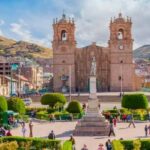
- Qorikancha and the Cathedral of Cusco: Inca Worship Meets Colonial Power
- Sacsayhuaman: The Ceremonial Fortress You Can Feel
- Qenqo’s Gloomy Ceremonial Center: A Different Kind of Atmosphere
- Puca Pucara: Cusco From Above (And Why It’s Worth the Climb)
- Tambomachay: The Oldest Functioning Water Fountains Stop
- Getting Around, Pickup, and Comfort Without the Headache
- Price and Value: Is $20 Worth It in Cusco?
- Who This Tour Suits Best (And Who Might Want a Different Plan)
- Should You Book This Cusco City Tour?
- FAQ
- How long is the City Tour in Cusco?
- How much does it cost?
- Which languages are available for the tour guide?
- Are admission tickets included in the price?
- Do you get hotel pickup and drop-off?
- Is the tour wheelchair accessible?
- What is the cancellation policy?
Key Things I’d Prioritize on This Cusco City Tour
- Qorikancha + the Cathedral: You’ll see Inca foundations topped by later colonial architecture.
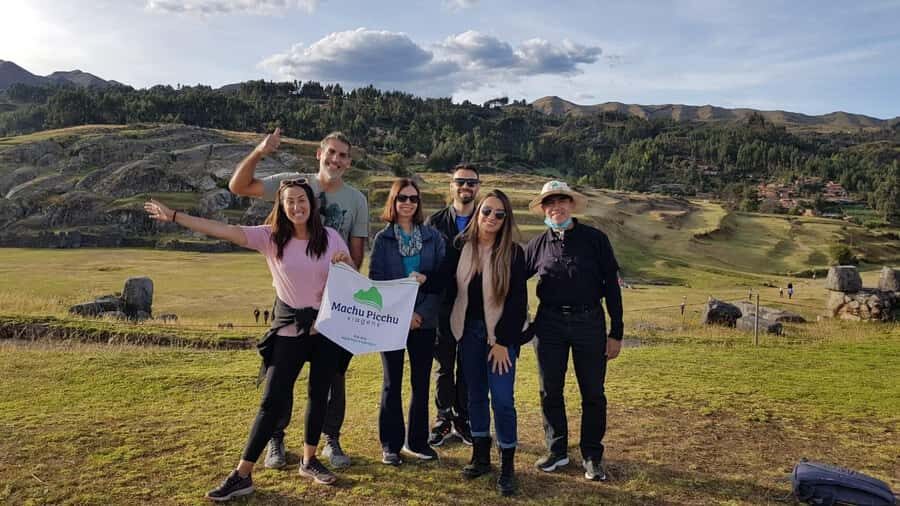
- Sacsayhuaman: A megalithic ceremonial fortress that shows Incan building skill at full scale.
- Qenqo: A gloomy ceremonial center tied to Inca ritual stories and the feel of sacrifice-era sites.
- Puca Pucara: Mountain viewpoints that put Cusco’s layout in front of you.
- Tambomachay fountains: One of the oldest functioning water sources, with irrigation channels still doing their job.
Cusco in Four Hours: How This Route Feels
This tour is designed like a highlight reel with actual context. You get a guided walk through Cusco’s historic center, then you move outward to viewpoints and nearby ceremonial sites. The big advantage is that you don’t have to plan much: you show up, get the route in order, and let a local guide stitch the story together as you go.
Four hours goes quickly in Cusco, especially because the city is high and the streets can be steep. You’ll be on the move enough to feel like you did something meaningful, but not so long that you lose your whole day. That makes it a solid option if you’re arriving, adjusting, or trying to fit sightseeing around Cusco’s other adventures.
You also have a built-in pacing choice: the tour ends with a convenient drop-off at either your hotel or Plaza de Armas. That matters because it lets you continue at your own speed rather than being stuck with a strict schedule.
You can also read our reviews of more city tours in Cusco
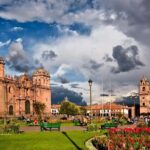
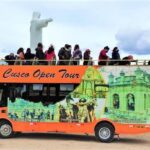
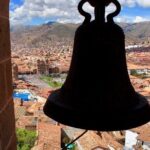
Qorikancha and the Cathedral of Cusco: Inca Worship Meets Colonial Power
The first major payoff is Qorikancha, often described through its role as the principal worship center for the Incas. On this tour, you’re guided through why the site mattered spiritually, and how the location’s power carried forward. Even if you don’t know much Incas history going in, the guide’s storytelling helps you understand what you’re looking at as a living layering of time.
Then comes the Cathedral of Cusco. The key idea here is that the Cathedral’s roots are anchored in an erstwhile Inca palace’s foundations. That’s not just a cool fact—it changes how you experience the place. You’re not seeing a random church. You’re seeing a colonial structure built on top of earlier significance, where architecture becomes a record of conquest, adaptation, and reuse.
What I like about this two-stop combo is how fast it clarifies the city’s main theme: Cusco is not one era. It’s a stack of eras. If your brain likes patterns, this is one of the easiest tours to follow because the theme stays consistent as you move between sites.
Possible drawback: this part of the tour can involve slower walking and crowd moments around major landmarks. If you’re sensitive to tight spaces, keep some patience for the central stops.
Sacsayhuaman: The Ceremonial Fortress You Can Feel
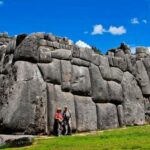
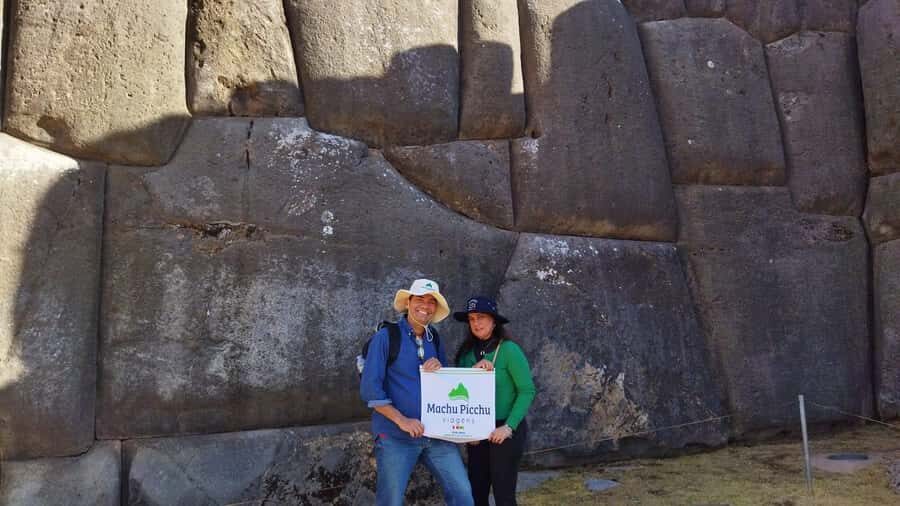
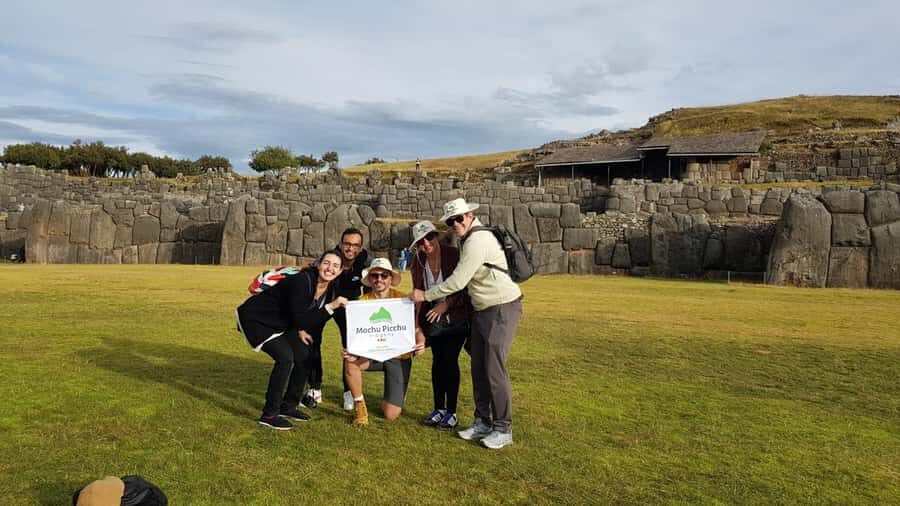
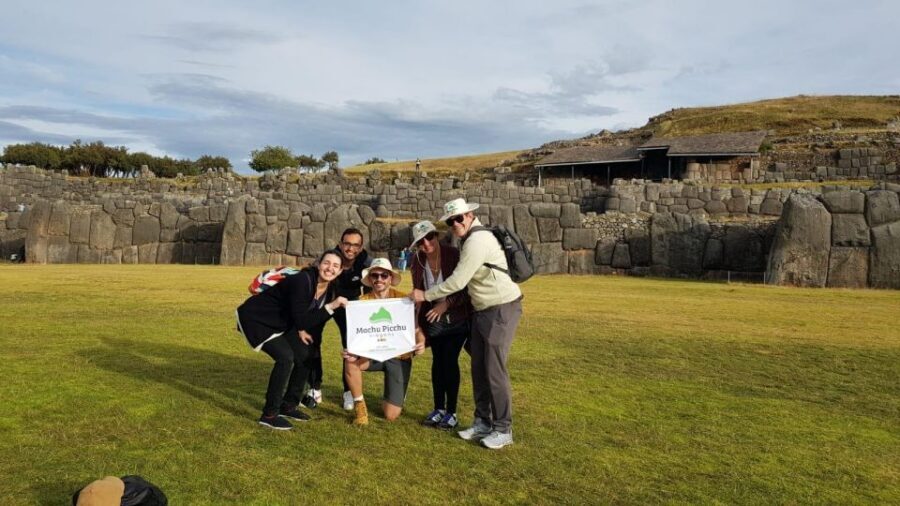
Next up is Sacsayhuaman, a ceremonial fortress built with massive Incan stonework. You’ll look at the structure as a megalithic statement of engineering and organization. Standing there, the scale tends to do what words can’t. It’s one thing to hear about Incan architecture; it’s another to see how huge blocks were shaped and arranged for a purpose.
This stop is valuable because it balances the earlier “sacred city center” feeling. You’re seeing a political and ceremonial site type that’s different in mood and function. It’s also a chance to get oriented: many people leave Sacsayhuaman with a better sense of how Cusco’s sacred sites relate to the surrounding terrain.
The tour keeps it grounded with a guide-led explanation, so you’re not just staring at stones wondering what it all means. You’ll walk away with an idea of why a fortress could also be part of ceremony and identity.
Qenqo’s Gloomy Ceremonial Center: A Different Kind of Atmosphere
Then you’ll head to Qenqo, described as a gloomy ceremonial center. That tone matters. Qenqo isn’t presented as a cheerful photo stop. It’s framed as a place tied to Inca rituals and sacrifices, so the experience feels more serious and reflective.
Even if you’re not into heavy religious history, this stop adds contrast. Your mind shifts from the “big walls and big views” energy at Sacsayhuaman to something more intimate and haunting. The guide’s stories help you connect the site’s design and setting to what people believed happened there.
If you prefer tours that keep a steady pace of meaning, this is one of the more memorable stops. If you’re chasing only Instagram-friendly viewpoints, Qenqo might feel slower or quieter than the sites built for wide scenic angles.
Puca Pucara: Cusco From Above (And Why It’s Worth the Climb)
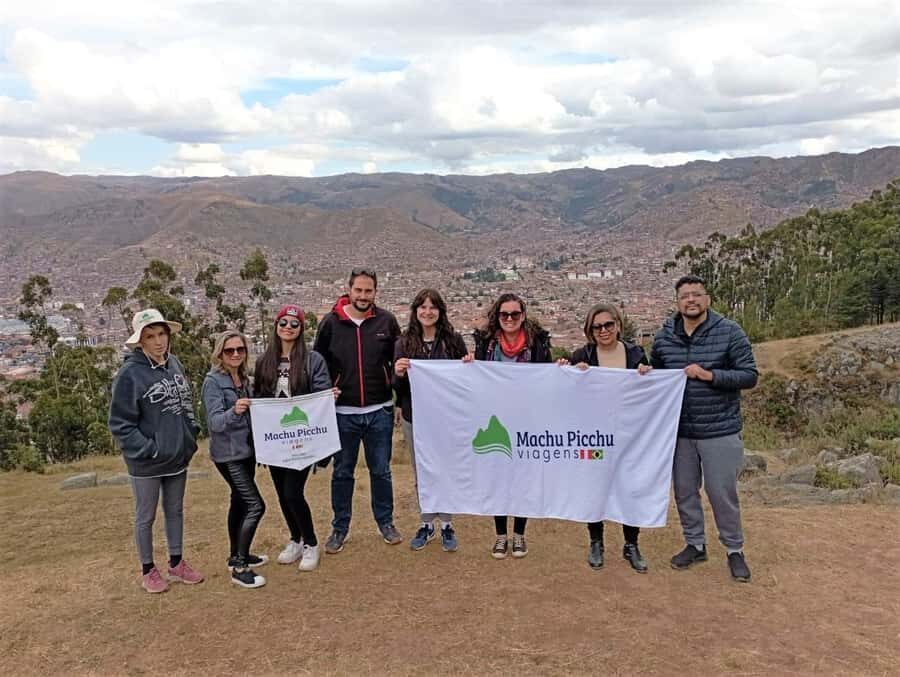
After the archaeological stops, you’ll go up to Puca Pucara for views of Cusco from above. This is a smart pivot in the tour because it lets your brain map what you just saw. In a city full of tight streets and uphill blocks, a high viewpoint helps you understand where the historic center sits in relation to the surrounding terrain.
This stop is also a morale boost. You’ve been walking, looking closely at stonework and ceremony sites, and then suddenly you get perspective. Even if you’ve seen photos of Cusco from viewpoints, getting the view within the context of your route makes it feel more useful than just scenic.
Practical note: expect wind and cooler air at elevation points. Wear layers if you run cold, and keep water handy—even though you’ll get a complimentary bottle, you may want more than one if you’re out in the dry season.

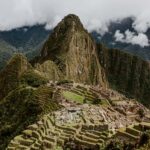

Tambomachay: The Oldest Functioning Water Fountains Stop
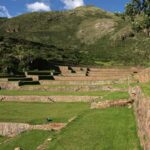
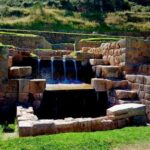
The final highlight is Tambomachay, where you’ll see the oldest functioning water fountains in the region. The tour focuses on Inca hydraulic engineering and explains the still-functional irrigation channels plus the trio of water fountains.
This is the kind of stop that rewards curiosity. Instead of only thinking about temples and fortresses, you’re shown how Inca design shaped daily life through water systems. Even if you don’t nerd out about plumbing design, you’ll likely appreciate the scale of the engineering and the practical logic behind it.
Why this matters for a city tour: water isn’t a side topic in Cusco. In a high-altitude environment, controlling water and managing flow affects everything. Tambomachay gives you a concrete way to understand that.
Getting Around, Pickup, and Comfort Without the Headache
This tour includes roundtrip transportation to and from most Cusco hotels. That’s a real value add because Cusco logistics can eat time fast if you’re hopping between scattered sites on your own. You’ll also ride in an air-conditioned vehicle, which is a comfort upgrade if the day is warm when you start out.
Language is also built into the setup. The guide is professional and certified, available in Spanish, English, or Portuguese, and there’s one bus per language. That structure is helpful because you’re not stuck with a mixed-language group where half the meaning gets lost.
One practical thing: confirm your pickup point and language preference before you leave your room. A reported issue involved confusion about where the group was meeting, and it affected a family whose goal was an in-school reinforcement of Inca topics. The guide Fernando was described as very helpful and polite in that situation, but the takeaway is clear: make sure you have the exact meeting location and know which language group you’re in.
Price and Value: Is $20 Worth It in Cusco?
At $20 per person for a 4-hour tour, the price is usually best understood as a package deal. You’re getting a certified guide, guided visits to multiple major sites (including Qorikancha, the Cathedral area, Sacsayhuaman, Qenqo, Puca Pucara, and Tambomachay), plus air-conditioned roundtrip transport and a complimentary water bottle.
Admissions are not included. So you’ll want to budget separately for entry fees once you’re on the ground. That said, even with add-on admissions, this kind of route tends to be good value because it saves you from paying for private transport between several stops.
The real value question is time. If you only have one half-day in Cusco, this tour can help you see a lot without spending hours planning. If you have several days and you love wandering, you might prefer a slower pace. But for first impressions and a structured overview, $20 is a fair entry price for a guided Cusco highlights run.
Who This Tour Suits Best (And Who Might Want a Different Plan)
This city tour is ideal for:
- First-time visitors who want the biggest Cusco icons in one morning or afternoon.
- People who prefer guided context, especially at sites like Qenqo and Tambomachay where meaning can be easy to miss without explanation.
- Families or groups who want a manageable walk-and-ride format in about four hours.
It’s not ideal if:
- You want lots of free time at each stop.
- You dislike steep streets and archaeological ground. Even with a vehicle, you’ll still do walking segments.
It’s also wheelchair accessible, which is a big plus. Still, historic sites can involve uneven terrain, so ask about the day’s route plan if you need extra clarity.
Should You Book This Cusco City Tour?
I’d book it if you want a fast, guided sampler of Cusco’s Inca and colonial story, with viewpoints and functional water engineering at the end. The combination of Qorikancha and the Cathedral makes the city’s layering easy to grasp, and Tambomachay is the kind of stop that turns a normal sightseeing day into something more memorable.
I’d hesitate or at least plan carefully if you’re very picky about language or pickup precision. Double-check your pickup details and confirm you’re assigned to the guide language you reserved. If you do that, you’ll likely get a lot of value for your time.
FAQ
How long is the City Tour in Cusco?
The tour lasts 4 hours.
How much does it cost?
It costs $20 per person.
Which languages are available for the tour guide?
The guide is available in Portuguese, Spanish, or English.
Are admission tickets included in the price?
No. Admission tickets are not included.
Do you get hotel pickup and drop-off?
Yes. Roundtrip transportation to and from most Cusco hotels is included, and you’ll be dropped off at your accommodation or at Plaza de Armas.
Is the tour wheelchair accessible?
Yes, the tour is wheelchair accessible.
What is the cancellation policy?
You can cancel up to 24 hours in advance for a full refund.