REVIEW · AREQUIPA
Arequipa: The White City Origins – Sillar Route Half Day
Book on GetYourGuide →Operated by Tangol · Bookable on GetYourGuide
White stone has a story in Arequipa. This half-day Sillar Route tour shows you the quarries and the artisan work behind the city’s famous white look. I love seeing the Pink Sillar area in the light, and I love the cultural context the guide adds about Arequipa and the people who shape this stone. The main drawback is simple: in just 4 hours you move fast, so if you only want one quarry stop, you might be better off going by taxi instead.
Hotel pickup from the historic center keeps things easy. You’ll walk around quarry paths and ravine walls, so bring sun protection and comfy footwear. Plan for some extra on-the-ground costs too, since not everything is included in the tour price.
In This Review
- Key things I’d watch for on the Sillar Route
- Why the Sillar Route is more than a quarry stop
- From your hotel to Añashuayco: the morning rhythm that works
- Inside the Añashuayco Quarries: Pink Sillar, workshops, and extraction
- Culebrillas Quarry and the walk toward Wari petroglyphs
- Price and logistics: what you pay, what you still need to cover
- What to bring for 4 hours of quarry walking
- Who this tour is perfect for (and who should skip it)
- Should you book the Arequipa White City Origins Sillar Route half day?
- FAQ
- How long is the Sillar Route half-day tour?
- What languages does the guide speak?
- Is hotel pickup included?
- What is included in the tour price?
- Are entrance tickets or other payments included?
- What should I bring?
- Is the tour suitable for children?
Key things I’d watch for on the Sillar Route
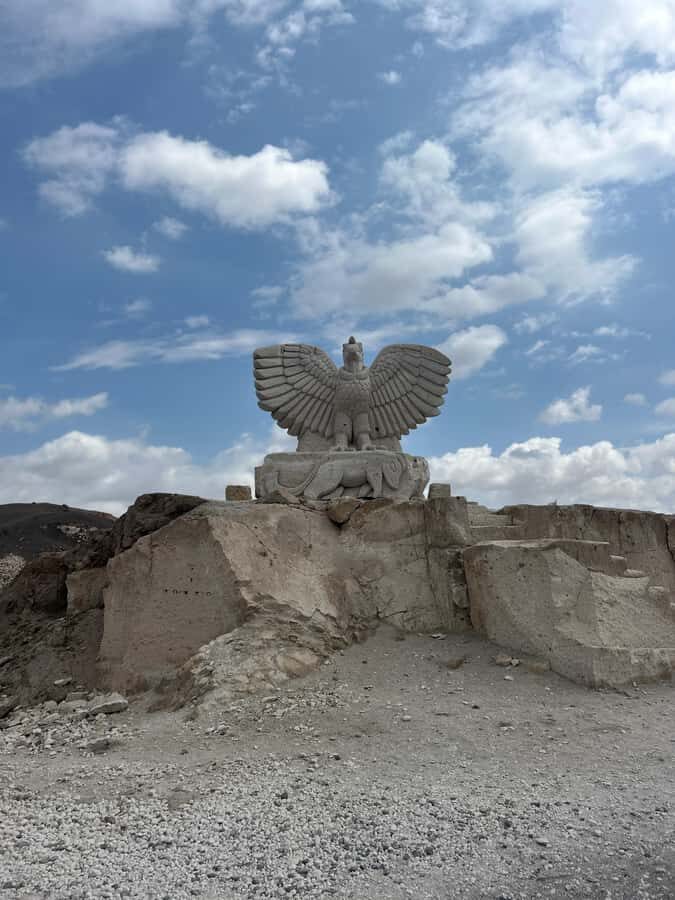
- Pink Sillar photos in real light at the Añashuayco Quarries, where color changes with sunlight.
- Two quarry styles in one morning: stone workshops at Añashuayco, then petroglyphs and ravine views at Culebrillas.
- Workshop access to ancestral tools and how sillar is extracted and worked.
- Wari petroglyph scale on quarry ravine walls, with animal drawings reaching about 30 meters high.
- Guides who connect stone to local life; Andreas and Fiorella are known for mixing craft facts with Arequipa culture.
Why the Sillar Route is more than a quarry stop
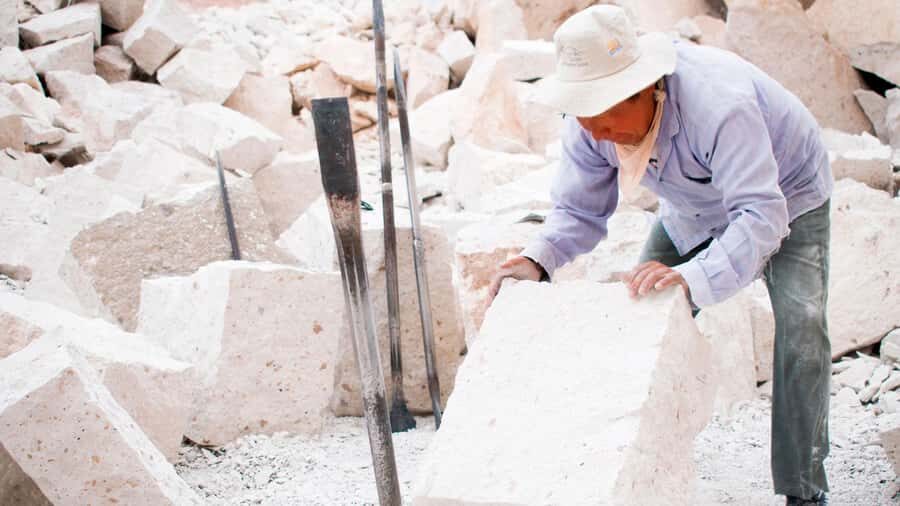
Arequipa earns its nickname for a reason. The city’s look is tied to the sillar stone, and this tour is built around showing where it comes from and how it turns into art and building facades you still see across town.
What I like here is that you’re not just staring at rock. You’re getting the human side: the stonecutters, the workshops, and the working rhythm of an industry that has shaped Arequipa’s identity long enough to become UNESCO heritage. Even if you’re not a “stone person,” the guide makes the connection feel practical—how material becomes architecture, and how local knowledge becomes tradition.
This is also a good first taste of the Arequipa region. You start in the city center, then head out toward Cerro Colorado and the quarries connected to the Chachani area and the Chili River. In four hours, you get a focused tour of the “white city origins” story without needing a full day.
You can also read our reviews of more city tours in Arequipa

From your hotel to Añashuayco: the morning rhythm that works
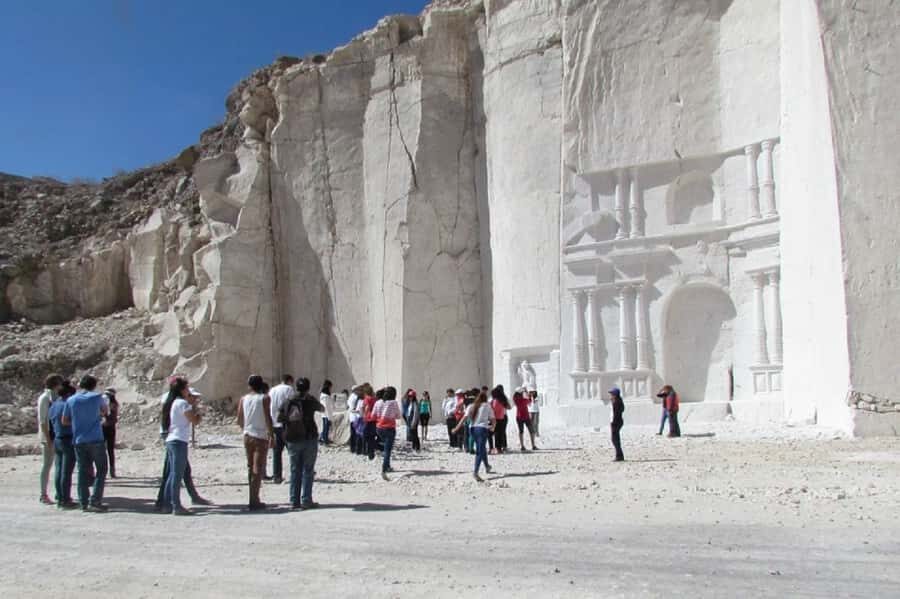
Morning pickup is included, and it’s geared toward convenience. Your pickup happens from centrally located hotels in Arequipa’s historic center, so you’re not burning time figuring out transport on your own. You should plan to be ready about 10 minutes early in the lobby so the group can depart on schedule.
Once you’re out of the city, the tour becomes a mix of walking and looking closely. At Añashuayco, you’ll get a clear feel for how the quarry setting shapes the work: the area sits at the foot of the Chachani Volcano and near the Chili River. That matters because quarrying and stone shaping are never purely “inside a workshop”—the environment influences what gets extracted, what can be carved, and how artisans plan their tools and labor.
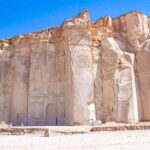
You’ll stroll through areas where master stonecutters work and you’ll see handcrafted pieces like colonial facades and carvings. Even if you’re not sure what you’re looking at, it helps to have a guide pointing out details. This is where the best guides like Andreas tend to shine—bringing you beyond the quarry basics into the larger story of Arequipa, its people, and its districts.
Inside the Añashuayco Quarries: Pink Sillar, workshops, and extraction
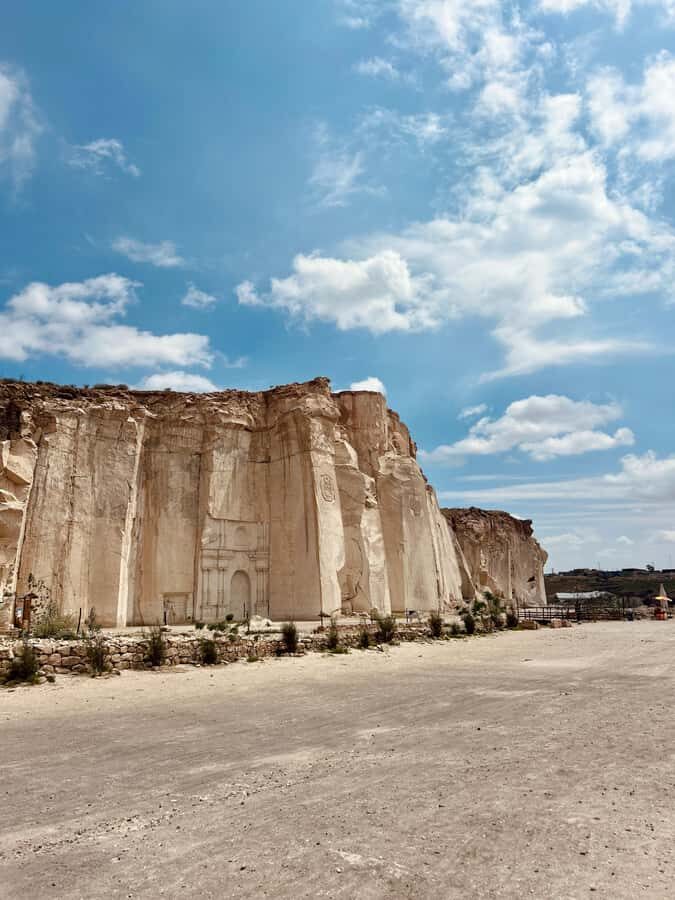
Añashuayco is the heart of the morning. This is where you walk through quarry areas and get the chance to appreciate how sillar is transformed by skilled hands, not just removed from the ground.
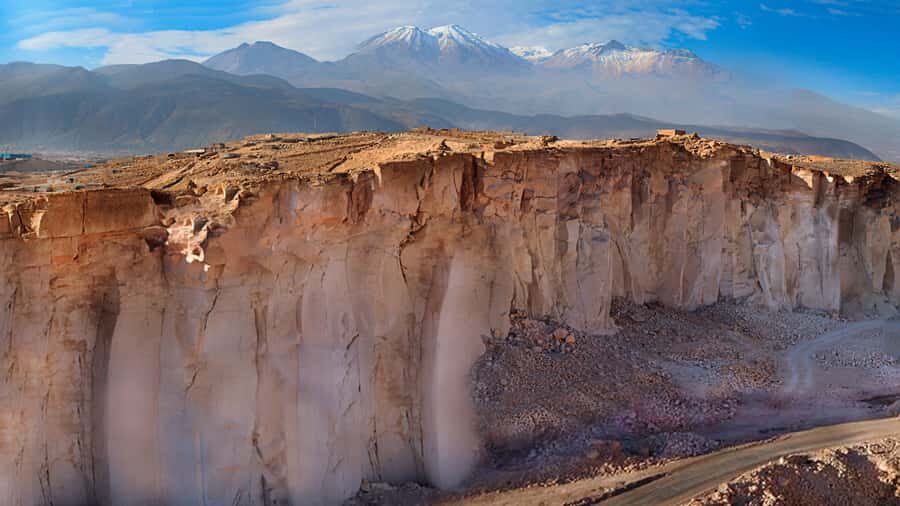
One of the most photogenic stops is the Pink Sillar area. The color you see isn’t random. It’s caused by the combination of sillar, sand, and rocks under strong sunlight, which means the shade can shift as the day’s light changes. If you want the best photos, wear sunglasses and pay attention to where the light hits the stone surfaces during your walk.
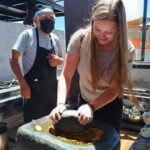
Next comes the workshop portion, and it’s the part I think gives this tour its value. You’ll visit artisan workshops to learn how sillar is elaborated using ancestral tools. That’s a rare opportunity if you’re used to seeing only finished products. Here, you witness the process—what tools get used, how the work is sequenced, and how artisans shape stone into architectural elements.
You also have a chance to observe the extraction process. That doesn’t just satisfy curiosity. It helps you understand why the stone looks the way it does and why certain designs fit certain pieces. If you like “how it’s made” experiences, this segment is the reason you book a guided route instead of skipping straight to one viewpoint.
Optional purchases are available, which can be nice if you want something small and locally made. Just remember you’ll want cash on hand, since not everything is included.
Culebrillas Quarry and the walk toward Wari petroglyphs
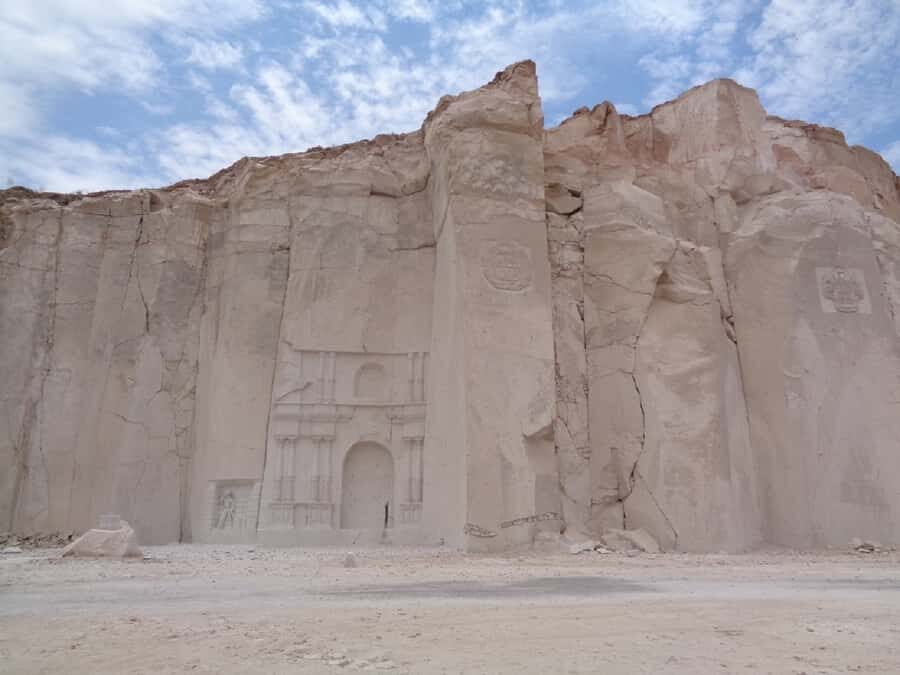
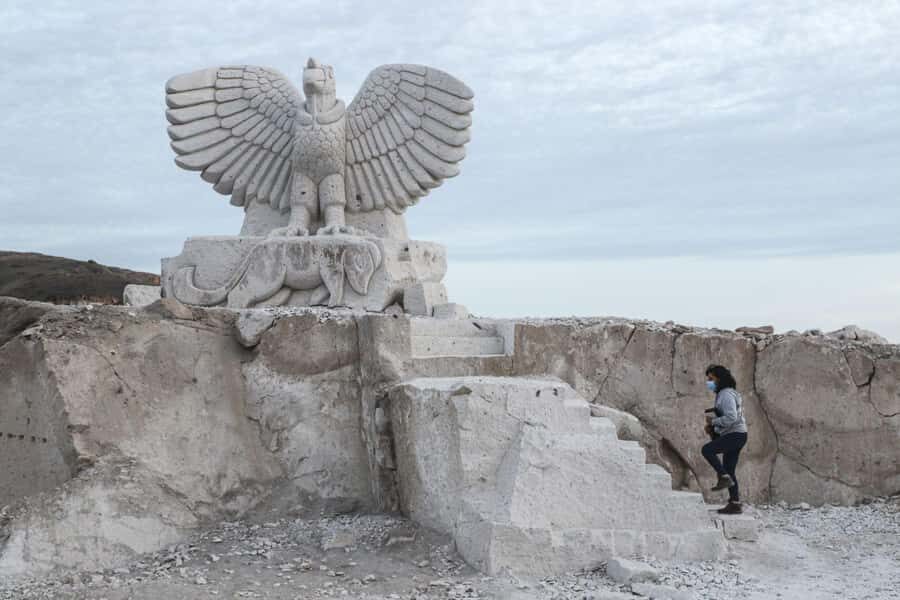
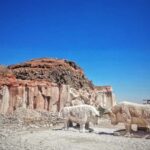
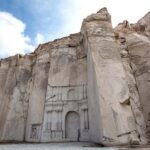
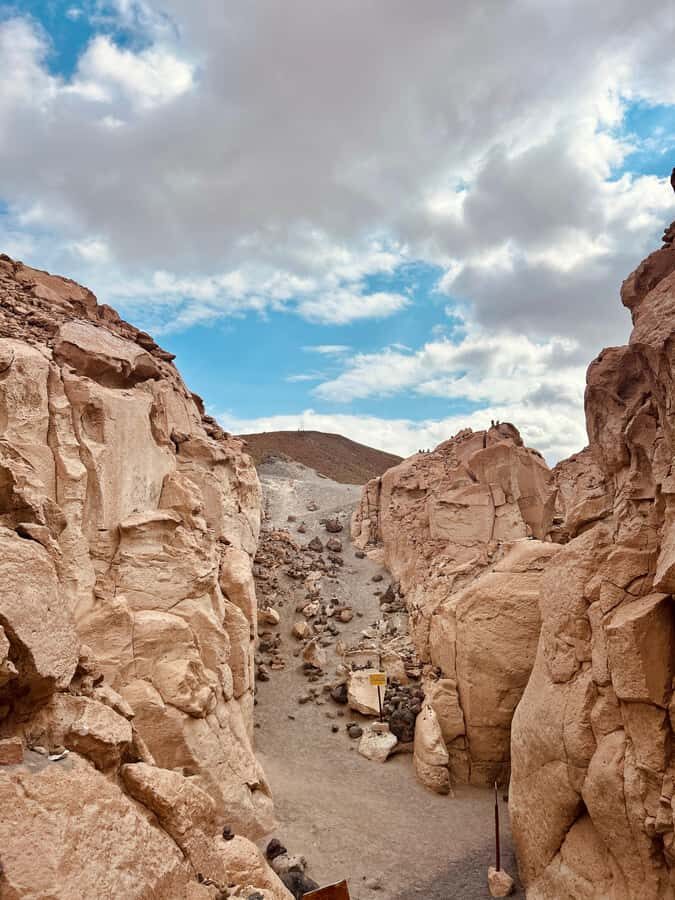
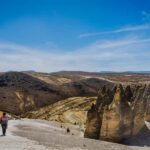
After Añashuayco, you’ll move to the Culebrillas Quarry. This stop feels different right away because the focus shifts from workshops to a striking ravine formed by water and wind erosion.
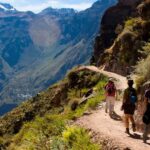
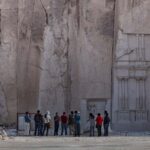
Here, you walk along narrow walls and take in the scale of the rock. This isn’t a “sit and watch” stop. It’s a moving perspective—step by step, you can see how the ravine shape creates viewing angles for the petroglyphs.
And the petroglyphs are the main event. You’ll observe drawings depicting animals such as birds, felines, and snakes. The heights can reach around 30 meters, so even if the drawings are simple at first glance, the scale is what really lands. The petroglyphs are attributed to the Wari culture, an Andean civilization that thrived between the 7th and 13th centuries AD.
This is one of those moments where a guide helps you avoid “guessing.” You’re given context so you can look beyond what you see and start thinking about why it was made and how it was meant to be seen. You also learn how sillar connects back to Arequipa’s heritage: the same stone you’re studying today became part of a city significant enough to be UNESCO-recognized.
Price and logistics: what you pay, what you still need to cover
The tour price is listed at $23 per person for a 4-hour half-day experience. For that, you get several key items that add up quickly on your own: a Spanish and English professional guide, transportation, and pickup from centrally located hotels in the historic center. There’s also a first aid kit and a covid kit included, which is reassuring in a practical way.
What isn’t included is important to budget for. You should expect entrance tickets (S/ 5.00 per person in local currency) and also payment to master cutters. The tour is also explicit that food and drinks are not included, so you’ll want to eat before or after.
If you’re doing the math, this tour tends to feel like good value when you want both quarry stops plus the artisan explanation in one package. If your goal is only a single quarry or you’re short on time, a taxi may be the leaner choice—as noted in one of the guides’ favorite comparisons. The moment you want context and a guided route that connects everything, the $23 price becomes easier to justify.
Also, think about the time factor. Four hours is short, but it’s long enough to do a meaningful circuit. If you’re deciding between “many small stops” and “one focused story,” this route leans toward the story.

What to bring for 4 hours of quarry walking
This is an outdoor walk, even though it’s only a half day. Your comfort will depend on basic gear and sun protection.
Bring:
- Passport
- Sunglasses
- Sunscreen
- Comfortable clothes
- Hat
- Cash
Shoes matter too, even if it’s not spelled out as a tip. You’ll walk around quarries and on narrow walls in an eroded ravine. Comfortable clothes are listed for a reason: you want freedom to move without fuss.
Also, keep hydration in mind even though drinks aren’t included. The listing doesn’t specify water, so plan on grabbing something in the city before pickup or after you return.
For families, the tour is suitable for all ages. Children 2 and younger are complimentary if they are sitting on a parent’s laps. If you’re traveling with kids, this is a good length because it’s not an all-day grind.
Who this tour is perfect for (and who should skip it)
This tour is ideal if you want a guided, structured overview of the white city origins story without spending a full day. You’ll like it if you care about process—how artisan work connects to quarry extraction and how finished sillar elements tie back to Arequipa’s identity.
It also suits first-timers to Arequipa. You get city-to-region context quickly, then a clear two-stop route that doesn’t require deep planning.
You might skip or adjust your expectations if:
- you only want to see one location and move on fast, or
- you hate walking and prefer minimal movement, or
- you don’t want to deal with extra on-site payments (entrances and master cutter fees).
The guide experience can make or break it, and this route seems to deliver strong guide energy. Andreas is described as precise and passionate, sharing not only the Sillar Route facts but also Peru culture, Arequipa, its people, and districts. Fiorella is mentioned as friendly, with a communicative good mood. If your idea of a great tour includes a human guide who connects details to local life, this one fits.
Should you book the Arequipa White City Origins Sillar Route half day?
I’d book this tour if you want the fastest meaningful way to understand why Arequipa looks the way it does. The combination of two quarries, the workshop access, and the chance to see Pink Sillar plus Wari-era petroglyphs makes it feel like more than a single-photo stop.
I’d think twice if you’re only chasing one quarry view or you’re trying to keep the budget ultra-tight, since you’ll likely add entrance fees and master cutter payments. And if you’re sensitive to sun or uneven ground, you’ll want to prepare properly with a hat, sunscreen, and comfy clothes.
If you’re visiting Arequipa for a short time and you want an authentic craft-and-stone story in one morning, this half-day route is a smart pick.
FAQ
How long is the Sillar Route half-day tour?
It lasts about 4 hours.
What languages does the guide speak?
The guide provides live interpretation in Spanish and English.
Is hotel pickup included?
Yes. Pickup is included from centrally located hotels in Arequipa’s historic center, and you should wait in the hotel lobby about 10 minutes before pickup.
What is included in the tour price?
The tour includes a Spanish and English professional guide, transportation, first aid kit and covid kit, and hotel pickup.
Are entrance tickets or other payments included?
No. Ticket entrances cost S/ 5.00 per person (local currency), and you may also need to pay master cutters. Food and drinks are not included either.
What should I bring?
Bring your passport, sunglasses, sunscreen, comfortable clothes, a hat, and cash.
Is the tour suitable for children?
Yes, it’s suitable for all ages. Children 2 and younger are complimentary if they sit on a parent’s lap.