REVIEW · SOUTH COAST
Cooking Class at La Plantation
Book on Viator →Operated by La Plantation · Bookable on Viator
Cooking in Cambodia should taste like Cambodia. This class does, with a Khmer cooking lesson tied directly to Kampot pepper and the ingredients people use every day. You cook in a small group, learn about spices you may not recognize, and end up eating what you made.
I especially like the pepper-farm focus before you hit the kitchen. It gives context fast, so the food isn’t just a recipe sheet. I also like that the class is designed for real participation, not watching someone else do all the work.
One consideration: the day runs as a group activity (max 10), so if you’re hoping for a totally quiet, solo-style cooking session, this won’t be that.
In This Review
- Key Things You’ll Appreciate at La Plantation
- Why This Khmer Cooking Class Feels Grounded in Kampot
- Price and Value: Is $36 Really Reasonable?
- The Morning Start at La Plantation: Pepper Farms and Spice Talk
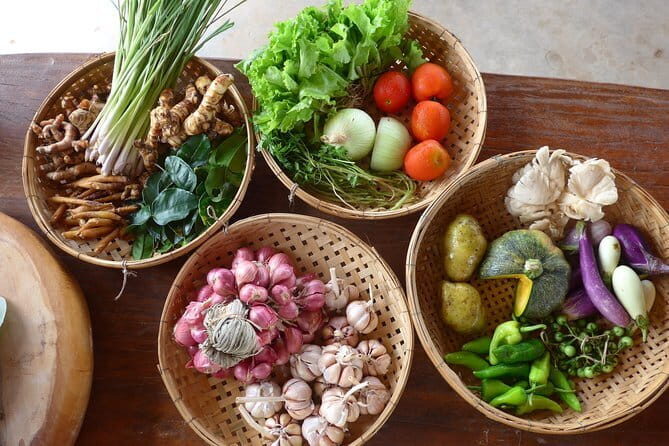
- Market Visit With a Guide: Choosing Ingredients Like Locals
- The Hands-On Cooking Block: Work Stations and Clear Instruction
- Lunch Made From Your Own Cooking (Plus Pepper Ice Cream)
- Small Group Size and Personalized Attention: Why It Matters
- Timing, Tickets, and Getting There Without Stress
- Who This Cooking Class Is Best For (And Who Might Want Something Else)
- Should You Book La Plantation Cooking Class in Kampot?
- FAQ
- What is included in the La Plantation cooking class?
- How long is the cooking class?
- How many people are in the group?
- How much does it cost?
- Where is the meeting point?
- What time does the class start?
- Is there a market visit?
- What kinds of dishes will you cook?
- Do I get recipes to take home?
- What if I need to cancel?
Key Things You’ll Appreciate at La Plantation
- A Khmer cooking class connected to Kampot pepper you can actually taste and talk about
- Small group size (up to 10) with more chances to handle ingredients and ask questions
- An ingredient intro at the pepper farm so you understand what you’re cooking with
- Market time with a guide geared toward how locals shop and choose produce and spices
- Lunch plus Kampot Pepper ice cream included, so you leave full and happy
Why This Khmer Cooking Class Feels Grounded in Kampot
La Plantation’s setup makes the meal feel earned. Instead of starting with a blank cutting board, you start with the plants and flavors that matter in Kampot. That pepper-first angle is the big difference here, because it connects the cooking to a local product with a real identity.
The class also works for food lovers who don’t just want to learn names of dishes. You learn how flavors are built—what to notice, what to balance, and how different spices change the direction of a dish. If you’ve ever tried to recreate a curry or stir-fry at home and couldn’t figure out what made it taste right, this kind of ingredient context is where the payoff usually is.
You can also read our reviews of more tours and experiences in South Coast.
Price and Value: Is $36 Really Reasonable?
At $36 per person, you’re paying for more than a cooking demo. You get a pepper-farm introduction, a guide-led market visit (as part of the experience), hands-on cooking with a small group, lunch based on what you prepare, plus a Kampot Pepper ice cream.
Value in Cambodia often comes down to two things: how much time you spend actively doing something, and how much of the day’s food is included. This experience hits both. It’s about two hours total, but it’s not just two hours of standing nearby.
There’s also a sneaky value boost: you’re learning ingredients tied to Kampot pepper. That means you can bring home more than a recipe. You can bring home a shopping and flavor approach for spices, which is what helps cooking stick after the trip.
The Morning Start at La Plantation: Pepper Farms and Spice Talk
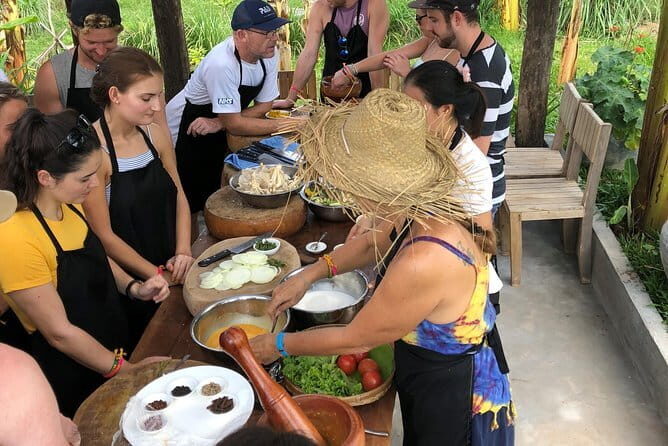
The class starts at La Plantation (meeting point back at the restaurant area at the end). The day begins with an introduction to spices grown on their pepper farm. This is where you get your bearings—what pepper means here, and why some spices show up in Khmer kitchens again and again.
Expect a guided explanation that’s meant to make cooking make sense, not just sound impressive. You’ll also get a pepper tasting during the experience, so you can connect what you learned to what you taste. If you’re the type who buys food souvenirs, this is the kind that’s actually useful later, because you can match flavors to ingredients.
If you care about timing: the start time is listed as 10am, but some schedules can run at 11am. Your confirmation should tell you the exact start for your date.
Market Visit With a Guide: Choosing Ingredients Like Locals
One of the smartest parts of this experience is the chance to see a local market through a guide’s eyes. The goal isn’t to turn it into a sightseeing checklist. It’s to help you understand what people look for when they cook.
You’re likely to notice that some ingredients aren’t obvious unless someone points them out and explains how they behave in cooking. That’s a huge advantage of doing this with a group and a teacher: you get language for ingredients you might not have heard of before.
This is also the moment where you’ll learn how Khmer flavor building works in real life. Not every dish uses the same spice mix, and market shopping is where those small differences start. Even if you don’t buy much, you’ll come away with better instincts.
The Hands-On Cooking Block: Work Stations and Clear Instruction
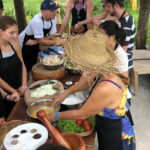
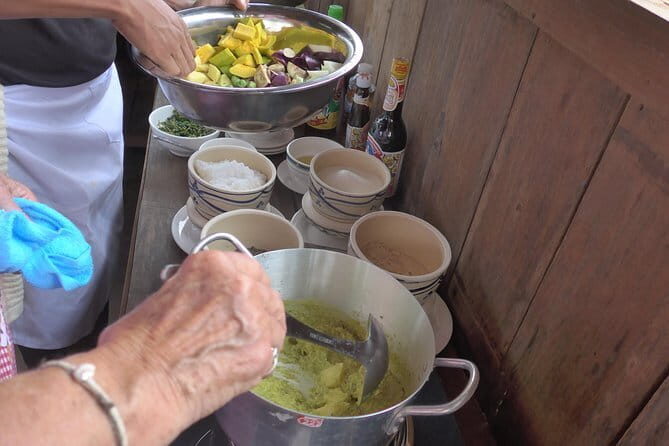
This is where the experience earns its reputation. Cooking class at La Plantation is set up for participation in a small group limited to 10 people. That matters because hands-on cooking is hard to do well when too many people crowd a single station.
The teaching is described as clear and instruction-focused. In at least one case, the class experience is credited to an instructor named Ning (spelling may vary), with assistance from a team member. That kind of ratio—one lead instructor plus helpers—helps when you’re chopping, stirring, or trying to understand heat and seasoning.
One practical detail that came up: sometimes cooking classes can feel a bit repetitive if everyone is stuck doing the same task. La Plantation has adjusted how cutting and prep work is shared, aiming to rotate roles more often so more people get to practice the fun parts, not just the waiting parts.
What you likely cook: traditional Khmer dishes, with class activity described as making three dishes in some sessions. Either way, the structure is hands-on and designed so you’re not just watching.
Lunch Made From Your Own Cooking (Plus Pepper Ice Cream)

After cooking, you enjoy your creation at lunch time. This part sounds obvious, but it’s worth calling out: eating what you cooked is one of the best ways to lock in learning. You can taste your dish immediately and adjust your understanding of flavor balance right there, instead of later guessing how it came together.
Then you also get Kampot Pepper ice cream included. That’s not just a sweet add-on. It’s a quick, memorable way to experience pepper as more than a savory ingredient. When pepper hits a dessert, it changes character, and that contrast helps you remember pepper’s complexity.
If you’re trying to pack your day well in Kampot, this is a big win. You’re not hunting for lunch after class. You’re finishing the experience fed, satisfied, and already in a food-mood that makes buying spices or pepper easier.
Small Group Size and Personalized Attention: Why It Matters
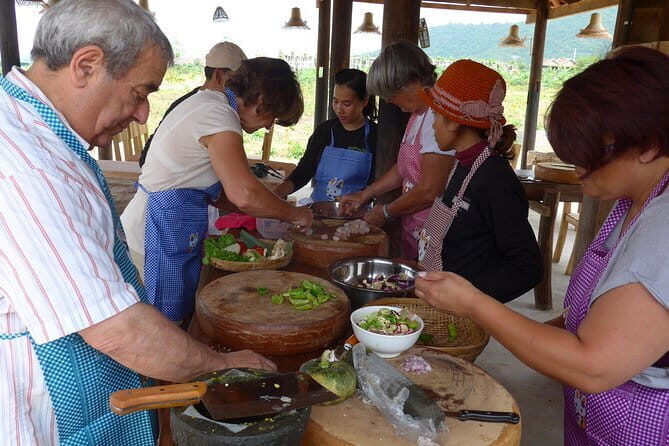
A max group size of 10 changes the feel of the class. You’re more likely to get personal attention when something isn’t quite working—too salty, not enough aroma, or a technique question that you don’t want to ask in front of a crowd.
The class is also set up to be social in a comfortable way. You’ll be cooking side-by-side, asking questions, and tasting along the way, which tends to make the experience better for solo travelers who want conversation without feeling trapped in a big group tour.
Timing, Tickets, and Getting There Without Stress

The experience uses a mobile ticket, which is helpful if you don’t want to worry about printing. Confirmation is typically received within 48 hours, subject to availability, so you’ll want to wait for that message before locking in other plans.
Where to meet: you start at La Plantation (Bosjheng village, Kampot). The exact address is provided via a location marker format, so save the meeting point in Google Maps (or the app you use). The activity ends back at the meeting point.
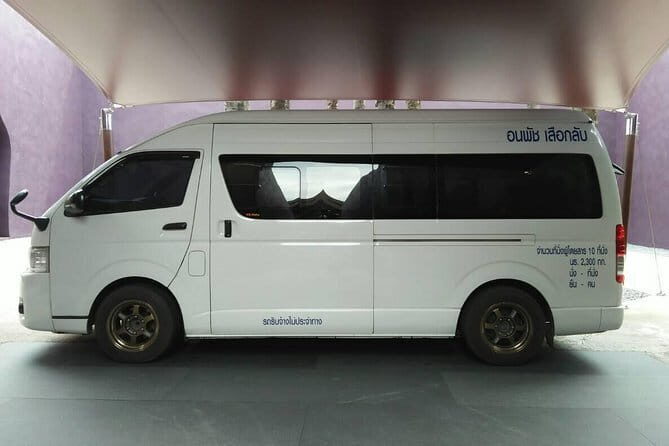
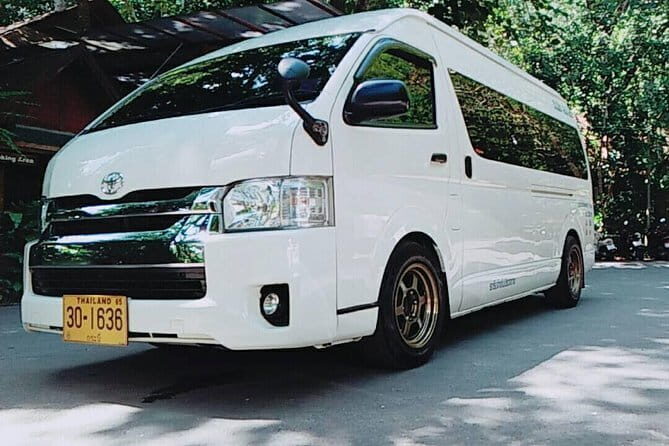
Pickup: the core meeting point is La Plantation, but there’s an optional extra pickup noted from Kampot town in some cases. If you’re basing your day in Kampot, it can be worth asking about pickup so you’re not figuring out transport mid-morning.
One small comfort note: bathroom facilities have been mentioned as needing improvement, and upgrades were noted as planned for September. If comfort is critical for you, it’s not a bad idea to use facilities before you start cooking.
Who This Cooking Class Is Best For (And Who Might Want Something Else)
This class is best for you if:
- you want a hands-on Khmer cooking experience rather than a passive demo
- you like learning what ingredients actually are, not just following steps
- you’re interested in Kampot pepper and want to connect it to cooking
- you want lunch included, plus a food souvenir in the form of pepper insights
You might choose differently if:
- you want a private cooking session with lots of one-on-one coaching
- you’re short on time and need something faster than an approximately two-hour block
- you’re sensitive to shared group kitchen setups where everyone participates at once
Should You Book La Plantation Cooking Class in Kampot?
Yes, I think you should book it if you’re planning a food-focused day in Kampot and you want real learning, not just a stylish meal. The combination of pepper-farm introduction, market time with a guide, hands-on cooking in a small group, lunch, and Kampot Pepper ice cream makes this good value at $36.
The decision is easiest if you like three things: spices, cooking you can repeat at home, and the idea of pairing an ingredient story with the final plate. If that’s your style, this is one of the more practical, satisfying ways to spend a morning or late start in the South Coast area.
FAQ
What is included in the La Plantation cooking class?
You’ll get an introduction to spices grown on their pepper farm, traditional Khmer cooking hands-on, lunch based on what you prepare, and Kampot Pepper ice cream.
How long is the cooking class?
The duration is about 2 hours (approx.).
How many people are in the group?
The class is limited to a maximum of 10 travelers.
How much does it cost?
The price is $36.00 per person.
Where is the meeting point?
You meet at La Plantation (Bosjheng village, Kampot, Cambodia) and the experience ends back at the same meeting point.
What time does the class start?
The class is listed as starting at 10am. You should confirm the exact start time in your booking confirmation, since some schedules may run differently.
Is there a market visit?
Yes, the experience includes exploring a local market with a guide as part of the overall activity.
What kinds of dishes will you cook?
You’ll learn to cook traditional Khmer dishes. Some sessions are described as making three dishes.
Do I get recipes to take home?
Yes, you can bring recipes home.
What if I need to cancel?
Free cancellation is available up to 24 hours before the experience starts for a full refund.
If you want, tell me your travel dates and whether you’re staying in Kampot or Kep, and I’ll help you plan the best timing around this class.