REVIEW · PUCARA PERU
From Cusco: Titicaca lake with the route of the sun in 2 day
Book on GetYourGuide →Operated by Libertrek Peru Travel Agency · Bookable on GetYourGuide
Puno on Lake Titicaca starts with an Inca road trip. This two-day route links Cusco and Puno using the Route of the Sun with guided stops at major sites before you reach the lake by boat. I like the way it combines big-name highlights with real-world detail, especially the Uros reed islands and Taquile textiles. One thing to keep in mind: it is an early, busy schedule, and the lake day can feel less flexible than you might hope if you want lots of choices on the water.
On day 1, you’ll move through Andahuaylillas, Raqchi, and Pucará with a guide, plus a lunch stop built into the plan. On day 2, you’ll get a structured boat tour from Puno, including time on both island stops, with a return back to port around mid-afternoon. If you’re sensitive to cost-to-value tradeoffs, read carefully how meals and any on-island options are handled so there are no surprises.
In This Review
- Key Things I’d Watch For
- Day 1: Cusco to Puno via the Route of the Sun
- Andahuaylillas’ Sistine Chapel: Art in an Inca Andes setting
- Raqchi (Temple of Wiracocha): When a ruin feels like a story
- Lunch between monuments
- Paso de la Raya and the Nevado de Chimboya photo break
- Pucará’s Lítico Museum: Ceramics, zoomorphic figures, and Hatun Aqac
- Arrive Puno around 5 pm
- Day 2: Lake Titicaca from Puno to Uros and Taquile
- Uros floating islands: reeds, history, and how people live
- Taquile Island: textiles and traditions you can actually recognize
- Lunch on Taquile and the one item to double-check
- Back to Puno by 4 pm
- Price and Logistics: Is $158 a good value?
- Organization and Timing: What you can expect day to day
- Who This Tour Fits Best
- Should You Book This Cusco to Puno + Titicaca Two-Day Tour?
- FAQ
- What is the duration of the tour?
- Where does the tour take place?
- What is the pickup time in Cusco?
- What stops are included on the Route of the Sun day?
- What time do you arrive in Puno on day 1?
- What is the pickup time in Puno on day 2?
- Which islands will you visit on Lake Titicaca?
- Is lunch included?
- What is included in the price?
- What should you bring?
Key Things I’d Watch For
- 6:30 am departures both days means you’ll want an early night in Cusco and Puno
- Sistine Chapel of Andahuaylillas is the standout stop for art detail, not just ruins
- Nevado de Chimboya photo stop is short, so have your camera ready
- Pucará’s Lítico Museum adds context beyond the usual Cusco routine
- Uros vs. Taquile: reeds for daily life and fishing culture, then textiles and community traditions
- Included meals can reduce decision fatigue, but double-check what day 2 covers
Day 1: Cusco to Puno via the Route of the Sun
Day 1 starts with a 6:30 am pickup from your Cusco hotel. You transfer to the bus station, then settle in for a long but worthwhile ride. What makes this leg different from a basic transport day is the number of stops with a guide, so you’re not just watching scenery go by—you’re learning what you’re seeing.
You can also read our reviews of more tours and experiences in Pucara Peru.

Andahuaylillas’ Sistine Chapel: Art in an Inca Andes setting
Your first major stop is the Sistine Chapel of Andahuaylillas, a 17th-century church famous for murals and painted panels that people sometimes call the Sistine of the Andes. Even if you’re not a museum person, I think this works because the details are the point. You get color, religious art, and the feeling of how faith and culture mixed in the Andes over time.
Practical note: dress warm enough for churches, and don’t assume it will feel like warm Cusco streets. A comfortable jacket pays off.
Raqchi (Temple of Wiracocha): When a ruin feels like a story
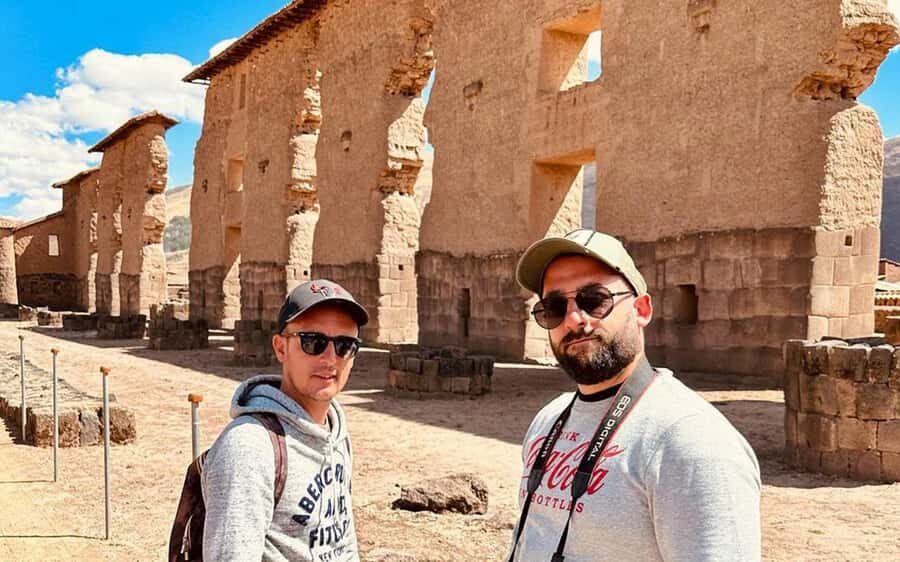
Next comes Raqchi, also known as the Temple of the god Wiracocha. The site gives you a sense of the Inca religious worldview without needing a PhD. The guide’s explanations matter here, because the value isn’t only architecture—it’s meaning: who Wiracocha was, and why sites like this carried weight.
Expect a good chunk of time here, long enough to look closely instead of just checking a box.
Lunch between monuments
At noon, you’ll have a buffet lunch at a tourist restaurant with national and regional options. This is one of those “small” inclusions that actually saves energy. You’re on the road all day, so a set meal beats hunting for food at each stop.
If you’re picky: pick safe items first, then try local dishes you’re comfortable with. Also, keep water handy.
Paso de la Raya and the Nevado de Chimboya photo break
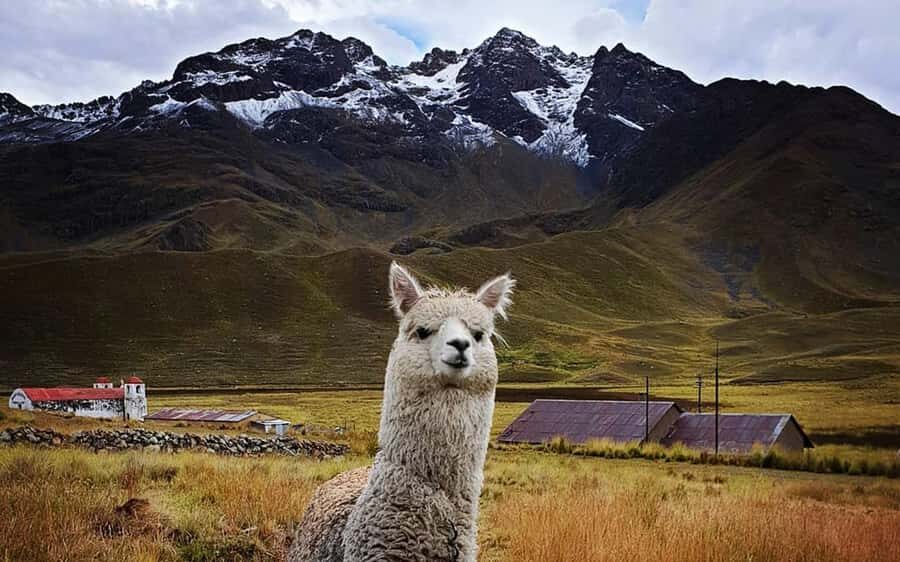
Later you reach Paso de la Raya, the border area between Cusco and Puno. It also puts you near the famous Nevado de Chimboya. The photo stop is only about 7 to 10 minutes, so this is not the moment for a slow walk and serious framing.
My advice: decide in advance where you want to stand, then get the shot. If you want a second photo, move quickly. This stop is about views, not lingering.
Pucará’s Lítico Museum: Ceramics, zoomorphic figures, and Hatun Aqac
The final stop on day 1 is the Lithical/Lítico Museum of Pucará. The museum covers a long stretch of time (from roughly the 1600s BC to 400 AD, based on the information you’re given) and it focuses on artifacts like ceramics and sculptures. What caught my attention in how this is described is the emphasis on zoomorphic figures—animal-related forms that help you see how people thought and symbolized their world.
You’ll also hear about the famous sculpture named Hatun Aqac, described in your tour materials as something like the supreme cutthroat. Even if the translation lands a bit strangely, the main point is clear: the guide will connect the object to culture and imagery, so you don’t just see “stuff in cases.”
Arrive Puno around 5 pm
By about 5:00 pm, you reach Puno. You’ll spend the night in a hotel on your own—this tour includes the hotel transfer from the Puno terminal, but not the room itself. Plan an easy evening: get your feet up, eat something simple, and prepare for the next morning’s early start.
Day 2: Lake Titicaca from Puno to Uros and Taquile
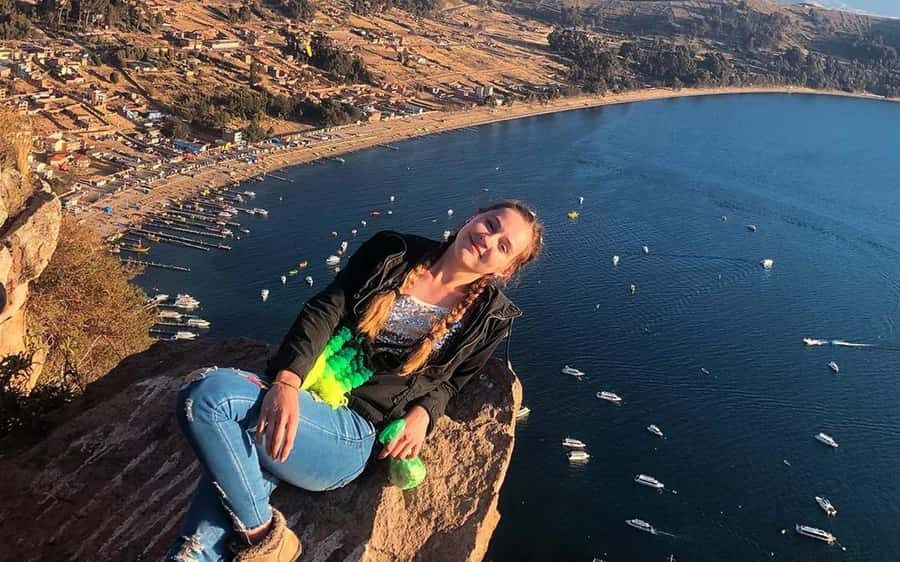
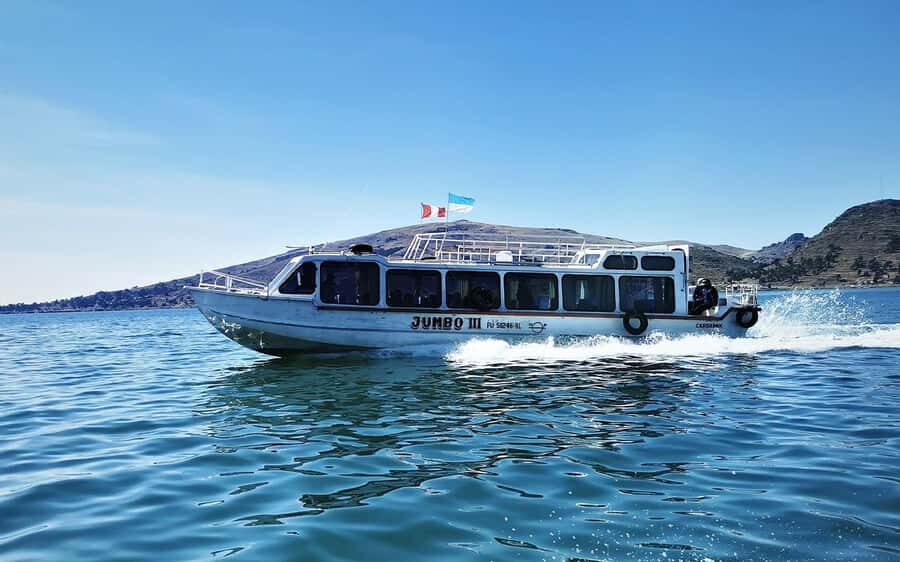
Day 2 begins with a 6:30 am pickup from either the bus station or your hotel in Puno. Then you head to the port for Lake Titicaca. The tour focuses on boat time and island visits, and it’s timed so you’re back at the port by about 4:00 pm.
Lake Titicaca is often called the highest navigable lake in the world, and even if you’ve seen photos, the height and the water tone can feel striking. This is a full morning and early afternoon, so bring the right layers again.
Uros floating islands: reeds, history, and how people live
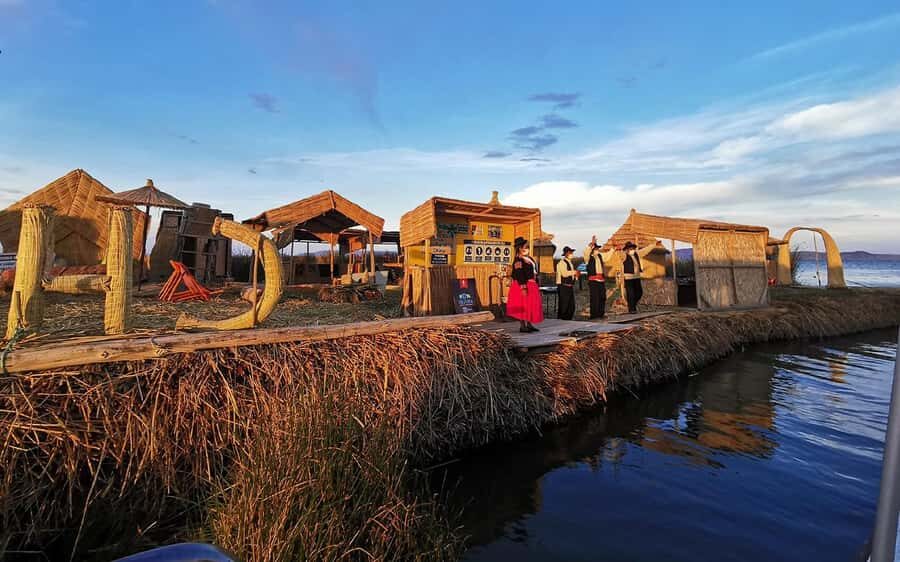
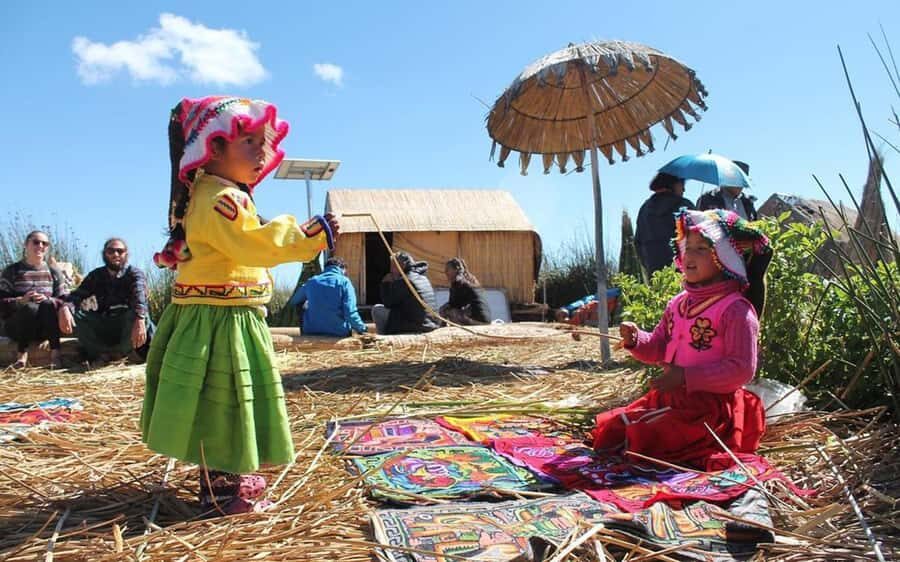
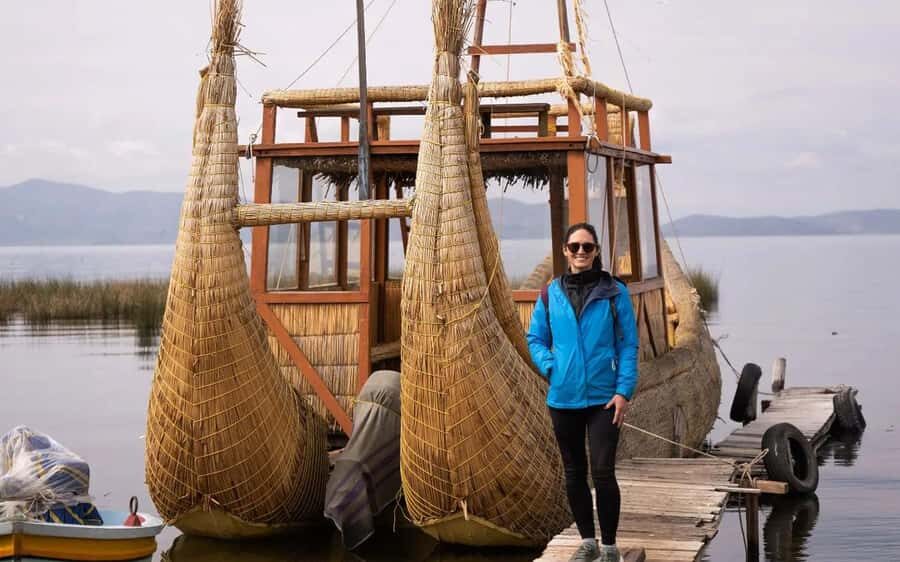
You board a boat and first visit the floating islands of Los Uros. These islands are made of reeds, and the guide explains the history and the economic system behind the community. This is the portion you’ll likely remember most because it mixes something immediate and human (daily life and crafts) with a deeper story (why this tradition developed and how it’s sustained).
You’ll also learn about customs and see crafts firsthand. The Uros experience works best when you approach it respectfully and slowly. Watch what people do. Ask questions if you can. Don’t treat it like a quick photo stop.
Practical tip: reeds and boats can mean spray. Wear shoes you’re okay with getting damp, and keep your sun protection close.
Taquile Island: textiles and traditions you can actually recognize
After Uros, you travel by boat to Taquile. This stop is described as having great ethnic, cultural, and archaeological value, and the best part is the emphasis on customs that remain intact over time.
The key detail here is textiles. You’ll see that the men of the island do textile work with a level of skill described as so precise it makes the clothing impervious to water, with knowledge passed from generation to generation. Even if you’ve heard about Andean weaving before, this is different because you’re seeing it tied to community life, not only as a craft product.
What you can do best on Taquile is slow down and observe: how people interact, how they work, and how patterns connect to identity. If you love cultural details, this is your moment.
Lunch on Taquile and the one item to double-check
You’ll have a typical lunch of the area. Your tour info also says lunch day 2 is included, but in the day-by-day description it’s listed as not included. That mismatch happens, so do this simple thing before you go: confirm with your operator whether day 2 lunch is truly included, and what it likely includes.
No matter what, assume you’ll have less time to hunt for food once you’re on the island.
Back to Puno by 4 pm
You return to the port in Puno around 4:00 pm. That’s enough time to shower, sort photos, and grab dinner without feeling rushed, but not enough time to plan a late-night detour across town.
Price and Logistics: Is $158 a good value?
The price is $158 per person for two days. On paper, that can sound either like a deal or a mystery, depending on what’s wrapped in the total.
Here’s the value logic you can use:
- You’re paying for two-way transport between Cusco and Puno with multiple guided stops
- You’re also paying for entry tickets to the listed Route of the Sun sites
- Then you’re paying for port transport, a guided Lake Titicaca boat trip, plus entry tickets for the island visits
- Meals help too: day 1 includes a buffet lunch, and day 2 includes a lunch item in the package details (but confirm the mismatch)
So the key question isn’t just cost. It’s whether you want a guided, ticketed, pre-packaged plan versus building the same day from scratch. If you’d rather spend your energy learning and looking at monuments instead of coordinating rides and tickets, $158 often makes sense for this format.
Where you should be cautious: one past customer felt some options on the lake portion ended up compulsory rather than truly optional. I can’t tell you what that means on the ground for your date, but it’s a good reason to ask in advance:
- What’s included versus optional for food and activities on the islands?
- Are any “choices” actually built into the standard stops?
If you ask those questions early, you’ll protect the value.
Organization and Timing: What you can expect day to day
This is an early start tour. 6:30 am isn’t a suggestion; it’s part of how the schedule works. The payoff is that you get light and time for the key stops without rushing through everything at night.
The good news: multiple people were happy with how well the tour ran on schedule and how organized it felt. That matters on a route like this, because long road days plus a lake day can go messy fast when timing slips.
If you’re the type who hates stress, treat this as a “show up early, do what’s planned” trip. It rewards people who follow the rhythm.
Who This Tour Fits Best
This fits you if you want:
- A structured route from Cusco to Puno with meaningful stops
- A guided Titicaca day that includes both Uros and Taquile
- Fewer daily decisions, since transport and tickets are handled for you
You might want to skip or rethink it if:
- You dislike tight timing, especially the short 7–10 minute photo stop
- You need lots of free time on the islands to wander your own way
- You’re very sensitive to any add-ons or activities that feel mandatory, so you’ll want to confirm what’s included upfront
Should You Book This Cusco to Puno + Titicaca Two-Day Tour?
I think this is a solid booking if you want a guided, ticketed connection between Cusco and Puno plus a well-defined Lake Titicaca experience. The day 1 mix—Andahuaylillas, Raqchi, and Pucará—is a strong way to understand the Andes beyond a single city. Day 2’s split between Uros reeds and Taquile textiles gives you variety that feels more than just a cruise.
My final advice: book it if you’ll treat it like a plan, not like a menu. If you want freedom to choose every moment, email the provider first and confirm exactly what’s included on day 2 lunch and what choices exist on the lake day. With that done, you’ll likely come away with the kind of trip that feels efficient, not hurried.
FAQ
What is the duration of the tour?
The tour lasts 2 days.
Where does the tour take place?
It operates in Peru, covering the Puno Region, including the Cusco-to-Puno route and Lake Titicaca.
What is the pickup time in Cusco?
You’re picked up from your hotel in Cusco at 6:30 am.
What stops are included on the Route of the Sun day?
The day includes stops at the Sistine Chapel of Andahuaylillas, Raqchi, Paso de la Raya (photo stop near Nevado de Chimboya), and the Lítico Museum of Pucará.
What time do you arrive in Puno on day 1?
You arrive in Puno at approximately 5:00 pm.
What is the pickup time in Puno on day 2?
You’re picked up at 6:30 am from your hotel or the bus station in Puno.
Which islands will you visit on Lake Titicaca?
You visit the floating islands of Los Uros and then Taquile.
Is lunch included?
Day 1 includes a buffet lunch. For day 2, lunch is listed in the inclusions, but the day-by-day description also mentions lunch as not included, so it’s smart to confirm what is covered for your specific booking.
What is included in the price?
Inclusions include hotel pickup and transfers in Cusco and Puno, tourist transport with stops, professional guides (English and Spanish), entry tickets for the listed sites, land transport and a tourist boat on Lake Titicaca, and meals as described.
What should you bring?
Bring your passport, comfortable shoes, a sun hat, a camera, sunscreen, comfortable clothes, and cash.