REVIEW · CHINCHERO
From Cusco: Moray, Maras, and Salt Mines Half-Day Tour
Book on GetYourGuide →Operated by Sierra Travel · Bookable on GetYourGuide
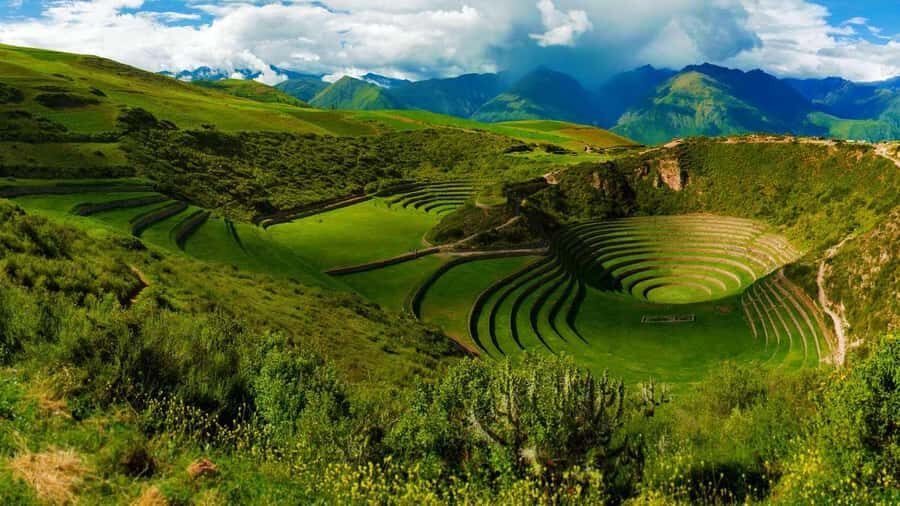
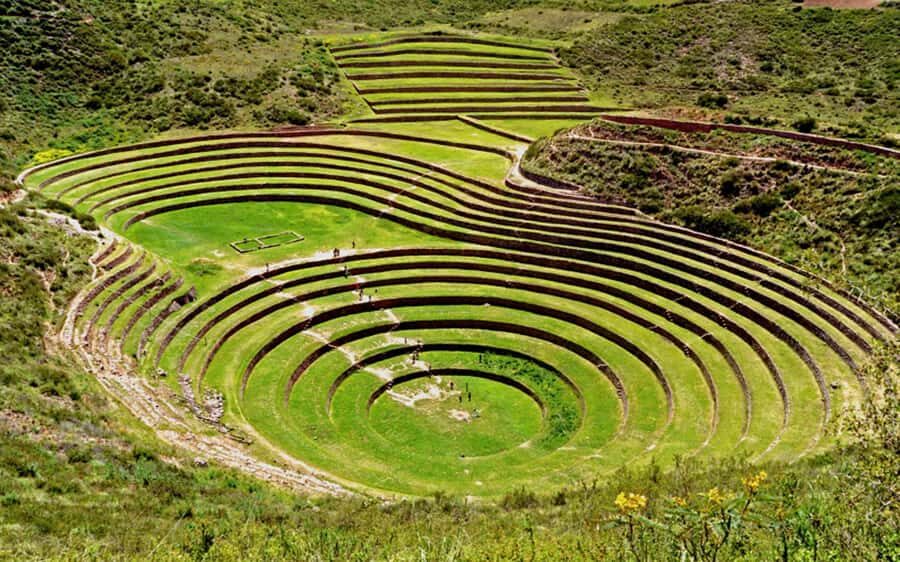
Moray’s terraces look like crop circles. On this half-day Sacred Valley run, I like how the Chinchero weaving workshop shows the everyday craft behind the Quechua tradition, and I also love how the Moray irrigation terraces make you stop and really look at how people engineered agriculture in the Andes. One thing to consider: this is a high-altitude day and you’ll be on your feet in multiple stops, so comfortable shoes matter.
You’ll do a classic Cusco-region circuit in about 6 hours: start in the Cusco center, ride out by van, and return the same day. The big payoff is the mix of hands-on culture (weaving) plus two of the most talked-about Andean sights—Moray and the Salineras salt pools—without needing a full-day itinerary.
In This Review
- Key points worth knowing before you go
- From Plaza Regocijo to the Sacred Valley: the 6-hour flow
- Chinchero at 3,762 m: weaving workshop and village time
- Moray’s terraced irrigation bowl: what to watch for
- Maras colonial architecture: a quick look with good photo angles
- Salineras salt mines: 3,000 pools and ongoing salt production
- Price and value: is $15 really enough?
- What to bring (and what to skip)
- Who this tour suits best
- Should you book the Cusco Moray, Maras, and Salt Mines half-day tour?
- FAQ
- Where does the tour start in Cusco?
- How long is the tour?
- Is food included?
- Do I need to pay entrance tickets?
- What languages is the guide?
- What should I bring?
- Is the tour suitable for wheelchair users?
Key points worth knowing before you go
- Chinchero weaving workshop with Quechua tradition and natural plant dyes for color
- Moray’s terraced irrigation system that you’ll view with a guided explanation
- Maras photo stop focused on preserved colonial architecture and fine stone buildings
- Salineras salt mines at work: about 3,000 small salt pools plus ongoing salt production
- Elevation watch: Chinchero is at 3,762 meters, so plan for a slower pace
From Plaza Regocijo to the Sacred Valley: the 6-hour flow
This tour is built for people who want a lot of Sacred Valley sights in one morning/afternoon block. You start at Plaza Regocijo in Cusco and head out by van, with a total duration of about 6 hours including stops.
The pacing is fairly direct: photo and village time in Chinchero, then guided time at Moray, then a Maras stop for the built heritage, and finally the Salineras salt pools. It’s not “stay all day in one place” travel. It’s “see the key places fast” travel, and that can be a good fit if you’re short on time or still pacing your altitude acclimation.
Chinchero at 3,762 m: weaving workshop and village time
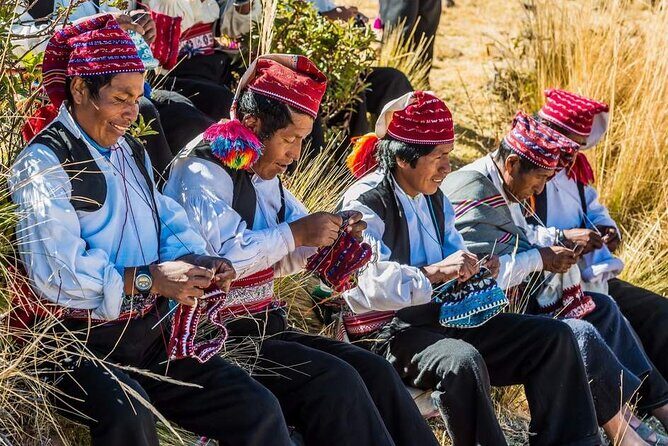
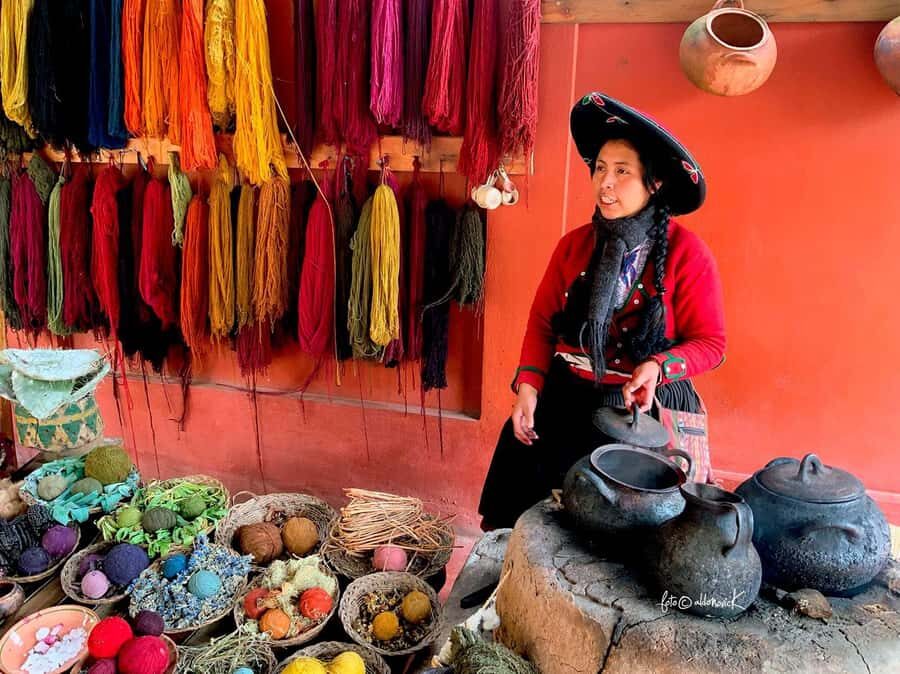
Chinchero is where the tour adds heart and context. You’ll reach it at 3,762 meters and get a photo stop plus shopping time (about 40 minutes), but the star moment is the weaving workshop included on the route.
What makes Chinchero special here is that you’re not just looking at textiles—you’re seeing the practical process behind them. In the workshop, artisans continue the Quechua tradition, and you learn how they use natural plants to extract colors for Andean art. That detail matters. When you understand where the color comes from, a scarf or textile piece becomes more than a souvenir. It becomes a story of materials, seasons, and local knowledge.
A small practical note: at this elevation, even short walks can feel slower. So I’d treat the village time as a “take it easy and look closely” window, not a race to buy everything at once.
Moray’s terraced irrigation bowl: what to watch for
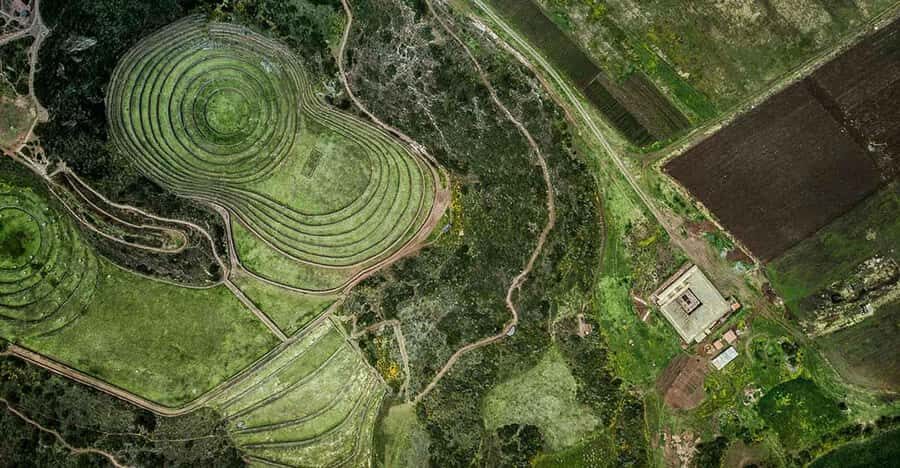
Moray is the stop that most people picture first when they hear this route. It sits at about 3,450 meters, and you’ll have a guided tour of the terraced landscapes (around 40 minutes) with a photo stop built in.
Here’s the key idea: Moray isn’t just pretty terraces. It’s about an irrigation system and how the terraces create different growing conditions. The result is a bowl-like arrangement that makes you see agriculture as design, not luck. Even during a short visit, the guidance helps you connect what you’re seeing to the way people shaped water and growing environments.
The main drawback is also simple: you’re walking around terraces. Bring comfortable shoes, and expect uneven ground. With limited time, you’ll appreciate a steady pace more than sprinting between viewpoints.
Also, note that Moray entrance is not included. The ticket is listed as 70 soles, and you can purchase it on site. Budget for it so you’re not scrambling at the last minute.
Maras colonial architecture: a quick look with good photo angles
After Moray, the tour shifts to the village of Maras. This is a shorter stop, but it has a clear purpose: you’ll see preserved colonial architecture and fine stone buildings.
In about the time you’re there (the ride time is part of the full circuit), you’re really getting a visual snapshot. I like this kind of stop because it breaks the day into different textures—built heritage after technical agriculture, and then you head toward the salt pools for something completely different.
If you’re the type who likes photos, Maras gives you strong visual lines: stonework, building shapes, and the contrast between the town and the surrounding agricultural regions. Just remember it’s not long enough to turn into a wandering day. Treat it like a “get your angles and keep moving” moment.
Salineras salt mines: 3,000 pools and ongoing salt production
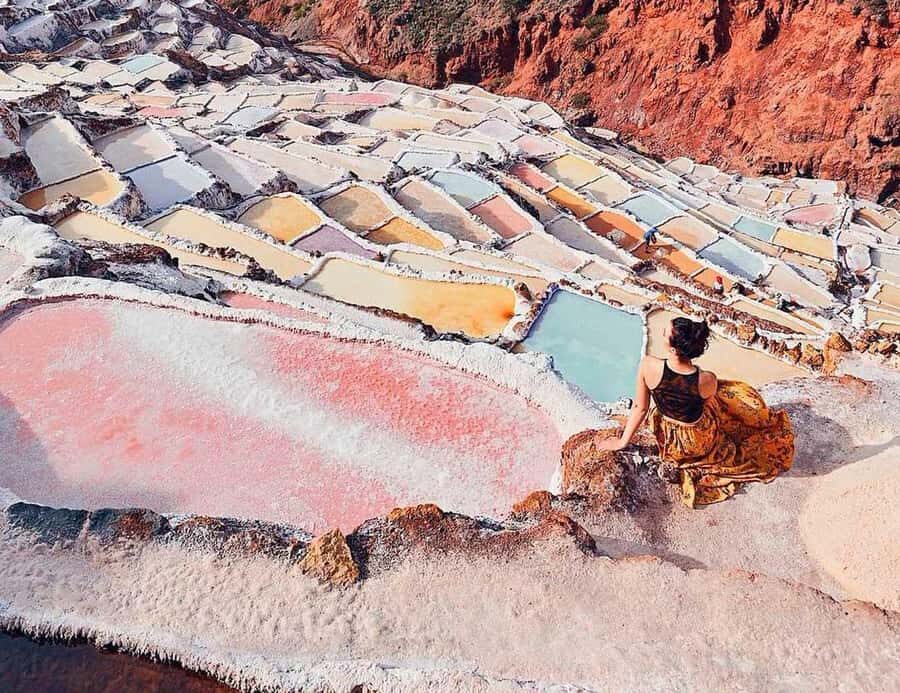
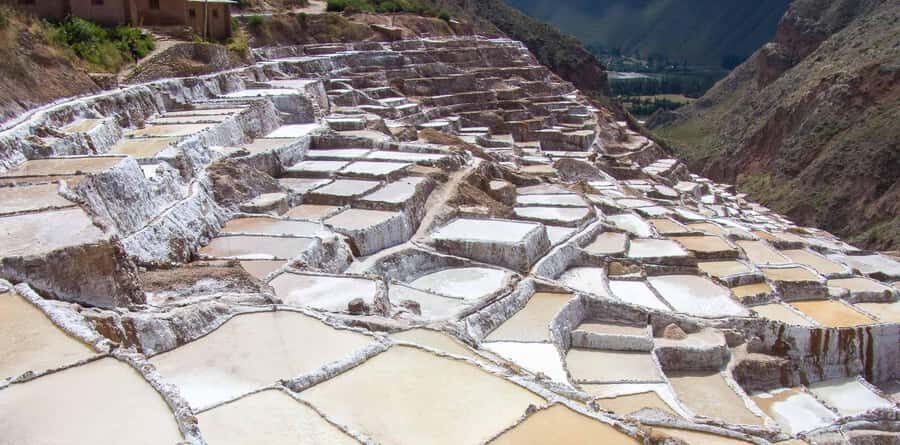
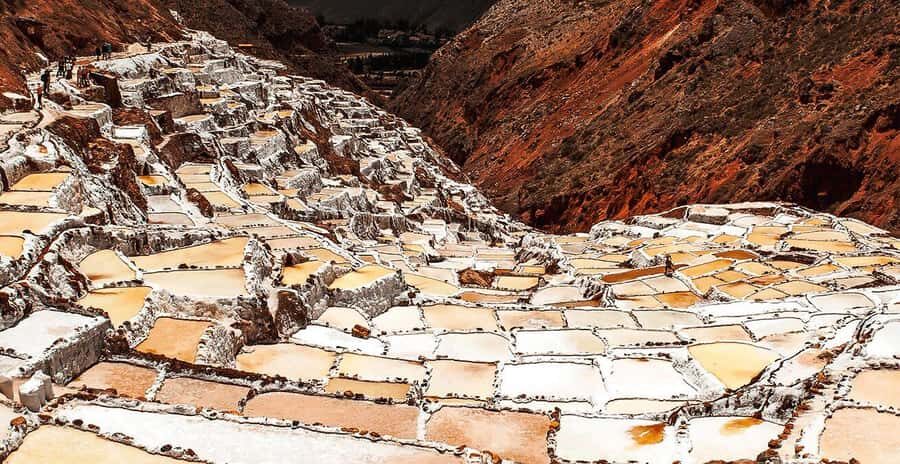
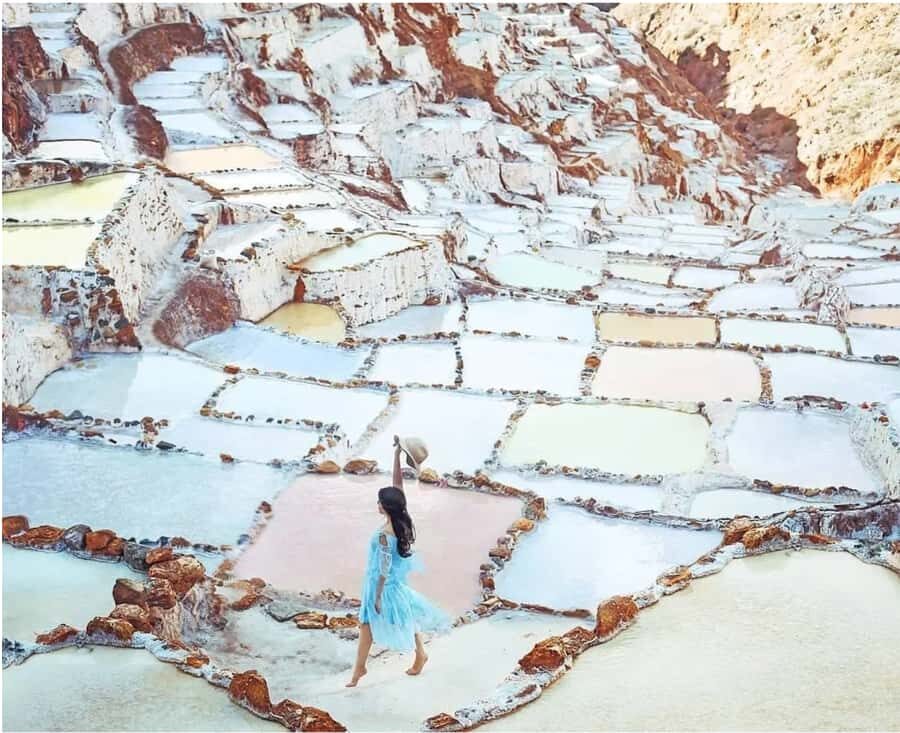
Then comes the sensory shift: the Salineras salt mines, also called Salineras salt pools. You’re visiting an extraordinary site made up of about 3,000 small pools, and the tour frames it as a place that still produces salt.
The tour information also points out a big historical angle: the salt mines date back to pre-Incan times. What I find practical about this is how it makes the site feel less like a museum set. You’re seeing a working system—salt is still processed and distributed in the region, which is different from just touring ruins where everything ended centuries ago.
Entrance here is also not included. The salt mine entrance is listed as 20 soles, and you can purchase it in Maras. Keep smaller cash in mind so you can buy the ticket without delays.
For your body: the salt pools area can be visually intense. I recommend taking a couple of slow pauses—look at the pattern of pools, then zoom out and look at the overall arrangement. It’s the kind of place where you’ll get more from stopping for 10 seconds at the right moments than from trying to photograph nonstop.
Price and value: is $15 really enough?
The headline price is $15 per person, and that low number is attractive—especially for a 6-hour half-day that includes pickup and multiple stops. But the smart way to judge value is to separate what’s included from what you pay at the gate.
What’s included:
- Hotel pickup in Cusco
- Chinchero weaving workshop
- Guided tour of Moray terraced landscapes
- Exploration of the Salineras salt mines
- A live guide in Spanish and English
What’s not included:
- Food and drinks
- Moray entrance ticket: 70 soles
- Salt mines entrance ticket: 20 soles
So yes, the tour price is budget-friendly, but your real cost depends on entrance fees. Still, even with those added, the package makes sense if you want transport + guidance + multiple major stops in one day. If you’re trying to do this on your own, you’d still have to manage transport, timing, and entrance tickets—so the $15 becomes less about the raw number and more about convenience and guided context.
What to bring (and what to skip)
This trip is simple, and your success depends on basics.
Bring:
- Comfortable shoes (terraces and uneven ground)
- Camera
- Sunscreen
- Water
Skip:
- Smoking is not allowed.
If you’re sensitive to altitude or sun, treat sunscreen as non-negotiable. The mix of high elevation and open outdoor areas makes the sun feel sharper than you might expect.
Who this tour suits best
I think this tour fits you if:
- You want a strong Sacred Valley sampler without committing to a full day
- You like hands-on culture, especially weaving and the natural dye process
- You want guided context at Moray, not just a quick walk-through
I’d think twice if you:
- Have mobility impairments or use a wheelchair. This tour is listed as not suitable for wheelchair users and people with mobility impairments.
- Want lots of downtime. The day is paced with specific stops, and there’s limited “wander freely” time compared to slower tours.
Should you book the Cusco Moray, Maras, and Salt Mines half-day tour?
I’d book this tour if your goal is to see the big Sacred Valley highlights in one efficient block, with real explanations at Moray and a true culture stop at Chinchero. The most convincing reasons are the included weaving workshop and the guided look at Moray’s irrigation terraces, plus the scale of the Salineras salt pools (about 3,000).
Just plan for the practical reality: entrance fees add to the total, the schedule is tight, and the route involves walking at high elevation. If you go in with good shoes, water, and a calm pace, it’s a strong value day—especially if you’re already spending time around Cusco and want more than just city views.
FAQ
Where does the tour start in Cusco?
The starting point is Plaza Regocijo.
How long is the tour?
The duration is about 6 hours.
Is food included?
No. Food and drinks are not included.
Do I need to pay entrance tickets?
Yes. Moray entrance costs 70 soles (purchased on site), and the salt mines entrance costs 20 soles (purchased in Maras). These tickets are not included.
What languages is the guide?
The live tour guide is available in Spanish and English.
What should I bring?
Bring comfortable shoes, a camera, sunscreen, and water.
Is the tour suitable for wheelchair users?
No. The tour is listed as not suitable for people with mobility impairments and wheelchair users.