REVIEW · CUSCO
Salkantay Trek to Machu Picchu in 4 days
Book on Viator →Operated by Incredible Peru Tours · Bookable on Viator
Salkantay starts before sunrise, and it pays off. This 4-day trek from Cusco to Machu Picchu stacks big altitude moments with a well-paced travel plan: you leave at 5:00 am, hit the Salkantay Pass area at 4,630 m, and finish with a guided early-morning walk through Machu Picchu. I love how the route mixes glacier views, cold-water valleys, and a real change into warmer cloud-forest vibes. I also like that you’re not stuck doing logistics all day—you get a guide, transport between key points, and meals handled.
What really made it feel like good value is the mix of scenery and included effort. You get a dedicated outing to Humantay Lagoon (4200 m) with photo time, plus camping-style comfort on Day 1 with dinner and stargazing in the Soraypampa area. On Day 2 and Day 3, the plan keeps moving while still giving breaks, including tea time with hot drinks and snacks at camp and lodge.
One consideration: safety and communication. The tour includes an emergency first aid kit and an oxygen balloon carried by the guide, but I’ve seen at least one account claiming those promised items weren’t available when someone got sick. I’d treat that as a reason to confirm safety details before you go.
In This Review
- Key highlights worth your attention
- Cusco’s early wake-up and the route start that matters
- Challacancha to Soraypampa: your first big trek block (and how it’s paced)
- Humantay Lagoon at 4,200 m: the photo hike that still feels worth it
- Day 2 is the workday: Salkantay Pass at 4,630 m
- Down into the cloud forest: Wayraqmachai to Colpapampa
- Sky Domes in Sahuayaco: a big comfort payoff after altitude
- Day 3: plantations, coffee farm, then the Hydroelectrica walk to Aguas Calientes
- Aguas Calientes night: you’re sleeping near the finish line
- Machu Picchu day: early bus, guided tour, and a Huayna Picchu option
- Back to Cusco: train + bus timing you’ll feel in your bones
- Price and value: what $590 buys in real trekking terms
- Safety and operator follow-through: what to check before you go
- Guides on the trail: why the human factor matters
- Who this Salkantay trek suits best
- Should you book this tour or not?
- FAQ
- What time is the pickup in Cusco?
- How many days is the trek?
- What’s the maximum group size?
- How physically demanding is this route?
- What’s included for luggage?
- Are meals included?
- Are tickets to Machu Picchu and other sites included?
- Do you have a place to sleep on the trek?
- How do you get between Aguas Calientes and Machu Picchu?
- Is emergency oxygen included?
Key highlights worth your attention
- A 5:00 am departure from Cusco means you start acclimating early and keep momentum.
- Humantay Lagoon at 4,200 m is a focused side hike with real views and time for photos.
- Salkantay Pass area (4,630 m) is the hardest “win” of the trek, with mountain-top photo breaks.
- Small group size (max 10) helps the guide keep track of pacing and needs.
- Sky Dome lodge in Sahuayaco adds comfort after Day 2’s altitude work.
- Early guided arrival at Machu Picchu (~6:30 am) sets you up for a smoother visit day.
Cusco’s early wake-up and the route start that matters
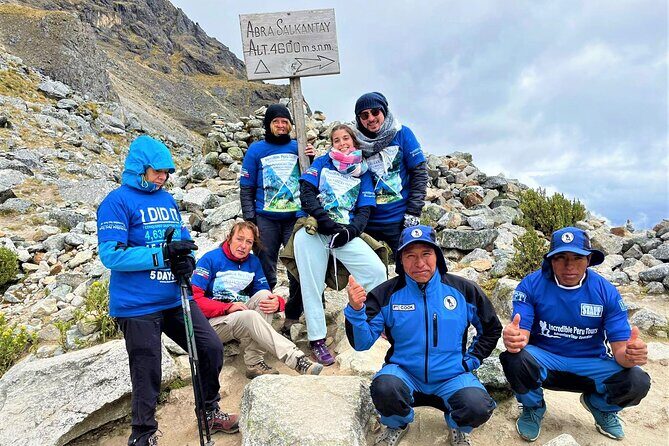
This trek is built around an early start. You’re picked up from your hotel in Cusco at 5:00 am in private transport with your guide and cook. Before you leave, you’re asked to check you have your original passport, because you’ll need it at control points along the way.
That passport detail sounds small. It’s not. Peru trekking often involves checkpoints, and the difference between “we’re fine” and “we’re stuck” can be one missed document.
After pick-up, you drive to Mollepata for about an hour. This is your first proper break with a local restaurant breakfast. You’ll get views of snowy peaks and valleys as you go, then the day pivots toward the walking portion.
You can also read our reviews of more hiking tours in Cusco
Challacancha to Soraypampa: your first big trek block (and how it’s paced)
Your walking starts at Challacancha (3,600 m). There you meet the muleteer, and horses take the kitchen and food gear. You’re not expected to carry everything. The plan says they carry up to 7 kg of your luggage, so you can travel with a small backpack plus water.
At 9:30 am, you begin the first trek segment. It’s about 10 km and roughly 3 hours, with a path alongside clean, cold water in an old channel. That matters because early in the route, you’re trying to move without overheating. Cold water, steady footing, and a gradual rhythm make a big difference.
You aim for Soraypampa. The day description includes a lunch stop in the Soraypampa area, then the afternoon becomes about one of the most scenic add-ons on this route.
Humantay Lagoon at 4,200 m: the photo hike that still feels worth it
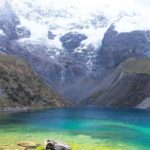
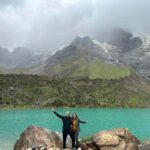
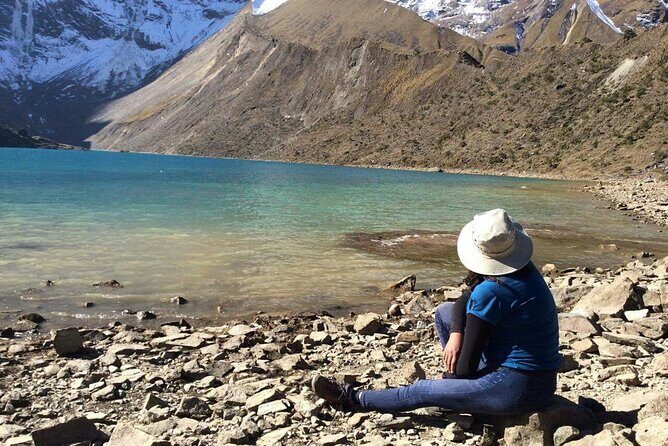
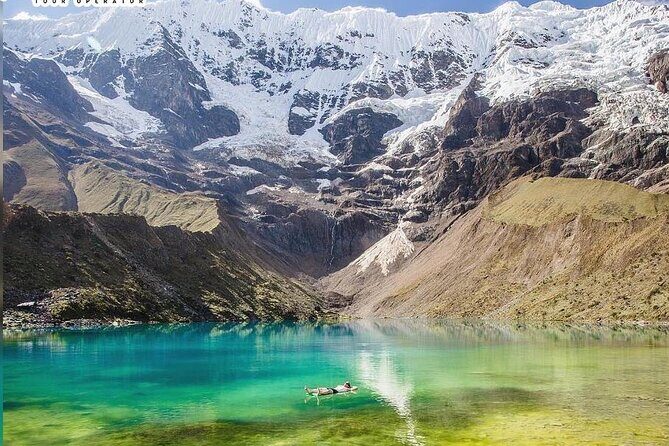
After rest and camp time in Soraypampa, you hike to Laguna Humantay at 4,200 m. The walk is about 1.5 hours to get up there, then you’re given enough time on arrival to enjoy views and take photos.
This is one of those treks-within-the-trek moments. You’re not just walking forward. You’re also climbing to a specific viewpoint with time to enjoy it. If you’re the type who rushes, slow down here. The payoff is the altitude view—ice-capped peaks in the background and a glacial-feeling stillness in the lagoon.
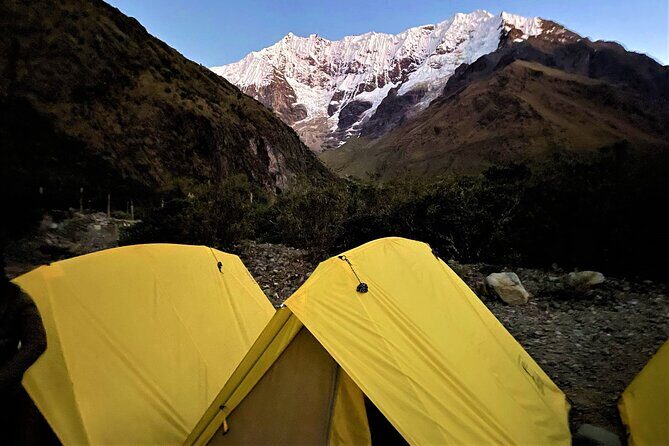
Then you hike back toward Soraypampa and arrive around 5:30 pm. You get tea time with coffee or hot tea plus popcorn and cookies, and there’s a sunset window over the snowy peaks. Dinner follows, and there’s also the option to look at stars and constellations.
Day 2 is the workday: Salkantay Pass at 4,630 m
Day 2 starts early again. Your cook wakes you with coca tea around 5:00 am, followed by breakfast. Then you start the trek toward the highest point on this route.
The key section is the climb to the pass area. It’s described as a 7 km stretch of pure ascent that takes about 3 hours, and it’s called the hardest day of the entire trek. You climb up through the Salkantay Valley for about 1 hour with a gradual slope until you reach Pampa Salkantay (4,200 m) for a short break and panoramic views.
After that, it’s more climbing through a rocky valley for about 2 more hours to reach the Salkantay Pass at 4,630 m.
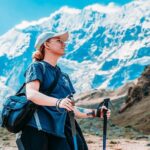
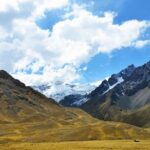
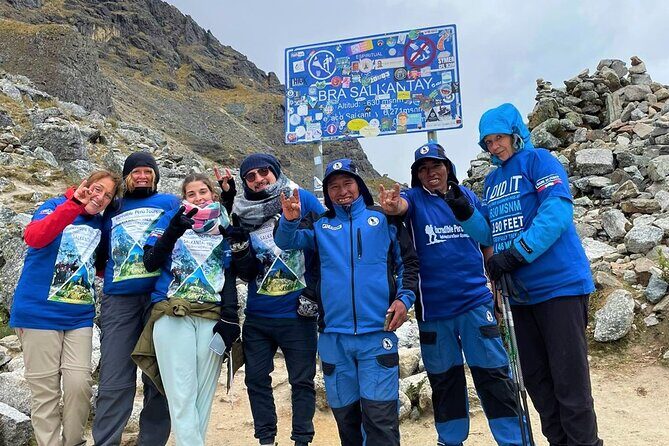
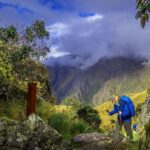
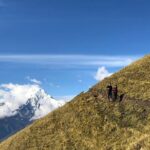
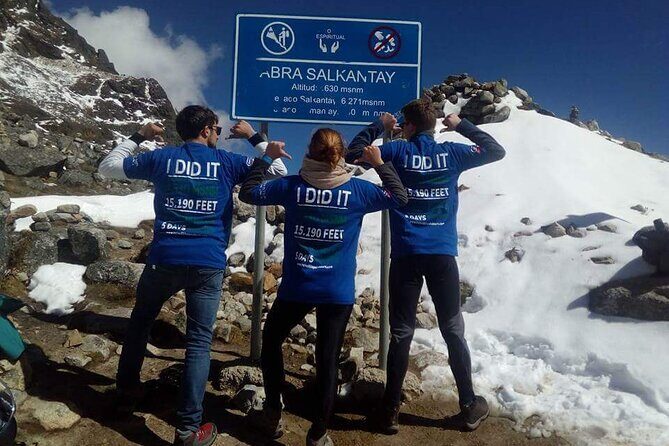
When you get there, you’re told to rest with time for views of snowy peaks, including Salkantay Mountain (6,271 m) and Humantay Mountain (5,400 m). The description also notes the pass view includes the back side of the mountain with snow on the summit and a cloud forest lower down. Translation: it’s not just a “peak moment.” It’s a visual shift from cold high terrain into warmer vegetation below.
If you manage your pace well on the climb up, you’ll enjoy the pass. If you sprint, you’ll suffer. Think steady and controlled.
Down into the cloud forest: Wayraqmachai to Colpapampa
From the pass, the route moves into descent. You reach Wayraqmachai around 1:30 pm and have lunch there. In the afternoon, you enter the High Forest / Cloud Forest zone, where the plan says conditions are warm and temperate and vegetation gets lush.
You continue down until you reach Colpapampa around 4:30 pm at about 2,900 m. Then the plan switches from hiking to comfort: a vehicle waits for you for about 1 hour, taking you to the lodge area.
The goal here is simple: don’t turn Day 2 into a marathon. You’ll have enough walking already. The transport leg plus lodge time is what keeps the third day manageable.
A few more Cusco tours and experiences worth a look

Sky Domes in Sahuayaco: a big comfort payoff after altitude
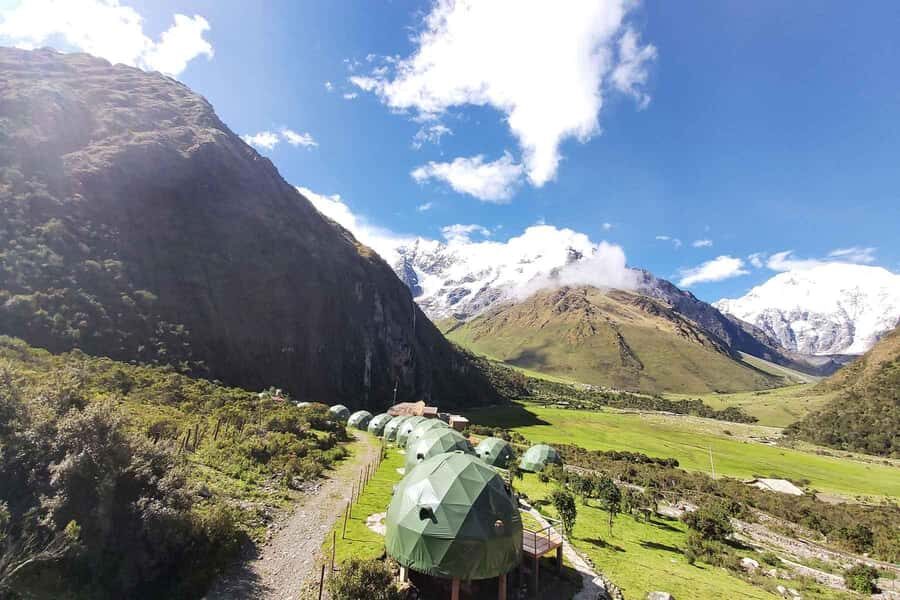
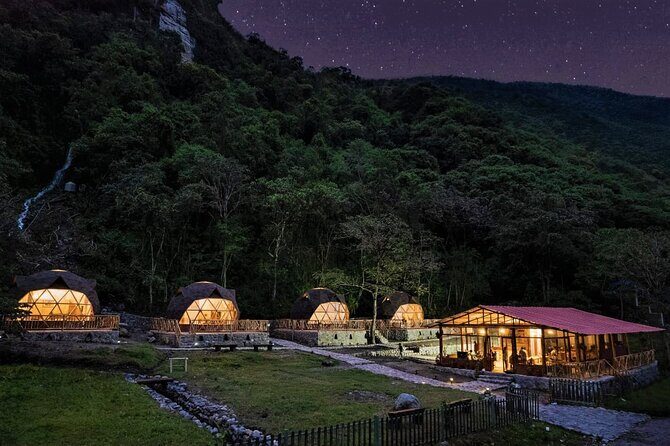
You arrive around 5:00 pm at your eco lodge in the Sahuayaco area, specifically described as Eco Domes (Majestic Sky Domes). This is your second night accommodation, and it’s a mood shift.
After you settle in, you get tea time again—hot chocolate, coffee, cookies, popcorn—then dinner served by the cook. This isn’t luxury “for show.” After the hard climbing, you want a place where you can actually rest, shower (if available at the lodge level you choose), and recover.
A small operational tip: don’t pack your energy for a big night out. This is trekking recovery time.
Day 3: plantations, coffee farm, then the Hydroelectrica walk to Aguas Calientes
Day 3 begins with a 7:00 am wake-up and breakfast around 8:00 am. You don’t just jump back into marching. You take a walk around the lodge area and visit local plantations: bananas, avocados, oranges, plus medicinal plants. The plan also mentions coffee as the key export agriculture in this region, and you can visit a coffee farm to taste freshly prepared coffee.
This is a nice reset. It’s still outdoors and still learning, but it’s not constantly climbing. If you’re hoping for more culture beyond the trail, this part delivers.
Later, you head to the Central Hidroelectrica / Hydroelectric Power Plant area around 2:30 pm. From there, you start walking toward Aguas Calientes.
The walk begins with a slight climb for about 15 minutes, then goes flatter and follows train tracks near the Urubamba River. On the way, you visit Intihuatana, described as an Inca-era sundial carved into a large natural rock. You’re also told you can see Sacred Mountains such as Huayna Picchu and Machu Picchu from this stretch.
The route continues through cloud forest with lush vegetation and orchids, and after about 3 hours you arrive in Aguas Calientes around 5:30 pm.
Aguas Calientes night: you’re sleeping near the finish line
You stay the third night in Aguas Calientes in a hotel room with a private bathroom (as included). Dinner in a tourist restaurant is included, and the guide gives important information about the next day’s Machu Picchu visit so you’re ready for an early start.
This is where your mindset matters. Machu Picchu is not a slow morning stroll. It’s a schedule. Aim to sleep early so you’re not fighting fatigue in the dark.
Machu Picchu day: early bus, guided tour, and a Huayna Picchu option
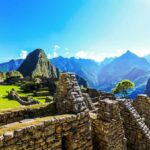
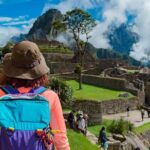
On Day 4, breakfast happens, then you leave your hotel at about 5:30 am. You walk to the bus station, then take a tourist bus up the zigzag road for around 30 minutes to reach Machu Picchu. The plan expects you to arrive around 6:30 am.
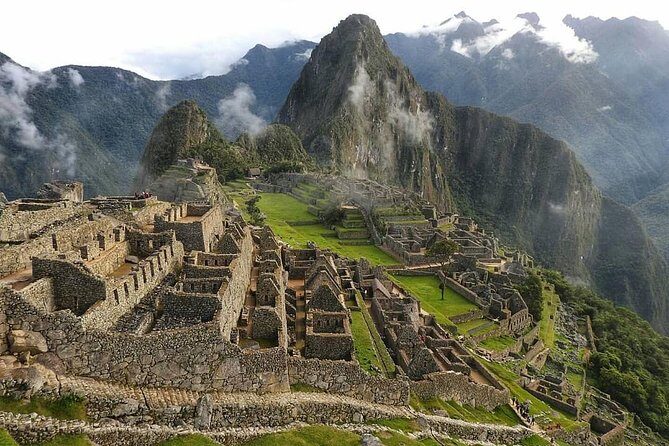
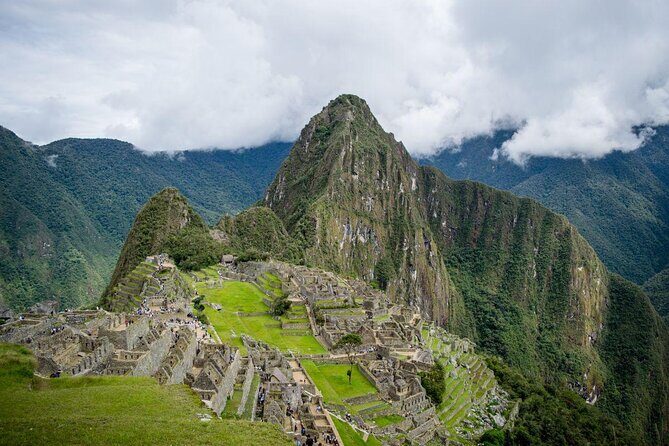
Then the guided tour of the Inca Citadel lasts about 2 hours with a professional guide. You’ll hear explanations of history and the specific places that make Machu Picchu one of the New 7 Wonders.
After the tour, you get free time for photos, walking around at your own pace, and general exploration. The itinerary also includes the possibility of climbing Huayna Picchu Mountain if availability allows, and it’s listed as included.
In the afternoon, you take the tourist bus down. Then you transition to the train back to Ollantaytambo, arriving around 7:40 pm.
Back to Cusco: train + bus timing you’ll feel in your bones
From Ollantaytambo, a staff member waits with a tourist bus back to Cusco. You arrive around 10:00 pm and are dropped at your Cusco hotel, or you can be returned to a hotel in the Sacred Valley if you prefer.
It’s a long final day. You’ve earned that long finale, but it’s still worth planning for it—your body will want quiet after.
Price and value: what $590 buys in real trekking terms
At $590 per person, this isn’t a budget “just show up and walk” trek. But it’s also not only paying for views.
You’re paying for a full package that includes:
- professional English-speaking guide
- cook and kitchen assistant for meals
- all-inclusive meals listed as 4 breakfasts, 4 lunches, 3 dinners
- muleteers and horses to carry kitchen and food gear
- up to 7 kg of your luggage carried for you
- equipment needed for the tour
- tickets and entry into key sites, including Humantay Lagoon and Machu Picchu
- a guided Machu Picchu visit
- hotel in Aguas Calientes for one night
- transport legs around the trek
- the train from Aguas Calientes to Ollantaytambo
- hop-on, hop-off bus tickets between Aguas Calientes and Machu Picchu
For many people, the value isn’t just cost. It’s time and friction. You show up with a small backpack, they handle meals, transport legs, and key tickets. That’s the difference between having a memorable hard trip and having a stressful one.
Safety and operator follow-through: what to check before you go
Let’s address the elephant in the room. This trek includes an emergency first aid kit and an emergency oxygen balloon carried by the guide. It also promises a guide, cook, and support system throughout the route.
But there’s at least one serious negative account attached to this operator and this trek, specifically claiming that when someone got sick, the first aid kit and oxygen balloon did not show up as expected. They also reported having to arrange an out-of-pocket taxi to lower elevation.
That doesn’t mean your trip will go badly. Still, it means you should do two smart things:
- Confirm on your meeting day that the emergency oxygen balloon is present and carried by the guide, and that a first aid kit is available during the trek.
- Make sure you have clear contact info for your guide and the company office, since early coordination matters when you’re leaving at 5:00 am.
Also note the tour requires moderate physical fitness. If you’re prone to altitude sickness, have a plan with your doctor before you travel. And if you feel unwell, tell the guide early rather than trying to “push through.”
Guides on the trail: why the human factor matters
The trek’s success depends on more than views. It depends on the people managing pacing, altitude stress, and questions.
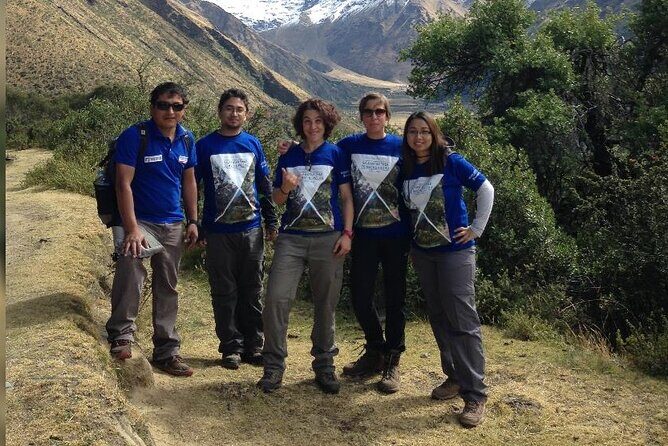
I’m glad to see positive mentions of guides by name, including Gilber, who was described as very knowledgeable and great for conversations, and Rene, who made the trek manageable for participants of different abilities. There’s also mention of Herbert as a guide who did his job well on the ground, even while the broader operator experience was criticized.
In plain terms: you want a guide who can read the group and adjust pace. Your best signal is how calmly they handle the hard parts—especially the pass day.
Who this Salkantay trek suits best
This is a strong match if:
- you want the classic Salkantay route with Humantay Lagoon and Machu Picchu in 4 days
- you’re okay with early starts and a physically demanding Day 2
- you want meals and logistics handled, including luggage support and key transport legs
- you like a mix of trekking and comfort: camp time, then Sky Domes, then a hotel night in Aguas Calientes
This is less ideal if:
- you’re extremely sensitive to altitude or you cannot handle a hard ascent day
- you hate long travel days and late finishes (the return day runs to about 10 pm in Cusco)
- you need ultra-tight safety assurances without any gray-area concerns
Should you book this tour or not?
I’d book it if your priority is a full-service Salkantay-to-Machu Picchu experience with meals, tickets, and a guided Machu Picchu morning, and if you’re comfortable taking the pass day seriously. I like the structure: hard climb, cloud-forest descent, comfort in Sky Domes, and an efficient Machu Picchu arrival.
I’d hesitate if you can’t get clear answers about safety gear (especially oxygen and first aid) or if you’ve struggled in the past with unclear communication from tour operators. Send your questions early. Get confirmation in writing if you can.
If you do go, go prepared: sleep, hydrate, pace yourself on the climb, and don’t ignore symptoms at altitude. The route rewards steady effort.
FAQ
What time is the pickup in Cusco?
Pickup starts at 5:00 am from your hotel in the city of Cusco. If you’re staying in the Sacred Valley, pickup is also available there.
How many days is the trek?
The experience runs for 4 days (approximately).
What’s the maximum group size?
The tour has a maximum of 10 travelers.
How physically demanding is this route?
You should have moderate physical fitness. Day 2 is described as the hardest day because it includes a steep ascent toward the highest point of the route.
What’s included for luggage?
You can carry a small backpack, and the trek provides luggage support. The tour states they carry up to 7 kg / 15 pounds of your luggage.
Are meals included?
Yes. The tour includes 4 breakfasts, 4 lunches, and 3 dinners, with vegetarian, vegan, and special diet meals available upon requirement.
Are tickets to Machu Picchu and other sites included?
Yes. Entry to the Inca Citadel of Machu Picchu is included, along with the guided tour. Entrance ticket to Huayna Picchu is included if available, and there are also entrance tickets for the Salkantay route and Humantay Lagoon.
Do you have a place to sleep on the trek?
Yes. You have 3 nights of accommodation: Soraypampa (cabaña/eco-lodge in the Soraypampa area), Sahuayaco (Eco Domes Majestic Sky Domes), and a hotel room with a private bathroom in Aguas Calientes.
How do you get between Aguas Calientes and Machu Picchu?
You use hop-on, hop-off bus tickets between Aguas Calientes and Machu Picchu, and you also take the tourist bus for the ascent on Machu Picchu day.
Is emergency oxygen included?
Emergency oxygen and a first aid kit are listed as included and carried by the guide.