REVIEW · SORAYPAMPA
5-Day Classic Salkantay Trek to Machu Picchu return by Train
Book on GetYourGuide →Operated by Latin Adventures Tour Operator · Bookable on GetYourGuide
Machu Picchu starts long before the stone gates. This 5-day Salkantay trek turns the journey into the main event, with a guided trek, UNESCO Machu Picchu entry, and a return by train. You’ll also get big snow-capped Andes views along the way, not just a one-day highlight.
I love how the trip mixes high mountains with real variety. Day 1 has the otherworldly feel of Humantay Lagoon, and the later days shift into humid Peruvian jungle hiking plus a chance to visit Cocalmayo thermal baths. That blend keeps it interesting when your legs are busy doing their own workout protest.
The main drawback to plan for is comfort and cold nights. You sleep in glass huts and dome-style camping, but sleeping bags are not included, so you’ll want to bring proper gear. Also, you’re looking at early starts (think 5 AM on day 2) and several solid hours of walking each day.
In This Review
- Key things you’ll remember
- Cusco mornings, transfers, and how the trek really begins
- Humantay Lagoon: the first big High Andes payoff
- Over Abra Salkantay and down toward Colpapampa
- Jungle day to Playa Sahuayaco and Cocalmayo hot springs
- Llactapata, Inca Trail walking, and the road to Aguas Calientes
- Machu Picchu guided day, optional climbs, and train return to Cusco
- Price and logistics value for $699
- Packing and comfort: domes, glass huts, and keeping it manageable
- Should you book this Salkantay trek by train?
- FAQ
- Is Machu Picchu entry included?
- How long is the experience?
- Where do you start in Cusco?
- What kind of lodging is included?
- Are meals included?
- What transportation is included at the end?
- Do I need to bring a sleeping bag?
- Is Cocalmayo thermal bath entry included?
- Can I request vegetarian meals?
Key things you’ll remember
- Humantay Lagoon for those first wow-moments in the High Andes
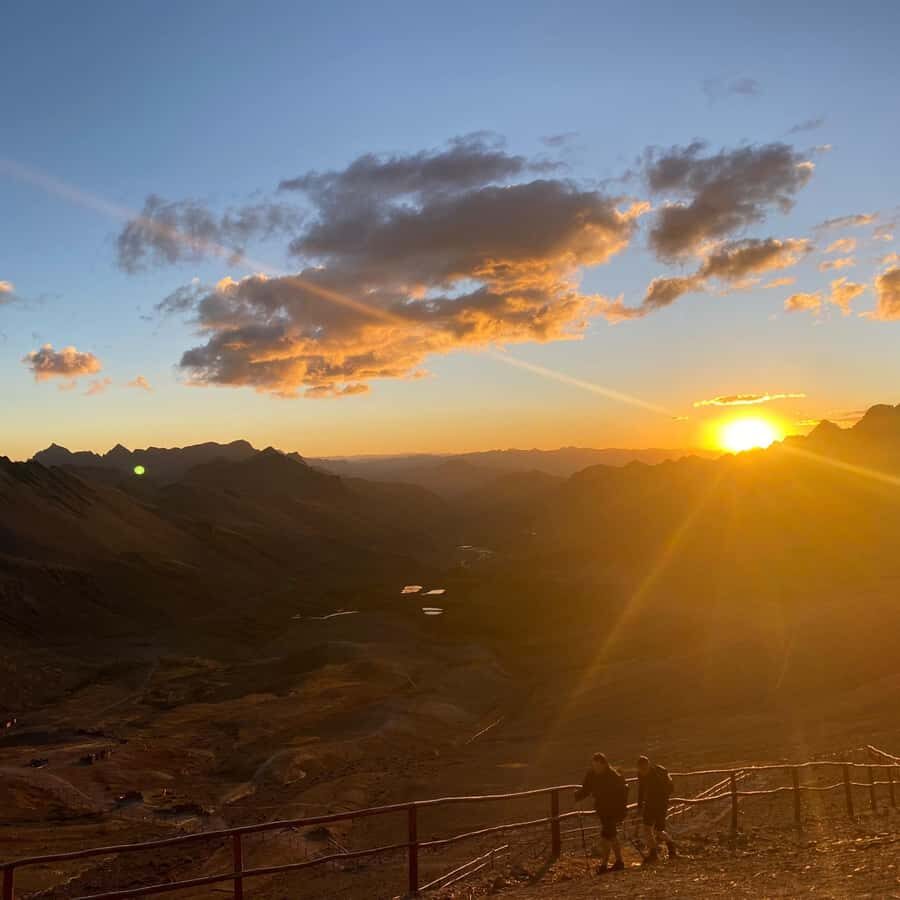
- Abra Salkantay sunrise views as you crest the highest point
- Jungle hiking to Playa Sahuayaco, then hot springs time at Cocalmayo
- Llactapata stop with a local guide before the first Machu Picchu mountain views
- A full guided Machu Picchu visit plus optional climbs at set times
Cusco mornings, transfers, and how the trek really begins
Cusco is where the story starts. You’re picked up from your hotel early, grab breakfast, and then ride out toward the trailhead—so you’re not wasting daylight figuring out transport. The first day’s walking is long enough to feel the trek for real, but it’s structured so you can adjust and settle in before the steep stuff.
What I like about this style of classic route is that it doesn’t pretend altitude or effort won’t happen. You go from Cusco to the trail area, hike into your first campsite, eat, then do a shorter out-and-back to Humantay Lagoon. That pattern—walk, eat, recover, repeat—makes the overall rhythm easier to manage.
One practical detail: you get water and daily snacks included, plus meals across most of the trek. That matters because on multi-day hikes, missing snacks can turn normal effort into a grumpy, hungry situation fast. You’ll still want to pace yourself, hydrate steadily, and keep a steady walking cadence once the route gets higher.
You can also read our reviews of more tours and experiences in Soraypampa.
Humantay Lagoon: the first big High Andes payoff
Day 1 is a classic “warm-up into wow.” After a drive to Challacancha, you hike about 3 hours to Soraypampa, where you camp. Then lunch comes first, and you head out another 1.5 hours to reach Humantay Lagoon.
This is one of those moments where the views feel earned. The lagoon sits in a dramatic mountain setting, and the trip puts it early in the itinerary so your energy is still fresh. Even if you’re tired, you’ll feel that shift—one minute you’re hiking, the next you’re staring at a snow-and-stone scene that makes the whole trek feel real.
Back at camp, dinner and a night in glass huts set the tone for the next days. Nights like this are part of the adventure, but they also highlight why planning your sleep setup matters. If you show up thinking you can wing it with thin layers, the comfort cost can be high.
Tip: bring comfortable hiking layers you can adjust quickly. Mountain weather can change fast, and you’ll be outside for a lot of the day.
Over Abra Salkantay and down toward Colpapampa
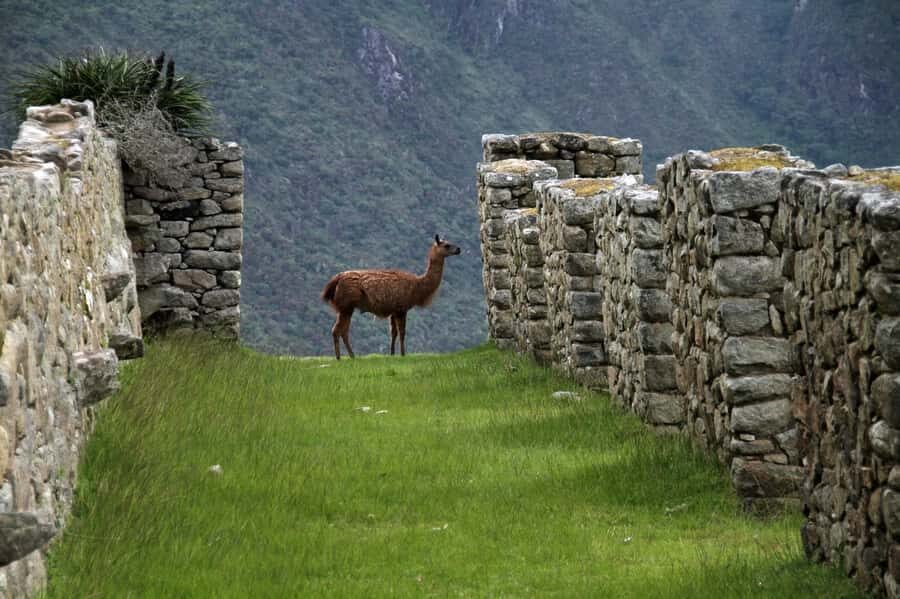
Day 2 is where the trek turns serious—in a good way. Breakfast happens early, and then you’re on the trail around dawn for roughly 3 hours up toward Abra Salkantay, the highest point, with wide views of the High Andes peaks, including Humantay, Tucarhuay, and Pumasillo. Then it’s descent time toward areas like Huarachmachhay.
I really like this “crest and then descend” structure because it keeps your goal clear. You’re not walking uphill forever with no payoff. You work toward the big viewpoint, then you get to switch into a slower, steadier pace on the way down.
After lunch, you keep going to the Colpapampa campsite. That’s another camping night, this time in domes. Domes can help a lot with wind and temperature compared with open-air setups, but they still aren’t hotel beds. Expect your feet to feel every hour you logged, and treat stretching like a non-negotiable daily habit.
If you want a quick mental trick: focus on steady steps, not speed. This day is about effort management more than athletic performance.
Jungle day to Playa Sahuayaco and Cocalmayo hot springs
On day 3, the route shifts dramatically—high Andean trekking gives way to a longer push through the Peruvian jungle. You’ll hike about 5.5 hours, stopping for lunch at Playa Sahuayaca, then you head back to the campsite around early evening.
This is the day that gives you breathing room from constant big-altitude scenery. Instead, you get that greener, warmer feeling that makes the Salkantay route more than just a mountain corridor. You’ll also be moving into a more tropical rhythm, which can feel like a different trek altogether.
The highlight here is Cocalmayo thermal baths. The itinerary includes the thermal bath experience, but entry to the baths is not included, so you should budget for it if it’s part of your plan. Still, it’s exactly the kind of reward your legs will appreciate—hot water after a long hike helps reset you for the final day.
You’ll end the day with tea and dinner, then sleep again at camp. This day is also a reminder to pack for sweat and humidity. Your clothes may dry slower than you expect, so bring something you can live in without obsessing over perfect freshness.
Llactapata, Inca Trail walking, and the road to Aguas Calientes
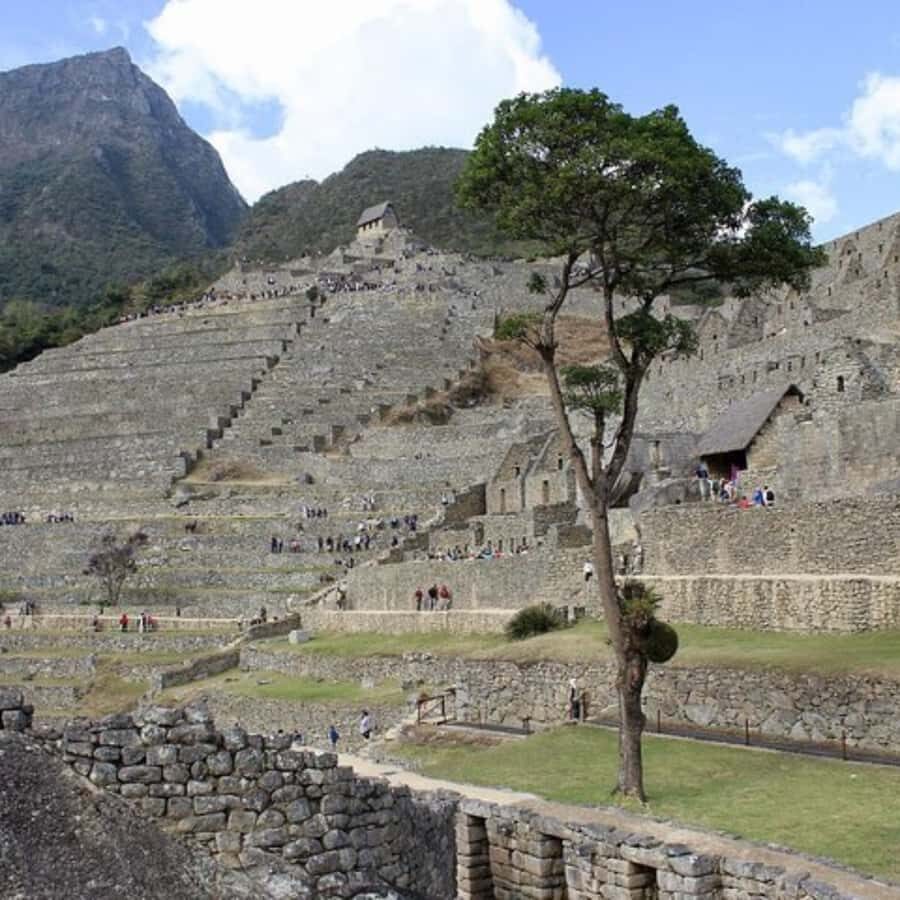
Day 4 is a mix of history, views, and a bit of transport logistics. You start at sunrise and walk along the Inca Trail through the Santa Teresa Valley. After about 2.5 hours of ascent, you reach Llactapata, where a local guide shares context and history.
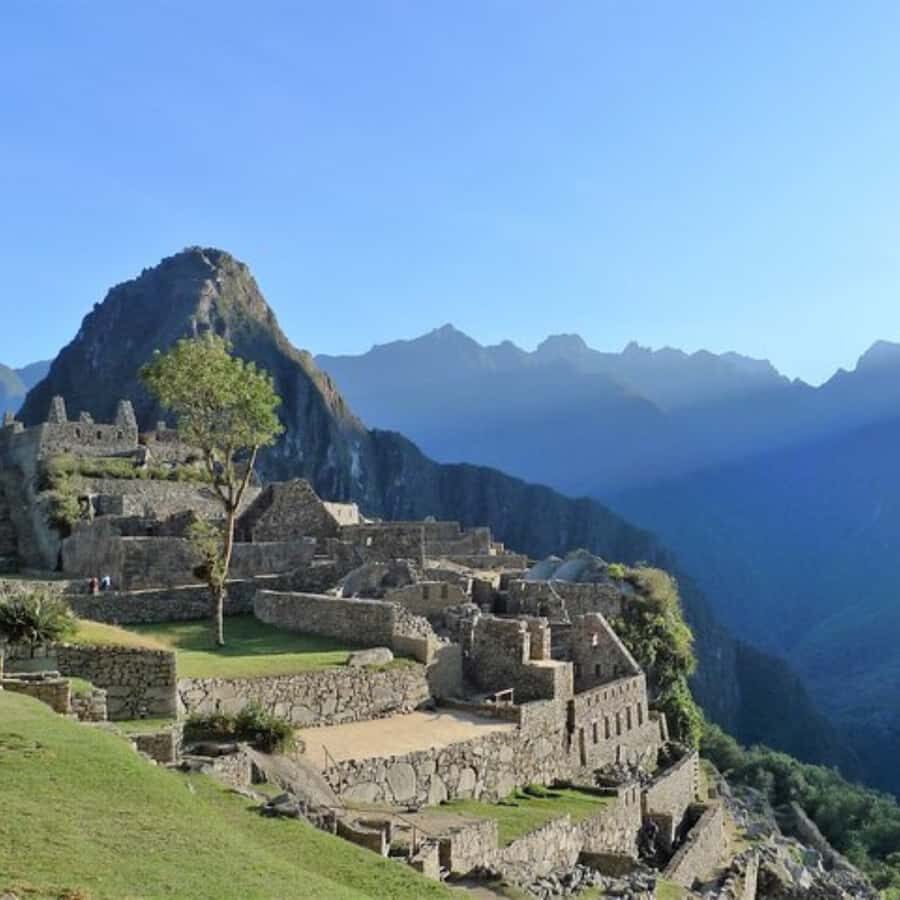
I like Llactapata because it’s not just a stop. It’s positioned as a learning moment before you fully arrive at Machu Picchu’s scale. And it gives you those first clear glimpses of Machu Picchu Mountain and Huayna Picchu Mountain, which helps you understand what you’ll see later at the citadel.
From Llactapata you continue toward Hidroeléctrica. Then you have a choice: walk about 3 hours to Aguas Calientes, or take a train option to reduce hiking time. Either way, dinner is in town, and you sleep in a hotel, which is a nice reset after days of camping.
One practical heads-up: the day can include both trail time and moving between sections. Wear shoes you trust for long stretches. You’ll be tired enough that if your footwear is even slightly off, you’ll notice it.
Machu Picchu guided day, optional climbs, and train return to Cusco
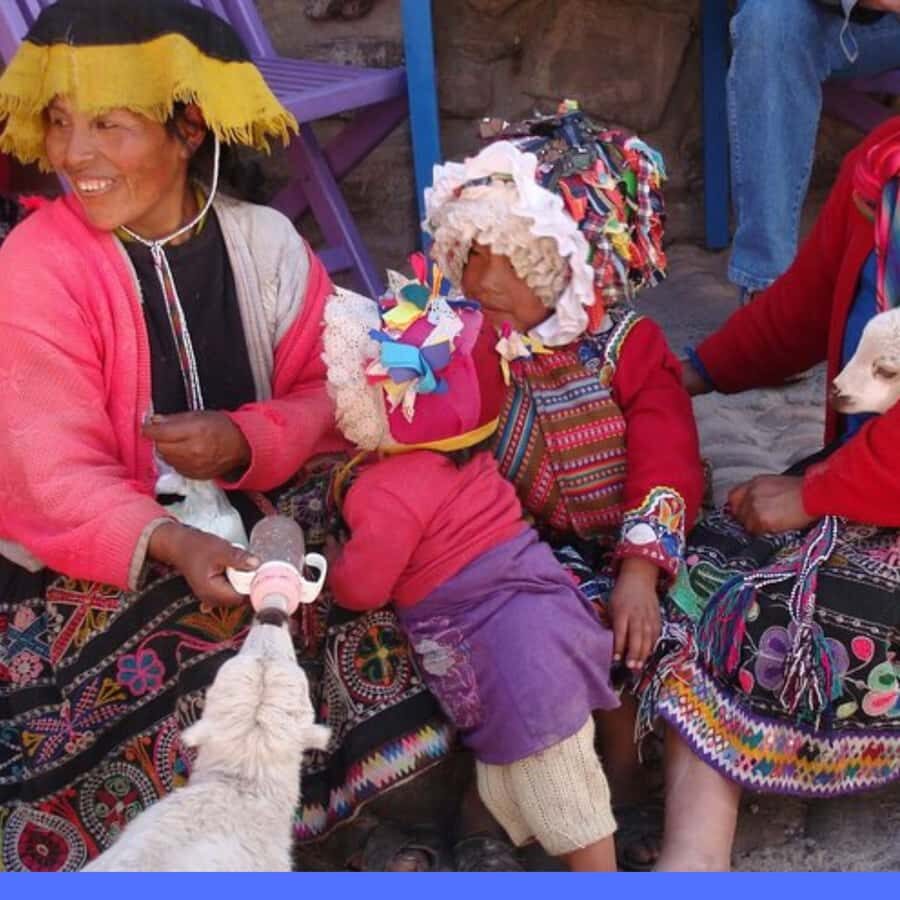
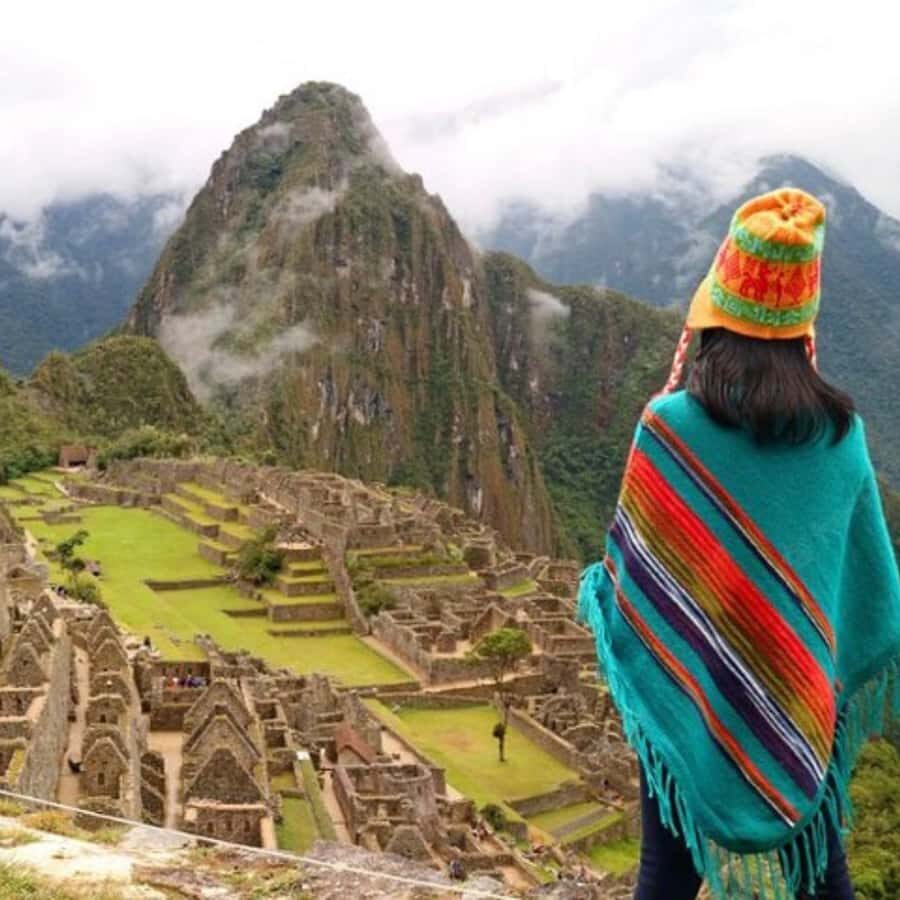
Day 5 is the payoff, without pretending it comes without planning. You take a guided tour of Machu Picchu and then get free time to explore on your own. If you want the extra summit views, there are optional climbs to Huayna Picchu or Machu Picchu Mountain at pre-set times, with one group from 6–8 AM and another from 9–11 AM.
This setup is practical. Time slots matter at Machu Picchu, and the tour structure helps you fit the climb option into your schedule. It also means you should listen closely to timing and meet points so you don’t end up pacing around with the wrong group.
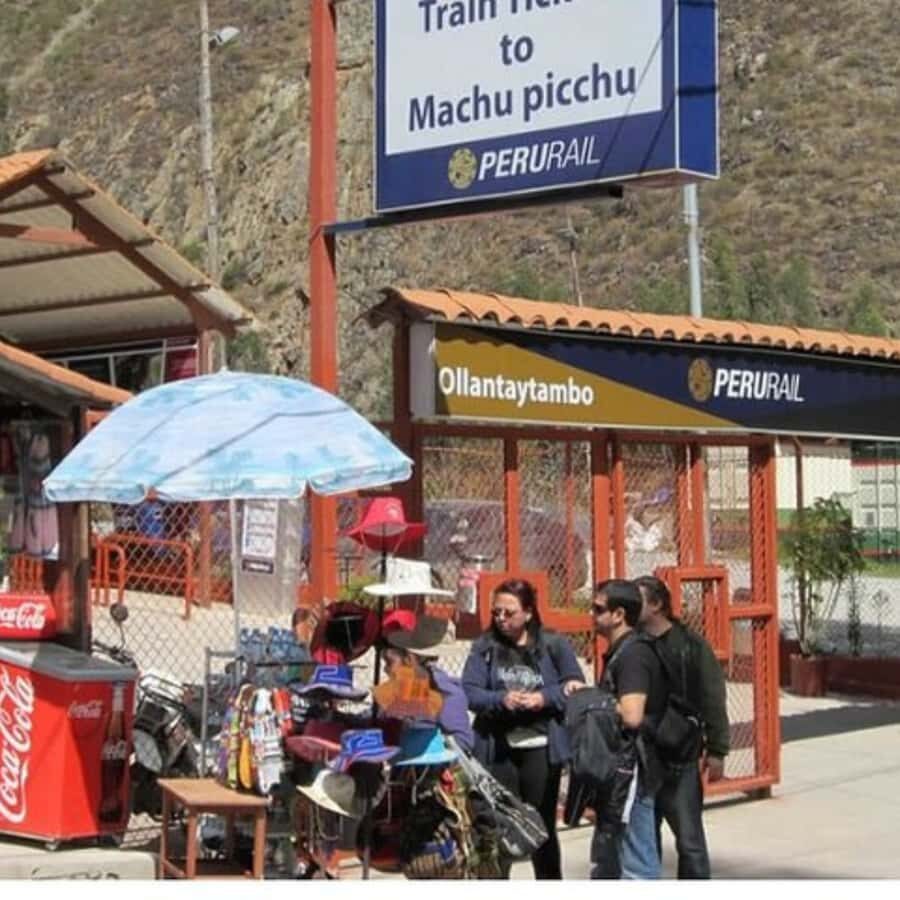
After Machu Picchu, you return to Aguas Calientes for lunch. Then you take the train to Ollantaytambo, departing at 2:55 PM, and tourist transport brings you back to Cusco with a drop-off at Plaza Regocijo.
The return by train is a big value piece here. It avoids making the last day purely about transit fatigue. You still do walking and stairs inside the site, but you’re not dragging your trek-day exhaustion into another long hike out of the valley.
Price and logistics value for $699
At $699 per person, this trek isn’t cheap, but it also isn’t vague. A lot is included: Machu Picchu entry, a certified English/Spanish-speaking guide, guided trekking, 3 nights of camping, and 1 night in a hotel at Aguas Calientes. Meals are mostly covered too, with 4 breakfasts, 4 lunches, and 4 dinners, plus water and daily snacks.
You’re also paying for the “moving parts” that would be a hassle to assemble yourself: transport to the trail start, luggage support via horses, the return train ticket between Aguas Calientes and Ollantaytambo, plus the bus to Machu Picchu and tourist transport back to Cusco.
What’s not included is worth noting so you don’t get surprised. Sleeping bags are not provided. Cocalmayo thermal bath entry isn’t included. And the Aguas Calientes to Machu Picchu bus round trip ticket costs about $25. There’s also an optional train transportation option referenced as the termo electrical (listed as $35 per person). Plus, lunch on the last day isn’t included.
When you add it all up, the real value is this: you’re buying a guided, structured route with meals, lodging, and Machu Picchu access handled. That’s the kind of simplicity that lets you focus on the trail instead of chasing schedules.
Packing and comfort: domes, glass huts, and keeping it manageable
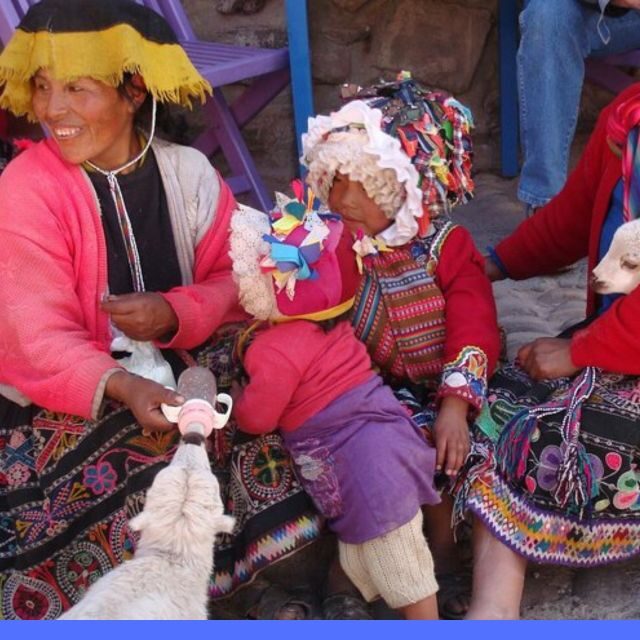
This trek is physical, but comfort is mostly about smart packing. Hiking shoes are the big one. You’ll be on mixed terrain for multiple days, including the ascent and descent phases around the highest point, plus the Inca Trail section leading up to Llactapata.
You’ll also want layers. The days can be active and warm, but the nights in domes and glass huts can feel cool. Since sleeping bags aren’t included, bring yours if you have it, or plan to rent before you arrive. Comfortable sleep is the difference between feeling motivated and feeling wrecked tomorrow.
Luggage rules matter too. You get a duffle bag included for up to 8 kg (17 lb), but each hiker can bring 6 kg for the horses to carry. Plan for that. Pack light, keep essentials on you, and don’t bring bulky items you’ll regret carrying or repacking.
Also, vegetarian food is available on request with no extra charge. If you follow a specific diet, tell the team in advance so they can plan meals.
Should you book this Salkantay trek by train?
I’d book it if you want a classic Salkantay route with a balanced mix of mountain views, jungle hiking, and a well-paced path into Machu Picchu. The return by train, the included Machu Picchu entry, and the guided format make it a strong value when you don’t want to fight logistics.
I’d think twice if you’re sensitive to early mornings, long walking days, or sleeping without a proper sleeping bag. This trip delivers the adventure, not five-star comfort.
If you’re the type who enjoys earning the view, this one is built for you.
FAQ
Is Machu Picchu entry included?
Yes. Your tour includes an entry ticket to Machu Picchu.
How long is the experience?
It runs for 5 days.
Where do you start in Cusco?
You’re picked up from your hotel in Cusco and travel to the trail start area.
What kind of lodging is included?
You get 3 nights of camping accommodations and 1 night in a hotel in Aguas Calientes.
Are meals included?
Yes. The package includes 4 breakfasts, 4 lunches, and 4 dinners. Lunch on the last day is not included.
What transportation is included at the end?
You’ll take the train between Aguas Calientes and Ollantaytambo, and then tourist transport back to Cusco with a drop-off at Plaza Regocijo.
Do I need to bring a sleeping bag?
Yes. Sleeping bags are not included.
Is Cocalmayo thermal bath entry included?
No. Thermal bath entry in Cocalmayo is not included.
Can I request vegetarian meals?
Vegetarian food is available upon request at no extra charge.
If you want, tell me your hiking experience level and whether you’re considering the Huayna Picchu or Machu Picchu Mountain climb, and I’ll help you plan what to prioritize each day.