REVIEW · CUSCO
Salkantay Trek to Machu Picchu 5D/4N or 4D/3N by glamping
Book on GetYourGuide →Operated by Machu Picchu Expeditions Perú · Bookable on GetYourGuide
Sleep is overrated on the Salkantay. This glamping-style trek strings together big Andean altitude, fewer crowds than the Inca Trail, and an efficient Machu Picchu day with a guided circuit. You also get little comforts along the way—like daily chef-made meals and even coca tea each morning.
I love the food here. Mountain chefs turn long walking days into real meals, not sad snacks—plus there are tea-time treats every afternoon. I also like the small-group setup (limited to 15), plus the guide team and support gear for emergencies, including oxygen and first-aid supplies.
One thing to consider: Machu Picchu entry is not included in the price. On top of that, Aguas Calientes lodging and comfort can vary by departure, so I’d treat the hotel as “useful base,” not a spa.
In This Review
- Key Highlights Worth Planning Around
- Why Salkantay Feels Different Than the Inca Trail
- Glamping Along the Trail: Glass Roofs, Sky Huts, and Dome Comfort
- Day 1: Cusco to Soraypampa and Humantay Lake (4 a.m. Start, 4,200 m Payoff)
- Day 2: Trail of the 7 Snakes and Salkantay Pass (The Big Altitude Moment)
- Day 3: Santa Teresa Valley Recovery—Coffee Tour, Hot Springs, Optional Zipline
- Day 4: Lucmabamba to Llactapata and Hidroelectrica to Aguas Calientes
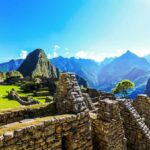
- Day 5: Machu Picchu Morning with a Guided Circuit (Plus Optional Summit Hikes)
- Price and Logistics: What You Should Budget Beyond the Stated Cost
- Meals by Mountain Chefs: Why the Food Changes Your Trek
- Guides, Group Pace, and Emergency Support
- What to Pack for Cold Nights, Long Walks, and One More Raincoat Moment
- Who This Trek Fits Best (and Who Should Skip It)
- Should You Book This Glamping Salkantay Trek?
- FAQ
- What does the tour price cover?
- Is the Machu Picchu entrance ticket included?
- Is Humantay Lake entrance included?
- Are hot springs included?
- Do I need to bring a sleeping bag?
- Are vegetarian or vegan meals available?
- Is Wi-Fi included?
- Can I rent hiking sticks?
- What are the options for returning to Cusco after Machu Picchu?
Key Highlights Worth Planning Around
- Humantay Lake + Salkantay Pass: Two major altitude moments, including the pass at 4,630 m
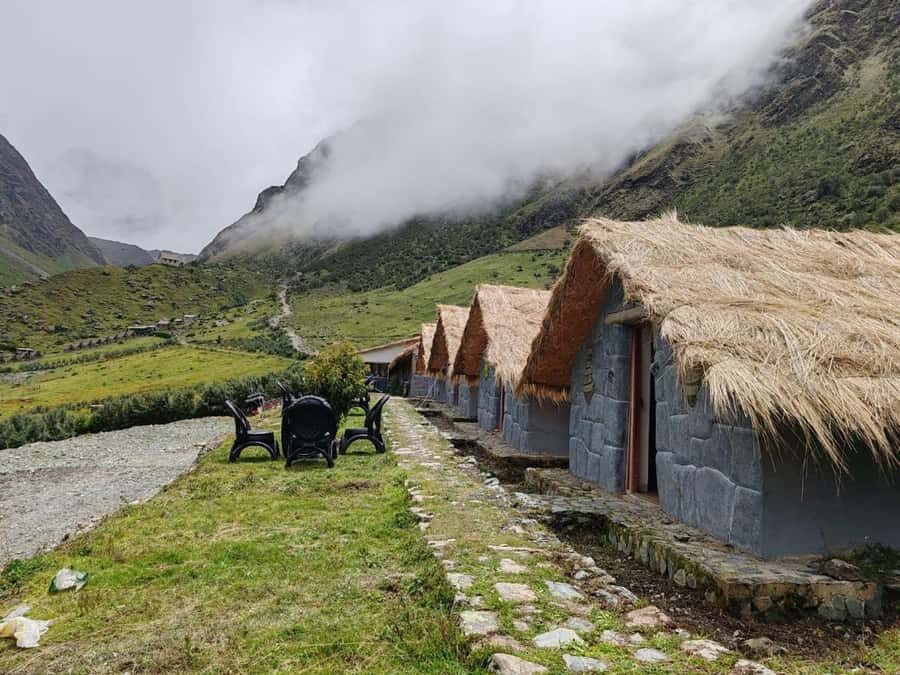
- Glamping nights: Glass-roof cabin, Sky Huts, and Dome camps instead of basic tenting
- Coffee tour + hot springs option: Santa Teresa Valley day adds flavor and recovery time
- Llactapata ruins on the way in: A quieter Inca-site stop with views toward Machu Picchu
- Guided Machu Picchu circuit timing: Your entrance ticket is separate, but your guide is scheduled for your circuit
Why Salkantay Feels Different Than the Inca Trail
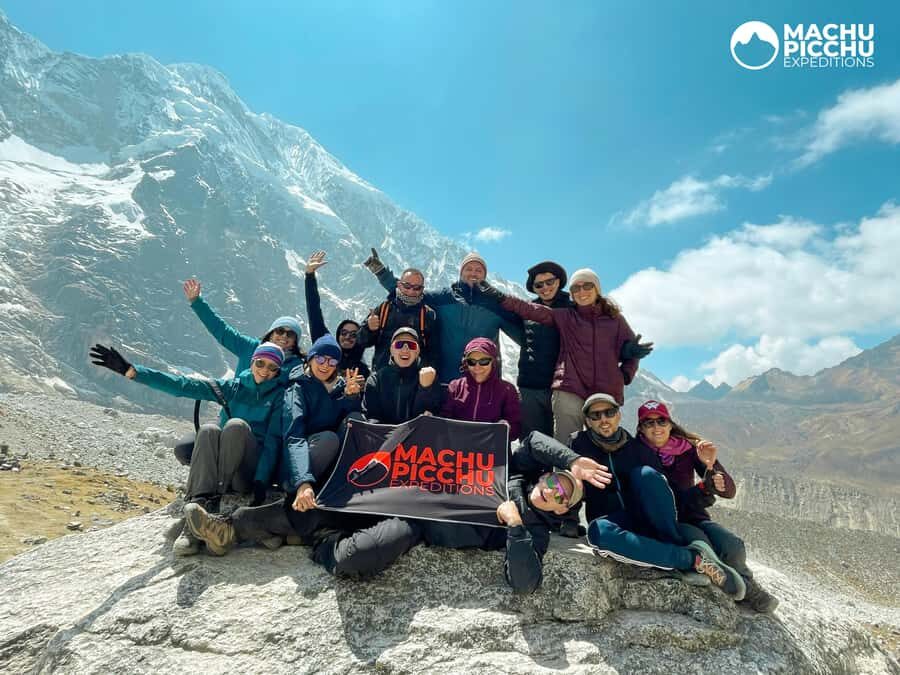
Salkantay is the alternative route people pick when they want natural drama without a constant crowd crush. The trek runs through rougher terrain and more remote valleys, so the overall vibe tends to feel more open and personal. You still reach Machu Picchu, but you get there by walking a route that feels more like the Inca story—less like a factory line.
This particular program leans into that idea with a smooth set of day-by-day transitions. You get early starts, sure, but not chaotic ones. Private transport handles the big moving parts so you’re spending your energy on trail time instead of figuring out logistics.
One more plus: the trek mixes in cultural and “good life” stops—not just hiking. You’ll hit Humantay Lake, a high pass view day, and then swing into coffee and hot springs territory before the final push toward Machu Picchu.
You can also read our reviews of more hiking tours in Cusco
Glamping Along the Trail: Glass Roofs, Sky Huts, and Dome Comfort
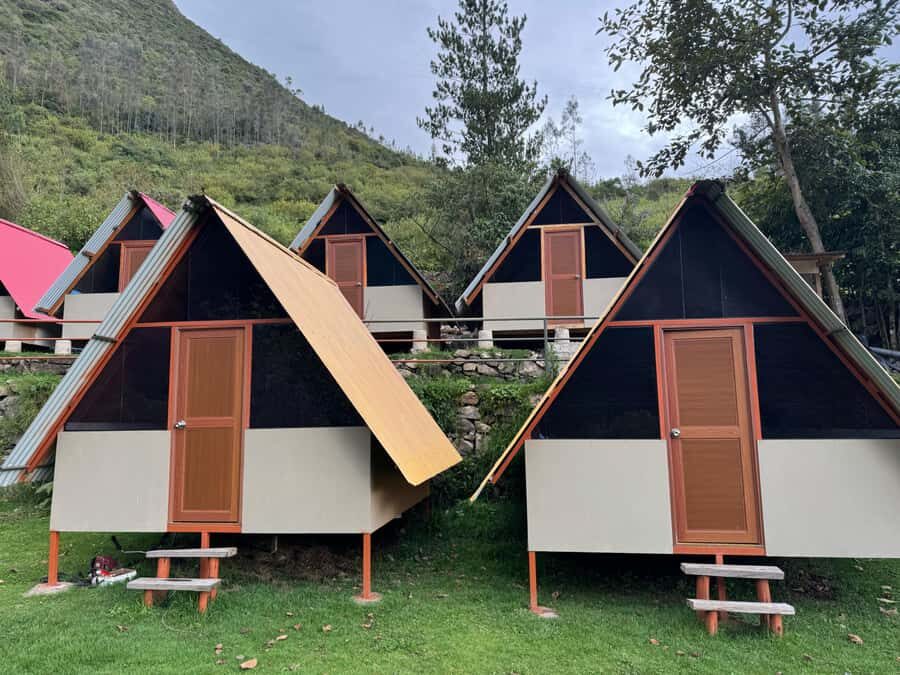
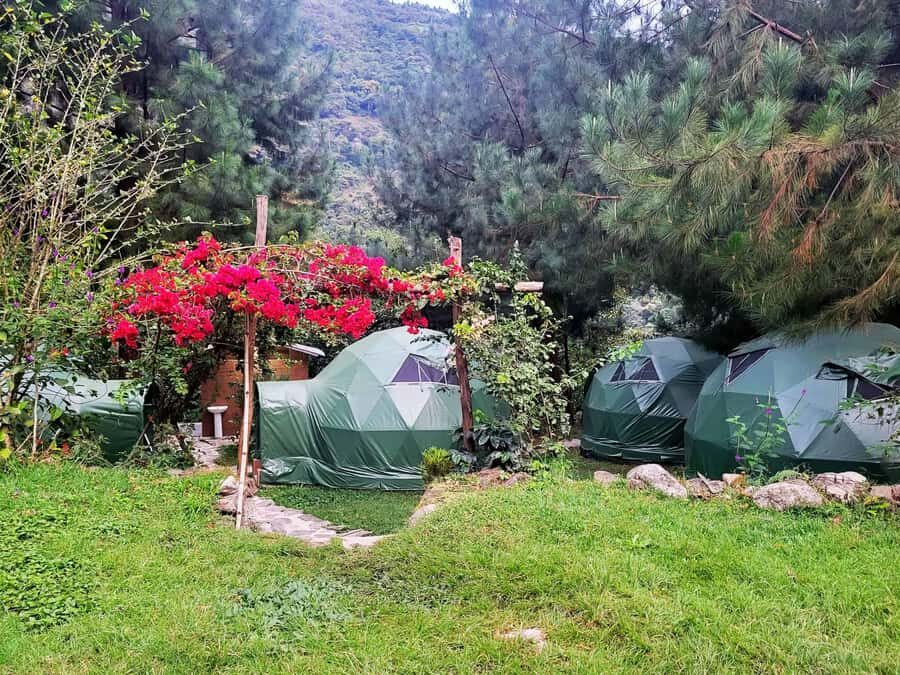
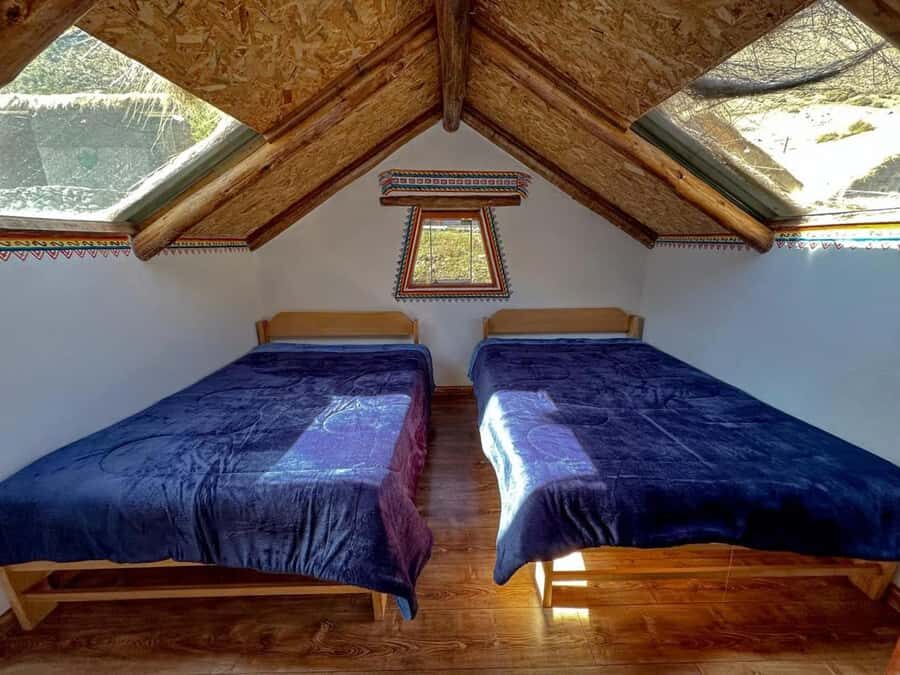
If you’re imagining Salkantay as pure dirt-and-sweat camping, this route changes that. Your nights include glamping-style setups, with different structures each day. Day 1 is a cabin with a glass roof—great if you enjoy looking up at the sky between cold-water reality checks. Day 2 uses Sky Huts, and Day 3 shifts into Dome-style stays.
What matters for you is not just “cute pictures.” It’s practical comfort during recovery. A proper pad and pillow are included, and camps have free electricity for charging devices. That means you’re not stuck with a dead phone when you want photos, maps, or a way to check your circuit details.
Also, you’re not completely on your own. First-aid equipment, walkie-talkies, and an oxygen bottle are included for emergencies. That doesn’t remove risk at altitude, but it does add real safety structure.
Day 1: Cusco to Soraypampa and Humantay Lake (4 a.m. Start, 4,200 m Payoff)
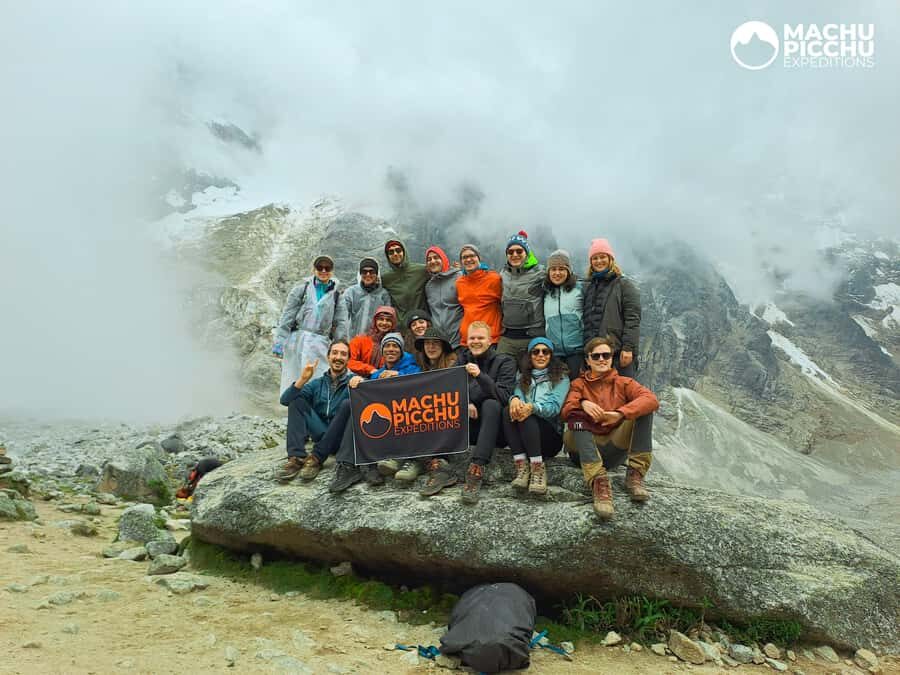
Day 1 begins with a 4 a.m. pickup from your hotel in Cusco’s historic center. That’s early. Like, no-negotiation early. After a short rest and a morning stop in Mollepata for breakfast, you head toward the start of the trek at Challacancha.
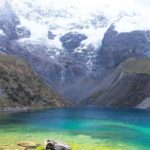
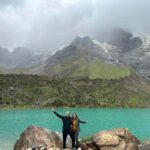
From there, you walk up to Soraypampa and settle into a private camp. After lunch and some downtime, you tackle the climb to Humantay Lake at 4,200 m. This is one of those stops where your body checks in with altitude quickly, but the views make you forget your complaints.
Back at camp, dinner comes from the mountain chef setup. Then you get sunset time and a calm evening. This day is a good “warm-up” leg in the sense that it gives you serious scenery without trying to break you before the real height work.
Practical tip for Day 1: dress like you’re going to get cold even if the sun shows up. Warm layers and a hat make this much easier, and sunglasses help more than you’d expect at high altitude.
Day 2: Trail of the 7 Snakes and Salkantay Pass (The Big Altitude Moment)
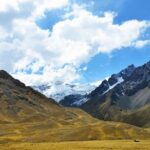
At dawn, you wake up with coca tea and breakfast. Then the trek moves toward the Salkantay Pass at 4,630 m. The route includes the challenging Trail of the 7 Snakes—so expect steep sections and a pace that feels slower than you want.
At the top, the reward is the view of Salkantay (6,271 m). This is the day that teaches you how altitude makes your legs feel heavier. Going slower is smart here. Save your sprint for the downhill parts you’ll actually enjoy.
After the pass, you descend to Collpapampa at 2,950 m for dinner and sleep. This is where the glamping shines again: you’ll rest in cozy Sky Huts so you can recover for Day 3 without living in discomfort.
Day 3: Santa Teresa Valley Recovery—Coffee Tour, Hot Springs, Optional Zipline
Day 3 starts with tea and breakfast at 6 a.m. Then you head out from camp toward La Playa through the Santa Teresa Valley. This is a change of pace. The day feels more like traveling through valleys than wrestling one more steep climb.
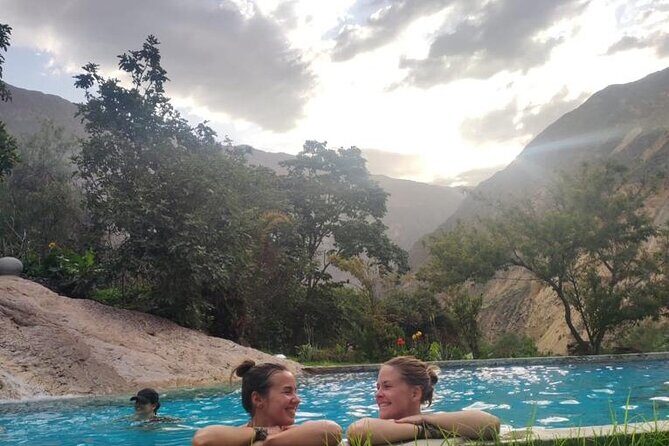
After lunch at camp, you can choose recovery mode. The program includes access to a coffee tour experience, plus an option to visit the Cocalmayo hot springs for a soak. There’s also an optional zipline on this day. If you want the active break, zipline is bookable with the program; if you want to save energy, you can skip it and just unwind at camp.
Later, you’ll have tea and dinner again. Then night two of glamping happens in the Jungle Domes camp—dome stays that let you sleep with nature sounds around you. It’s the kind of setting that makes the trekking days feel like a full journey, not just walking from one checkpoint to the next.
One practical note: hot springs entrance and transportation are not included. So if you’re planning to soak, budget the added costs.
Day 4: Lucmabamba to Llactapata and Hidroelectrica to Aguas Calientes
Day 4 is where the trek starts blending into the final Machu Picchu approach. You’ll eat breakfast, then begin a section that uses the original Inca Trail toward Llactapata.
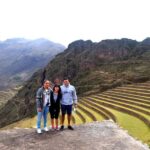
You’ll climb for about two hours to reach Llactapata at 2,700 m. Llactapata is archaeological and also gives you views toward Machu Picchu—so you’re not just walking history; you’re getting a preview of what’s waiting.
After that, there’s a two-hour descent. During the walk, you’ll get glimpses of the citadel before lunch in Hidroeléctrica. From there, you continue toward Aguas Calientes. You check into a 3-star hotel in Machu Picchu town, then dinner is scheduled for 7:00 p.m. so you can get sleep before your guided Machu Picchu morning.
Two real-world considerations for Day 4/5:
- Aguas Calientes lodging can feel noisy in some departures. If you’re a light sleeper, pack earplugs.
- You’ll be doing a mix of walking and transit, and the return from Hidroelectrica later includes walking time from MP town. Plan for legs to stay busy even after you reach Machu Picchu.
Day 5: Machu Picchu Morning with a Guided Circuit (Plus Optional Summit Hikes)
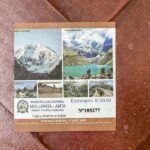
This is the headline day: guided access to Machu Picchu. The entrance ticket itself is not included, and the cost is listed as $45 for Circuit 2B (subject to availability on the official government ticket site). Your guided visit is scheduled for a specific circuit set (Circuit 2B/6/7 and a time reference shown as 8:00 am), so the key move for you is to confirm your exact circuit code and start time when you purchase the ticket.
Your Machu Picchu visit includes a guided tour of about 1.5 hours, following your circuit. After that, you get free time to explore. Optional add-on hikes include Huayna Picchu (2,720 m) or Machu Picchu Mountain (3,000 m). You can also choose viewpoints like the Sun Gate (2,729 m) or visit the Inca Bridge, depending on what’s available through your route.
I like how this day balances guidance with choice. A guide helps you not miss the key sight lines and building layouts. Then free time lets you slow down and do what you actually care about—views, photos, or quiet corners.
Price and Logistics: What You Should Budget Beyond the Stated Cost
The listed price is shown as $35 per person, but you should treat it as a baseline and verify the full “all-in” amount you’ll pay. Machu Picchu entrance is explicitly not included, and it’s a major add-on at $45 (subject to availability). That ticket is also circuit-specific, so it’s not one-size-fits-all.
Several other items can add cost depending on your choices:
- Humantay Lake entrance: PEN 20.00
- Cocalmayo hot springs: entrance PEN 10.00 plus transportation PEN 40.00
- Zipline: $28.00 USD (optional)
- Walking sticks rental: US$ 10.00 for the whole trek (optional)
- Sleeping bag rental: US$ 10.00 for the whole trek (optional)
- Hot showers on day 2 and 3: PEN 10.00 each camp
- Wi-Fi: costs apply (S/. 5 first camp; S/. 10 in second and third camps)
Then there’s the return side. After Machu Picchu town, return logistics involve walking time. You’ll walk about 2 hours from MP town to Hidroelectrica, then take a bus back to Cusco for $12 USD. There’s also an optional train route (+USD 90): train from Machu Picchu town to Ollantaytambo, then bus to Cusco.
If you want one simple budget approach, assume you’ll pay the big ticket (Machu Picchu) plus Humantay and hot springs if you do both, and then add optional comforts like zipline, rentals, and Wi-Fi.
Meals by Mountain Chefs: Why the Food Changes Your Trek
A trek lives or dies by energy. This route treats meals like an actual plan, not an afterthought. You get 5 breakfasts, 4 lunches, and 4 dinners, plus 3 snacks and coca tea in the mornings.
The biggest praise point you’ll see in real group feedback is the freshness and quality of the cooking. This is chef-driven food made for the rhythm of trekking. It matters because your body needs real fuel on altitude days and during long walking stretches.
You also get tea time every afternoon: popcorn, cookies, chocolate, and coffee. That sounds small until you’re halfway up a steep slope and realize you’ll be eating something sweet later. It’s also a nice group moment when people actually talk instead of just grunt.
Vegetarian and vegan options are available on request with no additional charges. If you’re plant-based, this can be a relief because some treks handle dietary needs with substitutions that feel like punishment. Here, the program explicitly says it can adapt.
Guides, Group Pace, and Emergency Support
This trek runs with an English/Spanish speaking professional guide and a small group size (limited to 15). In real-world terms, that usually means less waiting than large tours and better control if weather or pacing needs adjustment.
The names that come up most often in praise include Ruben as a guide, and guide pairs like Roger and Reynaldo, plus Tupac and Nidia. The common thread is clear guidance and practical help when something goes wrong. That’s what you want from a guide: not just storytelling, but staying on top of the work.
There’s also emergency readiness included: first-aid equipment, walkie-talkies, and an oxygen bottle. For you, that’s reassuring because high-altitude trekking isn’t something you gamble with.
One practical consideration: group fitness variety can change your pace. If you’re sensitive to waiting around while others catch up, go in with a steady routine and don’t plan on racing anyone but yourself.
What to Pack for Cold Nights, Long Walks, and One More Raincoat Moment
You’ll want a realistic layering system. Warm clothing is required, plus gloves, a long-sleeved shirt, and hiking pants. Sunglasses and sunscreen matter too, and the program specifically suggests biodegradable sunscreen and insect repellent.
Bring:
- Hiking shoes and a daypack
- Reusable water bottle (drinking water for bottles is not included)
- Passport or ID card
- Hat, flashlight, charged smartphone, and power bank
- Swimwear and a towel (because hot springs are an option)
Sleeping gear: a sleeping bag is not included, but you can rent one for US$ 10 for the whole trek. You do get a personal pad and pillow, so it’s not “nothing provided.”
Also, plan for tech charging needs. Electricity is available in all camps for charging devices, which helps you keep your phone alive for Machu Picchu photos and maps.
Who This Trek Fits Best (and Who Should Skip It)
This is an adventure trek with steep altitude days. It’s not “casual walking.”
It’s not suitable for:
- Pregnant women
- People with back problems, mobility impairments, heart problems, respiratory issues, epilepsy
- Wheelchair users
- Children under 18
- People over 70
If you have any medical condition not listed here but you’re unsure, treat the Salkantay altitude numbers seriously. The trek hits 4,200 m and climbs to 4,630 m at the pass, and that’s a lot for many bodies.
If you’re fit enough and comfortable with long days, this could be a great match—especially if you want a less crowded route and still want real comfort at night via glamping-style accommodations.
Should You Book This Glamping Salkantay Trek?
I’d book it if you want a route to Machu Picchu that feels less crowded, with real scenery days like Humantay Lake and the Salkantay Pass. I’d also choose it if you care about food quality and want chef-made meals plus daily tea-time treats.
Skip (or at least rethink) if you hate added costs. Machu Picchu tickets, Humantay entrance, and hot springs are extra, and return logistics also come with walking time. If noise at night bugs you, I’d also plan to protect your sleep during the Aguas Calientes stay.
If you’re okay doing your homework on circuits and start times, this trek hits a nice balance: adventure by foot, comfort by design, and Machu Picchu handled with a guide.
FAQ
What does the tour price cover?
It includes a pre-trek briefing the day before departure at 6 p.m., hotel pickup in Cusco historic center, private transportation to the trailhead, a professional English/Spanish guide, meals (5 breakfasts, 4 lunches, 4 dinners, 3 snacks), tea time each afternoon, coca tea each morning, 3 nights in glamping-style camps plus 1 night in a 3-star hotel in Machu Picchu town, and a guided Machu Picchu visit for your assigned circuit. It also includes emergency supplies (first-aid equipment, walkie-talkies, oxygen bottle) and free electricity in camps for charging devices.
Is the Machu Picchu entrance ticket included?
No. The entrance ticket is listed as $45 for Circuit 2B and is subject to availability on the official government ticket sales site.
Is Humantay Lake entrance included?
No. Humantay Lake entrance is listed as PEN 20.00.
Are hot springs included?
The hot springs visit is optional. Hot springs entrance is listed as PEN 10.00, and transportation to the hot springs is listed as PEN 40.00.
Do I need to bring a sleeping bag?
A sleeping bag is not included, but you can rent one from the operator for US$ 10.00 for the whole trek. You do get a personal pad and pillow.
Are vegetarian or vegan meals available?
Yes. Vegetarian/Vegan options are available on request with no additional charges.
Is Wi-Fi included?
Wi-Fi is not fully included. It costs S/. 5.00 in the first camp and S/. 10.00 in the second and third camps.
Can I rent hiking sticks?
Yes. Walking sticks can be rented from the operator for US$ 10.00 for the whole trek.
What are the options for returning to Cusco after Machu Picchu?
The return includes walking about 2 hours from Machu Picchu town to Hidroeléctrica, then a bus to Cusco for $12 USD. There is also an optional train route (+USD 90) from Machu Picchu town to Ollantaytambo, followed by a bus to Cusco.