REVIEW · LIMA
Cook an Authentic Ceviche And Peruvian Pisco Sour!
Book on Viator →Operated by HAKU TOURS · Bookable on Viator
Two hours, two legends, one kitchen. In Miraflores, you’ll learn how to build the Pisco Sour and “cook” ceviche with acid, not heat. I like that it skips long speeches and gets you working at the cutting board and mixing station fast. I also like the storytelling, especially the historical context behind the national drink, with guides such as Geo and Joseph showing you what to taste for.
One thing to consider: you’re actively cooking, so wear clothes and shoes you don’t mind getting splashed, and come ready to stand and move for the full session starting at 7:00 pm.
In This Review
- Key takeaways before you go
- Miraflores logistics: where the class starts and how the timing works
- What you really do in the kitchen (and why it feels different)
- The Pisco Sour lesson: foam, balance, and the story behind the drink
- What you’re practicing
- A practical note about alcohol
- Ceviche in action: how leche de tigre “cooks” the fish
- What makes the technique worth learning
- Vegetarian option
- What you eat at the end: the tasting meal that makes it click
- Who this class is for (and who might skip it)
- Value check: is $42 for 2 hours worth it in Lima?
- What to wear, what to bring, and how to get the best results
- A note on the guides: the difference between okay and great
- Should you book this Lima ceviche and Pisco Sour class?
- FAQ
- Where is the meeting point?
- What time does the class start, and where does it end?
- How long is the ceviche and Pisco Sour class?
- How much does it cost per person?
- Is this a small-group class?
- Is there a vegetarian option?
- What is the minimum drinking age?
- Is hotel pickup included?
- What should I wear?
- What is the cancellation/refund policy?
Key takeaways before you go
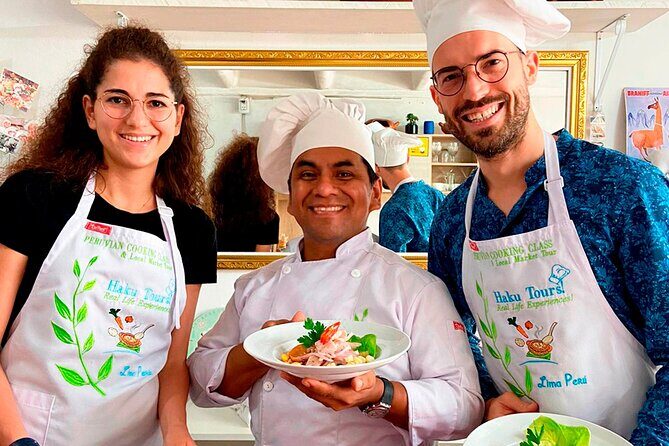
- A hands-on format that focuses on doing, not watching
- Fresh ingredients for both cocktail and ceviche
- Pisco Sour technique centered on the right balance for foam
- Ceviche “cooking” skills using leche de tigre and timing
- Small group size with a maximum of 14 people
- You eat what you make after cooking, not just sample bites
Miraflores logistics: where the class starts and how the timing works
This is a 2-hour class in Lima’s Miraflores district. The meeting point is Av. José Larco 724 (15074), and the session starts at 7:00 pm. You’ll come back to the same meeting point at the end, so you don’t need to plan extra transportation for later.
Because it’s near public transportation and there’s no hotel pickup included, you’ll want to build in a little extra time to reach the address and get settled. The upside of this style of setup is that you stay flexible. You can pair it with dinner plans nearby or do it as your main event night without thinking too hard about the logistics.
The group stays small, with a maximum of 14. That matters because ceviche and cocktails aren’t “one size fits all.” If someone’s knife hand needs a quick correction, or your citrus balance feels off, small group size gives the chef and guide room to adjust.
You can also read our reviews of more tours and experiences in Lima.



What you really do in the kitchen (and why it feels different)
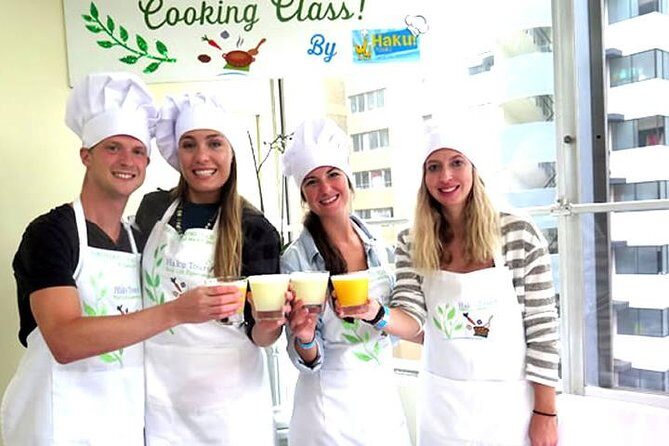
The biggest difference here is pace. This isn’t a sit-and-watch demonstration. It’s designed so you spend your time cooking and tasting. The format nudges you to learn by repetition: mix, adjust, taste, then move to the next step.
That matters for the two signature results:
1) Your Pisco Sour needs the right balance, plus the foam texture you get from proper mixing.
2) Your ceviche depends on how you treat the fish with acid and how quickly you build flavor with leche de tigre.
The class also includes both a professional chef and a professional guide. Reviews mention instructors like Gabriela, Karina, Chef Fernando, Joseph, Caesar, and Geo. When you have both roles working with the group, you get two layers of support: technique in the kitchen and context at the table.
If you like learning by doing—mixing drinks, cutting ingredients, and tasting as you go—this format fits you. If you hate being hands-on, you might prefer a more observational food tour. But the theme of this class is pretty clear: you’re meant to leave with skills, not just photos.
The Pisco Sour lesson: foam, balance, and the story behind the drink
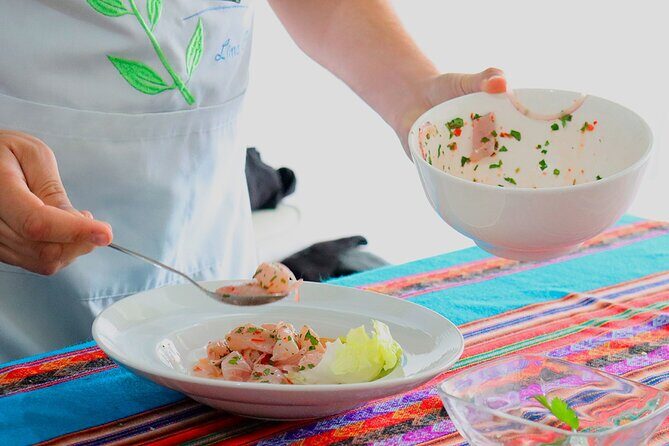
Your session kicks off with the Pisco Sour, Peru’s most famous cocktail. You’ll learn the precise balance of pisco, lime, and bitters, and you’ll focus on how to create the characteristic foam. This isn’t just about following steps; it’s about understanding what the ingredients do.
What you’re practicing
- How lime acidity changes flavor fast
- How bitters contribute complexity without taking over
- How pisco brings the spirit-forward backbone
- How the mixing step affects the foam you see at the top
The chef and guide explain the historic drink part as well. That context is more useful than you might think. When you know why the recipe became iconic, you taste more closely for what should be present: bright citrus, a balanced sweetness, and that lightly bitter edge that keeps it from tasting one-note.
Several people also mentioned that the Pisco Sour can land on the sweeter side, which makes sense if your group leans toward that preferred palate. The key takeaway for you: you’ll learn how the proportions affect your final glass, so you can recreate your version at home.
A practical note about alcohol
The class includes what you make as part of the lesson. Alcoholic beverages sold separately are not included, so you should only plan for any extra drinks if you choose to purchase them on site.



Ceviche in action: how leche de tigre “cooks” the fish
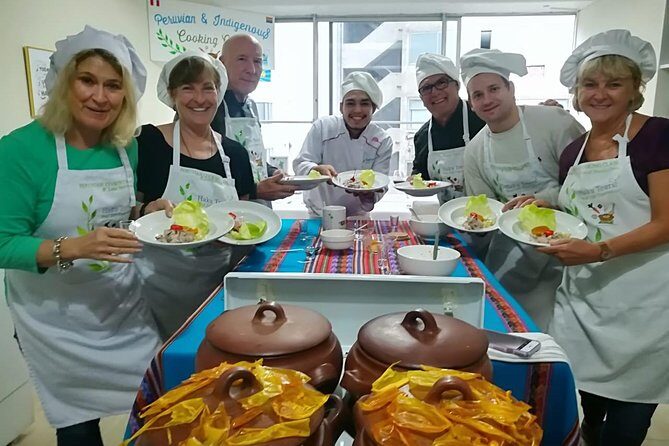
After the cocktail, you move into ceviche. The focus is on authentic technique—specifically how fresh fish is “cooked” using leche de tigre, and how you get the harmony of spice and acidity right.
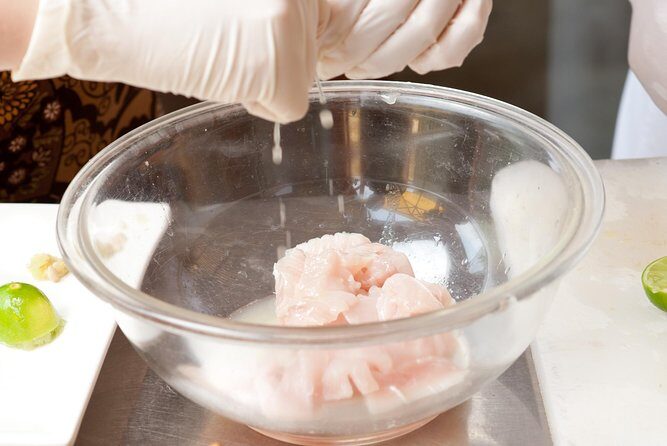
If you’ve had ceviche before and it tasted flat or overly sour, this is where you’ll learn why. Acid strength, timing, and seasoning order all shape the final result. The class approach is hands-on: you cut, you mix, you season, and then you taste.
What makes the technique worth learning
Ceviche isn’t grilled or boiled. It’s transformed. The acid in leche de tigre changes the fish texture quickly, and the flavor builds while you work. That means your pacing is part of the recipe.
You’ll also learn how to build flavor without overcomplicating it. Lime is the headline, but the support matters: seasoning choices and spice levels help ceviche go from “sour fish” to a balanced dish.
The guide portion helps translate technique into something you can repeat later. Reviews mention that hosts explain the secrets clearly and answer questions patiently. One guest even described the chef and sous chef as working to give everyone a job so no one just stood by.
Vegetarian option
There is a vegetarian option available. If you want it, you must advise at booking. I can’t promise what specific substitute is used, because the details aren’t listed here, but the key point is that the class can be adapted.
What you eat at the end: the tasting meal that makes it click
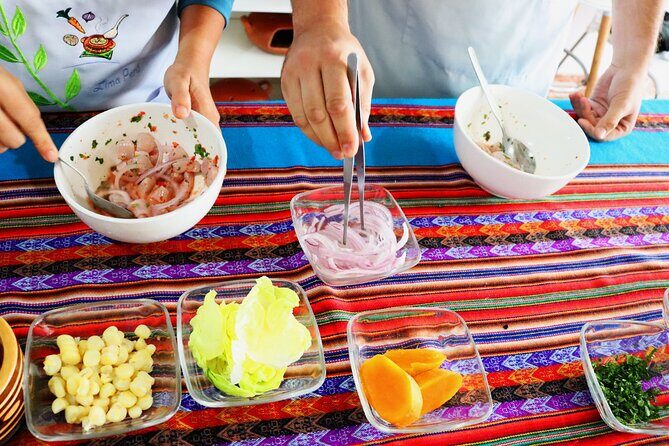
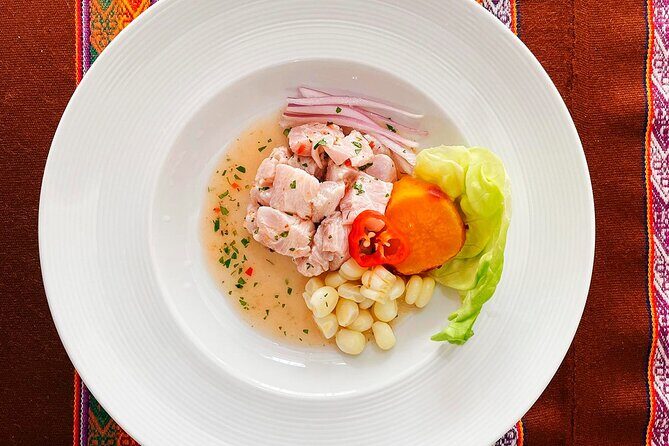
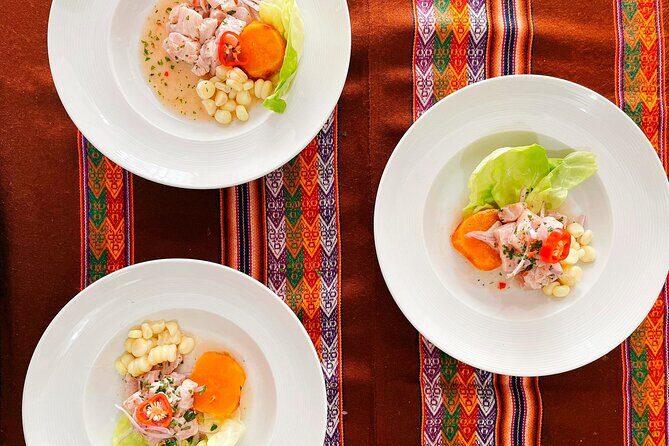
After you cook, you sit down and eat what you made. That final meal is where the class turns into something more than a workshop.
You’re not just tasting in a random moment. You’re tasting with context. You remember what you changed while mixing the drink or seasoning the ceviche. You can feel the difference between:
- a balanced leche de tigre and an overly sharp one
- a correctly balanced Pisco Sour and one that feels too sweet or too bitter
And because the group is small, the meal tends to feel social. People doing the class around you often share what they learned, and you’ll hear different flavor preferences as everyone tries their own version.
One review even described a rooftop setting in Miraflores. That kind of open, airy space can make the whole experience feel lighter, especially because you’re doing something active with your hands.
Who this class is for (and who might skip it)
This class fits best if you want a skill-based food experience.
You’ll likely love it if:
- You want to learn how to make Pisco Sour and ceviche, not just eat them
- You enjoy cooking with guidance and immediate feedback
- You like small groups where you can actually talk to the chef and guide
- You’re the type who wants recipes to recreate at home
It may be less ideal if:
- You dislike standing for a couple of hours or working with kitchen mess
- You want a purely cultural tour with minimal cooking
- You’re visiting with very tight timing and don’t want to plan for a 7:00 pm start
One nice bonus: some people brought kids who enjoyed it too, but the listed minimum drinking age is 18. That doesn’t mean the cooking parts won’t be fun for younger visitors, it just means alcohol participation follows that age rule.
Value check: is $42 for 2 hours worth it in Lima?
At $42 per person for about 2 hours, you’re paying for more than ingredients. You’re paying for:
- a professional chef and professional guide
- a small group environment (max 14)
- a fully equipped kitchen setup
- all ingredients used for the Peruvian dishes you make
- the experience of doing technique under supervision
If you tried to copy this at home, you’d need to source the same ingredients, learn the right balance without help, and take on the risk of getting texture or flavor wrong. Here, you get the correction as you cook.
Also, several guests mentioned they received recipe material—one person described a 14-page recipe book. Even if you don’t treat it like a cookbook, having a structured reference helps you repeat the results.
So the value isn’t just “cheap vs expensive.” It’s risk reduction. You spend your time learning the exact moves that create good results, and then you eat those results right away.
What to wear, what to bring, and how to get the best results
The instructions are straightforward: wear comfortable clothes and shoes. Ceviche prep can mean citrus splashes and kitchen cleanup happens in real time, not in a neat little corner.
I’d also do these small prep moves:
- Bring your best appetite, because you’ll likely be hungry after cooking
- Be ready to taste as you go (that’s where learning happens)
- Ask questions when something feels off—this kind of class is built for corrections
If you’re a solo traveler, this setup is especially friendly. Reviews include solo guests who described it as a highlight, and the small group nature helps you feel less like you’re “performing cooking” alone.
A note on the guides: the difference between okay and great
This class has clearly strong instruction. You can see patterns in what people loved: friendly support, clear explanations, and patience.
Names that popped up in feedback include:
- Gabriela and Karina, praised for energy and clarity
- Chef Fernando, praised for quality and flavor
- Joseph and Caesar, praised for guiding through ceviche tricks and techniques
- Geo, praised for making history and the process easy to follow
That human element matters more than it sounds. Pisco and ceviche are simple ingredients, but the success is in proportion and timing. When a chef explains what you should taste for, you stop guessing.
Should you book this Lima ceviche and Pisco Sour class?
If your goal is to bring home real cooking skills, I’d book it. The hands-on structure, the small group size (max 14), and the fact that you make and eat both iconic items make it a solid way to spend an evening in Miraflores.
I’d particularly recommend it if you’re:
- staying in Lima for only a short time and want one high-impact food experience
- excited about Pisco Sour foam and ceviche texture
- the type who learns best by doing
One last check: make sure the 7:00 pm start works for your schedule. And if you’re vegetarian, plan ahead and request the option at booking.
FAQ
Where is the meeting point?
The class meets at Av. José Larco 724, Miraflores 15074, Peru.
What time does the class start, and where does it end?
This experience starts at 7:00 pm and ends back at the meeting point.
How long is the ceviche and Pisco Sour class?
It lasts about 2 hours.
How much does it cost per person?
The price is $42.00 per person.
Is this a small-group class?
Yes. It has a maximum of 14 travelers.
Is there a vegetarian option?
Yes, a vegetarian option is available. You’ll need to advise at the time of booking.
What is the minimum drinking age?
The minimum drinking age is 18.
Is hotel pickup included?
No, hotel pickup and drop-off are not included.
What should I wear?
Wear comfortable clothes and shoes.
What is the cancellation/refund policy?
You can cancel for a full refund if you cancel up to 24 hours in advance of the experience’s start time. If you cancel less than 24 hours before, it’s not refunded.