REVIEW · LIMA
Lima Off the Beaten Path: Local Communities and Cultural Immersion
Book on Viator →Operated by Alternative Peru · Bookable on Viator
Chorrillos, Morro Solar, and the Pueblos Jovenes make one strong case for seeing Lima beyond postcard walls. I love the 20-minute fisherman boat ride and I also love how the lunch with a local family turns into real conversation, not a photo op. Just keep one thing in mind: this is an active day with bumpy roads and some walking on uneven ground, so comfy shoes matter.
My favorite part is how the tour keeps showing you two Lima’s at once: modern shoreline districts against fishermen’s routines, and big-city views next to everyday work in the hill neighborhoods. Depending on weather, the boat portion may change. If you’re sensitive to seeing poverty up close, go in with an open mind and a steady heart.
In This Review
- Key Highlights You’ll Want on Your Radar
- A Day in Lima That Doesn’t Sit Still
- First Stop: Chorrillos Fishermen, Fish Market, and a Real Coastal Contrast
- Morro Solar: Viewpoints, Nehlina, and the Pacific Version of a Landmark
- Cementerio de Nueva Esperanza: Art, Sand Hills, and a Cemetery You Won’t Forget
- San Juan de Mirafafres: Lunch in a House, NGO Projects, and Practical Hope
- Guides, Tone, and the Small Details That Make It Work
- What You’ll Need to Prepare (So the Day Feels Good)
- How Much Is It Worth? The Price, Broken Down by Value
- Who This Tour Suits Best (And Who Might Want a Different Day)
- Should You Book Lima Off the Beaten Path?
- FAQ
- How long is the tour?
- What’s included in the price?
- Is the boat ride guaranteed?
- How long do you spend at Morro Solar?
- What’s the lunch like?
- What about weather conditions and fog?
- Is the tour private?
Key Highlights You’ll Want on Your Radar

- Chorrillos fish market plus a short boat ride with views of pelicans and the Miraflores skyline
- Morro Solar’s viewpoint and local fog moments (neblina can make the experience feel different)
- Cementerio de Nueva Esperanza—the second-largest cemetery in the world, set among sand hills and homes
- Lunch at a local family’s house in the San Juan de Miraflores area
- Community-focused visits connected to local NGOs and practical hope-focused projects
- A private format with your group only, led by a bilingual leader (plus local guides on some parts)
A Day in Lima That Doesn’t Sit Still
This is the kind of Lima day that starts with sea air and ends with a very different kind of horizon. You move through working districts, hilltop viewpoints, and neighborhoods where people are building a life from the ground up. It’s not one big museum hit. It’s multiple small windows that add up.
The good news is that the pace is manageable: the longest chunk of time is the full drive-and-stop rhythm across the city. The tour runs about 7 hours 30 minutes total, with transfers that depend on traffic. You’ll also have round-trip hotel transport, so you’re not fighting buses or taxis while trying to take it all in.
You also get a clear value picture for the money. The day includes lunch, local guide support, private transportation, and admission where it applies (boat/market and the cemetery). Morro Solar is free, which helps keep costs sensible without cutting key stops.
You can also read our reviews of more tours and experiences in Lima.



First Stop: Chorrillos Fishermen, Fish Market, and a Real Coastal Contrast

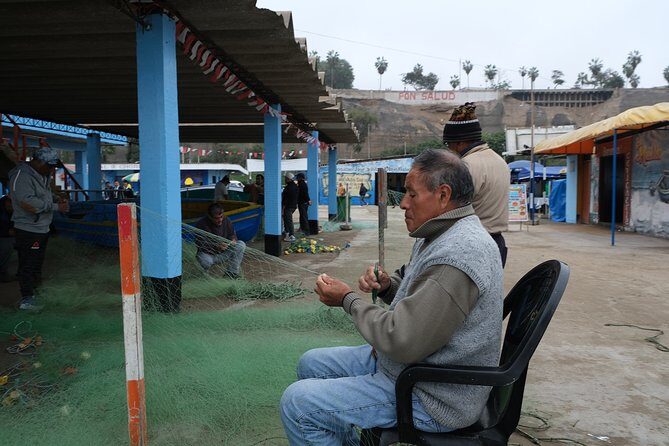
Chorrillos is close to the city center—about a 15-minute drive—but it feels like a shift in atmosphere right away. You start at a small artisanal fish market and a pier with coastal views. The goal here isn’t shopping. It’s seeing how daily life works for small-scale fishermen.
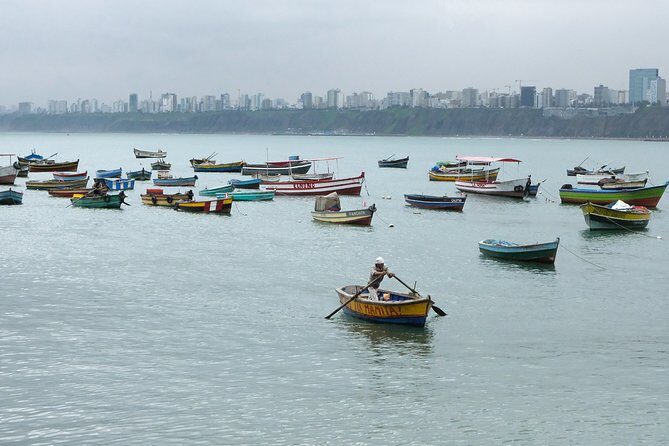
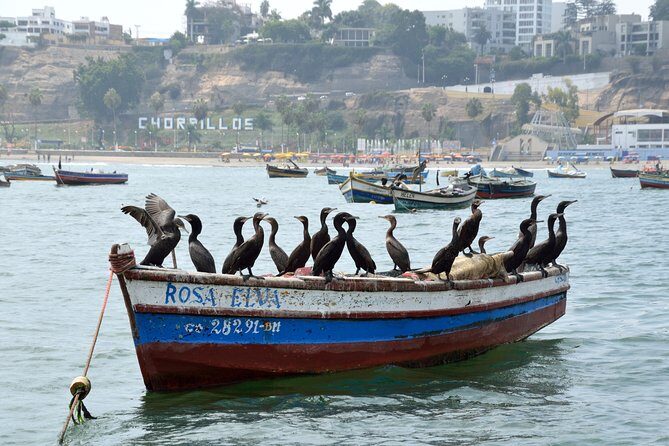
Then you head out for a 20-minute boat ride—weather permitting. From the water, you’ll notice the contrast immediately: colorful fisherman boats, pelicans overhead, and in the distance the more modern skyline of Miraflores. This “two realities in one view” moment is exactly why this stop works.
What I like about this part is that the guide doesn’t just point. You get context about routines and place history as you go, which helps you interpret what you’re seeing instead of just collecting images. If the sea is rough or conditions aren’t right, the tour can adjust. You’ll still get the inland meaning of Chorrillos even if the boat time changes.
One practical note: you’re out on the water for a short stretch, so plan on sun and breeze. Even when the sky looks cloudy, Lima sun can still hit hard later in the day. Bring water and protect your skin.
Morro Solar: Viewpoints, Nehlina, and the Pacific Version of a Landmark
After Chorrillos, you climb to Morro Solar, a hilltop viewpoint where you can catch some of the best wide views of Lima and the coast on clear days. This stop runs about 20 minutes, so it’s short, but it’s designed for impact: you’re meant to look out and recalibrate your sense of the city.
Then comes the Lima twist: neblina, the fog that can roll in. If that happens, the view may be less “crystal clear,” but the experience becomes different rather than disappointing. Fog can soften distance and make the coastline feel more mysterious. Either way, you’ll learn why Morro Solar matters historically.
There’s also a “Christ on a hill” connection. The one in Rio de Janeiro is the headline, but Morro Solar has its own Pacific version with an excellent view and story. The stop is brief, but it gives you a sense of how the city marks important places high above the streets.
If you’re chasing perfect photos, go in knowing fog is possible. I’d rather treat the fog as part of the character of Lima than as a failure of weather.
Cementerio de Nueva Esperanza: Art, Sand Hills, and a Cemetery You Won’t Forget
Next you’ll drive through several local neighborhoods—and yes, the street life is part of the show. This is one of the reasons the tour feels more honest: you don’t just zip to “interesting places.” You pass through real areas where people are living their day.
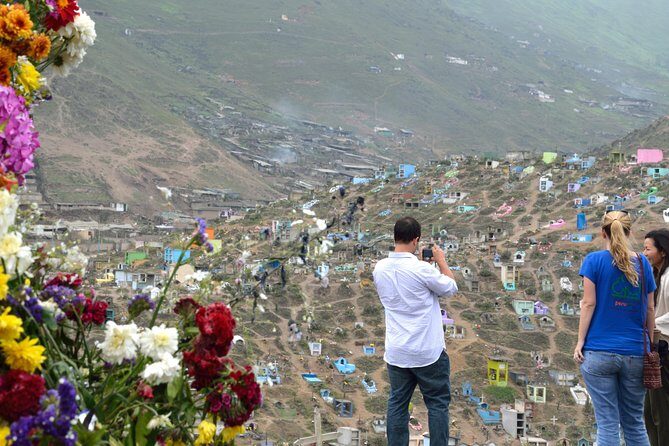
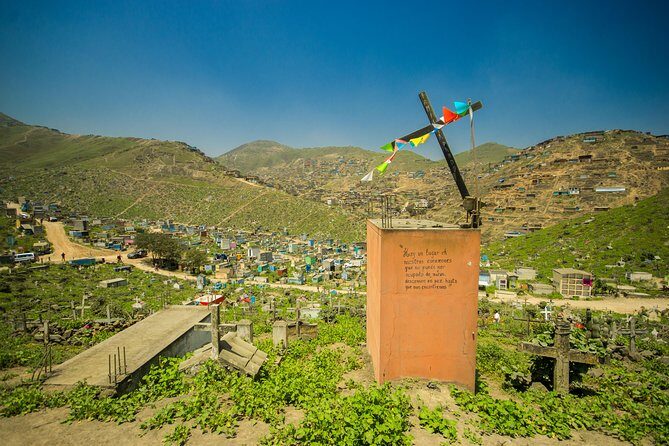
Then you reach Cementerio de Nueva Esperanza, the second-largest cemetery in the world. This place is unusual on multiple levels. It’s surrounded by sand hills and human settlements, so it doesn’t feel sealed off like the cemeteries you might know elsewhere.
You’ll have about 30 minutes here, plus time to look around. If you like photography, this is one of the better moments of the day for man-made forms against natural textures. The cemetery’s setting can create striking compositions—especially when you notice how people have shaped spaces around remembrance.
The main caution is emotional. This is a meaningful place, and the topic is heavy. The tour doesn’t frame it as shock content; it’s presented as an important local site with a distinct reality. If you’re respectful and curious, it can be one of the most memorable stops you’ll have in Lima.
San Juan de Mirafafres: Lunch in a House, NGO Projects, and Practical Hope
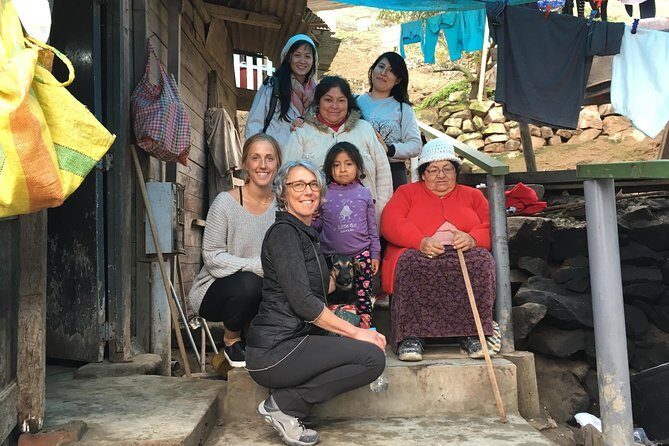
This is where the tour turns from “places” into “people and systems.” You head toward the human settlement area of San Juan de Miraflores. These communities grew in the late 20th century as migrant populations expanded into the hills. In other words, you’re seeing one of the core stories of Lima’s modern growth.
The tour focuses on the theme of responsible cultural immersion, and that matters. You’re not dropped into a neighborhood and left to figure out how to act. You visit with support from people connected to local efforts, including an NGO run by locals with projects for children, teenagers, and mothers.
Lunch is a highlight here. You eat a typical Peruvian lunch prepared by the local cook/mom in a local home. The format encourages conversation both ways. You may share where you’re from, and you’ll hear personal stories in return. In a country as varied as Peru, that one-on-one exchange can be more revealing than any guidebook line.
Depending on how your day is arranged, you might also interact with locals through community projects. The tour is described as customizable, which can mean variations like:
- a visit to a ladies’ workshop running a small craft business, often sold as fair trade products
- time related to a wall separating poorer and richer areas (sometimes called the wall of shame)
Some of those options are about learning how small businesses get started. Others are about understanding how inequality is physically visible. Either way, you’re seeing work that’s organized and ongoing, not just charity.
I also love that the tour doesn’t pretend the situation is easy. It frames these neighborhoods as hardworking places where families are building opportunities. That’s why the emotional tone stays grounded instead of turning into pity.



Guides, Tone, and the Small Details That Make It Work
This day runs on people. You’ll have a bilingual tour leader with you throughout, and in some parts a local guide joins in. From real days like this, you’ll often hear praise for leaders such as Alfredo, Elen, or Evine—not just for facts, but for how well they steer the group and set the respectful tone.
The private nature helps too. Because it’s your group only, you can move at a pace that fits your comfort. It also tends to make conversation easier with locals during lunch and community moments.
Another “quiet win” is how the tour handles weather. The boat ride is weather permitting, and the day can be altered because of fog, conditions, or other realities. If extreme weather or unexpected situations hit, you’ll be offered an alternative date or a full refund. That reduces the stress of planning a complex Lima day.
What You’ll Need to Prepare (So the Day Feels Good)
This tour doesn’t require climbing mountains, but it does involve real-world walking. There’s small walking on uneven terrain, and the roads include very bumpy stretches. If you have serious back or neck problems, this is one of those days you might want to think hard about. Comfortable shoes are a must—no sandals.
Plan for sun. Most of the year, from November to May, Lima sun is extremely strong even when it’s cloudy. Bring sunscreen, a hat, and water. Even the “short” viewpoint stops can add up if you’re out in open air without shade.
Timing also matters. Transfer durations are approximate and vary with traffic. If you’re sensitive to time changes, keep a buffer for your morning. You don’t want to race from one appointment to another.
From June to October, expect it can get chilly and muddy in some places due to humidity. Dress accordingly so your clothes stay comfortable if the ground is wet.
How Much Is It Worth? The Price, Broken Down by Value
At $186 per person, the price feels more fair than it might at first glance, mainly because the day includes more than just “guiding.”
Here’s the value math that matters:
- Lunch is included, made in a local home setting.
- Private transportation covers a lot of distance across districts.
- Admission is included where it applies (notably the fish market/boat portion and the cemetery).
- You’re not doing a quick drive-by. You have actual time to look and interact.
Most cheap day tours cut corners by skipping meaningful entrances or shortening the time at each stop. This one spends time in places that require context and respect. If you want Lima’s working life—not just scenic points—this price is the kind you pay for substance.
The other value piece is emotional and social. Lunch and community visits aren’t just “included.” They’re the heart of the experience. If that part appeals to you, you’ll usually feel the cost was in the right place.
Who This Tour Suits Best (And Who Might Want a Different Day)
This is a strong fit if you want Lima to feel lived-in. You’ll enjoy it if you like:
- seeing how a city’s neighborhoods function day-to-day
- short boat and viewpoint moments paired with deeper community stops
- guided context that helps you understand what you’re looking at
It’s also a good choice for adults and teens. One family-sized review noted it worked well for a 14-year-old, mainly because the day shows real life and doesn’t feel like a dangerous stunt.
You might consider another option if:
- bumpy roads and uneven terrain are hard for you
- you don’t want to encounter poverty and inequality in a direct way
- you get very uncomfortable with fog or changing plans (because weather can alter the boat ride and timing)
Should You Book Lima Off the Beaten Path?
If you want Lima that goes past the glossy highlights, I’d book this. The best parts are practical: a short boat ride where you see fishermen’s world in real color, a Morro Solar viewpoint that shows Lima’s geography, and a cemetery setting that’s unlike anything else. Then you finish with lunch and community projects that give the day meaning beyond sightseeing.
Before you commit, make sure the active parts work for your body and your comfort level. Bring sun protection, good shoes, and a mindset of respectful curiosity. If you do that, this day can change how you see the city—quietly, in the way good travel often does.
FAQ
How long is the tour?
The total duration is about 7 hours 30 minutes, with transfer times that can vary based on traffic and the time of day.
What’s included in the price?
Lunch, all activities, a local guide, and round-trip hotel pickup and drop-off are included. Admission is included for the boat/market part and for Cementerio de Nueva Esperanza.
Is the boat ride guaranteed?
The boat ride is about 20 minutes and is weather permitting. If conditions aren’t suitable, the itinerary may be altered.
How long do you spend at Morro Solar?
You spend around 20 minutes at Morro Solar, including time for views and explanation from your guide.
What’s the lunch like?
Lunch is typical Peruvian food prepared by the local cook/mom at a local home. The visit is designed to encourage interaction and conversation.
What about weather conditions and fog?
The itinerary can be altered due to weather conditions. Morro Solar may be affected by Lima fog (neblina), which the guide treats as part of the experience.
Is the tour private?
Yes. It’s private, meaning only your group participates, and you’ll have a bilingual tour leader with local guides joining for some parts.